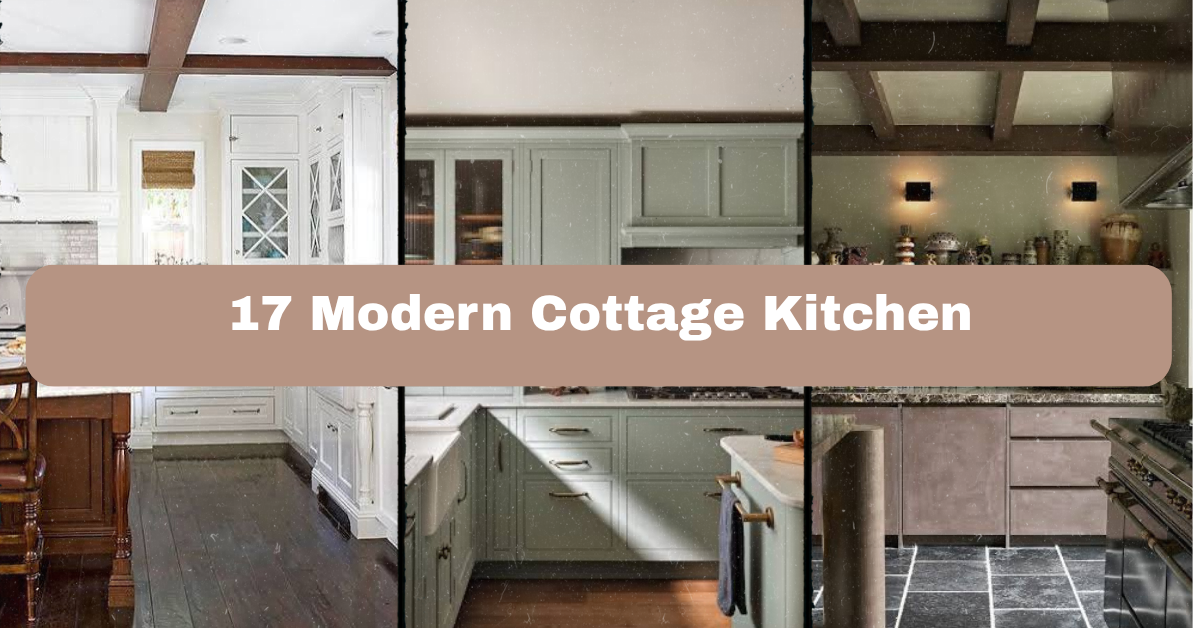
These 17 Modern Cottage Kitchen ideas give you a clear plan for blending simple country charm with clean, updated details. I’ll cover colors, cabinets, lighting, storage, materials, and small finishing touches so you can create a kitchen that feels both useful and welcoming.
A modern cottage kitchen combines traditional cottage features, such as painted cabinets, natural wood, open shelving, and farmhouse details, with contemporary layouts, simple hardware, clean lighting, and efficient storage. The result is a warm, practical, uncluttered kitchen.
Keep reading to see how small changes can shape the whole room. I’ll also share practical ways to adjust each idea for your budget and home style.
What Defines a Modern Cottage Kitchen?
To me, a modern cottage kitchen feels collected rather than overly matched. It has the comfort of a country kitchen, but it does not look stuck in the past. You might see shaker cabinets, handmade-looking tile, wood accents, and an old-style faucet. Then you add sleek appliances, smart storage, and uncluttered surfaces.
The color scheme is usually soft and natural. Think warm white, cream, sage, dusty blue, clay, or light gray. Materials matter, too. Cottage kitchens look best when they mix smooth and textured finishes. A polished counter can sit beside a rough wood shelf. A simple cabinet can pair with a vintage runner.
The goal is not perfection. A few signs of daily life make the space feel more inviting. Start with the layout and storage first. Then layer in color and personality.
1. Choose Warm White Shaker Cabinets
Warm white shaker cabinets are one of the easiest ways to create a modern cottage kitchen. Their simple recessed panels feel classic, while the soft white finish keeps the room bright. Choose an ivory or creamy white instead of a blue-toned white if you want a gentler, more lived-in look.
Pair the cabinets with brushed brass, aged bronze, or simple black knobs. Add a natural wood island or a few oak shelves to keep the kitchen from feeling too plain. If your room is small, use the same cabinet color on the upper and lower sections to create a seamless appearance.
For an actionable update, paint only the lower cabinets if replacing everything is not possible. A muted sage or warm taupe works beautifully below white uppers.
This idea also adapts well to coastal, traditional, Scandinavian, and farmhouse homes. Next, let’s bring in color without losing the calm cottage feeling.
2. Add a Soft Sage or Dusty Blue Accent
A cottage kitchen does not need to be all white. Soft sage green and dusty blue add character while staying easy on the eyes. Sage works well with oak, brass, cream, and terracotta. Dusty blue looks lovely with white tile, warm wood, and aged metal.
Use one accent color as a clear thread through the room. You could paint the island, install colored base cabinets, or add a narrow strip of painted trim. Avoid using several strong colors at once. The modern look depends on restraint.
Before choosing paint, test large samples near your cabinets and counters. Kitchen light can change a color dramatically from morning to evening.
This palette can shift toward coastal with pale blue, toward English cottage with sage, or toward modern farmhouse with olive green. Once the color is set, the backsplash can add another layer of texture.
3. Use Handmade-Looking Backsplash Tile
A backsplash with slight color variation gives a kitchen the charm of handmade pottery. Look for glossy ceramic subway tile, zellige-style tile, or small square tiles with uneven edges. The surface does not need to be perfectly flat or uniform.
Keep the tile color quiet if your cabinets or counters already make a statement. Cream, soft white, pale green, and smoky blue are reliable options. A simple stacked layout feels more current than a busy pattern, while a classic running bond keeps the room traditional.
Order samples before installing. View them beside your countertop, cabinet color, and grout choice. A warm white tile can look yellow beside a cool gray counter.
This backsplash approach works in modern, traditional, coastal, and Mediterranean kitchens. With the walls taking shape, a wood element will keep the room from feeling too polished.
Cottage Kitchen Color Pairings
| Cabinet color | Countertop | Accent material | Best mood |
|---|---|---|---|
| Warm white | Honed white quartz | Light oak | Bright and relaxed |
| Sage green | Cream quartz or butcher block | Aged brass | Soft and welcoming |
| Dusty blue | White marble-look quartz | Natural rattan | Coastal cottage |
| Mushroom taupe | Warm gray stone | Dark bronze | Earthy and refined |
| Deep olive | Light wood or cream quartz | Black metal | Rich and modern |
4. Bring in Natural Wood
Natural wood gives a modern cottage kitchen warmth and visual balance. Use it on an island, floating shelves, a range hood, ceiling beams, stools, or a cutting board collection. Oak, ash, pine, and walnut each create a different mood.
Light oak feels airy and casual. Walnut adds contrast and works well in a larger kitchen. Reclaimed wood brings more texture, but it should be sealed properly if used near food or water.
Try one main wood tone and one smaller supporting tone. Too many finishes can make the room look busy. For an easy change, replace a plain stool with a woven-seat wood stool or display a large wooden board against the backsplash.
Natural wood also fits Scandinavian, rustic, coastal, and contemporary interiors. Now let’s use lighting to make those wood details stand out.
5. Install Simple, Noticeable Lighting
Lighting can change the entire personality of a kitchen. For a modern cottage look, choose fixtures with simple shapes and warm finishes. Milk glass pendants, aged brass sconces, black lanterns, and woven shades are all strong choices.
Use several layers of light. Overhead lighting handles general tasks. Under-cabinet lighting helps with chopping and cleanup. Pendants or a central fixture add style. Choose warm bulbs around 2700K to 3000K for a comfortable glow.
Hang pendants so the bottom sits about 30 to 36 inches above the island surface. This gives you useful light without blocking conversation. Always confirm the height with your electrician and the fixture instructions.
This approach can feel rustic with iron, coastal with woven shades, or modern with opal glass. Next, we’ll make the island work harder.
6. Design an Island That Looks Like Furniture
A cottage-style island should feel useful, but it does not have to look like a block of cabinets. Add furniture-like details such as turned legs, beadboard panels, open shelves, or a contrasting wood top. These touches soften the kitchen and make the island a focal point.
Keep the island proportional to the room. You need enough space to walk comfortably around it, especially near appliances and cabinet doors. If the kitchen is narrow, a slim island or movable worktable may be a better fit.
For a budget-friendly option, paint an existing island a different color and add new end panels. A small table can also serve as a prep surface in a compact cottage kitchen.
This idea works with farmhouse, traditional, coastal, and modern layouts. Once the island is useful, smart storage will keep its surrounding counters clear.
Island Size and Clearance Guide
| Island feature | Practical guideline |
|---|---|
| Minimum walkway around island | About 36 inches |
| Comfortable work aisle | About 42 to 48 inches |
| Island seating overhang | 9 to 12 inches |
| Counter height | About 36 inches |
| Standard island depth | 24 to 48 inches |
| Pendant height above counter | About 30 to 36 inches |
7. Add Open Shelves in Small, Useful Doses
Open shelving brings an easy cottage feeling to the kitchen. It also gives you a place to display everyday dishes, wooden boards, cookbooks, or a small plant. The modern version uses open shelves carefully, rather than covering every wall.
Install one or two shelves near the sink, range, or coffee area. Choose wood for warmth, or painted shelves for a cleaner look. Keep the display practical. Plates, mugs, and bowls are more useful than a row of objects that collect dust.
Measure the depth before buying. Shelves that are too deep can crowd the room. Use strong brackets and secure them into studs whenever possible.
Open shelves can feel rustic with reclaimed wood, modern with thin oak, or coastal with pale paint and simple ceramics. Next, let’s create a strong focal point around the range.
8. Frame the Range With a Simple Hood
A range hood can become the architectural heart of a cottage kitchen. A plaster-look hood, painted wood hood, or simple paneled hood gives the cooking area a custom feel. Keep the shape clean so the result stays modern.
Use the hood to repeat an existing material. A wood hood can connect to an oak island. A painted hood can match the cabinets. A plaster-style finish can tie into handmade tile and stone counters.
Ventilation matters more than appearance. Choose a hood that suits your cooktop and have it installed correctly. Poor ventilation can leave grease and moisture on cabinets.
In a traditional kitchen, add trim and molding. In a modern room, use a smooth, simple profile. With the range framed, the sink area can add another practical focal point.
9. Select a Deep Apron-Front Sink
A deep apron-front sink is a natural fit for cottage kitchen design. The exposed front adds charm, while the generous basin makes it easier to wash large pans and baking sheets. Fireclay gives a bright, classic look, while stainless steel offers a more modern feel.
Before choosing one, check the cabinet requirements, faucet placement, and countertop measurements. Apron sinks can be heavy, so the base cabinet may need extra support. A single-bowl sink is useful for large cookware. A divided basin may suit people who prefer separate washing and rinsing areas.
Pair the sink with a bridge faucet, gooseneck faucet, or simple pull-down model. Brushed nickel, brass, and bronze all work.
This feature adapts to farmhouse, English cottage, modern rustic, and coastal spaces. Next, we’ll compare countertop materials that suit this relaxed style.
Countertop Material Comparison
| Material | Main benefit | Maintenance level | Cottage effect |
|---|---|---|---|
| Honed quartz | Consistent and easy to clean | Low | Clean, modern |
| Butcher block | Warm and budget-friendly | Medium | Casual and welcoming |
| Honed marble | Natural veining and classic appeal | High | Romantic and traditional |
| Soapstone | Heat-resistant and dark | Medium | Historic and earthy |
| Granite | Durable with natural pattern | Low to medium | Rustic and practical |
| Porcelain slab | Stain-resistant and versatile | Low | Sleek and updated |
10. Mix Countertop Finishes Carefully
Using two countertop materials can make a kitchen feel more custom. For example, use durable quartz around the sink and range, then add butcher block to the island. The change helps define work zones without adding visual clutter.
Choose materials that share a color link. Cream quartz and light oak work well together. A darker soapstone perimeter can pair with a warm wood island. Avoid combining several bold stone patterns in one room.
Ask how each surface handles heat, stains, water, and daily wear. Butcher block needs regular oiling, while natural stone may need sealing. Choose based on how you actually cook and clean.
This mixed-surface idea suits modern farmhouse, traditional, rustic, and Scandinavian kitchens. Now we can soften the hard surfaces with textiles.
11. Layer a Washable Runner for Warmth
A kitchen runner adds comfort underfoot and brings in color without a major renovation. Choose a washable flatweave, low-pile vintage-style rug, or indoor-outdoor runner. Patterns with faded blue, rust, cream, and sage hide crumbs better than a solid pale rug.
Place the rug where you stand most, such as in front of the sink or along the main counter. Use a non-slip pad so it stays flat. Avoid thick shag styles, which can trap food and make cabinet doors harder to open.
Repeat one rug color in a tea towel, stool cushion, or piece of art. This makes the room feel planned but not overly matched.
A striped runner feels coastal, a faded Persian pattern feels traditional, and a simple neutral weave feels modern. Next, we’ll add the small details that make the kitchen personal.
12. Display Everyday Ceramics and Wood Boards
The best cottage decor often comes from objects you already use. Stack cream plates, display handmade mugs, or lean wooden cutting boards against the backsplash. These pieces add texture while keeping the room functional.
Use trays to group small items, such as olive oil, salt, and pepper. Limit the number of objects on each shelf or counter. A little empty space helps every piece stand out.
Choose ceramics with slight variation instead of a perfectly matching set. Soft whites, speckled clay, blue stripes, and muted green all work with a modern cottage palette.
This display style can become rustic with pottery, coastal with blue-and-white ceramics, or modern with simple matte pieces. Before adding more decor, make sure your storage plan supports a clear countertop.
Storage Options by Kitchen Need
| Kitchen need | Useful solution | Best placement |
|---|---|---|
| Spices | Pull-out rack or drawer inserts | Beside the range |
| Baking supplies | Deep drawer with dividers | Below prep counter |
| Cutting boards | Vertical slot organizer | Near the work zone |
| Small appliances | Appliance garage | Corner of countertop |
| Pots and pans | Deep drawers | Below cooktop |
| Cleaning products | Sliding bin organizer | Below sink |
| Mugs and glasses | Open shelf or glass-front cabinet | Near coffee station |
13. Use Glass-Front Cabinets for Lightness
Glass-front cabinets provide the charm of open shelving with a little more protection from dust. They also break up a long wall of solid cabinet doors. Clear glass is practical for everyday dishes, while seeded or reeded glass adds texture and hides clutter.
Use glass doors on only a few upper cabinets. Fill them with simple items that share a color family. White dishes, glassware, and woven baskets create a calm display.
Keep the lighting inside subtle. Small rechargeable lights can help, but avoid bright strips that make the cabinets look like a store display. If you already have solid doors, replacing just two doors can make a noticeable difference.
This works especially well in traditional, English cottage, transitional, and modern kitchens. With the upper cabinets feeling lighter, let’s look at hardware.
14. Choose Hardware With a Gentle Aged Finish
Cabinet hardware is small, but it strongly affects the kitchen’s mood. Brushed brass adds warmth. Aged bronze feels historic. Matte black creates crisp contrast. Brushed nickel is a safe choice for a lighter, quieter room.
Use knobs on cabinet doors and pulls on drawers for a classic arrangement. Longer pulls can give a modern cabinet a more streamlined appearance. Keep the finish consistent across the cabinet hardware, faucet, and lighting when possible.
Before drilling, tape paper templates to the cabinet fronts. Test the size from across the room and while standing nearby. This simple step can prevent expensive mistakes.
The same hardware can feel farmhouse with cup pulls, modern with straight bars, or traditional with decorative knobs. Next, we’ll add a little greenery.
15. Bring in Herbs and Easy-Care Plants
Plants make a kitchen feel fresh and lived in. A small pot of rosemary, thyme, basil, or mint adds color and can be useful while cooking. If your kitchen lacks strong light, choose a pothos, snake plant, or faux herb arrangement instead.
Place plants near a window, on a shelf, or in a small hanging planter. Use pots made from terracotta, ceramic, or aged metal. Avoid crowding the sink area, where splashing water can damage some surfaces.
Rotate herbs when needed so they receive enough light. Keep soil and leaves away from food preparation areas.
Greenery suits almost every variation, from coastal cottage to dark modern country. One final architectural detail can complete the room: the wall treatment.
Wall Treatment Choices
| Wall treatment | Visual effect | Care notes | Best use |
|---|---|---|---|
| Beadboard | Classic cottage texture | Wipe painted surface regularly | Island or breakfast nook |
| Shiplap | Casual horizontal lines | Seal near sink | Feature wall |
| Limewash paint | Soft, cloudy depth | Test first on sample board | Dining or open wall |
| Board and batten | Tailored vertical detail | Keep trim dust-free | Tall wall |
| Wallpaper | Pattern and personality | Use washable kitchen-grade paper | Low-splash area |
| Simple paint | Clean and flexible | Easiest to refresh | Whole kitchen |
16. Add Beadboard or Paneling in One Focused Area
Wall paneling can make a plain kitchen feel more architectural. Beadboard works beautifully on an island, the side of a cabinet, or a breakfast nook wall. Board and batten gives a taller, more structured look.
Paint the paneling the same color as the cabinets for a quiet effect, or use a slightly darker shade for contrast. Keep the profile narrow if the kitchen is small. Heavy trim can make the space feel crowded.
Use moisture-resistant materials near sinks and seal all edges carefully. If you rent, removable beadboard-style wallpaper can create a similar impression with less commitment.
This detail fits traditional, farmhouse, coastal, and modern cottage interiors. Once the walls have texture, one practical seating choice can finish the social side of the room.
17. Create a Small Breakfast Nook
A breakfast nook makes a cottage kitchen feel friendly and useful. You do not need a large room. A small round table, built-in bench, or narrow wall-mounted table can create a place for coffee, homework, and quick meals.
Choose furniture with a simple shape. A painted table feels classic, while a light wood table adds warmth. Add a washable cushion or a pair of slipcovered chairs for comfort. Keep the colors connected to the kitchen, but do not make every piece identical.
For a tiny space, use a pedestal table or a bench that includes storage. Round tables improve movement in tight corners.
This nook can lean coastal with pale wood, traditional with turned legs, or modern with a simple black table. Now bring the whole design together with a few final checks.
Tips for Success
- Start with the kitchen layout before choosing paint or decor.
- Limit the main palette to two or three colors.
- Mix smooth and textured surfaces for visual interest.
- Choose finishes based on maintenance, not appearance alone.
- Repeat one metal finish across the faucet, lighting, and cabinet hardware.
- Keep open shelves partly empty so they do not look crowded.
- Use warm bulbs to support the soft cottage mood.
- Measure appliance doors, walkways, and island clearances before ordering furniture.
- Add vintage pieces slowly. One special object usually has more impact than many small ones.
Common Mistakes and How to Avoid Them
Using too much white
: Add warm wood, woven texture, colored accessories, or a soft accent cabinet so the room does not feel flat.
Mixing too many wood tones
: Choose one main wood finish and use a second tone only in small amounts, such as a stool or cutting board.
Installing open shelves without a storage plan
: Decide what will live on the shelves first, then measure the depth and spacing around those objects.
Choosing style over function
: Check sink size, counter durability, appliance clearance, and lighting before committing to decorative details.
Making every item look vintage
: Balance old-fashioned touches with clean cabinet lines, simple lighting, or modern appliances.
Ignoring the grout color
: Test grout samples with the tile. Bright white grout looks crisp, while warm gray or beige is often easier to maintain.
Similar Variations
- Modern Farmhouse Cottage: Uses shaker cabinets, black hardware, practical finishes, and a stronger focus on utility.
- English Cottage: Adds floral fabric, aged brass, painted furniture, deep colors, and traditional millwork.
- Coastal Cottage: Uses pale blue, sandy neutrals, light wood, woven textures, and relaxed striped textiles.
- Scandinavian Cottage: Combines soft white, pale timber, simple silhouettes, and minimal decoration.
- Modern Rustic Cottage: Brings in stone, reclaimed wood, matte metal, and darker earth tones.
- Cottagecore Kitchen: Leans into vintage dishes, floral patterns, collected objects, herbs, and romantic details.
A modern cottage kitchen works best when comfort and function lead the design. Begin with a practical layout, choose warm materials, and add personality through lighting, textiles, ceramics, and a few meaningful pieces.
You do not need a full remodel to create the look. Paint, hardware, a wood accent, and better lighting can shift the mood quickly. With the right mix of old charm and clean details, these 17 Modern Cottage Kitchen ideas can make your space feel fresh, useful, and truly yours.
Leave a Reply