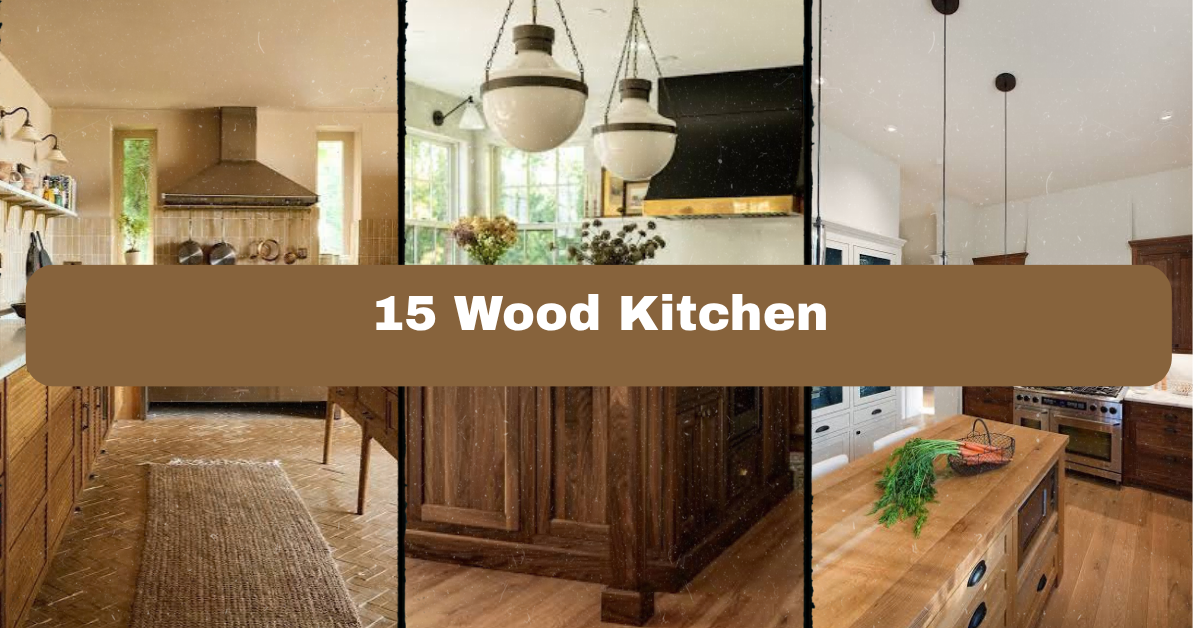
15 Wood Kitchen ideas can help you create a space that feels warm, useful, and personal without looking old-fashioned. I’ll walk you through smart wood choices, color pairings, layouts, storage details, and decorating tricks that work in real homes.
A 15 Wood Kitchen refers to a collection of kitchen design ideas centered on natural or finished wood. The approach can include cabinets, islands, shelving, flooring, furniture, and accents in styles ranging from modern to rustic.
Keep reading to see how to mix wood with paint, stone, metal, and fabric. I’ll also share practical tips for avoiding a kitchen that feels too dark or too busy.
Understanding the Wood Kitchen Style
A wood kitchen is not limited to one look. It can be sleek and modern, soft and Scandinavian, rugged and farmhouse-inspired, or rich and traditional. The key is choosing how much wood you want and where you want it to appear.
I like wood because it adds texture that painted surfaces often lack. Oak shows a gentle grain. Walnut brings deep color. Maple feels clean and bright. Reclaimed boards add history.
The best designs use contrast. Pair warm cabinets with light walls. Add metal hardware to sharpen the look. Use stone counters to balance the natural grain. Before choosing finishes, think about your kitchen’s size, sunlight, and daily use.
1. Pair Light Oak Cabinets With Soft White Walls
Light oak cabinets create an airy kitchen with plenty of natural texture. Their pale honey color works especially well in smaller rooms because it reflects more light than dark wood. I would pair them with warm white walls rather than a cold blue-white. This keeps the room comfortable and avoids a gray cast.
For counters, consider white quartz, pale marble-look porcelain, or butcher block if you want an all-natural feel. Add simple black or brushed brass pulls for contrast. A woven runner and a few ceramic bowls can soften the clean lines.
A practical tip is to request a cabinet sample before ordering. Oak can look very different under store lighting.
This idea works in modern, Scandinavian, farmhouse, and transitional homes, so next, let’s look at a darker wood option.
2. Use Walnut for a Rich, Furniture-Like Island
Walnut gives a kitchen a deep, polished feeling. Instead of using it on every cabinet, I suggest placing it on the island. The island then feels like a special piece of furniture rather than another wall of storage.
Keep the surrounding cabinets lighter. Cream, warm gray, or natural white cabinets create a balanced color scheme. A pale quartz counter will make the walnut stand out, while a darker stone creates a moodier room. Choose simple stools with woven seats or slim metal legs so the island remains the main feature.
Protect the wood with a finish made for kitchen use. Wipe spills quickly, especially around the sink and dishwasher.
Walnut islands suit contemporary, mid-century, traditional, and modern farmhouse kitchens, leading naturally to another way to add wood without replacing cabinets.
3. Install Open Wood Shelves on One Wall
Open wood shelving adds warmth and makes everyday items easy to reach. I like using shelves on one short wall instead of covering the whole kitchen with them. This gives you room to display attractive dishes without creating constant visual clutter.
Choose shelves that are at least 10 inches deep for plates and bowls. Mount them securely into wall studs, especially if you plan to store heavy cookware. Match the wood to the cabinets, or choose a slightly darker tone for contrast.
Keep the display simple. Use a few stacks of dishes, a small plant, a cutting board, and one or two handmade pieces. Leave empty space between objects.
This idea fits rustic, industrial, coastal, and minimalist homes. Once your shelving is planned, it helps to compare wood colors before adding more finishes.
Wood Tone and Wall Color Guide
| Wood tone | Helpful wall colors | Countertop pairing | Overall effect |
|---|---|---|---|
| Pale oak | Warm white, soft beige, light sage | White quartz or pale wood | Airy and relaxed |
| Natural maple | Cream, light gray, muted blue | Honed white stone | Clean and bright |
| Medium walnut | Ivory, mushroom, dusty green | Cream quartz or charcoal stone | Rich and balanced |
| Dark espresso | Soft white, clay, warm taupe | Light marble-look quartz | Dramatic but grounded |
| Reclaimed wood | White, muted black, pale blue | Concrete, soapstone, or butcher block | Rustic and collected |
4. Mix Wood Cabinets With a Painted Lower Section
Two-tone cabinetry can keep a wood kitchen from feeling too heavy. One useful approach is wood on the upper cabinets and painted cabinetry below, or the reverse. I often prefer wood lowers with painted uppers because the wood feels grounded while the upper half stays light.
Try natural oak with muted sage, dusty blue, warm white, or mushroom gray. Keep the hardware consistent so the two cabinet finishes feel connected. If you use open shelves, match them to the wood section rather than introducing another color.
A practical tip is to limit the room to two main cabinet finishes. Too many tones can make the kitchen look accidental.
This strategy works in cottage, coastal, farmhouse, traditional, and contemporary kitchens. From there, the floor becomes the next major wood surface to plan.
5. Choose Wood Flooring That Supports the Cabinets
Wood flooring can make a kitchen feel connected to the rest of the home. However, the floor does not need to match the cabinets exactly. In fact, identical wood everywhere can flatten the design.
If your cabinets are light, choose flooring with a slightly deeper tone. If your cabinets are dark, use a medium or pale floor to keep the room from closing in. Wide planks give a relaxed look, while narrow planks feel more traditional.
For busy households, look at durable engineered hardwood or quality waterproof flooring made to resemble wood. Place mats near the sink and cooking area, and clean spills quickly.
Wood floors fit almost every style, from mid-century to farmhouse. After choosing the floor, you can use the ceiling to add another layer of warmth.
6. Add Wood to the Ceiling With Simple Beadboard
A wood ceiling can make a plain kitchen feel finished. Beadboard, narrow planks, or tongue-and-groove boards work well in rooms with ordinary drywall ceilings. Painted white wood keeps the room bright, while natural boards bring a cabin-like mood.
I would use this idea when the cabinets are fairly simple. A detailed cabinet style combined with a busy ceiling may feel crowded. Add recessed lighting or small flush-mount fixtures so the ceiling remains attractive at night.
Before installation, check the ceiling height. Dark or heavily stained boards can make a low ceiling feel lower. For a safer choice, use white, pale oak, or a light gray wash.
This approach suits coastal, cottage, rustic, and Scandinavian interiors. Now let’s compare several common wood materials for cabinets and accents.
Common Wood Choices for Kitchens
| Wood type | Appearance | Strengths | Best use |
|---|---|---|---|
| White oak | Visible grain, pale tan color | Durable and versatile | Cabinets, shelves, flooring |
| Walnut | Dark brown with smooth grain | Rich appearance and stable shape | Islands, doors, accents |
| Maple | Fine grain and light color | Smooth, clean look | Full cabinetry |
| Cherry | Warm reddish-brown tone | Deepens with age | Traditional cabinets |
| Pine | Soft grain with knots | Affordable and casual | Rustic accents and paneling |
| Ash | Light color with open grain | Bright and natural | Modern cabinets and shelves |
| Reclaimed wood | Varied color and marks | Adds character and history | Islands, beams, feature walls |
7. Build a Wood Backsplash for a Warm Focal Point
A wood backsplash can make a kitchen feel more relaxed than a full wall of tile. Use sealed boards, wood-look porcelain tile, or treated paneling designed for areas near food and moisture. Do not install unfinished wood behind a sink or cooktop.
A backsplash in natural oak looks good with white cabinets. Dark-stained boards pair well with pale cabinets and matte black fixtures. Keep the counter fairly quiet if the backsplash has knots, color changes, or strong grain.
For a practical update, use wood only on the wall behind open shelves or along one short section. This gives you the look without turning maintenance into a daily chore.
Wood backsplashes work in rustic, modern farmhouse, lodge, and eclectic kitchens. Next, we can make the same material feel more polished with carefully chosen hardware.
8. Add Black or Brass Hardware for Contrast
Hardware changes the mood of a wood kitchen quickly. Matte black pulls create a crisp, modern outline against pale oak or maple. Aged brass brings softness to walnut, cherry, and medium oak. Brushed nickel gives a quieter, more practical appearance.
Use one main metal throughout the room. You can mix metals, but repeat each finish at least twice so it looks intentional. For example, use brass cabinet pulls and brass lighting, then add black only on the faucet and stools.
Choose long pulls for wide drawers and smaller knobs for doors. This improves comfort and keeps the cabinet fronts from looking awkward.
Black hardware suits modern and industrial kitchens. Brass fits traditional, cottage, and warm contemporary spaces. With the main finishes set, lighting can bring the wood grain to life.
9. Use Layered Lighting to Highlight Wood Grain
Good lighting helps wood look rich rather than dull. Start with general ceiling lighting, then add task lights under the cabinets. Pendant lights over an island provide both function and style.
Warm white bulbs around 2700K to 3000K usually make wood feel comfortable. Very cool bulbs can make natural cabinets look gray or harsh. Place under-cabinet lights toward the front edge so they brighten the counter instead of shining directly into your eyes.
For a decorative touch, choose milk glass, linen, rattan, or aged metal shades. Avoid oversized fixtures in a narrow kitchen.
Layered lighting works in every design style. It also helps reveal whether your chosen cabinet color looks right at different times of day.
Kitchen Lighting Placement Guide
| Lighting type | Suggested placement | Main purpose |
|---|---|---|
| Ceiling fixture | Center of kitchen or key walkway | General room lighting |
| Recessed lights | About 24 to 36 inches from walls | Even illumination |
| Under-cabinet strips | Near the front underside of upper cabinets | Countertop task lighting |
| Island pendants | Centered over island, evenly spaced | Task light and visual focus |
| Wall sconces | Beside open shelves or a sink window | Decorative and local light |
| Inside-cabinet lights | Glass-door or display cabinets | Highlight dishes and details |
10. Choose a Stone Counter That Balances the Wood
Wood cabinets need a countertop that supports them without competing for attention. Light quartz is one of the easiest choices because it adds brightness and is simple to maintain. Soapstone creates a softer, darker look with a smooth matte surface. Concrete adds an industrial edge.
If you love butcher block, consider using it only on the island. A full butcher block kitchen can require more care, especially around sinks. Seal it according to the maker’s instructions, and do not leave standing water on the surface.
Use a quiet counter when the cabinet grain is bold. If the cabinets are plain, a veined stone can become the focal point.
This idea adapts to modern, rustic, traditional, and industrial kitchens. Once the hard finishes are chosen, seating can add comfort and personality.
11. Select Stools That Break Up the Wood
A wood kitchen can look too solid if every surface is hard and brown. Stools are an easy place to introduce a different texture. Try woven rattan, painted wood, molded plastic, leather, or slim metal.
For a standard counter, choose stools with seats about 24 to 26 inches high. A bar-height counter usually needs seats around 28 to 30 inches high. Leave enough space for knees and movement between stools.
Color matters, too. Black stools sharpen a pale wood kitchen. Cream upholstery softens walnut. Blue or green seating can add a small but useful color accent.
Stools work across coastal, boho, modern, and farmhouse styles. From seating, it is an easy step to soft furnishings that make the room feel less formal.
12. Add Textiles to Soften Hard Surfaces
Textiles bring comfort to a kitchen filled with wood, stone, and metal. Start with a washable runner near the sink or island. Look for flatweave cotton, indoor-outdoor fabric, or a low-pile rug that will not catch on cabinet doors.
Linen café curtains can soften a window without blocking all the light. Tea towels in clay, olive, navy, or cream can repeat colors used elsewhere. Seat cushions make wood stools more comfortable during long breakfasts.
Choose patterns carefully. A small stripe or simple geometric print works well with visible wood grain. Large, busy patterns may compete with knots and strong cabinet lines.
This approach fits cottage, coastal, boho, and traditional kitchens. With soft details in place, plants and natural accessories can finish the room.
Useful Kitchen Textile Choices
| Item | Best material | Good color direction | Care note |
|---|---|---|---|
| Sink runner | Washable flatweave | Olive, navy, tan | Use a non-slip pad |
| Seat cushion | Cotton or performance fabric | Cream, rust, muted blue | Choose removable covers |
| Tea towels | Linen or cotton | Repeat cabinet accents | Wash often |
| Café curtain | Linen blend | White, oatmeal, soft stripe | Keep away from cooktop |
| Floor mat | Rubber-backed woven fabric | Neutral or earthy | Replace if edges curl |
13. Bring in Plants and Fresh Natural Color
Plants add life to a wood kitchen and help prevent the space from feeling too serious. A small herb pot near a bright window is both useful and attractive. If your kitchen has low light, try pothos, snake plants, or realistic faux greenery.
Use simple containers. White ceramic looks fresh with dark wood. Terracotta adds warmth to pale oak. A glass vase can bring a lighter, more delicate note.
Do not crowd the counters. One plant near the window and another on an open shelf may be enough. Keep leaves away from the cooktop, toaster, and areas where food is prepared.
This idea works with farmhouse, tropical, Scandinavian, and contemporary designs. After adding greenery, artwork can give the kitchen a more personal point of view.
14. Display Art Instead of Filling Every Wall With Cabinets
Artwork can make a kitchen feel like part of the home rather than a purely functional room. Hang a framed botanical print, a simple still life, or a colorful abstract piece on a wall that is away from heat and splashes.
Choose a frame that relates to the kitchen finishes. A light wood frame blends quietly. Black creates structure. Brass adds a small touch of shine. If the cabinets already have strong grain, choose artwork with a simple shape.
Protect paper art from steam by placing it away from the sink and dishwasher. A washable print or framed textile is useful in a busy home.
Artwork suits eclectic, traditional, modern, and cottage kitchens. One final design move can make the whole room feel more custom.
15. Create a Furniture-Style Pantry or Freestanding Hutch
A freestanding hutch or pantry cabinet adds storage while making the kitchen feel collected over time. Choose a piece with glass doors for dishes, solid doors for small appliances, or open shelving for baskets and cookbooks.
You can match the cabinet wood to the main kitchen or use a painted finish for contrast. A deep green hutch looks striking beside natural oak. A pale cream piece softens dark walnut cabinets.
Measure carefully before buying. Allow enough space for doors and drawers to open fully. Secure tall furniture to the wall, especially in homes with children or pets.
This idea works in traditional, farmhouse, cottage, and modern kitchens when the shape is simple. Now, a few practical rules will help keep all these ideas looking intentional.
Tips for Success
- Order wood, paint, and countertop samples before making final choices. View them in morning, afternoon, and evening light.
- Limit the room to two or three main wood tones.
- Use a durable finish on cabinet doors, islands, and shelves near water.
- Keep at least one large surface light if the kitchen has limited windows.
- Repeat accent colors in at least three places, such as stools, towels, and artwork.
- Leave open shelving partly empty so displayed items can breathe.
- Plan lighting before cabinets and backsplash materials are installed.
- Choose cabinet pulls based on hand comfort, not appearance alone.
Common Mistakes and How to Avoid Them
Using too many wood tones
: Choose one dominant wood and one supporting tone. If you add a third, use it only in a small accent such as a cutting board or stool.
Ignoring undertones
: Compare samples side by side. A red-toned cherry cabinet may clash with a yellow oak floor, even when both are called warm wood.
Installing untreated wood near water
: Use sealed wood, a protective backsplash, or a wood-look tile in splash zones. Wipe standing water quickly.
Making the kitchen too dark
: Balance deep cabinets with pale walls, reflective counters, layered lighting, and lighter flooring.
Overloading open shelves
: Store daily items in neat stacks and leave open areas between objects. Move rarely used pieces to closed cabinets.
Choosing style over function
: Check drawer clearance, walking paths, stool space, and cleaning needs before buying decorative pieces.
Similar Variations
- Modern Wood Kitchen: Flat-front cabinets, simple hardware, smooth counters, and limited decoration create a clean look.
- Scandinavian Wood Kitchen: Pale timber, white surfaces, soft lighting, and practical storage keep the room bright.
- Modern Farmhouse Kitchen: Natural wood mixes with painted cabinets, apron sinks, simple pendants, and open shelving.
- Coastal Wood Kitchen: Light oak, white walls, woven stools, pale blue accents, and relaxed textiles create a breezy feel.
- Rustic Lodge Kitchen: Reclaimed wood, stone counters, iron hardware, and warm lighting bring a strong outdoor character.
- Japandi Wood Kitchen: Calm wood tones, low visual clutter, natural materials, and soft neutral colors create a peaceful space.
A successful wood kitchen is all about balance. Let the grain add warmth, then use paint, stone, lighting, metal, and textiles to keep the room useful and fresh.
You do not need to remodel every surface at once. Start with one strong feature, such as an oak island, wood shelves, or a freestanding hutch, and build the room around it. The best 15 Wood Kitchen feels welcoming because every material has a purpose.
Leave a Reply