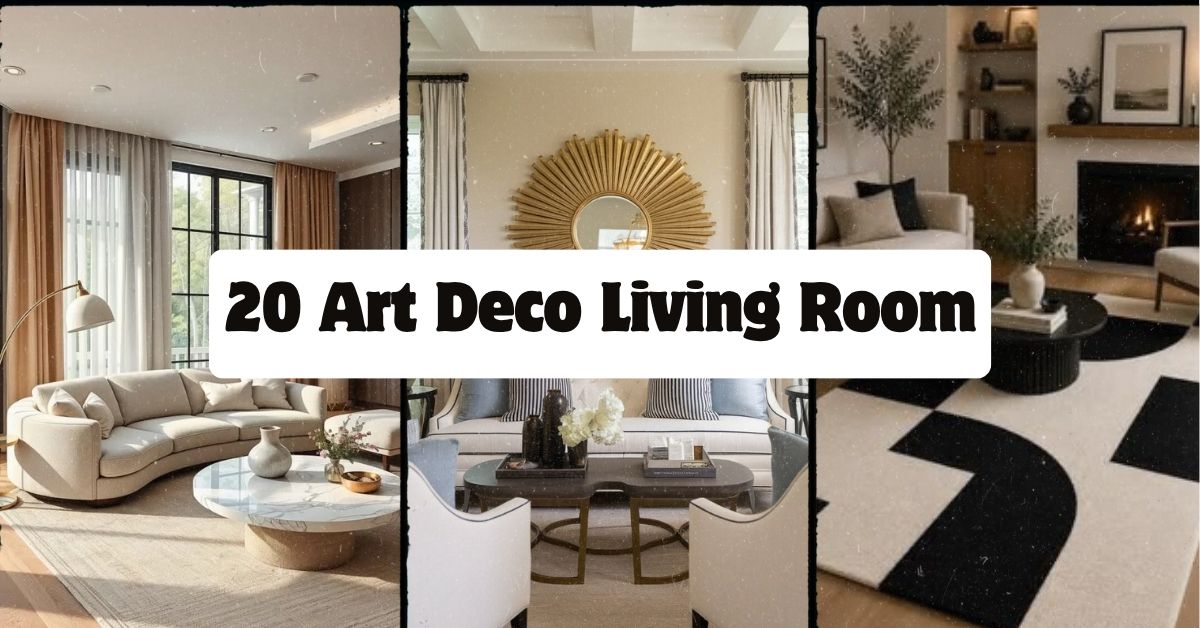
I’ve spent way too many hours scrolling through design boards trying to figure out what actually makes a room feel like Art Deco, and I’m going to save you that time. This article breaks down 20 Art Deco living room ideas that actually work in real homes, not just magazine spreads.
Art Deco is a design style from the 1920s and 1930s known for bold geometric shapes, rich colors, metallic accents, and glossy surfaces. A true Art Deco living room combines symmetry, luxury materials, and dramatic contrast to create a glamorous, structured space.
Stick around, because I’m about to show you exactly how to pull this look off without turning your living room into a movie set.
What Makes a Living Room “Art Deco” Anyway?
Okay, so before we jump into the ideas, let’s talk basics. Art Deco showed up right after World War I. People wanted glamour, luxury, and a break from plain, boring design. Think Great Gatsby vibes. Sharp lines. Sunburst patterns. Shiny metals like brass and chrome. Deep jewel tones like emerald and sapphire. It’s bold. It’s a little dramatic. And honestly, that’s what makes it fun.
This style isn’t about clutter or too many patterns. It’s about clean, confident shapes paired with rich textures. Once you get the formula, it’s actually pretty simple to recreate in your own space.
1. Start With a Bold Geometric Rug
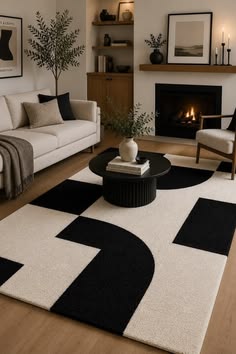
Your rug sets the tone for the whole room. Art Deco rugs usually feature chevron patterns, sunbursts, or stacked geometric shapes. Go with a rug that has strong contrast, like black and gold or navy and cream.
Place your rug so it extends slightly beyond your main seating area. This makes the room feel intentional instead of thrown together.
Tip: Measure your seating group first, then buy a rug at least 6 inches wider on each side.
This idea works in modern homes too. Just pick a simpler geometric pattern with fewer colors.
Once your rug is down, you’ll want furniture that matches that same bold energy, which brings us to the next piece.
2. Choose a Curved Velvet Sofa
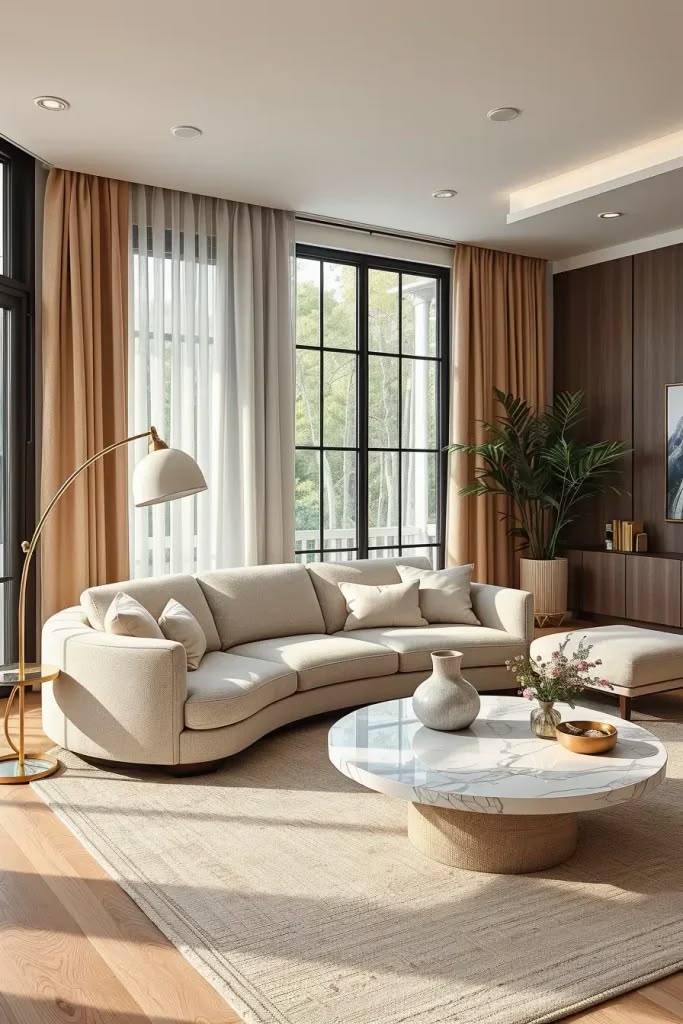
Art Deco furniture loves curves paired with structure. A velvet sofa with rolled arms or a gentle curved back instantly gives that vintage glam feeling. Stick to deep colors like emerald green, mustard yellow, or burgundy.
Velvet also adds texture, which is a big part of what makes Art Deco rooms feel rich instead of flat.
Practical tip: If velvet feels too bold, start with velvet throw pillows on a neutral sofa instead.
For traditional homes, a curved sofa blends in beautifully. For coastal spaces, skip the deep jewel tones and go with a soft sage velvet instead.
Next, let’s talk about what goes above that sofa, because walls matter just as much as furniture here.
3. Add a Statement Mirror With Sunburst Design

Sunburst mirrors are basically the emoji of Art Deco design. They’re everywhere in this style, and for good reason. They add shine, symmetry, and a focal point without taking up floor space.
Hang one above your sofa or fireplace. Gold or brass frames work best because they catch light and add warmth.
Tip: Center the mirror at eye level, about 6 to 8 inches above your sofa back.
This idea works in almost any style, from farmhouse to mid-century, since sunburst mirrors have become a design classic on their own.
Speaking of light, let’s move into lighting fixtures, because Art Deco lighting is honestly half the magic.
4. Install a Geometric Chandelier

Lighting in Art Deco rooms isn’t just functional. It’s sculptural. Think chandeliers with stacked glass layers, geometric metal frames, or fan shapes.
A chandelier like this becomes the crown jewel of your ceiling. Choose brass, chrome, or black metal finishes depending on your color scheme.
Actionable tip: Hang your chandelier so the bottom sits about 30 inches above where your coffee table will go.
Modern farmhouse rooms can still pull this off with a simpler black geometric fixture instead of a fully layered glass one.
Now let’s talk color, because Art Deco has some very specific favorites.
Art Deco Color Palette Guide
| Palette Name | Main Colors | Accent Colors | Best For |
|---|---|---|---|
| Classic Glam | Black, Cream | Gold, Brass | Formal living rooms |
| Jewel Box | Emerald, Navy | Gold, Ivory | Bold statement rooms |
| Soft Deco | Blush, Cream | Rose Gold | Small or bright spaces |
| Moody Deco | Charcoal, Deep Purple | Silver, Chrome | Evening lounge feel |
5. Use Black and Gold as Your Anchor Colors

If you only remember one thing about Art Deco color schemes, remember this combo. Black and gold create instant drama and elegance. Use black for larger elements like furniture frames or accent walls, and gold for smaller details like lamp bases, picture frames, or hardware.
This pairing works because it’s high contrast without being loud.
Tip: Keep a 70-20-10 ratio. Seventy percent neutral background, twenty percent black, ten percent gold accents.
Traditional homes can lean heavier on gold. Minimalist modern spaces should use gold sparingly, almost like jewelry.
Once your colors are locked in, it’s time to think about the shapes repeating throughout your room.
6. Repeat Geometric Shapes Throughout the Room

Art Deco is obsessed with pattern repetition. Circles, zigzags, and stepped shapes (like a staircase) show up again and again in this style.
Try picking one shape, maybe a fan or chevron, and repeating it in your rug, throw pillows, and wall art. This creates visual rhythm without looking matchy-matchy.
Practical tip: Choose one dominant shape and one secondary shape. Don’t use more than two or you’ll lose the clean look.
This trick works in almost every design style. Coastal homes might use wave patterns instead of chevrons, same idea though.
Speaking of wall art, let’s dig deeper into that next.
7. Hang Vintage-Inspired Art Deco Posters
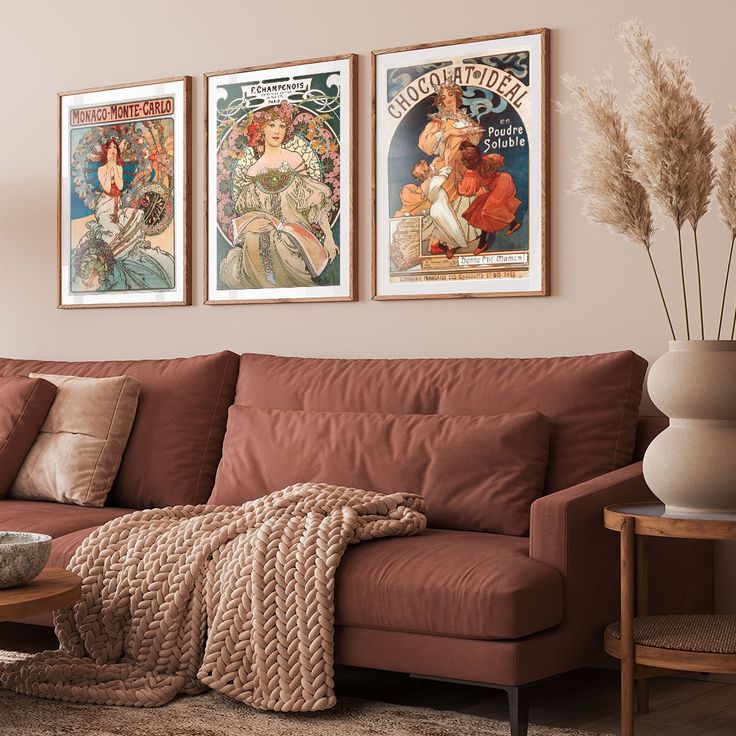
Original Art Deco posters often featured travel scenes, glamorous figures, or bold typography. You can find affordable reprints online that capture this exact feel.
Frame them in thin black or gold metal frames to keep the vintage authenticity.
Tip: Group three posters in a row above your sofa for a gallery-style display.
This idea adapts well to eclectic or vintage-inspired homes too, since travel posters have a timeless appeal beyond just Art Deco.
Now let’s talk about something people forget, texture on the walls themselves.
8. Add Textured Wall Paneling
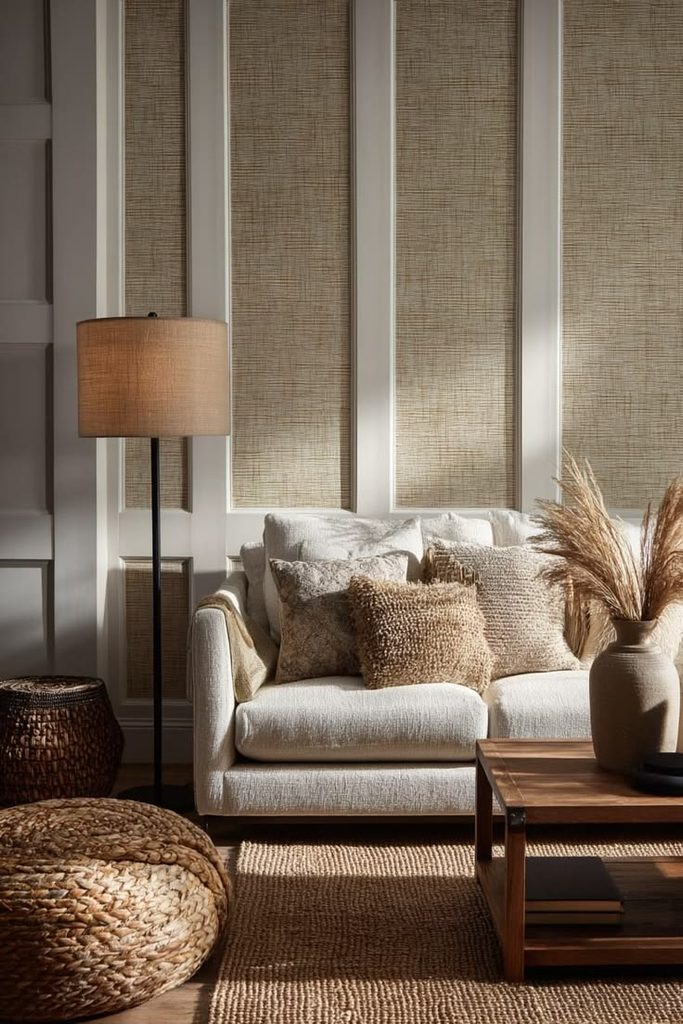
Wainscoting or fluted wall panels instantly give a room that old-world craftsmanship feel. Art Deco loved vertical lines and geometric paneling, especially in dining and living spaces.
You can install real wood panels or use peel-and-stick versions for a budget-friendly option.
Actionable tip: Paint your paneling a slightly darker shade than your wall color for subtle depth.
Modern farmhouse and transitional homes use similar paneling too, just usually in simpler, less ornate patterns.
With your walls sorted, let’s move to something smaller but just as impactful, your side tables.
9. Choose Mirrored or Lacquered Side Tables

Small furniture pieces matter a lot in Art Deco design. Mirrored side tables reflect light and add a touch of glamour without overwhelming the room.
Lacquered wood in black or deep red is another great option if mirrors feel too flashy for your taste.
Tip: Pair one mirrored table with one solid-colored table for balance instead of using two identical pieces.
This works beautifully in glam or hollywood regency style homes, which honestly share a lot of DNA with Art Deco anyway.
Next, let’s talk about something every living room needs but often gets overlooked, the coffee table.
10. Pick a Coffee Table With a Bold Base

Your coffee table is a great place to show off Art Deco’s love of strong shapes. Look for tables with geometric metal bases, like criss-cross patterns or stepped pyramids.
Glass tops work well because they let the base design shine through.
Practical tip: Measure so your coffee table sits about 18 inches from your sofa for comfortable leg room.
Modern minimalist homes can simplify this by choosing a single-shape base instead of a busy geometric one.
Now let’s zoom out and talk about how to layer your accent pillows properly.
11. Layer Pillows in Rich Jewel Tones

Pillows are the easiest and cheapest way to bring Art Deco color into your room. Stick to velvet or silk-look fabrics in emerald, sapphire, ruby, or amethyst.
Mix solid colors with one or two patterned pillows featuring geometric designs.
Tip: Use an odd number of pillows, usually 3 or 5, for a more curated look.
This idea is basically universal. Every design style uses pillows to test out bold colors before committing to bigger pieces.
Let’s move from soft textiles to something a little harder, metal accents.
12. Incorporate Brass or Chrome Hardware
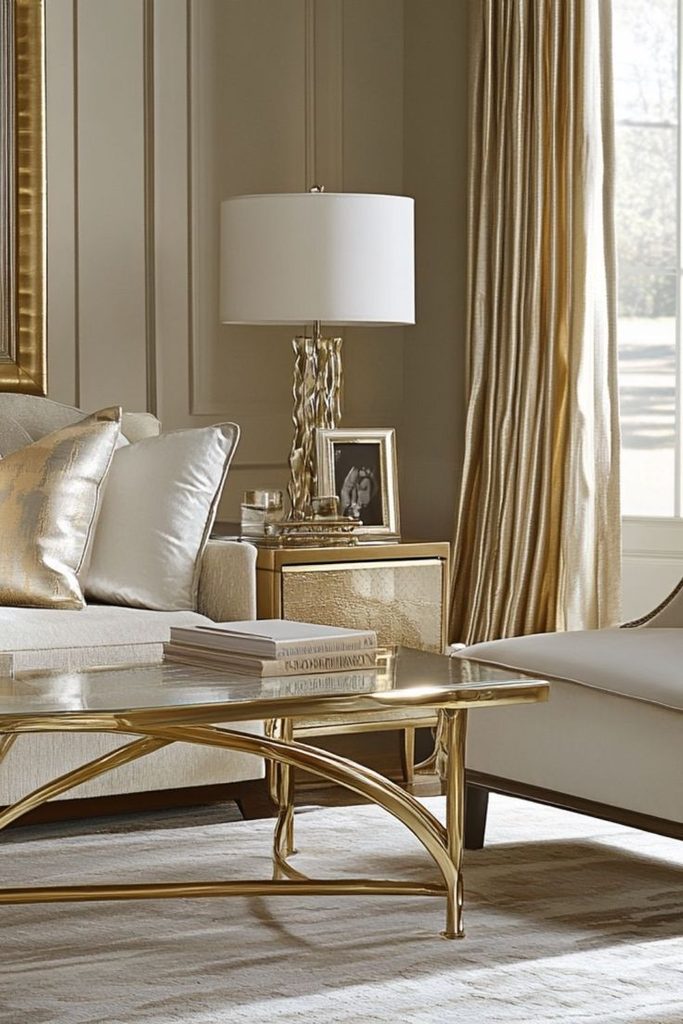
Small details like drawer pulls, lamp bases, and curtain rods matter more than people think. Brass gives a warmer, vintage feel. Chrome feels sleeker and more modern.
Pick one metal finish and stick with it throughout the room for consistency.
Actionable tip: If your budget is tight, start with lamp bases since they’re the cheapest way to test a metal finish.
This idea translates across nearly every design style, since metallic hardware has become a staple everywhere from farmhouse to industrial.
Now that we’ve covered small details, let’s talk about a bigger design choice, your window treatments.
Budget Guide for Art Deco Living Room Updates
| Budget Level | What You Can Do | Estimated Cost |
|---|---|---|
| Low ($50-150) | Pillows, mirror, lamp swap | $50-150 |
| Medium ($150-600) | Rug, wall art, side table | $150-600 |
| High ($600-2000) | Sofa, chandelier, paneling | $600-2000+ |
13. Use Heavy Drapes With Geometric Trim
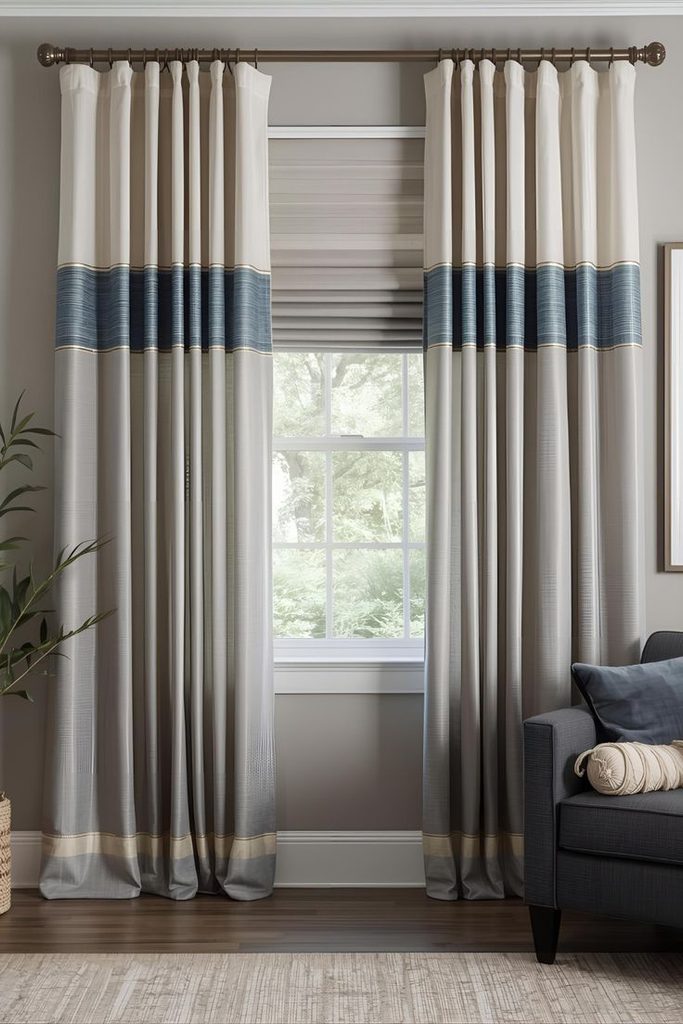
Curtains in Art Deco rooms tend to be full-length and made from heavier fabrics like velvet or satin. Adding geometric trim along the edges gives that extra vintage touch.
Deep colors like navy or emerald work great here, especially against lighter walls.
Tip: Hang curtain rods about 4 inches above your window frame to make ceilings feel taller.
Coastal homes can adapt this by using lighter linen fabric with subtle geometric trim instead of heavy velvet.
Speaking of height, let’s talk about how flooring plays into this whole look.
14. Install or Highlight Herringbone Flooring

Herringbone wood flooring is a classic Art Deco detail. The zigzag pattern adds movement and sophistication without adding any color at all.
If replacing your floor isn’t in the budget, a herringbone-patterned rug gives a similar effect for way less money.
Practical tip: Lay herringbone patterns diagonally across the room to make small spaces feel larger.
This idea works especially well in traditional and transitional homes that already lean toward classic wood flooring.
Now let’s shift to something people always ask about, how to handle the fireplace area.
15. Frame Your Fireplace With Marble or Faux Marble

Fireplaces were a big deal in Art Deco design. Marble surrounds, especially in black or green veined stone, add serious drama.
If real marble isn’t in your budget, marble-look tile or peel-and-stick panels can fake the look convincingly.
Tip: Add brass trim along the edge of your fireplace surround for extra polish.
This works in traditional homes easily, and even modern homes can pull it off with a simpler, cleaner marble slab design.
Now let’s talk about something smaller but still important, your bar cart setup.
16. Set Up a Vintage-Style Bar Cart

Art Deco rooms often included a bar cart as both function and decoration. Choose a cart with a metal frame, mirrored shelf, or geometric detailing.
Style it with a few glass decanters and simple glassware for that classic look.
Actionable tip: Keep only 4 to 6 items on your cart so it doesn’t look cluttered.
This idea works great in eclectic and mid-century modern homes too, since bar carts have stayed popular way beyond the Art Deco era.
Let’s move from furniture back to the walls again, this time talking about accent walls.
17. Paint One Wall in a Deep, Moody Color
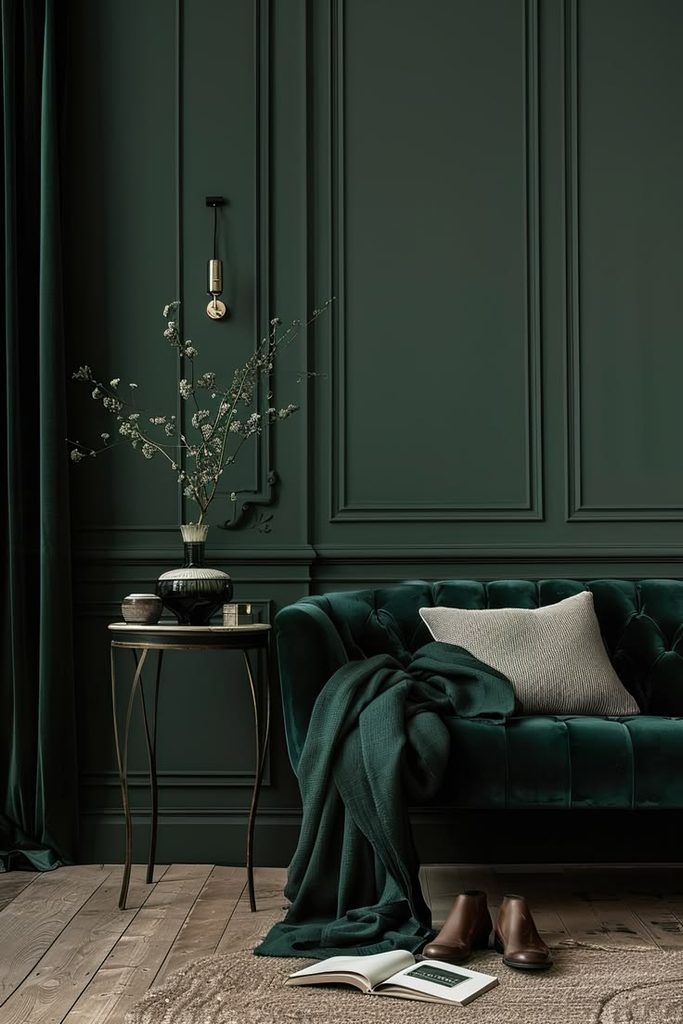
An accent wall in a color like deep emerald, navy, or even black creates instant depth. This works especially well behind your sofa or television area.
Pair the dark wall with gold-framed art or brass sconces to keep the room from feeling too heavy.
Tip: Test your paint color in both daytime and evening light before committing.
Modern homes can do this with matte black paint, while traditional homes might prefer a deep hunter green instead.
Now let’s talk about a detail that ties the whole room together, your ceiling.
18. Add a Decorative Ceiling Medallion

Ceiling medallions might seem old-fashioned, but they add serious character to Art Deco rooms. Install one around your chandelier or main light fixture for extra elegance.
Paint it to match your ceiling or highlight it in gold for more drama.
Practical tip: Choose a medallion size that’s roughly one-third the width of your ceiling fixture’s canopy.
This detail works beautifully in traditional homes and can even work in transitional spaces if kept simple and understated.
Now let’s talk about something practical, storage furniture that still looks glamorous.
19. Choose a Lacquered or Mirrored Console Cabinet
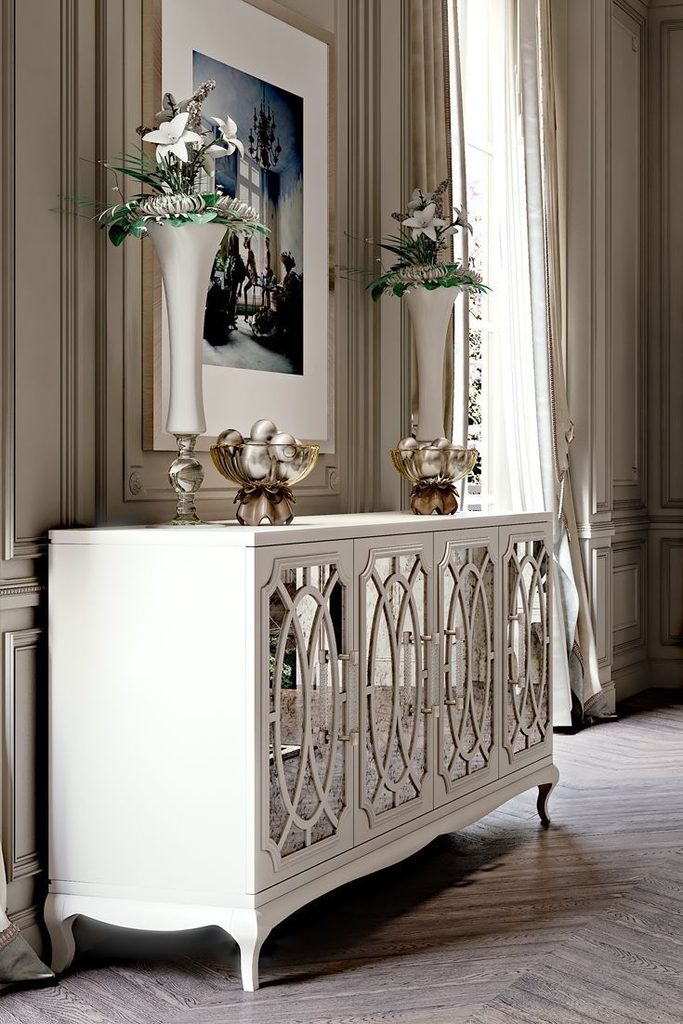
Storage doesn’t have to be boring. A console cabinet with lacquer finish or mirrored doors gives you function and glam at the same time.
Use it to store books, media equipment, or extra blankets while keeping the room looking polished.
Tip: Place a small lamp and one decorative object on top, not more, to keep it looking curated.
Hollywood regency and glam farmhouse styles borrow this idea often, since mirrored furniture photographs beautifully in any lighting.
Finally, let’s finish with one last detail that pulls everything together.
20. Add Metallic Planters With Structured Greenery
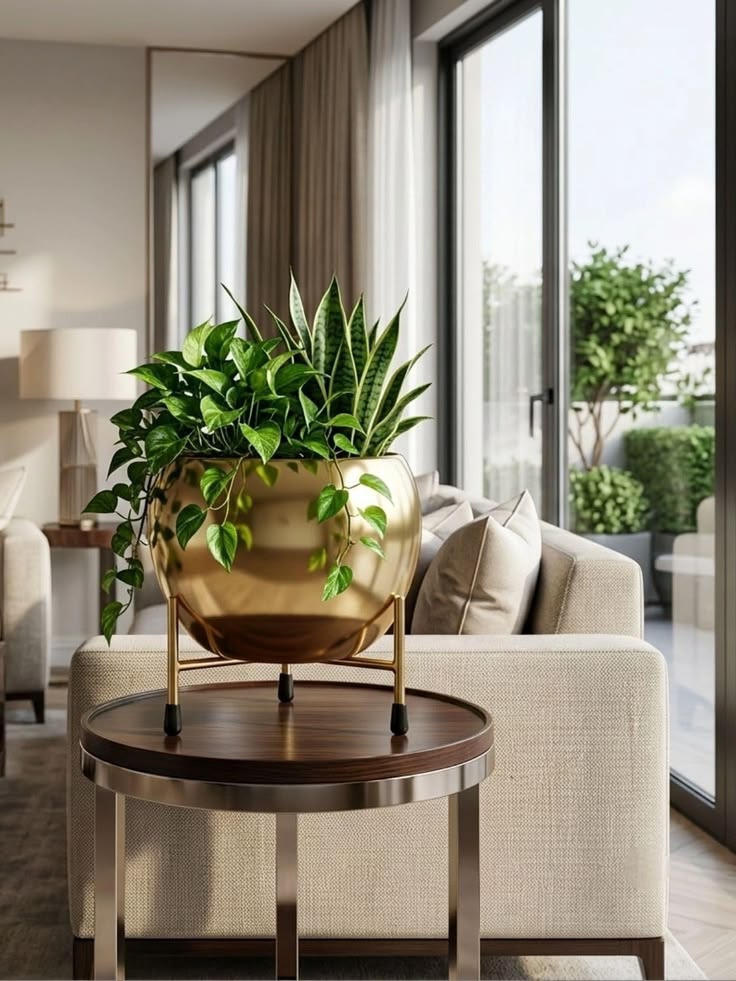
Plants soften a room, but Art Deco style prefers structured greenery over wild, bushy plants. Think snake plants, ZZ plants, or fiddle leaf figs in sleek metallic planters.
The clean lines of these plants match the geometric feel of the whole room.
Actionable tip: Choose planters in gold or black to match your existing metal accents.
This idea works in literally every design style, since structured plants have become a staple in modern interior design overall.
Tips for Success
- Pick one dominant color and one metallic finish before buying anything else.
- Don’t overcrowd the room. Art Deco relies on clean space around bold pieces.
- Mix textures like velvet, marble, and glass for depth without adding more colors.
- Buy statement pieces first, like your sofa or chandelier, then build around them.
- Use symmetry when arranging furniture and decor for a more polished feel.
- Test paint colors and fabric swatches in your actual lighting before committing.
- Shop vintage or thrift stores for authentic pieces at a fraction of retail cost.
Common Mistakes and How to Avoid Them
Mixing too many metals
: Stick to one primary metal finish, like brass or chrome, throughout the room to keep things cohesive.
Choosing pastel colors instead of jewel tones
: Art Deco relies on rich, saturated colors. Swap soft pastels for deep emerald, sapphire, or burgundy.
Overloading the room with patterns
: Limit yourself to two main geometric patterns max, like chevron and sunburst, to avoid visual chaos.
Skipping lighting as a design element
: Treat your chandelier or lamps as decor, not just function. Choose fixtures with sculptural shapes.
Using cheap, flat fabrics
: Invest in textured fabrics like velvet or silk-look material, since texture is a huge part of the Art Deco feel.
Ignoring symmetry
: Arrange furniture and decor in balanced pairs where possible, since symmetry is a core part of this style’s structure.
Similar Variations
- Hollywood Regency: A glammed-up cousin of Art Deco with more mirrored surfaces and softer curves.
- Mid-Century Modern: Shares clean lines with Art Deco but uses more wood tones and less ornamentation.
- Gatsby Glam: A dramatic, party-ready take on Art Deco with heavier gold accents and richer fabrics.
- Modern Deco: A stripped-down version of Art Deco using simpler shapes and a more neutral color palette.
- Parisian Deco: Focuses on soft creams, blush tones, and delicate metallic details for a lighter feel.
- Industrial Deco: Combines raw materials like exposed metal and concrete with classic Deco geometric shapes.
Pulling off this look really comes down to picking bold shapes, rich colors, and shiny metal accents, then giving them room to breathe. You don’t need every single idea on this list to get the vibe right. Even five or six of these changes can transform a plain living room into something that feels straight out of a glamorous old film. That’s really the heart of these 20 Art Deco Living Room ideas, taking a style from the past and making it work in your home today.
Leave a Reply