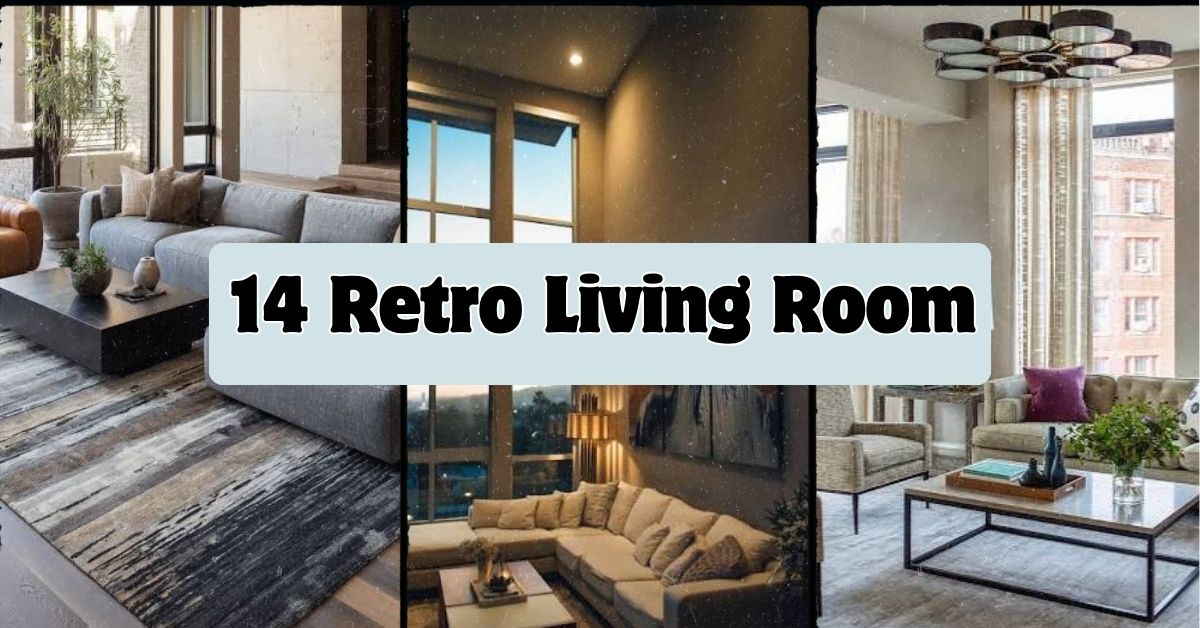
I’ve put together this guide on 14 retro living room ideas after digging through dozens of design sources, old catalogs, and real home makeovers to find what actually works. This isn’t a rushed list. I wanted to give you something you can actually use, not just eye candy that looks good in a photo but falls apart in real life.
A retro living room is a space designed using furniture, colors, and decor styles from past decades, typically the 1950s through 1980s. It mixes bold hues, curved furniture, and nostalgic patterns to create a warm, lived-in feel that modern minimalism often lacks.
Stick around and I’ll walk you through specific ideas, real color combos, budget breakdowns, and the mistakes that trip up most people trying this look.
What Even Is a Retro Living Room Style?
Okay, so let’s talk about what “retro” actually means before we get into the fun stuff. Retro isn’t just “old furniture thrown together.” It’s a specific vibe that borrows from the 50s, 60s, 70s, and sometimes early 80s. Think shag rugs, boomerang patterns, mustard yellow couches, and wood paneling that somehow looks cool again.
I like to think of retro as nostalgia with intention. You’re not recreating your grandma’s living room exactly. You’re picking the best parts of it and mixing them with things that feel fresh today. That balance is what makes this style so fun to play with.
1. Start With a Statement Sofa in a Bold Hue
Your sofa is the anchor of any retro living room, so don’t be shy with color. Mustard yellow, burnt orange, and avocado green were huge in the 70s, and they still pack a punch today. Look for a piece with tapered wood legs and a low-profile back. That silhouette screams mid-century without trying too hard.
Practical tip: if a full colored sofa feels risky, buy a neutral frame and slipcover it in a bold retro shade. You can swap it out later if you change your mind.
This idea flexes well across styles too. In a modern space, pair the bold sofa with clean white walls. In a traditional home, let it sit next to darker wood furniture for contrast. Once your sofa sets the tone, the rest of your color choices get a lot easier to pick.
2. Layer in Geometric or Psychedelic Patterns
Retro rooms love pattern. Geometric shapes, wavy lines, and psychedelic swirls were everywhere in the 60s and 70s, and they’re the fastest way to signal “retro” without buying a single vintage piece. Think curtains, throw pillows, or even a statement wallpaper wall.
The trick is balance. Pick one bold pattern as your hero print, then keep everything else simple. If your curtains have a big swirl print, keep your rug solid.
Quick tip: use pattern on soft furnishings first before committing to wallpaper. It’s cheaper to change a pillow than to strip wallpaper.
This works in coastal homes too if you swap the psychedelic colors for ocean blues and sandy tans. Once your patterns are set, it’s time to think about texture, because retro rooms are all about mixing materials.
3. Mix Textures With Shag Rugs and Velvet Pillows
Texture is what makes a retro room feel cozy instead of costume-like. Shag rugs bring softness underfoot, while velvet or corduroy pillows add a tactile richness that flat cotton just can’t match. The contrast between a smooth leather chair and a fuzzy rug is what sells the whole look.
I always tell people to touch fabric before buying it online if possible. Retro style relies heavily on how things feel, not just how they look in photos.
Practical tip: layer a smaller shag rug over a larger flatweave rug for depth without overwhelming the room.
This idea adapts easily. Farmhouse spaces can use chunky knit textures instead of shag. Once your textures are layered, lighting becomes the next big piece of the puzzle.
4. Bring In Warm, Ambient Lighting Fixtures
Retro lighting has a very specific look: globe pendants, arc floor lamps, and sunburst wall sconces. These fixtures were designed to be sculptural, not just functional. A single arc lamp arching over your seating area can become the visual centerpiece of the whole room.
Skip harsh overhead lighting. Retro rooms lean on warm bulbs and multiple light sources placed around the room instead of one bright ceiling light.
Practical tip: use warm white bulbs (2700K) instead of daylight bulbs. It makes a massive difference in how “vintage” the room feels.
Modern homes can keep the same fixture shapes but finish them in matte black or brass for a cleaner look. Once your lighting is dialed in, let’s talk about the walls themselves.
Retro Color Palette Combinations
| Palette Name | Wall Color | Accent Colors | Best Paired With |
|---|---|---|---|
| Harvest Gold | Cream white | Mustard, brown, orange | Wood paneling, leather chairs |
| Avocado Dream | Sage green | Avocado, burnt orange | Shag rugs, wicker accents |
| Groovy Blue | Powder blue | Navy, mustard, white | Chrome fixtures, glass tables |
| Sunset Pop | Terracotta | Pink, orange, cream | Velvet sofas, rattan lamps |
| Chocolate Mod | Chocolate brown | Tan, gold, white | Curved sofas, brass hardware |
5. Add Wood Paneling or Faux Wood Accents
Wood paneling is one of those things that people either love or hate, but done right, it’s a retro staple that adds instant warmth. You don’t need to panel your entire room. A single accent wall behind your sofa or TV can do the job without making the space feel like a cabin.
If real wood paneling feels too permanent, peel-and-stick wood panel wallpaper is a solid workaround. It looks convincing from a few feet away and comes off easily if you rent your place.
Practical tip: choose a lighter wood tone like birch or oak if your room doesn’t get much natural light, so it doesn’t feel cave-like.
This idea works in cabin and farmhouse styles too, just swap the finish for something more rustic. Once your walls have some warmth, it’s time to bring in the furniture shapes that define this whole style.
6. Choose Curved, Low-Profile Furniture Shapes
Mid-century and retro furniture loved curves. Kidney-shaped coffee tables, round ottomans, and curved sectional sofas were everywhere, and they still soften a room in a way that boxy modern furniture just doesn’t. Low profiles were also common, since ceilings back then weren’t always super high.
When shopping, look for tapered legs, rounded edges, and pieces that sit lower to the ground than typical modern furniture.
Practical tip: a round coffee table instantly breaks up a room full of straight lines and rectangular furniture.
Traditional homes can mix in curved retro pieces alongside classic wingback chairs for an eclectic feel. With your furniture shapes locked in, let’s move on to something smaller but just as impactful: wall art.
7. Hang Vintage-Inspired Art and Sunburst Mirrors
Retro wall art usually leans into bold typography, travel posters, or abstract shapes in warm color palettes. Sunburst mirrors were also massive in the 60s and 70s, and they still work as a statement piece above a sofa or mantel.
I like mixing a few smaller framed prints with one larger mirror for balance. It keeps the wall from feeling too busy or too empty.
Practical tip: thrift stores are goldmines for actual vintage frames and art. You don’t need to buy everything new to get this look right.
Coastal homes can swap travel posters for vintage surf or beach prints in the same color family. Once your walls are dressed, let’s talk about something people often forget: plants.
8. Incorporate Retro Houseplants Like Ferns and Palms
Plants were a huge part of retro decor, especially big leafy ones like ferns, palms, and spider plants. They added life to rooms full of heavy furniture and dark wood tones. A few large plants in the corner can soften a room instantly.
Ceramic planters in warm earthy tones (think burnt orange or brown) fit the retro vibe better than plain white pots.
Practical tip: if you don’t have a green thumb, faux plants have gotten really good. Nobody will know unless they touch the leaves.
This idea works in boho and coastal spaces too, just swap the planter style. Now that your greenery is in, let’s talk flooring.
Budget Breakdown for a Retro Living Room Makeover
| Budget Tier | Total Spend | What You Get | Best Approach |
|---|---|---|---|
| Low | $300–$700 | Thrifted furniture, DIY paint, faux plants | Focus on color and textiles first |
| Mid | $800–$2,500 | New sofa, statement lighting, real rugs | Mix new key pieces with thrifted accents |
| High | $3,000+ | Custom furniture, wallpaper, vintage originals | Hire a decorator or source authentic vintage pieces |
9. Add a Statement Rug With Bold Geometric Patterns
Your floor deserves just as much attention as your walls. A bold geometric rug in warm tones can tie your whole color scheme together and anchor your seating area. Look for shapes like diamonds, chevrons, or overlapping circles in mustard, brown, and cream.
Practical tip: size your rug so all your furniture legs sit on it, or at least the front legs of your sofa and chairs. A rug that’s too small makes the room feel disconnected.
This adapts well in modern farmhouse spaces if you tone down the colors to more muted earth tones. Once your rug is placed, small decorative touches will really bring the room together.
10. Style Open Shelving With Vintage Ceramics and Glassware
Open shelving gives you a spot to show off collected retro items like colorful ceramic vases, glass ashtrays turned into trinket dishes, or vintage record players. This is where personality really shines through.
Practical tip: group items in odd numbers (three or five) for a more natural, curated look instead of lining everything up evenly.
This idea works beautifully in eclectic and maximalist homes where more is more. With your shelves styled, let’s talk about one more layer: window treatments.
11. Use Heavy Drapes or Beaded Curtains for Softness
Retro window treatments were often heavier than what we use today. Thick drapes in bold prints or solid jewel tones added warmth and helped control light. Beaded curtains, though less common now, can add a playful accent in doorways or as room dividers.
Practical tip: hang curtains higher than the window frame itself to make ceilings feel taller, a trick that works in any style era.
This adapts to traditional homes easily since heavy drapery was already a staple there too. With windows dressed, let’s finish with the small details that seal the deal.
12. Add a Vintage Record Player or Retro Tech Accent
Nothing says retro like an actual record player sitting in the corner, even if you mostly stream music. It’s a functional piece and a conversation starter at the same time. Pair it with a small collection of vinyl records displayed nearby.
Practical tip: place it on a low credenza to keep the retro furniture silhouette consistent throughout the room.
This idea fits industrial and eclectic homes just as well, especially if the credenza has metal accents. Speaking of furniture pieces, let’s talk about one more classic: the credenza itself.
13. Use a Mid-Century Credenza for Storage and Style
A credenza is basically the retro version of a TV stand, and it’s incredibly useful for hiding clutter while looking sharp. Look for teak or walnut finishes with brass hardware and tapered legs. These pieces work as TV stands, bar carts, or even dining sideboards depending on your layout.
Practical tip: measure your TV width before buying so the credenza doesn’t look too small underneath it.
This piece works in nearly every design style since credenzas have stayed popular across decades. Last but not least, let’s talk about tying the whole room together with accessories.
14. Finish With Retro-Inspired Clocks and Small Accessories
Small details matter. A starburst wall clock, a set of nesting tables, or colorful glass coasters can pull your whole retro theme together without overwhelming the space. These smaller items are also the easiest and cheapest way to test the style before committing to bigger furniture pieces.
Practical tip: start collecting small accessories first if you’re on a budget. They let you “try on” the retro look before spending on furniture.
This works across every style since small accent pieces are low-risk and easy to swap out later.
Tips for Success
- Pick one dominant decade (50s, 60s, or 70s) instead of mixing all three, so your room feels intentional, not confusing.
- Balance bold colors with neutral walls if you’re nervous about commitment.
- Shop secondhand stores and estate sales for authentic pieces at a fraction of retail cost.
- Keep at least one modern element, like a TV or lighting fixture, so the room doesn’t feel like a museum.
- Test paint colors on your actual wall before committing, since retro colors can look very different under artificial light.
- Don’t rush the room. Retro spaces often come together over months, not days.
Common Mistakes and How to Avoid Them
Overloading on pattern
: Pick one or two hero patterns max, and keep the rest of the room simple to avoid visual chaos.
Buying fake “vintage” mass-produced furniture
: Check joinery, materials, and weight before buying. Real vintage pieces feel solid and heavy compared to cheap reproductions.
Ignoring scale
: Retro furniture is often lower profile. Mixing in oversized modern pieces can throw off the whole look.
Using cool-toned lighting
: Stick to warm bulbs (2700K–3000K) since cool white light clashes badly with retro color palettes.
Going too costume-like
: Avoid turning your room into a themed set. Blend eras and styles so it still feels like a real home.
Similar Variations
- Mid-Century Modern – A cleaner, more minimalist cousin of retro, focused on function and simple wood furniture.
- Boho Retro – Combines retro colors with boho textiles like macrame and rattan for a softer, earthier feel.
- Space Age Retro – Leans into chrome, plastic furniture, and futuristic shapes popular in the late 60s.
- Hollywood Regency Retro – Mixes retro glam with mirrored furniture and jewel-toned velvet accents.
- Farmhouse Retro – Softens retro colors with muted earth tones and rustic wood textures.
Pulling together a retro living room really comes down to picking your favorite decade, committing to a color story, and layering in texture, lighting, and small details until the room feels lived-in rather than staged. It doesn’t have to be perfect on day one. Some of the best spaces I’ve seen came together piece by piece over time. If you start with even two or three ideas from this list, you’ll already be well on your way to a 14 retro living room that feels warm, personal, and just a little bit groovy.
Leave a Reply