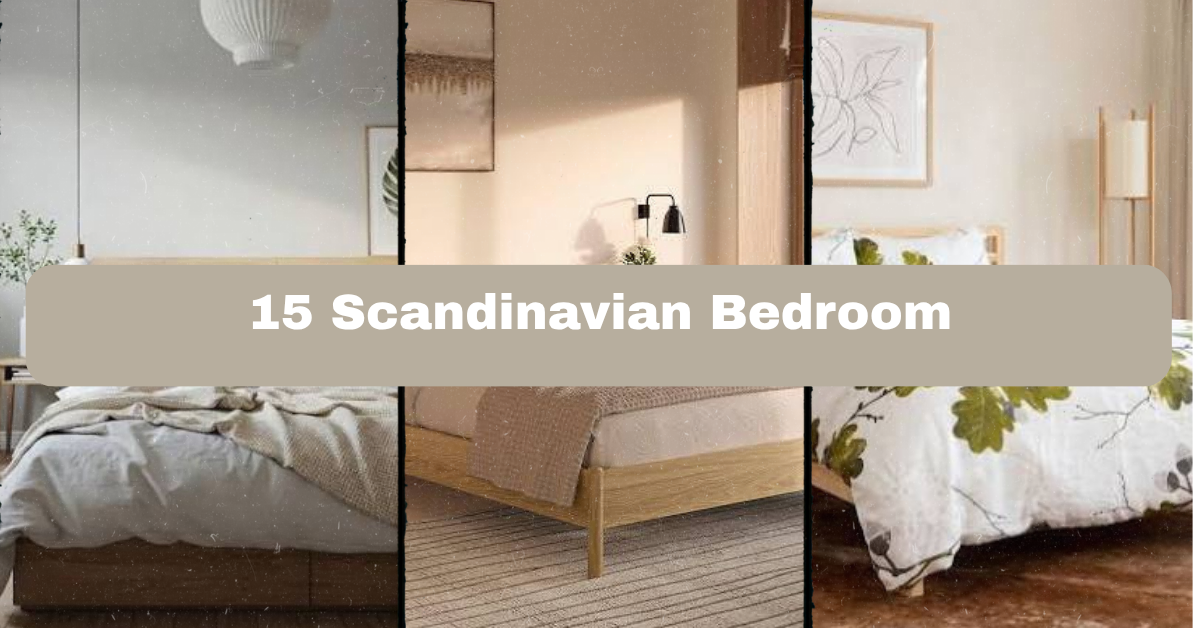
15 Scandinavian Bedroom ideas can help you create a calm, bright, and practical space without making it feel cold or plain. I’ll walk you through the key choices, from beds and lighting to storage, textiles, and color.
A Scandinavian bedroom is a simple, functional sleeping space built around light colors, natural materials, clean furniture, soft textiles, and uncluttered surfaces. It should feel warm, restful, practical, and easy to maintain.
Keep reading, and I’ll show you how to bring this look into small rooms, rental homes, modern houses, and more traditional spaces.
What Makes a Scandinavian Bedroom Feel Right?
When I think of Scandinavian bedroom design, I picture a room that lets me breathe. It is not empty for the sake of being empty. Every piece has a job, and the useful pieces still look beautiful.
The style comes from Nordic homes, where natural light can be limited and winters are long. That is why white walls, pale wood, warm lamps, and cozy fabrics work so well. The goal is balance. You want clean lines, but you also need softness. You want fewer decorations, but the room should still feel personal.
The best Scandinavian bedroom ideas mix function with comfort. Start with a calm base, then add texture, warm lighting, and a few meaningful objects. Here are 15 ways to do it.
1. Start With a Soft White or Warm Neutral Base
A pale wall color gives a Scandinavian bedroom its bright, open feeling. Pure white can work, but I often prefer warm white, soft beige, pale gray, or a very light greige. These shades reflect light without making the room feel sharp.
Keep the ceiling and trim close to the wall color for a smooth, quiet look. Then bring in contrast through the bed frame, flooring, artwork, or window treatments. A charcoal picture frame or medium-toned wood nightstand can add enough definition.
Before painting, test large swatches on two walls. Morning and evening light can change the color quite a bit.
This idea adapts easily to modern homes, traditional houses, coastal rooms, and rental spaces because neutral walls suit nearly every interior style. Next, choose the bed, which will become the room’s main visual anchor.
2. Choose a Low, Simple Bed Frame
A low-profile bed gives the room a relaxed Nordic feeling. Look for a frame with straight legs, rounded corners, or a simple platform shape. Light oak, ash, birch, and painted white wood are classic choices.
Upholstered frames can also work, especially in oatmeal, cream, or pale gray fabric. Avoid overly ornate headboards and bulky storage beds unless you truly need the storage. A heavy frame can make a small room feel crowded.
I like to leave a little breathing room around the bed whenever possible. Even a few inches between the frame and the wall can make cleaning easier and help the furniture feel less cramped.
The same approach works in modern, Japandi, minimalist, and farmhouse bedrooms. Once the bed is in place, build comfort with bedding instead of adding too much furniture.
3. Layer Bedding in Natural, Breathable Fabrics
Scandinavian bedrooms look cozy because of layers, not because of clutter. Start with cotton or linen sheets. Add a simple duvet, a folded quilt, and one or two pillows in different textures.
White bedding is a reliable choice, but you can also use soft sand, mushroom, pale blue, muted sage, or warm gray. Keep the pattern quiet. Thin stripes, small checks, and subtle woven textures add interest without taking over.
For an easy update, fold a wool or cotton blanket across the lower third of the bed. It gives the room a finished look and makes chilly mornings more comfortable.
This bedding plan fits coastal, modern rustic, minimalist, and traditional homes. With the bed softened, the next step is choosing a restrained color palette that keeps everything connected.
4. Build a Calm Palette With One Gentle Accent
A Scandinavian color scheme usually begins with two or three quiet neutrals. Add one muted accent rather than several loud colors. This keeps the bedroom peaceful while preventing it from looking flat.
Try warm white with pale oak and dusty blue. Another option is soft gray with walnut and muted green. Beige, cream, and terracotta can create a warmer, earthier version of the style.
Use the accent color in small ways, such as a cushion, artwork, vase, or throw. You do not need to paint the entire room green to make sage green part of the design.
I suggest repeating the accent at least three times so it feels intentional. This palette method also suits contemporary, coastal, mid-century, and rustic interiors. Now let’s make the color choices easier to use with a simple guide.
Scandinavian Bedroom Color Pairings
| Base color | Wood tone | Accent color | Best mood |
|---|---|---|---|
| Warm white | Pale oak | Dusty blue | Light and airy |
| Soft beige | Walnut | Muted olive | Cozy and grounded |
| Pale gray | Ash wood | Blush pink | Gentle and soft |
| Cream | Medium oak | Terracotta | Warm and welcoming |
| Greige | Dark wood | Slate blue | Calm with contrast |
| White | Painted black accents | Sage green | Fresh and modern |
These combinations give you a starting point without forcing you into a strict formula. Next, we can add one of the most important Scandinavian details: natural wood.
5. Add Pale Wood for Warmth and Balance
Natural wood keeps a bright bedroom from feeling sterile. Choose pale oak, ash, birch, or pine for a nightstand, bench, bed frame, shelf, or picture frame. You do not need wood everywhere. A few repeated pieces are enough.
Try to stay within a similar wood family. Mixing wood tones is possible, but too many finishes can make the room look accidental. If your floor is already dark, use lighter furniture to balance it. If the floor is pale, a medium wood nightstand can add depth.
I always check the wood finish in daylight before buying. Some products labeled “natural” have a strong orange tone.
This idea works beautifully with modern, farmhouse, mid-century, and cabin-inspired rooms. After adding wood, soften the floor so the room feels warm underfoot.
6. Use a Flat-Weave or Wool Rug Under the Bed
A rug adds comfort, sound control, and visual warmth. In a Scandinavian bedroom, flat-weave cotton, wool, jute, and low-pile rugs are especially useful because they look relaxed and are easy to clean.
For a queen bed, a rug around 8 by 10 feet usually gives enough coverage to extend beyond the sides and foot of the bed. In a smaller room, place two runners along each side instead. A 5 by 7 foot rug can work when the bed sits partly on it.
Choose cream, gray, oatmeal, faded blue, or a simple geometric pattern. Avoid very shiny materials and overly busy designs.
This rug strategy also fits coastal, modern rustic, boho, and traditional bedrooms. Once the floor feels comfortable, consider how the windows affect light and privacy.
7. Dress the Windows With Light, Relaxed Layers
Window treatments should protect privacy without blocking every bit of daylight. Linen curtains, cotton panels, woven shades, and simple roller blinds all suit Scandinavian design.
Hang curtain rods close to the ceiling and let the panels reach the floor if the room allows. This can make the window feel taller. Choose white, flax, soft gray, or oatmeal fabric. A blackout lining is useful if early sunlight disturbs your sleep.
For a rental, removable tension shades or simple linen-look panels can create a similar effect without permanent changes.
This approach blends well with coastal, modern, cottage, and traditional homes. With the light handled, the room needs a practical lighting plan for evening use.
8. Create Three Layers of Warm Lighting
One ceiling fixture is rarely enough for a comfortable bedroom. Scandinavian rooms work best with layered lighting: general light, task light, and soft accent light.
Use a simple ceiling pendant or flush mount for overall brightness. Add matching or mismatched bedside lamps for reading. Then include a small wall light, paper lantern, or dimmable floor lamp to create a gentle evening glow.
Warm bulbs around 2700K to 3000K usually feel more relaxing than cool daylight bulbs. Put bedside lamps on easy-to-reach switches, or use smart plugs if the outlets are awkward.
This plan fits modern, minimalist, industrial, and vintage rooms. After lighting, let’s compare practical material choices for the pieces you will touch every day.
Useful Bedroom Material Comparisons
| Material | Strengths | Watch-outs | Best use |
|---|---|---|---|
| Linen | Breathable, textured, relaxed | Wrinkles easily | Curtains and bedding |
| Cotton | Soft, washable, affordable | Can wear faster at low quality | Sheets and quilts |
| Wool | Warm, durable, naturally textured | Higher cost, may shed at first | Rugs and throws |
| Rattan | Light, natural, decorative | Can catch dust | Headboards and baskets |
| Pale oak | Strong, timeless, warm | Often costs more | Bed frames and tables |
| Metal | Slim, durable, easy to clean | May feel cold alone | Lamps and bed frames |
Choosing the right material helps the room stay attractive while still being easy to live in. Next, we’ll improve the room’s storage without losing its clean appearance.
9. Keep Storage Closed, Simple, and Easy to Reach
Clutter is one of the fastest ways to lose the calm feeling of a Scandinavian bedroom. Use closed drawers, low dressers, under-bed boxes, and baskets to keep daily items contained.
Choose furniture with clean fronts and simple pulls. A pale wood dresser can warm the room, while a white cabinet can blend into the wall. If you use open shelving, keep only a few attractive items on it.
I recommend giving every surface a limit. For example, keep only a lamp, book, and small tray on the nightstand. Store chargers, glasses, and extra items inside the drawer.
This storage method suits small apartments, modern homes, farmhouse bedrooms, and shared rooms. Once storage is controlled, you can add personality through carefully chosen wall decor.
10. Hang Simple Art With Meaning
Scandinavian wall decor should feel personal but not crowded. Choose line drawings, nature prints, black-and-white photography, abstract shapes, or quiet landscape art.
A large piece above the bed can act as a focal point. In a narrow room, two or three smaller prints may look better. Use light wood, white, or thin black frames. Keep the spacing even so the arrangement feels calm.
You can also frame a map, pressed leaf, textile scrap, or a page from an old book. The art does not need to be expensive. It only needs to connect with the colors and mood of the room.
This idea works with eclectic, traditional, modern, and coastal interiors. After the walls, add greenery in a way that feels fresh rather than fussy.
11. Bring in One or Two Easy-Care Plants
Green plants add life to a neutral room and create a natural contrast against pale walls. Choose varieties that match the available light. A snake plant, pothos, rubber plant, peace lily, or small olive tree can work well.
Use a simple ceramic pot, woven basket, or pale wood stand. Avoid filling every corner with plants. One taller plant near a window and one small plant on a dresser may be enough.
If your bedroom is dark, choose a realistic faux plant or use a small grow light. Keep leaves away from heaters and wipe them regularly to control dust.
Plants fit Scandinavian, boho, urban, coastal, and cottage styles. With greenery in place, we can add the small details that make the room feel lived in.
12. Add Quiet Accessories Instead of Clutter
Accessories should support the mood, not compete with it. A ceramic vase, small bowl, candle, woven basket, stone object, or stack of books can add character without making the room feel busy.
Use odd numbers when grouping objects, such as one vase, two books, and one small lamp. Vary height and texture, but keep the colors related. A cream ceramic vase beside a wood tray will feel more natural than several shiny decorations.
I like to leave some empty space on shelves and dressers. Empty space is part of the design. It lets the useful and meaningful pieces stand out.
This approach adapts to traditional, rustic, minimalist, and contemporary homes. Now let’s look at a few size and placement guidelines before finishing the room.
Bedroom Furniture Size Guide
| Item | Small room suggestion | Medium room suggestion | Placement tip |
|---|---|---|---|
| Queen bed | 60 by 80 inches | 60 by 80 inches | Center on the main wall |
| Nightstand | 18 to 22 inches wide | 20 to 28 inches wide | Keep close to mattress height |
| Dresser depth | 16 to 20 inches | 18 to 22 inches | Leave room for drawers to open |
| Walking path | At least 24 inches | 30 to 36 inches | Keep paths clear |
| Area rug | 5 by 7 feet | 8 by 10 feet | Place under lower bed area |
| Bench | 36 to 48 inches wide | 48 to 60 inches wide | Leave space at the foot |
These measurements are starting points, not strict rules. Measure your room and the furniture before buying anything. Next, let’s make the bedroom more comfortable for daily routines.
13. Create a Small Reading or Resting Corner
If you have extra floor space, add a simple chair near a window or empty wall. A wood-frame lounge chair, compact armchair, or bentwood seat can give the room another useful purpose.
Add a small side table and a soft throw. Keep the colors close to the bed’s palette so the corner feels connected. A floor lamp with a warm bulb can make it useful at night.
In a very small bedroom, use a narrow stool instead of a full chair. It can hold a book, plant, or folded blanket without blocking the walkway.
This idea works especially well in traditional, mid-century, cottage, and modern bedrooms. After creating a resting spot, pay attention to the ceiling and vertical space.
14. Use Vertical Space Without Making the Room Heavy
Scandinavian design often makes smart use of walls. A narrow shelf, peg rail, tall cabinet, or wall-mounted bedside table can add function while saving floor space.
Choose one vertical feature rather than covering every wall. A peg rail can hold a robe and a small basket. A slim shelf can display two books and a vase. Wall-mounted sconces can free up both nightstands.
Install shelves securely and keep heavier items low. If you rent, look for freestanding ladder shelves or removable hooks that do not require major drilling.
This solution works in small apartments, modern homes, dorm rooms, and older houses with limited closets. Finally, use scent and sound details to complete the restful atmosphere.
15. Finish With Comfort, Scent, and Quiet Routine
A Scandinavian bedroom should feel good beyond its appearance. Use a soft robe, breathable sleepwear, a washable throw, and a bedside carafe. These small details make the room easier to enjoy every night.
For scent, choose a mild lavender, cedar, or unscented option if you are sensitive to fragrance. Avoid placing candles close to curtains or bedding. A quiet fan, fabric curtains, and a rug can also reduce harsh sounds.
Keep the final setup simple. Clear the bed each morning, open the curtains, and return loose items to their storage place at night.
This finishing method suits any home style because comfort is universal. With the main design choices complete, use the following checklist to keep the look balanced.
Tips for Success
- Measure the room, doorways, and stairways before ordering large furniture.
- Choose warm bulbs instead of blue-white bulbs for a softer evening mood.
- Repeat two or three materials, such as wood, linen, and ceramic.
- Leave clear walking paths around the bed and dresser.
- Buy fewer, better-used accessories instead of filling empty surfaces.
- Test paint colors in natural light before covering the whole room.
- Keep one basket nearby for blankets, books, or clothing that needs sorting.
Common Mistakes and How to Avoid Them
Making the room completely white
Use warm wood, woven fabrics, muted color, and soft lighting so the space feels welcoming rather than stark.
Adding too many pale wood finishes
Choose one main wood tone and one supporting finish. Similar tones look more intentional.
Using only one overhead light
Add bedside lamps, wall lights, or a floor lamp so the room works for reading and relaxing.
Choosing furniture that is too large
Measure both the room and the furniture. Leave at least 24 inches for a comfortable walking path where possible.
Treating minimalism as empty space
Include useful layers, art, plants, and personal objects. Scandinavian style is simple, not lifeless.
Ignoring storage needs
Plan where laundry, books, chargers, and extra bedding will go before buying decorative pieces.
Similar Variations
- Japandi Bedroom: Combines Scandinavian simplicity with Japanese balance, darker wood, and lower furniture.
- Scandi Coastal Bedroom: Adds pale blue, sandy beige, natural rope, and breezy cotton fabrics.
- Nordic Minimalist Bedroom: Uses fewer objects, stronger negative space, and a very limited color palette.
- Scandinavian Farmhouse Bedroom: Mixes Nordic clean lines with painted wood, vintage touches, and practical textiles.
- Warm Scandi Bedroom: Leans into beige, caramel, walnut, wool, and soft amber lighting for a cozier result.
- Scandi Boho Bedroom: Adds rattan, handmade ceramics, woven wall art, and a few relaxed plants while keeping the layout tidy.
A successful Scandinavian bedroom is not about copying a showroom. It is about making smart choices that help you rest. Use a light base, natural materials, simple furniture, layered textiles, and warm lighting. Then add only the objects that serve a purpose or bring you genuine joy.
Start with one change, such as a linen duvet, pale wood nightstand, or better bedside lamp. Small updates can shift the entire mood of the room and bring your own version of a 15 Scandinavian Bedroom to life.
Leave a Reply