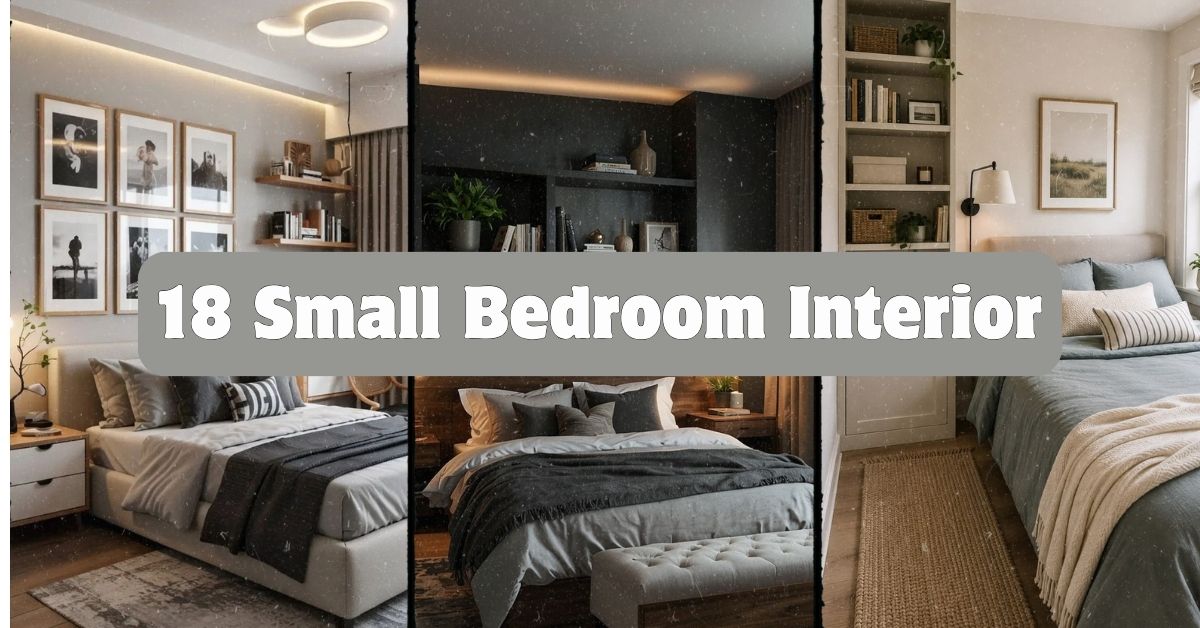
18 Small Bedroom Interior ideas can help you turn a tight room into a calm, useful, and stylish place to sleep. I’ll walk you through smart layouts, storage tricks, colors, lighting, and simple decor choices that work in real homes.
The core question is how to design a small bedroom without making it feel cramped. Use space-saving furniture, light colors, layered lighting, vertical storage, mirrors, and clear walking paths to create a comfortable and organized room.
Keep reading for practical ideas you can use, whether your taste leans modern, cozy, traditional, coastal, or somewhere in between. I’ll also point out common mistakes that can make a small room feel even smaller.
What Makes a Small Bedroom Feel Comfortable?
A small bedroom works best when every item has a clear job. That does not mean the room must look plain. It means the bed, storage, lighting, and decorations need to work together instead of competing for space.
I usually start with the walking path. Can you get from the door to the bed without bumping into a chair or dresser? Can you open drawers fully? These basic questions matter more than buying trendy decor.
A calm color scheme helps, but layout comes first. Then I add texture through bedding, curtains, rugs, artwork, and baskets. The goal is a bedroom that feels open enough to breathe while still showing your personality.
1. Choose a Bed With Built-In Storage

The bed takes up more floor space than almost anything else, so I like to make it work harder. A platform bed with drawers underneath can replace a bulky dresser. A lift-up storage bed can hold blankets, seasonal clothing, shoes, or luggage.
Choose a design with clean lines and a simple headboard. Heavy carved details may make the room feel crowded. If the bed has drawers, leave enough clearance on the side where you plan to use them. Storage is only helpful when you can reach it easily.
For an immediate improvement, measure the space under your current bed before buying bins. Low rolling containers may give you useful storage without replacing the frame.
This idea works in modern, Scandinavian, traditional, and farmhouse bedrooms by changing the bed finish and drawer style. Next, let’s look at the best bed size for the room.
2. Select the Right Bed Size for the Layout

A larger bed may sound more comfortable, but it can leave no room for movement. In a narrow bedroom, a full-size bed may be a better choice than a queen. In a guest room, a twin or daybed can free up space for a desk or reading chair.
Before shopping, mark the bed size on the floor with painter’s tape. Include the frame, not just the mattress. Walk around the outline and test whether doors, drawers, and closets still open.
I also suggest placing the bed against the longest wall when possible. This often creates a cleaner path through the room. Avoid pushing the bed into a corner unless the layout truly requires it.
A low platform suits modern and minimalist rooms, while an upholstered frame fits traditional and soft contemporary styles. Once the bed is positioned, the next step is using the walls wisely.
3. Build Up With Vertical Storage

When floor space is limited, look up. Tall bookcases, narrow cabinets, wall-mounted shelves, and peg rails can hold useful items without taking much room away from the walking area.
A shelf above the desk can store books and baskets. A tall cabinet beside the closet can hold folded clothes. Even a slim ledge above the headboard can display small artwork, a clock, or a few favorite objects.
Keep the upper area edited. Too many small items can create visual noise. I prefer a mix of closed storage and open shelves. Closed doors hide clutter, while open sections keep the room personal.
Anchor tall furniture to the wall for safety, especially in homes with children or pets. Vertical storage works with industrial, coastal, boho, and classic interiors when you match the materials to the room’s style.
Now that the walls are doing more work, let’s make the color scheme support that open feeling.
4. Use a Light, Layered Color Palette

Light colors can make a small bedroom feel brighter, but an all-white room may feel flat. I like using one light base color with two or three related shades. For example, warm white walls can pair with sand-colored bedding and pale green accents.
Soft gray, light beige, muted blue, dusty rose, and gentle sage are all useful choices. Paint the ceiling the same color as the walls, or choose a slightly lighter version, to reduce sharp visual breaks.
You do not need to avoid dark colors completely. A navy headboard, charcoal bedding, or deep green wall can add depth when balanced with light curtains and pale flooring.
Test paint samples in morning and evening light before committing. Color changes throughout the day. This palette strategy fits modern, coastal, cottage, and traditional rooms with simple changes in accent colors.
The right colors help, but the finish of each surface matters too, so here is a quick guide.
Small Bedroom Color Combinations
| Main color | Supporting color | Accent color | Best mood |
|---|---|---|---|
| Warm white | Light oak | Olive green | Natural and restful |
| Pale blue | Soft white | Brass | Airy and coastal |
| Light beige | Terracotta | Dark brown | Warm and earthy |
| Soft gray | Blush pink | Matte black | Calm and modern |
| Sage green | Cream | Natural rattan | Gentle and organic |
| Dusty lavender | Warm gray | Silver | Soft and elegant |
5. Hang Curtains Higher and Wider

Curtains can change the apparent size of a bedroom. I hang the rod several inches above the window frame and extend it past both sides when the wall allows. This makes the window look wider and gives the room a taller appearance.
Choose curtains that reach the floor. Short panels can cut the wall into awkward sections. Linen, cotton, and lightweight blends let in some light while still offering privacy.
For a very narrow room, use curtains close to the wall color. This creates a smooth backdrop instead of a strong visual block. If you want pattern, keep it small and repeat one color from the bedding or artwork.
Mount the rod before buying panels so you can measure the correct length. This idea works in farmhouse, traditional, coastal, and modern rooms by changing the fabric and hardware.
With the windows softened, the room is ready for a rug that adds comfort without stealing too much floor space.
6. Layer a Small Rug for Warmth

A rug gives a bedroom warmth, color, and softness underfoot. In a small space, placement is more important than size. You can place a medium rug under the lower two-thirds of the bed, use runners on both sides, or position a small rug at the foot.
Avoid choosing a rug that is too tiny. A small mat floating in the center may make the room feel disconnected. Measure the open floor area and keep enough visible flooring around the edges.
Flat-weave rugs are practical for narrow rooms because they do not add much height. Wool feels soft and durable, while washable cotton works well in rental bedrooms or homes with pets.
I suggest using a rug with a low-contrast pattern if the bedding already has print. This works across boho, Scandinavian, coastal, and traditional styles.
Next, let’s compare a few rug choices so you can choose based on both comfort and maintenance.
Rug Material Comparison
| Material | Feel | Cleaning needs | Good for |
|---|---|---|---|
| Wool | Soft and warm | Vacuum regularly; spot clean | Long-term use |
| Cotton | Light and comfortable | Often machine washable | Rentals and casual rooms |
| Jute | Firm and textured | Gentle vacuuming | Boho and coastal styles |
| Polyester | Smooth and varied | Usually easy to clean | Budget-friendly rooms |
| Flat-weave blend | Thin and practical | Simple vacuuming | Small spaces with doors nearby |
7. Replace Bedside Tables With Wall Shelves

Traditional nightstands can take up more space than you expect. A floating shelf beside the bed gives you a place for a phone, book, glass of water, and small lamp without adding bulky legs.
Choose a shelf deep enough for the items you actually use. Around 8 to 12 inches is often practical, but check your wall space and mattress height. Add a small lip if you worry about objects slipping off.
A narrow wall-mounted drawer is another useful option. It hides clutter while keeping the floor clear. Use one shelf on each side for a balanced look, or install one on the open side if the bed is against a wall.
Paint the shelf to match the wall for a quiet appearance, or use wood for warmth. Floating shelves suit minimalist, industrial, coastal, and cottage bedrooms.
Now let’s improve the lighting around those shelves and the bed.
8. Install Wall-Mounted Bedside Lights

Table lamps need a surface. Wall-mounted sconces do not. They free up your nightstand or shelf and create a more finished bedroom layout.
Swing-arm sconces are especially useful because you can direct the light while reading and fold them closer to the wall afterward. Plug-in versions are renter-friendly. Hardwired lights look cleaner but require professional installation.
Choose warm white bulbs, usually around 2700K to 3000K, for a relaxing bedroom atmosphere. Put the switch where you can reach it from bed. If you share the room, separate switches let each person control their own light.
A black metal sconce adds contrast to a modern room. Brass suits traditional decor, while woven or ceramic shades work well in coastal and earthy spaces.
The next table shows how different lighting layers can serve different purposes.
Bedroom Lighting Guide
| Lighting layer | Useful location | Suggested light type | Main purpose |
|---|---|---|---|
| Ambient | Ceiling center | Flush mount or semi-flush fixture | General room lighting |
| Task | Beside the bed | Sconce or reading lamp | Reading and bedtime use |
| Accent | Shelf or cabinet | Small LED strip | Display and soft glow |
| Closet | Inside wardrobe | Motion-sensor LED | Finding clothing |
| Decorative | Wall or window area | Battery lantern or pendant | Mood and visual interest |
9. Add a Mirror Where It Can Reflect Light

A mirror can make a small bedroom feel brighter and more open. Place it across from a window if possible so it reflects daylight. You can also position one near a lamp to spread light through the room.
A full-length mirror on the back of a door saves floor space. A tall, narrow mirror beside the wardrobe adds height. If the room feels too plain, choose a mirror with a simple wood, brass, or black frame.
Avoid placing a mirror where it reflects clutter, an untidy desk, or a bright ceiling bulb directly into your eyes. The reflection should improve the room, not highlight its busiest corner.
Measure the wall before buying. A mirror that is too wide can crowd a narrow passage. This idea adapts easily to art deco, modern, farmhouse, and traditional interiors.
Once light is bouncing around the room, we can make the ceiling work harder too.
10. Choose a Slim, Low-Profile Ceiling Fixture

A small bedroom does not always need a hanging chandelier. A low-profile flush mount keeps the ceiling clear and reduces the chance of visual clutter. This is especially useful in rooms with low ceilings.
Look for a fixture with a soft diffuser rather than a bare bulb. Frosted glass, fabric, or opal acrylic spreads light more evenly. Select a dimmable model if your wiring supports it, since bright overhead light can feel harsh at night.
The fixture should match the room’s scale. A very tiny light may look lost, while an oversized one can dominate the ceiling. Use the finish to repeat other details, such as black drawer pulls or brass curtain hardware.
A simple flush mount suits modern and Scandinavian rooms. A fabric drum shade works with cottage and traditional decor. With the main light handled, let’s find a better way to display decor.
11. Create One Focused Accent Wall

A small room does not need several decorated walls. One focused accent wall can provide personality without making the space feel busy. The wall behind the bed is usually the easiest choice.
You can use paint, removable wallpaper, wood slats, limewash, or a small-scale pattern. Keep the other walls calmer so the eye knows where to rest. If the room is very narrow, choose a vertical pattern to add a sense of height.
For a rental, removable wallpaper or large fabric panels can create a similar effect without permanent changes. I recommend ordering a sample first. Patterns can look much stronger across a full wall than they do on a small screen.
This concept fits maximalist, modern, vintage, and coastal rooms by changing the pattern or texture. Next, we’ll make storage look more attractive.
12. Hide Everyday Clutter in Matching Baskets

Open storage is helpful, but it can quickly become messy. Matching baskets create a simple visual system for blankets, handbags, laundry, and extra pillows.
Use larger baskets on the floor beside a wardrobe or under an open shelf. Smaller boxes can sit on top of a cabinet. Choose materials that match the room. Woven seagrass feels relaxed, canvas feels casual, and smooth fabric bins suit modern spaces.
Label baskets if you share the room or store items you do not use daily. Keep the most-used items between waist and shoulder height. Store seasonal pieces higher up.
I like using two or three basket styles at most. Too many patterns can make the storage area look scattered. This method works with boho, farmhouse, coastal, and contemporary bedrooms.
Here are useful storage sizes to help you plan before shopping.
Storage Size Guide
| Storage item | Typical useful size | Best location | Good for |
|---|---|---|---|
| Under-bed bin | 30 to 36 in. long, 6 to 8 in. high | Beneath bed | Shoes and seasonal clothing |
| Small shelf basket | 10 to 12 in. wide | Open shelving | Accessories and cables |
| Tall laundry hamper | 12 to 16 in. wide | Closet or corner | Daily laundry |
| Slim cabinet | 12 to 18 in. wide | Beside wardrobe | Folded clothing |
| Over-door organizer | 12 to 18 in. wide | Back of door | Shoes and small items |
13. Use a Fold-Down Desk or Wall-Mounted Work Surface

If your bedroom also needs to serve as a study, a fold-down desk can provide a work area without staying in the way all day. When closed, it becomes a shallow cabinet or wall panel.
Choose a desk with cable management and enough depth for your laptop. A surface around 16 to 20 inches deep can work for basic computer tasks, though you should measure your chair and legroom carefully.
Pair it with a folding chair or a small stool that slides underneath. Add a wall shelf above it for supplies. Keep work items contained so the bedroom can still feel restful at night.
A wood desk fits Scandinavian and rustic rooms. A white or painted version suits modern and cottage styles. After adding a work zone, let’s make sure the bed remains the main visual focus.
14. Keep Bedding Simple but Textured

Too many pillows and layered blankets can make a small bed look crowded. I prefer one comfortable duvet, two sleeping pillows, one or two decorative pillows, and a folded throw.
Texture creates interest without requiring loud patterns. Try cotton percale, linen, knitted fabric, velvet, or quilted cotton. Keep the base bedding in a calm color, then add one accent shade through the throw or pillow covers.
Choose bedding that fits the room’s climate. Breathable cotton and linen work well in warm spaces, while flannel and heavier quilts add comfort in cold rooms.
Washable covers make maintenance easier. Use the same color family as the curtains or rug to create visual connection. This approach suits minimalist, traditional, coastal, and bohemian rooms.
Now let’s use the floor and furniture arrangement to make the walking path feel wider.
15. Select Furniture With Exposed Legs

Furniture with visible legs shows more flooring, which can make a small bedroom feel lighter. Choose a dresser, nightstand, bench, or desk with a raised base instead of a solid block that reaches the floor.
This does not mean every piece needs tall legs. Mixing one low bed with a raised dresser can create balance. Look for narrow furniture with clean fronts and limited hardware.
Before buying, check both width and depth. A shallow dresser may hold less clothing, but it can leave a much better walking path. Mark the footprint with tape to test it.
Wood legs add warmth, metal legs feel modern, and painted legs work in cottage rooms. The same strategy can suit mid-century, Scandinavian, contemporary, and traditional interiors.
Next, we’ll add a little greenery without turning the room into a crowded plant corner.
16. Add Small Plants in Elevated Spots

Plants bring life and color to a bedroom, but large floor plants may take up valuable space. Use a small plant on a floating shelf, windowsill, wall bracket, or tall narrow stand.
Choose plants based on available light and your care routine. Snake plants and pothos are often forgiving, while herbs need stronger light. Always check the plant’s needs rather than placing it in a dark corner just because it looks good there.
Use one large pot or a small group of two. Keep water away from books, electronics, and wood surfaces. A saucer protects shelves and furniture.
Ceramic pots suit modern and traditional rooms. Terracotta works with earthy and boho styles, while woven holders fit coastal decor. We have covered the main layout choices, so let’s finish with a few visual details that make the room feel intentional.
Small Bedroom Feature Comparison
| Feature | Space used | Visual effect | Best use |
|---|---|---|---|
| Floating shelf | Very low floor use | Light and open | Books and small decor |
| Narrow mirror | Low floor use | Adds height and light | Beside wardrobe |
| Wall sconce | No floor use | Clean and finished | Bedside reading |
| Fold-down desk | Low when closed | Flexible work zone | Bedroom office |
| Tall cabinet | Small footprint | Draws the eye upward | Clothing storage |
| Wall hooks | Minimal | Practical and casual | Bags, robes, hats |
17. Use Artwork in a Vertical Arrangement

Artwork can personalize a small room without taking up floor space. Instead of spreading several pieces across every wall, create one vertical arrangement above the bed, desk, or dresser.
Stack two or three smaller frames to draw the eye upward. Keep the spacing even and use a shared color, frame finish, or subject so the grouping feels connected.
Large artwork can also work, but it should be sized to the wall and furniture beneath it. Leave enough space above the headboard or desk so the arrangement does not feel cramped.
I suggest laying the frames on the floor first. Take a photo before hanging them. This small step can prevent extra holes and uneven spacing.
Black frames suit modern rooms, wood frames feel warm, and thin brass frames add a classic touch. Finally, let’s consider the smallest details that make daily use easier.
18. Use Multi-Purpose Accessories

In a small bedroom, accessories should be attractive and useful whenever possible. A storage ottoman can hold blankets while serving as a seat. A headboard shelf can replace a nightstand. A peg rail can hold jewelry, robes, and small baskets.
Choose a few pieces that solve real problems. Do not add an item just to fill an empty corner. Empty space can help the room feel calm.
A wall clock, catchall tray, and small lamp may be enough for a bedside area. A bench at the foot of the bed is useful only if it leaves a clear passage. I always measure before bringing in another piece.
Multi-purpose items can fit any home style. Look for rattan in coastal rooms, leather in industrial rooms, painted wood in cottage spaces, and smooth lacquer in modern bedrooms.
Tips for Success
- Measure the room, doors, windows, and furniture before shopping.
- Keep at least one clear walking route from the entrance to the bed.
- Use a limited color palette with one or two accent shades.
- Store daily items at easy-to-reach heights.
- Choose furniture that performs two jobs whenever possible.
- Use warm, layered lighting instead of relying on one bright ceiling fixture.
- Leave some wall and floor space empty so the room can rest visually.
Common Mistakes and How to Avoid Them
Buying furniture before measuring
Define the problem by checking width, depth, height, and door clearance first. Use painter’s tape to mark the furniture footprint on the floor.
Using too many small decorations
Small objects can create visual clutter when grouped everywhere. Choose one or two display areas and keep the rest of the surfaces clear.
Choosing a rug that is too small
A tiny rug may look disconnected from the bed. Select a size that reaches under part of the bed or use coordinated runners on both sides.
Blocking natural light
Tall storage or dark curtains can make the room feel closed in. Keep windows clear, use light-filtering fabric, and place reflective surfaces where they can bounce daylight.
Ignoring storage access
A bed drawer or cabinet is not useful if another piece blocks it. Check that doors and drawers can open fully before finalizing the layout.
Relying on one overhead light
A single ceiling fixture can feel harsh and create dark corners. Add bedside lighting, closet lighting, or a small accent lamp for better control.
Similar Variations
- Small Scandinavian Bedroom: Uses pale wood, soft neutrals, simple bedding, and clutter-free storage.
- Small Coastal Bedroom: Combines white, sand, pale blue, woven textures, and breezy curtains.
- Small Desert Boho Bedroom: Adds terracotta, clay tones, natural fibers, low furniture, and handmade accents.
- Small Modern Bedroom: Focuses on clean lines, concealed storage, simple artwork, and a limited color palette.
- Small Cottage Bedroom: Uses painted furniture, floral or checked fabrics, warm lighting, and vintage details.
- Small Japandi Bedroom: Blends Japanese simplicity with Scandinavian warmth through natural wood, low furniture, and calm colors.
A small bedroom does not need to feel unfinished or uncomfortable. Start with the bed and walking path, then add vertical storage, useful lighting, soft textures, and a few personal details. The best room is not the one with the most furniture. It is the one that supports your daily routine without visual stress.
With careful measurements and a clear plan, these 18 Small Bedroom Interior ideas can make your room feel calmer, brighter, and much easier to live in.
Leave a Reply