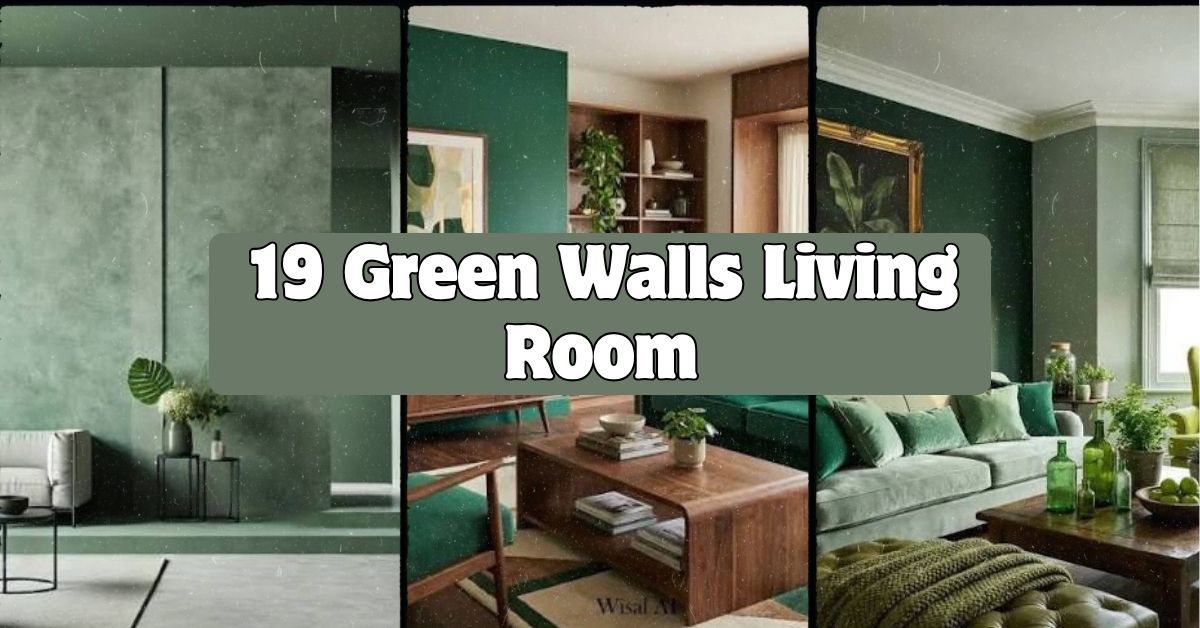
I’ve spent way too many hours scrolling through paint swatches, and I finally cracked the code on 19 Green Walls Living Room ideas that actually work in real homes, not just magazine spreads. If you’ve been staring at a boring beige wall wondering what color could make your living room feel fresh, you’re in the right spot.
Green walls in a living room use various shades of green, from deep forest to soft sage, as the main color for one or more walls to create a calming, nature-inspired atmosphere. This color choice works because green pairs easily with wood tones, metals, and most furniture styles already in your home.
Stick around, because I’m about to show you 19 different ways to pull this off, plus some mistakes I made so you don’t have to.
Why Green Walls Are Having a Moment
I get why people are nervous about green. It feels bold. But here’s the thing, green is basically nature’s neutral. Think about it. Trees, grass, plants, they’re all green and nobody thinks that’s “too much.” Your eyes are trained to feel calm around this color.
That’s why designers keep pushing green walls for living rooms right now. It’s not just a trend that’ll die in a year. Green works with almost every other color you already own. Your brown leather couch? Perfect with green. Your gray rug? Also perfect. That kind of flexibility is rare in the color world.
Now let’s get into the actual ideas.
1. Go Deep with Forest Green for a Cozy Den Feel
Forest green wraps a room in warmth almost instantly. This shade works best on all four walls if you want that cabin-like coziness, or just one accent wall if you’re testing the waters. Pair it with warm wood furniture, brass lamps, and cream throw pillows to keep things from feeling too dark.
My tip: paint a large sample board and move it around the room for a full day before committing. Light changes everything with dark greens.
This look shines in traditional and rustic homes, but modern spaces can pull it off too with sleek black frames and minimal decor. Once you’ve nailed the deep tones, you might want to soften things up a bit, which brings me to sage.
2. Soften Things Up with Sage Green Walls
Sage green is the gentle cousin of forest green. It’s dusty, muted, and never screams for attention. This color works in small living rooms because it doesn’t swallow light the way darker greens can.
Pair sage with white trim, light oak furniture, and linen curtains. It creates a soft, breathable space that feels lived-in but never messy.
Quick tip: test sage in both morning and evening light. It can look gray in low light and more green in bright sun.
Coastal and farmhouse homes love this shade, but it also fits minimalist and Scandinavian spaces nicely. If sage feels too quiet for you, let’s crank things up with emerald.
3. Make a Statement with Emerald Green Accent Walls
Emerald green is for people who want drama without going full jewel-box crazy. One accent wall in this color instantly becomes the focal point of the room. Everything else should stay simple, think white walls, black furniture legs, gold accents.
Actionable tip: use emerald on the wall behind your couch or TV so it frames your main seating area instead of competing with it.
This shade fits art deco and glam living rooms best, though modern homes use it too with cleaner lines and less shine. Once your statement wall is set, you’ll want furniture that doesn’t fight with it, which is where color pairing really matters.
Green Shade Comparison Table
| Green Shade | Best Room Size | Light Needed | Mood Created |
|---|---|---|---|
| Forest Green | Medium to Large | Bright natural light | Cozy, warm |
| Sage Green | Small to Medium | Any light level | Calm, airy |
| Emerald Green | Any size (accent wall) | Bright light preferred | Bold, luxurious |
| Olive Green | Medium to Large | Moderate to bright | Earthy, grounded |
4. Try Olive Green for an Earthy, Grounded Look
Olive green sits between brown and green, which makes it super easy to match with natural materials. Wicker baskets, jute rugs, and terracotta pots all look like they belong when olive is on the walls.
I’d suggest pairing olive with mustard yellow or burnt orange accents for a warm, retro feel. Keep furniture simple in cream or camel tones so the wall color stays the star.
Practical tip: olive can look muddy under yellow-toned lighting, so switch to daylight bulbs if the color feels off.
Bohemian and mid-century modern homes both love this shade. Now that we’ve covered the earthy tones, let’s talk about how texture changes everything.
5. Add Texture with a Green Venetian Plaster Finish
Flat paint is fine, but Venetian plaster in green adds depth you can actually see and feel. This technique creates subtle color variation across the wall, almost like the color is alive.
This works great in living rooms where you want a high-end, custom look without wallpaper. Pair it with simple furniture so the wall texture gets to shine.
Tip: hire a pro for this one unless you’ve done plaster work before. It’s not a beginner DIY project.
This finish fits modern luxury and Mediterranean-style homes especially well. If plaster feels too fancy, wallpaper is a great middle ground, which is exactly what we’re covering next.
6. Use Botanical Green Wallpaper for Instant Personality
Wallpaper with green leaves or botanical prints gives you color and pattern in one shot. This is a great option if solid paint feels too plain but a full mural feels too intense.
Choose wallpaper with a mix of green shades and some white or cream background so the room doesn’t feel too heavy. Furniture should stay neutral here, think beige sofas and light wood tables.
Actionable tip: order a sample roll before buying the full amount. Patterns look different in small swatches versus a full wall.
This idea works beautifully in coastal, cottage, and traditional living rooms. Once your pattern game is strong, let’s look at how green pairs with natural light.
7. Maximize Natural Light with Mint Green Walls
Mint green is lighter and brighter than sage, making it perfect for rooms that don’t get tons of sunlight. It reflects light instead of absorbing it, which can make small or dark living rooms feel bigger.
Pair mint with white furniture and light gray accents for a fresh, airy vibe. Adding a few dark green plants keeps the room from feeling too pastel or babyish.
Tip: avoid mint in rooms with yellow-toned lighting since it can shift the color cooler than you expect.
This shade fits modern farmhouse and Scandinavian homes really well. Speaking of plants, let’s talk about how to double down on that nature theme.
8. Bring the Outdoors In with Green Walls Plus Live Plants
This is the ultimate green-on-green move. Paint your walls a medium green, then fill the room with real plants in varying shades. The layered greens create depth that a single paint color can’t achieve alone.
Choose plants like pothos, snake plants, or fiddle leaf figs that thrive indoors. Keep pots in terracotta or white to contrast against the green wall.
Practical tip: group plants in odd numbers, like three or five, for a more natural-looking display.
This works in almost every style, from bohemian to modern to traditional. Now let’s shift from painted walls to something a little more unexpected.
9. Create Contrast with Green Walls and Black Trim
Black trim against green walls creates a sharp, sophisticated look. This works especially well with medium to dark green shades since the contrast doesn’t feel jarring.
Pair this combo with white or cream furniture to balance out the darker tones. Gold or brass hardware on doors and windows adds a touch of warmth.
Tip: paint the trim in a satin or semi-gloss finish so it catches light differently than the matte green walls.
This pairing fits modern and transitional homes best. If black trim feels too bold, let’s try something softer with wood tones instead.
10. Warm Things Up with Green Walls and Natural Wood Accents
Wood and green are basically best friends. This combo feels grounded and warm without trying too hard. Use wood in your coffee table, shelving, or even a wood-slat accent wall alongside the green paint.
Stick with medium to warm wood tones like oak or walnut rather than very light or very dark woods, which can clash with certain greens.
Actionable tip: bring a wood sample home and hold it against your green paint chip before buying furniture.
This look is a staple in Scandinavian, mid-century, and farmhouse living rooms. Once wood and green are working together, textiles are the next layer to think about.
Budget Guide for Green Wall Projects
| Project Type | Estimated Cost (per wall) | Time Needed | Difficulty |
|---|---|---|---|
| Basic paint (1 coat) | $30-$60 | 1 day | Easy |
| Premium paint (2 coats) | $60-$120 | 1-2 days | Easy |
| Wallpaper | $150-$400 | 1 day | Moderate |
| Venetian plaster | $500-$1,200 | 2-4 days | Hard (hire a pro) |
| Wood accent + paint combo | $200-$600 | 2-3 days | Moderate |
11. Layer Textiles in Complementary Green Tones
Once your walls are green, don’t stop there. Throw pillows, blankets, and area rugs in slightly different green shades add depth without overwhelming the room. Mix a darker green pillow with a lighter green throw for visual interest.
Choose fabrics like linen or cotton for a relaxed feel, or velvet for something more luxurious. Avoid using the exact same shade as your walls since it can flatten the whole look.
Tip: pull one green from your wall color and one or two shades lighter or darker for your textiles.
This layering trick works across every style, from boho to glam to modern. Now let’s talk about a bolder move: painting the ceiling too.
12. Paint the Ceiling Green for a Cocooning Effect
This one surprises people, but painting your ceiling the same green as your walls creates a cocoon-like, cozy feeling. It works especially well in rooms with lower ceilings since it removes the visual break between wall and ceiling.
Keep your trim white for contrast, or go monochrome and paint everything the same green for a bold, immersive look.
Practical tip: use a flat or matte finish on the ceiling to avoid glare from overhead lighting.
This works surprisingly well in both cottage-style and modern minimalist homes. If a full green ceiling feels like too much, a simple green accent nook might be your next move.
13. Create a Cozy Reading Nook with a Green Accent Corner
Instead of committing to a whole wall, paint just a corner or alcove green. This creates a little pocket of color that’s perfect for a reading chair or small desk setup.
Add a floor lamp, a small bookshelf, and a comfy chair to complete the nook. Green works great here because it feels calming, which is exactly the vibe you want for reading.
Tip: use painter’s tape to get crisp, clean lines around the corner before painting.
This idea fits small apartments and larger homes alike, and works in almost any design style. Let’s round things out with a few more creative approaches to green walls.
14. Combine Two Greens for a Two-Tone Wall Effect
Painting the bottom half of your wall a darker green and the top half a lighter shade (or vice versa) creates a custom, designer look. Add a thin wood or trim strip where the colors meet for a clean division.
This technique works great in living rooms with chair rail molding already installed. Keep furniture simple so the two-tone wall stays the focal point.
Actionable tip: use the darker shade on the bottom for a grounded feel, or flip it for a more airy, lifted look.
This works in traditional, transitional, and even coastal homes. Next, let’s look at how metallics play with green.
15. Add Metallic Accents to Green Walls for Extra Shine
Gold, brass, and copper accents against green walls create a rich, almost jewel-toned effect. Think picture frames, lamp bases, or even a metallic accent chair.
Keep metallics to about two or three spots in the room so it doesn’t feel like too much shine. Green and gold especially have a classic, elegant pairing that never really goes out of style.
Tip: mix warm metallics with warm greens (like olive or forest) and cooler metallics with cooler greens (like sage or mint).
This combo fits glam, art deco, and traditional living rooms best. If you’re renting and can’t paint, don’t worry, I’ve got you covered next.
16. Fake the Look with Removable Green Wallpaper for Renters
Peel-and-stick wallpaper has come a long way. You can get realistic green textures, from solid colors to botanical prints, without touching a paintbrush.
This is perfect for apartments or rental homes where painting isn’t allowed. Application is simple: clean the wall, smooth the paper on section by section, and trim the edges.
Practical tip: apply in a room with good airflow so the adhesive sets properly and doesn’t bubble.
This works for any style since the wallpaper options are nearly endless now. Let’s talk about a smaller commitment next: green furniture instead of walls.
17. Skip the Wall Paint and Use a Green Sofa Instead
If painting feels too permanent, a green sofa gives you the same color impact without touching the walls. Keep your walls neutral (white, beige, or light gray) so the sofa becomes the star.
Choose a deep green like hunter or forest for a bold statement, or a muted sage for something softer. Add throw pillows in complementary colors to tie the room together.
Tip: velvet sofas show off deep greens especially well because the fabric catches light differently.
This works in literally every design style since it’s furniture, not permanent paint. Now let’s cover one more idea before wrapping up: mixing green with pattern-heavy decor.
18. Mix Green Walls with Bold Patterned Curtains
Solid green walls create the perfect backdrop for patterned curtains. Florals, geometric prints, or even stripes can add movement to the room without clashing, as long as the pattern includes some green in it.
Choose curtains in linen or cotton for a relaxed feel, or silk for something more formal. This is a low-cost way to add personality without repainting anything.
Actionable tip: bring a paint swatch with you when shopping for curtains so you can match tones accurately.
This idea fits eclectic, bohemian, and traditional homes especially well. Last but not least, let’s talk about lighting.
19. Use Warm Lighting to Enhance Green Wall Tones
Lighting completely changes how green looks on your walls. Warm white bulbs (around 2700K to 3000K) bring out the cozy, golden undertones in green, while cool white bulbs can make green look flat or even gray.
Add a mix of floor lamps, table lamps, and dimmable overhead lights so you can adjust the mood depending on time of day.
Tip: always test your paint color under the actual lighting you’ll use at night, not just daylight.
This works in every single style of home since lighting is universal. With all these ideas in mind, let’s go over some quick tips to make sure your project turns out great.
Tips for Success
- Always test paint samples on your actual wall, not just a paint chip, since lighting changes everything.
- Start with a smaller accent wall if you’re nervous about commitment.
- Balance dark greens with light furniture and vice versa to avoid a cave-like feeling.
- Use a semi-gloss or satin finish in high-traffic living rooms since it’s easier to clean than matte.
- Don’t forget the fifth wall, your ceiling, when planning your color scheme.
- Bring home fabric and material samples before buying anything permanent.
- Live with a sample for at least a week before painting the whole room.
Common Mistakes and How to Avoid Them
Painting without testing light changes
: Always check your green swatch in morning, afternoon, and evening light before committing.
Choosing a shade that’s too dark for a small room
: Stick with sage, mint, or other lighter greens if your living room lacks natural light.
Matching furniture too closely to the wall color
: Keep at least a shade or two of contrast between your walls and your biggest furniture pieces.
Ignoring the finish type
: Flat finishes hide imperfections but scuff easily; satin or semi-gloss holds up better in living rooms.
Forgetting about trim and ceiling color
: Plan your trim and ceiling colors alongside your wall color, not as an afterthought.
Similar Variations
- Blue Accent Walls: A cooler alternative that creates a calm, ocean-inspired living room feel.
- Terracotta Walls: Warm, earthy tone that pairs beautifully with the same natural textures green does.
- Charcoal Gray Walls: A moodier, more neutral option for people who want drama without color commitment.
- Two-Tone Neutral Walls: Swap green for beige and white in a similar two-color split design.
- Botanical Wallpaper Rooms: Full pattern rooms that lean even harder into the nature theme than a solid green wall.
I know picking a wall color feels like a bigger decision than it should be, but green really is one of the safest bold choices you can make. It works with wood, metal, and almost any furniture style you already own, and it never feels dated the way some trendy colors do. Whether you go with a deep forest shade or a barely-there sage, these 19 Green Walls Living Room ideas give you plenty of starting points to make your space feel calmer, warmer, and a lot more like you.
Leave a Reply