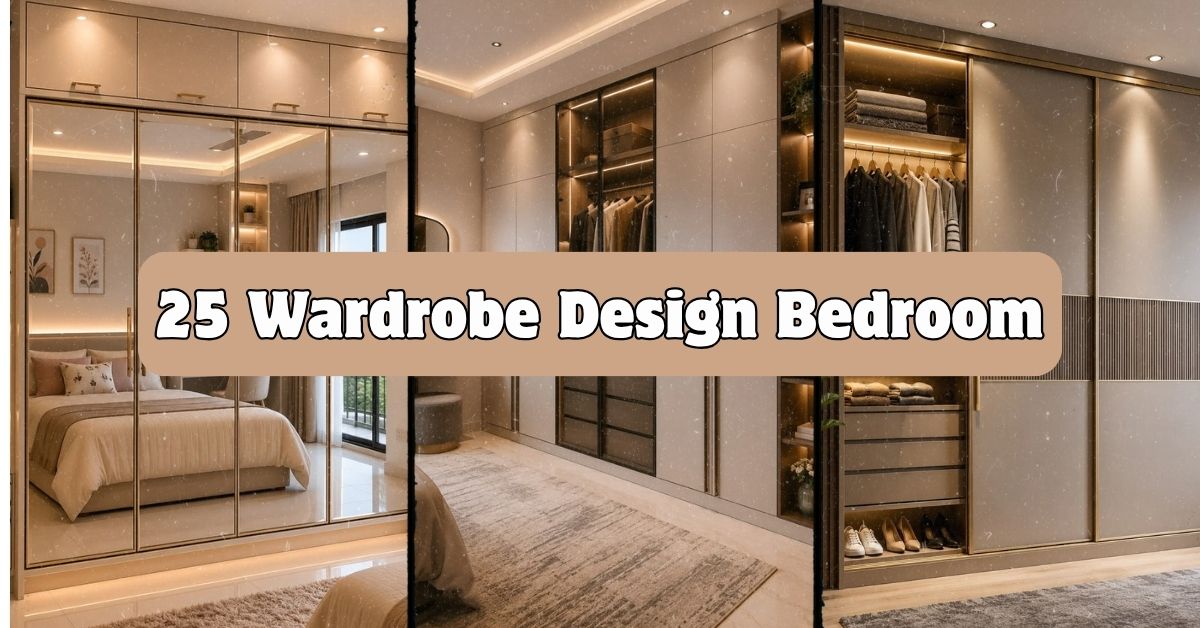
25 Wardrobe Design Bedroom ideas can help you turn unused wall space into smart storage that looks beautiful and feels easy to use. I’ve gathered practical layouts, materials, colors, and decorating tips so you can choose a wardrobe that truly fits your room.
The question is which wardrobe designs suit a bedroom best. The answer includes sliding, hinged, mirrored, built-in, freestanding, modular, glass-front, corner, loft, and minimalist wardrobes, selected by room size, storage needs, style, and budget.
Keep reading to see how small details can change the whole room. I’ll also share useful size guides, material choices, and mistakes worth avoiding.
Understanding Bedroom Wardrobe Design
A bedroom wardrobe is more than a place to hang clothes. It can shape the room’s layout, brighten a dark corner, and make daily routines smoother. When I plan one, I first look at the wall length, ceiling height, door swing, and walking space around the bed.
Then I think about what needs storage. Long dresses need hanging height. Shoes need shallow shelves. Bags and folded clothes need different compartments. A good wardrobe design combines all of these without making the bedroom feel crowded.
Your personal style matters, too. Warm wood suits traditional rooms, while flat panels and hidden handles work well in modern bedrooms. The best design is the one that looks right and makes everything easy to find.
1. Install a Full-Height Built-In Wardrobe

A full-height built-in wardrobe uses the entire wall from floor to ceiling. This creates a clean, custom look and gives you valuable upper storage for suitcases, blankets, and seasonal clothing. I like this design for bedrooms where every inch matters.
Choose simple doors in white, beige, soft gray, or natural wood. Inside, combine hanging rails, drawers, shoe shelves, and adjustable shelves. Add a narrow open section for books or decor if you want the wardrobe to feel less solid.
Before ordering, measure the wall at several points. Walls are not always perfectly straight. This design suits modern, traditional, Scandinavian, and transitional homes, depending on the door style and finish. Next, let’s look at a solution for rooms where door clearance is tight.
2. Choose Space-Saving Sliding Doors

Sliding wardrobe doors move along tracks instead of opening into the room. They are useful beside a bed or in a narrow bedroom where hinged doors may block the walkway. I recommend leaving enough front clearance for comfortable access, even though the doors do not swing outward.
Use two or three wide panels rather than many narrow ones. Large panels create a calmer appearance. You can choose wood veneer, matte laminate, frosted glass, or a combination of materials.
Add soft-close tracks if your budget allows. They reduce noise and protect the doors from hard slams. Sliding wardrobes work in modern, industrial, coastal, and minimalist rooms. If you prefer a more classic look, the next design offers a familiar solution.
3. Add Classic Hinged Wardrobe Doors

Hinged wardrobes remain a practical choice because each section opens fully. You can see the entire interior at once, which makes organizing easier. They also offer many decorative options, including shaker panels, cane inserts, painted wood, and simple flat doors.
For a balanced look, divide a long wardrobe into equal door widths. Use black knobs for a modern farmhouse room or brushed brass handles for a warmer traditional style. Inside, place drawers at waist height so you do not need to bend often.
Check the door swing before installation. It should not hit the bed, dresser, or nearby wall. Hinged wardrobes fit traditional, cottage, farmhouse, and contemporary bedrooms. Now let’s use the wardrobe itself to make the room feel larger.
4. Use Mirrored Doors to Reflect Light

Mirrored wardrobe doors can make a small bedroom feel brighter and more open. They also give you a full-length dressing mirror without taking up separate wall space. I prefer using mirrors on one or two panels rather than covering every door, especially in rooms that already have many reflective surfaces.
Pair the mirrors with a simple frame in white, black, champagne, or wood. Keep the area around the wardrobe uncluttered so the reflection feels calm. Position the doors where they can reflect a window or a light-colored wall, not a messy corner.
Clean the tracks and mirror surface regularly. Mirrored wardrobes suit modern, glam, compact, and minimalist interiors.
Wardrobe Door Comparison
| Door type | Best for | Front clearance | Maintenance |
|---|---|---|---|
| Sliding laminate | Small bedrooms | 600 to 750 mm | Low |
| Hinged wood | Traditional rooms | 900 to 1,000 mm | Low to medium |
| Mirrored sliding | Dark or compact rooms | 600 to 750 mm | Medium |
| Glass panel | Modern bedrooms | 600 to 750 mm | Medium to high |
| Cane or rattan | Boho and coastal rooms | 900 to 1,000 mm | Medium |
With the right door choice, storage can also become part of the room’s visual design. The next idea adds warmth through natural materials.
5. Bring Warmth with Wood-Finish Panels

Wood-finish wardrobe panels make a bedroom feel comfortable and grounded. Oak, walnut, ash, and teak-inspired laminates all create different moods. Light oak keeps the room airy, while walnut adds a richer and more dramatic feel.
Use wood on the main doors and a lighter color inside the wardrobe. Pair the design with linen bedding, woven baskets, and warm bedside lighting. Avoid matching every wooden item in the room exactly. Slight differences make the space feel more natural.
Choose textured laminate if real wood is outside your budget. It is easier to clean and often resists scratches well. Wood wardrobes adapt to rustic, Scandinavian, traditional, Japandi, and contemporary styles. Next, we’ll look at a lighter finish for a softer bedroom.
6. Try Soft White or Cream Wardrobe Doors

White and cream wardrobe doors can make a bedroom look fresh, calm, and spacious. They are especially useful in small rooms with limited natural light. I prefer warm white or ivory over very bright white when the bedroom has beige flooring or warm wood furniture.
Add slim handles, push-to-open doors, or small brass knobs. For interest, use vertical grooves or thin frame details. Keep the rest of the room simple with soft bedding and one or two muted accent colors.
Wipe the doors often, since pale finishes show dust and fingerprints. Satin or eggshell finishes are usually easier to live with than high-gloss surfaces. This idea works with coastal, modern, cottage, and Scandinavian styles. If you want stronger character, color can do the job.
7. Paint the Wardrobe in a Deep Accent Color

A dark wardrobe can become a strong focal point in the bedroom. Navy, forest green, charcoal, and deep brown feel rich without needing lots of decoration. This approach works best when the room has enough daylight or a good layered lighting plan.
Balance the dark doors with pale walls, light bedding, and warm wood or brass details. If the wardrobe is very large, use a matte finish so it does not feel too heavy. Add internal lighting to make the storage easier to use.
Test a sample color in both daylight and evening light before painting or ordering panels. This design fits moody modern, traditional, art deco, and eclectic homes. Next, we’ll soften storage with a fabric-inspired detail.
8. Add Cane or Rattan Inserts

Cane and rattan wardrobe panels bring texture and airflow to the bedroom. They work well when you want storage that feels lighter than solid doors. A cane insert can cover the center of a framed door, while the outer frame stays wood, white, or black.
Use cane with woven baskets, linen curtains, jute rugs, and indoor plants. Avoid placing it where it may catch on bags or clothing. A protective finish helps keep the material looking fresh, especially in humid areas.
For a more modern result, choose a simple rectangular frame and minimal handles. This design suits boho, coastal, tropical, farmhouse, and relaxed contemporary interiors.
Useful Wardrobe Color Pairings
| Wardrobe finish | Wall color | Accent materials | Overall mood |
|---|---|---|---|
| Light oak | Warm white | Linen and rattan | Calm and natural |
| Navy | Pale gray | Brass and cream | Refined and bold |
| Cream | Soft beige | Light wood | Gentle and classic |
| Walnut | Dusty blue | Black metal | Rich and balanced |
| Forest green | Warm ivory | Aged brass | Cozy and elegant |
| Matte black | White or clay | Oak and leather | Modern and dramatic |
Texture and color can make a wardrobe beautiful, but its inside layout decides how useful it will be. Let’s focus on organization now.
9. Build a Wardrobe with Double Hanging Rails

Double hanging rails use vertical space efficiently. Place one rail for shirts, jackets, and folded trousers, then add a second rail below for shorter garments. This layout can nearly double hanging capacity compared with one long rail.
Keep one taller section for dresses, coats, and long skirts. Use the lower area for shoes or pull-out baskets if the height allows. I suggest measuring your longest garments before fixing the rails.
Choose adjustable systems so you can change the layout later. Double rails work in built-in, freestanding, sliding, and hinged wardrobes. They fit nearly every home style because the organization is hidden behind the doors. Next, we’ll give folded clothing a better home.
10. Add Deep Drawers for Folded Clothes

Drawers are useful for T-shirts, underwear, pajamas, workout clothing, and accessories. They protect soft items from dust and make it easier to see what you own. I prefer wide drawers with full-extension runners so the back section is not wasted.
Place everyday drawers between knee and shoulder height. Keep heavy items lower and delicate items higher. Drawer dividers can separate socks, belts, and smaller pieces without taking much space.
Avoid making drawers too deep. Clothes can become buried in tall stacks. A depth of about 450 to 600 mm is practical for many bedroom wardrobes, depending on the overall cabinet design. This feature suits modern, classic, and modular wardrobes. Now let’s make use of awkward corners.
11. Fit a Corner Wardrobe Around the Room

A corner wardrobe can connect two walls and create more storage than a straight cabinet. It is helpful in square bedrooms where one wall has a difficult corner or an unused section beside the door.
Use the corner for shelves, pull-out rails, or less-used clothing. Keep frequently worn items on the easier-to-reach outer sections. Matching the doors across both walls helps the design feel intentional rather than bulky.
Leave enough space for doors, drawers, and movement around the bed. A corner unit works in traditional, modern, farmhouse, and compact apartment bedrooms. If you have a high ceiling, the next idea can take storage upward.
12. Use Loft Storage Above the Main Wardrobe

A loft section above the wardrobe gives you extra room for luggage, bedding, winter coats, and storage boxes. It is a smart choice when the bedroom has a high ceiling or when floor space is limited.
Use matching doors so the upper units blend with the main wardrobe. Add labels to boxes because high shelves are easy to forget. Keep a small folding step stool nearby, but do not store everyday items above your head.
Make sure the cabinets are securely fixed to the wall. Avoid placing very heavy objects in units that are difficult to access. Loft storage suits minimalist, contemporary, traditional, and apartment interiors.
Basic Wardrobe Size Guide
| Storage area | Recommended clear height | Helpful depth |
|---|---|---|
| Shirts and folded trousers | 900 to 1,050 mm | 450 to 600 mm |
| Long dresses and coats | 1,500 to 1,800 mm | 550 to 600 mm |
| Shoe shelves | 150 to 250 mm per level | 300 to 400 mm |
| Drawers | 150 to 250 mm each | 450 to 600 mm |
| Loft storage | 350 to 600 mm | 450 to 600 mm |
A tall wardrobe can store a lot, but light inside the cabinet makes every shelf more useful. Let’s add that small upgrade.
13. Install Motion-Sensor Interior Lighting

Interior wardrobe lighting saves time when the room is dark. LED strips, small spotlights, and motion-sensor bars can brighten shelves and hanging sections without adding much heat.
Place vertical lights near the front edges of deep compartments. Use warm white light for a cozy bedroom or neutral white light when you need accurate clothing colors. Hide wires inside the side panels for a clean finish.
Choose rechargeable lights for a simple retrofit, or use wired lighting during a new installation. Check that the lights turn off when the doors close. This feature fits modern, luxury, minimalist, and practical family bedrooms. Next, we’ll make the wardrobe more useful for dressing.
14. Create a Built-In Dressing Nook

A dressing nook can sit between two wardrobe towers or beside a built-in cabinet. Include a small desk-height counter, mirror, drawer, and stool. It becomes a useful place for skincare, jewelry, hair tools, or a quick outfit check.
Keep the counter shallow so it does not steal too much floor space. Add a wall sconce or concealed LED strip around the mirror. Use the same finish as the wardrobe, or choose a contrasting wood for interest.
Secure the mirror and keep electrical outlets away from water sources. A dressing nook works in modern, glam, traditional, and compact bedrooms. If your room needs a softer look, consider a curtain instead of solid doors.
15. Hide Storage Behind Fabric Curtains

Fabric curtains offer a relaxed alternative to cabinet doors. They are helpful for renters, low-cost updates, and open wardrobes that need a softer appearance. Choose linen, cotton, canvas, or a washable blend.
Install a sturdy ceiling track or curtain rod. Use full-length curtains in a calm color such as oatmeal, cream, olive, or dusty blue. Make sure the fabric can move fully aside so you can reach every shelf.
Washable curtains are easier to maintain than delicate fabric. This idea suits boho, cottage, coastal, rustic, and small-space bedrooms. Now let’s look at glass, which can show off a carefully arranged wardrobe.
16. Use Fluted or Frosted Glass Panels

Fluted and frosted glass add light while keeping clothing partly hidden. Fluted glass creates vertical texture, while frosted glass gives a smooth, quiet appearance. Both options feel lighter than heavy wood doors.
Use black, bronze, or brushed metal frames depending on your style. Keep the inside of the wardrobe neat because some shapes and colors may still show through. Add warm lighting inside for a soft glow at night.
Choose toughened safety glass from a reliable supplier. Clean it with a soft cloth to avoid scratches. Glass panels work especially well in modern, industrial, art deco, and boutique-style bedrooms.
Wardrobe Material Comparison
| Material | Strengths | Watch-outs | Best style matches |
|---|---|---|---|
| Laminate | Affordable and easy to clean | Edges may chip if poorly made | Modern, practical |
| Veneer | Natural wood appearance | Needs careful moisture control | Japandi, classic |
| Solid wood | Durable and repairable | Costs more and is heavier | Traditional, rustic |
| Acrylic | Smooth, bright, glossy | Shows fingerprints | Contemporary, glam |
| Cane | Light and textured | Needs gentle care | Boho, coastal |
| Glass | Reflects light and feels open | Shows marks and needs safety glass | Modern, art deco |
Material affects the feel of the bedroom, but small decorative choices create the final personality. Let’s add one with real visual impact.
17. Frame the Wardrobe with Wall Molding

Wall molding can make a standard wardrobe look custom-built. Add narrow trim around the outer edge or create simple rectangles on flat doors. Paint the molding and wardrobe in the same color for a subtle finish.
Use slim profiles in small rooms. Heavy molding can make a compact bedroom feel crowded. Pair the design with classic lamps, upholstered furniture, and simple bedding.
Measure carefully and use a level before fixing trim. Fill nail holes and paint the entire surface for a smooth result. This idea suits classic, Parisian, transitional, and modern farmhouse bedrooms. If you prefer a cleaner look, hidden handles may be the answer.
18. Select Handleless Push-to-Open Doors
Handleless wardrobes create a smooth, uncluttered wall. Push-to-open hardware lets you open the doors with a light press. This is useful when you want the wardrobe to blend into the background.
Choose matte laminate, soft wood, or painted panels. Add a recessed shadow gap between doors if you want more definition. Keep the panels clean because there are no handles to draw attention away from fingerprints.
Use quality hardware and check that the doors align properly. Cheap mechanisms may become frustrating with daily use. Handleless doors fit modern, minimalist, Scandinavian, and Japandi rooms. Next, let’s use the wardrobe to divide space.
19. Use a Wardrobe as a Room Divider

A wardrobe can separate a sleeping area from a dressing zone, home office, or entry passage. This works especially well in studio apartments or large bedrooms with an open plan.
Choose a finished back panel if both sides will be visible. Add open shelves, a niche, or a television panel to make the divider serve two purposes. Keep the unit anchored securely, especially if it is tall.
Leave pathways wide enough for easy movement. A room-divider wardrobe fits modern, industrial, contemporary, and small apartment styles. If you want the wardrobe to feel more personal, display a few favorite items in open niches.
20. Include Open Niches for Decor and Daily Items

Open niches break up a large wardrobe and give you a place for books, framed art, perfume bottles, or a small plant. They also make useful landing spots for items you reach for every day.
Limit the display to a few pieces. Too many objects can make the wardrobe look messy. Use warm LED lighting inside the niche and repeat one color from the bedding or curtains.
Keep open shelves away from dusty floor-level areas when possible. This design suits modern, eclectic, boho, and transitional homes.
Budget Planning Guide
| Project level | Typical features | Best way to save |
|---|---|---|
| Basic | Modular cabinet, laminate doors, standard shelves | Use ready-made units |
| Mid-range | Custom layout, drawers, soft-close hardware | Mix open shelves with doors |
| Premium | Full-height build, lighting, glass, specialty fittings | Invest in high-use sections |
| Rental update | Freestanding unit, curtains, removable lights | Avoid permanent changes |
A small display niche can add charm, but a well-planned shoe section can save even more daily frustration. Let’s organize footwear next.
21. Design a Dedicated Shoe Cabinet Section

Shoes need their own space because they can quickly crowd the bottom of a wardrobe. Add adjustable shelves, angled racks, or pull-out trays. Keep everyday pairs between waist and knee height for easy access.
Allow more height for boots and high-top shoes. A ventilated compartment can help reduce trapped odors. Use washable mats on the bottom shelf to protect the cabinet from dirt.
Measure your shoe collection before fixing the shelves. Do not assume every pair needs the same space. Dedicated shoe storage works in modern, traditional, industrial, and family bedrooms. Now let’s give accessories a more orderly home.
22. Add Pull-Out Trays for Jewelry and Accessories

Pull-out trays are ideal for watches, sunglasses, ties, belts, scarves, and jewelry. They use shallow spaces that might otherwise be wasted. Lined trays also protect delicate pieces from scratches.
Place the tray near eye level if you use it daily. Add small dividers so items do not mix together. For jewelry, choose felt or velvet lining and keep the tray away from direct sunlight.
Do not overload the runners. Check the hardware’s weight rating before filling the tray. This detail suits luxury, modern, classic, and compact wardrobe designs. Next, let’s plan a wardrobe that can change with your life.
23. Choose a Flexible Modular Wardrobe

A modular wardrobe uses separate units that can be rearranged or expanded. It is useful if you rent, move often, or expect your storage needs to change. You can begin with hanging space and add drawers, shelves, or a shoe unit later.
Choose modules with matching heights and finishes so the design looks planned. Secure tall pieces to the wall to prevent tipping. Leave a little room for future additions if the bedroom layout allows it.
Modular storage fits practical, contemporary, Scandinavian, and student bedrooms. If you have limited floor space, the next idea takes storage upward and inward.
24. Build a Wardrobe Under a Sloped Ceiling
Bedrooms in lofts and attic spaces often have awkward sloped ceilings. A custom wardrobe can follow the roofline, turning difficult areas into useful storage. Use the tallest section for hanging clothes and the lower sections for drawers or shoes.
Choose sliding doors where hinged doors may be hard to operate. Keep the lowest compartments easy to reach, especially if children use the room. Light colors can help the built-in unit blend with the ceiling.
Use a detailed template before cutting panels. Small measurement errors become obvious under a slope. This design works in modern lofts, rustic homes, Scandinavian spaces, and compact apartments. Finally, let’s create a wardrobe that feels like part of the architecture.
Planning Checklist by Bedroom Size
| Bedroom type | Recommended approach | Useful priority |
|---|---|---|
| Small room | Sliding or handleless doors | Clear walking space |
| Medium room | Built-in with drawers and shelves | Balanced storage |
| Large room | Wardrobe wall or room divider | Zoning and display |
| Attic room | Sloped custom cabinets | Use difficult corners |
| Rental room | Freestanding or curtain storage | Easy removal |
25. Match the Wardrobe to the Bedroom Architecture
The most polished wardrobe design feels connected to the room. Match its color, trim, or proportions with the walls, flooring, doors, and ceiling. In a classic room, use framed panels and traditional hardware. In a modern room, choose flat fronts and simple lines.
You can also make the wardrobe disappear by painting it the same color as the wall. This is helpful when the cabinet is large. Alternatively, make it a feature with contrasting wood, lighting, or decorative panels.
Stand in the doorway and look at the whole room before choosing finishes. The wardrobe should support the space, not compete with the bed. This approach adapts to modern, traditional, coastal, rustic, and eclectic homes, which makes it a dependable final choice.
Tips for Success
- Measure the room, wall corners, ceiling height, and door swings before buying materials.
- Keep at least 600 mm of clear walking space in front of most wardrobe doors when possible.
- List every storage need, including shoes, bags, long clothes, folded items, and accessories.
- Place everyday items between knee and shoulder height.
- Use adjustable shelves and rails so the interior can change later.
- Add warm LED lighting to deep or full-height wardrobes.
- Order finish samples and view them in both daylight and evening light.
- Anchor tall freestanding wardrobes securely to the wall.
- Choose easy-clean finishes for homes with children or pets.
- Leave room for ventilation if the wardrobe sits against a damp outside wall.
Common Mistakes and How to Avoid Them
Choosing a wardrobe before measuring the bed area
Measure the bed, bedside tables, doors, windows, and walking routes first. A beautiful cabinet is not useful if it blocks movement.
Using only one type of storage
Combine hanging rails, shelves, drawers, and shoe storage. Clothing comes in different shapes, so the interior should do the same.
Making every shelf the same height
Adjustable shelves are more practical. Fixed spaces may waste room or fail to hold boots, bags, and folded blankets.
Ignoring interior lighting
Deep wardrobes can become dark and frustrating. Add sensor lights or rechargeable LED bars where natural light cannot reach.
Picking a finish that is hard to maintain
High-gloss doors and mirrors show fingerprints quickly. If you dislike frequent cleaning, choose matte laminate, textured wood, or satin paint.
Forgetting the door mechanism
Sliding doors need clean tracks and careful alignment. Hinged doors need swing space. Choose the system after checking the room layout, not before.
Similar Variations
- Japandi Wardrobe Design: Combines pale wood, simple panels, soft colors, and calm uncluttered lines.
- Coastal Wardrobe Design: Uses white, pale blue, light oak, rattan, and relaxed hardware.
- Boho Wardrobe Design: Mixes cane, woven textures, warm wood, plants, and handmade accents.
- Modern Luxury Wardrobe Design: Pairs glass, dark finishes, brass details, lighting, and smooth cabinetry.
- Scandinavian Wardrobe Design: Focuses on light colors, practical storage, clean shapes, and natural materials.
- Traditional Wardrobe Design: Uses framed doors, rich wood, classic handles, molding, and balanced proportions.
The right wardrobe should solve a real storage problem while supporting the mood of your bedroom. Start with measurements and daily habits, then choose the doors, colors, materials, and details that fit your space.
Whether you need a compact sliding cabinet or a full wardrobe wall with custom lighting, small planning choices make a big difference. Use these ideas as a guide while creating your own 25 Wardrobe Design Bedroom.
Leave a Reply