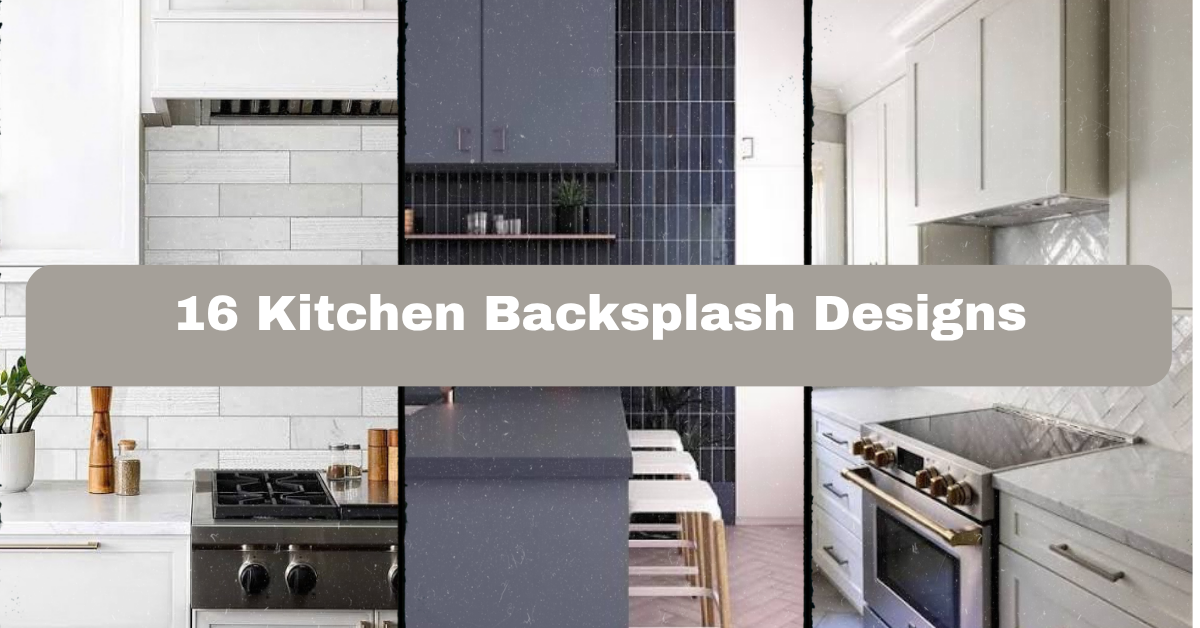
16 Kitchen Backsplash Designs can help you turn a plain cooking wall into a useful, beautiful part of your home. I’ll walk you through the best materials, colors, layouts, and style choices so you can pick a backsplash that fits your kitchen and your budget.
What are the best kitchen backsplash designs? The best choice balances appearance, cleaning needs, durability, cost, and kitchen style. Popular options include ceramic tile, glass, natural stone, metal, patterned tile, beadboard, and slab backsplashes.
You’ll see ideas for small kitchens, busy family homes, modern spaces, and classic rooms. I’ll also share simple planning tips that can prevent expensive mistakes.
A Quick Primer on Kitchen Backsplash Style
A backsplash protects the wall behind your sink, cooktop, and counters from water, grease, food splashes, and daily wear. It can also set the mood for the entire kitchen. In many homes, the backsplash is the detail that ties the cabinets, countertops, lighting, and hardware together.
When I plan a backsplash, I start with three questions. How much cleaning can I handle? What colors already exist in the room? And do I want the backsplash to stand out or quietly support the rest of the design?
You do not need the most expensive tile to get a polished look. The right scale, grout color, layout, and finish often matter more than the price tag.
1. Classic White Subway Tile With Dark Grout
White subway tile remains popular because it is simple, flexible, and easy to find. The familiar rectangular shape gives the kitchen a clean backdrop without making the room feel cold. Dark gray or charcoal grout adds contrast and helps hide small stains better than bright white grout.
I like this look with white cabinets, natural wood shelves, black fixtures, or brushed brass hardware. For a softer room, choose warm white tile and light gray grout instead of stark white and black.
For an immediate upgrade, use a 3-by-6-inch tile in a running-bond layout. Seal the grout after installation, especially around the sink and cooking area.
This backsplash works in farmhouse, modern, traditional, cottage, and industrial kitchens. Next, let’s make the familiar subway shape feel more artistic.
2. Stacked Subway Tile for a Modern Grid
A stacked subway tile layout places the edges directly above one another. The result is a tidy grid with clean vertical and horizontal lines. It feels more modern than the classic offset pattern, even when you use the same white tile.
I would pair stacked tile with flat-panel cabinets, a simple quartz countertop, and streamlined cabinet pulls. A pale sage, dusty blue, or soft beige tile can bring color without overwhelming the space. If you want a bold effect, use black tile with matching dark grout.
Before committing, tape sample tiles to the wall in both horizontal and vertical layouts. Look at them in morning and evening light. The pattern can appear very different across the day.
This design suits modern, Scandinavian, minimalist, and updated transitional homes. Now let’s move from straight lines to a pattern with more movement.
3. Herringbone Tile for Subtle Movement
Herringbone tile creates a zigzag pattern by placing rectangular tiles at angled ends. It adds motion and detail while keeping the overall look refined. This is a strong choice when your cabinets and counters are simple but the wall needs more interest.
I often recommend a soft neutral tile, such as ivory, cream, or pale gray. A high-contrast version can look dramatic, but it may become the first thing you notice in the room. Use a countertop with gentle veining so the surfaces do not compete.
A practical tip is to order extra tile. Herringbone layouts require more cuts than straight layouts, which can create more waste. An experienced installer also matters because uneven lines are easy to spot.
Herringbone can feel classic with marble, casual with ceramic, or modern with glossy colored tile. Next, we’ll look at a pattern that feels even more tailored.
4. Vertical Tile to Make the Kitchen Feel Taller
Vertical tile is a smart choice for kitchens with low ceilings or short walls. The upward lines draw the eye from the counter toward the cabinets or ceiling. Long, narrow tiles work especially well, but standard subway tiles can also be turned vertically.
Try a soft white tile with light grout for a quiet effect. For more personality, choose vertical sea-glass green, muted blue, or handmade-look tile. Keep nearby decor simple so the lines remain the main feature.
Before installation, measure the wall height and check where the tile will end. You want the cuts near the ceiling or cabinets to look intentional. A slim trim piece can create a neat finished edge.
This backsplash fits contemporary, coastal, cottage, and transitional kitchens. With those first four layouts covered, the table below can help you compare common tile choices.
Tile Layout and Finish Guide
| Layout or finish | Visual effect | Best room use | Cleaning note | Typical cost level |
|---|---|---|---|---|
| Running bond | Classic and relaxed | Farmhouse, traditional kitchens | Moderate grout maintenance | Low to medium |
| Stacked | Clean and structured | Modern and minimalist kitchens | Easy tile wiping, visible grout lines | Low to medium |
| Herringbone | Decorative and energetic | Simple kitchens needing detail | More grout joints to clean | Medium |
| Vertical stack | Adds height | Low-ceiling kitchens | Easy to wipe if grout is sealed | Low to medium |
| Glossy finish | Reflects light | Small or dark kitchens | Shows fingerprints and splashes | Low to medium |
| Matte finish | Soft and understated | Busy family kitchens | Hides smudges better | Medium |
5. Handmade-Look Zellige Tile for Warm Texture
Zellige-style tile has uneven edges, varied color, and a slightly rippled surface. It looks handmade, even when it is made from modern ceramic. No two pieces look exactly alike, which gives the backsplash warmth and character.
I like zellige tile with natural wood cabinets, creamy counters, and aged brass or bronze hardware. White and cream are popular, but pale green, clay, blue, and soft taupe can make the wall more memorable.
Because the surface is uneven, food may collect in small dips. Use it behind a prep area if you cook heavily with oil, or choose a smoother version near the range. Ask for several samples before ordering because color variation can be significant.
This style works beautifully in Mediterranean, Moroccan, cottage, farmhouse, and relaxed modern kitchens. If texture is your goal but you want a calmer surface, the next idea may be a better fit.
6. Soft Stone Tile in Marble or Limestone
Natural stone tile brings quiet texture and earthy color to a kitchen. Marble, limestone, travertine, and slate each have different patterns and care needs. Marble often has gray or warm veining, while limestone creates a softer, more matte appearance.
I would use stone backsplash tile with simple cabinetry so the natural pattern has room to breathe. Pair cool marble with gray cabinets, or choose warm limestone with cream cabinets and wood accents.
The important practical step is sealing. Many natural stones can absorb stains, so they need the correct sealer and regular maintenance. Avoid harsh cleaners, which may damage the surface or dull the finish.
Stone tile works in traditional, Mediterranean, rustic, transitional, and modern kitchens. Now let’s look at a way to use natural stone with fewer grout lines.
7. Full-Height Marble Slab for a Seamless Look
A full-height marble slab runs from the countertop to the upper cabinets or ceiling. It creates a smooth, continuous surface with fewer grout joints. The effect feels custom and often makes a compact kitchen look more open.
Choose this option when the stone has attractive veining that you want to display. White marble with gray veins feels classic, while green, brown, or dramatic black marble creates a stronger focal point. Keep the cabinets and hardware fairly restrained.
Slabs can be costly, and they require careful measuring, transport, and installation. Ask the fabricator where seams will appear and how the stone will be sealed. If real marble is outside your budget, porcelain slabs can offer a similar look with strong stain resistance.
This design fits luxury, contemporary, traditional, and transitional homes. For a budget-friendly version of a strong graphic statement, consider the next option.
8. Black-and-White Geometric Tile
Black-and-white backsplash tile adds clear contrast and visual energy. Geometric designs include diamonds, hexagons, stars, arches, and repeating line patterns. They can make a simple kitchen feel designed rather than merely finished.
I recommend using this style on one main wall while keeping the counters and cabinets simple. White cabinets, black hardware, and pale wood create a balanced scheme. If the pattern is busy, choose a plain countertop with little or no veining.
Always view a large sample before buying. A small tile sample may not show how quickly a repeated pattern fills the room. Use a simple trim at the edges so the pattern has a clean stopping point.
This idea adapts to modern, retro, Art Deco, farmhouse, and eclectic kitchens. The chart below compares several materials and helps explain where each one makes sense.
Backsplash Material Comparison
| Material | Strengths | Watch-outs | Best location | Maintenance |
|---|---|---|---|---|
| Ceramic tile | Affordable, many colors and shapes | Grout requires care | Most kitchen walls | Wipe tile, clean grout |
| Porcelain tile | Dense and durable | Can cost more and be harder to cut | Behind ranges and sinks | Low maintenance |
| Glass tile | Reflects light, resists stains | Can show adhesive or fingerprints | Small or dark kitchens | Easy wiping |
| Marble | Rich natural veining | Needs sealing and gentle cleaners | Low to moderate splash areas | Regular sealing |
| Stainless steel | Heat resistant and hygienic | Shows smears and scratches | Behind cooktops | Wipe with grain |
| Beadboard | Warm, budget-friendly look | Not ideal for direct heat | Breakfast nooks and sink walls | Use washable paint |
| Porcelain slab | Few seams, very durable | Professional installation needed | Full-height backsplash | Low maintenance |
9. Soft Green Tile for a Nature-Inspired Kitchen
Green backsplash tile brings a natural feeling indoors. The right shade can be calm rather than loud. Think olive, eucalyptus, moss, sage, or muted sea green. These colors work especially well with white, cream, oak, and walnut.
I like green tile in a glossy finish when the kitchen needs more light. Matte green feels quieter and more modern. Pair it with unlacquered brass for warmth or black hardware for a sharper contrast.
Use paint chips, cabinet samples, and countertop samples together before choosing the final shade. Green can shift dramatically under warm bulbs and natural daylight. A small test board is worth the effort.
This color works in cottage, coastal, modern organic, farmhouse, and vintage kitchens. If you want color without covering the entire wall, a focused accent may suit you better.
10. A Decorative Accent Strip Behind the Range
An accent strip creates a focal point without requiring patterned tile across the whole kitchen. You might use a decorative mosaic, contrasting slab, framed tile panel, or small mural directly behind the range.
I would keep the surrounding backsplash quiet. For example, pair plain cream tile with a blue mosaic range panel, or use white marble around a geometric porcelain insert. A strong range hood can help frame the feature.
Measure carefully before ordering. The accent should fit between cabinets, behind the cooktop, or inside a planned border. Choose a material that handles heat and grease well, and confirm that the manufacturer allows it near cooking appliances.
This approach suits traditional, Mediterranean, transitional, and eclectic kitchens. Next, we’ll explore an option that brings light and a little shine.
11. Glass Tile to Reflect Light
Glass tile can make a kitchen feel brighter because it reflects both natural and artificial light. It comes in clear, frosted, glossy, and textured finishes. Pale gray, aqua, cream, and soft blue glass are especially useful in small spaces.
I would pair glass tile with simple cabinets and a countertop that has limited pattern. Too many reflective surfaces can make the room feel busy. Under-cabinet lighting can highlight the tile, but use a warm color temperature so the wall does not look harsh.
Glass tile is easy to wipe, though fingerprints and water marks may show on glossy surfaces. Use a soft cloth and nonabrasive cleaner. Ask the installer about the correct adhesive because transparent tiles can reveal installation errors.
This backsplash fits contemporary, coastal, minimalist, and transitional homes. If shine is not your style, the next material offers a warmer industrial mood.
12. Brushed Metal Behind the Cooktop
Metal backsplash panels bring a practical, professional feel to the cooking zone. Stainless steel is the most common choice, but copper, brass, and bronze finishes can create a warmer look. Brushed surfaces usually hide marks better than polished ones.
Use stainless steel with white cabinets, dark cabinets, or open shelving. Copper works well with wood, cream, and deep green. Keep the finish consistent with nearby appliances when possible, unless you are intentionally mixing metals.
The safest installation depends on the product. Some panels are designed for direct use behind a range, while others require a heat-resistant backing. Follow the manufacturer’s clearance and cleaning instructions. Never use abrasive pads on stainless steel.
This design suits industrial, modern, loft, farmhouse, and contemporary kitchens. The next table compares color and material pairings that can help you build a complete palette.
Coordinated Backsplash Color Palettes
| Backsplash choice | Cabinet color | Countertop pairing | Hardware | Overall mood |
|---|---|---|---|---|
| Warm white subway tile | Navy or charcoal | White quartz | Brass | Classic and welcoming |
| Sage green ceramic | Cream or oak | Beige quartz | Aged brass | Natural and relaxed |
| Gray marble | White or light gray | Matching marble or quartz | Chrome | Cool and refined |
| Cream zellige tile | Walnut or natural oak | Soapstone or tan quartz | Bronze | Earthy and collected |
| Black geometric tile | White or pale wood | Plain white quartz | Black | Graphic and modern |
| Aqua glass tile | White | Light gray quartz | Brushed nickel | Bright and coastal |
| Stainless steel | Black or white | Concrete or dark quartz | Stainless steel | Professional and industrial |
| Terracotta tile | Cream or olive | Warm stone | Antique brass | Mediterranean and cozy |
13. Terracotta Tile for Earthy Character
Terracotta backsplash tile adds a warm orange, clay, or rust tone to the kitchen. It makes a room feel grounded and inviting. Handmade versions may have uneven edges and color variation, while porcelain versions offer easier care and more consistent sizing.
Pair terracotta with cream cabinets, natural wood, olive green, or charcoal. A simple square tile feels rustic, while a scallop or arabesque shape feels more decorative. Keep the countertop fairly quiet so the warm color does not compete with strong stone veining.
Terracotta can be porous, so sealing is important. For a busy kitchen, porcelain tile that imitates terracotta may be the easier choice. Order samples because orange tones vary greatly from one product to another.
This idea fits Mediterranean, Spanish, rustic, farmhouse, and modern organic kitchens. Now let’s move to a playful shape that can soften straight cabinet lines.
14. Scallop or Fish-Scale Tile
Scallop, fan, and fish-scale tiles create a soft repeating pattern. Their curved edges bring a decorative touch without needing a separate mural or border. They are especially useful in kitchens with boxy cabinets and straight countertops.
Use a single color if you want the shape to do the talking. A glossy white fan tile feels fresh, while dusty blue, blush, or deep teal makes a stronger statement. Pair the tile with rounded pendant lights or curved bar stools to repeat the shape elsewhere.
Install a sample section before covering the entire wall. Some fish-scale designs look calm at a distance but very busy up close. Choose grout close to the tile color when you want a blended look.
This backsplash works in coastal, vintage, cottage, Art Deco, and eclectic homes. For a flatter, more graphic pattern, take a look at the next idea.
15. Checkerboard Tile With a Vintage Feel
Checkerboard tile creates an instant retro effect. The classic version uses black and white squares, but softer combinations can feel more current. Try cream and terracotta, pale blue and white, or charcoal and warm gray.
I would use a small checkerboard backsplash with simple cabinets and minimal countertop accessories. If the kitchen already has bold flooring, choose a low-contrast color pairing so the patterns do not fight. A diagonal layout feels lively, while a straight grid looks more tailored.
Clean, even installation matters because crooked lines are obvious in a checkerboard design. Ask for a layout plan before the first tile is set. Seal cement tile carefully if you choose that material, since it can absorb stains.
This style fits retro, cottage, French country, farmhouse, and playful modern kitchens. One final idea adds architectural warmth without using traditional tile.
16. Painted Beadboard for a Cottage Kitchen
Beadboard backsplash panels create narrow vertical grooves and a cozy, built-in look. They are often made from wood or moisture-resistant composite materials. Painted white beadboard feels classic, while muted blue, gray, or green can add personality.
I like beadboard with shaker cabinets, butcher block counters, apron-front sinks, and simple ceramic knobs. It is especially useful in breakfast areas or kitchens where the cooktop is on another wall.
Use a washable, moisture-resistant paint and seal every exposed edge. Beadboard is not the best choice directly behind a gas range unless the product is specifically rated for that use. Near a sink, install it carefully so water cannot seep behind the panel.
This idea works in cottage, coastal, farmhouse, traditional, and country kitchens. With all 16 designs covered, the following tips can help you choose and install the right one.
Planning Guide by Budget and Project Scope
| Project type | Suitable backsplash choices | Main cost factors | Planning time |
|---|---|---|---|
| Budget refresh | Ceramic tile, peel-and-stick tile, painted beadboard | Surface preparation and trim | About 1 to 3 weeks |
| Mid-range update | Porcelain, glass, zellige-style tile, metal panel | Tile price, grout, labor | About 2 to 5 weeks |
| Custom focal wall | Mosaic accent, natural stone, patterned tile | Design layout and detailed labor | About 3 to 6 weeks |
| Premium renovation | Marble slab, porcelain slab, custom metal | Fabrication, transport, installation | About 4 to 8 weeks |
| Small DIY area | Simple ceramic tile or beadboard | Tools, adhesive, edge finishing | One weekend to several days |
| Full kitchen installation | Any selected material | Demolition, prep, outlets, cabinetry | Often 1 to 3 weeks of site work |
Tips for Success
- Order samples first. View tile beside the cabinet, counter, floor, and hardware before making a final choice.
- Measure twice. Calculate wall area, then add about 10 percent for cuts and breakage. Complex patterns may need more.
- Plan around outlets. A backsplash can change outlet placement, cover plates, and switch trim.
- Choose grout with care. Light grout blends with tile, while dark grout highlights the layout. Both need proper sealing when required.
- Check heat ratings. A tile that works behind a sink may not be suitable behind a gas or electric range.
- Think about edges. Use a trim tile, metal profile, bullnose edge, or clean slab ending where the backsplash stops.
- Install lighting early. Under-cabinet lights can change how tile color, shine, and texture appear.
- Keep maintenance realistic. If you dislike scrubbing grout, choose larger tiles, slab material, or a low-contrast grout.
- Do not ignore the wall surface. A clean, flat, dry wall helps prevent loose tiles and uneven lines.
- Buy from one dye lot when possible. Tile colors can vary between production batches.
Common Mistakes and How to Avoid Them
Choosing tile from a tiny sample
A small sample cannot show the full pattern, color variation, or shine. Tape several pieces together and view them across the actual wall.
Using too many competing patterns
Busy floors, veined counters, patterned cabinets, and decorative backsplash tile can overwhelm the room. Pick one main pattern, then keep the other surfaces calmer.
Skipping surface preparation
Dust, grease, bumps, and loose paint can cause installation problems. Clean the wall, repair damage, and follow the adhesive directions before setting tile.
Forgetting outlet and cabinet locations
Outlets, windows, shelves, and range hoods affect the tile layout. Mark all obstacles on the wall before ordering materials.
Picking grout only for its color
Grout also affects cleaning, joint visibility, and durability. Ask whether the product is cement-based, premixed, or epoxy, and follow its care instructions.
Stopping the backsplash at an awkward spot
An uneven endpoint can make a finished kitchen look unfinished. Plan the side edges and upper boundary before installation, especially near open walls.
Similar Variations
- Coastal Cottage: White or pale blue tile, light wood, woven accents, and brushed nickel create a breezy kitchen.
- Desert Modern: Terracotta, sand-colored porcelain, plaster-like finishes, and black hardware add warmth without clutter.
- French Country: Cream tile, soft blue accents, aged brass, and natural stone create a relaxed traditional feel.
- Modern Organic: Sage green, warm white, oak, stone, and matte black details keep the room calm and earthy.
- Industrial Farmhouse: Subway tile, stainless steel, dark grout, reclaimed wood, and iron fixtures balance utility with comfort.
- Retro Kitchen: Checkerboard tile, rounded hardware, colored cabinets, and vintage lighting bring back a playful period look.
A great backsplash does more than cover a wall. It protects your kitchen, supports your color scheme, and gives the room a clear point of view. The best option is the one that matches your cleaning habits, budget, home style, and long-term plans.
Take your time with samples, layout, grout, and lighting. When those choices work together, even a simple material can look custom, and these 16 Kitchen Backsplash Designs give you a strong place to start.
Leave a Reply