Category: Bedroom

  • 23 Above Bed Wall Decor Ideas

    23 Above Bed Wall Decor Ideas

    23 Above Bed Wall Decor can turn an empty bedroom wall into a focal point that feels finished, personal, and balanced. I’ll walk you through practical ideas for every style, room size, and budget.

    What belongs above a bed? Use artwork, mirrors, shelves, textiles, lighting, or sculptural pieces sized to the bed and secured safely. Keep the display visually balanced, leave breathing room, and match its colors to the bedroom.

    You’ll also learn how high to hang each piece, how to build a layered display, and which ideas work best for small bedrooms.

    Understanding Above-Bed Wall Decor

    The wall above your bed is a natural focal point. It is often the first large area you notice when entering the room, yet it can feel awkward to decorate. You need something attractive without creating a heavy or unsafe feeling above where you sleep.

    I like to treat this space as a visual anchor. The decor should relate to the bed, nightstands, bedding, and wall color. It does not need to match everything perfectly. It only needs a clear connection through color, shape, texture, or style. Before choosing anything, measure the bed width, check the ceiling height, and decide whether you want a calm backdrop or a bold statement.

    1. Hang One Oversized Canvas

    Story pin image
    Credit: skylah-designs

    A single oversized canvas creates a clean focal point without making the wall look busy. Choose a piece that is about two-thirds to three-quarters the width of the headboard. For a king bed, a canvas around 50 to 60 inches wide often looks balanced. For a queen bed, try 36 to 48 inches.

    Look for artwork with two or three colors already used in the room. A soft landscape works well in a peaceful bedroom, while abstract brushwork adds energy. Hang the bottom edge about 6 to 10 inches above the headboard, depending on its height. Use a stud or heavy-duty wall anchor.

    This idea suits modern, transitional, traditional, and minimalist bedrooms. Once the canvas is chosen, you can make the display feel more personal by using several smaller pieces instead.

    2. Build a Three-Piece Art Arrangement

    Story pin image
    Credit: Bright Within Studio

    A trio of framed prints gives you more detail while keeping the composition tidy. Pick three related images, such as botanical drawings, coastal scenes, abstract shapes, or black-and-white photographs. They should share a color, frame finish, or subject so they look intentional.

    Keep the gaps between frames consistent. Two to four inches usually works well. The full arrangement should be wider than the center of the bed but not much wider than the headboard. Before making holes, lay the frames on the floor and measure the complete width.

    For an easy installation, cut paper templates the size of each frame and tape them to the wall. This works in farmhouse, coastal, Scandinavian, and contemporary spaces. If three pieces still feel too formal, the next option offers a softer, more flexible look.

    3. Create a Soft Textile Focal Point

    Credit: Nest Of Dreams

    A woven wall hanging, quilt, tapestry, or macramé piece adds softness above the bed. This is useful when the bedroom has hard surfaces, plain bedding, or a lot of wood and metal. Choose a textile wide enough to relate to the bed, but avoid one so large that it touches the ceiling or headboard.

    A neutral woven piece suits a calm bedroom. Rust, mustard, clay, or deep green can add warmth to a white or beige room. Use a sturdy wooden dowel, hidden cleat, or textile hanger rather than a single small nail. Check that the mounting hardware can support the item’s weight.

    Textiles work especially well in boho, desert, cottage, and relaxed coastal rooms. They also create useful texture, which leads naturally to another warm wall treatment.

    4. Install Decorative Wood Slats

    Story pin image
    Credit: Home Decor

    Wood slats bring rhythm, warmth, and architectural interest to the wall above a bed. You can cover the whole wall or install a narrower panel behind the headboard. Vertical slats make the ceiling seem taller, while horizontal boards can make the wall feel wider.

    Choose the wood finish based on your room. Pale oak feels Scandinavian, walnut feels rich and modern, and whitewashed boards suit coastal or cottage spaces. Install the slats evenly and use a level throughout the project. If you rent, try removable faux wood panels or a slatted wallpaper design.

    Keep the rest of the decor simple so the wall remains the star. This idea adapts to modern, rustic, Japandi, and farmhouse homes. If you want the same architectural feeling with less installation work, consider wallpaper next.

    Wall Treatment Size and Cost Guide

    TreatmentUseful width above a queen bedTypical project costBest style match
    Removable wood-look panels48 to 60 inches$60 to $180Rental, modern
    Real wood slats60 to 90 inches$150 to $600Rustic, Japandi
    Peel-and-stick wallpaperOne wall$40 to $220Cottage, eclectic
    Framed art group36 to 60 inches$50 to $400Traditional, transitional
    Woven wall hanging30 to 50 inches$40 to $250Boho, coastal

    5. Use Wallpaper as a Bedroom Backdrop

    Story pin image
    Credit: Abloom Decor 

    Wallpaper can transform the entire wall instead of adding one object above the bed. A small pattern creates gentle movement, while a large botanical, geometric, or mural print makes a stronger statement. If you want flexibility, choose peel-and-stick wallpaper.

    Repeat one wallpaper color in the bedding or curtains. This keeps the room from feeling scattered. Install the wallpaper from corner to corner for a polished look, or create a centered feature panel behind the bed for a smaller project.

    Measure the wall carefully and order extra material for pattern matching. Smooth bubbles with a plastic scraper as you work. Wallpaper fits traditional, maximalist, cottage, and modern bedrooms, depending on the pattern. If a full wall feels like too much commitment, a framed wallpaper panel offers a smaller step.

    6. Frame a Wallpaper or Fabric Panel

    Credit: Lemak

    A framed panel gives you the drama of a mural or textile without covering the whole wall. Mount wallpaper, grasscloth, fabric, or a decorative paper inside a large frame. You can use one wide panel or two matching panels positioned above the bed.

    Select a frame that supports the room’s mood. Natural wood feels relaxed, black feels graphic, and brass adds a more classic touch. Make the panel at least half the bed’s width so it does not look undersized. Use foam board or stretcher bars behind the material to keep it smooth.

    This approach works in rental-friendly, traditional, eclectic, and modern rooms. It is also easy to replace when your taste changes. For another flexible solution, try a shallow picture ledge.

    7. Add a Picture Ledge for Rotating Art

    Story pin image
    Credit: Suite 101

    A picture ledge lets you display art without committing to one arrangement. Place a slim ledge above the bed and lean framed prints, small canvases, and a decorative object against the wall. Layer pieces from largest in back to smallest in front.

    Keep the ledge shallow, around 3 to 5 inches, so it does not project too far over the bed. Choose a ledge with a secure mounting system, especially if you plan to display heavier frames. Avoid glass objects or anything that could fall while you sleep.

    I like using a limited palette, such as cream, black, wood, and one accent color. Picture ledges suit modern, Scandinavian, apartment, and eclectic spaces. Once you have a ledge, you can make it glow with a carefully placed light source.

    8. Hang Plug-In Sconces Above the Nightstands

    Story pin image
    Credit: Auraline Decore 

    Plug-in sconces frame the bed and add useful reading light. Mount one on each side, usually 12 to 18 inches outside the bed centerline and about 6 to 12 inches above the mattress. The exact height depends on the fixture and how you use it.

    Choose swivel shades for reading and opaque shades for softer mood lighting. Black metal works with industrial and modern rooms, while aged brass fits traditional or vintage bedrooms. Hide cords with paintable cord covers or run them neatly behind the headboard.

    Do not hang sconces so low that you hit them when sitting up. Confirm the fixture is firmly anchored. This idea works across nearly every style and adds function as well as decoration. If you prefer a softer glow, the next idea uses hidden lighting.

    Lighting Placement Guide

    Lighting typeRecommended positionBest useHelpful style
    Reading sconce6 to 12 inches above mattressBedtime readingModern, traditional
    Plug-in pendant18 to 30 inches above nightstandDecorative glowBoho, coastal
    LED picture light6 to 8 inches above artworkHighlighting artClassic, transitional
    Battery wall lightCentered over art or panelRental-friendly accentMinimalist
    Backlit headboard panelBehind the headboardSoft ambient lightContemporary

    9. Use a Pair of Matching Mirrors

    Story pin image
    Credit: Urban Lokal Fashion

    Two mirrors placed above the nightstands create symmetry and reflect light. Choose round mirrors for a softer room, arched mirrors for a classic look, or simple rectangles for a modern bedroom. The pair should relate to the width of the bed and nightstands.

    Hang each mirror so its center is close to eye level when standing. If the nightstands are tall, leave about 6 to 10 inches between the furniture and mirror. Use proper mirror anchors because mirrors are heavier than many framed prints.

    Place the mirrors where they reflect a window, lamp, or attractive part of the room. Avoid reflecting clutter. This idea suits traditional, glam, coastal, and contemporary homes. For a larger reflective statement, one wide mirror may work better.

    10. Choose One Wide Statement Mirror

    Story pin image
    Credit: Home Decore

    A single wide mirror can fill the wall above a bed while keeping the room light and open. Select a mirror that is slightly narrower than the headboard or close to its width. A round mirror softens a boxy room, while a rectangular design emphasizes clean lines.

    Lean a large mirror against the wall only if it can be secured to prevent tipping. In a home with children or pets, wall-mounting is safer. Look for finishes that repeat nearby metals, such as matte black, brushed brass, or silver.

    Mirrors are useful in small bedrooms because they bounce light around the room. They work in minimalist, glam, modern, and transitional spaces. If reflection is not your style, bring in nature with a living plant display instead.

    11. Install a Hanging Plant Display

    Story pin image
    Credit: best buy products

    A hanging plant adds life and movement above the bed. Use one trailing plant in a secure ceiling hook, or install a wall-mounted planter to one side of the bed. Pothos, heartleaf philodendron, and spider plants are popular choices because they tolerate indoor conditions well.

    Keep plants away from areas where water could drip onto bedding. Use a pot with drainage control and check the plant’s light needs before buying it. If the bedroom is dark, a realistic faux plant may be safer and easier to maintain.

    Choose woven planters for boho rooms, ceramic pots for modern spaces, and aged metal for industrial decor. This idea works best when the plant does not hang directly over your pillow. If you love nature but want no maintenance, botanical artwork is the next option.

    12. Display Botanical Prints

    Story pin image
    Credit: The Fluffy Lab

    Botanical prints bring a calm, natural feeling to the bedroom. Use pressed-leaf art, vintage plant illustrations, watercolor flowers, or large fern photographs. A pair of prints can frame the bed, while a grid of four smaller pieces creates a more collected look.

    Choose frames in a finish that connects to the room. Light wood feels casual, white keeps the display airy, and dark frames add contrast. Use acid-free mats if you are framing original paper or pressed plants. Keep the artwork away from direct sunlight to reduce fading.

    Botanical art fits cottage, English country, Scandinavian, modern farmhouse, and coastal styles. It is easy to change when the seasons shift. If you want a more personal display, family photographs can bring the same sense of warmth.

    Botanical Art Pairings

    Bedroom paletteBotanical subjectFrame choiceAccent color
    White and sageFerns or eucalyptusPale oakSoft green
    Cream and terracottaDried grassesNatural woodRust
    Navy and whiteCoastal leavesWhite or brassSand
    Charcoal and blushDark floral printsBlackDusty rose
    Beige and oliveHerb illustrationsWalnutOlive green

    13. Create a Black-and-White Photo Grid

    Story pin image
    Credit: SleepRism 

    A photo grid gives the bedroom a personal story without adding too many colors. Use travel photos, family portraits, architecture, or simple landscape images. Black-and-white prints look cohesive even when the subjects come from different places.

    A grid of four, six, or nine frames works well. Keep every frame the same size and maintain equal spacing, usually 2 to 3 inches. Use a level and painter’s tape to mark the outer edges before hanging. Choose lightweight frames if the wall is difficult to anchor.

    This display suits industrial, modern, minimalist, and urban bedrooms. For a softer look, use warm gray images and natural wood frames instead of stark black frames. Once your memories are displayed, you can add a handcrafted touch with a collection of baskets.

    14. Arrange Woven Baskets in a Cluster

    Story pin image
    Credit: Accent for Home 

    Flat woven baskets create texture and an organic shape above the bed. Choose baskets with different sizes but related materials. A group of three to seven pieces usually feels more natural than a perfectly even row.

    Lay the arrangement on the floor first. Place the largest basket slightly off-center, then balance it with smaller baskets around it. Use hidden picture hooks or suitable wall anchors through the basket rims. Avoid fragile baskets that could break if they fall.

    Natural seagrass suits coastal and boho rooms, while dark woven pieces work in earthy modern spaces. Add bedding in linen, cotton, or soft wool to repeat the relaxed texture. This idea also works in farmhouse and global-inspired homes. If baskets feel too casual, a sculptural metal piece provides stronger lines.

    15. Mount a Sculptural Metal Wall Piece

    Credit: HOME DECOR IDEAS

    A metal wall sculpture adds shape without the visual weight of a solid painting. Look for overlapping circles, branches, sunbursts, abstract lines, or geometric forms. Choose one large sculpture or a balanced pair.

    The finish matters. Black metal creates contrast, brass adds warmth, and aged iron gives a rustic feel. Hold the piece against the wall before mounting to check its shadow and scale. Use hardware rated for its weight, and avoid sharp edges near the headboard.

    Keep the bedding fairly simple so the sculpture remains easy to read. This idea works in mid-century modern, industrial, glam, and contemporary bedrooms. For a softer sculptural look, ceramic wall plates create shape with a handmade feeling.

    16. Hang Decorative Ceramic Plates

    Story pin image
    Credit: Bess Caldwel

    Decorative plates can create a charming, collected display above the bed. Mix several sizes, but keep a shared color story. Blue and white plates suit coastal and traditional bedrooms, while earthy pottery feels rustic or Southwestern.

    Use plate hangers designed for wall display, not ordinary adhesive hooks. Arrange the plates on the floor first and leave small, even gaps. A slightly irregular layout feels relaxed, while a centered pattern looks more formal.

    Choose handmade ceramics with visible texture if the room needs warmth. Keep heavy plates securely mounted and avoid placing them where they could be bumped by a tall headboard. This display adapts to cottage, Mediterranean, vintage, and eclectic homes. If you want a similar collected effect with less breakage risk, try lightweight baskets or paper fans.

    Weight and Hardware Guide

    Decor itemCommon weight rangeRecommended support
    Small framed print1 to 3 poundsSmall picture hook
    Large canvas3 to 12 poundsD-ring with wall anchor
    Woven basket1 to 4 poundsPicture hook or screw
    Ceramic plate1 to 5 poundsPlate hanger plus anchor
    Mirror10 to 40+ poundsMirror clips or rated anchor
    Wood panel15 to 60+ poundsStud-mounted cleat

    17. Use a Decorative Headboard Wall Panel

    Credit: Cara

    A wall panel can act as both headboard and above-bed decor. Consider upholstered panels, cane screens, carved wood, rattan, or painted plywood. Extend the panel slightly wider than the mattress for a comfortable, finished proportion.

    Choose a fabric panel in a color that contrasts gently with the wall. A cream panel against warm beige feels calm, while navy or forest green creates more depth. Secure large panels to studs or use a French cleat. Do not rely on lightweight adhesive strips for heavy construction.

    This idea is useful in small bedrooms because it combines furniture and wall decoration. It works in modern, hotel-inspired, boho, and traditional rooms. If you already have a headboard, a painted shape can give you a similar effect without adding bulk.

    18. Paint an Arch or Geometric Shape

    Story pin image
    Credit: Home and Fern Co

    A painted arch behind the bed creates an affordable focal point. It can frame the headboard, define the sleeping area, or replace traditional artwork. Use a soft arch for a calm look, a color block for a modern room, or several connected shapes for an artistic effect.

    Measure the center of the bed and mark the shape with painter’s tape, a pencil, and a string compass. Use a small roller for smooth coverage and a brush for the edges. Pick a shade two or three tones darker than the wall for subtle contrast, or use a richer accent color for drama.

    This treatment suits modern, Mediterranean, playful, and minimalist homes. It is easy to repaint when you want a change. If you prefer patterns over solid color, stencil work offers more detail.

    19. Add a Subtle Stenciled Pattern

    Story pin image
    Credit: LucianLeif

    A stencil can turn a plain wall into custom-looking wallpaper. Try a repeating botanical, Moroccan, geometric, or star pattern behind the bed. Use one paint color for a quiet effect, or two colors for stronger contrast.

    Practice on cardboard first. Secure the stencil with low-tack tape, use very little paint, and dab instead of brushing hard. Too much paint causes bleeding around the edges. Start at the center of the wall so the pattern feels balanced.

    A tone-on-tone stencil works in traditional, cottage, and soft modern rooms. A high-contrast design feels more eclectic or global. If you rent, stencil a large removable canvas instead of painting the wall. Another renter-friendly idea is a removable decal mural.

    20. Apply Removable Wall Decals

    Story pin image
    Credit: Boukitown

    Removable decals offer quick impact with little commitment. Choose oversized flowers, stars, arches, branches, or simple geometric marks. They can fill the space above a bed without the cost or labor of wallpaper.

    Clean and dry the wall before applying decals. Start with the largest shape and smooth outward to remove air bubbles. Keep the design centered, or let it flow slightly to one side for a more relaxed composition. Avoid placing decals on textured walls where they may not adhere well.

    Neutral decals work in minimalist and Scandinavian bedrooms, while colorful designs suit children’s or eclectic spaces. Check the product instructions before removing them, especially on freshly painted walls. If you want a more permanent art installation, a gallery wall offers endless combinations.

    Style and Color Planning Chart

    Room styleSuggested wall decorMain colorsSupporting materials
    ScandinavianSimple art or painted archWhite, beige, sagePale wood, linen
    BohoTextile, baskets, plantsTerracotta, cream, oliveRattan, cotton
    CoastalBlue prints or mirrorSand, blue, whiteDriftwood, woven fiber
    TraditionalFramed art or platesNavy, cream, muted goldWalnut, brass
    ModernAbstract canvas or metal artBlack, white, clayGlass, steel, smooth wood
    CottageBotanical prints or stencilDusty green, rose, creamPainted wood, ceramic

    21. Style a Narrow Floating Shelf

    Credit: ivannia mendez

    A narrow floating shelf can hold a few meaningful objects above the bed. Display a small framed print, a tiny vase, a candle in a secure holder, or a lightweight sculpture. Keep the collection edited. Three to five items are usually enough.

    Choose a shelf that is no deeper than 4 to 6 inches. Install it into studs or use a rated anchor system. Do not place breakable, sharp, or heavy objects directly above your pillow. If you use candles, choose flameless versions.

    Match the shelf to the room’s furniture. Walnut feels warm, white blends into the wall, and black creates a crisp line. This idea fits modern, apartment, minimalist, and transitional homes. For a more relaxed display, a vintage sign adds personality.

    22. Hang a Vintage Sign or Architectural Salvage

    Story pin image
    Credit: Great Home Interior

    A vintage sign, old window frame, door panel, or architectural fragment can make the bedroom feel unique. Look for pieces with a story, such as a weathered shop sign or a carved wood panel. One strong item is often better than several unrelated finds.

    Check the piece for loose hardware, splinters, rust, or old paint before bringing it into the bedroom. Clean it gently and seal rough surfaces if needed. Weigh it before choosing mounting hardware, then secure it into a stud whenever possible.

    Use neutral bedding to let the salvage piece stand out. This approach works in farmhouse, industrial, rustic, and eclectic rooms. If old pieces feel too heavy or dark, a paper fan arrangement creates a lighter, playful finish.

    23. Arrange Oversized Paper Fans or Sculptural Flowers

    Story pin image
    Credit: Sif Knudsen

    Paper fans, folded rosettes, and oversized paper flowers add movement without much weight. Use three to five pieces in different sizes, with the largest near the center and smaller pieces spreading outward. Keep the color palette focused, such as cream and tan or blush and rust.

    Attach lightweight pieces with removable strips if the wall surface allows it. For a longer-lasting display, use small hooks. Avoid placing paper near candles, heaters, or strong direct sunlight. Folded paper also collects dust, so choose pieces you can gently clean.

    This idea is cheerful in a child’s room, soft in a cottage bedroom, and bold in an eclectic space. It is also easy to change for holidays or seasons. With the right scale, even inexpensive paper decor can look carefully designed.

    Tips for Success

    • Measure the bed, headboard, wall, and ceiling before buying decor.
    • Keep the main display between 6 and 10 inches above the headboard when possible.
    • Make the artwork or arrangement wider than half the bed, but not much wider than the headboard.
    • Use painter’s tape to map layouts before drilling holes.
    • Repeat at least one bedroom color in the wall display.
    • Choose mounting hardware based on the item’s real weight.
    • Keep heavy, sharp, and breakable objects away from the area directly above your head.
    • Step back across the room to judge balance instead of checking only from close up.

    Common Mistakes and How to Avoid Them

    Hanging decor too high
    Leave a visual connection between the wall piece and headboard. A large gap can make both pieces look disconnected.

    Choosing art that is too small
    Use a larger piece, combine several smaller frames, or add a wider mat. Tiny decor can disappear above a bed.

    Ignoring the room’s color scheme
    Repeat colors from the bedding, rug, curtains, or lamps. The display should relate to the room without matching every item.

    Using weak hardware
    Check the item’s weight and use a stud, cleat, mirror clip, or rated anchor. Adhesive strips are not suitable for every surface or heavy object.

    Overfilling the wall
    Leave some empty space. One clear focal point often feels more restful than many competing decorations.

    Forgetting practical safety
    Avoid unstable shelves, loose ceramic pieces, sharp metal edges, and objects that could fall onto the bed. Secure everything before sleeping beneath it.

    Similar Variations

    • Desert Boho: Use woven baskets, clay tones, dried grasses, and natural wood.
    • Coastal Calm: Combine pale blue artwork, rope details, driftwood, and soft white bedding.
    • Modern Organic: Pair a large abstract print with linen, oak, stone, and muted green.
    • Dark Romantic: Choose moody floral art, black frames, burgundy accents, and warm brass.
    • Cottage Garden: Layer botanical prints, floral wallpaper, painted wood, and handmade ceramics.
    • Japandi Minimalism: Keep the display simple with one wood panel, neutral art, and plenty of open wall.

    The best above-bed decor connects the wall, bed, lighting, and surrounding furniture into one easy-to-live-with arrangement. Start with the right scale, add a personal detail, and secure every piece well.

    Whether you prefer art, texture, mirrors, plants, or a painted feature, these 23 Above Bed Wall Decor ideas can help you create a bedroom wall that feels finished and truly yours.
  • 19 Taupe Bedroom Ideas for a Warm, Calm Retreat

    19 Taupe Bedroom Ideas for a Warm, Calm Retreat

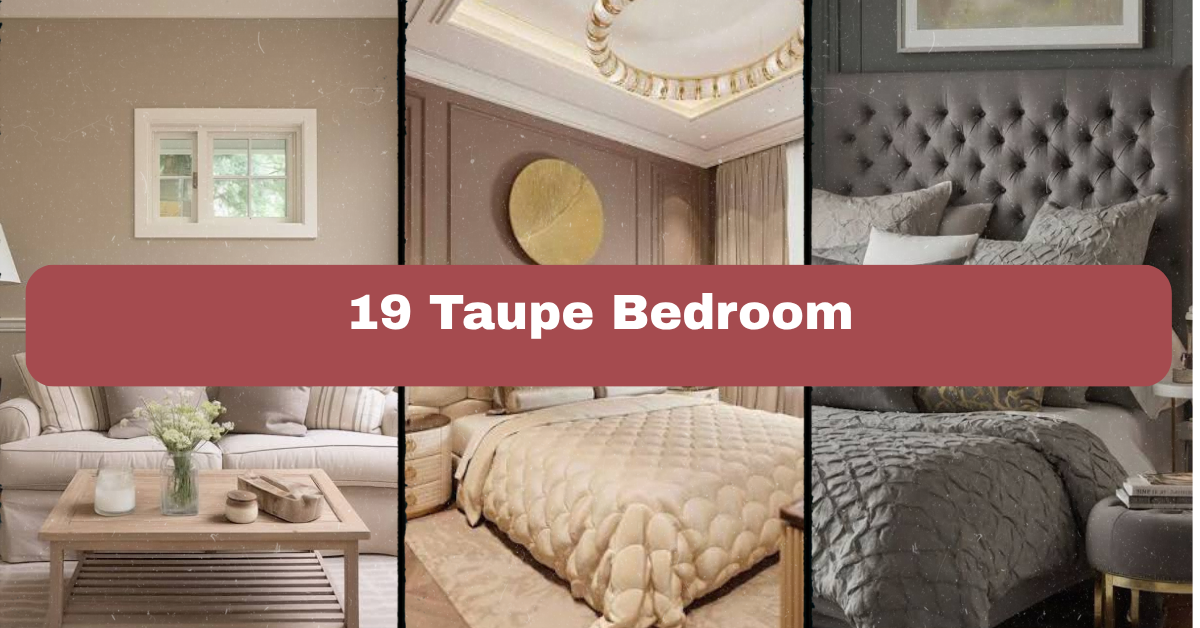
    A 19 Taupe Bedroom plan can turn a plain sleeping space into a calm, polished retreat, and I’ll show you exactly how to make the color work. You’ll find practical ideas for walls, furniture, lighting, bedding, storage, and small finishing details.

    What is a taupe bedroom? It is a bedroom built around taupe, a balanced gray-brown neutral, paired with warm or cool accents, natural textures, layered lighting, and furnishings that create a restful, flexible space.

    Keep reading for room ideas that work in small apartments, large primary bedrooms, guest rooms, and many decorating styles. I’ll also point out the mistakes that can make taupe look dull.

    What Makes a Taupe Bedroom Work?

    Taupe sits between gray and brown, so it feels softer than stark gray and less yellow than many beige shades. That balance makes it easy to live with. I like taupe because it can look modern with black accents, relaxed with woven textures, or classic with wood furniture and brass details.

    The key is choosing the right undertone. Some taupe paint colors lean warm and rosy. Others have green, gray, or violet hints. Check a sample in morning, afternoon, and evening light before painting the whole room. Then build the bedroom in layers. Use taupe on the walls, add cream or ivory bedding, bring in wood or rattan, and finish with a few dark accents for shape. The room should feel soft, not flat.

    1. Paint the Walls a Soft Mushroom Taupe

    The Best Mushroom Paint Colors for 2025
    Credit: pinterest

    A soft mushroom taupe creates a gentle background without making the bedroom feel plain. This shade usually has warm gray and brown undertones, which pair well with white trim, oak furniture, and natural linen. It also reflects enough light to work in many bedrooms.

    I would test at least three paint samples on different walls. A color may look beige near a sunny window but gray beside a cool LED bulb. Choose an eggshell finish for walls because it offers a subtle glow and is easier to clean than flat paint.

    This idea suits modern, farmhouse, Scandinavian, and traditional homes. Start with the walls, then use the next idea to keep the ceiling from feeling forgotten.

    2. Continue Taupe Onto the Ceiling

    The Ultimate Guide To Taupe Bedroom Ideas – Sonno
    Credit: sonnobeds

    Painting the ceiling a pale taupe can make the room feel more finished and cozy. This works especially well in bedrooms with tall ceilings, where a white ceiling might feel disconnected from the walls. Use a lighter version of the wall color if you want a soft, open look.

    For a simple approach, ask the paint store to lighten your wall shade by about 25 to 50 percent. Keep the trim either creamy white or the same light taupe for a quiet effect. Avoid using a dark taupe overhead in a small bedroom because it may make the room feel lower.

    A tonal ceiling works in contemporary, classic, and cottage rooms. Next, add contrast so the soft palette has clear visual shape.

    3. Add Contrast With a Charcoal Upholstered Bed

    9 Best Color Schemes to Complement Your Gray Headboard
    Credit; pinterest

    Taupe walls look rich beside a charcoal bed frame. The dark color anchors the room and gives the eye a strong focal point. An upholstered headboard also adds comfort and absorbs some sound, which is useful in a busy home.

    Choose a fabric with a visible weave, such as linen blend, boucle, or textured cotton. Keep the bedding lighter, using ivory sheets, a taupe duvet, and a charcoal or espresso throw. If the bed is large, choose narrow nightstands so the furniture does not crowd the room.

    This combination fits modern, industrial, transitional, and masculine bedroom styles. Once the main furniture is grounded, soften the floor with a warm rug.

    4. Layer a Woven Rug Beneath the Bed

    27 Rug Under Bed Ideas That Make a Bedroom Floor Feel Like the First Good Decision the Room Ever Had
    Credit: trendir

    A rug adds warmth underfoot and breaks up a room filled with smooth painted surfaces. In a taupe bedroom, try jute, wool, flatweave cotton, or a patterned rug with cream, tan, and muted gray.

    For a queen bed, an 8-by-10-foot rug usually allows the rug to extend beyond the sides and foot of the bed. A 9-by-12-foot rug gives more coverage around a king bed. If the room is tight, place two runners along each side instead.

    This idea adapts easily to coastal, boho, farmhouse, and modern homes. With the floor covered, you can choose textiles more carefully instead of adding random color.

    Bedroom Rug Size Guide

    Bed sizeRecommended rugPlacement
    Twin5 x 8 feetCenter beneath the bed or place at the foot
    Full6 x 9 feetExtend beyond both sides when possible
    Queen8 x 10 feetPlace under the lower two-thirds of the bed
    King9 x 12 feetExtend 18 to 24 inches beyond each side
    Small roomTwo 2 x 6-foot runnersPlace one runner on each side

    5. Use Ivory Bedding to Brighten the Palette

    The Ultimate Guide To Taupe Bedroom Ideas – Sonno
    Credit: sonnobeds

    Ivory bedding keeps a taupe bedroom from looking heavy. It is softer than bright white, so the contrast feels gentle rather than sharp. I like using three layers: crisp cotton sheets, a linen or cotton duvet, and a quilt or coverlet folded at the foot.

    Mix textures instead of adding many colors. Try a smooth sheet, a waffle-knit blanket, and two washed linen pillows. Keep the main bedding ivory or warm white, then add taupe pillow covers for a blended look.

    This approach fits nearly every style, from coastal to hotel-inspired. After choosing the bed layers, bring in a second neutral for balance.

    6. Pair Taupe With Warm White and Greige

    The Ultimate Guide To Taupe Bedroom Ideas – Sonno
    Credit: sonnobeds

    A controlled neutral palette makes the bedroom feel calm and easy to update. Combine medium taupe walls with warm white bedding, pale greige curtains, and a deeper brown accent. The shades should be different enough to see, but close enough to feel connected.

    A useful formula is 60 percent taupe, 30 percent warm white or greige, and 10 percent darker accents. Use the darkest tone on picture frames, lamps, hardware, or a bench. This prevents the room from looking like one uninterrupted block of beige.

    The palette works in minimalist, traditional, Scandinavian, and transitional homes. Now add natural material so the neutral colors have more personality.

    7. Bring in Oak, Walnut, or Rattan

    Warm & Stylish Tan Bedroom Ideas For Every Home – Sonno
    Credit: bonnobeds

    Wood gives taupe rooms a sense of warmth and depth. Pale oak creates an airy Scandinavian mood, walnut adds richness, and rattan brings a lighter coastal or boho feeling. You do not need every wood tone in one space.

    Choose one main wood finish for the bed or dresser. Add a second finish only through small pieces, such as a stool, tray, or picture frame. If your furniture is dark, keep the wall and bedding lighter. If your furniture is pale, add black or bronze details for contrast.

    This idea works with rustic, coastal, modern, and vintage interiors. With the hard materials in place, the next step is to make the room glow after sunset.

    8. Install Warm, Layered Bedroom Lighting

    12 Cozy Bedroom Ideas That Feel Like a Warm Hug | Livingetc
    Credit: livingetc

    Good lighting changes taupe more than almost any other detail. Warm bulbs bring out the brown and rosy side of taupe, while cool bulbs can make it look gray or flat. Use a mix of ceiling light, bedside lamps, and low accent lighting.

    Look for bulbs around 2700K to 3000K for a comfortable bedroom glow. Place reading lamps where the light falls over your shoulder, not directly into your eyes. Add a dimmer if your ceiling fixture supports one.

    This plan suits modern, classic, hotel-style, and farmhouse bedrooms. Once the lighting is warm, you can select metal finishes without making the room feel cold.

    Bedroom Lighting Reference

    Lighting locationUseful color temperatureGood purpose
    Ceiling fixture2700K to 3000KGeneral room lighting
    Bedside lamp2700KReading and relaxing
    Dressing area3000KClearer task lighting
    Wall sconces2700K to 3000KSoft bedside glow
    Night-light2200K to 2700KGentle nighttime movement

    9. Mix Aged Brass With Matte Black

    35 Stunning Black Bedroom Ideas for Bold and Cozy Aesthetics – CharmyDecor
    Credit: Charmydecor

    Metal accents help a taupe bedroom look designed rather than washed out. Aged brass adds warmth and a slightly classic feel. Matte black gives sharper definition. You can use both, but one should be the main finish.

    For example, choose aged brass bedside lamps and use black on curtain rods, drawer pulls, and picture frames. Repeat each finish at least twice so it looks intentional. Avoid adding shiny chrome unless the room already has cool gray or blue tones.

    This pairing suits modern farmhouse, transitional, industrial, and vintage rooms. Next, use fabric at the windows to control both light and texture.

    10. Choose Linen or Cotton Curtains

    Linen vs Cotton Curtains: Which Is Better for Your Home in 2026 – UNICURT
    Credit: UniCurt

    Window treatments can make taupe walls feel either polished or unfinished. Linen curtains in oatmeal, cream, or pale greige let in soft light and add relaxed texture. Cotton curtains give a cleaner and often less expensive appearance.

    Hang the curtain rod several inches above the window frame and extend it beyond the sides. This makes the window look wider and allows the panels to frame the glass instead of covering it. Use blackout lining in a primary or guest bedroom if morning light affects sleep.

    This idea works in coastal, French country, modern, and casual rooms. With the windows softened, add artwork that brings a little visual movement.

    11. Hang Artwork With Muted, Earthy Colors

    Bedroom Wall Art Ideas: Sizing, Styles & Shop – Buy Wall Art
    Credit: Buywallart

    Art is a simple way to keep a neutral bedroom from feeling empty. Look for landscapes, abstract shapes, botanical prints, or black-and-white photography with touches of rust, clay, olive, or muted blue.

    Choose one larger piece above the bed or create a small arrangement over a dresser. Keep the frame colors consistent with the room, such as walnut, black, natural oak, or aged brass. Before hanging, cut paper shapes the size of each frame and tape them to the wall.

    This approach adapts to modern, cottage, eclectic, and traditional homes. Artwork adds personality, and the next idea adds a smaller, more changeable layer of color.

    12. Add One Dusty Accent Color

    What colors go with taupe? 5 beautiful color combinations | Homes and Gardens
    Credit: homesandgardens

    Taupe provides a strong base for a controlled accent color. Try dusty blue for a quiet coastal room, terracotta for a warm earthy room, olive for a natural feel, or mauve for a soft romantic space.

    Use the accent on only two or three items, such as a lumbar pillow, ceramic vase, and small throw. If you want a stronger effect, use the shade on an upholstered bench or one painted nightstand. Keep the rest of the room neutral so the color feels deliberate.

    This method works in boho, traditional, coastal, and contemporary homes. After choosing your accent, check the palette against practical furniture choices.

    Accent Color Pairings for Taupe

    Accent colorEffectUseful items
    Dusty blueCalm and airyPillows, art, throw
    TerracottaWarm and earthyVase, blanket, bench
    Olive greenNatural and groundedCurtains, plants, cushions
    Muted mauveSoft and romanticBedding, lampshade, art
    Deep navyStrong and tailoredHeadboard, rug pattern, chair

    13. Add a Small Upholstered Bench

    A bench at the foot of the bed gives you a place to sit, fold laundry, or put on shoes. In a taupe bedroom, choose upholstery in ivory, camel, charcoal, or a subtle stripe. A wood or metal base can repeat finishes already used elsewhere.

    Make sure the bench is slightly narrower than the bed. Leave enough space to walk around it, especially in a smaller room. A bench with a lift-up seat can also hide extra blankets.

    This idea fits classic, modern, farmhouse, and boutique hotel styles. With seating handled, use the bedside area to improve both storage and symmetry.

    14. Create Balanced, Useful Nightstands

    Pair of Scalloped 3 Drawer Bedside Tables - Staunton Taupe Range – Melody Maison
    Credit: melodymaison

    Matching nightstands can make a bedroom feel settled, but they are not required. What matters is giving each side of the bed a useful surface, a light, and a place to store small items.

    Choose nightstands that are close to mattress height. Add a lamp, a small dish for jewelry, and one meaningful object. Keep the top mostly clear because crowded surfaces make a restful room feel busy. If you need storage, select drawers rather than an open shelf.

    This setup works in minimalist, traditional, rental, and eclectic homes. Once the practical zones are working, add greenery to soften the hard edges.

    15. Use Plants and Natural Branches

    25 Bedroom Plant Decor Ideas for 2026 So Calming It Feels Like You Changed The Air
    Credit: thecoolist

    Greenery brings life into a taupe bedroom without requiring a new color scheme. A rubber plant, snake plant, pothos, or olive tree can add shape near a window. For darker rooms, use a realistic faux plant or a dried branch arrangement.

    Choose pots in terracotta, cream ceramic, woven grass, or dark stone. Keep plants away from heaters and make sure water will not damage wood furniture. One tall plant and one small bedside plant are often enough.

    This idea suits biophilic, boho, modern, and rustic spaces. Natural forms add freshness, and the next step is to use mirrors to spread light.

    Plant Choices for Bedroom Conditions

    Room conditionPlant optionCare note
    Bright indirect lightRubber plantWater when the top soil dries
    Low to medium lightSnake plantAvoid frequent watering
    Bright windowOlive treeNeeds strong light and drainage
    Small bedside spotPothosTrim vines as they grow
    No natural lightQuality faux plantDust leaves regularly

    16. Add a Mirror to Reflect Soft Light

    31 Bedroom Mirror Ideas to Make Your Room Look Bigger & More Stylish
    Credit: roomflowy

    A mirror can make a taupe bedroom feel larger and brighter. Place one across from a window or near a lamp so it reflects light into the room. Round mirrors soften a space filled with straight furniture, while rectangular mirrors feel more formal.

    Select a frame that repeats an existing finish. A black frame adds contrast, wood creates warmth, and antique brass makes the room feel traditional. Anchor large leaning mirrors so they cannot tip.

    This idea works in small, modern, vintage, and transitional bedrooms. With the room feeling brighter, consider built-in storage or a quiet focal wall.

    17. Design a Taupe Accent Wall Behind the Bed

    32 Sophisticated Taupe Bedroom Decor Ideas - DigsDigs
    Credit: digsdigs

    An accent wall does not have to be dramatically darker. You could use a deeper taupe, limewash-style paint, subtle wallpaper, vertical paneling, or thin wood slats behind the bed. The goal is to add depth without distracting from sleep.

    Keep the other walls lighter and let the accent wall support the headboard. If you use wallpaper, choose a small-scale pattern in cream, gray, and brown. For paneling, paint every surface the same taupe for a smooth, tailored look.

    This adapts to modern, English country, Japandi, and farmhouse styles. A focal wall adds depth, and the final idea helps you organize the smaller finishing details.

    18. Style Open Shelves With Restraint

    Open Shelf Organization Bedroom
    Credit: pinterest

    Open shelves can display books, framed art, candles, and small ceramics, but they need breathing room. In a taupe bedroom, use a limited mix of cream, wood, black, and one accent color. Group objects in odd numbers and vary their height.

    Leave at least one-third of the shelf empty. Place heavier items on lower shelves and lighter objects higher up. If dust is a concern, use a closed nightstand or cabinet instead of adding more open storage.

    This idea works in eclectic, modern, cottage, and industrial rooms. Once the shelves are styled, finish the room with scent and comfort rather than more decoration.

    19. Finish With Soft Scent and Personal Details

    Soft Taupe Bedroom Decor
    Credit: instagram

    The final layer should make the bedroom feel like yours. Add a washable throw, a favorite book, a framed photo, or a small ceramic piece from a trip. These details matter more than filling every empty surface.

    For scent, try a light linen spray, cedar sachet, or a diffuser used according to its instructions. Avoid strong fragrances if you are sensitive to them. Keep cords hidden and do not place candles close to curtains or bedding.

    This finishing approach works with any home style because it reflects the people who live there. Step back, remove anything that feels forced, and let the taupe palette do its quiet work.

    Tips for Success

    • Test paint samples in natural and artificial light before committing.
    • Choose one main wood tone and repeat it around the room.
    • Use warm white instead of bright white if the taupe has brown or pink undertones.
    • Keep at least one dark accent, such as black, charcoal, espresso, or deep navy.
    • Layer textures through linen, wool, cotton, rattan, wood, and ceramic.
    • Use dimmable lighting whenever possible.
    • Leave open space on nightstands, shelves, and dressers to protect the calm feeling.

    Common Mistakes and How to Avoid Them

    Choosing taupe without checking its undertone
    Test paint beside your flooring, trim, and furniture. A green-gray taupe may clash with yellow oak, while a pink taupe can look too rosy beside cool blue accents.

    Using only one shade of beige and taupe
    Add contrast through ivory, charcoal, wood, black, or a muted accent color. Different textures also help separate similar shades.

    Making the room too dark
    Balance medium or deep taupe walls with light bedding, reflective mirrors, pale curtains, and warm layered lighting.

    Adding too many accent colors
    Choose one main accent and repeat it in small ways. Too many colors can make the neutral palette feel scattered.

    Ignoring furniture scale
    Measure the room before buying a bed, bench, rug, or dresser. Leave clear walking paths around the main pieces.

    Overdecorating shelves and surfaces
    Use fewer objects with more space between them. A calm bedroom needs visual rest as much as it needs attractive accessories.

    Similar Variations

    • Warm Modern Taupe: Pair taupe walls with clean furniture, black accents, and simple geometric art.
    • Coastal Taupe: Mix pale taupe with dusty blue, ivory, rattan, and light oak.
    • Taupe Japandi: Use quiet taupe, low wood furniture, natural linen, and very little decoration.
    • Desert Taupe: Add terracotta, clay, camel leather, dried grasses, and sandy textures.
    • Traditional Taupe: Combine taupe with walnut, antique brass, patterned fabric, and classic artwork.
    • Soft Boho Taupe: Layer woven rugs, macramé, rattan, plants, and muted rust or olive accents.

    A successful taupe bedroom is not built from one paint color alone. It comes from the relationship between wall tone, light, furniture, textiles, texture, and personal objects. Start with the largest pieces, then add contrast and warmth in small, thoughtful layers.

    You do not need to redesign everything at once. A new wall color, better bedding, a rug, and warmer lamps can change the whole mood of a room and bring your 19 Taupe Bedroom vision to life.

  • 17 Sage Green Bedroom Ideas for a Calm, Stylish Space

    17 Sage Green Bedroom Ideas for a Calm, Stylish Space

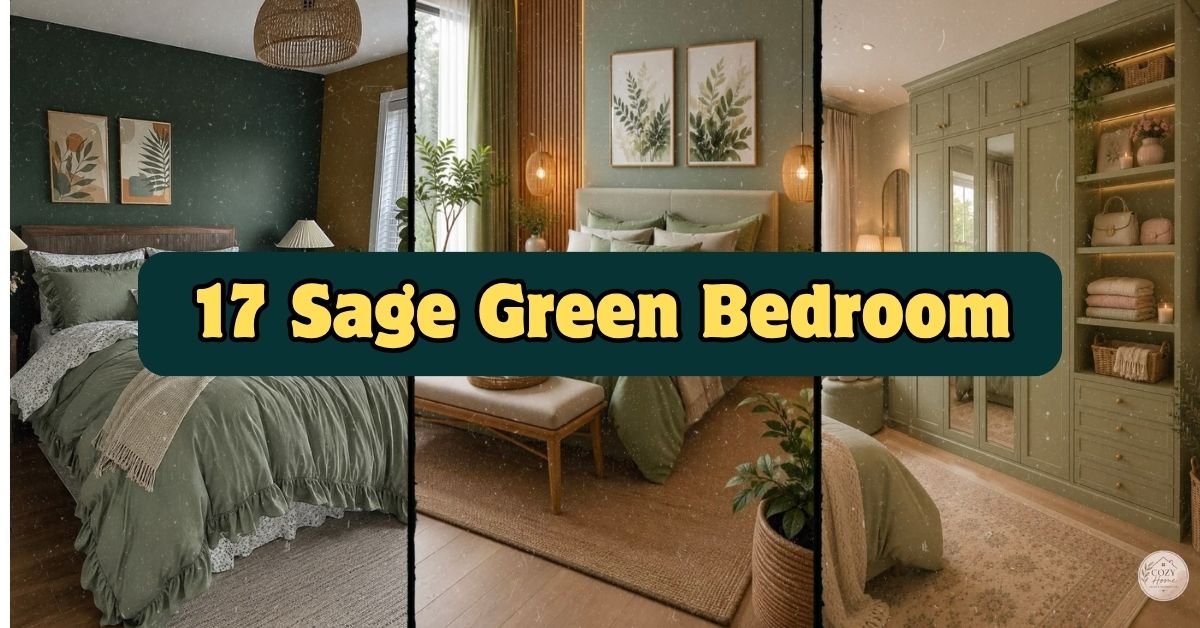
    A 17 Sage Green Bedroom can feel calm, warm, and personal without looking boring. I’ll walk you through color choices, furniture, lighting, storage, and finishing touches so you can create a room that works in real life.

    What are the best ways to design a sage green bedroom? Use sage walls, bedding, furniture, or accents with warm neutrals, natural wood, soft white, brass, black, or muted blue. Balance the green with layered lighting, useful storage, and varied textures.

    You’ll find ideas for small rooms, rental bedrooms, modern spaces, cozy cottages, and more. I’ll also point out simple mistakes that can make sage green feel dull or too dark.

    What Makes Sage Green Work in a Bedroom?

    Sage green is a soft, gray-toned green that feels restful without being plain. It sits between a true green and a neutral, so it can change slightly as the light moves across the room. In the morning, it may look fresh and airy. At night, it can feel deeper and cozier.

    I like sage because it gives a bedroom color without forcing the whole design to become bold. You can use it on all four walls, behind the bed, in curtains, or only in small details. The best pairings usually include warm white, cream, beige, light oak, rattan, terracotta, dusty blue, or aged brass.

    Before choosing paint, look at your room’s natural light and flooring. A cool sage may look crisp in a sunny room but gray in a darker one. A warmer sage can make a north-facing bedroom feel more comfortable. Always test a sample on two walls before buying several gallons.

    1. Paint All Four Walls for a Cocooning Retreat

    Story pin image
    Credit: Cozy Modern Home Finds

    Painting every wall sage green creates a soft, wrapped-in feeling. This works especially well when the bedroom is large, has white trim, or receives plenty of daylight. Choose a medium sage for a cozy look, or use a pale sage if you want the room to stay bright.

    Keep the ceiling warm white instead of bright blue-white. That small change helps the green feel more natural. Add a cream upholstered bed, light wood nightstands, and ivory bedding to keep the room from feeling heavy. I also like adding one darker detail, such as a walnut mirror frame or charcoal lamp.

    For an immediate update, paint a sample square beside the window and another behind the bed. Check both at morning, afternoon, and evening.

    This approach suits traditional, farmhouse, modern, and cottage homes with only small changes in furniture.

    A full room of sage sets the mood, but the bed is where the color story becomes most noticeable.

    2. Make the Headboard Wall the Main Feature

    Story pin image
    Credit: Diego Rodrigues – DIY Home

    A sage green accent wall behind the bed gives you impact without repainting the whole room. It is a smart choice if you love color but worry about making a small bedroom feel closed in. Paint the wall from corner to corner rather than stopping at the width of the headboard.

    Use a tall headboard in linen, cane, wood, or boucle to add shape. Keep the other walls soft white, warm beige, or very pale gray. For contrast, hang two matching sconces or large art prints over the bed. Avoid placing tiny decorations on a wide wall because they can look lost.

    A practical tip is to use painter’s tape to outline the feature wall before buying paint. Stand at the doorway and see whether the chosen wall naturally draws attention.

    This idea fits modern, Scandinavian, rustic, and transitional bedrooms especially well.

    Once the accent wall is in place, coordinated bedding can make it look intentional instead of unfinished.

    3. Layer Sage Bedding Instead of Matching Every Piece

    Story pin image
    Credit: PaletteNest 

    A sage bed does not need a full matching sheet set. In fact, using several related shades often looks more relaxed. Try warm white sheets, a pale sage quilt, a deeper green lumbar pillow, and a cream or oatmeal throw.

    Mix textures to keep the bed from looking flat. Cotton percale feels crisp, linen looks casual, and velvet or knitted accents add softness. If your walls are also sage, choose bedding that is either noticeably lighter or clearly darker. Nearly matching shades can make the room look washed out.

    I recommend starting with one sage item, such as a duvet cover. Then add supporting colors through pillows and blankets. This makes it easier to adjust the room if the green feels stronger than expected.

    The layered look works in coastal, bohemian, farmhouse, and minimalist spaces because the textiles can change while the color remains calm.

    Now that the bed has depth, the next step is choosing furniture that supports the green rather than competing with it.

    4. Pair Sage Green With Light Wood Furniture

    Story pin image
    Credit: Brina Wellington

    Light oak, ash, pine, and natural birch bring warmth to sage green. The combination feels fresh but grounded. Use a wooden bed frame, two small nightstands, or a simple six-drawer dresser to create a gentle contrast with painted walls or bedding.

    Look for furniture with visible grain and simple lines. Too many glossy finishes can make sage look colder. If you already have dark furniture, you do not need to replace it. Balance it with a pale rug, cream bedding, or woven baskets.

    For a quick improvement, switch one small item first. A wood stool beside the bed or a framed oak mirror can test the pairing without a large purchase.

    Light wood works beautifully in Scandinavian, Japanese-inspired, farmhouse, and mid-century rooms. Use cleaner shapes for modern spaces and turned legs for traditional rooms.

    The relationship between color and furniture matters, but the right palette helps you make each purchase with confidence.

    Sage Green Bedroom Color Pairing Table

    Main sage green elementSupporting colorAccent materialOverall effectBest use
    Pale sage wallsWarm whiteLight oakAiry and relaxedSmall or sunny rooms
    Medium sage wallsCream and beigeNatural rattanSoft and earthyCottage or boho rooms
    Deep sage wallBlush beigeAged brassRich and romanticMain bedroom
    Sage beddingDusty blueWhite oakFresh and coastalGuest bedroom
    Sage walls and curtainsTerracottaWalnut woodWarm and groundedLow-light rooms
    Sage accent wallCharcoalBlack metalClean and modernContemporary spaces

    With the main colors chosen, you can use texture to make the bedroom feel comfortable rather than overly coordinated.

    5. Add a Woven Rug for Warmth Underfoot

    Credit: Lost At E Minor 

    A rug can soften the strong lines of a bed and make sage green feel more inviting. Choose jute, wool, cotton, or a flatweave design with cream, tan, gray, or muted green. Natural fibers work well because they echo the plant-like quality of sage.

    For a queen bed, a rug around 8 by 10 feet usually gives enough space for the rug to extend beyond the sides and foot of the bed. In a smaller room, place two runners along each side instead. Let the rug reach at least the front legs of the nightstands when possible.

    If your room already has patterned curtains or wallpaper, choose a low-pattern rug. If the room is plain, a faded geometric design can add interest.

    This idea adapts easily to coastal, rustic, modern, and vintage interiors by changing the rug material and pattern.

    The rug adds comfort from the floor upward, while lighting will shape how the sage color looks after sunset.

    6. Use Warm Lighting to Keep Sage From Looking Gray

    Story pin image
    Credit: Pooja

    Lighting can make or break a sage bedroom. Cool bulbs may turn gray-green paint flat and chilly. I prefer warm bulbs in the range of about 2700K to 3000K for bedrooms. Use a ceiling fixture, bedside lamps, and one soft accent light instead of relying on a single overhead bulb.

    Choose lamps with linen shades, ceramic bases, wood details, or aged brass. Wall sconces save space on narrow nightstands. A dimmer switch is even better because it lets you change the mood without changing the bulbs.

    Before installing anything, sit on the bed and check whether the light shines directly into your eyes. Place reading lamps slightly behind your shoulders for more comfortable evening use.

    Warm lighting suits every style, including modern, traditional, cottage, and industrial rooms.

    Once the lighting feels right, window treatments can control both brightness and privacy without hiding the sage color.

    7. Frame the Windows With Linen Curtains

    Story pin image
    Credit: Accent for Home 

    Linen or linen-look curtains soften a sage bedroom and filter strong sunlight. Choose ivory, oatmeal, flax, or a slightly deeper olive-beige shade. Hang the curtain rod close to the ceiling and extend it past the window frame so the curtains make the window look wider.

    For better sleep, use a blackout lining behind the decorative fabric. This gives you the relaxed look of linen without sacrificing darkness. If the room is already dark, choose unlined curtains or light-filtering panels instead.

    A useful trick is to hold fabric samples against the wall during both daylight and lamplight. Some beige fabrics turn yellow beside sage, while others look perfectly balanced.

    This treatment works in coastal, farmhouse, Scandinavian, and classic bedrooms. Use relaxed linen for casual spaces and tailored pinch pleats for a more formal room.

    The windows are now soft and practical, so the next idea brings in a controlled dose of pattern.

    8. Introduce Botanical Patterns Without Overdoing Them

    Credit: Kariane Krajcik

    Botanical prints naturally connect with sage green, but you do not need leaves on every surface. Choose one main pattern, such as a floral duvet, leafy curtains, framed plant illustrations, or a small accent chair.

    Keep the print colors quiet. Cream, soft green, dusty blue, muted yellow, and brown usually blend well. If the pattern is large, keep nearby pieces solid. For example, pair a leafy duvet with plain sage walls and simple cream curtains.

    I suggest using the three-color rule: one main color, one supporting neutral, and one small accent. This keeps the room lively without making it look busy.

    Botanical patterns fit cottage, traditional, English country, and relaxed modern bedrooms. Pick sharper, simplified leaves for a contemporary look.

    After adding pattern, use the table below to check whether your materials and spending plan are balanced.

    Bedroom Material and Budget Guide

    ItemBudget choiceMid-range choiceHigher-cost choiceWhat to check
    Wall colorStandard interior paintWashable matte paintPremium low-VOC paintTest undertones first
    Bed framePainted wood or metalSolid pine or oakUpholstered or hardwood frameCheck mattress support
    BeddingCotton blendCotton percale or linen blend100% linen or quality cottonWashability and weight
    RugFlatweave syntheticWool blend or cottonHandwoven woolPad, size, and shedding
    CurtainsPolyester linen-lookCotton-linen blendCustom linenLining and hanging width
    LightingPlug-in lampMatching bedside lampsHardwired sconcesBulb temperature
    StorageFabric binsWoven basketsBuilt-in cabinetryEasy daily access

    The room has color, light, texture, and pattern. Next, let’s make sure it also works for storage and daily routines.

    9. Choose Closed Storage for a Calmer Look

    Story pin image
    Credit: Cozy Home

    A peaceful bedroom needs somewhere to hide chargers, extra blankets, clothing, and small clutter. Sage green looks especially good when the room is visually tidy. Choose a dresser with drawers, a bed with built-in storage, or a storage bench at the foot of the bed.

    Keep visible storage limited to attractive baskets, books, and one or two decorative objects. If you use open shelving, group items by color and leave empty space between them. Too many small objects can make the green feel less restful.

    Measure the walking path around each piece before buying it. Aim for a comfortable passage rather than squeezing in a larger dresser.

    Closed storage suits modern, minimalist, traditional, and farmhouse rooms. Change the hardware to match the style, such as black pulls for modern rooms or aged brass for classic ones.

    A tidy base makes room for personality, which is where a small reading corner can add real function.

    10. Create a Small Reading Corner

    Story pin image
    Credit: Maison Liore Journal 

    If you have an unused corner, turn it into a simple reading spot. Add a compact armchair, a small side table, and a floor lamp. Upholstery in cream, tan, dusty blue, or muted rust can make the sage backdrop feel layered.

    Do not choose a chair that blocks a closet or door. Measure the chair’s depth and leave enough space to pull it out comfortably. A small stool can work if a full chair will overcrowd the room.

    Add one pillow that repeats a color from the bed. This connects the corner to the rest of the bedroom without making every piece match.

    This setup adapts to traditional rooms with a skirted chair, modern rooms with a slim lounge chair, or boho rooms with a woven seat.

    With a comfortable corner planned, wall art can finish the room while adding a personal story.

    11. Build a Balanced Gallery Wall

    Credit: asthetic_home24

    A gallery wall gives sage green bedroom walls character. Choose artwork with cream, black, brown, muted blue, or soft pink so it connects with the palette. Family photos, simple landscapes, botanical drawings, and abstract prints can all work together.

    Lay the frames on the floor before hanging them. Keep the outer shape fairly balanced, even if the individual frames differ. A common mistake is hanging everything too high. Aim for the center of the grouping to sit near eye level when standing.

    Use matching frames for a neat modern look, or mix wood and thin metal frames for a collected feeling. Avoid filling every wall. One strong display is usually enough.

    This idea works in eclectic, classic, Scandinavian, and cottage homes by changing the art and frame style.

    Art adds visual interest at eye level, while mirrors can help the room feel larger and brighter.

    12. Place a Mirror Where It Reflects Daylight

    Story pin image
    Credit: Nest & Nook 

    A mirror can bounce light across a sage bedroom, especially when placed opposite or beside a window. Choose a round brass mirror, a tall oak-framed style, or a simple black rectangle based on your furniture.

    Do not place the mirror where it reflects a messy closet or an unmade bed. Instead, angle it toward a window, a lamp, or a pleasing piece of art. In a small room, a full-length mirror behind the door can add function without using much wall space.

    Before drilling, tape a paper version of the mirror to the wall. Live with the size for a day and check it from different spots.

    Mirrors suit nearly any interior. A simple frameless design feels modern, while carved wood or antique glass works in traditional rooms.

    The right mirror can make the room feel open, but the following size guide helps prevent furniture from crowding the floor.

    Bedroom Size and Spacing Guide

    Bedroom elementRecommended measurementWhy it helps
    Walking path beside bed24 to 30 inchesAllows easier movement
    Space at foot of bed30 to 36 inchesMakes drawers and doors usable
    Queen area rugAbout 8 by 10 feetGrounds the bed and nightstands
    King area rugAbout 9 by 12 feetCovers the wider bed zone
    Nightstand heightNear mattress heightKeeps lamps and items reachable
    Art above headboard6 to 10 inches aboveCreates a connected grouping
    Curtain rod extension6 to 12 inches past frameMakes the window look wider
    Reading chair clearanceAbout 30 inches in frontLeaves a usable path

    Good spacing keeps the room calm. Now you can add a stronger accent color without losing that balance.

    13. Warm the Palette With Terracotta Accents

    Story pin image
    Credit: aesthetic adiba home ideas

    Terracotta gives sage green a sunbaked, earthy partner. Use it in a throw pillow, ceramic lamp, small vase, framed print, or woven blanket. You do not need much. A few warm accents can stop the room from feeling too cool.

    Pair terracotta with cream, tan, natural wood, and aged brass. Avoid using bright orange beside sage because the contrast may feel harsh. Look for dusty clay, cinnamon, rust, or muted peach instead.

    Start with one small object and see how it looks at different times of day. If the room already has warm wood flooring, you may need only a small terracotta detail.

    This pairing suits desert boho, Southwestern, rustic, Mediterranean, and relaxed modern bedrooms.

    After adding warmth, a gentle blue accent can bring freshness without creating a completely new color story.

    14. Mix Sage With Dusty Blue for a Fresh Retreat

    Story pin image
    Credit: Marcellina 

    Sage green and dusty blue create a quiet, nature-inspired combination. Use blue in a quilt, cushion, artwork, ceramic vase, or small upholstered bench. Keep the blue muted and gray-based so it does not compete with the soft green.

    White oak and warm white help the colors feel lighter. If your bedroom has cool flooring, add beige or camel through the rug and curtains. This prevents the palette from feeling icy.

    A practical method is to use sage as the main color, dusty blue as the secondary color, and cream as the neutral base. Repeat the blue in two or three small places for a connected look.

    This palette is ideal for coastal, Scandinavian, cottage, and lake-house styles. Add rope and linen for coastal rooms, or clean wood and simple shapes for Scandinavian spaces.

    The color mix is calm, but personal accessories will keep the bedroom from looking like a showroom.

    15. Add Handmade Details and Personal Objects

    Story pin image
    Credit: The Fluffy Lab

    Handmade pieces make a sage bedroom feel lived in. Try a ceramic bedside vase, woven wall basket, hand-thrown lamp base, embroidered pillow, or framed travel photo. These details add small changes in shape and texture.

    Choose objects that you actually enjoy seeing. A bedroom should not be filled with decorations bought only to match the paint. Leave some surfaces open so the special pieces stand out.

    I like using a small tray on the nightstand for a book, hand cream, and glass of water. It keeps useful items together and makes cleanup faster. Add a plant only if the room gets enough light and you can care for it.

    Handmade accents fit bohemian, rustic, modern organic, farmhouse, and traditional homes.

    The final idea focuses on the ceiling and trim, two areas that can quietly change the whole design.

    16. Use Trim and Ceiling Color to Refine the Room

    Credit: Home waves

    White trim is not your only choice with sage green. Warm white creates a soft contrast, while the same sage on trim gives a more dramatic, enveloping effect. Pale beige trim can also work if the room has warm floors and furniture.

    For a bold but controlled look, paint the ceiling a very pale version of the wall color. This can make a large bedroom feel connected without making it dark. In a small room, keep the ceiling lighter than the walls.

    Use satin or semi-gloss paint on doors and trim for easier cleaning. Keep walls in a washable matte or low-sheen finish to reduce glare.

    This approach adapts to modern, Victorian, cottage, and traditional homes. The paint finish and trim profile will decide the final character.

    With the structure complete, one last styling choice can give the room a focal point that feels restful rather than busy.

    Sage Green Finish Selection Guide

    SurfaceSafe choiceMore dramatic choiceBest effect
    Main wallsWashable matte sageDeep satin sageSoft or moody backdrop
    CeilingWarm whitePale sageBrighter or cocooned feel
    Door trimSoft white satinSame sage satinClear contrast or seamless color
    Wood furnitureNatural matte finishDark walnutLight and airy or rich
    Metal accentsAged brassMatte blackWarm classic or modern contrast
    TextilesLinen and cottonVelvet and boucleCasual or more luxurious feel

    The room now has a clear foundation. The final idea is simple, but it can change how the space feels every morning.

    17. Bring in Greenery With Care

    Story pin image
    Credit: DecorBlissHome 

    Plants are a natural match for sage green, but the goal is balance. Choose one medium plant in a woven basket, a small plant on the dresser, or a few dried stems in a ceramic vase. Too many plants can make a bedroom feel crowded and raise maintenance demands.

    Good low-effort options include snake plants, pothos, and ZZ plants, though every plant still needs suitable light and watering. If your room is dark, use high-quality artificial greenery instead of forcing a live plant to survive.

    Select planters in terracotta, cream, black, or natural fiber. Keep the plant shape different from the leafy patterns in your bedding so the room does not become visually repetitive.

    Greenery works in modern organic, boho, farmhouse, coastal, and minimalist bedrooms.

    Tips for Success

    • Test sage paint in natural and artificial light before committing.
    • Repeat each accent color at least twice so the room feels connected.
    • Use warm white instead of stark white when the sage has yellow or gray undertones.
    • Measure furniture and walking paths before ordering anything.
    • Choose washable bedding and removable covers for easier bedroom care.
    • Add texture through rugs, curtains, baskets, and blankets instead of adding clutter.
    • Use dimmable lamps or bulbs near the bed for a softer nighttime routine.

    Common Mistakes and How to Avoid Them

    Choosing sage by looking only at a tiny paint chip
    Test a larger sample on more than one wall. Paint can look much lighter, darker, warmer, or grayer once it covers a broad surface.

    Using too many cool colors together
    Balance blue-green sage with cream, beige, light wood, brass, or warm terracotta. This keeps the bedroom from feeling cold.

    Matching every item to the walls
    Use different sage depths and several neutral shades. A room looks more natural when the bedding, paint, and accessories are related but not identical.

    Ignoring the size of the rug
    A tiny rug can make a large bed look disconnected. Choose a size that extends beyond the bed or use runners in a smaller room.

    Relying on one bright ceiling light
    Add bedside lighting, a floor lamp, or a wall sconce. Use warm bulbs so the sage keeps its soft character at night.

    Overfilling the room with plants and decorations
    Leave open areas on the floor and furniture. A few meaningful pieces will look better than many small items competing for attention.

    Similar Variations

    • Sage Green Scandinavian: Pair pale sage with light oak, simple bedding, white walls, and clean-lined furniture.
    • Sage Green Cottage: Add floral fabric, painted wood, vintage artwork, and soft cream accents.
    • Sage Green Coastal: Mix sage with dusty blue, ivory, woven textures, and relaxed linen curtains.
    • Sage Green Desert Boho: Use terracotta, rattan, clay pottery, warm beige, and layered textiles.
    • Sage Green Modern Organic: Combine muted green with natural stone, rounded furniture, wood, and uncluttered styling.
    • Sage Green Traditional: Choose deeper sage, brass details, paneled walls, tailored curtains, and classic furniture shapes.

    A successful sage bedroom does not depend on buying a matching collection. It comes from balancing the green with warm neutrals, useful furniture, soft lighting, and a few personal details. Start with the largest element, such as the walls or bedding, then build the room in layers.

    If you test the color first and leave enough breathing room around your furniture, the result will feel calm instead of flat or crowded. These ideas can help you shape a bedroom that feels both stylish and genuinely comfortable, whether you choose one small accent or a complete 17 Sage Green Bedroom.

  • 16 Cottagecore Bedroom

    16 Cottagecore Bedroom

    16 Cottagecore Bedroom ideas can help you turn an ordinary room into a calm, nature-inspired retreat. I’ll walk you through the details that make this style feel warm, useful, and collected rather than cluttered.

    What defines a cottagecore bedroom? It combines vintage or handmade furniture, soft floral colors, natural materials, layered textiles, gentle lighting, and nature-inspired decorations to create a cozy, lived-in sleeping space.

    You’ll find practical ideas for every budget, room size, and home style, plus simple ways to keep the look fresh instead of fussy.

    What Is Cottagecore Bedroom Style?

    Cottagecore bedroom style is built around a slower, simpler feeling. Think of an old countryside cottage with painted wood, fresh flowers, linen curtains, and a quilt folded at the foot of the bed. The room should feel comfortable first and pretty second.

    I like this style because it does not require a perfect matching bedroom set. A thrifted nightstand can sit beside a modern bed. A faded rug can work with new cotton bedding. Soft colors, worn finishes, and personal objects tie everything together.

    The best cottagecore bedrooms use layers. Start with a gentle wall color, then add natural fabrics, warm lighting, vintage pieces, and a few botanical details. Leave some breathing room too. A room should look collected over time, not packed in one afternoon.

    1. Choose a Soft Botanical Color Palette

    Bedroom Wall Art Ideas: Botanical Prints & Styles
    Credit: aboutwallart

    A calm color palette gives your cottagecore bedroom its foundation. Start with warm white, cream, sage green, dusty blue, muted rose, butter yellow, or clay pink. These shades feel connected to gardens, old cottages, and sun-faded fabrics.

    I usually recommend choosing one main wall color, one secondary textile color, and one small accent. For example, warm white walls can pair with sage bedding and faded rose pillows. This keeps the room interesting without making it noisy.

    Use matte paint instead of a shiny finish. It hides small wall flaws and feels more traditional. If you rent, bring in color through curtains, bedding, art, and a painted dresser.

    This palette works in modern homes too. Keep the colors soft and the furniture simple for a cleaner cottagecore look. Once your colors are set, the bed becomes the natural centerpiece.

    2. Dress the Bed in Layered Natural Fabrics

    Cottagecore Bedroom Ideas Using Fabrics You Already Love
    Credit: everLasting

    The bed should look inviting, not overly styled. Begin with cotton or linen sheets. Add a quilt, a lightweight coverlet, and one or two folded blankets. The layers should look usable, so avoid arranging every piece with stiff precision.

    Floral bedding is a classic choice, but small checks, ticking stripes, and tiny botanical prints also fit. Mix patterns by keeping them within the same color family. A blue floral quilt can work with a cream-and-blue striped pillow.

    For a fuller look, use two or three standard sleeping pillows, then add one long lumbar cushion. Choose washable covers whenever possible. Natural fabrics become softer with use, which suits the relaxed mood.

    In a sleek apartment, use one floral layer with plain bedding. That small contrast adds cottage charm without overwhelming a modern room. Next, add a headboard that supports the story.

    3. Install a Vintage-Style or Painted Headboard

    8 cottagecore bedroom ideas to embrace this spring | Ideal Home
    Credit: idealhome

    A headboard adds height, comfort, and character. For cottagecore, consider an iron frame, spindle wood design, cane panel, or painted board. A white, cream, sage, or muted blue finish can make the whole room feel softer.

    You do not need to buy an expensive antique. A simple wood headboard can be painted and lightly sanded around the edges. For safety, use low-VOC paint and let every coat dry fully before placing it near bedding.

    If your room is small, choose a headboard with open spindles or a light metal frame. Solid, dark pieces can make a compact room feel crowded. In a larger room, a tall upholstered headboard adds comfort and visual weight.

    This idea adapts well to traditional, farmhouse, and coastal interiors. Change the finish and fabric while keeping the gentle shape. With the bed in place, look to the floor for another layer of warmth.

    4. Layer a Woven Rug Beneath the Bed

    Layering Rugs Under Beds | Centsational Style
    Credit: centsationalstyle

    A rug makes a cottagecore bedroom feel warmer underfoot and more finished. Jute, wool, cotton, and flat-weave rugs are all useful choices. Look for faded florals, small checks, braided edges, or soft natural tones.

    Place the rug under the lower two-thirds of the bed so it extends on both sides. If that is not possible, use two runners along the bedside. Leave enough rug showing to step onto it comfortably in the morning.

    Before buying, measure the bed and the open floor area. A rug that is too small can look accidental. In a rental, a washable cotton rug gives you pattern without making a permanent change.

    A woven rug also works in Scandinavian, coastal, and rustic rooms. Choose a simpler pattern for those settings. Now you can build a practical color and material plan around the main pieces.

    Cottagecore Color and Material Guide

    Design elementRecommended optionsBest use
    Main wall colorWarm white, cream, pale sage, dusty blueCreates a soft background
    Accent colorMuted rose, butter yellow, terracotta, lavenderAdds gentle contrast
    Bedding fabricCotton, linen, cotton voile, quilted fabricAdds comfort and texture
    Rug materialJute, wool, braided cotton, flat weaveBrings warmth underfoot
    Wood finishWhitewash, honey oak, painted pine, light walnutSupports a collected look
    Metal finishAged brass, matte black, soft white ironAdds structure without shine
    Ideal pattern scaleSmall floral, gingham, ticking stripeKeeps the room calm

    5. Add Floral Curtains with Useful Light Control

    Floral Curtain Decor Ideas For Cozy Bedrooms
    Credit: instagram

    Curtains can make a bedroom feel private and soft. For a classic cottagecore effect, try small floral cotton, striped linen, or lightweight muslin. Hang the rod several inches above the window frame to make the ceiling appear taller.

    If you sleep late or face a bright street, pair decorative curtains with blackout roller shades. The shade handles light control, while the outer panels provide the style. This is more practical than relying on thin fabric alone.

    Choose curtains that reach the floor or just brush it. Short panels can make the room feel less finished unless they are designed as café curtains. Wash cotton curtains before hanging them because they may shrink.

    In a modern room, use plain linen curtains in sage or cream. The same soft texture will give you cottage warmth without a busy print. With the windows dressed, create a small sitting or reading spot if space allows.

    6. Create a Small Reading Nook

    Cottage Core Reading Nook
    Credit: Pinterest

    A reading nook adds purpose to an empty corner. Use a small wooden chair, a cushioned bench, or a compact armchair. Place it near a window when possible, but avoid blocking the natural path through the room.

    Add a floor lamp, a folded throw, and a small side table. A woven basket can hold books or extra blankets. Choose furniture with rounded edges or turned legs to echo traditional cottage shapes.

    Do not force this idea into a tiny bedroom. A wall-mounted shelf and a floor cushion may work better. Comfort matters more than having a full chair.

    This nook can shift across styles easily. Use a leather chair for rustic cottage, a white slipcovered chair for coastal cottage, or a clean-lined chair for modern cottagecore. Once you have a place to sit, bring in storage that looks decorative too.

    7. Use a Freestanding Dresser as a Focal Point

    How Can You Create a Cozy Cottagecore Vanity Space?
    Credit: ACottageInthecity

    A freestanding dresser gives the room useful storage and a strong vintage detail. Look for painted wood, simple drawer pulls, dovetail construction, or a gently worn finish. Avoid pieces with deep damage, loose joints, or a strong musty odor.

    You can refresh a thrifted dresser with cleaning, new hardware, and low-VOC paint. Keep the top fairly open. A mirror, lamp, small vase, and jewelry dish are usually enough.

    Anchor tall dressers to the wall, especially in rooms used by children. Check that drawers open smoothly and that the piece does not rock. Safety is part of good decorating.

    In a modern bedroom, choose a clean-lined dresser in oak or painted white. In a traditional home, select curved fronts or antique brass pulls. Storage is sorted, so the next step is adding handmade character.

    8. Display Handmade and Thrifted Decor

    15 Cottagecore Decorating Ideas to Bring the Country Life Indoors
    Credit: Decorilla

    Cottagecore feels personal because it includes objects with a story. Try a ceramic vase, embroidered picture, old wooden box, pressed-flower frame, or hand-thrown bowl. You do not need many items. A few meaningful pieces have more impact than a shelf full of random finds.

    Create a small display on a dresser, wall shelf, or bedside table. Mix heights, but keep the arrangement balanced. For example, place a lamp on one side, a framed botanical print in the center, and a low dish on the other side.

    Inspect secondhand fabrics for stains, pests, and odors. Wash or isolate soft goods before bringing them into the bedroom. For old frames, replace damaged glass and use secure wall hooks.

    This approach suits boho, farmhouse, and eclectic spaces. Simply change the handmade materials and color mix. The table below can help you plan your spending before you start collecting.

    Cottagecore Bedroom Budget Tiers

    Budget levelSuggested purchasesTypical project focus
    Under $100Pillow covers, thrifted vase, dried flowers, wall hooksRefresh styling without replacing furniture
    $100 to $300Used dresser, cotton curtains, washable rug, new hardwareAdd storage and soft layers
    $300 to $700Headboard, quality bedding, lamp pair, larger rugBuild a complete foundation
    $700 and aboveSolid wood furniture, linen bedding, custom curtains, wool rugInvest in long-term pieces
    Best money-saving movePaint and secondhand furnitureChanges the mood at low cost
    Best comfort investmentMattress and breathable beddingImproves daily use, not just appearance

    9. Hang Botanical Prints in a Simple Arrangement

    Cottagecore Wall Art Set of 3 – Blue Botanical Prints
    Credit:AboutWallArt

    Botanical art is one of the easiest ways to bring the garden indoors. Use fern studies, wildflower drawings, herb illustrations, bird prints, or pressed leaves. Look for muted backgrounds rather than very bright, glossy art.

    Arrange three to six pieces in a loose grid above the bed or dresser. Keep about two to four inches between frames for a connected look. Matching frames are not required, but similar wood tones can make a mixed collection feel intentional.

    Use archival paper for valuable prints, and keep art away from direct sunlight to slow fading. If you live in a humid room, choose sealed frames and avoid placing paper directly against a damp exterior wall.

    For a modern adaptation, use one oversized botanical print instead of a gallery wall. This keeps the room calm while preserving the nature theme. Pairing art with mirrors will add light and depth.

    10. Use an Aged Mirror to Reflect Light

    21 Cottagecore Bedroom Decor Ideas That Feel Soft and Romantic - Makyla Creates
    Credit: MakylaCreates

    An aged mirror can make a bedroom feel brighter and more layered. Choose a wood-framed, distressed, arched, or small-pane mirror. Hang it above a dresser or lean a secured full-length mirror against a wall.

    Check what the mirror reflects before fixing it in place. Aim it toward a window, lamp, or attractive artwork. Avoid reflecting clutter, an open closet, or harsh ceiling lighting.

    For safety, use the correct wall anchors for the mirror’s weight. A leaning mirror should still be secured, especially in homes with pets or children. Clean old glass gently because harsh products may damage the backing.

    A simple frameless mirror suits modern cottagecore. A carved wood frame feels more traditional. With light bouncing around the room, add lamps that create a warm evening glow.

    11. Choose Warm, Layered Bedroom Lighting

    24 Cottagecore Bedroom Ideas for a Dreamy Sleep Space 2025
    Credit: veranda

    Good lighting makes cottagecore feel peaceful after sunset. Start with a soft ceiling fixture, then add bedside lamps or wall sconces. Warm bulbs around 2700K usually create a cozy amber glow without looking orange.

    Ceramic, pleated fabric, rattan, and aged metal lamp bases all work well. Use matching lamps for a balanced look, or mix two similar shapes for a more collected room. Add a dimmer if your wiring allows it.

    Avoid using only one bright overhead light. It flattens the room and creates glare. A reading lamp should be bright enough for books, while bedside lighting can be softer.

    This plan works in industrial, coastal, and minimalist bedrooms too. Keep the bulb temperature warm and select fixtures that match your existing hardware. Next, soften the windows and walls with natural texture.

    12. Add Woven Baskets for Attractive Storage

    BIG BASKETS; BIG SAVINGS🧺 Put all your decor dreams in one basket—these savings are unbeatable! Introducing our NEW Oversized Rattan Storage Trunks with their woven rattan texture and stylish buckles that will
    Credit: Instagram

    Baskets solve everyday storage problems without breaking the cottage mood. Use them for spare blankets, laundry, books, slippers, or extra pillows. Seagrass, willow, rattan, and cotton rope are good choices.

    Place a large basket beside the dresser or at the foot of the bed. Use smaller baskets on open shelves, but avoid overfilling them. Labels can help if several baskets hold different items.

    Measure each space first. A basket that barely fits will be difficult to remove. Check for sharp splinters, especially with older woven pieces, and add a fabric liner if needed.

    In a modern home, choose baskets with simple shapes and fewer color changes. In a rustic home, darker willow and rougher texture will feel right. Here is a quick guide for choosing materials that will hold up well.

    Material Comparison for Cottagecore Bedrooms

    MaterialStrengthsWatch-outsBest location
    LinenBreathable, soft, relaxed textureWrinkles easily, often costs moreCurtains and bedding
    CottonWashable, affordable, widely availableCan shrink or fadeSheets, quilts, curtains
    WoolWarm, durable, naturally texturedNeeds careful cleaningRugs and throws
    JuteStrong, earthy, affordableCan feel rough under bare feetArea rugs and baskets
    RattanLight, airy, flexible lookCan crack in very dry conditionsHeadboards and baskets
    Solid woodDurable, repairable, timelessHeavy and may cost moreDressers and tables
    IronStrong, slim, vintage-friendlyCan show rust in damp spacesBed frames and accents

    13. Style the Nightstand with Daily Essentials

    How to Style a Vintage Tea Party with Cottagecore Decor
    Credit: everlasting

    A nightstand should look thoughtful but remain useful. Place a lamp, a book, a small clock, and a dish for jewelry or glasses. A tiny vase can add a flower without taking over the surface.

    Choose a nightstand with one drawer or shelf if you need hidden storage. A small stool can work in a tight room, but it may not hold as much. Keep cords tucked behind furniture or secured with simple cable clips.

    Try to leave at least one-third of the surface open. This makes cleaning easier and prevents the room from feeling crowded. If you use a candle, never leave it burning while you sleep.

    This idea suits any design style because it focuses on function. Swap the lamp and accessories to match modern, coastal, or traditional furniture. From the bedside, move upward and use the ceiling as another design opportunity.

    14. Add a Canopy or Fabric Bed Drape

    Bed Canopy Curtains – Lace Canopy Drapes for 4 Poster Beds
    Credit: stuffedhome

    A canopy can make a cottagecore bed feel romantic and sheltered. You can use a full four-poster frame, a simple ceiling hoop, or two curtain panels hung behind the headboard. Choose cotton voile, muslin, or linen for a light effect.

    Keep the fabric loose rather than tightly gathered. The goal is softness, not a heavy theatrical look. Washable panels are the easiest choice, especially in a bedroom where dust collects.

    Before installing anything overhead, locate ceiling joists or use anchors rated for the fabric and hardware. Do not hang heavy objects above the bed unless the mounting system is secure.

    For modern cottagecore, use one clean white drape. For traditional rooms, try a floral or embroidered panel. If a canopy feels too bold, a quilted wall hanging can provide similar comfort.

    15. Bring in Low-Maintenance Plants

    Cottagecore bedrooms so cozy, they could write you a poem — MIA & OLÉ
    Credit; miaandole

    Plants add color, shape, and a direct connection to nature. Snake plants, pothos, spider plants, peperomia, and small ferns can work well indoors. Pick varieties that match your light instead of choosing only by appearance.

    Use terracotta pots, ceramic planters, or woven plant baskets. Place plants on a sturdy stand, dresser, or windowsill where they will not be knocked over. Use a saucer under every pot to protect wood and painted surfaces.

    Check plant safety if pets or young children share the room. Also avoid watering right beside fabrics or electrical items. If the room has little light, choose a quality artificial plant or a dried botanical display instead.

    Plants suit tropical, Scandinavian, and farmhouse rooms as well. Change the pot style to fit the space. Once the greenery is in place, finish the room with small comfort details.

    16. Finish with Personal Comfort Details

    Cottagecore bedroom ideas - cosy, romantic style for your dreamy retreat | Dako Furniture
    Credit: dakofurniture

    The final layer should make the bedroom feel like yours. Add a handwritten note in a frame, a small collection of favorite books, a handmade quilt, or a bowl filled with found pinecones. These details stop the room from looking like a staged catalog.

    Choose comfort items that you will actually use. A soft robe on a hook, a water carafe, a footstool, or a reading pillow can be both practical and attractive. Keep sentimental items grouped rather than scattered across every surface.

    Refresh the room with the seasons. Use lighter cotton in summer, wool throws in winter, and fresh branches or dried grasses when flowers are not available. Change a few small details instead of redecorating everything.

    This personal approach works with minimalist, traditional, and maximalist homes. The amount of decoration can change, but the feeling stays warm and lived in. Before you finish, use these quick checks to keep the design comfortable and balanced.

    Cottagecore Bedroom Size Guide

    Bedroom featureSmall room recommendationMedium room recommendationLarge room recommendation
    Bedside clearance18 to 24 inches24 to 30 inches30 inches or more
    Rug placementTwo runners or 5-by-7 feet6-by-9 feet under bed8-by-10 feet or larger
    Walking pathKeep at least 24 inches clearAim for 30 inchesUse wider paths around furniture
    Nightstand width16 to 20 inches20 to 28 inches24 to 32 inches
    Curtain lengthFloor length or café styleFloor lengthFloor length with fuller panels
    Decor ruleUse one main focal pointUse two or three zonesBalance decor across the room

    Tips for Success

    • Begin with the items you already own. A fresh coat of paint or new hardware can change a tired piece.
    • Limit your main palette to three or four related colors.
    • Mix old and new furniture so the room feels collected, not like a theme set.
    • Choose washable bedding and curtains when possible.
    • Use warm bulbs in every visible bedroom fixture.
    • Keep at least one surface mostly clear for practical use.
    • Measure rugs, furniture, and walking paths before shopping.

    Common Mistakes and How to Avoid Them

    Using too many floral patterns
    Choose one large floral, one small floral, and one quiet solid. Let the patterns share at least one color.

    Making every piece look distressed
    Mix worn furniture with clean, simple pieces. Too much artificial aging can make the room feel like a display set.

    Ignoring storage needs
    Plan a home for blankets, laundry, books, and daily items before adding decorations. Baskets and dressers can keep the room calm.

    Choosing style over comfort
    A beautiful chair or bed is not useful if it feels uncomfortable. Test furniture when possible and select breathable fabrics for bedding.

    Overloading the walls
    Leave open space around botanical art and mirrors. A few strong pieces are easier to enjoy than a crowded wall.

    Using cool, harsh lighting
    Replace blue-white bulbs with warm bulbs around 2700K. Add a lamp or dimmer so the room has more than one light level.

    Similar Variations

    • Modern Cottagecore: Uses clean furniture lines, soft botanical colors, and fewer decorative objects.
    • Farmhouse Cottagecore: Adds painted wood, gingham, galvanized accents, and sturdy practical furniture.
    • Coastal Cottagecore: Combines sea-glass blue, white linen, woven textures, and relaxed beach-inspired details.
    • English Country Cottage: Leans into layered florals, antique furniture, patterned curtains, and traditional shapes.
    • Dark Cottagecore: Uses mushroom brown, forest green, charcoal, candlelight, and deeper botanical prints.
    • Scandinavian Cottagecore: Blends pale wood, simple forms, natural textiles, and uncluttered styling.

    A welcoming cottagecore bedroom does not depend on expensive furniture or a perfectly matched set. It comes from a gentle palette, useful storage, natural textures, warm light, and objects that feel personal. Start with the bed and color scheme, then add layers slowly.

    The best 16 Cottagecore Bedroom is the one that feels restful, practical, and unmistakably yours.

  • 24 Bedroom Mirror Ideas

    24 Bedroom Mirror Ideas

    24 Bedroom Mirror Ideas can help you make a room look brighter, larger, warmer, and more personal without a major renovation. I’ve gathered practical options for small bedrooms, spacious suites, rental homes, and many decorating styles.

    What are the best bedroom mirror ideas? Choose a mirror based on your room size, lighting, storage needs, and style. Use full-length mirrors for dressing, wall mirrors to reflect light, and decorative mirrors to add shape and detail.

    You’ll find ideas for every corner, from the closet door to the space above the bed. I’ll also share simple sizing tips, color pairings, and mistakes worth avoiding.

    A Quick Primer on Bedroom Mirrors

    A bedroom mirror should do more than show your reflection. It can bounce daylight around the room, make a tight space feel less boxed in, and act as wall decor. I like to start by asking what the room needs most. Does it need more light? Choose a mirror near a window. Does it lack storage? Try a mirrored wardrobe door. Do you need a practical dressing spot? Pick a tall, well-lit design.

    The frame matters, too. Wood feels warm. Metal looks crisp. Wicker adds texture, while a frameless mirror keeps the room clean and simple. Before buying, measure the wall, check nearby furniture, and think about what the mirror will reflect.

    1. Lean a Full-Length Mirror Against the Wall

    Story pin image
    Credit: astheticspace

    A leaning floor mirror gives a bedroom a relaxed, stylish look while making outfit checks easy. Choose a tall mirror that reaches close to the floor and place it beside a dresser, wardrobe, or empty corner. A wide wood frame works well in a traditional or rustic room, while a thin black frame suits modern decor.

    I recommend securing a leaning mirror with an anti-tip strap, especially in homes with children or pets. Leave enough floor space in front so you can step back and see your full outfit. Keep the area tidy because the mirror will reflect everything nearby.

    This idea works in modern, farmhouse, boho, industrial, and classic bedrooms. Now let’s make the mirror work harder in a smaller room.

    2. Install Mirrored Wardrobe Doors

    Story pin image
    Credit: Perfect Home Decore

    Mirrored wardrobe doors are a smart choice when floor space is limited. They combine storage and reflection in one useful feature. Sliding doors are especially helpful because they do not need room to swing open. Choose clear mirror panels for a bright, open feel, or use framed panels to make the wardrobe look more like built-in furniture.

    If fingerprints bother you, keep a microfiber cloth nearby and clean the doors once a week. Avoid placing a busy gallery wall directly opposite them, since the reflection can make the room feel cluttered.

    This idea fits contemporary, minimalist, Scandinavian, and transitional spaces. If you like a softer effect, the next option adds elegance without covering an entire wall.

    3. Hang an Arched Mirror Above a Dresser

    Story pin image
    Credit: DECOR IDEAS BY NISHAT

    An arched mirror brings a gentle shape into a bedroom filled with straight lines. Hang it above a dresser or console, leaving a small gap between the furniture and the bottom of the mirror. The curved top looks lovely with rounded lamps, curved drawer pulls, or a soft upholstered bed.

    Pick a brass frame for a warm vintage mood, matte black for modern contrast, or light oak for a calm natural scheme. Make sure the mirror is narrower than the dresser so the arrangement feels balanced.

    Use wall anchors suited to your wall type, not just the screws included in the box. This look adapts easily to traditional, coastal, modern, and romantic bedrooms. Next, we’ll use several mirrors together for more visual interest.

    4. Create a Small Mirror Gallery Wall

    Story pin image
    Credit: Houzerio 

    A mirror gallery wall can fill a blank wall without relying on paintings or prints. Mix round, oval, square, and unusual shapes, but keep one detail consistent, such as frame color or finish. Three to seven mirrors usually create a clear focal point without overwhelming a small bedroom.

    Lay the mirrors on the floor first. Space them evenly, then take a quick photo to check the arrangement before hanging anything. Avoid placing reflective surfaces where they face harsh bulbs or an unattractive view.

    This idea works with eclectic, vintage, boho, cottage, and maximalist decor. With the right measurements, it can look collected rather than random.

    Mirror Gallery Planning Guide

    Wall widthSuggested number of mirrorsOverall arrangementIdeal frame approach
    24 to 36 inches3 small mirrorsVertical clusterOne matching finish
    36 to 60 inches5 to 7 mirrorsLoose grid or organic clusterTwo related finishes
    60 to 84 inches7 to 11 mirrorsWide gallery compositionMixed shapes, unified colors
    Over 84 inches9 or more mirrorsLarge balanced groupingRepeat one shape for order

    5. Place a Round Mirror Above the Bed

    Story pin image
    Credit: Deco Bliss

    A round mirror above the bed creates a strong focal point and breaks up the boxy shape of a headboard. Choose a size that is narrower than the bed. For a queen bed, a mirror around 30 to 40 inches wide often feels balanced, though the wall and headboard size should guide your final choice.

    Hang it securely and keep it high enough that pillows will not bump it. I prefer a simple frame here because the mirror already draws attention. Add matching round details through bedside lamps, cushions, or wall art.

    This design suits modern, coastal, Scandinavian, and soft contemporary rooms. If you want even more drama, a pair of mirrors can frame the bed beautifully.

    6. Frame the Bed With Matching Mirrors

    Story pin image
    Credit: Home Decore

    Two matching mirrors placed above the nightstands can create symmetry around the bed. This arrangement works best when the mirrors line up with the lamps or sit slightly above them. Choose identical shapes for a calm look, or use two similar mirrors with different frame details for a relaxed room.

    Measure the nightstand width before shopping. A mirror that is about half to two-thirds the width of the table usually looks proportionate. Avoid placing the mirrors so low that they are easy to hit while reaching for a lamp.

    The pair works in traditional, hotel-inspired, transitional, and farmhouse bedrooms. Once symmetry is in place, we can move toward a more textural mirror style.

    7. Choose a Woven or Rattan Mirror

    Story pin image
    Credit: FafiSumm 

    A woven mirror adds natural texture without making the room feel heavy. Rattan, cane, seagrass, and woven grass frames work especially well with linen bedding, light wood, and warm white walls. Use one large piece above a dresser, or combine a smaller mirror with baskets and woven lighting.

    Dust the frame gently with a soft brush or vacuum attachment. Keep it away from damp areas, since natural fibers can weaken in humid conditions. A rounded sunburst or flower-like frame adds a playful touch, while a simple woven border feels more understated.

    This idea fits coastal, boho, organic modern, tropical, and cottage styles. If your room needs a little more sparkle, the next mirror brings in a polished finish.

    8. Add an Antique or Aged Mirror

    Story pin image
    Credit: Suite 101

    An aged mirror introduces character, even in a newly decorated bedroom. Look for soft distressing, cloudy patches, or a slightly smoky surface. It can sit above a dark wood dresser, lean on a console, or hang opposite a window for a muted glow.

    Keep the rest of the room fairly simple so the finish does not compete with patterned bedding or busy art. Pair it with aged brass, walnut, velvet, or cream fabric for a rich but comfortable mood. Check that the distressed effect does not make the reflection hard to use if you need the mirror for dressing.

    This option suits vintage, French country, traditional, and moody modern rooms. Here is a quick comparison to help you choose the right finish.

    Mirror Frame Material Comparison

    MaterialVisual effectCare needsGood matching colors
    Light oakWarm and relaxedDust with a dry clothCream, sage, sand, pale blue
    Matte black metalSharp and modernWipe fingerprintsWhite, gray, camel, walnut
    BrassWarm and polishedUse a soft clothNavy, blush, olive, ivory
    RattanTextured and casualBrush gentlyTerracotta, linen, tan, green
    Aged silverVintage and mutedAvoid harsh cleanersCharcoal, mauve, cream, brown

    9. Use a Mirrored Bedside Table

    Story pin image
    Credit: Pristyx Interiors

    A mirrored bedside table reflects light and adds a light, glamorous touch beside the bed. Choose one with drawers if you need storage for books, chargers, or medication. Clear the top carefully because clutter becomes more noticeable on a reflective surface.

    Pair the table with a fabric lampshade to soften the shine. A pale rug, upholstered headboard, or matte wall color can keep the room from feeling too glossy. If the table has mirrored panels, check the edges for strong construction before buying.

    This idea fits glam, Art Deco, transitional, and modern bedrooms. From a small piece of furniture, we can now move to a larger mirrored statement.

    10. Cover One Wall With Large Mirror Panels

    Story pin image
    Credit: Dacor Ideas

    Large mirror panels can make a compact bedroom appear wider, especially when installed across one wall. They work well behind a dresser, beside a wardrobe, or on a narrow wall that receives daylight. Choose panels with slim seams so the finished look feels intentional.

    This installation usually needs accurate measuring and professional help, particularly when panels are heavy or cut around outlets. Use safety-backed mirror when available. Avoid covering every wall, since too much reflection can feel cold and busy.

    This approach works best in modern, minimalist, small-space, and apartment bedrooms. If full panels feel too bold, a framed leaning mirror offers similar function with less commitment.

    11. Build a Dressing Corner With a Mirror

    Story pin image
    Credit: Esthetic Vibes

    Turn an unused bedroom corner into a simple dressing area with a full-length mirror, a narrow bench, and a small wall hook. Use a compact console or floating shelf for perfume, jewelry, and hair tools. Keep the colors connected to the rest of the bedroom so the corner feels planned.

    Place the mirror where natural light reaches it, but avoid blocking a walkway or closet door. Add a small tray to control loose items. If you rent, use a freestanding mirror and removable hooks instead of drilling into the wall.

    This setup fits apartment, contemporary, cottage, and dressing-room styles. Next, we’ll bring light to the mirror itself.

    12. Add Soft Lighting Around the Mirror

    Story pin image
    Credit: Esthetic Vibes

    Lighting can make a bedroom mirror more useful and more welcoming. Wall sconces on both sides give even light for dressing, while a slim LED strip behind the frame creates a soft glow. Choose warm white bulbs around 2700K to 3000K for a comfortable bedroom atmosphere.

    Place sconces near eye level, but follow the fixture maker’s installation instructions. Hide cords with a paintable cable cover if hardwiring is not possible. Avoid placing one bright bulb directly above the mirror because it can cast shadows on your face.

    This idea works in modern, glam, industrial, and traditional rooms. The table below can help you match mirror size and lighting placement.

    Mirror Size and Lighting Guide

    Mirror typeSuggested placementUseful light setupBest for
    Full-length, 60 to 72 inches tallBeside wardrobeCeiling light plus side lampOutfit checks
    30 to 40 inch round mirrorAbove dresserTwo wall sconcesMakeup and styling
    Wide rectangular mirrorAbove consolePicture light or sconcesBrightening a wall
    Small accent mirrorGallery groupingNearby ambient lampDecorative detail
    Mirrored wardrobe doorsAcross from windowSoft ceiling fixtureSmall bedrooms

    13. Hang a Sunburst Mirror as a Focal Point

    Credit: Space Index 

    A sunburst mirror adds movement and personality to a plain bedroom wall. It looks especially strong above a headboard, dresser, or reading chair. Gold and brass finishes bring warmth, while black or wood versions feel more casual.

    Keep surrounding decor simple. One framed print on each side may be enough. Measure the outer rays, not just the mirror glass, because the frame can be much wider than expected. Use a strong wall anchor since sunburst frames often extend outward.

    This idea fits mid-century modern, glam, vintage, eclectic, and boho spaces. If you prefer clean lines, the next option offers a quieter look.

    14. Choose a Frameless Mirror for a Minimal Bedroom

    Story pin image
    Credit: Epoch Home

    A frameless mirror blends into the wall and keeps attention on the room’s furniture, bedding, and light. Use a large rectangle above a dresser, a tall panel near the closet, or a simple round piece for a softer shape.

    The key is clean installation. Make sure the wall is smooth, and use mirror-safe adhesive or mounting hardware designed for the mirror’s weight. Do not rely on ordinary tape. Pair the mirror with simple bedding, concealed storage, and one or two useful accessories.

    This option suits minimalist, Scandinavian, contemporary, and Japandi bedrooms. After a quiet frameless design, a bold color can give the mirror more presence.

    15. Paint the Mirror Wall a Deep Color

    Story pin image
    Credit: Ideas By Zaro

    A dark wall behind a mirror creates contrast and makes the frame stand out. Try charcoal, deep green, navy, chocolate brown, or muted plum. The mirror will reflect light and keep the color from feeling too flat.

    Use this idea on one accent wall rather than all four walls in a small bedroom. Match the paint undertone to your frame. Warm brass works well with green or brown, while black looks sharp against navy or charcoal. Test a sample in morning and evening light before painting.

    This approach works in moody modern, classic, vintage, and boutique-inspired rooms. Now let’s explore a mirror that adds both shape and storage.

    16. Install a Mirrored Jewelry Cabinet

    Story pin image
    Credit: ViralFindsDaily

    A mirrored jewelry cabinet gives you a reflection, hidden storage, and a tidy place for small accessories. Over-the-door models work well in rentals, while recessed cabinets create a built-in look. Choose adjustable hooks, ring slots, and shallow shelves that match your collection.

    Mount the cabinet at a comfortable height and check that the door opens without hitting a lamp or wall. Keep heavier items low so the cabinet stays balanced. If your jewelry is limited, use the shelves for hair clips, watches, or small beauty tools.

    This design fits glam, modern, traditional, and small-space bedrooms. Here are a few ways to match a mirror to your room’s color scheme.

    Bedroom Mirror Color Pairings

    Room paletteRecommended frameSupporting accents
    White and pale blueLight wood or brushed brassLinen, rattan, soft gray
    Beige and terracottaDark wood or aged bronzeClay, cream, woven fibers
    Sage and ivoryNatural oak or antique goldBlack details, cotton, tan
    Navy and walnutBrass or warm woodCamel, rust, cream
    Gray and whiteMatte black or silverGlass, charcoal, pale pink

    17. Place a Mirror Opposite a Window

    Story pin image
    Credit: Zenspiro

    A mirror opposite or near a window can spread daylight across the bedroom. This is one of the easiest ways to make a dark room feel brighter. Position a large mirror so it reflects the sky, trees, or another attractive view rather than a laundry basket or open closet.

    Check the reflection from the bed and doorway before final installation. A mirror does not create light, so keep the window clear and use light curtains when possible. Clean glass also makes a noticeable difference.

    This idea works in almost any style, including coastal, modern, farmhouse, and traditional bedrooms. If the view is not appealing, we can control the reflection more carefully.

    18. Reflect a Beautiful Bedroom Feature

    Story pin image
    Credit: Easy Living 

    Instead of placing a mirror only for brightness, use it to repeat something you already love. It might reflect a statement lamp, a fireplace, a textured wall, or a favorite artwork. This makes the mirror feel like part of the room’s design plan.

    Stand in several spots before hanging it. A good reflection should look intentional from the bed and entrance. Avoid reflecting a television, messy open shelving, or a sharp light source. A medium-sized mirror often gives more control than a wall-sized one.

    This approach suits traditional, modern, cottage, and layered eclectic rooms. Next, we’ll give a plain mirror a custom look with trim.

    19. Add Decorative Trim Around a Basic Mirror

    Story pin image
    Credit: Lumi Willow

    A simple mirror can look custom with trim made from wood molding, narrow dowels, or flat metal strips. Paint the trim to match your furniture, or use a contrasting color for a stronger statement. This is a useful budget idea when you already own a plain mirror.

    Measure twice before cutting. Use corner blocks if you want to avoid angled cuts, and choose an adhesive rated for the materials involved. Keep the frame shallow so the mirror remains easy to clean and does not look bulky.

    This project works in farmhouse, craftsman, coastal, modern, and traditional bedrooms. Once the frame feels personal, a curved wall arrangement can add even more flow.

    20. Arrange Several Small Round Mirrors

    Credit: Kimberly Scarey

    Several small round mirrors can create a playful cluster above a dresser or on an empty side wall. Use mirrors in the same finish for a neat look, or mix brass, wood, and black for a collected effect. Keep the spacing consistent so the arrangement does not seem accidental.

    Trace each mirror on paper and tape the shapes to the wall before drilling. Aim for about 2 to 4 inches between pieces, depending on their size. Avoid placing tiny mirrors too high, where they become hard to use.

    This idea fits boho, eclectic, cottage, modern, and youthful bedrooms. The next table compares useful placements for different bedroom sizes.

    Mirror Placement by Bedroom Size

    Bedroom sizeBest mirror locationRecommended styleMain benefit
    Small room under 100 square feetWardrobe door or behind doorFull-length or framelessSaves floor space
    Medium room, 100 to 180 square feetAbove dresser or beside windowRound, arched, or rectangularAdds light and function
    Large room over 180 square feetAccent wall or bed groupingOversized or paired mirrorsFills open wall space
    Guest roomNear closet or entryLeaning full-length mirrorHelps visitors get ready
    Narrow roomLong side wallVertical rectangular mirrorMakes the room feel wider

    21. Use a Door-Mounted Full-Length Mirror

    Story pin image
    Credit: Aura Buy

    A door-mounted mirror is practical when every wall and corner is already occupied. Hang it on the back of a bedroom door, closet door, or bathroom door near the bedroom. It gives you a full view without taking up valuable floor area.

    Select a lightweight model with secure over-door hooks or proper mounting hardware. Check that the door still closes fully and that the mirror does not scrape the frame. Add felt pads behind the hooks to reduce noise and protect the finish.

    This solution suits rentals, dorm rooms, minimalist spaces, and compact bedrooms. If you have more room, a statement frame can turn the mirror into a feature.

    22. Pick an Oversized Statement Mirror

    Credit: Soft & Soulful 

    An oversized mirror can anchor a large bedroom and replace several smaller decorations. Try a tall black-framed design, a thick carved wood frame, or a rounded shape leaning beside a lounge chair. The larger the mirror, the more important its reflection becomes.

    Before buying, tape the proposed size on the wall with painter’s tape. This helps you judge scale without lifting a heavy item. Secure the top even if the mirror leans, and keep it away from a narrow walking path.

    This idea works in grand traditional, loft, modern, rustic, and hotel-style bedrooms. A dramatic mirror is not always necessary, so our next idea focuses on subtle texture.

    23. Try a Fluted or Ribbed Mirror Frame

    Story pin image
    Credit: Cozy Nest Finds 

    Fluted and ribbed frames add vertical texture around the glass. They pair well with fluted nightstands, ribbed glass lamps, or a paneled wall, but you do not need to repeat the detail everywhere. One framed mirror can be enough.

    Choose light wood for a calm natural look, painted MDF for a budget-friendly option, or metal for a sharper finish. Dust between the ridges with a soft brush. Hang the mirror above a smooth dresser so the frame remains easy to see.

    This style fits contemporary, Japandi, transitional, and organic modern bedrooms. For the final idea, we’ll combine mirror decor with a comfortable place to pause.

    24. Pair a Mirror With a Bedroom Bench

    Credit: Birbal News 

    Place a full-length mirror above or beside a bench to create a useful dressing zone. A padded bench adds comfort, while the mirror handles outfit checks. Choose upholstery that connects with the bed, curtains, or rug, such as cream boucle, tan leather, or patterned cotton.

    Leave enough space for the bench to move without bumping the wall or mirror. A bench around 16 to 19 inches high is generally comfortable for most adults, but test the height if possible. Add one basket underneath for shoes or extra blankets.

    This arrangement works in classic, modern farmhouse, coastal, Scandinavian, and contemporary bedrooms. Together, the mirror and bench make an empty area feel purposeful.

    Tips for Success

    • Measure the wall, furniture, and walking path before ordering a mirror.
    • Check what the mirror will reflect from the bed, doorway, and windows.
    • Use wall anchors made for your wall type and the mirror’s actual weight.
    • Choose safety-backed glass when the mirror is large, heavy, or placed in a busy area.
    • Keep at least one matte surface nearby to balance shiny reflection.
    • Clean mirrors with a soft microfiber cloth and a small amount of glass cleaner.
    • Use warm lighting for bedrooms, especially around makeup or dressing areas.
    • Tape the mirror’s outline on the wall before drilling or buying an oversized style.

    Common Mistakes and How to Avoid Them

    Choosing a mirror that is too small

    : Match the mirror to the furniture below it and the wall around it. A tiny mirror above a wide dresser can look lost, while an oversized piece may crowd a narrow wall.

    Hanging a heavy mirror with weak hardware

    : Find the mirror’s weight and use anchors rated above that number. For very large mirrors, get help with installation.

    Ignoring the reflection

    : Stand where you usually sit or walk and check the view. Move the mirror if it reflects clutter, a harsh bulb, or an unattractive corner.

    Using too many reflective surfaces

    : Balance mirrored furniture with wood, fabric, rugs, and painted walls. One or two strong reflective pieces usually feel calmer than a fully glossy room.

    Placing a mirror too high

    : Hang functional mirrors where the main user can see comfortably. For a full-length mirror, make sure the glass reaches low enough to show shoes and clothing hems.

    Skipping safety checks in a rental

    : Avoid heavy adhesive-only installation unless the product specifically supports the mirror’s weight. Use freestanding or over-door designs when wall damage is a concern.

    Similar Variations

    • Coastal Bedroom Mirrors: Choose whitewashed wood, rattan, rope, and soft blue accents for a breezy look.
    • Desert Boho Mirrors: Pair rounded frames with terracotta, clay, woven textiles, and warm beige walls.
    • Modern Glam Mirrors: Use brass, velvet, glass, and soft lighting for a polished bedroom.
    • Japandi Mirror Styling: Select simple wood frames, quiet colors, and uncluttered furniture.
    • Vintage Cottage Mirrors: Mix aged glass, painted wood, floral bedding, and antique-style lighting.
    • Industrial Bedroom Mirrors: Combine black metal, exposed hardware, leather, and reclaimed wood.

    A bedroom mirror should match both your daily habits and your decorating style. Start with the main need, such as dressing, storage, light, or empty-wall balance, then choose the shape and frame that support it.

    With secure mounting, thoughtful placement, and a reflection worth seeing, these 24 Bedroom Mirror Ideas can make your space feel brighter, more useful, and unmistakably yours.

  • 22 Pink Bedroom Ideas for a Pretty, Balanced Space

    22 Pink Bedroom Ideas for a Pretty, Balanced Space

    A 22 Pink Bedroom design can feel soft, modern, playful, or wonderfully grown-up when the color, lighting, furniture, and textures work together. I’ll walk you through 22 practical ideas that make pink feel stylish instead of overwhelming.

    The core question is how to decorate a pink bedroom without making it look childish or too bright. Use pink as a wall color, accent, textile, or furniture shade, then balance it with neutrals, natural wood, metal, layered lighting, and textures that suit the room’s purpose and style.

    You’ll find ideas for small bedrooms, shared rooms, modern spaces, romantic retreats, and budget-friendly makeovers. Let’s start with the most important choice: the right pink.

    Understanding the Pink Bedroom Look

    Pink is not just one color. Blush pink feels quiet and warm. Dusty rose looks mature. Coral adds energy, while mauve brings a soft, moody touch. The best pink bedroom starts with the feeling you want the room to create.

    I like to treat pink as part of a full color story rather than the only color in the room. Cream, beige, white, gray, green, navy, and brown can all change how pink looks. Natural light matters, too. A shade that seems gentle in the store may look much stronger beside a sunny window.

    Before buying paint or bedding, collect a few samples. Look at them in the morning, afternoon, and evening. This simple step can prevent an expensive mistake.

    1. Paint One Pink Accent Wall

    Glamorous Hot Pink Bedroom with Black Accents
    Credit: pinterest

    A single pink accent wall gives the bedroom character without covering the entire room in color. I usually recommend the wall behind the bed because it naturally becomes the room’s focal point. A dusty rose, muted blush, or warm clay pink works especially well there.

    Keep the other walls soft white, warm cream, or pale beige. Choose bedding in a related shade, but avoid matching every item exactly. A cream duvet with rose pillows looks more layered than a full pink bedding set.

    For an immediate update, paint the wall behind the headboard and use painter’s tape for clean edges. Test the paint first, especially if the room gets limited sunlight.

    This idea suits modern, farmhouse, traditional, and apartment bedrooms because the accent wall can be as bold or subtle as the style requires. Next, let’s look at a softer way to bring pink into the room.

    2. Create a Soft Blush Bedroom With Cream

    29 Soft Blush Pink Bedroom Ideas
    Credit: pinterest

    Blush pink and cream make a bedroom feel calm, warm, and easy to live with. This pairing is gentler than bright pink and white, which can sometimes feel sharp. I like using cream for the walls or main bedding, then adding blush through curtains, cushions, artwork, and a small bench.

    Choose fabrics with different finishes. Try linen curtains, a cotton duvet, a knitted throw, and a velvet pillow. The colors may be simple, but the textures keep the room from looking flat.

    A useful tip is to choose one main blush item, such as a bedspread, and repeat the shade in three smaller places. This creates a visual connection without making the room feel too coordinated.

    The cream and blush palette works beautifully in traditional, Scandinavian, cottage, and minimalist rooms. Once the base feels right, you can add a stronger pink detail.

    3. Use Dusty Rose for a Grown-Up Feel

    This is the prettiest, dusky, grown up shade of pink, ever 💗 The perfect shade for a bedroom, it feels like a warm hug at the end of each day 🥰 Pink isn’t just a colour.. it’s a feeling 💞 , ., If ...
    Credit; pinterest

    Dusty rose has a muted quality that makes pink feel more mature. It contains soft gray or brown undertones, so it pairs well with walnut wood, aged brass, charcoal, and warm white. I love this shade for bedrooms where the goal is cozy rather than sugary.

    Try dusty rose on the walls with a simple white ceiling. Add a dark wood bed, ivory sheets, and brass lamps. A charcoal throw at the foot of the bed can give the room enough contrast.

    To avoid a dull result, include one lively detail. A fresh plant, patterned pillow, or small piece of colorful art can wake up the palette.

    Dusty rose adapts well to modern, vintage, industrial, and transitional interiors. It also provides a smooth bridge into deeper pink tones, which brings us to the next idea.

    4. Pair Pink With Terracotta and Clay Tones

    Terracotta And Pink
    Credit; instagram

    Pink and terracotta create a warm, earthy bedroom with a relaxed feel. Use a pale pink wall with terracotta bedding, or reverse the balance with neutral walls and pink pillows. Add clay-colored pottery, woven baskets, and warm wood for a natural finish.

    This combination is especially helpful if cool pinks make your room feel sterile. Terracotta brings warmth and depth. Cream, sand, and tan can soften the stronger colors.

    For a simple update, buy two terracotta pillow covers and one textured throw. Place them on a blush or neutral bed. You do not need to repaint the room to try the palette.

    The look fits desert-inspired, boho, Mediterranean, and modern rustic homes. Before choosing your exact shades, use this quick guide to compare pink combinations.

    Pink Bedroom Color Palette Guide

    Main pink shadeBest supporting colorsSuggested metalOverall mood
    Pale blushCream, light oak, soft grayBrushed brassCalm and airy
    Dusty roseWarm white, walnut, charcoalAged brassMature and cozy
    MauveTaupe, mushroom, deep greenBlack or bronzeMoody and refined
    Coral pinkSand, ivory, light woodMatte blackBright and energetic
    Rose pinkNavy, cream, dark brownBrassRomantic and rich
    Clay pinkTerracotta, beige, oliveCopperEarthy and relaxed

    5. Add Pink Through the Bed and Bedding

    Pretty in Pink: Bedding & Decor for Pinterest's Fav Color
    Credit: Everlasting

    If you rent your home or prefer flexibility, pink bedding is one of the easiest choices. A pink duvet cover can change the whole room in minutes. I suggest choosing a slightly muted shade instead of a very bright one, especially if you want the room to feel restful.

    Layer the bed with white or cream sheets, a pink duvet, and two patterned pillows. Add one contrasting cushion in olive, navy, rust, or brown. This prevents the bed from looking like one solid block of color.

    Choose cotton percale for a crisp feel, linen for a relaxed look, or velvet for a richer style. Washable covers are practical, particularly in children’s rooms.

    Pink bedding works in nearly every home style. When you want an even faster change, focus on the pillows and throw at the end of the bed.

    6. Mix Pink Pillows in Different Textures

    15 Pink Girls Bedroom Ideas for Dreamy Decor
    Credit: lorddecor

    Pink pillows add color without a major commitment. I like mixing three shapes: standard sleeping pillows, square decorative cushions, and one smaller lumbar pillow. Use different textures so the arrangement feels collected.

    For example, combine a blush linen pillow, a dusty rose velvet cushion, and a cream pillow with a small geometric pattern. Keep the patterns related, but do not make them identical.

    A practical rule is to use two or three pink shades rather than only one. Place the darkest shade closest to the headboard and the lightest shade in front. This creates depth.

    This approach suits minimalist, boho, coastal, and classic bedrooms. After adding soft textiles, consider the surface beside the bed, where a small color detail can make a big difference.

    7. Choose a Pink Bedside Table

    Pink Side Tables Bedroom
    Credit; pinterest

    A pink bedside table can act like a small piece of artwork. Look for a painted nightstand, a lacquered cabinet, or a simple table in muted rose. One pink table is enough if you want an unusual accent without a full furniture set.

    Balance it with a neutral bed and plain bedding. Add a ceramic lamp, a small tray, and one useful item such as a clock or book. Avoid filling the tabletop with too many decorations.

    If you already own a wooden nightstand, paint it instead of buying new furniture. Sand the surface, use a suitable primer, and apply thin coats of furniture paint. Test the color on the back first.

    A pink nightstand works in vintage, modern, eclectic, and cottage rooms. From there, the next smart move is to give the bed a strong visual frame.

    8. Install a Pink Upholstered Headboard

    Pink Bonesless Bed Headboard Installation
    Credit: pinterest

    A pink upholstered headboard brings comfort and color to the center of the room. Choose velvet for a rich, glamorous look, linen for a casual feel, or boucle for a soft modern finish. A tall headboard can make a low ceiling feel more dramatic, while a simple rectangular design keeps the room calm.

    Pair the headboard with neutral bedding so it remains the star. Cream, gray, tan, and white all work well. If the pink is bold, repeat only a small amount of that shade in the artwork or a cushion.

    Measure the bed and wall carefully before ordering. The headboard should be wide enough to frame the mattress, but it should not block outlets or windows.

    This idea suits hotel-inspired, modern, traditional, and romantic bedrooms. The following material guide can help you choose a headboard finish.

    Pink Headboard Material Comparison

    MaterialFeelCare levelBest design style
    CottonSimple and breathableLowCasual and cottage
    LinenRelaxed and naturalMediumCoastal and Scandinavian
    VelvetSoft and luxuriousMediumGlamorous and vintage
    BoucleCozy and texturedMediumModern and playful
    Faux leatherSmooth and boldLowContemporary and urban
    Performance fabricDurable and stain-resistantLowFamily and guest rooms

    9. Frame the Bed With Pink Curtains

    Pinterest
    Credit: pinterest

    Pink curtains can soften hard lines and make the bed feel more inviting. For a light, airy bedroom, choose sheer blush curtains. For privacy and better sleep, use lined drapes in dusty rose, mauve, or warm pink.

    Hang the curtain rod several inches above the window frame and extend it past both sides. This makes the window look wider and allows more light into the room when the curtains are open.

    Keep the curtain pattern simple if the bedding already has prints. Plain curtains often look more expensive and remain useful when your style changes.

    Pink curtains fit romantic, traditional, coastal, and contemporary rooms. Once the windows are dressed, look down at the floor because a rug can connect all the colors.

    10. Layer a Woven Rug for Warmth

    Pink Rugs for Bedrooms: 12 Cute Picks You'll Love in 2026 - Moods & Trends
    Credit: moods&trends

    A rug adds comfort underfoot and helps anchor a pink bedroom. A natural jute rug can balance rosy walls with earthy texture. A cream wool rug makes blush pink feel softer. A patterned rug with pink, beige, and brown can tie several furniture pieces together.

    Place at least two-thirds of the rug under the bed when possible. In a small room, use runners on both sides instead. Make sure the rug does not block drawers or doors.

    For easy cleaning, choose a low-pile rug in a busy bedroom. A washable rug is a smart choice for children’s rooms, pets, or anyone who enjoys breakfast in bed.

    Woven rugs work in boho, farmhouse, coastal, Scandinavian, and modern spaces. Next, add light that makes the pink tones look their best.

    11. Use Warm Lighting to Soften Pink

    Cozy Pink Bedroom with Fairy Lights and Fluffy Pillows Stock Illustration - Illustration of fairy, cute: 369894521
    Credit; dreamstime

    Lighting changes the way pink appears. Cool white bulbs can make blush look gray or dull, while very yellow bulbs may turn pale pink orange. I prefer warm white bulbs in the range of about 2700K to 3000K for a relaxed bedroom.

    Use three layers of light: ceiling lighting for general brightness, bedside lamps for reading, and a small accent light for atmosphere. A brass lamp can warm dusty rose, while a black lamp adds a sharper modern edge.

    Install dimmable bulbs if possible. The same room can feel bright in the morning and peaceful at night.

    Warm lighting suits every style, but the fixture should match the room. Try a woven pendant in a boho room, a glass lamp in a traditional bedroom, or a simple globe light in a modern one.

    12. Add Green Plants for Fresh Contrast

    15 Pink and Green Room Ideas for Fresh Style
    Credit: lordDecor

    Green and pink sit beautifully together because the plant leaves add a natural contrast. A rubber plant, pothos, snake plant, or small olive tree can break up a pink wall or bedding set.

    Choose planters in cream, terracotta, woven fiber, or matte black. If your room is small, use one tall plant in a corner instead of many small pots. Keep plants away from heating vents and check their light needs before buying.

    A practical tip is to start with low-maintenance plants. They add life without creating another daily task.

    This pairing works in tropical, boho, modern, cottage, and Scandinavian rooms. To keep the greenery and pink from competing, use the next color guide as a simple balancing tool.

    Pink Bedroom Accent Color Guide

    Pink level in roomRecommended contrastNeutral anchorDecorative accent
    Small accents onlySage greenWhiteNatural wood
    One pink wallOlive greenCreamTerracotta
    Pink beddingNavy blueSoft grayBrass
    Pink headboardDeep greenBeigeBlack
    Several pink textilesChocolate brownWarm whiteAged bronze
    Bright coral pinkTeal or cobaltSandMatte black

    13. Combine Pink With Navy Blue

    🖌️ Navy Blue and Pink Bedroom: Modern Elegance
    Credit: pinterest

    Navy blue gives pink a strong, classic counterpoint. This combination works particularly well when you want a bedroom that feels stylish but not overly sweet. Use navy in the headboard, an accent chair, artwork, or a throw blanket.

    Keep the main pink shade soft, such as blush, rose, or dusty pink. Add white or pale gray bedding to give both colors room to breathe. Brass hardware can connect the warm pink and cool navy.

    For a quick change, place a navy lumbar pillow across a pink duvet. It is a small detail with a clear visual effect.

    Navy and pink suit traditional, coastal, preppy, and modern bedrooms. If you prefer a quieter contrast, replace navy with a softer natural shade.

    14. Build a Pink and Sage Green Retreat

    50+ Pink And Sage Bedroom Ideas Where Soft Meets Serene
    Credit: Pinterest

    Pink and sage green create a gentle, garden-inspired bedroom. Sage is less intense than emerald or forest green, so it does not overpower pale pink. Use sage on a painted dresser, bedding border, curtains, or botanical artwork.

    Choose warm white walls and natural wood furniture to keep the colors grounded. A woven basket or rattan lamp can make the room feel even more relaxed.

    Do not use too many equal blocks of pink and green. Let one color lead. For example, use pink bedding with small sage accents, or sage walls with blush textiles.

    This palette fits cottage, English country, modern organic, and coastal styles. For a deeper and more dramatic mood, the next idea takes pink in a richer direction.

    15. Try Mauve With Deep Green

    Stunning Pink and Green Bedroom Ideas for a Vibrant Look | Hunter green and mauve bedroom, Light pink and forest green bedroom, Dark green and pink bedroom aesthetic
    Credit: pinterest

    Mauve and deep green create a cozy, slightly dramatic bedroom. Mauve has gray or purple undertones, while deep green adds weight and contrast. This pairing is ideal for rooms with good natural light or people who enjoy a moody color scheme.

    Use mauve on the walls or bed, then add forest green through curtains, a bench, or artwork. Keep the ceiling and trim light if the room is small. Warm brass lighting can prevent the palette from feeling too dark.

    Test both paint colors together before committing. Undertones can shift under different bulbs.

    Mauve and deep green suit vintage, eclectic, contemporary, and maximalist interiors. If you would rather keep the mood light, focus on pink artwork instead of full pink walls.

    16. Create a Pink Gallery Wall

    Pink Gallery Wall
    Credit: pinterest

    A gallery wall gives you a way to use pink through art rather than paint. Mix prints with rose tones, abstract shapes, botanical drawings, and simple textural pieces. Add one or two neutral works so the display does not feel too colorful.

    Lay the frames on the floor first. Keep about two to four inches between most pieces, and use one larger image as an anchor. Matching frames create order, while mixed frames feel more collected.

    Hang the center of the arrangement around eye level. If it sits above the bed, leave enough space so the artwork does not feel crowded.

    This idea adapts to modern, vintage, eclectic, and children’s bedrooms. Use the budget guide below if you want to plan the makeover without overspending.

    Pink Bedroom Budget Planning Guide

    ProjectBudget-friendly choiceMid-range choiceHigher-cost choice
    Accent wallDIY paint samples and one gallonPremium washable paintProfessional finish or mural
    BeddingCotton duvet coverLinen-blend setHigh-quality linen or velvet cover
    HeadboardSlipcovered DIY panelReady-made upholstered headboardCustom upholstered design
    LightingTable lamp with warm bulbDimmable bedside lampsLayered designer fixtures
    RugSmall washable runnerMedium wool or cotton rugLarge handwoven rug
    ArtworkPrintable art in simple framesLocal prints or framed photographyOriginal artwork
    StoragePainted basketsMatching fabric binsBuilt-in cabinetry

    17. Paint the Ceiling a Pale Pink

    Pink Bedroom Decor Ideas for a Chic and Stylish Look | Blush pink ceiling bedroom, Blush painted ceiling, Pink master bedroom
    Credit: pinterest

    A pale pink ceiling adds a gentle surprise and can make the bedroom feel more complete. Choose a very light blush rather than a strong rose. The effect should be soft, almost like a warm tint in the sky.

    Keep the walls neutral if you want the ceiling to be the main feature. White walls, light wood, and cream bedding will reflect the color without making the room feel closed in.

    Use a flat ceiling paint to hide small surface flaws. Paint a sample board first and hold it overhead if possible, since ceiling light changes color perception.

    This idea works in cottage, romantic, modern, and children’s rooms. From the ceiling, we can move to a smaller feature that adds charm without taking up floor space.

    18. Add Pink Wall Shelves

    Pink Wall Shelves for Bedroom
    Credit: pinterest

    Pink wall shelves combine storage and decoration. Choose floating shelves in blush, painted wood, or powder-coated metal. Use them to display books, framed art, a small plant, and one personal object.

    Keep the shelf arrangement practical. Put heavier items on lower shelves and avoid placing anything fragile directly above the bed. In a child’s room, mount shelves securely into studs or use suitable wall anchors.

    A useful styling rule is to leave some empty space. Crowded shelves make a small bedroom feel busy.

    Pink shelves work in playful, modern, Scandinavian, and eclectic rooms. If you need storage for clothing rather than display, the next idea makes a larger impact.

    19. Paint a Dresser in a Pink Shade

    See This IKEA HEMNES Dresser's DIY Pink, Bold Makeover | Apartment Therapy
    Credit: apartmenttherapy

    A pink dresser can refresh old furniture and add a strong color moment. Soft rose works well with traditional handles, while coral or raspberry can suit a more playful room. Pair the dresser with neutral walls so it does not compete with the bed.

    Before painting, clean, lightly sand, and prime the surface. Remove the hardware and paint the drawers separately for a neater finish. Replace old knobs with brass, ceramic, or matte black pulls.

    Use the top of the dresser for a mirror, lamp, tray, and one decorative item. Leave enough clear space for daily use.

    This project suits farmhouse, vintage, modern, and colorful eclectic bedrooms. A dresser is useful, but an occasional chair can make the room feel more complete.

    20. Place a Pink Accent Chair in the Corner

    Round, cozy, and perfectly pink ✨🎀 This chair is officially my happy place what would you do first here, game, nap, or scroll? #cozycorner #pinkroomaesthetic #roomdecor #aestheticroom #cozygamingsetup #cutegamingroom #desksetupinspo
    Credit: instagram

    A pink accent chair creates a small reading or dressing area. Choose a blush slipper chair for a clean modern look, a rose velvet chair for a romantic room, or a woven chair with pink cushions for a relaxed space.

    Place it near a window or beside a floor lamp. Add a small side table for a book, water glass, or candle. Make sure there is at least enough space to pull the chair out comfortably without blocking a walkway.

    If the room is tight, select a narrow chair without bulky arms. For a larger bedroom, a small bench or reading chair can become a useful second seating area.

    This idea works in traditional, modern, boho, and boutique hotel styles. Next, let’s use pink in a more playful way through pattern.

    21. Mix Pink Patterns Carefully

    Before & After: Refined Girl's Pink Bedroom Design
    Credit: decorilla

    Pattern can keep a pink bedroom from looking plain. Try small florals, broad stripes, gingham, geometric shapes, or soft abstract prints. The key is to vary the scale. One large pattern should be supported by smaller, quieter designs.

    For example, use a floral duvet, striped pillow, and plain blush throw. Keep the colors connected by repeating cream, green, navy, or tan across the fabrics.

    Avoid using more than three major patterns in a small room. If you love prints, let the walls and larger furniture stay simple.

    This approach fits cottage, traditional, eclectic, and playful children’s rooms. If you want the boldest version of pink, the final idea shows how to use it with confidence.

    22. Go Bold With Raspberry or Hot Pink

    Colour Spotlight: Turn Up The Heat With Bold Yet Livable Raspberry
    Credit: house&home

    A bright raspberry or hot pink bedroom can feel energetic and personal. It works best when the bold shade has a clear place in the room. Paint one wall, choose a strong headboard, or use vivid bedding rather than applying the color everywhere.

    Balance hot pink with white, black, pale gray, or natural wood. A black metal bed can make bright pink look modern, while light oak makes it feel friendlier. Keep decorative items edited so the color remains intentional.

    If you are nervous, begin with a hot pink lamp, art print, or cushion. Live with it for a few days before making a larger change.

    Bold pink works in modern, maximalist, teen, pop-art, and eclectic rooms. Now that the main ideas are covered, these final tips will help you make the whole design feel polished.

    Tips for Success

    • Test every paint shade on more than one wall before buying a full tin.
    • Choose one main pink shade and use two related shades only as accents.
    • Balance pink with at least one grounded neutral, such as cream, beige, gray, brown, or white.
    • Repeat important colors in three separate areas, such as bedding, artwork, and a lamp.
    • Use warm white bulbs so blush and rose tones do not look cold.
    • Keep walkways clear, especially around bedside tables, chairs, and dressers.
    • Mix textures such as linen, cotton, wood, metal, wool, velvet, and woven fiber.
    • Select washable covers and wipeable surfaces for children’s or guest bedrooms.
    • Use vertical details, such as tall curtains or a high headboard, to make a small room feel taller.
    • Bring home paint cards or fabric samples before buying matching furniture.

    Common Mistakes and How to Avoid Them

    Using the same pink everywhere

    Use one leading pink and repeat it in smaller pieces. Add contrast with cream, wood, green, navy, or charcoal.

    Choosing paint without checking natural light

    View samples throughout the day and under your bedroom’s actual bulbs. Pink can shift from peachy to gray depending on the light.

    Making every item match

    Mix finishes and shades. A room feels more personal when the bedding, furniture, artwork, and accessories coordinate without being identical.

    Ignoring the room’s size

    Use pale pinks, mirrors, light furniture, and fewer large accessories in a small room. Save strong colors for one feature.

    Adding too many small decorations

    Choose a few useful or meaningful pieces instead of filling every surface. Empty space helps the important details stand out.

    Forgetting comfort

    A beautiful bedroom still needs good curtains, supportive pillows, useful bedside lighting, and enough storage. Design should make daily life easier.

    Similar Variations

    • Blush Scandinavian Bedroom: Soft blush, pale wood, cream textiles, and simple shapes create a bright and peaceful room.
    • Dusty Rose Vintage Bedroom: Dusty pink pairs with antique furniture, floral prints, brass details, and layered fabrics.
    • Pink Coastal Bedroom: Pale pink joins white, sandy beige, light blue, rattan, and breezy linen.
    • Pink Desert Boho Bedroom: Clay pink, terracotta, woven materials, plants, and warm wood create an earthy retreat.
    • Mauve Modern Bedroom: Muted mauve combines with charcoal, clean-lined furniture, soft lighting, and minimal artwork.
    • Raspberry Maximalist Bedroom: Strong pink, mixed patterns, colorful art, and contrasting furniture create a cheerful statement room.

    Pink works best when it has support. Start with the mood you want, choose a pink with the right undertone, and balance it with useful furniture, comfortable textiles, and a few contrasting colors.

    Whether you choose one pillow or redesign the entire room, these ideas can help you create a bedroom that feels personal, comfortable, and stylish through every version of a 22 Pink Bedroom.

  • 15 Gray Bedroom Ideas

    15 Gray Bedroom Ideas

    These 15 Gray Bedroom Ideas will help you create a room that feels calm, layered, and personal instead of cold or flat. I’ll cover paint, furniture, fabrics, lighting, and finishing touches.

    What are the best ways to decorate a gray bedroom? Use gray as a flexible base, then add warm wood, soft white, muted color, varied textures, and layered lighting. The right shades and materials create a balanced room in any style.

    Gray can be quiet, dramatic, cozy, or bright. Keep reading to find the look that fits your room and your daily routine.

    Why Gray Works So Well in a Bedroom

    I like gray bedrooms because they give you room to change your mind. Gray can lean blue, green, beige, or nearly black, so it works with many furniture and decor choices. It also creates a restful background without feeling as plain as white.

    The key is choosing the right undertone and adding texture. A smooth gray wall with gray furniture may look dull. A gray wall with linen bedding, a woven rug, warm lighting, and wood accents feels much richer. Before buying paint, test large samples near your bed and window. Natural light can change gray more than you expect.

    1. Pair Soft Gray Walls With Crisp White Bedding

    Story pin image
    Credit: DECOR IDEAS BY NISHAT

    Soft gray walls and white bedding create a clean bedroom that still feels warm and livable. Choose a gray with beige or warm undertones if your room gets little sunlight. A cooler gray works well in a bright space with white trim.

    Build the bed with white cotton sheets, a textured duvet, and two or three gray pillows. Add a natural wood nightstand so the room does not feel too stark. A black picture frame or lamp base can provide a small amount of contrast.

    Actionable tip: Paint a sample on two walls and check it in the morning, afternoon, and evening before committing.

    This idea suits modern, farmhouse, Scandinavian, and traditional homes. Once the light gray base is set, you can make the room warmer with the right textiles.

    2. Create a Moody Charcoal Accent Wall

    Credit: Houzerio 

    Charcoal gray can make a bedroom feel cozy and restful. Instead of painting every wall, use charcoal behind the headboard. This gives the bed a strong focal point without making the entire room feel closed in.

    Pair the dark wall with medium gray bedding, warm white curtains, and light wood furniture. Brass or aged bronze hardware adds a gentle glow. If you want a more modern look, use matte black lamps and simple geometric art.

    Actionable tip: Keep the ceiling and trim light to create visual breathing room around the darker wall.

    Charcoal works in modern, industrial, masculine, and glam bedrooms. After adding drama to one wall, balance it with soft materials so the space still feels comfortable.

    3. Mix Several Gray Shades for a Layered Look

    Story pin image
    Credit: SoftHomeVibes

    A room decorated in one gray shade can look flat. Instead, combine pale gray walls, medium gray curtains, slate bedding, and a charcoal accent pillow. The shades should be close enough to feel connected but different enough to show each layer.

    Use texture to separate similar colors. Try linen, velvet, cotton, wool, and boucle. A gray upholstered bed can anchor the room, while a smooth painted wall keeps the design from becoming too busy. Add one warm color, such as caramel or muted blush, for contrast.

    Actionable tip: Lay fabric samples together before shopping so you can compare their undertones in the same light.

    This monochromatic plan fits contemporary, minimalist, hotel-inspired, and transitional interiors. With the gray layers in place, the next step is adding natural warmth.

    Gray Bedroom Palette Guide

    Gray baseSupporting colorsBest materialsOverall mood
    Pale greigeIvory, tan, honey woodLinen, rattan, cottonWarm and relaxed
    Blue-grayWhite, navy, pale oakCotton, wool, painted woodFresh and coastal
    Mid-tone neutral grayCream, black, walnutVelvet, metal, woven fabricBalanced and polished
    CharcoalWarm white, brass, camelBoucle, leather, glassDramatic and cozy
    Green-graySage, ivory, natural woodLinen, cane, ceramicCalm and organic

    4. Warm the Room With Natural Wood

    Story pin image
    Credit: HomeDecor

    Gray and wood make an easy, balanced pair. Gray brings calm, while wood adds warmth and visual life. Choose a wooden bed frame, nightstand, bench, or floating shelf. You do not need every piece to match. A mix of oak, walnut, or pine can make the room feel more collected.

    For a light and airy room, pair pale gray walls with white oak. For a richer bedroom, try charcoal walls with walnut furniture. Keep the rest of the palette simple so the wood remains noticeable.

    Actionable tip: If replacing furniture is not practical, add a wood-framed mirror, stool, or tray near the bed.

    This combination works with Scandinavian, rustic, Japandi, farmhouse, and mid-century styles. Once the wood adds warmth, textiles can make the room even softer.

    5. Use Linen and Cotton for a Relaxed Bed

    Credit: Sarah’s Kitchen Bloom

    Gray bedding can look inviting when the fabrics have natural texture. Linen is especially useful because its slightly rumpled surface keeps gray from appearing stiff. Cotton percale feels crisp, while cotton flannel adds warmth for colder months.

    Start with white or pale gray sheets. Add a medium gray duvet, a darker quilt, and one accent color in a lumbar pillow. Avoid buying every item in the same fabric. The small differences make the bed look layered instead of packaged.

    Actionable tip: Fold an extra blanket across the foot of the bed. It adds color and gives you a useful layer on cool nights.

    Linen and cotton fit coastal, cottage, relaxed modern, and rustic bedrooms. With the bed feeling softer, you can bring in color without losing the calm gray base.

    6. Add Dusty Blue for a Calm Coastal Feel

    Story pin image
    Credit: Dezineaura | 

    Blue-gray bedrooms feel peaceful because both colors have a quiet quality. Use a warm gray wall with dusty blue bedding, or reverse the plan with pale blue walls and gray furniture. Keep the blue muted rather than bright for a restful effect.

    Natural materials help the palette feel coastal without looking themed. Add a jute rug, woven basket, pale wood bench, or simple ceramic lamp. White curtains can make the room brighter, while navy accents give the design more depth.

    Actionable tip: Choose no more than two blue accents at first. You can add more after seeing how the room feels.

    This palette works in coastal, cottage, Scandinavian, and transitional homes. After using blue for calm contrast, the next table can help you choose useful materials and tones.

    Material Choices for a Gray Bedroom

    ElementBudget-friendly choiceMid-range choiceHigher-end choice
    Bed framePainted metalGray fabric upholsterySolid oak or walnut
    Area rugFlat-weave polyesterWool blendHandwoven wool
    CurtainsCotton blend panelsLinen blendFull linen
    NightstandLaminate woodVeneer woodSolid wood
    LightingCeramic or metal table lampFabric shade with metal baseAdjustable designer fixture
    BeddingCotton blend setCotton percale or linen blendEuropean linen or organic cotton

    7. Make a Small Room Feel Larger With Pale Gray

    Story pin image
    Credit: DIY | Home Decor 

    Pale gray can make a small bedroom feel brighter without the sharpness of pure white. Choose a light shade with a warm or neutral undertone. Paint the walls, trim, and possibly the ceiling in related shades to reduce visual breaks.

    Use furniture with legs so more floor remains visible. A narrow nightstand, wall-mounted sconce, and storage bed can save space. Hang curtains close to the ceiling and let them reach the floor. This draws the eye upward.

    Actionable tip: Use one large mirror opposite a window to reflect light and make the room feel more open.

    This approach suits apartments, minimalist rooms, Scandinavian spaces, and modern guest bedrooms. Once the room feels larger, a focused accent can give it personality.

    8. Bring in Blush, Terracotta, or Rust

    Story pin image
    Credit: Timeless Decor Ideas

    Gray can support warm colors beautifully. Blush creates a soft and gentle look, while terracotta and rust bring an earthy feel. Use one of these shades in pillows, artwork, a throw, or a small upholstered bench.

    A medium neutral gray works well with muted terracotta. Pale greige pairs nicely with dusty rose. Charcoal can handle deeper rust accents, especially when balanced with cream bedding and warm wood.

    Actionable tip: Repeat your accent color at least three times, but vary the material. For example, use rust in a pillow, artwork, and ceramic vase.

    This color plan fits boho, modern, desert-inspired, and transitional homes. After adding warm color, lighting will help control how those shades look at night.

    9. Layer Lighting for a Softer Evening Mood

    Story pin image
    Credit: Hidden Charms Gallery

    Gray changes greatly under artificial light, so bedroom lighting matters. Use at least three types: general light from a ceiling fixture, task light beside the bed, and soft accent light from a lamp or wall sconce.

    Choose warm bulbs around 2700K to create a cozy evening mood. Frosted shades soften glare, while fabric shades spread light across the room. If the walls are blue-gray, warm bulbs can balance the cooler undertone. If the walls are beige-gray, avoid overly yellow bulbs.

    Actionable tip: Put bedside lamps and overhead lights on separate switches or dimmers.

    Layered lighting works in every style, from traditional to modern industrial. With the evening glow handled, you can use artwork to add a personal focal point.

    Bedroom Lighting Guide

    Lighting layerUseful fixtureSuggested placementMain purpose
    GeneralFlush mount or pendantCenter of ceilingOverall room light
    TaskTable lamp or sconce18 to 24 inches above nightstandReading and bedtime use
    AccentPicture light or small lampNear art or shelfAdds visual interest
    ClosetLED strip or puck lightInside wardrobeHelps with clothing choices
    Night lightLow-watt plug-in lightNear floor or doorwaySafe nighttime movement

    10. Hang Oversized Art Above the Bed

    Story pin image
    Credit: The living Edit 

    One large piece of art can make a gray bedroom feel finished quickly. Look for artwork with ivory, black, blue, ochre, or muted green. Abstract shapes, landscapes, line drawings, and simple textile art all work well.

    The artwork should be wide enough to relate to the bed but not so wide that it reaches beyond the nightstands. A good starting point is artwork that covers about two-thirds of the headboard width. Use a simple frame if the art is colorful.

    Actionable tip: Hang the lower edge about 6 to 10 inches above the headboard, then check the view from the doorway.

    Large art suits modern, eclectic, traditional, and minimalist rooms. Once the wall has a focal point, a rug can connect the furniture and floor.

    11. Layer a Woven Rug for Warmth

    Story pin image
    Credit: CozyNest Decor

    A rug adds comfort underfoot and helps define the sleeping area. In a gray bedroom, woven texture is often more useful than another pattern. Try wool, jute, cotton, or a low-pile blend in ivory, tan, gray, or faded blue.

    For a queen bed, a common starting point is an 8-by-10-foot rug placed under the lower two-thirds of the bed. In a smaller room, runners on each side may be more practical. Make sure the rug extends beyond the bed enough to feel stable when you step down.

    Actionable tip: Use rug pads to prevent slipping and to protect floors from wear.

    Woven rugs fit coastal, farmhouse, boho, rustic, and contemporary styles. With the floor grounded, you can bring in a little shine for contrast.

    12. Mix Gray With Brass or Aged Gold

    Brass adds warmth and a small touch of glamour to gray. You can use it on drawer pulls, lamp bases, curtain rods, mirrors, or picture frames. Aged brass looks softer and more relaxed than bright polished gold.

    Keep the metal repeated in two or three places. Pair it with charcoal for drama, pale gray for a lighter look, or greige for a cozy feel. Do not make every accessory metallic. The best result usually includes matte wood, fabric, and ceramic nearby.

    Actionable tip: Select one main metal finish and use a second finish only as a minor accent.

    This idea works in glam, art deco, transitional, and modern bedrooms. After adding a bit of shine, storage pieces can keep the design calm and uncluttered.

    Accent Finish Comparison

    FinishWorks best withVisual effectEasy places to use it
    Aged brassGreige, charcoal, creamWarm and refinedLamps, mirror frames, pulls
    Matte blackPale gray, white, blue-grayCrisp and modernSconces, frames, curtain rods
    Brushed nickelCool gray, blue, whiteClean and understatedHardware, lamps, faucets
    Aged bronzeBrown-gray, rust, ivoryRustic and groundedLighting, handles, mirrors
    CopperWarm gray, terracotta, creamRich and earthySmall decor, trays, lamps

    13. Choose Upholstered Furniture for Softness

    Credit: Josie Decor 

    An upholstered headboard or bench can make a gray bedroom feel more comfortable and complete. Gray fabric is practical, but choose a shade that contrasts with the wall. A pale gray headboard may disappear against a pale wall, while charcoal can create a strong frame.

    Look for performance fabric if you have pets or children. Tight weaves are usually easier to clean than loose boucle, though every fabric has different care instructions. Add a wooden nightstand to keep the room from becoming too fabric-heavy.

    Actionable tip: Order a fabric sample before buying an upholstered bed. Check it beside your walls and bedding.

    This furniture choice suits hotel-inspired, modern, traditional, and transitional homes. Once the main furniture feels soft, plants can add life and color.

    14. Add Greenery and Organic Shapes

    Credit: Light & Layer

    Plants bring energy to a gray bedroom without creating a loud color scheme. Try a snake plant, pothos, rubber plant, or small olive tree if the light is suitable. If your room is dark, choose a realistic faux plant rather than forcing a live plant to struggle.

    Use rounded shapes to soften gray’s clean lines. A curved mirror, ceramic vase, round basket, or oval ottoman can make the room feel friendlier. Natural green also looks good with gray, wood, cream, and black.

    Actionable tip: Match each plant to the light it actually receives, not the light you wish the room had.

    This idea works in organic modern, boho, Japandi, farmhouse, and urban apartments. With greenery and curves added, a personal display can finish the room.

    15. Style Open Shelves With Meaningful Pieces

    Story pin image
    Credit: Becky Curiosa

    Open shelves can turn a gray bedroom wall into a small gallery. Use them for books, framed photos, pottery, candles, and objects from places you have visited. Keep the display edited. Too many small items create visual noise.

    Arrange objects by height and leave some empty space. Add one warm material, such as wood or woven fiber, beside cooler ceramics or metal. If you use several frames, repeat one color so the collection feels connected.

    Actionable tip: Place heavier items on lower shelves and secure shelves properly before styling them.

    This approach fits eclectic, modern, cottage, and traditional bedrooms. The room now has a calm base, useful layers, and personal details that make it yours.

    Tips for Success

    • Test gray paint on large boards before painting the walls.
    • Check the color in both natural and artificial light.
    • Balance cool gray with wood, cream, tan, or warm metal.
    • Use varied textures when your color palette is simple.
    • Keep the ceiling lighter if the room has low light or a low ceiling.
    • Measure the bed, rug, nightstands, and walking paths before shopping.
    • Use dimmers or bulbs with a warm color temperature for evening comfort.

    Common Mistakes and How to Avoid Them

    Choosing gray from a tiny paint chip:
    Paint a large sample and view it at different times of day. Small chips cannot show how strong an undertone may appear.

    Using only cool materials:
    Add wood, woven baskets, linen, wool, or warm ceramics so the room does not feel sterile.

    Making every surface gray:
    Keep some contrast with ivory bedding, darker accents, natural wood, or a soft color such as blue or terracotta.

    Ignoring the room’s natural light:
    North-facing rooms often make colors look cooler, while sunny rooms can bring out warm undertones. Test before buying several gallons.

    Adding too many accent colors:
    Choose one main accent and one supporting neutral. A limited palette is easier to maintain and more restful.

    Buying furniture without measuring:
    Map the bed and major pieces with painter’s tape on the floor. Leave clear paths around doors, drawers, and the closet.

    Similar Variations

    • Coastal Gray: Combines blue-gray walls, white bedding, pale wood, and woven accessories for a breezy feel.
    • Desert Gray: Uses greige with rust, terracotta, sand, leather, and handmade ceramics.
    • Gray Japandi: Pairs soft gray with light wood, simple forms, low furniture, and uncluttered surfaces.
    • Industrial Gray: Mixes charcoal, black metal, concrete tones, leather, and warm vintage lighting.
    • Gray Cottage: Softens gray with floral details, painted furniture, antique accents, and layered cotton fabrics.
    • Modern Glam Gray: Adds velvet, mirrored surfaces, brass, sculptural lighting, and carefully chosen artwork.

    A successful gray bedroom is not about matching every item. It is about balancing shade, texture, warmth, and function. Start with the walls or bedding, then build slowly with wood, rugs, lighting, art, and personal pieces.

    When you combine those elements thoughtfully, these 15 Gray Bedroom Ideas can help you create a bedroom that feels peaceful, polished, and completely your own.

  • 14 Orange Bedroom Ideas for a Warm, Stylish Space

    14 Orange Bedroom Ideas for a Warm, Stylish Space

    14 Orange Bedroom ideas can help you create a warm, cheerful retreat without making the room feel too loud. I’ll show you how to choose the right shade, balance it with furniture and lighting, and add orange in ways that suit your taste.

    What does 14 Orange Bedroom mean? It refers to a collection of bedroom designs using orange through paint, bedding, furniture, artwork, or accents. Orange pairs well with white, cream, beige, gray, navy, green, and natural wood.

    You’ll find simple ideas for small rooms, bold spaces, rented homes, and different decorating styles. I’ll also share practical color guides and mistakes to avoid.

    A Quick Primer on Orange Bedroom Design

    Orange is a warm color, so it can make a bedroom feel welcoming and cozy. It ranges from soft peach and apricot to burnt orange, terracotta, rust, and bright tangerine. Each shade creates a different mood.

    I like using orange as a supporting color rather than covering every surface with it. A small amount can bring life to a plain room. A deeper shade can make a large bedroom feel more intimate. The key is balance. Pair strong orange with calm neutrals, cool colors, or natural materials. Before you shop, decide whether you want a soft, restful room or a lively, playful one. That choice will guide every other detail.

    1. Paint One Accent Wall in Burnt Orange

    How to Do: Orange - Ask The Painter - Articles and Tips From The Experts
    Credit: SouthernPainting

    A burnt orange accent wall gives the bedroom depth without making the entire room feel intense. It works especially well behind the headboard because the bed becomes the main focus. This earthy shade feels warm and grounded, almost like clay or autumn leaves.

    Keep the other walls soft white, warm beige, or pale gray. Choose simple bedding in cream or oatmeal so the orange wall has room to stand out. Natural wood furniture also looks great against this color.

    For an easy update, test paint samples at different times of day. Orange can look much brighter in morning sunlight and deeper under warm lamps.

    This idea fits modern, rustic, boho, traditional, and mid-century bedrooms with only small changes in furniture and accessories.

    Now that the wall has a strong role, let’s look at a gentler way to bring orange into the room.

    2. Use Peach for a Soft and Restful Bedroom

    Peach Bedroom Interior Design with Sunlight and Natural Elements Stock Illustration - Illustration of design, pastel: 408611742
    Credit; Dreamstime

    Peach is a softer choice for anyone who likes orange but wants a calm bedroom. It has a warm, friendly look without the boldness of tangerine or rust. Peach walls can make a small bedroom feel bright and welcoming.

    Pair peach with ivory, light oak, dusty rose, or soft sage green. White bedding keeps the space fresh, while woven baskets and linen curtains add texture. If the room feels too sweet, bring in black metal, charcoal pillows, or dark wood to add contrast.

    I recommend choosing a muted peach instead of a highly saturated shade. It will be easier to live with and more relaxing at bedtime. Use a flat or eggshell finish to reduce glare on the walls.

    Peach adapts well to coastal, cottage, Scandinavian, and contemporary home styles.

    With the wall color softened, the next step is choosing an orange tone that matches the room’s natural light.

    3. Match the Orange Shade to Natural Light

    Orange and pink are set to be autumn's hottest colour combo | Ideal Home
    Credit: idealhome

    The amount of sunlight in your bedroom should guide your orange color choice. North-facing rooms often receive cooler, weaker light, so terracotta, apricot, and warm coral can add needed warmth. South-facing rooms get stronger light, making pale orange or dusty peach a safer choice.

    In a dim room, very dark rust may feel heavy. In a bright room, vivid orange can become overwhelming. Always paint a sample on more than one wall. Look at it in the morning, afternoon, and evening.

    Use this quick guide when comparing shades:

    Orange Shade Guide by Room Light

    Bedroom conditionOrange shades to tryShades to use carefullyBest supporting colors
    North-facing, cool lightTerracotta, apricot, cinnamonIcy peach, blue-orange mixesCream, tan, warm white
    South-facing, bright lightDusty peach, muted coralNeon orange, bright tangerineSoft gray, sage, ivory
    East-facing, morning sunBurnt orange, clayDeep rust on every wallNatural wood, beige
    West-facing, evening sunPale orange, pumpkinStrong red-orangeNavy, charcoal, white
    Low-light bedroomLight apricot, warm peachDeep brown-orangeWhite, brass, pale oak

    This simple check can save you from buying the wrong paint or bedding. Next, we’ll use textiles to add orange without committing to a permanent color.

    4. Layer Orange Bedding in Different Textures

    10+ Orange Bedroom Ideas for Cosy and Warm Spaces – Sonno
    Credit: sonnobeds

    Orange bedding is one of the easiest ways to create an orange bedroom. You can change it with the seasons, and you do not need to repaint the walls. Start with a neutral duvet in white, cream, or light gray. Add an orange quilt, coverlet, or folded blanket at the foot of the bed.

    Mix textures instead of using one matching set. Try cotton sheets, a linen duvet, a velvet accent pillow, and a chunky knit throw. A combination of rust, peach, and cinnamon can look more thoughtful than one flat orange color.

    For a quick weekend project, choose one orange duvet cover and two smaller pillows. Keep the rest of the bedding neutral so the bed looks layered rather than busy.

    This approach works in minimalist, bohemian, farmhouse, and hotel-inspired bedrooms.

    Bedding adds comfort and color, but the right headboard can make the entire design feel more finished.

    5. Choose a Natural Wood or Cane Headboard

    31 Best Orange Bedroom Ideas
    Credit: Mydomaine

    A wood or cane headboard pairs beautifully with orange because both materials feel warm and organic. Light oak keeps the room airy, while walnut creates a richer, more dramatic look. Cane adds a relaxed pattern that works especially well with peach, clay, and terracotta.

    Choose a headboard with a simple shape if your bedding has strong color or patterns. If the bedding is plain, you can select a headboard with curved edges, woven detail, or vertical slats.

    Measure the wall and bed before buying. A headboard should usually be wider than the mattress, but it should not crowd nearby windows or doors. If you rent, consider a freestanding headboard that does not require wall mounting.

    Wood and cane suit coastal, Japandi, boho, rustic, and mid-century interiors.

    The bed is now a warm focal point, so let’s add a floor layer that makes the room feel softer.

    6. Ground the Room with a Patterned Area Rug

    Moroccan Rug 8x10 - Orange Berber Rug - Abstract Graphic Style - Product Video
    Credit: nomadinas

    An area rug can connect orange bedding, walls, and furniture. Look for patterns that include rust, peach, terracotta, cream, or muted gold. Moroccan shapes, vintage medallions, stripes, and abstract designs all work well.

    For a queen bed, a rug around 8 by 10 feet usually gives enough coverage to extend beyond the sides and foot of the bed. In a smaller room, place two runners along each side instead. The rug should feel connected to the bed, not like a small island floating in the center.

    If your walls are orange, choose a rug with a quieter pattern. If the walls are neutral, you can use a bolder rug.

    Here are useful size and material comparisons:

    Bedroom Rug Size and Material Guide

    Bedroom setupRecommended rug sizeUseful materialsBest for
    Twin bed, small room5 by 7 feetCotton, low-pile woolApartments and children’s rooms
    Full bed6 by 9 feetWool blend, jute blendMedium bedrooms
    Queen bed8 by 10 feetWool, washable syntheticMost primary bedrooms
    King bed9 by 12 feetWool, thick cottonLarge bedrooms
    Narrow roomTwo 2 by 6 foot runnersFlatweave, washable fiberLimited floor space
    High-traffic roomAny suitable sizePolypropylene, performance fabricPets and busy homes

    Place the rug so it extends at least 18 to 24 inches beyond the sides of the bed when possible. Once the floor feels settled, we can build a more balanced wall arrangement.

    7. Balance Orange with Navy Blue

    15 Navy Blue and Orange Bedroom Ideas for Bold Style
    Credit: lorddecor

    Navy and orange create a strong but classic contrast. Navy cools down orange, while orange keeps navy from feeling too dark. This pairing works especially well when you want a bedroom with energy and clear visual structure.

    You could use navy on the headboard, curtains, or one accent chair. Add orange through pillows, a throw, artwork, or a small bench. Keep the main bedding white or pale gray so the two colors do not compete.

    For a polished look, repeat each color at least three times. For example, use navy in the curtains, a pillow, and a small picture frame. Repeat orange in the blanket, lamp base, and artwork.

    This combination fits nautical, modern, classic, eclectic, and preppy decorating styles.

    The navy contrast creates structure, and now we can soften that structure with natural green.

    8. Add Sage Green and Indoor Plants

    Serene and Natural Green and Orange Bedroom Decor Ideas
    Credit: pinterest

    Sage green gives orange a calmer, more natural partner. The combination reminds me of desert landscapes, herbs, and sun-washed outdoor spaces. It is especially attractive with terracotta, clay, and muted pumpkin shades.

    Use sage on a throw pillow, curtains, a painted nightstand, or a small accent wall. Add plants in terracotta pots to repeat the orange color in a natural way. Snake plants, pothos, and rubber plants are good choices for many indoor conditions, but check your room’s light before buying.

    A practical tip is to use only two or three plant containers. Too many can make the bedroom feel crowded and harder to clean.

    Sage and orange work in desert modern, boho, farmhouse, Mediterranean, and relaxed contemporary homes.

    Plants bring life to the color scheme. Next, let’s focus on lighting, which can change how orange looks after sunset.

    9. Use Warm Lighting with Brass Details

    Cozy Room with Orange Lighting
    Credit: pinterest

    Orange already feels warm, so lighting should support it without making the room look yellow. Use bulbs around 2700K to 3000K for a cozy bedroom glow. If you use very warm bulbs with deep rust walls, the color may look brown or overly dark.

    Brass lamps, picture frames, and drawer pulls add a soft golden note. Matte black can provide sharper contrast, especially in a modern room. Choose bedside lamps with fabric shades to spread light gently instead of creating harsh glare.

    Place one lamp on each side of the bed when possible. Add a ceiling fixture or floor lamp for general lighting, and use a small reading light if you read before sleep.

    Use this guide to plan the room’s lighting layers:

    Bedroom Lighting Planning Guide

    Lighting typeSuggested color temperaturePlacementPurpose
    Bedside lamp2700K to 3000KEach nightstandReading and relaxing
    Ceiling fixture2700K to 3000KCenter of roomGeneral illumination
    Wall sconce2700KBeside or above bedFocused task lighting
    Closet light3000K to 3500KInside or near closetClear clothing colors
    Accent light2200K to 2700KShelf or artworkSoft evening mood
    Daylight bulb4000K or higherUse sparinglyWork areas, not usually bedsides

    Warm light makes orange feel cozy, but layered light keeps the room useful at every hour. Now let’s use artwork to add personality without adding more paint.

    10. Hang Artwork with Orange as a Small Accent

    Trending Orange Bedroom Wall Ideas in 2024
    Credit: ElephantStock

    Artwork is a smart way to introduce orange in a controlled amount. Look for landscapes, abstract prints, botanical drawings, or geometric pieces with small touches of rust, coral, or amber.

    If the room already has orange walls, choose artwork with plenty of white, cream, or soft gray space. This gives the eye a place to rest. If your walls are plain, a large print above the bed can become the main color statement.

    Hang artwork with the center around eye level. Above a headboard, leave roughly 6 to 10 inches between the top of the headboard and the bottom of the frame. Use one large piece rather than several tiny pieces if you want a cleaner look.

    This idea works in modern, traditional, art deco, eclectic, and rental-friendly bedrooms.

    The artwork adds a personal layer. Next, we’ll use curtains to control both color and sunlight.

    11. Frame the Windows with Orange Curtains

    Friday night plans: rewatching The White Lotus with the AC on (yes, it’s 9pm) 😮‍💨🛋️ You still get 22% off on @twopagescurtains — these blackout curtains are a game changer. Use NESSA22 at checkout, ...
    Credit: instagram

    Orange curtains can make a bedroom feel taller and more complete. Choose sheer peach panels if you want soft daylight, or use rust-colored blackout curtains for stronger color and better sleep support.

    Hang the curtain rod several inches above the window frame and extend it beyond both sides. This makes the window look wider and lets more light in when the curtains are open. For a small room, select curtains close to the wall color so the space does not feel chopped up.

    If your walls are bold orange, use cream, linen, or light beige curtains. If your walls are neutral, rust or muted coral curtains can become a strong feature.

    This idea suits cottage, traditional, boho, hotel-style, and modern rooms.

    Window treatments shape the room’s mood, and the next idea brings orange down to a smaller piece of furniture.

    12. Paint a Nightstand or Dresser Orange

    Orange Bedroom Color Schemes
    Credit: Pinterest

    A painted nightstand is a low-risk way to test orange. Choose a muted shade such as clay, paprika, or dusty coral. One orange nightstand beside a neutral bed can look playful and intentional. Two matching orange pieces create a stronger, more symmetrical effect.

    Prepare the furniture by cleaning, lightly sanding, and using a suitable primer. Apply two thin coats of furniture paint, then protect the finish with a clear topcoat. Test the color on the back first, especially if the wood has a strong undertone.

    Balance the painted piece with simple hardware. Brass looks warm, black looks modern, and brushed nickel feels cooler.

    Use these budget levels to plan a practical orange update:

    Orange Bedroom Budget Ideas

    Budget levelProjectTypical materials neededTime range
    Under $50Pillows, throw, small artFabric accents, print, basic frame1 to 2 hours
    $50 to $150Rug or curtain updateArea rug or two curtain panels2 to 4 hours
    $150 to $350Painted nightstand and lightingPrimer, paint, lamp, bulb1 to 2 days
    $350 to $800New headboard and beddingHeadboard, duvet, pillows1 weekend
    $800 and aboveFull room refreshPaint, rug, furniture, lightingSeveral days

    A small painted piece can have a bigger effect than a pile of random accessories. From here, let’s make the room feel more complete with a seating area.

    13. Create a Small Orange Reading Corner

    השראה לפינת קריאה אצל אחד הילדים
    Credit; pinterest

    If your bedroom has extra floor space, add a chair or bench in an orange fabric. A rust velvet chair feels rich and comfortable, while a woven accent chair keeps the room casual. Add a small side table for books, tea, or a reading lamp.

    Keep the seating area connected to the main palette. For example, pair an orange chair with a cream cushion and a natural wood table. Place a small rug underneath if the corner feels separate from the rest of the room.

    In a small bedroom, choose a slim chair without bulky arms. A storage bench at the foot of the bed may be more useful than a separate chair.

    This idea works in traditional, modern, bohemian, transitional, and apartment bedrooms.

    A seating corner adds function as well as color. One final design idea can make the whole space feel intentional.

    14. Build a Desert-Inspired Orange Bedroom

    30 Orange Bedroom Ideas That Truly Fix the Exact Mistakes Most People Make With Warm Tones
    Credit: TheCoolist

    A desert-inspired bedroom uses orange with sand, cream, brown, and muted green. Think terracotta pottery, woven baskets, linen bedding, rough wood, and simple shapes. The result feels warm and relaxed rather than bright or childish.

    Start with warm white walls or pale beige paint. Add a terracotta quilt, a leather stool, a jute rug, and a few clay accessories. Avoid using too many shiny surfaces because the desert look depends on natural texture.

    Choose one large plant, such as an olive tree or tall cactus, if the light is suitable. For homes with pets or children, use realistic faux plants instead.

    This palette adapts well to Southwestern, adobe, boho, rustic, Mediterranean, and modern organic interiors.

    You now have a full plan, from wall color to furniture. The following tips will help you pull the choices together.

    Tips for Success

    • Test every orange shade in the actual bedroom before buying a full gallon of paint.
    • Choose one main orange element, then repeat the color in two or three smaller details.
    • Keep large furniture neutral if you want the room to feel calm and easy to update.
    • Mix matte, woven, smooth, and soft textures so orange does not look flat.
    • Use cream or warm white instead of bright blue-white when pairing with rust or terracotta.
    • Add dimmable lamps so the color feels comfortable during both daytime and nighttime.
    • Leave some empty wall and floor space. Orange needs visual breathing room.

    Common Mistakes and How to Avoid Them

    Using the same bright orange everywhere

    Choose a softer supporting color, such as peach, cream, tan, or sage. Keep vivid orange to one focal point or a few small accessories.

    Ignoring the room’s natural light

    Paint large test patches and observe them throughout the day. A shade that looks soft in a store may look intense beside a sunny window.

    Buying a complete matching orange set

    Mixing pieces creates more depth. Use orange bedding with wood furniture, neutral curtains, and one patterned accessory instead of matching everything.

    Choosing the wrong white

    Cool white can make warm orange look harsh. Compare the orange with warm white, ivory, and cream before selecting wall trim or bedding.

    Filling every surface with decoration

    Use a few useful pieces, such as a lamp, plant, artwork, or tray. Too many small objects make the bedroom feel busy and difficult to clean.

    Forgetting comfort and function

    A pretty bedroom still needs good storage, soft bedding, useful lighting, and clear walking paths. Measure furniture before bringing it home.

    Similar Variations

    • Desert Boho: Combines terracotta orange with woven textiles, clay pottery, sand tones, and relaxed wood furniture.
    • Coastal Orange: Uses pale coral or peach with white, light blue, rattan, and airy linen.
    • Modern Rust: Pairs deep rust with charcoal, warm white, clean furniture, and black metal accents.
    • Scandinavian Peach: Uses soft peach with pale oak, simple shapes, white bedding, and minimal decoration.
    • Mid-Century Orange: Brings in pumpkin or burnt orange through a chair, bedding, artwork, or geometric rug.
    • Mediterranean Terracotta: Mixes orange-red clay tones with cream walls, patterned textiles, olive green, and aged wood.

    An orange bedroom does not have to mean orange walls from floor to ceiling. You can create the look with one accent wall, layered bedding, a rug, warm lighting, or a single painted nightstand. The best design is the one that feels comfortable when you wake up and peaceful when you turn off the lights.

    Start with the shade you love most, then balance it with calm neutrals, natural textures, and a few personal pieces for a bedroom that makes the idea of 14 Orange Bedroom feel warm, livable, and completely your own.

  • 23 Dark Academia Bedroom Ideas for a Moody, Timeless Retreat

    23 Dark Academia Bedroom Ideas for a Moody, Timeless Retreat

    23 Dark Academia Bedroom ideas can help you turn an ordinary room into a moody, thoughtful retreat filled with books, rich color, vintage details, and soft layered lighting. I’ll walk you through the choices that make this style feel cozy instead of cluttered.

    What is a Dark Academia bedroom? It is a bedroom built around deep colors, aged wood, classic furniture, books, warm lighting, and scholarly details. The look feels moody, collected, comfortable, and inspired by old libraries, historic homes, and traditional study rooms.

    You do not need a grand home or a huge budget to get the look. Keep reading for practical ideas, color guidance, budget tips, and simple ways to make the style work in any space.

    What Makes a Dark Academia Bedroom?

    To me, Dark Academia is less about copying a movie set and more about creating a room with a story. Think of old books, rain tapping on a window, a worn leather chair, and a warm lamp glowing beside the bed.

    The style often mixes traditional interior design with romantic, literary, and slightly gothic touches. Its colors include espresso brown, forest green, burgundy, charcoal, navy, and cream. Materials matter, too. Wood, linen, velvet, brass, leather, wool, and aged metal bring depth without needing lots of decoration.

    The key is balance. A dark room should still feel restful and usable. I like pairing one deep wall color with lighter bedding, warm bulbs, and a few personal objects. That keeps the bedroom moody but not gloomy.

    1. Paint the Walls a Deep, Library-Inspired Color

    Story pin image
    Credit: CozyHome Hacks

    A rich wall color creates the strongest foundation for a Dark Academia bedroom. Try deep olive, charcoal, smoky navy, chocolate brown, or muted burgundy. These shades make a room feel calm and enclosed, almost like a private reading room.

    If painting all four walls feels too bold, use the color behind the bed as an accent wall. Keep the remaining walls warm white, mushroom, or soft gray. Choose paint with a matte or eggshell finish because very glossy walls can make deep colors look harsh.

    Before buying a full gallon, test a sample near your window and lamps. Dark shades change throughout the day.

    This idea also works in modern homes. Pair the dramatic paint with simple furniture and clean bedding for a sharper look, then move on to the ceiling.

    2. Treat the Ceiling as a Fifth Wall

    Story pin image
    Credit: Maison Finds

    Many bedrooms stop at the walls, but the ceiling can add surprising character. Paint it a slightly deeper version of the wall color, or use a warm cream to soften a room with dark walls. In a traditional bedroom, wallpaper on the ceiling can create an old-house feeling without covering every wall.

    For a gentle effect, choose a small floral, faded stripe, or subtle pattern. Avoid very busy designs if your room already has bold furniture or bedding.

    My practical tip is to use removable wallpaper if you rent. Measure twice, and start with a small section near the light fixture so the pattern is easy to align.

    In a coastal home, use a dusty blue ceiling instead of brown or black. It keeps the academic mood while making the space feel lighter, and next I would focus on the bed.

    3. Choose a Solid Wood or Antique-Style Bed

    Story pin image
    Credit: Minimalist Small Apartment Decor 

    The bed is the largest piece in the room, so it should support the theme. A dark wood frame, carved headboard, iron bed, or upholstered tufted frame can all work. Look for walnut, mahogany, black-stained wood, or medium oak with a worn finish.

    A tall headboard adds drama. A simple platform bed feels more modern. If your furniture is new, you can create age through nearby details such as brass hardware, framed art, and layered textiles.

    Measure the room before buying. Leave about 24 inches of walking space on the main sides of the bed when possible. A beautiful bed that blocks drawers will become annoying fast.

    This idea adapts to Scandinavian interiors by using pale oak with dark bedding. Once the bed is chosen, the sheets can bring in softness.

    4. Layer Bedding in Moody Neutrals

    Story pin image
    Credit: NoirBysouRire

    Dark Academia bedding should look comfortable, not perfectly matched. Start with cream, oatmeal, or muted gray sheets. Add a duvet in forest green, navy, cocoa, or faded burgundy. Finish with a quilt, wool blanket, or velvet throw folded near the foot of the bed.

    Mix textures instead of using many loud patterns. Linen, cotton, velvet, and brushed flannel create warmth without visual noise. Two or three pillows in different sizes are usually enough for a smaller bed.

    I recommend choosing washable fabrics, especially if you have pets. A removable duvet cover makes seasonal changes much easier.

    In a modern bedroom, keep the bedding mostly solid and use one patterned pillow. In a traditional room, add ticking stripes or small botanical prints. Now let’s compare useful color combinations.

    Dark Academia Color Palette Guide

    PaletteMain ColorSupporting ColorsBest Accent
    Classic LibraryEspresso brownCream, olive, charcoalAged brass
    Forest StudyDeep greenOatmeal, walnut, blackBurgundy
    Vintage ScholarNavy blueTan, ivory, muted redAntique gold
    Romantic GothicCharcoalPlum, dusty rose, creamBlack iron
    Soft AcademiaMushroomSage, warm white, camelBronze
    Autumn Reading RoomRust brownForest green, beige, dark navyCopper

    With the main colors settled, the next step is making the floor feel just as warm.

    5. Add a Vintage-Style Rug Under the Bed

    Story pin image
    Credit: min | Interior Design | Home Decor

    A rug gives a Dark Academia bedroom softness and visual weight. Persian-style patterns, faded oriental designs, old-world medallions, and muted plaid can all fit the style. Look for rust, faded blue, cream, olive, and brown rather than bright jewel tones.

    For a queen bed, an 8-by-10-foot rug often gives enough coverage to extend beyond the bed and nightstands. A 5-by-7-foot rug can work at the foot of the bed or beside it in a small room.

    Place the rug so it begins several inches below the nightstands. Use a non-slip pad to protect the floor and stop bunching.

    For a contemporary home, choose a low-pile rug with a faded pattern. In a cottage bedroom, pick a thicker wool style, then bring your attention to the windows.

    6. Use Heavy Curtains to Frame the Windows

    Story pin image
    Credit: Abdur Rouf 

    Dark, full-length curtains make a bedroom feel private and old-fashioned. Velvet, linen, cotton canvas, and heavy woven fabric are good choices. Colors such as espresso, olive, navy, and warm taupe are easy to blend with academic decor.

    Hang the curtain rod close to the ceiling and let the fabric reach the floor. This makes the window look taller. If the room gets strong sunlight, combine decorative curtains with blackout shades or a simple roller blind.

    Do not cover every window with thick dark fabric if the room is already small. One pair of curtains with pale walls may be enough.

    This works in a coastal space with oatmeal linen curtains and woven shades. Once the windows are dressed, lighting becomes the most important mood-setting tool.

    7. Build a Warm Layered Lighting Plan

    Story pin image
    Credit: Bayt Noor 

    A single ceiling fixture rarely makes a bedroom feel inviting. Use three lighting levels: general light, task light, and soft accent light. A shaded ceiling fixture handles general lighting. Table lamps help with reading. A small wall light or picture light adds atmosphere.

    Choose bulbs around 2700K for a warm glow. If you need brighter light for dressing, use a dimmable fixture rather than very cool white bulbs.

    Brass, bronze, black metal, and dark wood lamp bases all work well. Place one lamp on each nightstand when possible, but mismatched lamps can look more collected.

    In a modern room, use simple globe lamps with brass details. In a traditional room, choose pleated shades or ceramic bases. With the lighting set, the nightstands can become useful style anchors.

    8. Style Nightstands Like Tiny Reading Stations

    Story pin image
    Credit: Cozy Nest Studio 

    A nightstand should look collected but still give you space for a glass of water and your phone. Choose wood, antique brass, painted black, or a small vintage table. One drawer is helpful for hiding cords and clutter.

    On top, place a warm lamp, one book, a small dish, and perhaps a vase with dried stems. Keep the surface from becoming a pile of objects. A tray can group small items and make cleaning easier.

    If your nightstands do not match, repeat one detail, such as the same metal finish or similar lamp shades. This creates balance without making the room look like a showroom.

    The approach suits eclectic, modern, and traditional homes. After the bedside area is organized, it is time to make room for books.

    Recommended Nightstand Dimensions

    Bed SizeComfortable Nightstand WidthTypical HeightUseful Clearance
    Twin16 to 22 inches20 to 26 inches18 inches beside bed
    Full18 to 24 inches22 to 28 inches18 to 24 inches
    Queen20 to 28 inches24 to 30 inches20 to 30 inches
    King24 to 32 inches24 to 30 inches24 to 36 inches

    9. Display Books Without Making the Room Messy

    Story pin image
    Credit: Premium Dreams

    Books are one of the easiest ways to add Dark Academia character. Use a small stack on the nightstand, a narrow bookcase, or a few wall shelves. Mix novels, poetry, art books, history books, and old dictionaries for visual variety.

    You do not need hundreds of books. Ten carefully chosen books can say more than a crowded shelf. Arrange some upright and others in short horizontal stacks. Turn a few covers outward if they have attractive colors.

    Check that shelves are anchored securely, especially above a bed. Keep heavy books on lower shelves when possible.

    In a minimalist home, use a single slim shelf. In a traditional home, fill a tall wooden bookcase. Next, let artwork give the walls a stronger sense of history.

    10. Create a Small Gallery Wall with Old-World Art

    Story pin image
    Credit: Cozynest Studio

    A gallery wall can make the bedroom feel like a private archive. Choose botanical prints, landscape paintings, architectural sketches, portrait studies, maps, or black-and-white photography. Frames in dark wood, brass, black, and distressed gold work well together.

    Lay the arrangement on the floor before hanging anything. Start with the largest piece, then add smaller works around it. Leave roughly two to four inches between frames so the display feels connected.

    Use reproductions, thrifted art, or your own printed photographs. The artwork should mean something to you, not just fill a blank wall.

    For a modern interior, use matching black frames and a neat grid. For an eclectic room, mix frame sizes and finishes. Once the art is placed, mirrors can add depth and light.

    11. Hang an Aged Mirror for Light and Character

    Story pin image
    Credit: The Cozy Home Edit

    An aged mirror adds function while making a dark bedroom feel larger. Look for arched, oval, rectangular, or antique-style frames. Brass, walnut, black iron, and distressed wood all suit the theme.

    Place a full-length mirror near the wardrobe or a smaller mirror above a dresser. Avoid hanging it where it reflects a messy corner. A mirror facing a window can spread natural light across the room.

    If you find a vintage mirror at a thrift shop, inspect the frame and mounting hardware. Secure heavy pieces with the correct wall anchors. Safety matters more than style.

    This idea works in a modern apartment with a thin black frame or in a farmhouse room with a weathered wood frame. Now let’s add furniture that supports both comfort and routine.

    12. Add a Small Writing Desk or Reading Chair

    Story pin image
    Credit: Pranshu

    A Dark Academia bedroom should invite quiet activities. If you have space, add a small writing desk with a wood top, slim drawers, and a comfortable chair. If the room is tight, use a narrow console table instead.

    Another option is a reading chair near the window. Try a leather club chair, velvet slipper chair, or simple wooden chair with a cushion. Add a floor lamp so the area works at night.

    Keep the desk practical. A pen cup, notebook, lamp, and one small object are enough. Do not turn it into a storage dump.

    In a modern room, choose a clean-lined desk. In a traditional space, use a vintage writing table. The next table can help you choose materials that will last.

    Material Comparison for Dark Academia Bedrooms

    MaterialVisual EffectStrengthCare NeedsGood Uses
    Solid woodWarm and historicHighDust and polish as neededBed, desk, shelves
    VeneerRefined and affordableModerateUse coasters and mild cleanerNightstands, dressers
    VelvetRich and dramaticModerateVacuum gentlyChair, bench, pillows
    LinenRelaxed and naturalModerateWash according to labelCurtains, bedding
    LeatherAged and masculineHighCondition occasionallyChair, handles
    Wrought ironGothic and sturdyHighWipe away moistureBed frame, lamp base

    13. Use Dark Wood Furniture for a Collected Look

    Story pin image
    Credit: Smart Storage and Reset Ideas for Small Homes

    Dark wood instantly supports the academic mood. Consider walnut, mahogany, cherry, espresso-stained pine, or painted wood with visible grain. A dresser, bookcase, trunk, or bench can provide enough weight without filling every corner.

    Try to vary the finishes slightly. If every piece is the same dark brown, the room may feel flat. Add one lighter oak item or a painted black piece for contrast.

    When shopping secondhand, check drawers, joints, and the back panel. A small repair can be worth it, but avoid furniture with strong moisture damage or unstable legs.

    This idea suits traditional and rustic homes especially well. In a modern apartment, limit dark wood to one or two main pieces and use lighter walls around them.

    14. Bring in Brass, Bronze, and Aged Metal

    Story pin image
    Credit: Smart Storage and Reset Ideas for Small Homes

    Small metal details can make a bedroom feel finished. Use aged brass drawer pulls, bronze lamp bases, black curtain rods, or antique gold picture frames. These finishes look especially good beside dark green, navy, brown, and cream.

    Avoid mixing too many shiny metals. Choose one main finish and one supporting finish. For example, use aged brass on lamps and frames, then add black iron only in small amounts.

    You can update furniture with new hardware. Measure the existing screw spacing before ordering knobs or pulls. This simple change can make a basic dresser look far more intentional.

    In a modern room, use slim brass accents. In a rustic room, choose rougher bronze and iron. With the metal details in place, textiles can add another layer of comfort.

    15. Mix Plaid, Stripes, and Small Botanical Prints

    Credit: Savannah Syler

    Patterns give Dark Academia bedrooms a lived-in feeling. Plaid blankets, ticking stripes, herringbone throws, and small floral pillows all fit naturally. The trick is to vary the scale. Pair one larger pattern with one small pattern and leave some surfaces plain.

    For example, use a dark plaid blanket, solid cream bedding, and a small botanical pillow. Keep colors related so the patterns do not compete.

    Before buying new textiles, gather everything you already own on the bed. You may discover that a simple combination works better than a shopping trip.

    This style adapts to cottage rooms through floral prints and to modern rooms through narrow stripes. Next, we can use texture to keep the darker palette from feeling heavy.

    16. Layer Natural Textures for a Softer Mood

    Story pin image
    Credit: Cozy Nest Studio 

    Texture keeps a dark bedroom from looking cold. Add a woven basket, wool throw, linen bedding, rattan tray, jute rug, or ceramic vase. These natural materials break up large areas of paint and wood.

    Use rough and smooth surfaces together. A polished wood dresser looks better beside a nubby throw. Velvet feels richer when paired with cotton or linen. This contrast creates depth without adding more colors.

    A practical tip is to choose texture where you touch it most, such as bedding, rugs, and a chair. Decorative texture should support comfort rather than create dust traps.

    In a coastal home, use pale rattan and woven cotton. In a gothic room, use blackened wood and heavy wool. The next guide shows how to balance the palette with lighter shades.

    Light-to-Dark Balance Guide

    Room FeatureSuggested Dark CoverageBalancing Light Element
    One accent wall25% of wallsWarm white remaining walls
    Two dark walls50% of wallsCream bedding and pale rug
    Four dark walls100% of wallsLight ceiling and curtains
    Dark furniture only20% to 35% of visual weightLight walls and bedding
    Dark bedding only15% to 25% of visual weightSoft neutral walls
    Small bedroomKeep large dark areas limitedMirrors and warm lighting

    17. Add Botanical Elements Without Going Full Cottage

    Story pin image
    Credit: FineLineCreator

    Plants can soften the serious mood of a Dark Academia bedroom. Choose easy-care options such as pothos, snake plants, ZZ plants, or a small fern if your room has enough light. Dried eucalyptus, wheat stems, and preserved grasses work well in darker spaces too.

    Place plants in ceramic pots, aged terracotta, or dark metal planters. Avoid filling every shelf. One tall plant in a corner and one small plant on a dresser may be enough.

    Keep water away from wood furniture, and check the light needs before buying. A plant that struggles will not add the relaxed feeling you want.

    In a modern bedroom, choose one sculptural plant. In a cottage room, use several smaller plants. From here, scents can strengthen the room’s cozy character.

    18. Choose Subtle Scents for a Reading-Room Feeling

    Credit: Lost At E Minor 

    Scent is easy to overlook, but it changes how a bedroom feels. Try cedar, sandalwood, bergamot, leather, amber, tea, vanilla, or rain-inspired fragrances. These notes match the warm, thoughtful side of Dark Academia.

    Use a candle, reed diffuser, linen spray, or essential oil diffuser. Keep the scent gentle because bedrooms should feel restful, not overpowering. Never leave a burning candle unattended, and avoid placing it beneath shelves or near loose curtains.

    A practical choice is a small reed diffuser on a dresser. It provides a steady scent without needing a flame.

    In a coastal variation, use bergamot, sea salt, and driftwood notes. In a gothic variation, choose incense, cedar, or smoky amber. Now let’s make storage part of the design.

    19. Hide Clutter in Trunks, Baskets, and Closed Storage

    Story pin image
    Credit: Smart Storage 

    A beautiful bedroom still needs a place for laundry, chargers, extra blankets, and daily items. Use a wooden trunk at the foot of the bed, woven baskets under a bench, or a dresser with closed drawers.

    Choose storage that matches the room’s materials. A leather-handled basket adds warmth. A black metal trunk feels industrial. A painted cabinet can add a touch of vintage charm.

    Label baskets if you share the room or tend to forget where things go. Keep one basket for blankets and another for laundry. Simple categories make tidying faster.

    This approach works in small modern rooms because closed storage reduces visual noise. In a traditional room, antique trunks can become decorative furniture. Next, let’s use the walls in a more dramatic way.

    20. Try Framed Wallpaper Panels or Decorative Molding

    Story pin image
    Credit: Prime finds 

    You can add architectural detail without a full renovation. Apply wallpaper to one wall, then frame sections with thin molding. Another option is picture-frame molding painted the same color as the wall. Both choices create a classic library effect.

    Choose subtle wallpaper with damask, botanical, stripe, or faded geometric patterns. If the room is small, use the treatment behind the bed and keep the rest quiet.

    Use removable molding strips or renter-friendly wallpaper when needed. Always check the wall condition first, since textured surfaces can make wallpaper difficult to apply.

    In a modern home, use simple rectangular panels. In a Victorian-style room, try ornate trim and a small-scale print. The following budget guide can help you plan the project.

    Dark Academia Bedroom Budget Guide

    Budget LevelBest PurchasesTypical Result
    Under $100Paint samples, thrifted frames, books, pillow coversMood change through color and small details
    $100 to $300Paint, rug, lamp, curtains, secondhand decorNoticeable style shift
    $300 to $700New bedding, nightstand, lighting, larger rugComfortable and coordinated room
    $700 to $1,500Bed frame, dresser, chair, quality textilesComplete furniture refresh
    Over $1,500Custom storage, wallpaper, premium furniture, layered lightingMore permanent, finished design

    21. Use a Bench or Ottoman at the Foot of the Bed

    Story pin image
    Credit: chan

    A bench adds function and gives the bed a finished appearance. Choose a wooden bench, tufted ottoman, leather stool, or narrow upholstered seat. It can hold folded blankets, provide a place to put on shoes, or act as extra seating.

    Keep the piece shorter than the bed width so the room does not feel crowded. For a queen bed, a bench around 45 to 60 inches wide is often comfortable, depending on the room layout.

    Use a fabric that can handle daily contact. Performance velvet or tightly woven linen is easier to maintain than delicate fabric.

    In a farmhouse bedroom, use a simple wooden bench. In a modern room, choose a low upholstered ottoman. With seating added, wall accessories can complete the personal atmosphere.

    22. Display Personal Objects with Meaning

    Story pin image
    Credit: Cozynest Studio

    The best Dark Academia bedrooms do not look like generic sets. Add objects that reveal your interests. A magnifying glass, old camera, ceramic vase, framed letter, music box, globe, fountain pen, or small sculpture can work beautifully.

    Group objects in odd numbers, such as three pieces on a shelf. Vary the heights so the display feels natural. Leave some empty space around each group, because every surface does not need decoration.

    Do not buy fake antiques simply because they match. A modern object with a personal story often feels more interesting than a random vintage item.

    This idea adapts to any home style because personal items are not tied to a specific design period. Finally, let the floor plan guide the last design choice.

    23. Create a Quiet Reading Corner

    Story pin image
    Credit: Cozynest Studio

    A reading corner can become the heart of your Dark Academia bedroom. Place a chair near a window or lamp, add a small side table, and keep a basket of books nearby. A soft throw makes the spot feel ready to use.

    Leave enough room to pull the chair out comfortably. You need a clear path around the bed and wardrobe. In a narrow room, a wall-mounted shelf can replace the side table.

    Choose lighting that falls over your shoulder rather than shining directly into your eyes. A floor lamp with an adjustable shade is especially useful.

    In a modern bedroom, use a curved chair and simple lamp. In a traditional room, choose leather, velvet, or carved wood. The result should feel like a place you actually want to sit, not just a staged corner.

    Tips for Success

    • Start with one anchor choice, such as wall color, bed frame, or rug.
    • Keep at least one light color in the room so the palette does not become flat.
    • Use warm bulbs instead of cool white bulbs.
    • Shop secondhand for frames, wood furniture, books, mirrors, and lamps.
    • Repeat two or three colors throughout the room for a connected look.
    • Leave walking paths clear around the bed and storage furniture.
    • Choose washable bedding and durable fabrics for everyday use.
    • Mix new pieces with vintage-looking details so the room feels collected over time.

    Common Mistakes and How to Avoid Them

    Using too much black

    Use deep brown, green, navy, and charcoal alongside black. This gives the room more depth and prevents a harsh, flat result.

    Buying every item from one matching set

    Mix furniture finishes, shapes, and ages. A coordinated room should not look identical from corner to corner.

    Ignoring practical lighting

    Add bedside lamps and a reading light, not just a decorative ceiling fixture. A bedroom must work after sunset.

    Overloading shelves with props

    Keep books and objects that you enjoy or use. Leave small gaps between groups so the shelves can breathe.

    Choosing dark colors without testing them

    Paint samples on more than one wall. Check them in morning light, afternoon light, and lamp light before committing.

    Blocking windows and walkways

    Measure furniture and leave space for doors, drawers, and curtains to open. A moody room should still feel easy to live in.

    Similar Variations

    • Soft Academia: Uses cream, taupe, dusty blue, and warm wood for a lighter scholarly look.
    • Gothic Academia: Adds black walls, pointed shapes, iron details, candles, and dramatic artwork.
    • Cottage Academia: Blends Dark Academia colors with floral prints, quilts, painted furniture, and handmade pieces.
    • Light Academia: Keeps the books and classic details but replaces deep colors with ivory, beige, and pale brown.
    • Coastal Academia: Combines navy, weathered wood, linen, maps, and soft sea-inspired colors.
    • Vintage Eclectic: Mixes secondhand furniture, unusual art, layered patterns, and collected objects from different eras.

    A successful Dark Academia bedroom should feel thoughtful, warm, and personal rather than overly dark or staged. Start with strong colors, comfortable materials, useful lighting, and objects that make the room feel like yours.

    You can build the look slowly, one lamp, book, rug, or thrifted frame at a time, and these 23 Dark Academia Bedroom ideas give you a practical place to begin.

  • 15 Scandinavian Bedroom

    15 Scandinavian Bedroom

    15 Scandinavian Bedroom ideas can help you create a calm, bright, and practical space without making it feel cold or plain. I’ll walk you through the key choices, from beds and lighting to storage, textiles, and color.

    A Scandinavian bedroom is a simple, functional sleeping space built around light colors, natural materials, clean furniture, soft textiles, and uncluttered surfaces. It should feel warm, restful, practical, and easy to maintain.

    Keep reading, and I’ll show you how to bring this look into small rooms, rental homes, modern houses, and more traditional spaces.

    What Makes a Scandinavian Bedroom Feel Right?

    When I think of Scandinavian bedroom design, I picture a room that lets me breathe. It is not empty for the sake of being empty. Every piece has a job, and the useful pieces still look beautiful.

    The style comes from Nordic homes, where natural light can be limited and winters are long. That is why white walls, pale wood, warm lamps, and cozy fabrics work so well. The goal is balance. You want clean lines, but you also need softness. You want fewer decorations, but the room should still feel personal.

    The best Scandinavian bedroom ideas mix function with comfort. Start with a calm base, then add texture, warm lighting, and a few meaningful objects. Here are 15 ways to do it.

    1. Start With a Soft White or Warm Neutral Base

    Scandinavian Bedroom Ideas: Colours, Wood and Layers
    Credit: TheRiugs

    A pale wall color gives a Scandinavian bedroom its bright, open feeling. Pure white can work, but I often prefer warm white, soft beige, pale gray, or a very light greige. These shades reflect light without making the room feel sharp.

    Keep the ceiling and trim close to the wall color for a smooth, quiet look. Then bring in contrast through the bed frame, flooring, artwork, or window treatments. A charcoal picture frame or medium-toned wood nightstand can add enough definition.

    Before painting, test large swatches on two walls. Morning and evening light can change the color quite a bit.

    This idea adapts easily to modern homes, traditional houses, coastal rooms, and rental spaces because neutral walls suit nearly every interior style. Next, choose the bed, which will become the room’s main visual anchor.

    2. Choose a Low, Simple Bed Frame

    Scandinavian bedroom ideas | Dreams Inspiration
    Credit: Dreams

    A low-profile bed gives the room a relaxed Nordic feeling. Look for a frame with straight legs, rounded corners, or a simple platform shape. Light oak, ash, birch, and painted white wood are classic choices.

    Upholstered frames can also work, especially in oatmeal, cream, or pale gray fabric. Avoid overly ornate headboards and bulky storage beds unless you truly need the storage. A heavy frame can make a small room feel crowded.

    I like to leave a little breathing room around the bed whenever possible. Even a few inches between the frame and the wall can make cleaning easier and help the furniture feel less cramped.

    The same approach works in modern, Japandi, minimalist, and farmhouse bedrooms. Once the bed is in place, build comfort with bedding instead of adding too much furniture.

    3. Layer Bedding in Natural, Breathable Fabrics

    Scandinavian Style Tips for a Cozy Bedroom and More Restful Sleep
    Credit: TheModernDane

    Scandinavian bedrooms look cozy because of layers, not because of clutter. Start with cotton or linen sheets. Add a simple duvet, a folded quilt, and one or two pillows in different textures.

    White bedding is a reliable choice, but you can also use soft sand, mushroom, pale blue, muted sage, or warm gray. Keep the pattern quiet. Thin stripes, small checks, and subtle woven textures add interest without taking over.

    For an easy update, fold a wool or cotton blanket across the lower third of the bed. It gives the room a finished look and makes chilly mornings more comfortable.

    This bedding plan fits coastal, modern rustic, minimalist, and traditional homes. With the bed softened, the next step is choosing a restrained color palette that keeps everything connected.

    4. Build a Calm Palette With One Gentle Accent

    10 Colorful Scandinavian Schemes That Bring the Cool Factor | Livingetc
    Credit: LivingEtc

    A Scandinavian color scheme usually begins with two or three quiet neutrals. Add one muted accent rather than several loud colors. This keeps the bedroom peaceful while preventing it from looking flat.

    Try warm white with pale oak and dusty blue. Another option is soft gray with walnut and muted green. Beige, cream, and terracotta can create a warmer, earthier version of the style.

    Use the accent color in small ways, such as a cushion, artwork, vase, or throw. You do not need to paint the entire room green to make sage green part of the design.

    I suggest repeating the accent at least three times so it feels intentional. This palette method also suits contemporary, coastal, mid-century, and rustic interiors. Now let’s make the color choices easier to use with a simple guide.

    Scandinavian Bedroom Color Pairings

    Base colorWood toneAccent colorBest mood
    Warm whitePale oakDusty blueLight and airy
    Soft beigeWalnutMuted oliveCozy and grounded
    Pale grayAsh woodBlush pinkGentle and soft
    CreamMedium oakTerracottaWarm and welcoming
    GreigeDark woodSlate blueCalm with contrast
    WhitePainted black accentsSage greenFresh and modern

    These combinations give you a starting point without forcing you into a strict formula. Next, we can add one of the most important Scandinavian details: natural wood.

    5. Add Pale Wood for Warmth and Balance

    10 Scandinavian bedroom ideas: how to embrace a minimal look | Homes and Gardens
    Credit: HomesAndGardens

    Natural wood keeps a bright bedroom from feeling sterile. Choose pale oak, ash, birch, or pine for a nightstand, bench, bed frame, shelf, or picture frame. You do not need wood everywhere. A few repeated pieces are enough.

    Try to stay within a similar wood family. Mixing wood tones is possible, but too many finishes can make the room look accidental. If your floor is already dark, use lighter furniture to balance it. If the floor is pale, a medium wood nightstand can add depth.

    I always check the wood finish in daylight before buying. Some products labeled “natural” have a strong orange tone.

    This idea works beautifully with modern, farmhouse, mid-century, and cabin-inspired rooms. After adding wood, soften the floor so the room feels warm underfoot.

    6. Use a Flat-Weave or Wool Rug Under the Bed

    How to Place a Rug Under the Bed for Comfort and Style?
    Credit: TherugDecor

    A rug adds comfort, sound control, and visual warmth. In a Scandinavian bedroom, flat-weave cotton, wool, jute, and low-pile rugs are especially useful because they look relaxed and are easy to clean.

    For a queen bed, a rug around 8 by 10 feet usually gives enough coverage to extend beyond the sides and foot of the bed. In a smaller room, place two runners along each side instead. A 5 by 7 foot rug can work when the bed sits partly on it.

    Choose cream, gray, oatmeal, faded blue, or a simple geometric pattern. Avoid very shiny materials and overly busy designs.

    This rug strategy also fits coastal, modern rustic, boho, and traditional bedrooms. Once the floor feels comfortable, consider how the windows affect light and privacy.

    7. Dress the Windows With Light, Relaxed Layers

    39 Scandinavian Bedrooms That Are Effortlessly Chic
    Credit: TheSpruce

    Window treatments should protect privacy without blocking every bit of daylight. Linen curtains, cotton panels, woven shades, and simple roller blinds all suit Scandinavian design.

    Hang curtain rods close to the ceiling and let the panels reach the floor if the room allows. This can make the window feel taller. Choose white, flax, soft gray, or oatmeal fabric. A blackout lining is useful if early sunlight disturbs your sleep.

    For a rental, removable tension shades or simple linen-look panels can create a similar effect without permanent changes.

    This approach blends well with coastal, modern, cottage, and traditional homes. With the light handled, the room needs a practical lighting plan for evening use.

    8. Create Three Layers of Warm Lighting

    Scandinavian Lighting Guide: 10 Steps to a Hygge Glow
    Credit: CozyHomeVibes

    One ceiling fixture is rarely enough for a comfortable bedroom. Scandinavian rooms work best with layered lighting: general light, task light, and soft accent light.

    Use a simple ceiling pendant or flush mount for overall brightness. Add matching or mismatched bedside lamps for reading. Then include a small wall light, paper lantern, or dimmable floor lamp to create a gentle evening glow.

    Warm bulbs around 2700K to 3000K usually feel more relaxing than cool daylight bulbs. Put bedside lamps on easy-to-reach switches, or use smart plugs if the outlets are awkward.

    This plan fits modern, minimalist, industrial, and vintage rooms. After lighting, let’s compare practical material choices for the pieces you will touch every day.

    Useful Bedroom Material Comparisons

    MaterialStrengthsWatch-outsBest use
    LinenBreathable, textured, relaxedWrinkles easilyCurtains and bedding
    CottonSoft, washable, affordableCan wear faster at low qualitySheets and quilts
    WoolWarm, durable, naturally texturedHigher cost, may shed at firstRugs and throws
    RattanLight, natural, decorativeCan catch dustHeadboards and baskets
    Pale oakStrong, timeless, warmOften costs moreBed frames and tables
    MetalSlim, durable, easy to cleanMay feel cold aloneLamps and bed frames

    Choosing the right material helps the room stay attractive while still being easy to live in. Next, we’ll improve the room’s storage without losing its clean appearance.

    9. Keep Storage Closed, Simple, and Easy to Reach

    Bedroom storage ideas: 26 ways to banish clutter | Ideal Home
    Credit: IdealHome

    Clutter is one of the fastest ways to lose the calm feeling of a Scandinavian bedroom. Use closed drawers, low dressers, under-bed boxes, and baskets to keep daily items contained.

    Choose furniture with clean fronts and simple pulls. A pale wood dresser can warm the room, while a white cabinet can blend into the wall. If you use open shelving, keep only a few attractive items on it.

    I recommend giving every surface a limit. For example, keep only a lamp, book, and small tray on the nightstand. Store chargers, glasses, and extra items inside the drawer.

    This storage method suits small apartments, modern homes, farmhouse bedrooms, and shared rooms. Once storage is controlled, you can add personality through carefully chosen wall decor.

    10. Hang Simple Art With Meaning

    The Scandinavian Trick to Hanging Art | Apartment Therapy
    Credit: ApartmentTherapy

    Scandinavian wall decor should feel personal but not crowded. Choose line drawings, nature prints, black-and-white photography, abstract shapes, or quiet landscape art.

    A large piece above the bed can act as a focal point. In a narrow room, two or three smaller prints may look better. Use light wood, white, or thin black frames. Keep the spacing even so the arrangement feels calm.

    You can also frame a map, pressed leaf, textile scrap, or a page from an old book. The art does not need to be expensive. It only needs to connect with the colors and mood of the room.

    This idea works with eclectic, traditional, modern, and coastal interiors. After the walls, add greenery in a way that feels fresh rather than fussy.

    11. Bring in One or Two Easy-Care Plants

    10 Houseplants for Scandinavian Style Interiors
    Credit: Thursd

    Green plants add life to a neutral room and create a natural contrast against pale walls. Choose varieties that match the available light. A snake plant, pothos, rubber plant, peace lily, or small olive tree can work well.

    Use a simple ceramic pot, woven basket, or pale wood stand. Avoid filling every corner with plants. One taller plant near a window and one small plant on a dresser may be enough.

    If your bedroom is dark, choose a realistic faux plant or use a small grow light. Keep leaves away from heaters and wipe them regularly to control dust.

    Plants fit Scandinavian, boho, urban, coastal, and cottage styles. With greenery in place, we can add the small details that make the room feel lived in.

    12. Add Quiet Accessories Instead of Clutter

    Scandinavian Bedroom Design Ideas for a Balanced and Breezy Atmosphere – Urban Sales
    Credit: UrbanSales

    Accessories should support the mood, not compete with it. A ceramic vase, small bowl, candle, woven basket, stone object, or stack of books can add character without making the room feel busy.

    Use odd numbers when grouping objects, such as one vase, two books, and one small lamp. Vary height and texture, but keep the colors related. A cream ceramic vase beside a wood tray will feel more natural than several shiny decorations.

    I like to leave some empty space on shelves and dressers. Empty space is part of the design. It lets the useful and meaningful pieces stand out.

    This approach adapts to traditional, rustic, minimalist, and contemporary homes. Now let’s look at a few size and placement guidelines before finishing the room.

    Bedroom Furniture Size Guide

    ItemSmall room suggestionMedium room suggestionPlacement tip
    Queen bed60 by 80 inches60 by 80 inchesCenter on the main wall
    Nightstand18 to 22 inches wide20 to 28 inches wideKeep close to mattress height
    Dresser depth16 to 20 inches18 to 22 inchesLeave room for drawers to open
    Walking pathAt least 24 inches30 to 36 inchesKeep paths clear
    Area rug5 by 7 feet8 by 10 feetPlace under lower bed area
    Bench36 to 48 inches wide48 to 60 inches wideLeave space at the foot

    These measurements are starting points, not strict rules. Measure your room and the furniture before buying anything. Next, let’s make the bedroom more comfortable for daily routines.

    13. Create a Small Reading or Resting Corner

    Scandinavian Reading Corner
    Credit: Pinterest

    If you have extra floor space, add a simple chair near a window or empty wall. A wood-frame lounge chair, compact armchair, or bentwood seat can give the room another useful purpose.

    Add a small side table and a soft throw. Keep the colors close to the bed’s palette so the corner feels connected. A floor lamp with a warm bulb can make it useful at night.

    In a very small bedroom, use a narrow stool instead of a full chair. It can hold a book, plant, or folded blanket without blocking the walkway.

    This idea works especially well in traditional, mid-century, cottage, and modern bedrooms. After creating a resting spot, pay attention to the ceiling and vertical space.

    14. Use Vertical Space Without Making the Room Heavy

    Scandinavian bedroom ideas – 10 looks to create a stylish cocooning space | Livingetc
    Credit: livingEtc

    Scandinavian design often makes smart use of walls. A narrow shelf, peg rail, tall cabinet, or wall-mounted bedside table can add function while saving floor space.

    Choose one vertical feature rather than covering every wall. A peg rail can hold a robe and a small basket. A slim shelf can display two books and a vase. Wall-mounted sconces can free up both nightstands.

    Install shelves securely and keep heavier items low. If you rent, look for freestanding ladder shelves or removable hooks that do not require major drilling.

    This solution works in small apartments, modern homes, dorm rooms, and older houses with limited closets. Finally, use scent and sound details to complete the restful atmosphere.

    15. Finish With Comfort, Scent, and Quiet Routine

    Scandinavian Bedroom Style: 16 Ideas for Calm, Light-Filled Comfort
    Credit: bathroomrenovation

    A Scandinavian bedroom should feel good beyond its appearance. Use a soft robe, breathable sleepwear, a washable throw, and a bedside carafe. These small details make the room easier to enjoy every night.

    For scent, choose a mild lavender, cedar, or unscented option if you are sensitive to fragrance. Avoid placing candles close to curtains or bedding. A quiet fan, fabric curtains, and a rug can also reduce harsh sounds.

    Keep the final setup simple. Clear the bed each morning, open the curtains, and return loose items to their storage place at night.

    This finishing method suits any home style because comfort is universal. With the main design choices complete, use the following checklist to keep the look balanced.

    Tips for Success

    • Measure the room, doorways, and stairways before ordering large furniture.
    • Choose warm bulbs instead of blue-white bulbs for a softer evening mood.
    • Repeat two or three materials, such as wood, linen, and ceramic.
    • Leave clear walking paths around the bed and dresser.
    • Buy fewer, better-used accessories instead of filling empty surfaces.
    • Test paint colors in natural light before covering the whole room.
    • Keep one basket nearby for blankets, books, or clothing that needs sorting.

    Common Mistakes and How to Avoid Them

    Making the room completely white
    Use warm wood, woven fabrics, muted color, and soft lighting so the space feels welcoming rather than stark.

    Adding too many pale wood finishes
    Choose one main wood tone and one supporting finish. Similar tones look more intentional.

    Using only one overhead light
    Add bedside lamps, wall lights, or a floor lamp so the room works for reading and relaxing.

    Choosing furniture that is too large
    Measure both the room and the furniture. Leave at least 24 inches for a comfortable walking path where possible.

    Treating minimalism as empty space
    Include useful layers, art, plants, and personal objects. Scandinavian style is simple, not lifeless.

    Ignoring storage needs
    Plan where laundry, books, chargers, and extra bedding will go before buying decorative pieces.

    Similar Variations

    • Japandi Bedroom: Combines Scandinavian simplicity with Japanese balance, darker wood, and lower furniture.
    • Scandi Coastal Bedroom: Adds pale blue, sandy beige, natural rope, and breezy cotton fabrics.
    • Nordic Minimalist Bedroom: Uses fewer objects, stronger negative space, and a very limited color palette.
    • Scandinavian Farmhouse Bedroom: Mixes Nordic clean lines with painted wood, vintage touches, and practical textiles.
    • Warm Scandi Bedroom: Leans into beige, caramel, walnut, wool, and soft amber lighting for a cozier result.
    • Scandi Boho Bedroom: Adds rattan, handmade ceramics, woven wall art, and a few relaxed plants while keeping the layout tidy.

    A successful Scandinavian bedroom is not about copying a showroom. It is about making smart choices that help you rest. Use a light base, natural materials, simple furniture, layered textiles, and warm lighting. Then add only the objects that serve a purpose or bring you genuine joy.

    Start with one change, such as a linen duvet, pale wood nightstand, or better bedside lamp. Small updates can shift the entire mood of the room and bring your own version of a 15 Scandinavian Bedroom to life.