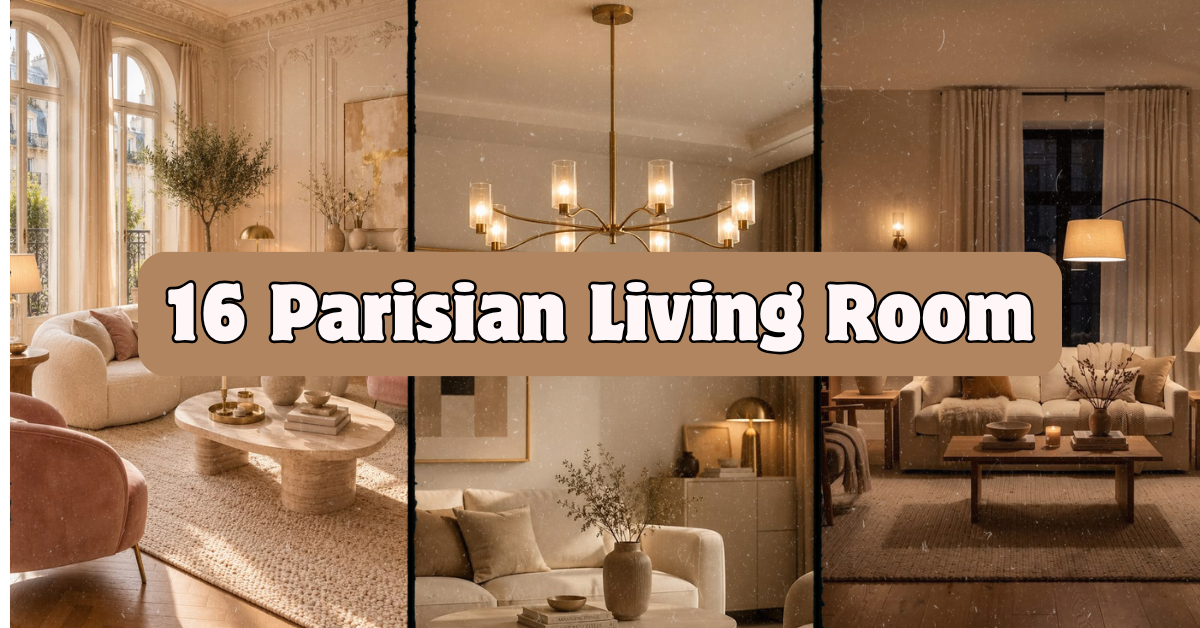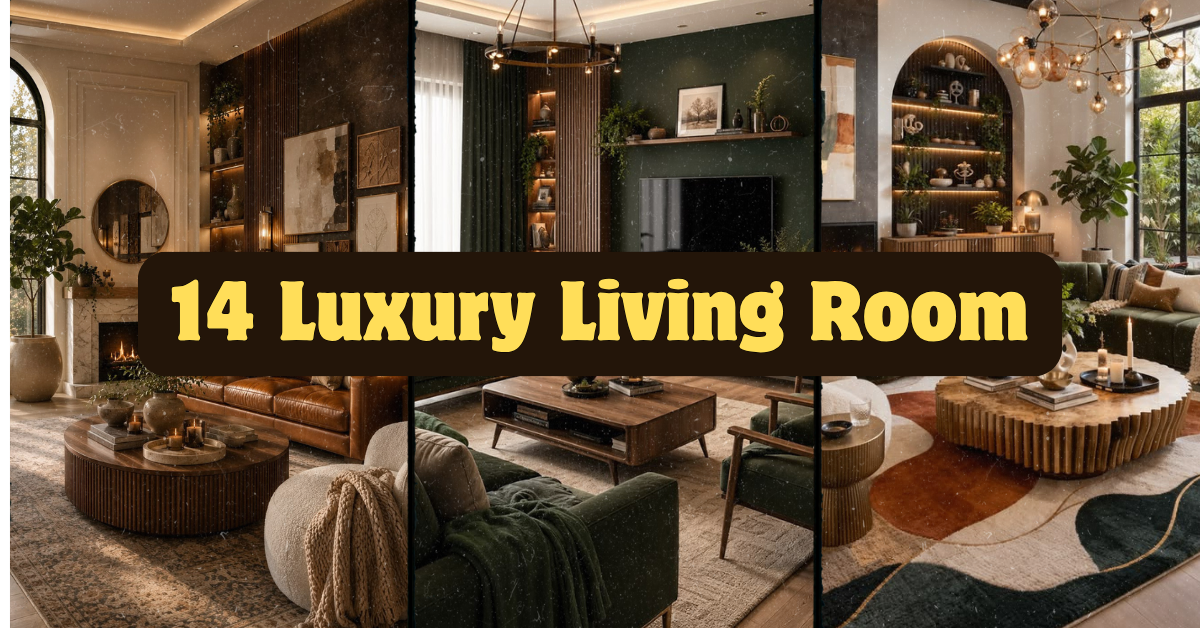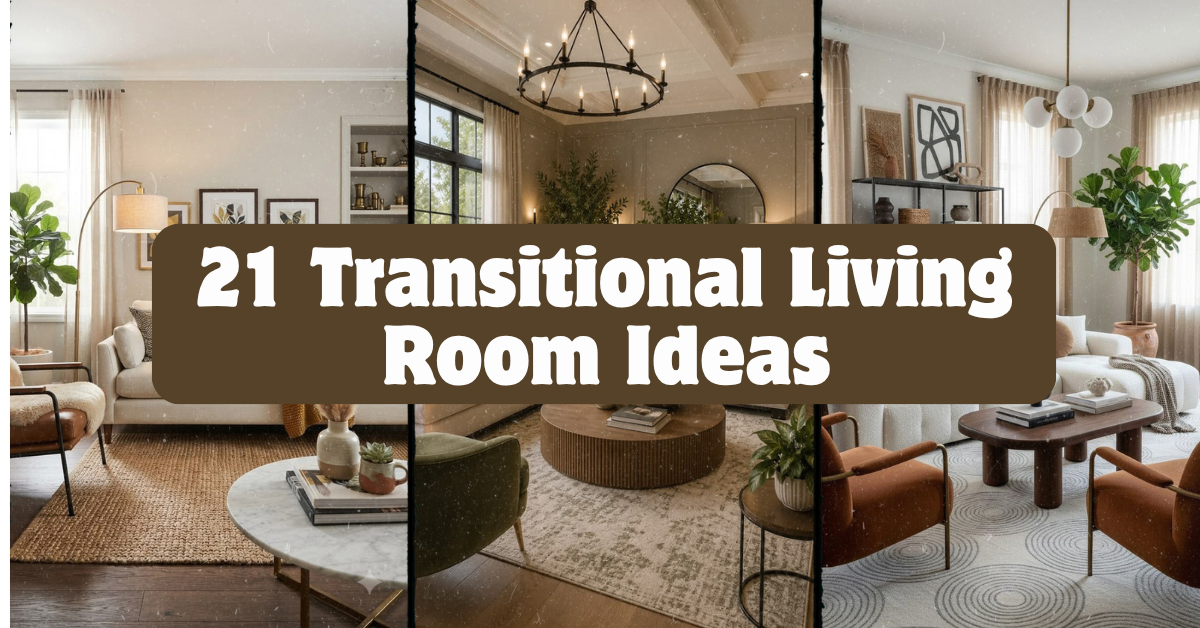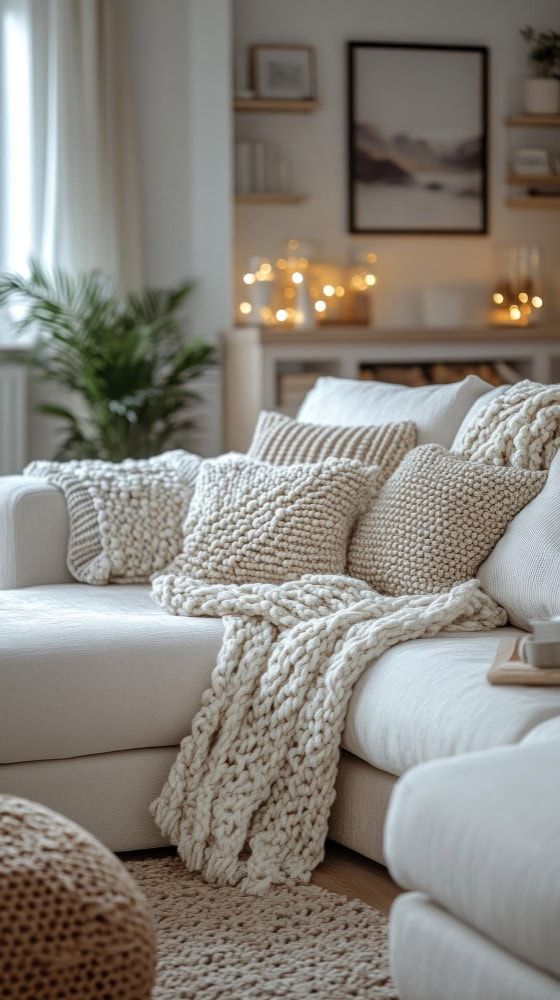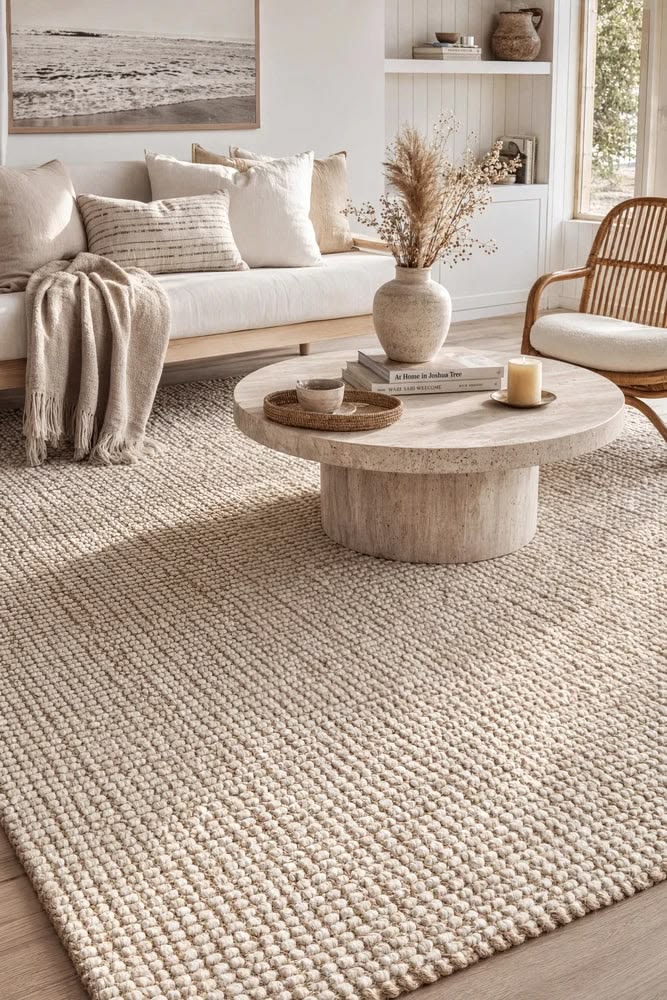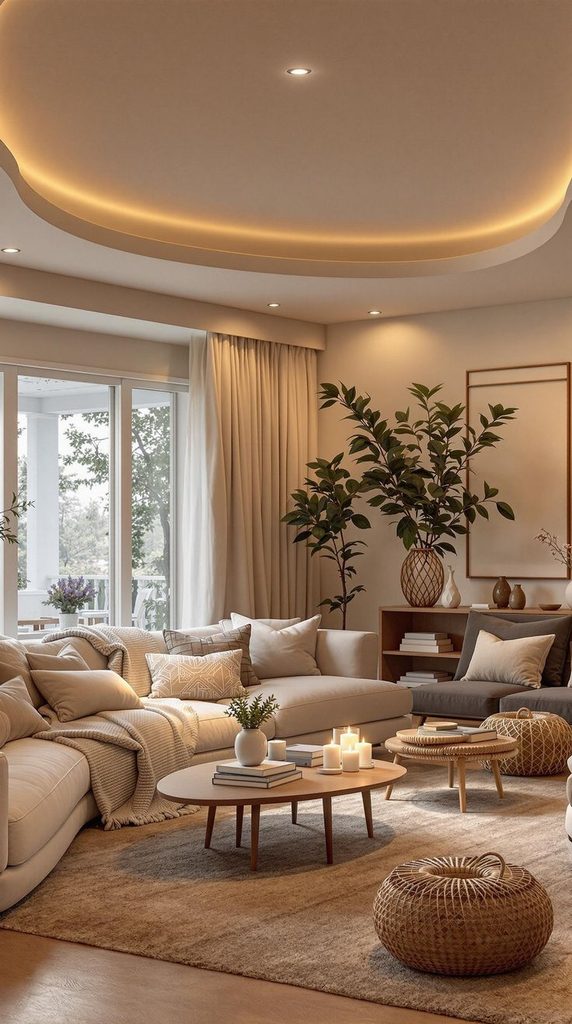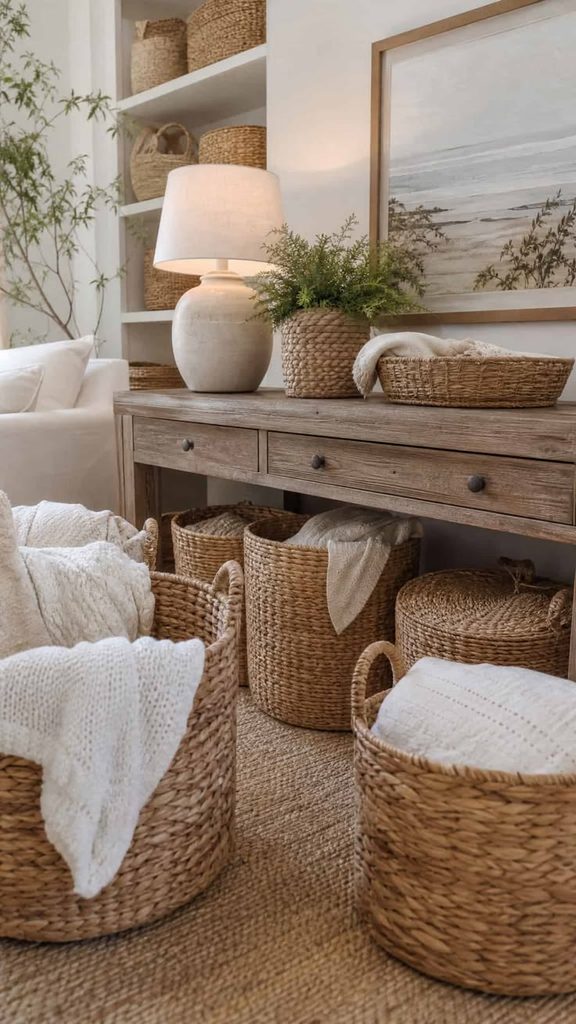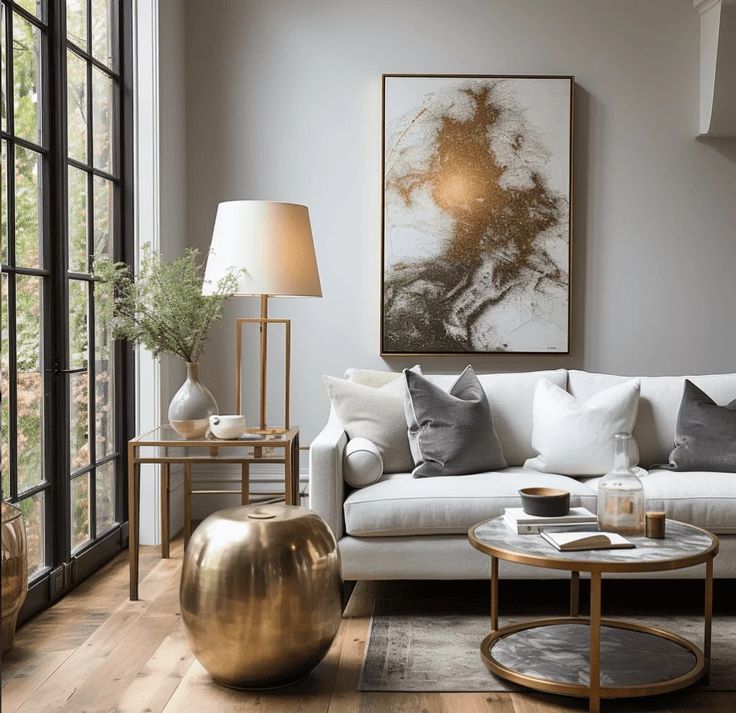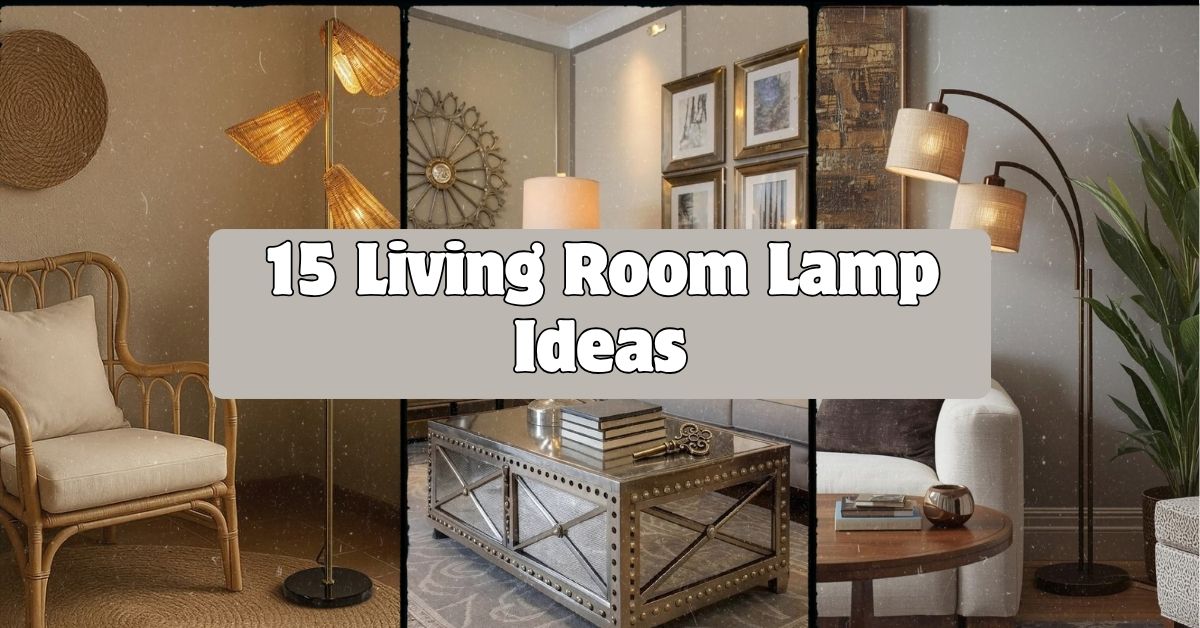
I’ve spent way too many nights scrolling through home decor sites looking for the perfect living room lamp, so I put together these 15 Living Room Lamp Ideas to save you the trouble. Ever stood in your living room at 7pm, flipped on the overhead light, and thought “why does this feel like a hospital waiting room?” Yeah, me too. That’s usually a lighting problem, not a furniture problem.
Living room lamps are light fixtures that sit on tables, floors, or shelves to add warm, adjustable lighting to a space. The best setups combine at least two lamp types (table, floor, or accent) at different heights to avoid flat, harsh overhead lighting and create a cozier, more functional room.
Stick around and I’ll walk you through 15 specific lamp ideas, plus a few tables that break down sizes, prices, and styles so you don’t end up guessing.
What Makes Living Room Lamp Design Actually Work
Before we jump into the list, let’s talk about why lamps matter so much. A room can have gorgeous furniture and still feel off if the lighting is wrong. I’ve seen it happen. Lamps aren’t just about seeing your book at night. They set mood, highlight your favorite pieces, and fill in the dark corners your ceiling light can’t reach. Good lamp design mixes heights, styles, and brightness levels so the room feels layered instead of flat. Think of lamps like jewelry for your living room. They finish the look. Once you get the hang of mixing a few types together, you’ll never go back to just one overhead light.
1. Anchor the Sofa With a Pair of Matching Table Lamps

Symmetry is an easy win if you’re not confident about mixing and matching. Put one lamp on each end table flanking your sofa. This creates balance and makes the seating area feel intentional, not thrown together.
Pick lamps with a base around 24 to 28 inches tall so the light hits at eye level when you’re seated. Ceramic or glass bases in neutral tones work with almost any color scheme. Add linen or cotton shades for a soft glow instead of a harsh white light.
Practical tip: measure your end tables first. The lamp should be about one and a half times the table’s height for proper scale.
This idea adapts easily. Go brass and glass for modern spaces, or choose turned wood bases for a traditional feel.
Now let’s talk about what happens when your sofa doesn’t have end tables on both sides.
2. Use an Asymmetrical Floor Lamp for Reading Corners
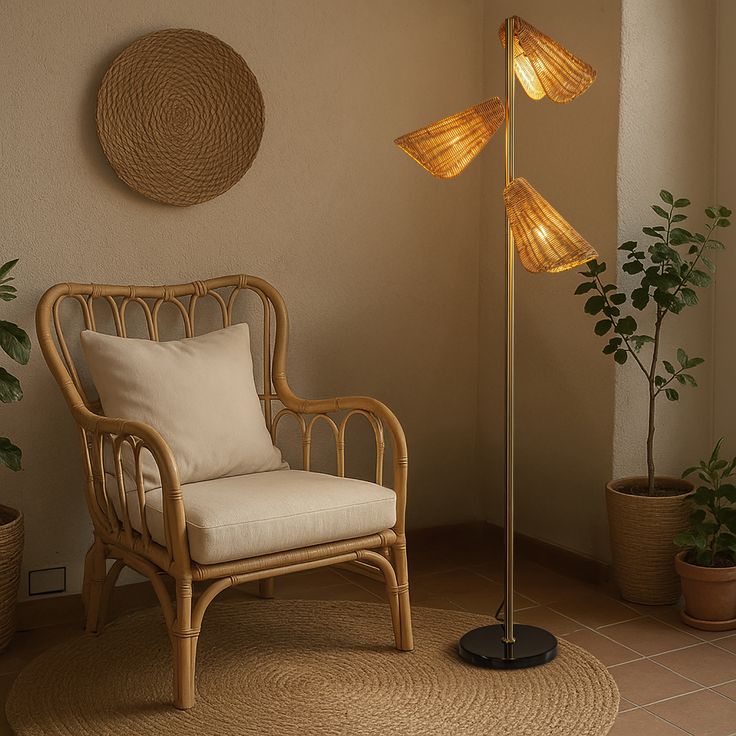
Not every living room has room for two matching tables. If you’ve got a reading chair tucked in a corner, a single arched or adjustable floor lamp does the job better than anything else.
Look for a floor lamp with a swing arm so you can angle the light directly over your shoulder while reading. Bronze, black, or matte gold finishes tend to disappear into the background so the focus stays on your book, not the fixture.
Practical tip: position the lamp slightly behind and to the side of your shoulder, not directly overhead, to avoid glare on the page.
Coastal homes look great with rattan or woven floor lamp bases. Industrial spaces do well with exposed bulb and pipe-style designs.
Once your reading nook is sorted, it’s time to think about the room’s darkest corners.
3. Brighten Dark Corners With a Torchiere Floor Lamp

Every living room has that one corner that never gets natural light. A torchiere lamp, the kind that shoots light upward toward the ceiling, is the fix. It bounces light across the whole room instead of pooling it in one spot.
These lamps work best in rooms with lighter ceiling colors since the light reflects off the ceiling and spreads down. Pair a torchiere with a dimmer switch so you can control how much glow fills the space at night.
Practical tip: keep at least 12 inches of clearance from walls or curtains since these lamps get warm and throw light wide.
Modern homes love slim metal torchieres. Traditional spaces do better with fabric drum shades on a torchiere base.
Speaking of shades, let’s talk about how much they actually matter.
4. Choose the Right Lamp Shade Shape for Your Room’s Vibe
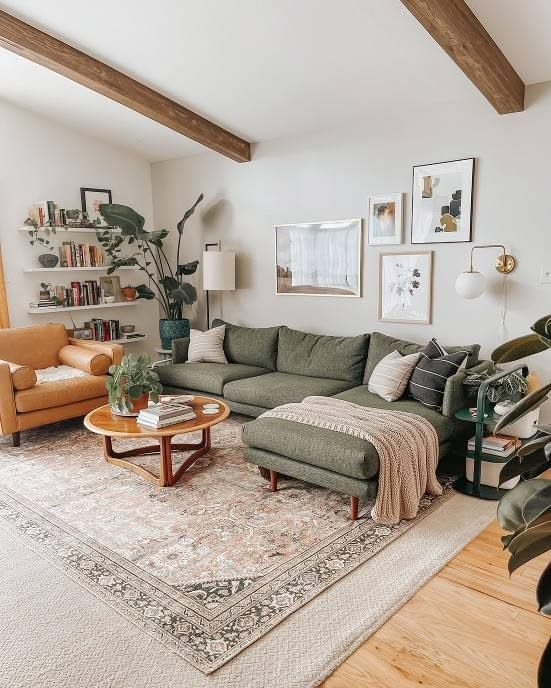
People obsess over lamp bases and forget shades control almost half the mood. A drum shade gives soft, even light. An empire shade (narrow top, wide bottom) throws more direct light downward. Bell shades add a classic, curvy silhouette.
Color matters too. White or cream shades let more light through. Darker shades create a moodier, more focused glow. If your room already has a lot of pattern, stick to a solid shade so things don’t get visually busy.
Practical tip: hold the shade up to the lamp before buying. It should cover the harp (the metal frame) completely without hanging past the base.
Lamp Shade Shapes and Best Uses
| Shade Shape | Light Output | Best For | Style Match |
|---|---|---|---|
| Drum | Soft, even glow | Ambient lighting | Modern, transitional |
| Empire | Bright, downward focus | Reading lamps | Traditional |
| Bell | Warm, diffused | Accent tables | Traditional, farmhouse |
| Rectangular | Directional, wide spread | Console tables | Modern, minimalist |
| Cone | Focused, narrow beam | Task lighting | Industrial, modern |
Now that shades are covered, let’s get into layering multiple light sources.
5. Layer Three Lamp Heights for a Designer Look
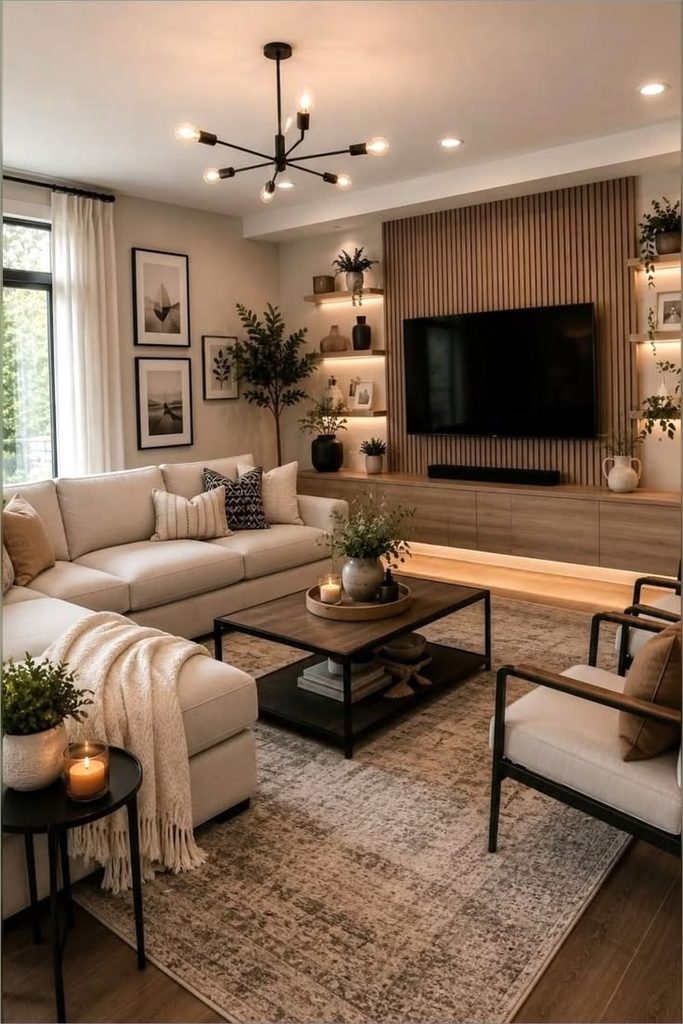
This is the trick interior designers use that most of us skip. Instead of one lamp height, use three: a floor lamp, a table lamp, and a smaller accent lamp on a bookshelf or console. The varying heights trick your eye into thinking the room has more depth.
Keep the finishes consistent (all brass, all black, or all mixed metal) so the different heights still feel like one cohesive plan instead of a mismatched collection.
Practical tip: place the tallest lamp in the corner farthest from your main seating to avoid overpowering the room.
This works in almost every style. Boho rooms love mixing rattan and ceramic heights, while modern spaces stick to clean metal across all three.
Let’s move from height to something just as important: color temperature.
6. Match Bulb Color Temperature to the Room’s Mood

This one trips people up constantly. Bulbs come in different color temperatures measured in Kelvin (K). Lower numbers mean warmer, yellowish light. Higher numbers mean cooler, bluer light. Most living rooms look best between 2700K and 3000K because it feels warm and relaxing instead of clinical.
Skip daylight bulbs (5000K and up) in your living room unless you’re going for a very modern, gallery-style look. They tend to feel cold and uninviting in a space meant for lounging.
Practical tip: buy one bulb and test it in the room before buying a full set. Lighting looks different depending on your wall color and natural light.
Bulb Temperature Guide for Living Rooms
| Kelvin Range | Light Appearance | Best Use | Avoid If |
|---|---|---|---|
| 2200K-2700K | Warm, amber glow | Cozy evenings, reading nooks | Room already feels dim |
| 2700K-3000K | Soft white | General living room use | N/A, most versatile |
| 3000K-3500K | Neutral white | Task areas, bright rooms | Traditional or cozy decor |
| 4000K+ | Cool, blue-white | Modern galleries, offices | Relaxed living spaces |
Now let’s look at a lamp style that’s making a huge comeback.
7. Bring Back the Statement Sculptural Lamp
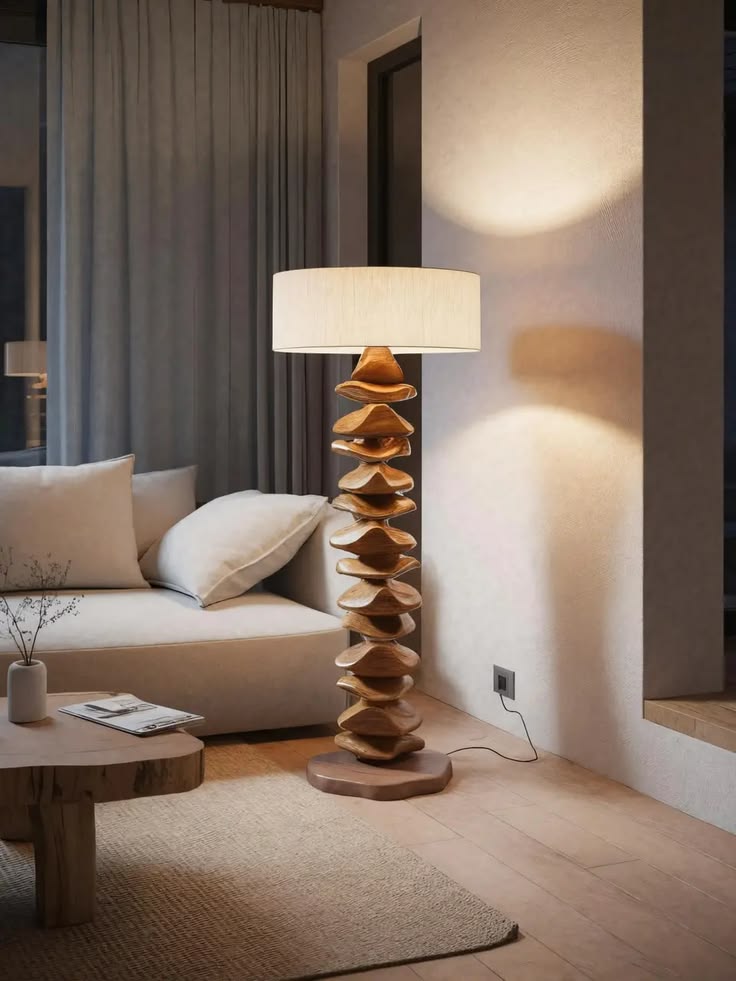
Sculptural lamps are having a real moment right now. These are lamps where the base itself looks like art, think curvy ceramic shapes, abstract metal forms, or mushroom-style silhouettes. They work as a conversation piece even when they’re switched off.
Place one on a console table or side table where it has room to breathe. Don’t crowd it with other decor or it loses its impact. A sculptural lamp works best as the star, not a supporting character.
Practical tip: pick one bold lamp per room. Two competing statement pieces can make the space feel cluttered instead of curated.
Mid-century modern homes practically require one of these. Eclectic and maximalist spaces can go even bolder with color and shape.
Speaking of color, let’s talk about how lamps can tie your whole palette together.
8. Use Lamp Bases to Reinforce Your Color Palette

Your lamp doesn’t have to be neutral. If your room has an accent color like sage green, terracotta, or navy, a colored ceramic or glass lamp base can pull that color up off the floor and into eye level, which makes the whole room feel more finished.
Stick to one or two colored lamps max so they act as accents, not the main event. Keep the shade neutral (white, cream, or natural linen) so the color pop doesn’t get too loud.
Practical tip: pull your lamp color from something already in the room, like a throw pillow or piece of art, so it feels planned, not random.
Traditional homes look great with jewel-toned glass lamps. Coastal spaces do well with soft blue or seafoam ceramic bases.
Next, let’s talk about a lamp style perfect for small apartments.
9. Save Space With Wall-Mounted Swing Arm Lamps
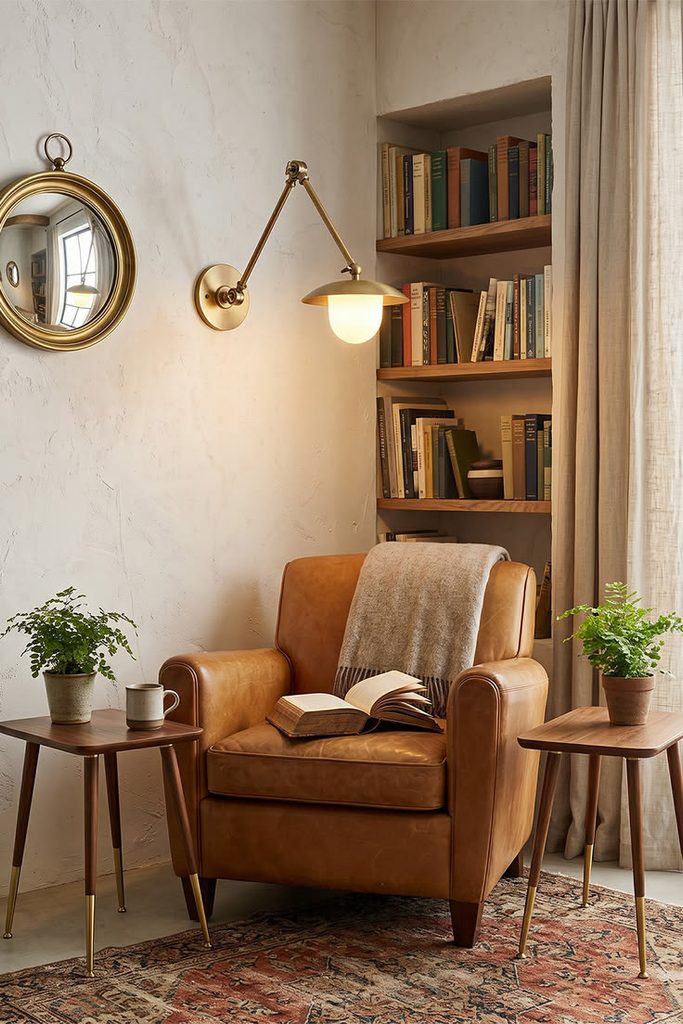
If your living room is tight on floor and table space, wall-mounted lamps are a great workaround. These mount directly to the wall beside a sofa or chair and free up your side tables for drinks, books, or decor instead of lamp bases.
Swing arm versions let you adjust the angle of light, which is great for reading without needing a separate floor lamp. Hardwired or plug-in versions both exist, so check which one fits your setup before installing.
Practical tip: mount the lamp about 24 to 30 inches above where your shoulder sits when seated for the best reading angle.
Small modern apartments benefit most from this style, but even farmhouse living rooms can pull it off with a bronze or black finish.
Now let’s talk about lamps that do double duty as storage.
10. Choose Lamps With Built-In Shelving or Storage

Multi-functional furniture is everywhere right now, and lamps are catching up. Some floor lamps come with a small attached shelf, perfect for a coffee cup, phone, or remote. It’s a smart pick for smaller living rooms where every piece of furniture needs to earn its spot.
These work especially well next to a reading chair without an end table. You get light and a surface in one single footprint.
Practical tip: measure the shelf’s weight limit before loading it up. Most hold under 10 pounds, so skip the stack of hardcover books.
Modern and minimalist living rooms are the best fit here, since the built-in shelf keeps clutter low and function high.
Let’s shift gears and talk about lamps that do more than just light a room, they can heat it too.
11. Add a Himalayan Salt Lamp for Texture and Warmth

Salt lamps have this soft, pinkish-orange glow that’s totally different from a regular bulb. They’re carved from actual salt crystal and lit from the inside with a small bulb. Beyond the color, they add a natural, earthy texture that pairs nicely with wood and plants.
These work best as accent lighting, not your main light source, since the glow is fairly dim. Place one on a bookshelf or side table where its warm color can stand out against a neutral wall.
Practical tip: keep salt lamps away from open windows or humid rooms since the salt can absorb moisture and sweat over time.
Boho and organic modern living rooms are the perfect match for this style.
Now let’s look at a classic lamp shape that never really goes out of style.
12. Bring in a Classic Brass Candlestick Lamp
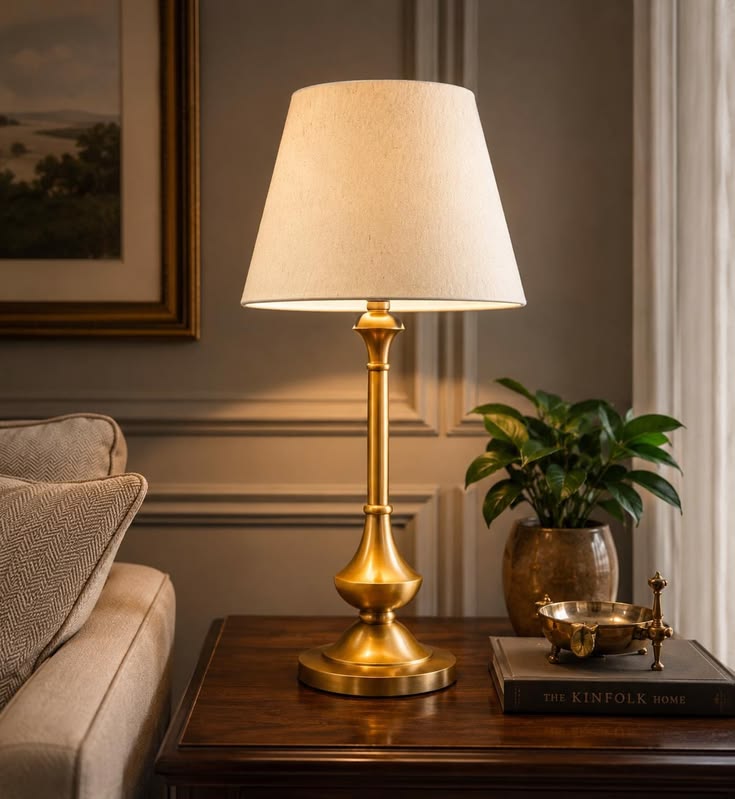
Brass candlestick lamps have that timeless, slightly formal look. The tall, narrow base mimics an old-fashioned candle holder, which gives a room an elegant touch without feeling stuffy.
These pair beautifully with a pleated or bell-shaped shade in white or cream. Because the base is narrow, they don’t take up much table space, which makes them great for smaller side tables or a mantel.
Practical tip: pair two of these on a mantel with a piece of art centered between them for an instant traditional focal point.
Traditional and transitional homes are the natural home for this style, but a matte black version can work in a moodier modern space too.
Let’s move on to a lamp trend that’s all about softness.
13. Try a Fabric Drum Pendant as a “Floor Lamp Alternative”
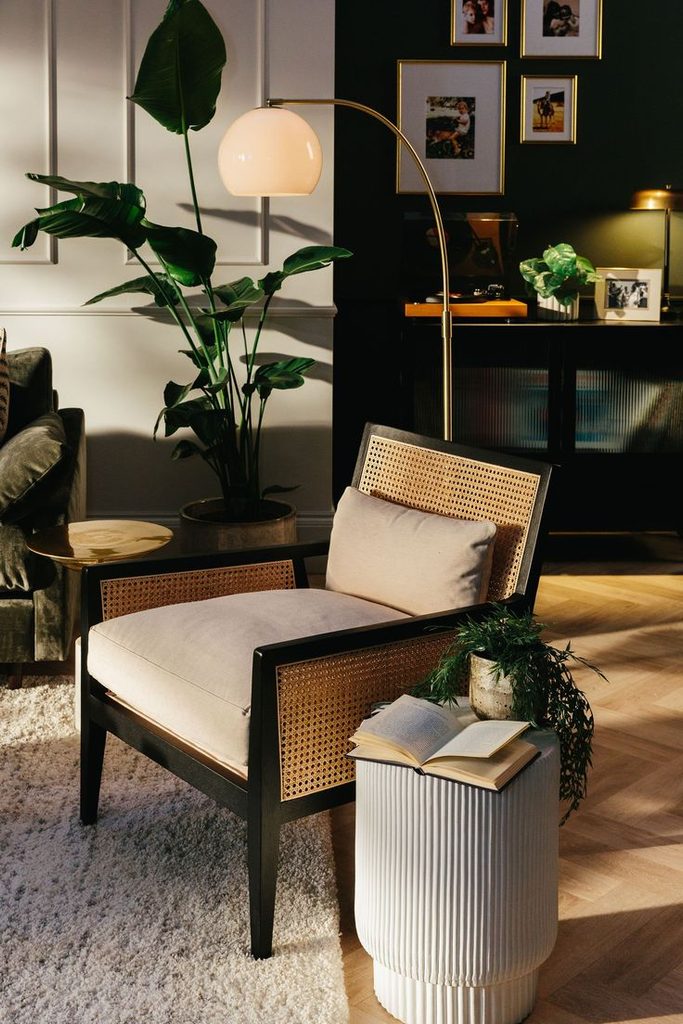
If you love the look of a hanging pendant but don’t want to deal with wiring, some floor lamps now mimic that drum pendant shape on a tall stand. It gives you the soft, wide glow of a pendant light without an electrician visit.
These work well in rooms with high ceilings where a regular floor lamp might look too short or squat. The wide drum shade also throws a nice, even light across a bigger area.
Practical tip: place this style near a reading chair or in an empty corner where the wide shade won’t bump into nearby furniture.
Transitional and modern farmhouse rooms benefit most from this softer, oversized silhouette.
14. Use a Tripod Floor Lamp for a Mid-Century Touch
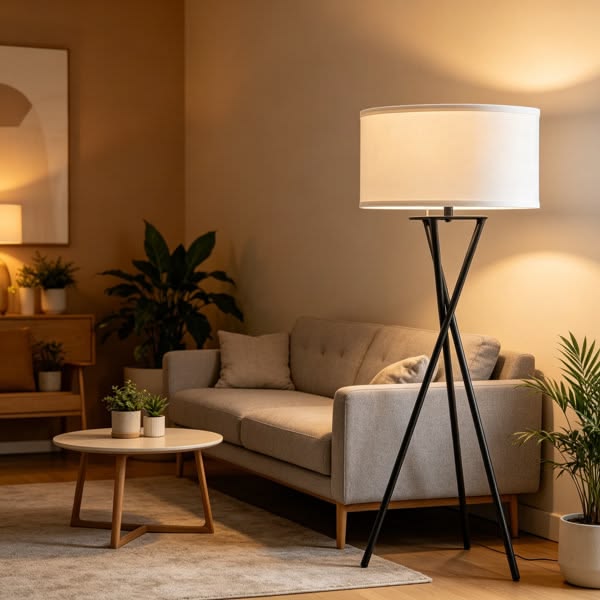
Tripod lamps have three splayed wooden or metal legs supporting the lamp body. It’s an instantly recognizable mid-century shape that adds a little architectural interest even when the light is off.
These work great beside a sofa or in a corner that needs some visual height without feeling heavy. Pair a wood tripod base with a linen drum shade for that classic warm, retro look.
Practical tip: make sure the tripod legs have enough floor clearance, at least a 24-inch diameter, so they don’t become a tripping hazard in tighter rooms.
Mid-century modern rooms are the obvious fit, but eclectic and Scandinavian spaces borrow this shape often too.
Last one, and it might be the easiest fix on this whole list.
15. Install a Dimmer Switch on Every Living Room Lamp

This isn’t a lamp exactly, but it changes how every lamp on this list performs. A plug-in dimmer switch lets you control brightness without buying a new lamp. Movie night needs low, cozy light. Cleaning day needs bright light. One lamp, two totally different jobs.
Most hardware stores sell simple plug-in dimmer switches that don’t require any rewiring. Just plug the lamp cord into the dimmer, then plug the dimmer into the wall.
Practical tip: make sure your bulb is labeled “dimmable.” Regular LED bulbs can flicker or buzz on a dimmer switch.
This tiny upgrade works in literally every home style since it’s invisible once installed.
Tips for Success
- Buy lamps in odd numbers (three or five) around a room for a more natural, less staged look.
- Test bulb brightness in lumens, not watts. 800 lumens is roughly equal to an old 60-watt bulb.
- Keep lampshade colors lighter than your walls so the glow doesn’t get swallowed up.
- Group lamps in threes at different heights for a designer-style layered look.
- Always turn a lamp on in the store or check reviews for brightness before buying online.
- Leave at least 3 inches of space between a lamp base and the table edge so nothing tips over easily.
- Match metal finishes across the room loosely. They don’t need to be identical, just in the same family (warm metals together, cool metals together).
Common Mistakes and How to Avoid Them
Using Only One Light Source
: Relying on a single overhead light or one lamp leaves the room feeling flat. Add at least two to three lamps at different heights for better depth.
Picking a Shade That’s Too Small
: A shade that doesn’t cover the bulb or harp looks unfinished and lets glare escape. Choose a shade that fully covers the hardware without gaps.
Ignoring Bulb Color Temperature
: Cool white bulbs in a cozy living room feel harsh and uninviting. Stick to warm bulbs between 2700K and 3000K for most living spaces.
Placing Lamps Too High or Too Low
: A table lamp that sits too high or low compared to your seated eye level creates glare or shadows on your face. Aim for the shade bottom to land around eye level when seated.
Overcrowding One Style of Lamp
: Using five matching lamps everywhere can feel sterile instead of designed. Mix at least two different lamp styles or shapes for visual interest.
Forgetting About Cord Management
: Visible cords running across the floor or up a wall look messy and can be a trip hazard. Use cord covers or route cords behind furniture whenever possible.
Similar Variations
- Modern Farmhouse Lighting – mixes matte black metal lamps with warm wood tones and simple linen shades.
- Coastal Grandmother Lighting – soft rattan and ceramic lamps paired with breezy white or blue shades.
- Industrial Loft Lighting – exposed bulb fixtures, black pipe stands, and Edison-style bulbs for a raw look.
- Scandinavian Minimalist Lighting – simple, pale wood bases with plain white shades and clean lines.
- Art Deco Lighting – geometric brass or glass bases paired with bold, angular shades for a glam finish.
- Maximalist Eclectic Lighting – bold colors, mixed patterns, and statement sculptural bases layered throughout the room.
Getting your living room lighting right doesn’t take a full remodel. Sometimes it’s as simple as swapping a bulb, adding a floor lamp to a dark corner, or finally putting a dimmer switch on that one lamp you use every night. Small changes add up fast, and once you start layering light the right way, you’ll notice the difference immediately. I hope these 15 Living Room Lamp Ideas gave you enough options to make your space feel warmer, cozier, and a whole lot more put together.