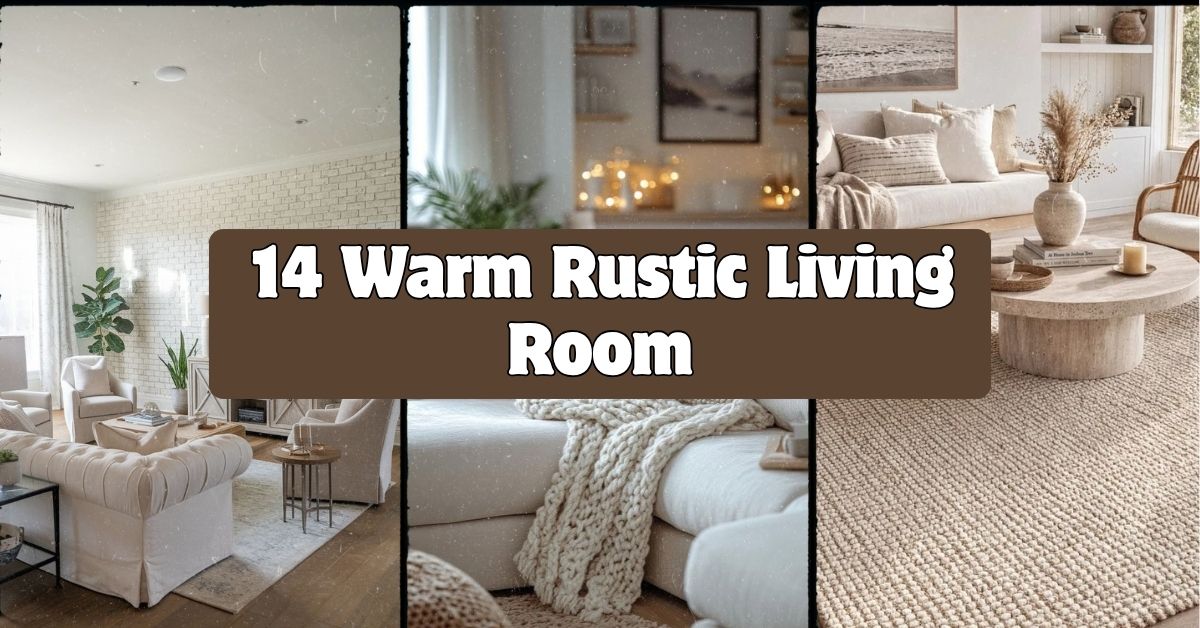
If you’ve been hunting for 14 Warm Rustic Living Room ideas that actually work in a real home (not just a magazine spread), you’re in the right place. I’ve pulled together everything I know from years of obsessing over cozy spaces, and I’m going to walk you through it like I would with a friend over coffee. By the end of this, you’ll know exactly how to pull off this look without guessing.
A warm rustic living room combines natural materials like wood, stone, and leather with soft textiles and a earthy color palette to create a cozy, inviting space. The style blends farmhouse charm with cabin comfort, focusing on texture, warmth, and function over sleek modern lines.
Stick around, because I’m about to show you 14 ways to turn any boring living room into a space that feels like a warm cabin retreat, plus some mistakes to dodge along the way.
What Even Is a Warm Rustic Living Room?
Okay, let’s back up for a second. Rustic doesn’t mean “stuck in a log cabin from 1985.” It means raw materials, honest textures, and colors pulled from nature. Think worn wood, chunky knits, and stone that still looks like stone.
The “warm” part is key too. Some rustic rooms feel cold and empty, like an abandoned barn. We’re not doing that. We’re adding layers, soft lighting, and rich colors so the room feels lived-in and hugged, not staged. It’s the difference between a museum and a home your dog actually wants to nap in.
Ready? Let’s get into the ideas.
1. Anchor the Room With a Reclaimed Wood Coffee Table

Nothing says rustic quite like a coffee table that looks like it survived a few decades in a barn. Reclaimed wood has knots, cracks, and color variation that new furniture just can’t fake. It becomes the heart of the room, the spot where everyone puts their feet up.
Pick a table with visible grain and a slightly rough finish. Pair it with a neutral rug so the wood grain pops instead of competing with patterns.
Practical tip: Rub a little butcher block oil on the surface every few months to keep the wood looking rich instead of dry and dull.
This idea works in modern farmhouse spaces too, just pair the table with cleaner-lined furniture around it. Once your table anchors the room, it’s time to think about what surrounds it.
2. Layer a Chunky Knit Throw Over Your Sofa
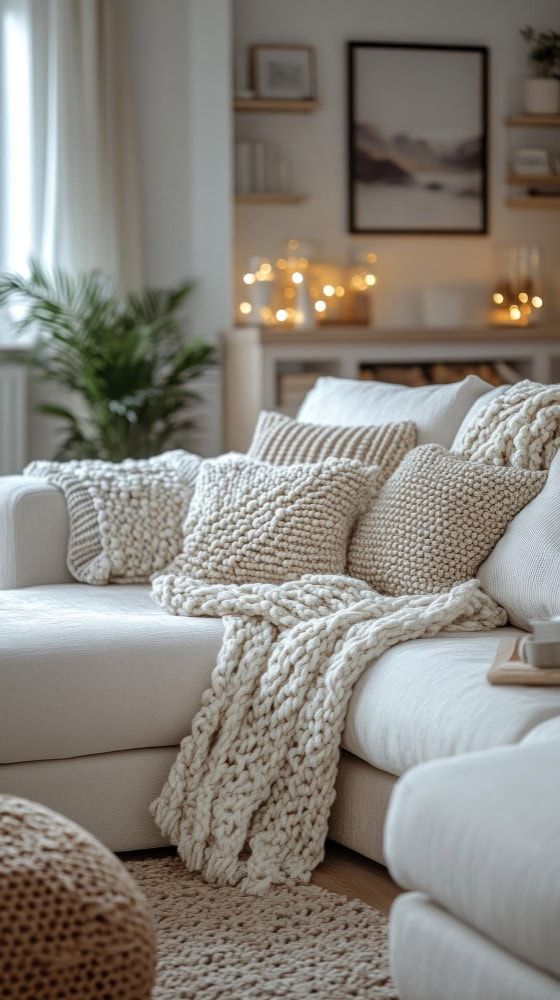
A throw blanket sounds small, but it does a lot of heavy lifting. Chunky knits in cream, oatmeal, or rust orange instantly make a sofa look softer and more inviting.
Drape it over one arm instead of folding it flat. That casual, lived-in look sells the rustic vibe way better than a perfectly folded blanket.
Practical tip: Buy two throws in slightly different textures (one knit, one faux fur) and layer them together for depth.
Coastal homes can swap the rust tones for sandy neutrals and still keep this trick. Once your sofa feels cozy, your seating area needs a rug that matches the mood.
3. Choose a Wool or Jute Area Rug for Texture
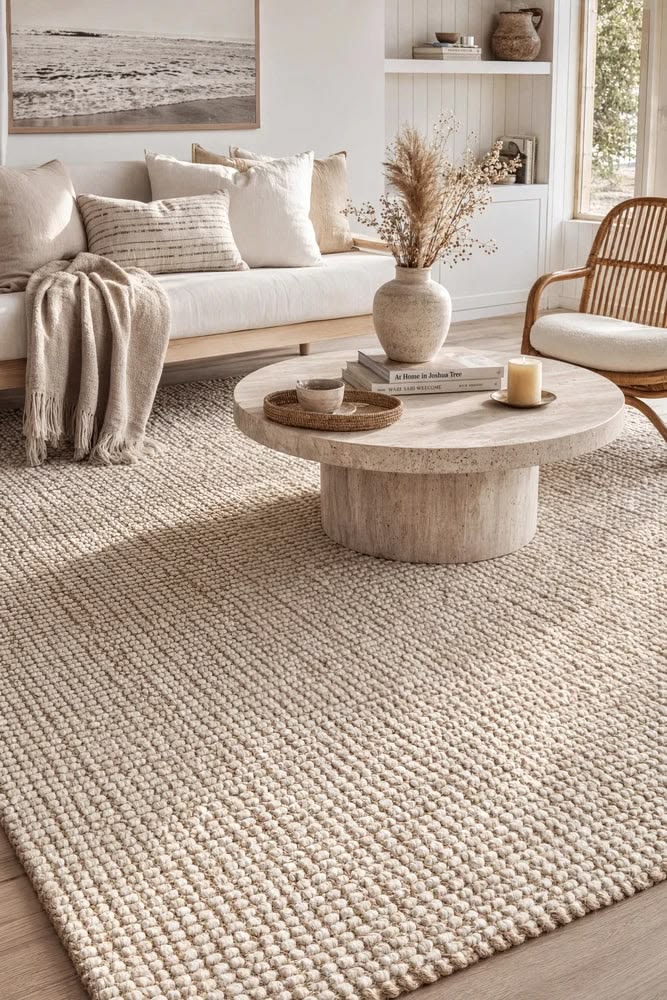
Rugs ground the whole room, literally and visually. Wool rugs feel soft underfoot and hold up well in high-traffic areas. Jute rugs bring a more raw, natural texture that fits perfectly with rustic style.
Go for earthy tones like terracotta, moss green, or deep brown instead of bright colors. Pattern-wise, simple stripes or subtle geometric shapes work better than busy florals.
Practical tip: Size your rug so all the front legs of your furniture sit on it. A too-small rug makes the whole room feel disconnected.
Traditional homes can use the same rug logic with more ornate border patterns. With the floor sorted, let’s talk about walls.
4. Add a Stone or Brick Accent Wall

An accent wall made of stacked stone or exposed brick brings serious texture without adding clutter. It’s a focal point that does the work for you, so you don’t need to overdecorate the rest of the room.
Behind a fireplace is the classic spot, but it also works well behind a media console or sofa. Keep the rest of the walls a simple, warm white or beige so the texture wall doesn’t fight for attention.
Practical tip: If real stone isn’t in the budget, stone veneer panels give the same look for a fraction of the cost and weight.
Industrial-style homes can use exposed brick the same way for a grittier feel. Once your walls have texture, lighting becomes even more important.
5. Warm Up the Room With Layered Lighting
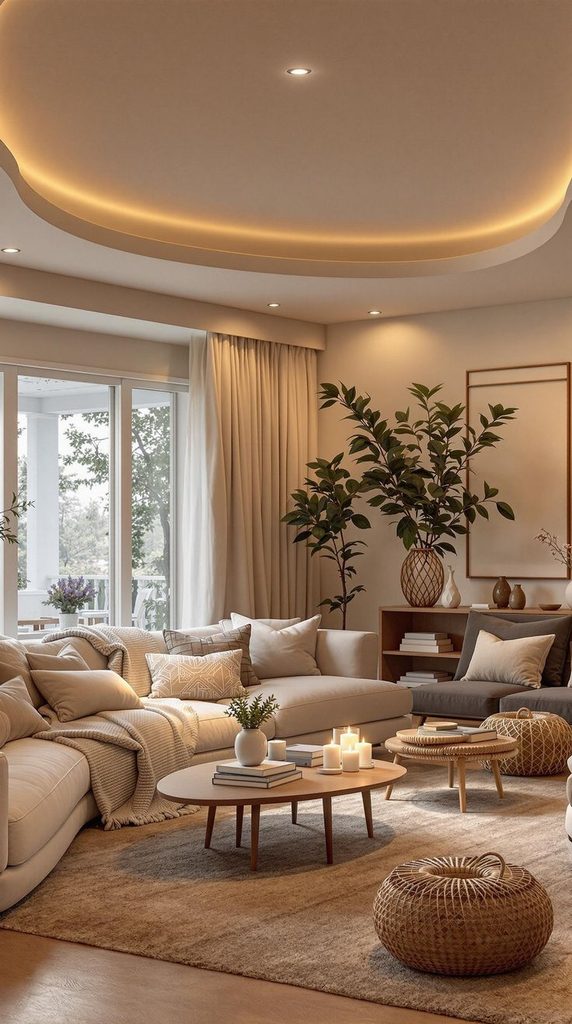
Harsh overhead lighting kills a cozy vibe fast. Warm rustic rooms rely on layered lighting instead, meaning a mix of table lamps, floor lamps, and maybe a dimmable overhead fixture.
Choose bulbs labeled “warm white” or “soft white,” somewhere around 2700K to 3000K. That amber glow does wonders for making a space feel relaxed instead of clinical.
Practical tip: Put your lamps on a smart plug or dimmer so you can adjust the mood without buying new fixtures.
Modern rustic spaces can use sleeker lamp bases while keeping the same warm bulb temperature. Now that the lighting sets the mood, let’s talk color.
Warm Rustic Color Palette Guide
| Palette Name | Wall Color | Accent Colors | Best For |
|---|---|---|---|
| Cabin Classic | Warm White | Rust, Forest Green, Chestnut Brown | Traditional rustic |
| Desert Warm | Sandy Beige | Terracotta, Clay, Cream | Southwestern rustic |
| Mountain Lodge | Charcoal Gray | Deep Brown, Burnt Orange, Olive | Cabin-style rooms |
| Soft Farmhouse | Cream | Sage Green, Tan, Dusty Blue | Modern farmhouse |
6. Bring In a Stone Fireplace as a Focal Point

If your room already has a fireplace, don’t hide it. A stone or brick fireplace surround is basically the poster child for rustic style. It gives the eye somewhere to land and instantly makes the room feel warmer, even when the fire isn’t lit.
Add a wood mantel on top for extra texture, and style it with a few candles, a small plant, or an old clock.
Practical tip: Keep mantel decor to three or fewer items so it doesn’t look cluttered.
Traditional and lodge-style homes can go bigger with the stone, while modern rustic spaces can keep the stone minimal and paired with clean lines. With your focal point set, let’s fill the room with furniture that fits.
7. Pick Leather Furniture With Some Age to It

Leather sofas and chairs, especially ones in cognac or worn brown, bring instant rustic charm. The slightly distressed look works in this style’s favor. You want it to look like it’s been sat on and loved, not fresh off a showroom floor.
Pair leather seating with wood and metal accents so the room doesn’t feel too formal.
Practical tip: Look for “top grain” leather instead of “genuine leather” labels. Top grain ages better and develops a nicer patina over time.
Industrial rustic spaces can pair leather with black metal frames for extra edge. Once your seating is set, think about how you’ll dress the windows.
8. Use Linen or Burlap Curtains for Softness

Heavy, structured curtains feel too formal for this look. Linen and burlap have a relaxed, slightly wrinkled texture that fits right into a warm rustic room. They let in soft, filtered light too, which adds to the cozy feeling.
Stick with neutral tones like oatmeal, taupe, or soft gray so the curtains don’t distract from the room’s other textures.
Practical tip: Hang curtain rods closer to the ceiling than the window frame. It makes ceilings look taller and windows feel bigger.
Coastal rustic spaces can use lighter, breezier linen in white or pale blue. Now that your windows are dressed, let’s talk about the ceiling itself.
9. Expose or Fake Wood Beams Overhead

Exposed wood beams add serious rustic charm and draw the eye upward. If your home doesn’t have real structural beams, faux beams made from polyurethane look surprisingly convincing and are way lighter to install.
Stain the beams a shade darker or lighter than your floor to create contrast instead of blending in completely.
Practical tip: Add small can lights along the beams to highlight their texture at night.
Mountain lodge and farmhouse styles both lean heavily on this trick. With the ceiling handled, let’s add some greenery to soften things up.
10. Add Greenery in Wood or Woven Planters

Plants bring life into a rustic room, but the pot matters just as much as the plant. Skip the shiny ceramic pots and go for wood planters, woven baskets, or terracotta instead.
Larger plants like fiddle leaf figs or snake plants work well in corners, while smaller succulents can sit on shelves or the coffee table.
Practical tip: Group plants in odd numbers (three or five) at different heights for a more natural, less staged look.
Boho and coastal spaces can lean into more woven texture with the planters. Once your greenery is in place, let’s think about wall art.
11. Hang Nature-Inspired or Vintage Art

Skip the generic canvas prints and go for art that feels earthy and personal. Vintage landscape paintings, botanical prints, or black and white nature photography all fit the warm rustic mood.
Frame pieces in raw or dark wood instead of shiny metal or plastic frames.
Practical tip: Create a small gallery wall using odd-shaped frames mixed with one or two mirrors to bounce light around.
Traditional homes can go bigger and more ornate with frames, while modern rustic spaces can keep frames thin and simple. With the walls dressed, let’s talk storage.
12. Use Wood and Wicker Storage Pieces
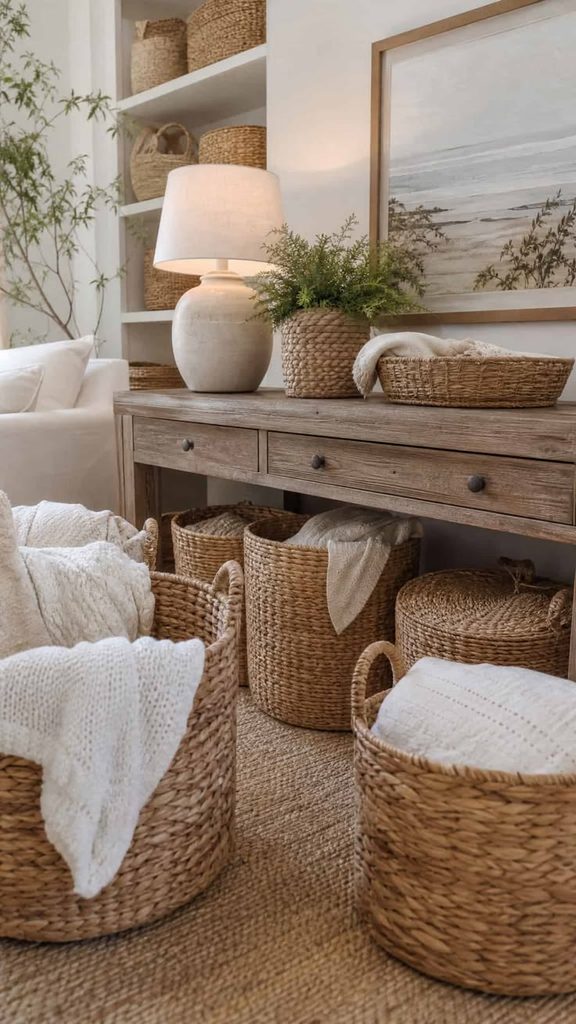
Baskets and wood crates aren’t just decor, they’re storage heroes. Use them to hold blankets, magazines, or the kids’ toys without breaking the room’s aesthetic. A metal or plastic storage bin sticks out like a sore thumb in a rustic room, but a woven basket blends right in.
Practical tip: Label baskets on the inside (not the outside) so they stay functional without looking cluttered.
Farmhouse and coastal styles both use woven storage heavily, just in different color tones. Now let’s bring in some metal accents for balance.
13. Mix In Black or Bronze Metal Accents
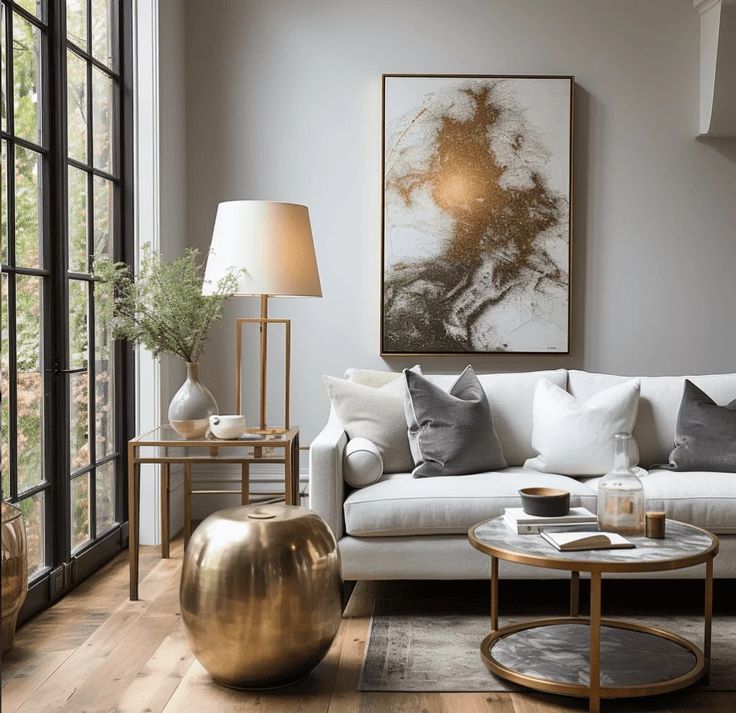
Wood and leather need a little contrast, and metal accents do that job well. Black iron light fixtures, bronze drawer pulls, or a wrought iron plant stand all add a bit of edge without pulling away from the warmth.
Keep metal finishes consistent throughout the room. Mixing gold, silver, and black all in one space can look messy fast.
Practical tip: Start with one metal finish and repeat it in at least three spots (lighting, hardware, decor) for a cohesive look.
Industrial rustic spaces can lean harder into black metal, while soft farmhouse spaces can use it sparingly. Last but not least, let’s talk about scent and sound.
14. Add Wood-Scented Candles and Soft Ambient Sound

This one’s easy to overlook, but it matters. Candles that smell like cedar, sandalwood, or fireside smoke add another sensory layer to the room. Pair that with a small fountain, soft instrumental music, or even a crackling fire sound playlist, and the room feels even cozier.
Practical tip: Rotate candle scents seasonally, warmer scents like cinnamon in fall and winter, lighter scents like sage in spring and summer.
This idea works in literally every home style since it’s about atmosphere, not furniture.
Budget Tiers for a Warm Rustic Living Room Makeover
| Budget Level | What You Can Do | Estimated Cost |
|---|---|---|
| Small ($200-$500) | New throws, rug, candles, plant swaps | $200-$500 |
| Mid ($500-$2,000) | Add coffee table, curtains, lighting, wall art | $500-$2,000 |
| Full Room ($2,000-$6,000) | New sofa, fireplace surround, beams, storage | $2,000-$6,000 |
| High-End ($6,000+) | Custom stonework, built-ins, real reclaimed wood everything | $6,000+ |
Tips for Success
- Start with one big anchor piece, like a coffee table or fireplace, before adding smaller decor.
- Stick to three or four main colors max so the room doesn’t feel chaotic.
- Mix textures on purpose: wood, wool, leather, and metal should all show up somewhere.
- Don’t buy everything new. Thrifted and vintage pieces add authentic rustic character.
- Test paint colors on the wall at different times of day before committing.
- Keep a few surfaces empty. A rustic room should feel relaxed, not crammed.
- Let natural light in when you can. It makes warm tones look even richer.
Common Mistakes and How to Avoid Them
Too much matching wood tones
: Mix at least two different wood shades in the room so it doesn’t look like a furniture showroom set.
Cold, sterile lighting
: Swap bright white bulbs for warm white ones (2700K-3000K) in every fixture.
Overdoing the “cabin” theme with antlers and plaid everywhere
: Pick one or two rustic symbols max and let textures do the rest of the talking.
Skipping soft textures
: Add at least one knit throw, one wool rug, and one set of linen curtains so the room doesn’t feel harsh.
Ignoring scale
: Measure your space before buying a coffee table or rug. Oversized furniture in a small room kills the cozy feeling fast.
Forgetting a focal point
: Choose one main feature, like a fireplace or accent wall, so the room doesn’t feel scattered.
Similar Variations
- Modern Farmhouse: Cleaner lines, more white and black contrast, still keeps wood texture.
- Mountain Lodge: Heavier on stone, timber, and deep greens for a true cabin feel.
- Desert Rustic: Warmer terracotta and clay tones with Southwestern-inspired textiles.
- Coastal Rustic: Lighter wood tones mixed with rope, linen, and sandy neutrals.
- Industrial Rustic: Adds black metal, exposed brick, and rougher, edgier finishes.
- Boho Rustic: Mixes woven textures, layered rugs, and more eclectic patterns.
Pulling off a warm rustic living room really comes down to layering natural materials with soft textures and keeping your color palette grounded in earthy tones. Start small if you need to, maybe just a throw blanket and a new rug, and build from there as your budget allows. Whatever pace you go at, these 14 Warm Rustic Living Room ideas give you a real roadmap to a space that finally feels as cozy as it looks.
Leave a Reply