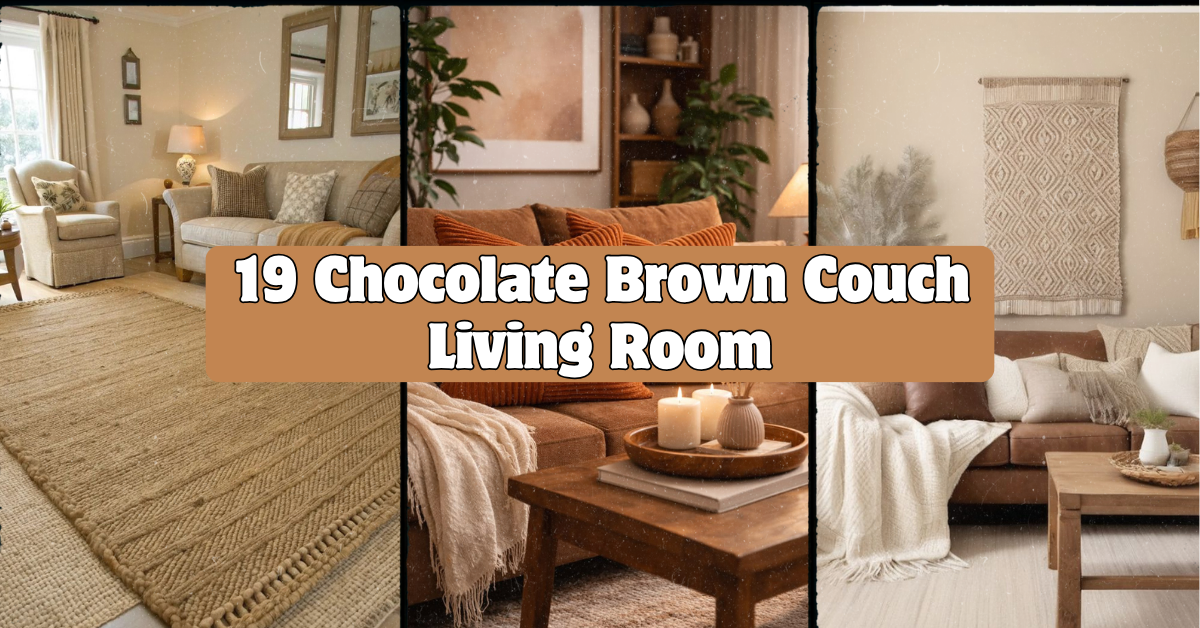
If you’ve been searching for real answers about a 19 chocolate brown couch living room, you’re in the right spot. I’ve pulled together the most practical, tested ideas so you don’t have to guess what works and what falls flat.
A chocolate brown couch living room is a space built around a deep, warm brown sofa as the main furniture piece, paired with complementary colors, textures, and accents that create a cozy, grounded feel. This style works because brown is a neutral that pairs easily with almost any color scheme.
Stick around, because I’m about to walk you through 19 different ways to style this look, and a few of them might surprise you.
What Makes a Chocolate Brown Couch Living Room Work So Well
Here’s the thing about chocolate brown couches. They’re kind of the unsung hero of living room furniture. People go straight for gray or beige sofas because they feel “safe.” But brown? Brown has soul.
A chocolate brown couch feels warm without trying too hard. It hides stains better than lighter fabrics too, which matters if you’ve got kids or pets. Plus it plays nice with wood tones, metals, and almost every accent color you can think of. I’ve seen it work in tiny apartments and huge farmhouse living rooms alike. It’s just a flexible, forgiving color that gives you room to experiment with everything else.
1. Pair It With Cream and Ivory Walls
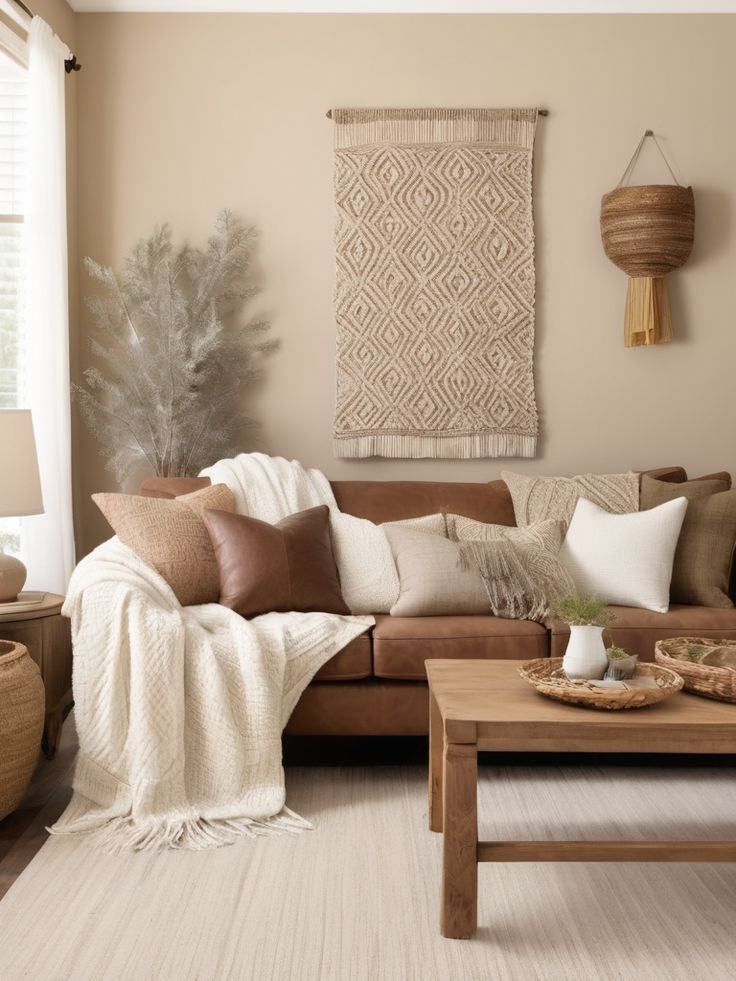
Cream walls next to a chocolate brown couch create instant warmth. The lighter tone bounces natural light around the room while the couch stays as the visual anchor. This combo feels calm, not boring.
Add ivory throw pillows or a cream area rug to tie the palette together without overdoing it.
Practical tip: Use a matte finish paint on the walls to avoid glare that competes with your couch.
This pairing adapts well to farmhouse and traditional homes especially, since both styles lean on soft neutrals already.
Once your walls and couch are talking to each other, it’s time to think about what goes underneath everything.
2. Add a Jute or Sisal Rug for Texture

Natural fiber rugs bring texture without adding more color to compete with your couch. Jute and sisal have a slightly rough, earthy look that pairs beautifully with chocolate brown upholstery.
These rugs also tend to be budget-friendly compared to wool or silk options.
Practical tip: Choose a rug at least two feet wider than your couch on each side so the room feels balanced, not cramped.
Coastal and bohemian living rooms both love this rug style because it keeps things grounded and natural-feeling.
Now that your floor has some texture going on, let’s talk about what colors actually make that brown couch pop.
Color Palette Combinations for Chocolate Brown Couches
| Palette Name | Wall Color | Accent Color | Metal Finish | Best For |
|---|---|---|---|---|
| Warm Neutral | Cream | Terracotta | Brass | Traditional homes |
| Cool Contrast | Soft Gray | Ice Blue | Chrome | Modern homes |
| Forest Retreat | Sage Green | Deep Green | Bronze | Cabin/rustic homes |
| Coastal Calm | White | Navy Blue | Brushed Nickel | Coastal homes |
| Bold Jewel | Charcoal | Emerald or Mustard | Black Iron | Eclectic homes |
3. Bring In Brass or Gold Hardware

Chocolate brown and gold have a natural chemistry. The warmth in both tones makes the room feel rich instead of cold. Think brass lamp bases, gold picture frames, or even gold-trimmed throw pillows.
This isn’t about going full glam. A little goes a long way.
Practical tip: Stick to one or two gold accents per surface area so it doesn’t feel like you’re trying too hard.
Traditional and glam-inspired living rooms benefit most from this pairing, though modern spaces can pull it off with sleeker gold fixtures.
Speaking of lighting, let’s dig into how the right lamps change everything.
4. Use Warm-Toned Lighting Instead of Cool White Bulbs

Cool white bulbs make brown couches look flat and kind of dull. Warm bulbs, on the other hand, bring out the reddish undertones in chocolate brown fabric and make the whole room feel inviting.
I learned this the hard way after switching bulbs in my own living room and noticing an instant difference.
Practical tip: Look for bulbs labeled “soft white” or around 2700K on the packaging.
This tip works across every design style because lighting temperature affects color perception no matter what era or aesthetic you’re going for.
Once lighting is sorted, your next move is figuring out what goes on the couch itself.
5. Layer Pillows in Mustard, Rust, and Burnt Orange
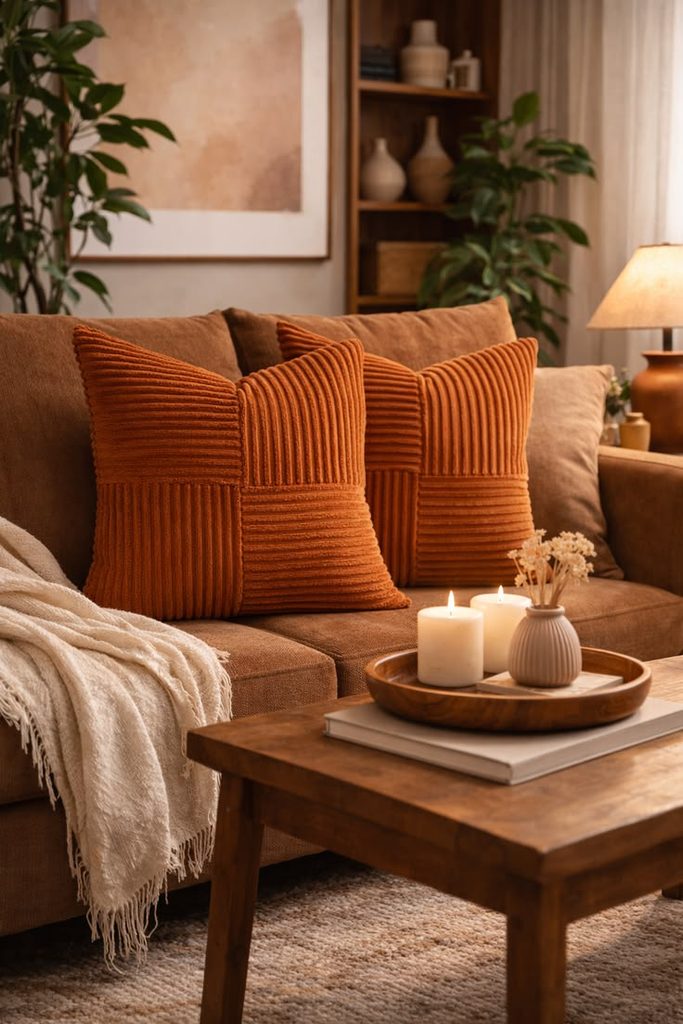
These warm autumn colors sit close to chocolate brown on the color wheel, so they blend instead of clash. Mixing a few different textures like velvet, linen, and knit pillows keeps things visually interesting.
Practical tip: Use an odd number of pillows, usually three or five, for a more natural, less staged look.
Bohemian and rustic living rooms lean hard into this color combo, but even modern spaces can use one or two of these shades as a pop against a more neutral backdrop.
Pillows are one thing, but a throw blanket does something different for the room’s overall feel.
6. Drape a Chunky Knit Throw Over One Arm
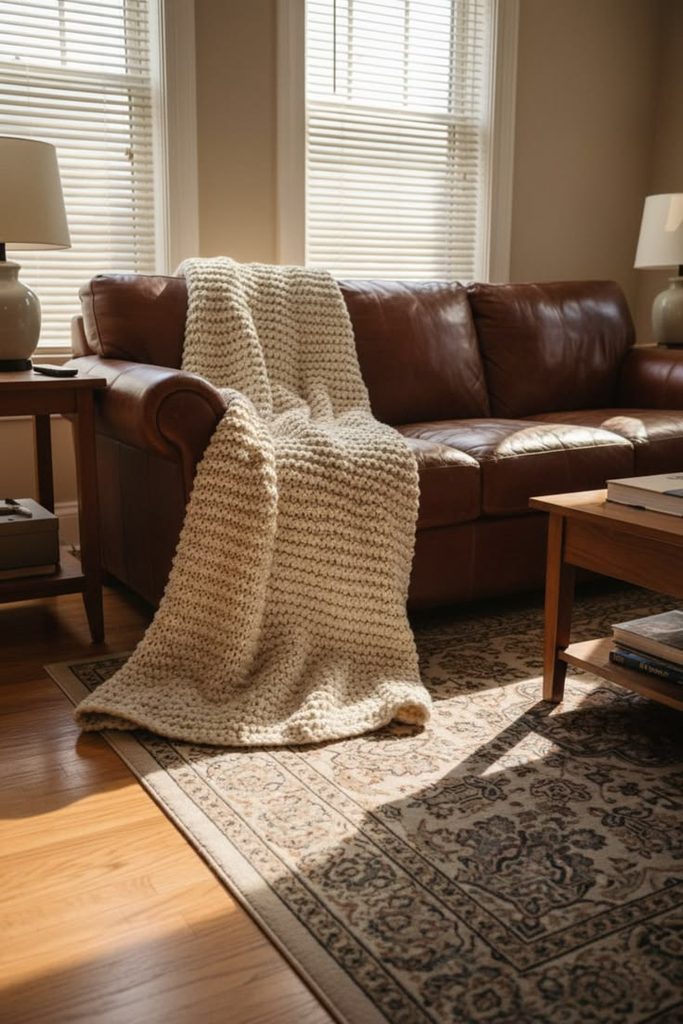
A chunky knit throw in oatmeal, gray, or cream adds a soft, tactile layer to a chocolate brown couch. It also breaks up the solid color block of the sofa so the eye has somewhere to rest.
Practical tip: Fold the throw in thirds and drape it over one arm rather than draping it flat across the back for a more relaxed look.
Scandinavian and farmhouse styles practically require this move, but coastal and modern homes can use a lighter-weight throw for the same effect.
Now let’s zoom out and talk about the wood tones you’re pairing with that couch.
7. Match Wood Furniture to Warm, Medium Tones

Chocolate brown couches look best next to medium-toned wood furniture, like oak or walnut, rather than very dark or very light wood. Too dark and everything blends into a brown blob. Too light and the contrast feels jarring.
Practical tip: Bring a fabric swatch of your couch to the furniture store so you can compare wood tones in person before buying.
This matters most in traditional and mid-century modern rooms, where wood furniture plays a bigger visual role than in minimalist spaces.
Wood Tone Comparison Guide
| Wood Tone | Example Species | Pairs Best With | Avoid If |
|---|---|---|---|
| Light | Ash, Birch | High contrast modern rooms | Room already has a lot of white |
| Medium | Oak, Walnut | Most chocolate brown couch rooms | N/A, works almost universally |
| Dark | Espresso, Mahogany | Rooms with lots of natural light | Room is small or dim already |
With your wood tones sorted, let’s think about how metal accents fit into the mix.
8. Introduce Black Metal Accents for Contrast

Black metal, whether it’s a coffee table frame, floor lamp, or picture frames, gives a chocolate brown couch room some visual edge. It keeps the space from feeling too soft or too monochrome.
Practical tip: Use black metal in at least two different spots in the room so it reads as intentional, not random.
Industrial and modern farmhouse styles use this trick constantly, but even a traditional room can handle one black metal piece for contrast.
Once you’ve got some contrast happening, greenery is the next easy win.
9. Add Live Plants for a Natural Contrast

Green and brown are basically best friends in nature, so it makes sense they work indoors too. A large leafy plant like a fiddle leaf fig or a snake plant brings life and color contrast next to a chocolate brown couch.
Practical tip: Choose a plant that reaches at least shoulder height when seated for the best visual balance next to your sofa.
Bohemian and coastal living rooms tend to go plant-heavy, but even a single plant in a modern space makes a difference.
Plants bring color, but window treatments bring softness, and that’s our next stop.
10. Choose Linen Curtains in a Soft Neutral

Linen curtains in white, cream, or light gray soften the heavier visual weight of a chocolate brown couch. The slightly wrinkled, relaxed texture of linen also keeps the room from feeling too formal.
Practical tip: Hang curtains close to the ceiling, not just above the window frame, to make ceilings look taller.
This works in nearly every style, though coastal and farmhouse homes especially favor the relaxed, airy feel of linen.
Curtains handle the windows, but what about the walls themselves beyond just paint color?
11. Hang Warm-Toned Art With Earthy Color Palettes

Art featuring rust, terracotta, olive, or mustard tones complements a chocolate brown couch instead of fighting it. Abstract landscape paintings or botanical prints both work well here.
Practical tip: Hang art so the center sits at eye level, roughly 57 to 60 inches from the floor, for the most natural viewing height.
Eclectic and bohemian rooms can go bold with color and pattern in their art choices, while traditional rooms might stick to something more subdued and classic.
Now let’s talk about a design element people forget about constantly: the coffee table.
12. Choose a Coffee Table With Texture, Not Just Color

A chocolate brown couch needs a coffee table that adds some textural interest, whether that’s a woven rattan base, a fluted wood design, or a stone top. Plain flat surfaces can make the room feel a little flat too.
Practical tip: Measure so there’s at least 14 to 18 inches of space between the coffee table and the couch for comfortable legroom.
Coastal and bohemian rooms love rattan and wicker tables, while modern rooms might prefer a textured stone or concrete top instead.
Once your coffee table’s sorted, it’s worth thinking about how a rug ties the whole seating area together, not just the floor near the couch.
13. Layer Two Rugs for Depth

Instead of one flat rug, try layering a smaller patterned rug over a larger neutral jute rug. This adds visual depth and makes the whole seating area around your chocolate brown couch feel more intentional.
Practical tip: Keep the top rug’s pattern simple if your couch fabric or pillows already have a lot going on.
This layered rug trick shows up constantly in bohemian and eclectic homes, but a subtle version works in more traditional spaces too.
Speaking of layers, let’s talk about how to use an accent chair to round out your seating.
14. Add an Accent Chair in a Contrasting Fabric
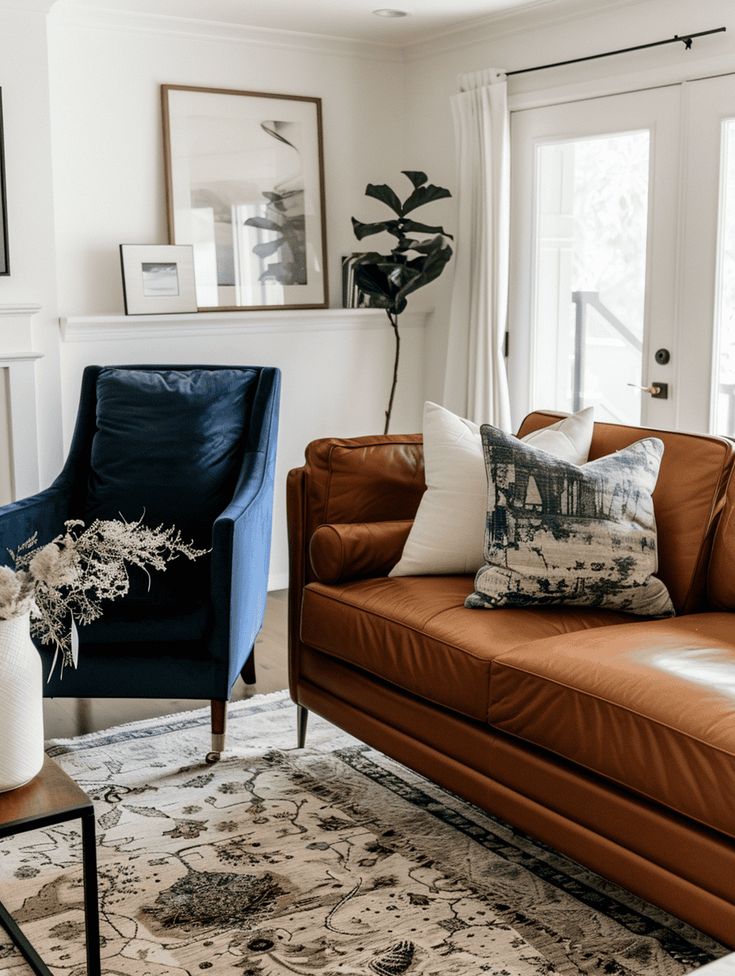
A single accent chair in a bold or contrasting fabric, like a deep teal velvet or a mustard bouclé, gives your chocolate brown couch room some personality. It also breaks up what could otherwise be a very brown, very monochrome space.
Practical tip: Choose a chair with visible wood or metal legs so it doesn’t feel too heavy next to your sofa.
Mid-century modern rooms practically live for this combo, though even a traditional wingback chair in a fun fabric can work the same magic.
Now, let’s think bigger picture about how wall color choices beyond neutral can change the whole mood.
15. Try a Deep Forest Green Accent Wall

If cream walls feel too safe, a deep forest green accent wall behind your chocolate brown couch creates a rich, moody backdrop. Green and brown are close on the color wheel, so this feels cohesive rather than jarring.
Practical tip: Paint just one wall, usually the one behind the couch, to avoid making the room feel too dark overall.
Cabin-style and traditional living rooms take especially well to this deeper, moodier color choice.
Once your walls have some personality, curtains and hardware finishes should echo that same energy.
16. Mix In Woven Baskets for Storage and Texture

Woven baskets aren’t just functional storage. They add warm, earthy texture that complements a chocolate brown couch really well. Use them for blankets, magazines, or even as a plant holder.
Practical tip: Group two or three baskets of different sizes near the couch rather than scattering single baskets around the room.
Farmhouse and coastal styles use baskets constantly, but even a minimalist room can use one sleek basket for subtle texture.
Let’s shift now to a detail that changes the whole feel of a room: your ceiling and lighting fixtures.
17. Choose a Statement Light Fixture in Warm Metal

A pendant light or chandelier in brass, bronze, or aged gold pulls the eye upward and complements the warmth of a chocolate brown couch below. This is especially effective in rooms with higher ceilings.
Practical tip: Hang pendant lights so the bottom sits about 30 to 36 inches above your coffee table if it’s positioned in that part of the room.
Glam and traditional living rooms love ornate fixtures, while modern homes might choose a simpler geometric pendant in the same warm metal tone.
Now let’s talk about something a lot of people overlook completely: the couch’s own leg style and how it changes the room’s whole vibe.
18. Pay Attention to Couch Leg Style and Height

Tapered wood legs give a chocolate brown couch a lighter, more mid-century feel, while block feet or skirted bases feel heavier and more traditional. The leg style changes how the whole room reads, even if the fabric color stays the same.
Practical tip: If your room feels heavy or cramped, choose a couch with exposed, tapered legs to create a sense of openness underneath.
This one detail alone can shift a room from feeling traditional to feeling modern, so think about it before you buy.
Finally, let’s cover one last idea that ties everything together: seasonal swaps.
19. Swap Small Accents Seasonally to Keep It Fresh

Your chocolate brown couch doesn’t have to look the same all year. Swap out pillow covers, throw blankets, and even artwork with the seasons to keep the room feeling current without a full redesign.
Practical tip: Store off-season textiles in a labeled bin so switching things up takes ten minutes, not a whole afternoon.
This idea works in literally any design style since it’s about rotation, not a fixed aesthetic.
Tips for Success
- Test paint colors on your actual wall next to the couch fabric before committing, since lighting changes everything.
- Keep at least one truly neutral surface in the room, like a plain rug or plain curtains, so the space doesn’t feel too busy.
- Balance warm brown with at least one cool tone, like slate blue or soft gray, to avoid an overly monochrome look.
- Don’t skip a rug just because your couch is dark. Light rugs actually help define the seating area better.
- Rotate throw pillow covers seasonally instead of buying entirely new pillows every year.
- Use a mix of matte and shiny textures so the room doesn’t feel flat.
- Step back and view the room from the doorway before finalizing furniture placement.
Common Mistakes and How to Avoid Them
Pairing chocolate brown with cool white light bulbs
: This makes the couch look muddy and flat. Switch to warm white bulbs around 2700K instead.
Choosing a rug that’s too small for the seating area
: A tiny rug makes the whole room feel disconnected. Size up so the rug extends under at least the front legs of your furniture.
Matching wood tones too closely to the couch color
: When everything is the exact same brown, the room loses depth. Mix in medium or lighter wood tones for contrast.
Forgetting to add any cool-toned accents
: An all-warm room can feel heavy after a while. Add one cool color, like navy or sage, to balance things out.
Overcrowding the couch with too many pillow patterns
: More than three patterns competing for attention creates visual chaos. Stick to two patterns plus one solid color.
Ignoring natural light direction when choosing wall color
: A north-facing room needs warmer wall colors to avoid feeling cold, while south-facing rooms can handle cooler tones.
Similar Variations
- Caramel Leather Living Room – A lighter, warmer brown leather sofa paired with tan and cream accents for a softer overall look.
- Espresso Brown Sectional Room – A darker, near-black brown sectional that pairs well with bold color accents for high contrast.
- Tan Linen Sofa Living Room – A lighter fabric option that gives a similar earthy feel but reads as more casual and beachy.
- Cognac Velvet Couch Room – A reddish-brown velvet sofa that leans more glam and adds richness through fabric texture.
- Mocha Sofa Scandinavian Room – A muted grayish-brown couch paired with minimalist, light-filled Scandinavian design elements.
- Camel Sofa Boho Room – A warm, yellow-toned brown couch styled with bohemian textiles, plants, and layered rugs.
Putting together a chocolate brown couch living room really comes down to balance. You want warmth from the couch, contrast from your accents, and texture from rugs, pillows, and wood pieces so nothing feels flat or one-note. Once you find that balance, the room practically styles itself. I hope these ideas gave you a clear, useful starting point for building your own 19 chocolate brown couch living room that actually feels like home.
Leave a Reply