If you’ve been searching for 23 coffee table decor ideas that actually work in real homes (not just magazine shoots), you’re in the right spot. I’ve spent way too many hours rearranging trays, books, and candles on my own coffee table, so I know what actually sticks and what just looks cluttered after a week.
A coffee table is the small horizontal surface, usually placed in front of a sofa, used to display decorative objects and hold everyday items like drinks or remotes. Good coffee table decor balances function with visual interest through layering, varied heights, and a cohesive color story.
Stick around, because I’m about to walk you through way more ideas than you’ll find in most articles, plus real tips on sizing, color, and mistakes to skip.
What Makes Coffee Table Styling So Tricky (And Fun)
Here’s the thing about coffee tables. They sit right in the middle of your living room, so everyone sees them. That means whatever you put there becomes a mini centerpiece for the whole room. But it’s also a working surface. People rest their feet on it, set down coffee mugs, and pile up remote controls.
So the trick is finding that sweet spot between “looks nice” and “still usable.” I think of it like building a tiny stage. You want a few strong pieces, some breathing room, and nothing that’ll topple over when someone bumps the table. Once you get the rhythm down, it’s honestly kind of addictive to restyle.
1. Stack Books by Color, Not Size
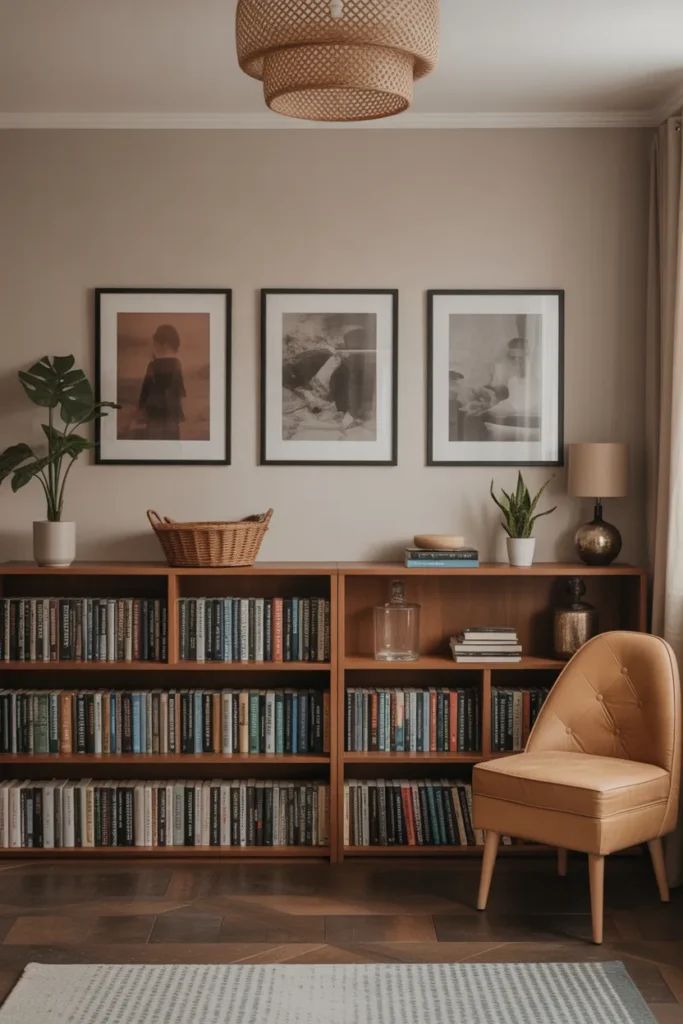
Grabbing three or four hardcover books and stacking them is the easiest coffee table trick out there. But most people stack by height. Try stacking by color instead. Group warm tones together, or go monochrome with all white or black spines.
This creates a little pop of color that ties into your room’s palette. Top the stack with a small object like a stone coaster or a mini plant.
Tip: Remove the paper dust jackets for a cleaner, more solid-color look.
This works in almost any style. Modern homes look great with bold, graphic covers. Traditional spaces feel right with leather-bound classics.
Once your books are stacked, you’ll want something to balance them out on the other side of the table.
2. Add a Textured Tray to Corral Small Items

A tray does double duty. It keeps loose items like coasters or matchboxes from sliding around, and it visually “contains” a cluster of decor so the table doesn’t look messy.
Go for a material that adds texture, like woven rattan, hammered brass, or marble. Fill it with two or three small objects, not ten.
Practical tip: Measure your table first. A tray should take up no more than a third of the surface.
Coastal homes love rattan trays. Industrial lofts do better with blackened metal. Either way, this step makes your next layer of decor look intentional instead of scattered.
3. Bring In a Live Plant for Instant Freshness

Nothing wakes up a coffee table like something green and alive. A small potted plant, like a succulent or pothos cutting in a simple pot, adds color and life without much upkeep.
Choose a pot that matches your metal finishes elsewhere in the room. Brass pots pair with brass lamp bases. Ceramic works with almost anything.
Tip: If you travel a lot or forget to water things, go with a faux plant that has realistic texture. Nobody will know unless they touch it.
Boho and Scandinavian rooms practically require a plant on the table. Traditional rooms can use a small orchid instead for a more polished look.
Next, let’s talk about height, because plants are usually your tallest element and everything else should build around them.
4. Vary Your Heights Like You’re Building a Skyline

This is the single biggest styling secret for any flat surface. If everything on your table sits at the same height, it looks flat and boring. Mix tall, medium, and short objects.
A tall vase, a medium stack of books, and a low dish creates visual rhythm. Your eye moves around instead of getting stuck in one spot.
Actionable tip: Use the “rule of three” heights. Pick one item at least 10 inches tall, one around 5-6 inches, and one under 3 inches.
This principle works no matter your style, from farmhouse to mid-century modern. It’s really just about physics and how our eyes scan a room.
Once your heights are sorted, you can start thinking about what story your objects are telling together.
Height and Object Pairing Guide
| Height Tier | Example Objects | Typical Size Range |
|---|---|---|
| Tall | Vase, small sculpture, tall candle | 10-16 inches |
| Medium | Book stack, small plant, decorative box | 5-9 inches |
| Short | Coasters, trinket dish, matchbox | 1-4 inches |
5. Use a Sculptural Bowl for Catch-All Storage
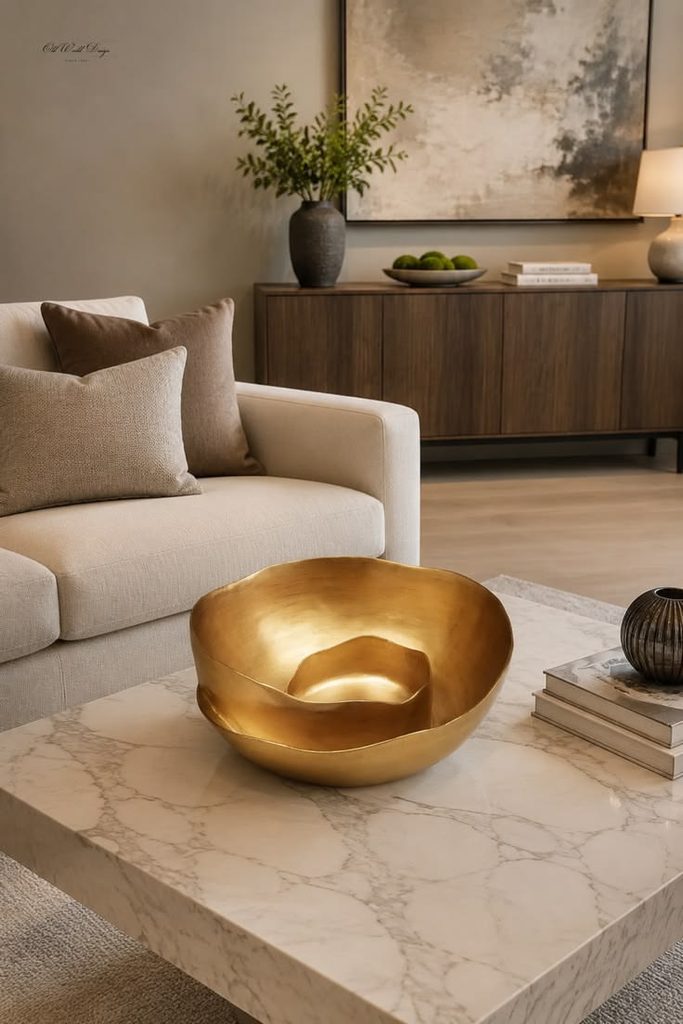
A ceramic or wood bowl gives you a spot to toss keys, remotes, or that random hair tie without it looking like clutter. The trick is choosing a bowl with an interesting shape or texture, not just a plain dish.
Look for organic curves, unusual glazes, or carved wood grain. This object should feel like art even when it’s empty.
Tip: Keep the bowl mostly empty. One or two items inside looks curated. A pile looks messy.
Mid-century modern homes love a walnut bowl with clean lines. Traditional spaces do well with a footed ceramic bowl in a muted glaze.
Now that you’ve got storage covered, let’s add something that smells as good as it looks.
6. Light Up the Table With a Simple Candle Duo

Two candles, different heights, same scent family. That’s it. Candles add warmth and a soft glow for evening hangouts, and they smell nice too.
Choose a neutral scent like sandalwood or vanilla so it doesn’t clash with other scents in your home. Stick to matching holders or a shared tray so the pair feels connected.
Practical tip: Trim wicks after every burn so the flame stays small and controlled looking.
Coastal homes might go with driftwood-colored candles. Industrial spaces look sharp with black metal holders. Either way, candles bring softness that hard objects can’t.
Speaking of texture, let’s talk about what’s underneath all these objects.
7. Layer a Coffee Table Book as a Base Platform
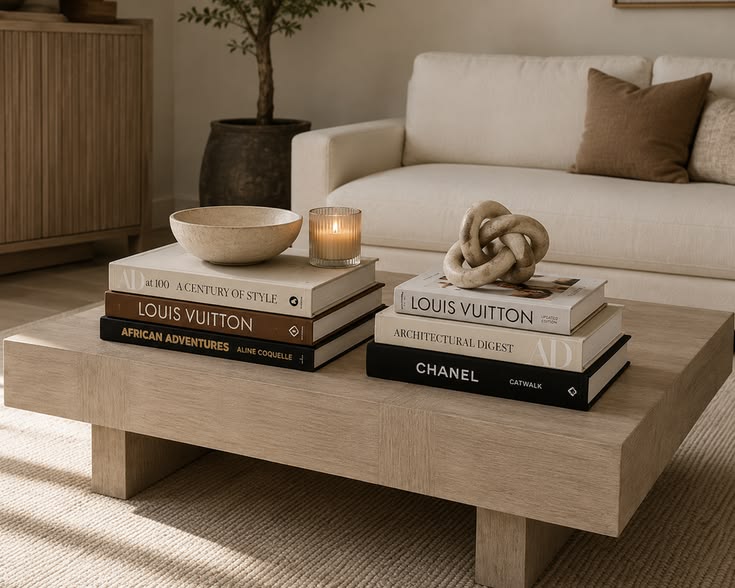
Instead of just stacking books randomly, use one oversized coffee table book as a flat platform for other objects. Think of it like a mini pedestal.
Set a small plant or candle right on top of the book’s cover. This creates that varied height we talked about earlier, and it uses the book as functional decor instead of just a stack.
Tip: Choose a book with a spine color that complements your rug or throw pillows.
This trick works beautifully in almost every style because it’s really just about proportion, not aesthetic.
Now let’s zoom out and think about your table’s overall shape, because that changes everything.
8. Match Your Decor Density to Your Table Shape

Round tables want decor grouped toward the center. Rectangular tables can handle a linear arrangement, like a runner-style layout down the middle. Square tables often look best with a symmetrical, four-corner approach or one bold centerpiece.
Getting this wrong is why some styled tables feel off, even when the objects themselves are nice.
Tip: Take a photo of your empty table from above. It’s way easier to plan layout on a photo than in person.
Modern rooms tend to favor round or oval tables with minimal, centered decor. Traditional rooms often have rectangular tables that can support more layered groupings.
Once you’ve nailed the shape logic, color becomes your next big decision.
Coffee Table Shape and Styling Approach
| Table Shape | Best Layout Style | Ideal Number of Objects |
|---|---|---|
| Round | Centered cluster | 3-4 |
| Rectangular | Linear runner | 4-6 |
| Square | Symmetrical corners | 4 |
| Oval | Loose asymmetrical grouping | 3-5 |
9. Pick a Two-Color Palette and Stick to It
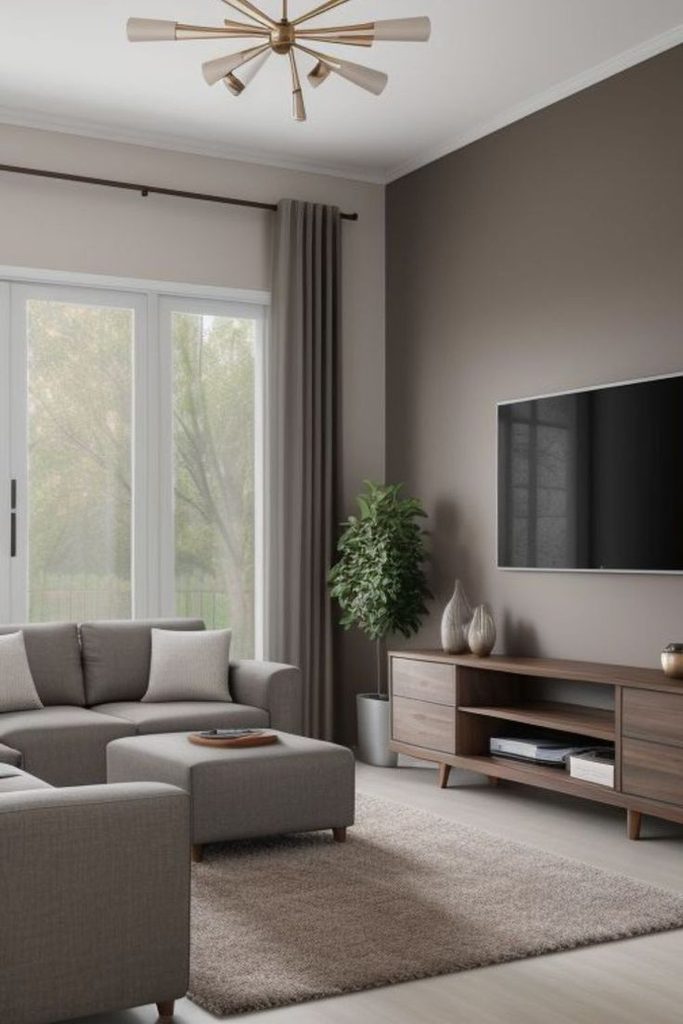
Random colors scattered across a table feel chaotic. Instead, choose two main colors, maybe sage green and cream, or terracotta and charcoal, and let every object pull from that palette.
This doesn’t mean everything matches exactly. It means everything feels related, like they belong to the same family.
Tip: Pull your two colors from something already in the room, like a pillow or piece of art.
Coastal homes often use blue and white. Boho spaces lean into terracotta and rust. Whatever you choose, consistency is what makes a table look designed instead of thrown together.
Once your palette is locked in, texture is what keeps things from feeling flat.
Popular Coffee Table Color Palettes
| Palette Name | Primary Colors | Best Style Match |
|---|---|---|
| Coastal Calm | Navy, white, sandy beige | Coastal, beach |
| Earthy Warmth | Terracotta, rust, cream | Boho, Southwestern |
| Modern Neutral | Black, white, gray | Minimalist, modern |
| Botanical Fresh | Sage, forest green, natural wood | Scandinavian, Japandi |
10. Mix at Least Three Textures on Every Table
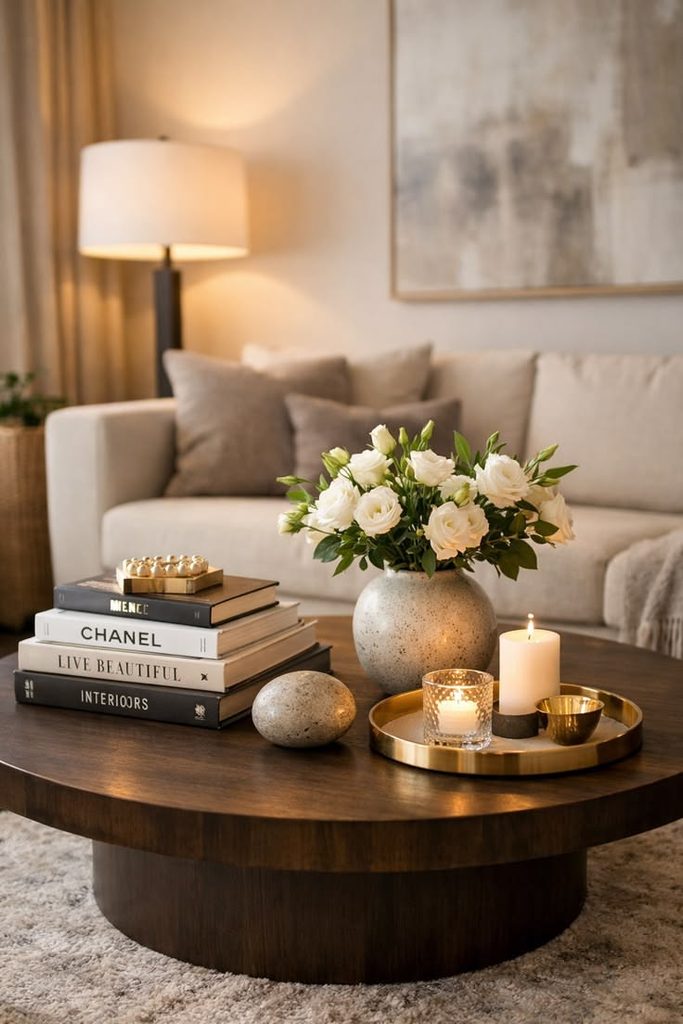
A table with only smooth, shiny objects feels cold. A table with only rough, matte objects feels heavy. Mix it up. Try glass, wood, and woven fiber together.
For example, pair a glass vase with a wooden bowl and a small woven basket for coasters. The contrast is what makes each material stand out.
Tip: If you’re not sure where to start, add one metal object, one natural fiber object, and one ceramic object. That combo almost always works.
Farmhouse style leans on wood and cotton. Glam style leans on glass and metal. Either way, texture variety is non-negotiable for a table that doesn’t feel flat.
Now let’s talk about something people forget entirely: scale relative to your sofa.
11. Size Your Decor to Match Your Sofa’s Scale

A tiny table with tiny decor in front of a giant sectional looks lost. A huge, chunky arrangement on a small table looks cramped. Your decor scale should relate to your seating.
Big sectional, go slightly bigger with your centerpiece vase or bowl. Petite loveseat, keep objects smaller and more delicate.
Tip: As a rule, your tallest decor item shouldn’t be taller than the arm height of your sofa.
This rule holds true whether you’re doing modern minimalist or maximalist traditional. It’s proportion, not style, that matters here.
Once scale feels right, let’s bring in something with a little personal history.
12. Display One Meaningful Object as a Conversation Piece

Every table benefits from one item that has a story, maybe a small sculpture from a trip, a vintage box from your grandmother, or a piece of pottery you made yourself.
This object doesn’t need to be expensive. It just needs to mean something. It’s usually what guests ask about first.
Tip: Give this piece its own small space on the table. Don’t crowd it with other objects.
Eclectic and boho homes thrive on this kind of personal touch. Even strict modern homes can include one meaningful item without breaking the clean aesthetic.
Speaking of personal touches, let’s add something soft to the mix.
13. Fold a Small Throw or Textile Runner Under Your Objects

Laying a small textile, like a woven table runner or a folded scarf, under your decor grouping adds a layer of softness and color. It also helps visually anchor the objects so they don’t look randomly placed.
Choose a fabric with texture, like linen or a light wool blend. Keep the pattern subtle so it doesn’t compete with your other decor.
Tip: Fold the runner so it only covers about half the table length, leaving room for practical use.
Boho and Scandinavian homes use this trick constantly. Traditional homes can use a lace or embroidered runner for a more formal feel.
Let’s move from soft textures to something with a bit more shine.
14. Add a Small Mirrored or Metallic Object for Light Bounce

A small mirrored tray, brass dish, or glass sculpture reflects light around the room. This is especially useful in darker living rooms or ones without much natural light.
Position this piece where it’ll catch light from a window or lamp. Even one reflective object makes the whole table feel brighter.
Tip: Avoid placing mirrored objects directly under a bright overhead light, since the glare can be distracting.
Glam and art deco spaces use this constantly. Modern farmhouse can use a single brass candle holder for the same effect without feeling too flashy.
Now, let’s think seasonally, because coffee tables shouldn’t stay static all year.
15. Rotate a Seasonal Element Every Few Months

Swapping in small seasonal touches keeps your table feeling fresh without a full redesign. Think a small bowl of pinecones in winter, a bud vase with a single tulip in spring, or dried citrus slices in fall.
This is the cheapest, easiest refresh you can do. It costs almost nothing and takes five minutes.
Tip: Keep a small basket of seasonal items in a closet so you can swap them quickly.
Every style benefits from this, since it’s more about timing than aesthetic. Even a strict minimalist table can handle one small seasonal accent.
Let’s wrap up the main ideas with a few more that focus on function alongside form.
16. Use a Stack of Coasters as a Design Element, Not an Afterthought
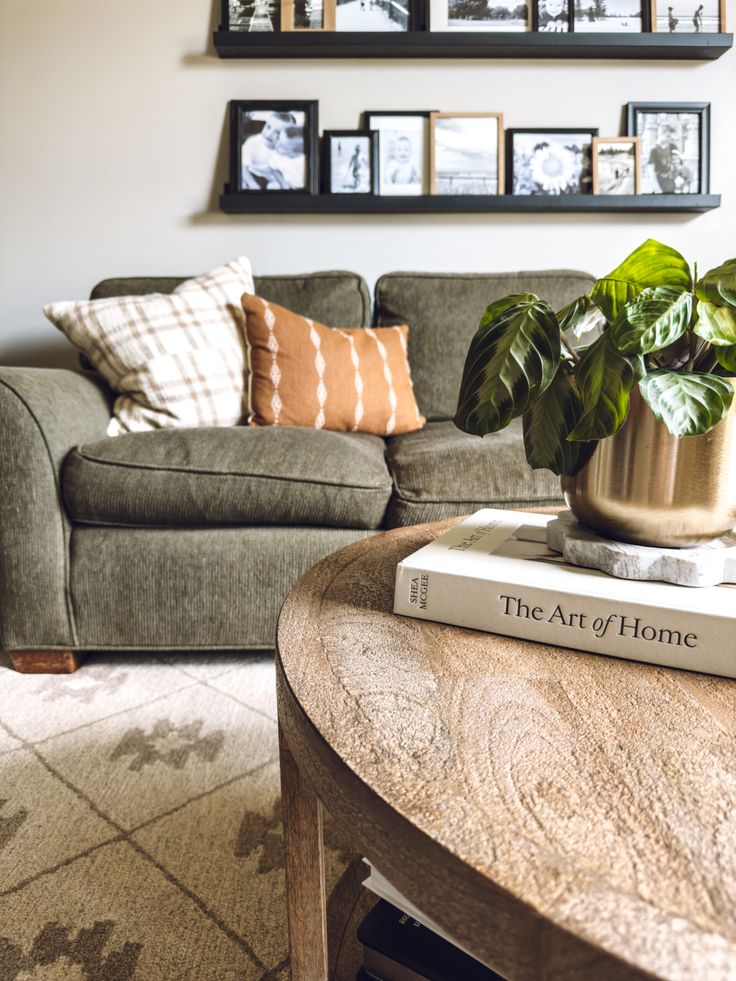
Instead of hiding your coasters in a drawer, stack four or five attractive ones right on the table. Choose a material like cork, marble, or leather that matches your other decor.
This keeps them handy for guests and adds another small textural layer.
Tip: Look for coasters with a lip or holder so they don’t slide apart when the table gets bumped.
Modern homes like clean marble coasters. Rustic homes look better with wood-slice coasters.
17. Keep One Zone Completely Empty for Actual Use
This might be the most overlooked tip. Leave one corner or side of your table totally clear. This is where people set down drinks or rest their feet.
Styled tables that use every inch look nice for photos but get frustrating fast in real life.
Tip: Aim to keep at least a quarter of your table surface decor-free.
This matters most in homes with kids or frequent guests, regardless of style.
18. Add a Small Stack of Coffee Table Games
A small stack of card games or a compact puzzle box adds a playful, lived-in feel and doubles as entertainment for guests.
Choose games with nice box design since they’ll be visible.
Tip: Rotate games seasonally along with your other decor for variety.
19. Use Dried or Preserved Botanicals Instead of Fresh Flowers
Dried pampas grass, preserved eucalyptus, or dried lavender in a small vase gives you color and texture without the upkeep of fresh flowers.
Tip: Fluff dried stems gently every few weeks to keep them looking full instead of flat.
Boho and farmhouse styles use this constantly, but even modern spaces can use one clean stem in a simple vase.
20. Incorporate a Small Framed Print Leaning Against Something
A tiny framed print, leaned rather than hung, adds an art gallery feel right on your table. Lean it against a taller object like a stack of books.
Tip: Choose a print with colors that echo your two-color palette from earlier.
21. Add a Decorative Box for Hidden Storage
A small lidded box, wood, lacquer, or woven, gives you a spot to hide remote controls or chargers while still looking decorative.
Tip: Pick a box slightly larger than what you need to store, so the lid closes easily.
22. Group Odd Numbers of Objects Together
Groups of three or five just look more natural to the eye than groups of two or four. This is a basic design principle that applies to coffee tables perfectly.
Tip: When in doubt, count your objects. Adjust to land on an odd number.
23. Swap Your Centerpiece Seasonally With a Statement Vase
Keep one striking vase as your anchor piece, and change what’s inside it throughout the year, branches in fall, faux blooms in spring, dried grasses in winter.
Tip: Choose a vase shape that works empty too, since there will be moments between swaps.
This wraps up our full list, but let’s cover a few more things that’ll help everything come together.
Tips for Success
- Start with your largest object first, then build smaller pieces around it instead of adding big things last.
- Step back and view your table from where you actually sit, not just from standing above it.
- Keep a “decor drawer” nearby with backup items so refreshing your table takes minutes, not hours.
- Don’t buy everything at once. Collect pieces over time so your table feels curated instead of matched from one store trip.
- Dust and wipe down your table weekly, since busy surfaces show dust fast.
- Test arrangements with your phone camera. Photos reveal imbalance that’s hard to see in person.
Common Mistakes and How to Avoid Them
Overcrowding the surface
: Fix this by removing items until only three or four groupings remain, leaving clear space for actual use.
Matching everything too perfectly
: Fix this by choosing a shared color palette instead of identical pieces, so the table feels curated rather than store-bought as a set.
Ignoring table shape when arranging decor
: Fix this by grouping items toward the center for round tables and using a linear layout for rectangular ones.
Skipping height variation
: Fix this by always including one tall, one medium, and one short object in every grouping.
Choosing decor that’s too fragile for daily life
: Fix this by keeping delicate items toward the back or corners, away from where hands and feet naturally land.
Forgetting to refresh seasonally
: Fix this by setting a calendar reminder every few months to swap one or two small elements.
Similar Variations
- Coastal Coffee Table Styling: Leans on blues, whites, and natural fibers like rattan and jute.
- Minimalist Coffee Table Styling: Uses only two or three objects total, focused on clean lines and negative space.
- Boho Coffee Table Styling: Mixes warm earth tones, dried botanicals, and layered textures like macrame or woven trays.
- Industrial Coffee Table Styling: Relies on blackened metal, concrete textures, and fewer soft or fabric elements.
- Japandi Coffee Table Styling: Combines Japanese simplicity with Scandinavian warmth, using natural wood and muted tones.
- Glam Coffee Table Styling: Focuses on mirrored surfaces, metallics, and a single luxurious statement piece like a marble tray.
Styling a coffee table really comes down to balance. Mix heights, keep a tidy color story, leave room for real life, and swap things out when the seasons change. That’s the whole formula, and once you get the hang of it, it becomes second nature every time you walk past your living room. I hope this list of 23 Coffee Table Decor Ideas gave you enough inspiration and practical direction to finally make that table feel like it belongs in your home.
Leave a Reply