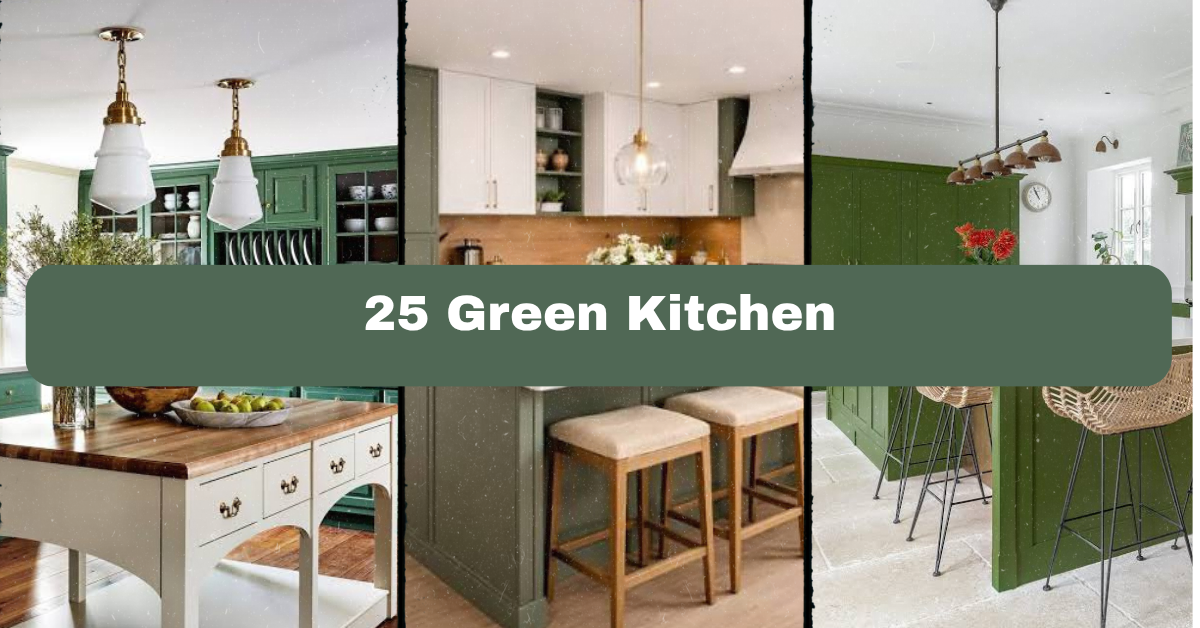
25 Green Kitchen ideas can help you create a room that feels fresh, warm, and full of personality without looking overwhelming. I’ll walk you through color choices, cabinets, lighting, materials, and small details so you can build a green kitchen that works in real life.
What does “25 Green Kitchen” mean? It refers to 25 decorating ideas for using green in a kitchen through cabinetry, walls, tile, furniture, lighting, plants, and accents. Green kitchens can suit modern, traditional, farmhouse, coastal, and eclectic homes.
You do not need a full remodel to get the look. Keep reading for practical ways to choose the right green and make it feel balanced.
A Quick Primer on Green Kitchen Style
Green is one of my favorite kitchen colors because it can feel calm, earthy, playful, or rich depending on the shade. Soft sage creates a quiet backdrop. Olive feels natural and relaxed. Forest green adds drama. Mint brings a light, cheerful touch, while deep emerald gives the room a polished look.
The trick is balance. Green works best when you pair it with materials that keep the room from feeling too dark or too flat. Think warm wood, white marble, brass hardware, woven textures, natural stone, or creamy paint. You can use green on every cabinet, or add it in small doses through tile, seating, artwork, and plants. Start with how much color you want to see every day.
1. Paint the Lower Cabinets Sage Green
Sage green lower cabinets are an easy way to bring color into the kitchen without making the whole room feel busy. The soft gray undertone keeps sage calm, especially when paired with white upper cabinets or open shelves. I like this approach in smaller kitchens because the lighter upper half helps the room stay open.
Add brushed brass pulls for warmth, or choose matte black hardware for a sharper contrast. A white quartz countertop and pale oak flooring complete the look nicely. Before painting, test several samples in morning and evening light. Green can change dramatically throughout the day.
This idea suits farmhouse, Scandinavian, transitional, and modern homes. Once the base color is chosen, the countertop becomes the next important layer.
2. Pair Forest Green Cabinets With Light Countertops
Forest green cabinetry creates a rich, grounded kitchen. It works especially well on full-height cabinets or a kitchen island. Since deep green absorbs light, I recommend pairing it with a pale countertop in quartz, marble, or light-toned granite. The contrast keeps the room from feeling heavy.
Choose a countertop with gentle veining instead of a very dramatic pattern. Too many strong details can compete with the cabinet color. Warm white walls and natural wood stools also soften the combination.
Use satin or semi-gloss cabinet paint so the surface is easier to clean. This design works in traditional, English country, modern, and moody contemporary kitchens. After choosing a dark green, look at the ceiling and wall colors to keep the room balanced.
3. Create a Green Kitchen Island Focal Point
If green cabinets feel like too much, make the island the star. A painted green island adds color while allowing the surrounding cabinets to remain white, cream, or light wood. This is one of my favorite solutions for open-plan homes because the island can visually connect the kitchen to the dining and living areas.
Try olive green for a relaxed feeling, or choose deep teal-green for more drama. Add a butcher-block top for warmth or a white stone surface for contrast. Make sure the island color works with nearby furniture and flooring.
For an immediate update, replace plain stools with woven, wood, or leather seats. A green island fits modern farmhouse, coastal, rustic, and classic styles. With the main focal point set, you can decide how to use green on the walls.
4. Use Green Zellige Tile for Handmade Texture
Green zellige tile brings color and texture to a backsplash. Its uneven surface and slight shade differences make the kitchen feel handmade rather than mass-produced. Soft sage, sea green, and moss shades work beautifully with cream cabinets and natural wood.
Keep the grout close to the tile color if you want a calm, seamless look. Use contrasting grout only when you want the individual tile shapes to stand out. Order samples before buying because handmade tile can look different under store lighting.
Wipe the backsplash regularly, especially behind the range, since textured surfaces can collect grease. This treatment works with Mediterranean, organic modern, farmhouse, and eclectic spaces. Next, consider a simpler wall treatment if you want green without tile maintenance.
Green Kitchen Palette Guide
| Green shade | Best pairing | Overall mood | Good hardware choice |
|---|---|---|---|
| Soft sage | Warm white, pale oak | Calm and airy | Brushed brass |
| Olive | Cream, walnut, terracotta | Earthy and relaxed | Aged brass or bronze |
| Forest | Marble, light oak, beige | Rich and dramatic | Polished nickel |
| Mint | White, pale gray, blonde wood | Fresh and cheerful | Chrome or matte black |
| Emerald | Black, white, walnut | Bold and refined | Brass or black |
| Blue-green | Sand, ivory, natural stone | Coastal and collected | Aged brass |
The right shade gives you a starting point, but the finish and surrounding colors shape the final mood.
5. Add a Green Accent Wall
A green accent wall can change the feel of a kitchen without touching the cabinets. Paint the wall behind a breakfast table, pantry door, or open shelving. I prefer a muted green in matte or eggshell paint because it looks soft and does not create too much glare.
If your kitchen already has patterned tile or busy countertops, choose a quiet shade such as eucalyptus or gray-green. If the room is mostly white, a deeper olive wall can add welcome depth. Use painter’s tape around trim and allow enough drying time between coats.
This idea works well in rental-friendly spaces when paired with removable wallpaper or temporary decals. It suits cottage, traditional, modern, and boho kitchens. From the wall, move your color story upward with green ceiling details.
6. Try a Green Ceiling for a Surprise Detail
A painted ceiling is a small change with a big visual effect. A pale green ceiling can make a white kitchen feel softer and more finished. In a room with tall ceilings, a medium olive shade can make the space feel more connected and cozy.
Keep the walls light if the ceiling is dark. This prevents the kitchen from feeling closed in. Use a flat ceiling paint to hide small imperfections and avoid distracting reflections from pendant lights.
This is a smart choice when you want personality but do not want colorful cabinets. It works in vintage, cottage, eclectic, and contemporary homes. Once the upper plane has color, lighting becomes even more important.
7. Install Green Pendant Lights
Green pendant lights add color in a focused, useful way. Glass pendants in olive, smoky green, or emerald can hang above an island or dining nook. Enamel shades create a more casual, vintage look, while ceramic pendants feel handmade and artistic.
Measure the island before choosing the fixtures. For a long island, two or three smaller pendants often look better than one oversized light. Hang them so the bottom sits about 30 to 36 inches above the countertop, adjusting for your sightline.
Use warm bulbs around 2700K to keep green from looking cold. This detail adapts easily to industrial, modern, farmhouse, and retro styles. With the lighting set, you can add green at eye level through seating.
8. Choose Green Counter Stools
Green counter stools are useful decor because they add color and function at the same time. Upholstered stools in moss, olive, or deep teal can make a neutral island feel more inviting. For easy cleaning, consider performance fabric, faux leather, or painted wood.
Choose a stool height based on your counter. A standard 36-inch counter usually needs a 24- to 26-inch seat. A 42-inch bar-height surface usually needs a 28- to 30-inch seat. Leave enough room between stools so people can sit comfortably.
Mixing green stools with wood or rattan frames adds texture. This idea fits modern, coastal, farmhouse, and mid-century kitchens. After adding seating, bring the color down to the floor with a well-chosen runner.
Kitchen Seating Size Guide
| Surface height | Recommended seat height | Typical use |
|---|---|---|
| 34 to 36 inches | 24 to 26 inches | Standard kitchen island |
| 40 to 42 inches | 28 to 30 inches | Bar-height counter |
| 28 to 30 inches | 17 to 19 inches | Dining table |
| 44 to 48 inches | 32 to 36 inches | Extra-tall pub table |
| 36 inches | 24 to 26 inches | Accessible work or dining counter |
Measure from the floor to the underside of the counter when possible, since thick countertops can reduce legroom.
9. Layer a Green Runner for Softness
A green kitchen runner adds comfort underfoot and helps define a long galley kitchen. Look for a pattern that combines green with cream, tan, rust, or navy. A small pattern hides crumbs better than a solid pale rug.
Choose a low-pile, washable, or indoor-outdoor runner for easy care. Add a nonslip pad beneath it so the rug stays flat near work zones. Leave a few inches of visible floor on each side instead of pushing the runner tightly against the cabinets.
This works in traditional, bohemian, farmhouse, and coastal kitchens. A rug can also inspire your accent colors, so use its pattern as a guide for the next decorative choices.
10. Bring in Green Through Open Shelves
Open shelves give you a place to display green plates, bowls, glassware, and cookbooks. This approach works well when you want color that can change over time. Use two or three shades of green rather than buying every item in the same color.
Mix dishes with wood boards, cream ceramics, and small woven baskets. Keep frequently used items on the lower shelf and decorative pieces higher up. Avoid filling every inch, since empty space helps the display look intentional.
Use sturdy brackets and anchor shelves into wall studs whenever possible. This idea works in rustic, Scandinavian, modern, and cottage kitchens. Once the shelves are styled, a few green accessories can finish the room without making it feel themed.
11. Style the Counter With Green Accessories
Small objects can make a neutral kitchen feel more personal. Try a green ceramic vase, olive oil bottle, utensil crock, tea towel, or cutting board. These pieces are easy to move and replace, which makes them useful if you are still testing the color.
Group accessories in odd numbers, such as three items on a tray. Vary the height and texture so the display does not look flat. Keep the area beside the stove clear enough for safe cooking and cleaning.
Choose one dominant green and one supporting shade. For example, pair sage textiles with a darker olive vase. This works across nearly every kitchen style. Next, use living plants to add a different kind of green.
12. Add Herbs and Leafy Kitchen Plants
Plants bring green into the kitchen in a natural, changing way. Place basil, thyme, rosemary, or mint near a bright window, but make sure the spot is not too hot or drafty. For lower-light areas, try pothos, snake plants, or cast-iron plants.
Use pots that connect with your kitchen finishes. Terracotta adds warmth, white ceramic keeps the look clean, and woven baskets suit relaxed spaces. Place saucers beneath pots to protect countertops and shelves from water.
Do not crowd plants near the cooktop, where heat and grease can damage leaves. This idea suits biophilic, farmhouse, boho, and coastal rooms. Once greenery is growing, repeat its natural tones in artwork and wall decor.
Easy Kitchen Plant Guide
| Plant | Light need | Watering pattern | Good placement |
|---|---|---|---|
| Basil | 6 to 8 hours of bright light | Keep soil slightly moist | Sunny windowsill |
| Rosemary | Bright light | Let soil dry slightly | Window or herb shelf |
| Mint | Bright, indirect light | Keep soil evenly moist | Counter pot |
| Pothos | Low to bright indirect light | Water when top inch dries | Open shelf |
| Snake plant | Low to bright indirect light | Let soil dry well | Floor corner |
| Spider plant | Bright, indirect light | Water when top inch dries | Hanging planter |
Use plants as living accents, not as a replacement for good kitchen lighting or ventilation.
13. Install Green Glass Cabinet Doors
Green glass cabinet doors give you color, reflection, and storage in one detail. Fluted or reeded glass adds privacy while still allowing light to pass through. Clear green-tinted glass makes dishes visible and creates a more decorative effect.
Use this treatment on one cabinet bank rather than every door. It works especially well above a coffee station or on either side of a range hood. Keep the shelves neat because the contents will still be partly visible.
Pair green glass with light wood, brass, or cream paint for a warm look. This idea can feel Art Deco, modern, vintage, or transitional depending on the frame style. From glass, move to another reflective surface: the backsplash.
14. Choose Green Subway Tile in a Classic Layout
Green subway tile is a reliable choice when you want color with a familiar shape. A glossy tile reflects light and feels lively. A matte tile looks quieter and more modern. Consider vertical stacking if you want to make the backsplash feel taller.
Soft green tile works with white cabinets and pale countertops. Dark green tile looks handsome with walnut, black, or cream cabinetry. Use a simple grout color if your tile has strong variation.
Extend the tile to the underside of the cabinets for a finished look, especially behind open shelves. This idea adapts to traditional, farmhouse, contemporary, and retro homes. With the backsplash planned, you can add architectural interest through the range hood.
15. Paint the Range Hood Green
A green range hood can act like a piece of furniture. Paint a plaster, wood, or metal hood in the same shade as the island, or choose a slightly darker tone for contrast. This creates a clear focal point without requiring green on every cabinet.
Make sure the paint is rated for the hood’s material and can handle kitchen heat. Clean and prime the surface carefully before applying color. If the hood is beside open shelving, repeat the shade in one or two nearby accessories.
A green hood works in English country, Mediterranean, modern farmhouse, and eclectic kitchens. Since the hood draws attention, the next step is keeping the surrounding surfaces calm.
16. Mix Green With Warm Wood
Green and wood are a natural pair. Green cabinets with oak shelves, walnut stools, or a butcher-block island feel warm and grounded. This combination is especially helpful if your kitchen has cool white tile or stainless steel appliances.
Match the wood undertone to the green. Warm olive looks good with honey oak and walnut. Blue-green shades often work well with pale ash or light oak. Avoid adding too many different wood tones, since the kitchen may start to look scattered.
Use wood on one or two strong features rather than everywhere. This approach fits Scandinavian, rustic, organic modern, and traditional homes. Once the wood is in place, select metal finishes that support both colors.
Material Pairing Guide
| Green kitchen feature | Wood pairing | Countertop suggestion | Metal finish |
|---|---|---|---|
| Sage cabinets | White oak | Warm white quartz | Brushed brass |
| Olive island | Walnut | Cream stone | Aged bronze |
| Forest cabinets | Pale oak | White marble-look quartz | Polished nickel |
| Mint tile | Blonde wood | Light gray quartz | Chrome |
| Emerald accents | Dark walnut | Black or white stone | Brass |
| Blue-green cabinets | Natural ash | Sand-colored quartz | Satin nickel |
Think of this table as a starting point. Always compare actual samples in your kitchen’s light.
17. Use Brass Hardware With Deep Green Cabinets
Brass hardware gives deep green cabinets a warm, polished finish. Cup pulls suit drawers, while knobs or long bar pulls work well on doors. Choose unlacquered brass if you like a naturally changing patina, or sealed brass for a more consistent appearance.
Keep the hardware scale related to the cabinet size. Small knobs can disappear on wide drawers, while very long pulls may dominate a narrow door. Place sample pulls on painter’s tape before drilling.
If brass feels too bright, try antique brass or bronze. This look works in classic, moody, Art Deco, and modern kitchens. After hardware, the faucet becomes another chance to connect the room’s metal details.
18. Add a Green Farmhouse Sink Skirt
A fabric sink skirt can introduce green in a charming, practical way. Choose a washable cotton or linen panel in sage, gingham, botanical print, or muted olive. It can hide cleaning supplies beneath the sink while softening a hard cabinet wall.
Use a tension rod or a fitted track so the skirt can be removed easily. Pick a fabric that reaches close to the floor but does not drag. Wash it regularly because the sink area collects moisture and spills.
This idea fits cottage, farmhouse, English country, and vintage kitchens. If fabric feels too casual, you can get a similar effect with green cabinet doors or a painted vanity-style sink base.
19. Frame the Windows With Green Roman Shades
Green Roman shades add color at eye level and provide useful light control. A solid olive shade feels calm, while a botanical print can create a garden-inspired kitchen. Woven shades with a green fabric trim offer a quieter option.
Choose a moisture-resistant fabric if the window is close to the sink. Mount the shade high and wide enough to make the window appear larger, but check that the fabric does not block cabinets or handles.
Repeat one shade from the window treatment in towels or pottery. This idea works with traditional, cottage, transitional, and modern kitchens. Once the windows are dressed, artwork can add the final layer of personality.
20. Hang Botanical Art
Botanical prints connect a green kitchen to the outdoors without adding more paint. Fern drawings, herb illustrations, leaf photography, or vintage garden prints all work well. Use a simple frame if the kitchen already has strong tile or cabinetry.
Hang art away from direct steam and heat. A small framed print near the breakfast area is often safer than artwork behind the range. Create a pair or small gallery wall if you have a wide blank section.
Choose prints that include your existing green, plus one supporting color such as cream, rust, or blue. This style suits farmhouse, traditional, boho, and organic modern rooms. From art, you can add pattern in a more functional way with textiles.
Green Pattern and Texture Guide
| Pattern or texture | Best use | Colors to combine | Style effect |
|---|---|---|---|
| Botanical print | Roman shade or art | Sage, cream, brown | Cottage and garden-inspired |
| Gingham | Towels or sink skirt | Green, white, tan | Farmhouse and country |
| Geometric pattern | Runner or seat fabric | Olive, black, ivory | Modern and graphic |
| Stripes | Cushions or towels | Green, navy, cream | Coastal and classic |
| Woven texture | Baskets or shades | Olive, tan, natural | Organic and relaxed |
| Floral pattern | Curtains or upholstery | Moss, rust, cream | Vintage and romantic |
Use pattern in only a few places so the kitchen feels collected instead of cluttered.
21. Try Two-Tone Green and Cream Cabinets
Two-tone cabinetry lets you use more than one color while keeping the kitchen organized. Try green on the island and cream on the perimeter cabinets, or use dark green lowers with light green uppers.
Choose shades with similar undertones. A blue-green paired with yellow cream may look mismatched, while a soft sage and warm ivory usually feel more connected. Use the countertop as a visual bridge between both colors.
Keep the backsplash simple so the cabinet combination remains the main feature. This look works in transitional, farmhouse, English country, and modern kitchens. With two cabinet colors in place, flooring can either support or calm the scheme.
22. Choose Terracotta and Green for Earthy Warmth
Terracotta adds a warm, sunbaked contrast to green. Use terracotta floor tile, a clay pendant, ceramic pots, or small accessories. Olive and sage are especially attractive with rust, cinnamon, and warm clay shades.
If your kitchen already has a lot of color, use terracotta in small pieces. A single vase or pair of planters may be enough. For a larger renovation, terracotta-look porcelain tile offers a practical alternative to handmade clay.
Balance the look with cream walls and natural wood. This combination suits Mediterranean, Southwestern, rustic, and bohemian homes. Next, consider a cooler companion if you prefer a lighter, breezier mood.
23. Combine Green With Soft Blue
Green and blue can create a calm kitchen when their intensity is similar. Pair pale sage with powder blue for an airy room, or use deep teal with navy for a richer look. Keep one color dominant and use the other as an accent.
For example, choose green cabinets, then add blue counter stools or a patterned runner. Avoid using equal amounts of several strong colors, since the kitchen may feel visually noisy.
White, cream, and light wood help both shades breathe. This palette works in coastal, Scandinavian, cottage, and contemporary kitchens. After choosing the color partners, think about how the floor will anchor them.
24. Ground the Room With Green Flooring
Green flooring creates a bold foundation. Consider patterned encaustic-look porcelain tile, green terrazzo, painted wood, or a muted checkerboard floor with green and cream squares. Flooring is a large surface, so choose a shade you can live with for years.
Use a low-contrast pattern in a small kitchen. Strong patterns work better in larger rooms with simple cabinets. Always check slip resistance and cleaning instructions before buying tile for a busy cooking area.
If replacing the floor is not practical, use a large green runner to create a similar effect. This idea suits vintage, Mediterranean, eclectic, and modern homes. With the main surfaces finished, the last idea brings green into the dining zone.
Green Flooring Comparison
| Flooring option | Durability | Maintenance | Best design use |
|---|---|---|---|
| Green porcelain tile | Very high | Easy sweeping and mopping | Busy family kitchens |
| Painted wood | Medium | Periodic touch-ups | Cottage and vintage homes |
| Green terrazzo | High | Regular sealing may apply | Modern and luxury styles |
| Vinyl plank | High | Low maintenance | Budget-friendly updates |
| Green-and-cream checkerboard | High with porcelain | Easy care | Retro and Mediterranean rooms |
| Washable runner | Medium | Machine washable | Rental or temporary update |
Get a sample and place it beside your cabinets before making a final flooring decision.
25. Create a Green Coffee or Breakfast Station
A small green station can make the kitchen feel designed without a full remodel. Paint the back wall of a coffee nook green, install a green shelf, or use a compact cabinet in olive or sage. Add matching mugs, a wood tray, and a small plant.
Keep the station organized with one container for coffee, one for tea, and a clear spot for appliances. If the area is near a window, use the natural light to show off the color. A removable peel-and-stick backsplash can also make this a renter-friendly project.
This idea works in modern apartments, farmhouse kitchens, traditional homes, and open-plan spaces. It is a simple final touch that gives the entire green kitchen a personal daily ritual.
Tips for Success
- Test paint and tile samples in both natural and artificial light before ordering materials.
- Choose one main green shade and no more than two supporting green tones.
- Balance dark green with light countertops, pale walls, or reflective surfaces.
- Use washable fabrics and easy-clean finishes in busy work areas.
- Repeat green at least three times so the color feels intentional.
- Keep metal finishes limited to one dominant finish and one optional accent.
- Measure cabinet, stool, rug, and lighting sizes before buying anything.
- Use warm white bulbs so green surfaces do not look harsh or gray.
- Let one feature lead the room, such as the island, backsplash, or range hood.
- Bring home samples of wood, countertop, flooring, and hardware before finalizing the palette.
Common Mistakes and How to Avoid Them
Using too many green shades
Choose one main shade, then add supporting tones that share a similar undertone. Too many unrelated greens can make the kitchen look disjointed.
Making a dark kitchen even darker
If you love forest or emerald green, balance it with pale counters, good task lighting, light flooring, or glass-front cabinets.
Ignoring undertones
A yellow-green may clash with a blue-white wall. Compare all paint, tile, and countertop samples together before making a decision.
Choosing impractical materials
Highly textured tile, delicate fabric, and unsealed stone can be difficult near food preparation areas. Check cleaning and sealing needs first.
Overloading open shelves
Open shelving looks best when dishes, baskets, and decor have breathing room. Keep only useful or attractive items on display.
Skipping hardware measurements
Cabinet pulls need proper spacing and scale. Tape sample hardware to the doors and drawers before drilling holes.
Similar Variations
- Sage Farmhouse Kitchen: Soft sage cabinets, cream walls, wood shelves, and simple black or brass hardware create a welcoming country look.
- Forest Green English Kitchen: Deep green cabinetry, marble-look counters, aged brass, and traditional lighting add a classic, tailored feel.
- Coastal Green Kitchen: Seafoam, blue-green, white, pale wood, and woven accents create a relaxed seaside mood.
- Green Organic Modern Kitchen: Olive cabinets, natural stone, oak, linen, and simple shapes keep the room earthy and uncluttered.
- Emerald Art Deco Kitchen: Emerald cabinets, glossy tile, brass details, and geometric lighting bring in a glamorous vintage edge.
- Green Boho Kitchen: Olive walls, patterned textiles, plants, rattan, handmade pottery, and warm wood create a casual collected space.
A green kitchen does not have to mean green cabinets from wall to wall. You can start with a runner, a painted island, a few plants, or a backsplash, then build the room around what feels right. The best result combines a thoughtful shade with practical materials, comfortable lighting, and details that reflect how you actually use the space.
Whether you prefer soft sage or dramatic emerald, these ideas can help you shape a kitchen that feels fresh, useful, and distinctly yours with 25 Green Kitchen.
Leave a Reply