Blog

  • 20 Summer Bedroom

    20 Summer Bedroom

    20 Summer Bedroom ideas can help you create a cooler, brighter, and more relaxed place to sleep during warm weather. I’ll walk you through practical choices for color, bedding, furniture, lighting, and decor so you can build a summer-ready room without wasting money.

    A summer bedroom uses breathable bedding, light colors, natural textures, limited clutter, and good airflow to create a cooler, brighter sleeping space. The best design balances comfort, shade, storage, and personal style.

    You’ll find ideas for small rooms, rental spaces, modern homes, and cozy cottages. I’ll also share simple ways to change the look without starting over.

    What Makes a Summer Bedroom Feel Right?

    When I picture a summer bedroom, I think of fresh air, soft sunlight, and a bed that does not trap heat. The style is less about one strict look and more about creating a calm seasonal mood. Light colors help the room feel open. Cotton, linen, bamboo, and woven fibers add comfort without feeling heavy.

    A summer bedroom can be coastal, modern, traditional, boho, farmhouse, or even colorful and playful. The key is to remove visual weight. Swap thick winter layers for lighter bedding. Move bulky furniture away from windows. Add plants, simple art, and washable fabrics. You do not need a full renovation. A few thoughtful changes can make the room feel cooler and more inviting.

    1. Choose Crisp White Bedding With One Accent Color

    Bright Bedroom Ideas: Light, Linen and Summer Layers
    Credit: theRugs

    White bedding gives a bedroom a clean summer feeling right away. I like using a cotton duvet cover, a lightweight quilt, or a simple coverlet instead of a thick comforter. Then I add one accent color, such as sage green, sky blue, coral, or sandy beige.

    Keep the furniture simple. A wood bed frame and a small bedside table work well with this look. Add color through two pillows, a throw, or a framed print rather than buying many new pieces.

    Try this: Choose a duvet cover with a tight, washable weave. It will handle warm nights and frequent washing.

    This idea adapts easily to coastal, modern, farmhouse, and traditional rooms because white acts as a flexible base. Once the bed feels fresh, the walls can bring even more seasonal character.

    2. Paint the Walls in a Soft, Airy Shade

    This paint colour trick makes any small room look bigger | Ideal Home
    Credit: IdealHome

    Wall color has a large effect on how a bedroom feels. For summer, I often prefer pale blue, warm white, misty green, light beige, or a soft gray. These shades reflect more light than deep navy, burgundy, or charcoal.

    Furniture with natural wood tones looks especially good against soft wall colors. If the room already has dark furniture, use warm white or pale greige to keep the space balanced. Add simple decor, such as a round mirror or narrow picture ledge, so the walls do not feel bare.

    Try this: Test paint samples on two different walls. Morning and afternoon light can change the color noticeably.

    Soft paint works in modern, cottage, coastal, and classic bedrooms. Next, use window treatments to control all that added brightness and heat.

    3. Hang Light Curtains That Filter Harsh Sun

    Light Filtering vs. Blackout Curtains: Which Is Right for Your Bedroom? – pointdecor.shop
    Credit: Pointdecor.shop

    Summer light can be beautiful, but direct afternoon sun may make a bedroom hot. Sheer cotton, linen-look, or light-filtering curtains soften glare while keeping the room bright. I prefer curtain panels that reach from near the ceiling to the floor because they make a room look taller.

    Choose curtains that match the room’s color scheme. White and ivory feel clean. Pale blue feels coastal. Natural flax or oatmeal adds warmth. Use a simple black or brass rod based on your furniture and lighting finishes.

    Try this: Pair a sheer panel with a blackout roller shade. You get daytime softness and better sleep at night.

    This solution suits minimalist, traditional, coastal, and boho homes. With the windows handled, you can focus on keeping the bed cool and breathable.

    4. Switch to Breathable Summer Bedding

    Switch to Summer Sheets for Better Sleep in the Heat | Bedable
    Credit: Bedable

    Heavy polyester comforters can hold heat against your body. For a more comfortable summer bed, I recommend cotton percale, linen, bamboo, or lightweight cotton gauze. These materials allow more airflow and usually feel less sticky in warm weather.

    Use a fitted sheet, a flat sheet if you like one, and a thin quilt or coverlet. A lightweight blanket at the foot of the bed gives you an extra layer without making the whole bed look bulky. Keep patterns simple so the room stays restful.

    Try this: Wash new bedding before using it. Many natural fabrics become softer after the first few washes.

    Breathable bedding works with every home style because the fabric choice matters more than the pattern. The table below can help you compare common options.

    Summer Bedding Material Guide

    MaterialFeelBest FeatureCare Note
    Cotton percaleCool and crispGood airflowWash warm and dry fully
    LinenTextured and relaxedGets softer over timeExpect natural wrinkles
    Bamboo rayonSmooth and softComfortable against skinFollow label instructions
    Cotton gauzeLight and airyVery casual lookUse a gentle wash cycle
    Lightweight quiltSoft but structuredAdds color and patternCheck fill weight before buying

    A cooler bed makes the whole room more pleasant, and the next idea adds texture without adding heat.

    5. Layer a Woven Rug for Natural Texture

    A Complete Beginner's Guide To Layering Rugs | Layla Grayce
    Credit: laylaGrace

    A woven rug can make a summer bedroom feel finished without looking heavy. Jute, sisal, cotton flatweave, and seagrass are useful choices. I like placing a rug under the lower two-thirds of the bed so it feels soft when I step down in the morning.

    Keep the color natural, ivory, or lightly patterned. A busy rug can compete with floral bedding or colorful wall art. If you have pets or children, choose a washable cotton rug or a low-pile design that is easier to clean.

    Try this: Use rug pads on smooth floors. They prevent slipping and help the rug lie flat.

    Natural rugs fit coastal, farmhouse, Scandinavian, and rustic rooms. Once the floor has texture, bring in a few living elements.

    6. Add Green Plants Near a Bright Window

    20 Best Bedroom Plants for a Relaxing Haven
    Credit: GoodHouseKeeping

    Plants make a bedroom feel lively and connected to summer. Choose varieties that match your available light. Snake plants and pothos handle many indoor conditions. Palms and fiddle-leaf figs can create a stronger tropical mood when the room has bright, indirect light.

    Use one larger plant in a woven basket, or group two small plants on a bedside table. Avoid filling every surface. You still need open space for books, water, and daily items. Make sure the pot has drainage and use a saucer to protect the floor.

    Try this: Check each plant’s light and watering needs before buying it.

    Plants suit boho, modern, tropical, cottage, and eclectic rooms. Now let’s make the bedside area feel lighter and more useful.

    7. Replace Heavy Nightstands With Open Storage

    Bedroom storage ideas: 10 clever ways to organize and declutter a bedroom | Homes and Gardens
    Credit: HomesAndGardens

    A solid nightstand with drawers can look visually dense, especially in a small room. An open shelf, slim wood table, or small stool gives the bedroom a lighter summer look. Choose furniture with enough space for a lamp, phone, book, and glass of water.

    Natural oak, rattan, painted white wood, and light metal all work well. Keep the top mostly clear. One lamp, one small tray, and one decorative item are usually enough. If you need hidden storage, select a nightstand with one drawer rather than several bulky compartments.

    Try this: Measure the distance between the bed and wall before shopping. A narrow table may work better than a standard nightstand.

    This idea adapts to modern, industrial, coastal, and traditional homes. With less furniture crowding the bed, the room can handle a stronger decorative detail.

    8. Use a Statement Headboard With Natural Materials

    How A Statement Headboard Shapes The Entire Design Of A Bedroom
    Credit: Domkapa

    A headboard can change the personality of a bedroom without replacing the entire bed. For summer, I like rattan, cane, light oak, woven fabric, or painted wood. These materials add interest while keeping the room relaxed.

    Pair a natural headboard with solid bedding and simple wall art. If the headboard has a strong pattern, avoid adding too many patterned pillows. For a rental, try a removable wall-mounted headboard panel or a large woven wall hanging behind the bed.

    Try this: Keep at least a few inches between the headboard and nearby furniture so its shape remains visible.

    Natural headboards fit coastal, boho, cottage, modern organic, and farmhouse styles. The next table shows how small material choices can guide the room’s mood.

    Material and Mood Comparison

    MaterialVisual EffectGood Color PairingsSuitable Styles
    RattanCasual and breezyWhite, sand, terracottaCoastal, boho
    CaneLight and patternedCream, sage, navyTraditional, modern
    Light oakWarm and simpleBlue, beige, oliveScandinavian, modern
    Painted woodClean and flexibleWhite, yellow, soft greenCottage, farmhouse
    Upholstered linenSoft and calmTaupe, ivory, pale blueClassic, relaxed

    A headboard sets the bed’s tone, while the next idea helps shape the light around it.

    9. Add a Soft, Warm Bedside Lamp

    t — thescandiEdit | Scandinavian Minimalist Home Templates
    Credit: TheSCandiEdit

    Summer decor should feel bright, but an overly bright lamp can make the room harsh at night. Choose a lamp with a fabric, paper, ceramic, or woven shade. Warm white bulbs create a softer evening atmosphere than cool blue-white bulbs.

    The lamp should be tall enough to read by but not so large that it crowds the nightstand. Brass, light wood, white ceramic, and matte black are easy finishes to coordinate with. A plug-in wall sconce is useful when table space is limited.

    Try this: Use a bulb labeled warm white, usually around 2700K, for a relaxed bedroom glow.

    This lighting approach works in modern, coastal, vintage, and traditional spaces. Now we can use art to add personality without making the walls feel busy.

    10. Display Simple Art Inspired by Nature

    Bedroom wall decor ideas – 20 ways to express your style | Ideal Home
    Credit: Idealhome

    Summer bedroom wall art can include leaves, beaches, flowers, fruit, landscapes, or abstract shapes. I prefer using two or three related pieces instead of covering every wall. A small gallery above the dresser or one large print above the bed often feels balanced.

    Choose frames that connect with the furniture. Pale wood feels casual. White frames feel clean. Black frames add contrast to a modern room. Keep art at eye level and leave breathing room around each piece.

    Try this: Lay the frames on the floor first. Move them around until the spacing looks even before making holes.

    Nature art fits farmhouse, modern, coastal, eclectic, and traditional bedrooms. With the walls styled, color can be added in smaller, easier-to-change ways.

    11. Build a Calm Palette With Two Main Colors

    18 dreamy bedroom colour ideas for a restful, stylish space | Ideal Home
    Credit: idealhome

    A clear color plan prevents summer decor from becoming random. Pick one quiet base color and one stronger accent. For example, use ivory with sea blue, beige with terracotta, or white with leafy green. Add wood and woven textures as neutral support.

    Use the base color on walls or large bedding. Save the accent for pillows, art, a bench, or a small vase. Furniture can stay natural, white, or softly stained so it does not compete.

    Try this: Repeat the accent color at least three times. Repetition makes separate objects feel connected.

    This method works for colorful maximalist rooms as well as quiet minimalist spaces. The next idea adds comfort at the foot of the bed.

    12. Place a Lightweight Bench at the Bed’s Foot

    Ultimate End Of Bed Bench Small Bedroom Ideas » Space Styled
    Credit: SpaceStyled

    A small bench gives you a place to sit, fold laundry, or put on shoes. In summer, select a style that does not look bulky. A cane bench, narrow wood seat, upholstered linen bench, or simple woven ottoman can work well.

    Choose a finish that supports your palette. Natural wood warms a pale room. White keeps the look crisp. A blue or green cushion adds a seasonal accent. Leave enough walking space around it, especially in a small bedroom.

    Try this: Aim for a bench slightly shorter than the bed width. It will look proportionate and keep the room easier to move through.

    This piece fits traditional, coastal, farmhouse, modern, and boho bedrooms. Use the guide below to match colors without overthinking them.

    Easy Summer Color Combinations

    Base ColorAccent ColorSupporting NeutralOverall Feeling
    Warm whiteSea blueLight oakCoastal and fresh
    Pale beigeTerracottaWoven tanEarthy and relaxed
    Soft graySage greenWhiteCalm and modern
    IvoryLemon yellowNatural rattanCheerful and sunny
    Light blueCoralSandPlayful and beach-inspired
    CreamOlive greenWalnut woodOrganic and grounded

    With a color plan in place, a few small fabric details can make the room feel more personal.

    13. Mix Striped, Textured, and Solid Pillows

    Discover Pattern Mixing In Bedrooms That Master the Art! - shabbyfufu.com
    Credit: ShabbyFufu

    Pillows are an easy way to refresh a bedroom for summer. Start with solid pillows in your base color, then add one stripe, small check, or simple botanical print. Textured cotton, linen, and woven covers create interest without making the bed look crowded.

    Use different sizes, but do not cover the entire sleeping surface. Two sleeping pillows, two larger decorative pillows, and one lumbar pillow are often enough. Choose removable covers so cleaning is simple.

    Try this: Keep the pillow palette to three colors or fewer. It makes mixed patterns look intentional.

    This approach works in coastal, cottage, modern, and bohemian rooms. Next, we will use one small piece of furniture to improve both style and storage.

    14. Add a Small Woven Basket for Summer Essentials

    What to Put in Wicker Baskets for Decoration? Top 25+ Ideas – Artera Home
    Credit: Arterahome

    A woven basket can hold extra blankets, sandals, books, laundry, or a portable fan. It adds useful storage while bringing in natural texture. Place one beside the dresser, under a console, or near the bed.

    Choose a basket with a sturdy shape and a size that fits the room. Seagrass and water hyacinth create a beachy look. Wire baskets feel more industrial. Fabric baskets suit soft, modern bedrooms.

    Try this: Give every basket a specific job. Storage looks calmer when you are not tossing unrelated items into one container.

    Baskets adapt to farmhouse, coastal, modern, rustic, and boho styles. Once clutter has a home, mirrors can help the room feel even more open.

    15. Use a Mirror to Reflect Light

    The Art of Reflection: Transform Your Space with Mirrors
    Credit: everLasting

    A mirror can make a small summer bedroom look brighter and more spacious. Place one across from a window or near a light source so it reflects brightness rather than a messy corner. Round mirrors feel relaxed, while rectangular mirrors create a more structured look.

    Select a frame that matches your furniture. Woven or wood frames add warmth. Thin black frames suit modern rooms. Brass frames bring a classic touch. Avoid placing a mirror where it reflects direct sunlight into your eyes while you are in bed.

    Try this: Stand across the room and check the reflection before hanging it. The view matters as much as the mirror itself.

    This idea works with nearly every design style. The next change is practical and especially helpful during warm nights.

    16. Improve Airflow With a Quiet Fan

    Better Sleep Starts with a Quiet Ceiling Fan | Bedroom Comfort
    Credit: Smafan

    Good airflow can make a bedroom feel more comfortable without changing the decor. A quiet tower fan takes up little floor space. A ceiling fan can circulate air across a larger room. Choose a finish that blends with the space, such as white, light wood, or matte black.

    Keep cords away from walking paths. Do not place a fan where it blows dust directly across open bedding. Clean the blades and vents regularly so the fan does not spread dust.

    Try this: Use a timer or lower setting at night if constant airflow feels too strong.

    Fans work in modern, traditional, rental, and minimalist bedrooms. The table below helps match summer updates to different budgets.

    Summer Bedroom Budget Guide

    Budget LevelUseful UpdatesTypical Shopping Focus
    Under $50Pillow covers, plants, baskets, warm bulbsSmall decor and textiles
    $50 to $150Curtains, rug, paint, lightweight quiltOne main refresh
    $150 to $350Bedding set, lamp pair, headboard panelComfort and focal points
    $350 to $700Quality mattress topper, bench, large rugLarger comfort upgrades
    Over $700Bed frame, ceiling fan, custom window treatmentsLong-term improvements

    A fan helps with comfort, while the next idea helps keep the room visually cool.

    17. Keep Surfaces Clear and Decor Intentional

    Cool Summer Bedroom Ideas for a Calm, Restful Retreat — Home & Silence
    Credit: homeandsilence

    Summer bedrooms often look best when they have room to breathe. Clear the dresser, windowsill, and nightstand before adding anything new. Then choose a few useful or meaningful objects, such as a ceramic vase, framed photo, small bowl, or favorite book.

    Furniture should support movement. If a chair becomes a pile of clothes, replace it with a basket or add a nearby hook. If the dresser feels crowded, store small items in trays or drawers.

    Try this: Remove five items from the room and live with the change for a day. You may find that less feels better.

    This simple approach suits minimalist, traditional, eclectic, and family bedrooms. Once clutter is controlled, scent can finish the seasonal mood.

    18. Add Light Summer Scents Carefully

    Summer Bedroom Ideas: Your Essential Guide to Seasonal Styling 2025 | Sleep Talk Blog
    Credit: Bedstar

    A gentle scent can make a bedroom feel fresh, but it should never overpower the room. Try lavender, citrus, eucalyptus, cotton, or light floral notes. Use a reed diffuser, a small sachet, or a candle that you extinguish before sleeping.

    Keep scented products away from curtains, bedding edges, and direct sunlight. If you have allergies, pets, or asthma, skip fragrance and focus on ventilation and clean fabrics instead.

    Try this: Start with one scent source. Adding several different fragrances can make the room feel unpleasant.

    Light fragrance works in spa-inspired, coastal, cottage, and modern rooms. The final design idea brings the entire look together through one flexible accent.

    19. Style a Seasonal Tray or Dresser Moment

    Fresh, pretty summer bedroom ideas for the new season | House & Garden
    Credit; house&garden

    A small tray gives your summer decor a clear focus. Place it on a dresser, console, or nightstand with two or three items, such as a vase, water carafe, small dish, and framed photo. Use materials that match the room, including ceramic, wood, glass, or woven fibers.

    Keep the arrangement low enough that it does not block a mirror or become difficult to dust. Change the flowers or small object as the season moves along. This creates variety without buying a whole new collection.

    Try this: Use objects with different heights, but keep the tallest item toward the back.

    A styled tray fits classic, modern, coastal, farmhouse, and eclectic bedrooms. One last idea can make the room work better from morning through bedtime.

    20. Create Separate Zones for Rest and Getting Ready

    Bedroom Design Ideas for Rest & Relaxation Relaxation
    Credit: aboutWallArt

    If your bedroom also holds a desk, vanity, reading chair, or workout items, divide the areas clearly. Place the bed in the quietest part of the room. Use a small rug, bench, screen, or change in lighting to define another zone.

    Choose furniture with a light visual footprint. A slim desk, wall shelf, or folding chair can save space. Keep work supplies in a box or drawer so they do not follow you into bed at night.

    Try this: Point task lighting toward the work area and use warmer, softer lighting beside the bed.

    Zoning works in small apartments, large traditional rooms, modern homes, and shared bedrooms. These final tips will help you make every summer update feel deliberate.

    Tips for Success

    • Wash bedding and curtains before placing them in the room so the space feels truly fresh.
    • Measure furniture, rugs, and walking paths before buying anything.
    • Use natural fibers where your body touches the fabric most, especially sheets and pillowcases.
    • Repeat one accent color in at least three places for a connected look.
    • Keep window areas clear so air and daylight can move through the room.
    • Choose washable covers and rugs if you have children, pets, or allergies.
    • Make one change at a time and live with it before adding more decor.

    Common Mistakes and How to Avoid Them

    Using too many bright colors
    Choose one strong accent and support it with quiet neutrals. A summer room can be cheerful without looking chaotic.

    Buying bedding that looks light but traps heat
    Read the fiber and fill information. Choose cotton, linen, bamboo, or a lightweight quilt instead of thick synthetic layers.

    Blocking windows with bulky furniture
    Keep tall dressers and large headboards away from the main light source when possible. Let curtains open fully.

    Overloading the bed with pillows
    Use enough pillows for comfort and shape, but leave room to sleep. Removable covers make a smaller collection more practical.

    Ignoring scale in a small bedroom
    Measure the room before choosing a rug, bench, mirror, or nightstand. Oversized pieces can make the space harder to use.

    Adding fragrance without considering health needs
    Use mild products or skip fragrance if someone in the home has allergies, asthma, or sensitivity to scents.

    Similar Variations

    • Coastal Summer Bedroom: Uses sea blue, white, sand tones, woven accents, and relaxed striped fabrics.
    • Desert Boho Bedroom: Combines terracotta, clay, cream, jute, low furniture, and handmade-looking decor.
    • Modern Organic Bedroom: Pairs soft neutrals with light wood, curved shapes, linen, and minimal accessories.
    • Tropical Summer Bedroom: Adds leafy plants, palm-inspired prints, rattan, and green with warm natural tones.
    • Cottage Summer Bedroom: Uses floral patterns, painted furniture, soft quilts, vintage art, and gentle pastel colors.
    • Scandinavian Summer Bedroom: Keeps the palette pale and simple, with clean furniture, open space, and practical storage.

    A successful summer bedroom does not need expensive furniture or a complete makeover. Start with breathable bedding, better airflow, lighter window treatments, and a calm color palette. Then add texture, plants, and a few personal details that make the room feel like yours.

    I would begin with the bed and windows because those changes affect comfort first. After that, work around the room in small steps until your space feels cool, clear, and welcoming with these 20 Summer Bedroom ideas.

  • 18 Purple Bedroom

    18 Purple Bedroom

    18 Purple Bedroom ideas can help you create a room that feels rich, restful, playful, or modern without making the space look too dark. I’ll walk you through color choices, furniture, lighting, textiles, and small details so you can build a purple bedroom that feels personal and balanced.

    What is an 18 Purple Bedroom? It is a bedroom design plan built around purple through walls, furniture, bedding, or accents. The look can be modern, traditional, bohemian, romantic, or calming, depending on the shade, supporting colors, lighting, and materials used.

    Purple gives you plenty of room to experiment. Keep reading for ideas that work in small rooms, shared spaces, rental homes, and larger primary bedrooms.

    Understanding the Purple Bedroom Style

    Purple is more flexible than many people expect. Soft lavender can feel airy and peaceful, while deep plum creates a cozy, dramatic mood. Dusty mauve adds warmth, and blue-purple shades can make a room feel cooler and calmer.

    I like to treat purple as a starting point rather than a strict theme. You do not need purple on every wall or piece of furniture. A violet headboard, lilac curtains, or amethyst-colored pillows can be enough. The secret is balance. Pair strong purple with quiet neutrals, natural textures, or gentle metallic accents.

    Before you shop, think about the mood you want. Do you want a restful retreat, a glamorous bedroom, a cheerful teen space, or a moody reading room? Your answer will guide every choice that follows.

    1. Paint the Walls a Soft Lavender

    Lavender Walls Bedroom Room Ideas
    Credit: pinterest

    Soft lavender walls create a calm base without making the bedroom feel plain. This pale purple works especially well when the room receives natural light. It reflects more light than darker purple shades, so it can also help a small bedroom feel open.

    Choose white or warm ivory trim rather than a very bright, icy white if you want a softer result. Add a light wood bed, cream bedding, and a few muted lavender accessories. If the color feels too sweet, bring in charcoal, black, or walnut furniture for contrast.

    A practical tip is to test paint on two different walls. Purple can shift from blue to pink depending on daylight and lamp light.

    This idea adapts easily to modern, cottage, Scandinavian, and traditional homes. Next, let’s look at a darker option for a more dramatic mood.

    2. Create a Moody Plum Accent Wall

    16 Moody Purple Bedroom Ideas in 2025
    Credit: HouseBeutiful

    A plum accent wall gives the bedroom depth and personality. Instead of painting every wall, use the wall behind the bed. It naturally becomes the focal point and frames the headboard.

    Balance the dark color with pale bedding, warm lamps, and lighter flooring. Brass hardware and honey-colored wood can stop plum from feeling too cold. For a dramatic room, add charcoal bedding and black picture frames. For a softer room, use blush pink, oatmeal, or cream.

    Keep the ceiling and nearby walls light if the bedroom is small. This helps the dark accent wall look intentional rather than heavy. You can also use removable wallpaper in a similar shade if you rent.

    Plum works in modern, art deco, traditional, and romantic interiors. Once the wall has its role, the bed becomes the next major design decision.

    3. Use a Purple Upholstered Headboard

    22 Purple Bedroom Ideas Combining Lavender Hues and Plush Velvet Style
    Credit: Pinterest

    A purple upholstered headboard adds color without asking you to repaint the whole room. Velvet creates a rich, glamorous look, while linen or woven fabric feels more relaxed. A rounded headboard softens the room, and a clean rectangular shape feels more modern.

    Try a dusty mauve headboard with cream walls for a gentle look. Use a deep violet headboard with gray walls for a moodier scheme. Keep the bedding simple so the headboard remains the star. Two matching bedside tables can make the setup feel finished.

    Measure the wall and bed width before ordering. A headboard that is too narrow can look lost, while one that is slightly wider than the mattress often feels more balanced.

    This idea suits glam, modern, transitional, and bohemian bedrooms. Now, use the table below to compare useful purple palettes before choosing accessories.

    Purple Bedroom Color Palette Guide

    Main purple shadeSupporting colorsBest metal finishOverall moodGood room style
    Pale lavenderWhite, ivory, light grayBrushed nickelCalm and airyScandinavian
    Dusty mauveBlush, oatmeal, walnutAged brassWarm and gentleCottage
    PlumCream, charcoal, dark woodAntique brassCozy and dramaticTraditional
    Blue violetSoft gray, navy, whiteChromeCool and polishedModern
    AmethystEmerald, tan, blackGoldBold and artisticEclectic
    LilacSage green, natural woodMatte blackFresh and relaxedBohemian

    4. Layer Bedding in Three Purple Tones

    17 Purple Bedroom Ideas for a Luxurious, Cozy, and Elegant Space | Wisal
    Credit: WisalAI

    Layering several purple tones makes the bed look designed rather than decorated in one color. Start with a neutral sheet set, then add a lavender quilt, a medium-purple coverlet, and one or two deeper accent pillows.

    Use different textures so the shades do not blend into one flat block. Cotton sheets, a knitted throw, velvet pillows, and a quilted coverlet create contrast. Keep at least one large item, such as the duvet, neutral if the room already has purple walls.

    A quick way to build the bed is to choose one light shade, one middle shade, and one dark shade. Repeat one of those colors somewhere else, such as in art or curtains.

    This layered look fits boho, traditional, maximalist, and casual bedrooms. With the bed set, the next step is adding texture underfoot.

    5. Layer a Woven Rug for Warmth

    Bedroom rug ideas to make the space look more luxurious | Ideal Home
    Credit: IdealHome

    A rug can make a purple bedroom feel warmer and more complete. Natural jute, wool, cotton, and flatweave rugs all work well, but each creates a different mood. A cream rug softens deep purple, while a patterned rug can connect several shades across the room.

    Place the rug under the lower two-thirds of the bed so it extends beyond both sides. In a small room, a runner on each side may be more practical and less expensive. Choose a low-pile style if doors or drawers sit close to the floor.

    For an easy update, use a neutral rug with small violet details instead of a fully purple design. This keeps the floor from competing with the bedding.

    Woven rugs suit coastal, farmhouse, rustic, and bohemian spaces. Next, let’s bring purple to the windows in a controlled way.

    6. Frame the Windows With Mauve Curtains

    7 Purple Curtains for Bedroom for Rich and Elegant Interiors
    Credit: homeLane

    Mauve curtains add a soft purple note while keeping the walls neutral. They work especially well with beige, warm white, light gray, and pale taupe. If you want the windows to appear taller, mount the curtain rod several inches above the frame and let the fabric reach the floor.

    Choose blackout lining for a bedroom where sleep matters. Sheer panels can go behind the main curtains if you want daytime privacy and filtered light. Avoid heavy, dark curtains in a tiny room unless you are deliberately creating a cozy, enclosed mood.

    A useful shopping tip is to compare fabric samples beside your wall color at morning and evening. Mauve can look very different under warm bulbs.

    This treatment works in romantic, traditional, modern, and apartment bedrooms. Here is a quick guide to materials and their practical uses.

    Purple Bedroom Curtain Material Comparison

    MaterialLight controlTextureCare levelBest use
    CottonMedium with liningSoft and casualEasyEveryday bedroom
    VelvetHighPlush and dramaticModerateGlam or winter room
    Linen blendMediumRelaxed and naturalModerateCoastal or modern room
    Polyester blackoutVery highSmoothEasySleep-focused bedroom
    Sheer voileLowLight and airyEasyLayered window treatment
    Woven bambooMediumOrganic and structuredEasyBoho or tropical room

    7. Add a Purple Ceiling for a Cocoon Effect

    Purple and White Bedroom Decor with Flower Wall Art | Beautiful purple bedroom, Purple ceiling bedroom decor, Dream rooms
    Credit: Pinterest

    Painting the ceiling a light purple can make the bedroom feel tucked in and peaceful. This works best with pale shades such as lavender, lilac, or muted periwinkle. A dark ceiling can be beautiful too, but it needs strong lighting and enough ceiling height.

    Use the same color on the ceiling and upper wall trim for a seamless effect. Keep the walls one or two shades lighter if you want the ceiling to stand out gently. White bedding and pale wood furniture help keep the room from feeling closed in.

    Before painting, check how the ceiling looks with the lights off and on. If it feels too colorful, use a very diluted purple or a gray-lavender shade.

    This cocoon effect fits modern, nursery, cottage, and romantic styles. Lighting will decide whether the color feels peaceful or gloomy, so let’s focus on that next.

    8. Mix Warm Lighting With Purple Decor

    Light Purple Room
    Credit: Pinterest

    Good lighting can completely change a purple bedroom. Warm white bulbs make lavender look softer and plum feel richer. Cool bulbs may make purple look blue, gray, or harsh, so they are usually less flattering for a restful bedroom.

    Use at least three light sources if possible. A ceiling fixture provides general light, bedside lamps support reading, and a floor lamp or wall sconce fills a dark corner. Add a dimmer switch so the room can shift from bright in the morning to calm at night.

    Choose lamps with linen shades, frosted glass, or warm metal bases. Place a lamp at a comfortable reading height beside the bed rather than relying only on overhead light.

    This lighting plan works across modern, vintage, industrial, and traditional rooms. Now, we can add shine without making the space look overly fancy.

    9. Pair Purple With Brass and Gold Details

    Purple Gold Bedroom Ideas
    Credit: Pinterest

    Brass and gold accents bring warmth to purple, especially to cool violet and deep plum. You can use these finishes on drawer pulls, mirror frames, lamp bases, curtain rods, or small trays. A little goes a long way.

    For a polished room, combine a purple upholstered bed with brass sconces and cream bedding. For a relaxed look, mix aged brass with wood and woven baskets. Avoid using several bright gold pieces in one small room. Choose two or three repeated details instead.

    When shopping, decide whether you prefer shiny, brushed, or antique finishes. Mixing finishes can work, but they should look intentional. Repeat the same finish near eye level and near the floor for balance.

    This pairing suits art deco, glam, vintage, and transitional bedrooms. The next idea takes purple into the furniture itself.

    Purple Furniture Placement Guide

    Purple furniture pieceBest placementSupporting colorsHelpful room size
    Upholstered bedCentered on the main wallIvory, walnut, brassMedium to large
    Accent chairNear a window or cornerCream, tan, dark woodMedium to large
    Bedside tableBeside a neutral bedBlack, brass, whiteAny size
    Storage benchAt the foot of the bedGray, oatmeal, goldMedium to large
    Purple dresserAgainst a neutral wallWhite, natural woodMedium
    Small stoolBeside a vanity or chairLinen, rattan, blackSmall to large

    10. Choose One Purple Accent Chair

    290 Purple Chairs ideas | purple ornate armchairs, opulent purple chair, french style purple chair
    credit; pinterest

    A purple accent chair gives you a comfortable color moment without taking over the bedroom. Place it in an empty corner, beside a window, or near a small reading table. A rounded chair in dusty purple feels soft and welcoming, while a straight-backed velvet chair looks more formal.

    Keep the rest of the furniture simple. A light oak side table, neutral throw, and small floor lamp can turn the chair into a useful reading spot. Make sure there is enough space to pull the chair out without blocking a walkway or closet door.

    If the chair is patterned, repeat one of its colors in a pillow or piece of art. This creates a visual connection without matching everything exactly.

    The idea works in mid-century modern, cottage, glam, and eclectic homes. Next, we’ll make the walls more personal with art.

    11. Build a Gallery Wall With Purple Notes

    How to Decorate a Room with Purple Bedroom Ideas – Sonno
    Credit: sonnobeds

    A gallery wall is a simple way to include purple without committing to large furniture. Look for artwork with lavender skies, violet flowers, abstract shapes, or plum brushstrokes. Mix prints with small mirrors, woven pieces, or personal photographs.

    Lay everything on the floor before hanging it. Keep the spaces between pieces fairly even, and center the group over the bed, dresser, or chair. If the wall already has a strong purple color, use mostly neutral artwork with small purple details.

    Choose frames that support the room. Black frames feel crisp, natural wood feels casual, and brass frames add warmth. Use removable hooks in rental homes.

    This approach adapts to maximalist, modern, vintage, and family bedrooms. A little pattern can now add movement without making the room feel busy.

    12. Use Botanical Patterns With Purple Flowers

    Wall Mural Purple flowers - black and white pattern and leaf ornaments - bimago
    Credit: bimago.

    Botanical patterns make purple feel fresh and connected to nature. Look for bedding, wallpaper, curtains, or artwork with lavender sprigs, iris flowers, violet leaves, or soft green stems. Green is a natural partner because it balances purple without fighting it.

    For a calm room, choose a small-scale print on a cream background. For a stronger statement, use oversized floral wallpaper behind the bed and keep the furniture plain. Add real or faux plants in simple pots to repeat the natural theme.

    Be careful with too many floral patterns. Pick one main botanical print, then use solid fabrics and small supporting patterns elsewhere.

    This idea suits cottage, English country, farmhouse, and relaxed traditional rooms. Before adding more color, use the table to choose a pattern scale that fits your space.

    Pattern Scale Guide for Purple Bedrooms

    Pattern scaleVisual effectBest locationPair with
    Tiny floralDelicate and quietCurtains or pillowcasesSolid bedding
    Medium botanicalBalanced and friendlyDuvet or accent chairPlain walls
    Large floralBold and dramaticAccent wall or headboardSimple furniture
    Geometric printClean and modernRug or throwSolid purple pieces
    Small stripeClassic and orderlyBedding or benchFloral artwork
    Abstract brushstrokeArtistic and relaxedWall art or wallpaperNatural textures

    13. Style a Purple Bedroom With Natural Wood

    25 Purple Bedrooms That Are Fit for Royalty
    Credit: TheSpruce

    Natural wood keeps purple from feeling too polished or heavy. A light oak bed creates a fresh contrast with lavender, while walnut furniture looks rich beside plum or aubergine. Even a small wooden stool, picture frame, or bedside shelf can make a difference.

    Use wood in two or three places so it feels connected. Pair it with cotton bedding, woven baskets, and ceramic lamps for a comfortable, lived-in room. Avoid using many different wood tones unless you want an eclectic look.

    If your existing furniture is dark, add pale textiles and lighter wall art to keep the room balanced. You can also soften a wood dresser with a lavender vase or a cream runner.

    This combination works beautifully in Scandinavian, rustic, farmhouse, and Japanese-inspired interiors. Next, we’ll make purple work in a smaller bedroom.

    14. Make a Small Purple Bedroom Feel Larger

    16 Moody Purple Bedroom Ideas in 2025
    Credit: HouseBeutiful

    A small bedroom does not need to avoid purple. The trick is controlling where the strongest color appears. Use light purple walls, a neutral bed, and furniture with visible legs. This lets more floor show and keeps the room from feeling crowded.

    Choose one large mirror opposite a window to reflect light. Use wall-mounted sconces instead of bulky bedside lamps, and select under-bed storage so the floor stays clear. A purple throw or single accent pillow may be enough if the room already has colorful walls.

    Keep curtains close to the wall color so the windows look wider. Use the same flooring throughout the room if possible.

    This plan works in studio apartments, guest rooms, dorm rooms, and compact modern homes. For larger rooms, we can use stronger color and more furniture.

    15. Design a Purple Primary Bedroom Suite

    25 Purple Bedrooms That Are Fit for Royalty
    Credit; theSpruce

    A larger primary bedroom can support bolder purple choices. Try a plum feature wall, a lavender bench, and a large patterned rug. Add a comfortable chair, layered lighting, and matching bedside tables to give the room a finished feel.

    Keep the color organized by assigning each shade a role. For example, use plum on the wall, dusty mauve in the curtains, and pale lavender in the bedding. Then use cream and walnut to break up the color.

    Do not fill every corner just because you have space. Leave clear walking paths around the bed and enough room to open drawers and closet doors. Comfort should guide the layout.

    This design fits luxurious, traditional, transitional, and modern homes. The next idea is useful when you share the room with someone who prefers less purple.

    Purple Color Intensity by Room Size

    Room sizeRecommended strong color areaBest light shadeFurniture approach
    Under 100 square feetOne small accent areaLavender or lilacSlim, raised-leg pieces
    100 to 150 square feetOne wall or major itemDusty mauveBalanced full-size furniture
    150 to 250 square feetOne wall plus accentsAny medium purpleAdd chair or bench
    Over 250 square feetTwo or more controlled areasAny shade with neutralsUse zones and layered furniture

    16. Balance Purple in a Shared Bedroom

    10 Stylish Purple Bedrooms - Ideas for Bedroom Decor in Purple
    Credit: ELLE Decor

    A shared bedroom can include purple without making the whole room feel strongly themed. Use purple on one side of the room through a pillow, throw, artwork, or small bedside lamp. Keep larger pieces, such as the bed and dresser, neutral.

    You can also pair purple with a color the other person likes. Purple and olive feel earthy, purple and navy feel calm, and purple and terracotta feel warm. Choose matching bedding styles but different accent colors on each side.

    Create balance by repeating purple in at least two places. A single purple item may look random, but a pillow and artwork can look planned.

    This approach works for couples, siblings, guest rooms, and teen bedrooms. If you want more personality, the next idea adds a playful custom touch.

    17. Add a Painted Purple Furniture Piece

    18 Best Purple Rooms - Lavender, Lilac and Violet Decorating Ideas
    Credit: houseBeutiful

    A painted dresser, nightstand, or vanity can bring purple into the room in a useful way. Choose a muted shade if the bedroom already has strong patterns. A bold violet piece can become the main feature in an otherwise neutral room.

    Clean and lightly sand the furniture before painting. Use a suitable primer, then apply thin coats for a smoother finish. Replace old knobs with brass, ceramic, or black hardware to change the look without buying new furniture.

    Keep the top of the piece simple. Add a lamp, a small dish, and one piece of art rather than covering every inch. This makes the color easier to notice.

    Painted furniture suits vintage, cottage, eclectic, and budget-friendly rooms. Finally, let’s use textiles to create a softer, more sensory finish.

    18. Finish With Purple Throws and Tactile Textiles

    10 Stylish Purple Bedrooms - Ideas for Bedroom Decor in Purple
    Credit; elledecor

    If you are unsure about permanent changes, start with textiles. A purple throw, velvet cushion, knitted blanket, or quilted cover can shift the room quickly. These pieces are easy to change when your taste or the season changes.

    Mix textures instead of buying everything in the same fabric. Pair cotton sheets with a chunky knit, velvet pillow, and linen cushion. For a cool purple palette, add cream and gray. For a warm palette, use tan, rust, or soft brown.

    Fold a throw over the foot of the bed or place it on a chair where it will be used. Practical decoration always feels more natural than clutter.

    This flexible idea works in rentals, dorms, modern homes, and traditional bedrooms. These final material choices can help you shop with a clear budget.

    Purple Bedroom Budget Tiers

    Budget levelSmart purchasesItems to avoid overspending onBest result
    LowPaint, pillow covers, art prints, thrifted framesTrendy decor setsFresh color update
    ModerateRug, curtains, bedding, lampMatching furniture collectionsNoticeable room refresh
    HigherUpholstered bed, quality rug, lightingToo many small accessoriesLong-term cohesive design
    InvestmentCustom headboard, solid wood furniture, wallpaperCheap temporary piecesFully designed primary bedroom

    Tips for Success

    • Test purple colors in both daylight and artificial light before painting.
    • Keep one large surface neutral if several small purple accents are already present.
    • Repeat each important color at least twice so the room feels connected.
    • Use warm bulbs to prevent lavender and violet from looking cold.
    • Measure rugs, furniture, and walkways before ordering anything.
    • Choose washable bedding and removable covers for busy family bedrooms.
    • Start with textiles if you are testing purple for the first time.

    Common Mistakes and How to Avoid Them

    Using the same purple everywhere
    Choose different textures and values instead. A pale wall, medium bedding, and one dark accent create depth.

    Picking paint from a tiny color card
    Buy a sample and test it on more than one wall. Purple changes noticeably under different lighting.

    Making the room too dark
    Balance plum or aubergine with cream bedding, reflective accents, light flooring, and layered lamps.

    Ignoring the undertone
    Blue-purple shades feel cooler, while red-purple shades feel warmer. Match the undertone to nearby colors before buying curtains or furniture.

    Adding too many decorative objects
    Keep surfaces useful and open. A lamp, tray, plant, and one artwork may look better than a crowded dresser.

    Forgetting the rest of the home
    Let the bedroom connect with nearby rooms through shared neutrals, wood tones, or metal finishes.

    Similar Variations

    • Lavender Scandinavian: Pale purple, light wood, simple furniture, and soft white textiles create a clean and airy bedroom.
    • Plum Glam: Deep plum, velvet, brass, mirrors, and plush bedding bring in a polished evening mood.
    • Purple Cottage: Dusty mauve, floral patterns, painted furniture, and vintage accessories create a gentle country feel.
    • Amethyst Boho: Rich purple, woven rugs, plants, rattan, and layered textiles make the room relaxed and expressive.
    • Purple Coastal: Blue-purple accents, white walls, pale wood, and linen fabrics keep the design breezy.
    • Modern Violet: Strong violet, charcoal, crisp white, geometric patterns, and matte black details create a sharp contemporary look.

    A purple bedroom works best when the color has a clear job. It might calm the walls, frame the bed, brighten a chair, or add warmth through textiles. Start with one main purple shade, support it with two or three neutral colors, and then add texture through rugs, bedding, curtains, and lighting.

    You do not need a complete makeover to make the idea work. A few thoughtful changes can turn an ordinary room into a personal 18 Purple Bedroom.

  • 23 Transitional Bedroom

    23 Transitional Bedroom

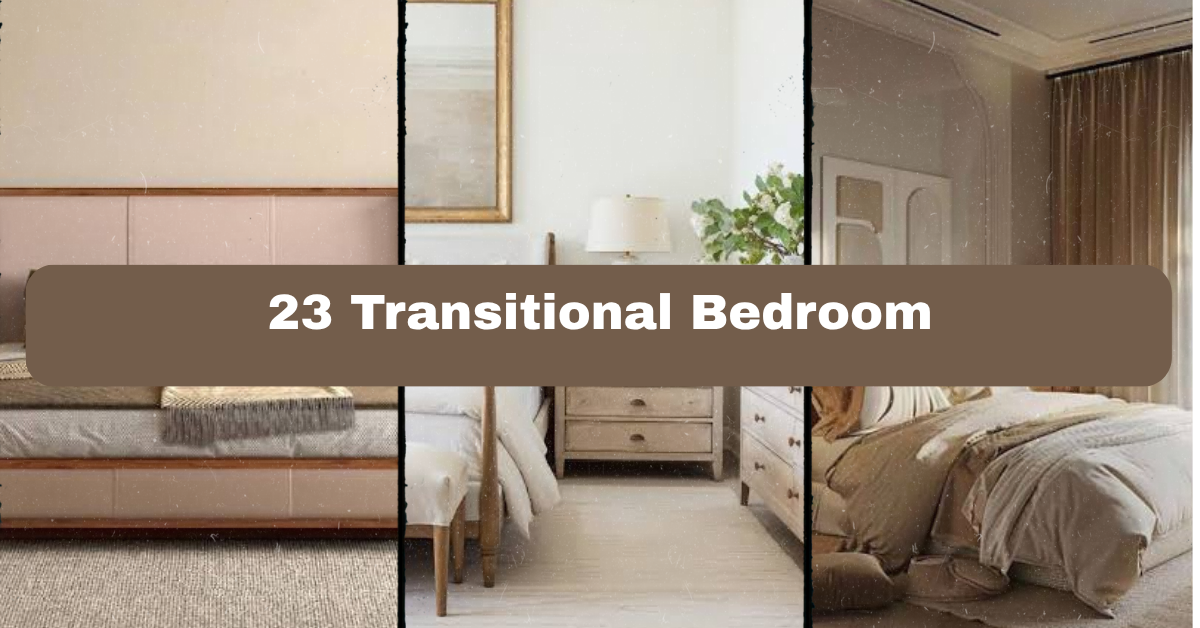
    23 Transitional Bedroom ideas blend classic comfort with clean, modern lines for a room that feels polished but relaxed. I’ll walk you through 23 practical ways to create this balanced look, from furniture and color to lighting, textiles, and finishing touches.

    What is a transitional bedroom? It is a bedroom style that combines traditional shapes, warm materials, and modern simplicity. Neutral colors, balanced furniture, layered textures, and restrained decor create a comfortable room that feels timeless rather than overly formal or stark.

    You’ll also learn how to make the style work in small rooms, rental homes, coastal spaces, and family houses without making the design feel forced.

    What Makes a Transitional Bedroom Work?

    When I think about transitional bedroom design, I picture a room that sits between old and new. It may have a classic upholstered bed, but the bedding is simple. The nightstands may show traditional craftsmanship, while the lamps have clean shapes.

    The goal is balance. You do not need matching antiques or a room full of modern furniture. Instead, combine familiar materials such as wood, linen, cotton, brass, and wool with uncluttered forms. A calm color palette helps everything connect.

    This style also feels practical. It is warm enough for everyday living but neat enough to look finished. Start with a few strong pieces, then add texture and personality slowly. That approach keeps a transitional bedroom from becoming busy.

    1. Choose an Upholstered Bed With a Clean Silhouette

    How to Choose Your Perfect Upholstered Bed | Durian
    Credit: Durian

    An upholstered bed gives a transitional bedroom softness without looking overly fussy. Look for a simple rectangular headboard in linen, cotton, velvet, or a textured performance fabric. Light gray, warm beige, oatmeal, and muted taupe are easy choices.

    Avoid too many button tufts, ornate curves, or shiny details if you want a more current look. A tall, straight headboard feels classic but still fresh. If your room is small, choose a low-profile frame so the bed does not overpower the space.

    I suggest measuring the wall and leaving enough room for nightstands before ordering. A headboard that is too wide can make the room feel cramped.

    This idea works in modern homes with sleek bedding, in traditional homes with turned-leg furniture, and in coastal rooms with natural linen.

    Your bed sets the tone, so next, build the room around a grounded neutral palette.

    2. Build a Layered Neutral Color Palette

    Inspiring Neutral Bedroom Ideas You'll Love - Decorilla
    Credit: Decorilla

    Transitional bedrooms often use neutral colors, but neutral does not mean plain. Start with two or three base shades, such as ivory, greige, soft brown, or warm white. Then add one deeper accent, like charcoal, navy, olive, or espresso.

    Use the lightest color on the walls or large bedding pieces. Bring in medium tones through curtains, wood furniture, and rugs. Save the darkest shade for small details, such as picture frames, lamps, or a throw pillow.

    I like to test paint samples during both daylight and evening. A warm gray can look beige in one room and cool blue in another.

    This palette adapts easily to modern, farmhouse, traditional, and coastal styles. Simply change the accent color and materials.

    Once the colors feel settled, texture will keep the room from looking flat.

    3. Mix Smooth and Textured Bedding

    Warm & Stylish Tan Bedroom Ideas For Every Home – Sonno
    Credit: SonnoBeds

    A transitional bed looks best when the bedding has several quiet layers. Start with crisp cotton sheets, then add a quilt or coverlet, a folded blanket, and two or three decorative pillows. Keep the colors related rather than identical.

    For example, pair ivory sheets with a taupe quilt, a gray-beige blanket, and pillows in subtle stripes or small geometric patterns. Linen adds a relaxed feel, while sateen cotton creates a smoother, more polished finish.

    Do not pile on every pillow you own. The bed should still be easy to use. I recommend keeping one sleeping pillow per person and adding only a few decorative cushions.

    This approach suits modern bedrooms with simple patterns, traditional spaces with damask details, and rustic rooms with woven blankets.

    A textured bed needs a comfortable floor beneath it, which brings us to the rug.

    4. Anchor the Room With a Properly Sized Rug

    Bedroom Rug Size Guide: Best Rug Sizes for Queen, King & Twin Beds
    Credit: MagicRugs

    A rug helps define the sleeping area and adds warmth underfoot. For a queen bed, an 8-by-10-foot rug usually gives generous coverage. A 9-by-12-foot rug works well in a larger room or with wider nightstands.

    Place the rug under the lower two-thirds of the bed so it extends beyond both sides. If a full-size rug is not practical, use two runners along the bed or a smaller rug at the foot.

    Choose wool for softness and durability, cotton for a lighter feel, or a low-pile synthetic rug for easier cleaning. Subtle patterns hide daily dust better than solid white rugs.

    This idea fits every home style. Use a faded Persian pattern for traditional rooms, a simple geometric design for modern spaces, or jute for coastal and rustic bedrooms.

    Now that the main furnishings feel grounded, use the chart below to refine your colors and materials.

    Transitional Bedroom Palette Guide

    Base colorSupporting shadeAccent colorBest material pairing
    Warm whiteGreigeCharcoalLinen, oak, black metal
    Soft beigeCreamOlive greenWool, rattan, aged brass
    Light grayWhiteNavy blueCotton, walnut, brushed nickel
    TaupeMushroom brownTerracottaVelvet, oak, ceramic
    Pale blue-graySandDeep brownLinen, cane, antique brass

    5. Pair Traditional Nightstands With Simple Hardware

    How to Match Bedside Tables With Your Bed Frame: Expert Tips - Cedora® Furniture
    Credit: cedora

    Nightstands are a good place to mix old and new. Choose wood nightstands with a classic shape, such as tapered legs, framed drawers, or a slightly raised edge. Then look for simple hardware in brushed brass, matte black, or aged bronze.

    You do not have to buy a matching bedroom set. In fact, two different nightstands can make the room feel more collected. Keep them similar in height and visual weight so the bed still feels balanced.

    Before shopping, measure the height of your mattress. The nightstand surface should sit close to the top of the mattress for easy access.

    This idea can lean modern with flat-front drawers, traditional with turned legs, or cottage-inspired with painted wood.

    With the bedside pieces in place, lighting can add both function and character.

    6. Use Matching Bedside Lamps for Visual Balance

    Bedside lighting ideas: 10 ways to brighten bedtime | Homes and Gardens
    Credit: Homes&Gardens

    Matching lamps create order, which is useful in a bedroom filled with different textures. Choose lamps with simple ceramic, glass, wood, or metal bases. A fabric shade softens the light and supports the comfortable mood.

    The lamp should be tall enough to light a book without shining directly into your eyes. As a general guide, a lamp around 24 to 30 inches tall often works well on a standard nightstand, but the mattress and table height matter most.

    Use warm bulbs around 2700K for a soft evening glow. Add dimmers if possible. They make a noticeable difference when you want low light before bed.

    This look works across styles. Use clear glass for modern rooms, ceramic for traditional spaces, and woven shades for coastal bedrooms.

    A bedside lamp solves task lighting, but the ceiling fixture can become the room’s main design moment.

    7. Install a Soft, Sculptural Ceiling Light

    Transform Your Bedroom with Stylish Ceiling Lights for a Perfect Sanct – Future Light - LED Lights South Africa
    Credit: FutureLight

    A transitional bedroom benefits from one attractive overhead fixture. Consider a linen drum pendant, a simple chandelier, or a semi-flush mount with aged brass or brushed nickel.

    The shape should have some personality, but it should not compete with the bed. Avoid fixtures that are too ornate if the rest of the room is already detailed. In a low-ceiling room, choose a semi-flush mount instead of a hanging pendant.

    Check the fixture’s scale before buying. A common sizing method is to add the room’s length and width in feet, then use that number in inches as a rough diameter guide. For example, a 10-by-12-foot room may suit a fixture about 22 inches wide.

    This idea adapts to modern, classic, farmhouse, and coastal interiors by changing the finish and shade material.

    Next, add a second lighting layer for reading and gentle evening light.

    8. Layer Lighting With Sconces or Floor Lamps

    How to Layer Lighting for Stunning Ambiance at Home
    Credit: VisualComfort

    A well-designed bedroom needs more than one light source. Add wall sconces beside the bed if you want a clean look and free nightstand space. Swing-arm sconces are especially useful for reading.

    If wiring is not available, choose plug-in sconces or use a slim floor lamp beside a reading chair. Keep cords organized with cord covers or clips that match the wall.

    I suggest using three levels of light: overhead lighting for general use, bedside lights for tasks, and a small accent light for atmosphere. This makes the room feel more flexible.

    The idea works in rentals with plug-in fixtures and in custom homes with hardwired sconces. It also suits modern and traditional rooms equally well.

    Use this budget guide before buying the next major pieces.

    Transitional Bedroom Budget Guide

    ProjectBudget optionMid-range optionHigher-cost option
    Upholstered bed$300 to $700$700 to $1,500$1,500 and up
    Area rug$100 to $300$300 to $800$800 and up
    Table lamps$40 to $100 each$100 to $250 each$250 and up each
    Curtains$50 to $150 per panel$150 to $350 per panel$350 and up per panel
    Accent chair$150 to $400$400 to $900$900 and up

    9. Add Full-Length Curtains in a Soft Fabric

    21 bedroom curtain ideas – stylish designs for a sound sleeping space | Real Homes
    Credit: realHomes

    Curtains make a bedroom feel finished and can improve privacy and light control. In a transitional space, linen blends, cotton, velvet, and textured polyester all work well.

    Hang the curtain rod several inches above the window frame and extend it beyond the window on both sides. This makes the window look wider and allows more light into the room when the curtains are open.

    For a calm effect, choose panels close to the wall color. If the room needs more contrast, try muted stripes or a small geometric pattern. Use blackout lining if morning light affects your sleep.

    This idea fits traditional rooms with pinch pleats, modern rooms with simple panels, and coastal rooms with airy white fabric.

    Curtains soften the walls, while artwork gives them a personal point of view.

    10. Create One Strong Artwork Moment

    Best Artwork for Bedroom: Ideas for a Serene Space
    Credit; AboutwallArt

    A transitional bedroom does not need a gallery wall on every surface. One large artwork piece above the bed or dresser often looks more confident. Choose a landscape, abstract painting, botanical print, or black-and-white photograph.

    The colors should connect with the bedding and rug. They do not need to match exactly. A painting with small hints of navy or olive can tie those accent colors into the room.

    Measure the wall before shopping. Artwork above a bed usually looks best when it is about two-thirds the width of the headboard. Hang it low enough to relate to the furniture, but high enough to avoid feeling crowded.

    This idea adapts to any style through the image itself. Try a calm abstract for modern, a landscape for traditional, or a seascape for coastal decor.

    Once the wall art is selected, use mirrors to manage light and proportion.

    11. Place a Mirror Where It Reflects Light

    5 Strategic Places to Hang Mirrors to Enhance Natural Light at Home
    Credit: MirrorLot

    A mirror can make a bedroom feel brighter and more spacious. Lean a tall mirror against a wall, hang one above a dresser, or place a round mirror over a small console.

    Look for frames in wood, brass, black metal, or rattan. The frame should repeat a finish already used somewhere else in the room. That small connection helps the design feel intentional.

    Do not place a mirror where it reflects clutter, an unattractive view, or direct morning glare. I prefer positioning one across from a window or beside a lamp so it catches soft light.

    This idea works in narrow rooms, apartments, and large primary bedrooms. A plain black frame feels modern, while carved wood or antique brass feels more traditional.

    With reflective surfaces handled, bring in natural texture for a warmer finish.

    12. Introduce Woven and Natural Materials

    Natural Materials Bedroom Ideas
    Credit; Instagram

    Natural materials prevent a neutral bedroom from feeling cold. Add a woven basket, cane bench, rattan tray, jute accent, or wood stool. These pieces bring gentle variation without adding loud color.

    Use baskets for extra blankets, laundry, or pillows. A wood tray on the dresser can hold perfume, a candle, and a small dish. Try not to scatter woven items everywhere. Two or three well-placed pieces are enough.

    Mix light and medium wood tones carefully. They can work together, but each should appear more than once so it feels connected.

    This idea fits coastal, farmhouse, organic modern, and traditional homes. Change rattan to carved wood for a formal look or dark woven materials for a modern room.

    The next table can help you choose materials that fit your needs.

    Bedroom Material Comparison

    MaterialStrengthsWatch-outsBest use
    LinenBreathable, relaxed, texturedWrinkles easilyBedding and curtains
    CottonSoft, washable, widely availableCan wear faster at low qualitySheets and quilts
    WoolWarm, durable, naturally texturedHigher cost, may shed at firstArea rugs and throws
    RattanLight, natural, casualCan crack in very dry conditionsBaskets and furniture
    VelvetRich, soft, dramaticShows marks and pressureAccent chairs and pillows
    OakDurable, warm, classicCan feel heavy in dark finishesBedside tables and benches

    13. Use a Bench at the Foot of the Bed

    10 Ways With Benches at the Foot of the Bed
    Credit: Houzz

    A bench gives the bed a finished look and provides a useful place to sit, fold clothing, or set down a book. Choose a style that is simple and slightly narrower than the bed.

    Upholstered benches in oatmeal, gray, or brown work well. A wood bench adds more structure, while a woven bench creates a relaxed touch. Make sure the height does not block drawers or walking paths.

    In a small bedroom, use a narrow stool or a pair of small ottomans instead. Keep at least 24 inches of walking space around major furniture when possible.

    This idea adapts to traditional rooms with turned legs, modern rooms with clean metal bases, and coastal spaces with light wood.

    The bench adds function, and the next step adds a comfortable place to pause.

    14. Add a Small Reading Chair

    Top 8 Reading Chair Finds For Your Home | DesignCafe
    Credit: DesignCafe

    If you have an unused corner, a reading chair can make the bedroom feel more complete. Choose a compact upholstered chair with a supportive back. Add a small side table and a floor lamp so the spot feels purposeful.

    Place the chair near a window if the view is pleasant. If not, angle it toward the room rather than directly at the bed. A small stool can serve as a footrest without taking up much space.

    Use a durable fabric if the chair will get regular use. Performance linen or tightly woven cotton is easier to maintain than delicate velvet.

    This idea works in large primary bedrooms, guest rooms, and studio apartments. A tailored chair feels modern, while a skirted chair feels more traditional.

    Now keep the room useful by giving everyday items a proper home.

    15. Add Closed Storage for a Calm Appearance

    Small bedroom storage ideas: 20 clever small bedroom storage | Homes and Gardens
    credit; Homesandgardens

    Transitional design looks best when surfaces are not crowded. Use a dresser, wardrobe, or storage bench with doors and drawers to hide clothing, electronics, and extra bedding.

    Choose furniture with clean fronts and modest hardware. Avoid too many open shelves unless you enjoy styling them often. Closed storage also helps a guest bedroom feel welcoming because visitors have a clear place for belongings.

    Before buying a dresser, measure the wall, drawer clearance, and door swing. Secure tall furniture to the wall, especially in homes with children or pets.

    This approach suits minimalist modern rooms, traditional bedrooms with paneled furniture, and cottage spaces with painted storage.

    Once clutter is under control, a few personal objects can stand out instead of getting lost.

    16. Style Surfaces With the Rule of Three

    The Bedroom Wall Decor Rule of 3 Formula to Style Your Space
    Credit; Realestatespice

    A dresser or nightstand needs some decoration, but it does not need a full display. I like using three different types of objects: something tall, something low, and something with texture.

    For example, place a lamp at the back, a small framed photo in front, and a ceramic bowl beside it. On a dresser, try a mirror, a tray, and one vase. Leave empty space around each group.

    This method keeps the room collected but not crowded. Rotate small pieces seasonally instead of buying more every time you want a change.

    The idea works across styles. Use pottery and wood for organic rooms, brass and glass for traditional rooms, or black accents for modern bedrooms.

    Use the following size guide before adding more furniture.

    Furniture Clearance Guide

    AreaRecommended minimum clearance
    Walkway beside bed24 inches
    Walkway at foot of bed30 inches
    Space in front of dresser36 inches
    Space between bed and chair24 to 30 inches
    Curtain rod above window4 to 8 inches
    Artwork above dresser6 to 10 inches

    17. Choose Hardware That Connects the Room

    RH bedroom ideas: 10 inspired spaces | Homes and Gardens
    Credit: HomesAndGardens

    Hardware may seem small, but it can pull the whole bedroom together. Repeat one or two finishes across drawer pulls, lamps, curtain rods, and picture frames.

    Aged brass adds warmth and works well with beige, cream, and walnut. Brushed nickel feels lighter and pairs with gray, blue, and white. Matte black creates contrast and suits modern or farmhouse rooms.

    You do not need every finish to match. The key is repetition. If you use black hardware once, bring black back in a lamp base, artwork frame, or small accessory.

    This idea adapts easily to every home style by changing the finish and shape. Round knobs feel classic, while slim bar pulls feel more current.

    With the details connected, pay attention to the ceiling and wall surfaces.

    18. Add Subtle Wall Molding or Paneling

    Top Wall Molding Ideas to Add Character to Any Room
    Credit: decorilla

    Wall molding can give a transitional bedroom architectural interest without making it look formal. Try simple picture-frame molding, board-and-batten panels, or a narrow chair rail.

    Paint the molding and wall the same color for a quiet, modern effect. Use a slightly deeper shade on the panels if you want more definition. Keep the pattern simple and evenly spaced.

    If you rent, use removable molding, peel-and-stick trim, or wallpaper with a panel design. Always test adhesive products on a hidden area first.

    This idea works in older homes, new builds, modern apartments, and traditional houses. The scale of the pattern matters more than the style of the property.

    Walls are one layer, and the ceiling can add an unexpected finishing touch.

    19. Paint the Ceiling a Gentle Color

    5 best colors to paint a ceiling according to designers | Homes and Gardens
    Credit: HomesAndGardens

    A pale blue, soft beige, or muted gray ceiling can make a bedroom feel more designed without becoming dramatic. Keep the wall color nearby on the color wheel so the transition feels smooth.

    In a small room, use a lighter ceiling to create an airy effect. In a large room with high ceilings, a slightly deeper color can make the space feel more comfortable.

    Use a flat ceiling paint to hide small imperfections. If you are unsure, paint a sample board and view it throughout the day.

    This idea can suit coastal bedrooms with pale blue, traditional rooms with warm cream, or modern rooms with soft gray.

    A thoughtful ceiling color pairs nicely with the right window and sleep treatments.

    20. Control Light With Layered Window Treatments

    Discover Transitional Window Treatments | The Shade Store
    Credit: Theshadestore

    Combine sheer panels with blackout shades or lined curtains when you want flexibility. Sheers filter daylight, while blackout layers support better sleep and privacy.

    Roman shades work well in rooms with limited wall space. Drapery panels are better when you want to emphasize tall windows. Choose inside-mount shades for a clean look or outside-mount treatments to make a window appear larger.

    Measure each window carefully. Record the width, height, frame depth, and distance to nearby furniture before ordering.

    This idea fits modern bedrooms with woven shades, traditional rooms with tailored drapes, and coastal spaces with white linen panels.

    Now consider how the design changes when your bedroom is smaller than average.

    21. Use Space-Saving Furniture in a Small Bedroom

    46 Small-Bedroom Ideas for When Your Bed Takes Up the Whole Damn Room | Architectural Digest
    Credit: architecturaldigest

    A transitional style does not require a large room. Choose a bed with built-in drawers, slim nightstands, and wall-mounted lighting. Skip bulky furniture with deep decorative edges.

    Use one large rug instead of several small rugs. Hang curtains high to create a taller visual line. A mirror across from a window can also help bounce light around the room.

    Choose furniture that serves two purposes. A storage ottoman can hold blankets, and a narrow dresser can act as a media console or vanity.

    This idea works especially well in apartments, guest rooms, and modern homes. In a traditional small room, select furniture with delicate legs rather than heavy bases.

    When space is limited, color discipline becomes even more important.

    22. Create a Transitional Bedroom on a Budget

    40 Transitional Bedrooms That Beautifully Bridge Modern And Traditional
    Credit: home-designing

    You can get this look without replacing everything. Start by keeping the best furniture you already own. Paint mismatched pieces, change drawer hardware, and replace worn lampshades before shopping for new items.

    Spend more on the pieces you touch every day, such as the mattress, sheets, and main chair. Save on artwork, baskets, and decorative pillows by shopping secondhand or making simple changes yourself.

    Use one new accent color to connect old and new pieces. A navy throw, warm wood tray, or brass lamp can make a tired room feel more intentional.

    This budget approach works in rentals, starter homes, traditional houses, and modern apartments.

    A final style decision can make the room feel truly personal.

    23. Add Personal Details Without Losing Balance

    10 transitional-style bedrooms to make you instantly relaxed | Livingetc
    Credit: LivingEtc

    A transitional bedroom should feel like yours, not like a showroom. Add a framed family photo, a favorite travel object, a handmade vase, or a book stack that you actually enjoy.

    Limit sentimental pieces to a few strong favorites. Too many small items can make the room feel crowded. Choose objects in colors and materials that already appear in the space.

    I also like adding one unexpected detail, such as a vintage stool, a patterned pillow, or a sculptural branch. It gives the room character while the neutral foundation keeps everything calm.

    This idea adapts to any home style because personal objects are what make the design specific to you. Once those details are in place, the room should feel balanced, useful, and comfortable.

    Tips for Success

    • Measure every wall, doorway, window, and furniture clearance before ordering.
    • Choose a maximum of three main colors and repeat them throughout the room.
    • Mix at least three textures, such as linen, wood, and wool.
    • Use warm white bulbs instead of cool blue bulbs for a more restful mood.
    • Keep large furniture simple so artwork and textiles can add personality.
    • Repeat metal finishes at least twice so they look intentional.
    • Leave some open surface space. A calm room needs visual breathing room.

    Common Mistakes and How to Avoid Them

    Using too many beige shades

    Choose beige tones with similar undertones. Test fabric and paint samples together before committing.

    Buying a rug that is too small

    Select a rug large enough to reach beyond the sides of the bed. If that is not possible, use coordinated runners.

    Matching every furniture piece

    Use related shapes and finishes instead of buying a full matching set. A collected room usually feels more relaxed.

    Ignoring lighting temperature

    Choose bulbs around 2700K for warm, comfortable light. Add dimmers for better control at night.

    Filling every surface with decor

    Group objects in small arrangements and leave open areas on dressers and nightstands.

    Mixing too many design styles

    Pick one main direction, such as modern transitional or coastal transitional, then add small touches from other styles.

    Similar Variations

    • Modern Transitional: Uses clean furniture, simple artwork, black accents, and very little ornament.
    • Traditional Transitional: Adds classic wood furniture, tailored upholstery, brass details, and refined patterns.
    • Coastal Transitional: Combines soft blue, sandy beige, linen, light wood, and relaxed woven accents.
    • Farmhouse Transitional: Blends practical wood furniture, cotton textiles, soft white, and aged metal.
    • Organic Transitional: Focuses on natural wood, stone, wool, clay, and earthy colors with simple forms.
    • Glam Transitional: Adds velvet, polished metal, layered lighting, and richer accent colors while keeping the shapes restrained.

    A successful transitional bedroom is less about buying a matching collection and more about making thoughtful connections. Keep the foundation neutral, mix classic and modern forms, layer useful textures, and leave room for personal details.

    When each piece supports comfort and balance, these 23 Transitional Bedroom ideas can help you create a room that feels timeless, warm, and completely your own.

  • 15 Glam Bedroom ideas can help you create a room that feels polished, cozy, and personal without looking overdone.

    15 Glam Bedroom ideas can help you create a room that feels polished, cozy, and personal without looking overdone.

    A glam bedroom combines refined furniture, soft textures, reflective finishes, layered lighting, and a controlled color palette. Common elements include an upholstered bed, velvet or satin fabrics, metallic accents, mirrors, plush rugs, and balanced decoration.
    I’ll walk you through practical ways to get the look, whether your room is large, small, modern, or traditional.

    What Defines a Glam Bedroom?

    Glam style is all about comfort with a little shine. Think of a soft headboard, pretty lighting, smooth fabrics, and details that catch your eye. It does not have to mean crystal chandeliers and silver everywhere. A glam bedroom can be warm, simple, and livable.

    I like to begin with one main feature, such as a tufted bed or bold wallpaper. Then I build around it with small touches like brass lamps, mirrored trays, velvet pillows, and a plush rug. The goal is balance. Too many shiny finishes can make the room feel busy, while too few may make it look plain. Choose a clear color story, mix textures, and leave enough open space for the room to breathe.

    1. Choose an Upholstered Bed as the Main Feature

    Dazzling Design: 6 Glam Bedroom Ideas | Walker Furniture & Mattress | Nevada
    Credit: WalkerFurniture

    An upholstered bed gives a glam bedroom instant softness and structure. Look for a tall headboard in velvet, linen, boucle, or performance fabric. Channel tufting feels modern, while button tufting gives the room a more traditional look. A curved headboard can also make the space feel gentle and luxurious.

    I suggest choosing the bed before buying nightstands or bedding. It sets the scale for everything else. For color, ivory, blush, taupe, gray, and deep navy are easy to decorate around. If your room is small, choose a slim frame with a tall headboard instead of a wide, bulky design.

    For an immediate upgrade, add two large sleeping pillows, two decorative shams, and one long lumbar pillow. This idea works in modern, traditional, transitional, and even coastal rooms when you select a relaxed fabric.

    Once the bed is in place, the next step is giving the walls a refined backdrop.

    2. Add Soft, Elegant Wallpaper

    23 bedroom wallpaper ideas to bring in colour and pattern | Ideal Home
    Credit: IdealHome

    Wallpaper can make a glam bedroom feel finished without adding lots of furniture. Good choices include subtle geometric prints, soft botanical patterns, metallic grasscloth, marble-inspired designs, and tone-on-tone damask. Keep the pattern gentle if your bed already has tufting or bold color.

    I often recommend wallpaper on the wall behind the bed. It creates a natural focal point and helps the room feel taller. In a rental, use removable wallpaper or apply it to large framed panels instead of covering the whole wall.

    Pair silver wallpaper with cool gray, white, or lavender. Pair gold or champagne details with cream, beige, or warm pink. A practical tip is to order samples first and view them in morning and evening light. Wallpaper that looks soft in a store may look much stronger at home.

    This idea suits classic, modern, Hollywood Regency, and feminine bedroom styles, so the pattern can guide the rest of the design.

    3. Layer Metallic Accents with Restraint

    Luxury And Glam Styles - Bedroom Street
    Credit: BedroomStreet

    Metallic finishes are a simple way to bring glamour into the room. Brass, champagne gold, brushed nickel, chrome, and rose gold can all work. The key is repetition. Use one finish on at least three items so it looks intentional.

    For example, you might choose brass for the bedside lamps, curtain rod, and drawer pulls. Or use chrome on the mirror frame, table lamp, and picture frames. I would avoid mixing more than two main metals in a small room.

    Metallic accents do not need to be large. A small tray, vase, lamp base, or decorative box can provide enough shine. Matte and brushed finishes usually feel calmer than highly polished ones.

    This approach adapts easily to modern rooms with chrome, traditional rooms with antique brass, or coastal rooms with soft champagne tones. After choosing your metal, use the guide below to match it with a color palette.

    Glam Color and Metal Pairings

    Main color paletteBest metalSupporting colorsOverall mood
    Ivory and warm whiteChampagne goldBeige, caramel, soft pinkWarm and elegant
    Gray and whiteBrushed nickelDusty blue, lavender, charcoalCalm and polished
    Blush and creamRose goldTaupe, white, muted mauveSoft and feminine
    Navy and ivoryAntique brassCamel, tan, warm grayRich and classic
    Black and whiteChromeSilver, gray, glassModern and dramatic
    Sage and creamAged brassTerracotta, tan, warm whiteRelaxed and refined

    Now that the color and metal direction are clear, lighting can add the glow that makes the room feel complete.

    4. Install Layered Bedroom Lighting

    Small bedroom lighting ideas to make the space look bigger | Ideal Home
    Credit: idealHome

    One ceiling fixture is rarely enough for a glam bedroom. Layered lighting gives you brightness when you need it and a warm, restful mood at night. Use three types: ambient lighting, task lighting, and accent lighting.

    A chandelier or elegant pendant can serve as the main fixture. Bedside sconces or table lamps provide reading light. Small picture lights, LED strips, or lamps on a dresser add a gentle glow.

    I recommend choosing bulbs between 2700K and 3000K for a warm bedroom feel. Put the main light on a dimmer whenever possible. If you use a chandelier, hang it where it will not interfere with doors, fans, or your view of the television.

    Modern rooms look good with globe pendants, while traditional rooms suit shaded chandeliers. A relaxed glam room can use woven or fabric-covered fixtures. With lighting handled, the next focus is the furniture beside the bed.

    5. Style Nightstands for Beauty and Use

    Glam Bedroom Nightstands
    Credit: Pinterest

    Nightstands should look pretty, but they also need to work hard. Choose a pair that is close to the height of your mattress. Matching nightstands create symmetry, which is especially helpful in a glam design.

    Try a nightstand with drawers for hidden storage, or choose a mirrored piece for a lighter appearance. If your bed is wide, tiny tables may look lost. If the room is narrow, floating shelves can replace traditional tables.

    I like to keep each surface simple: one lamp, one small tray, and one useful item such as a book or water carafe. Hide charging cables with cord clips or a cable box. Add a small vase or framed photo only if there is room.

    This idea works with modern, farmhouse, traditional, and apartment bedrooms because the shape and finish can change while the balanced layout stays the same.

    6. Use Velvet and Satin for Touchable Texture

    30 Glam Bedroom Ideas for a Luxurious Oasis – Viotto& Co.Wholesale
    Credit: viottoandco

    Glam style should feel good, not just look good. Velvet, satin, silk-look polyester, chenille, boucle, and soft cotton can create that rich layered effect. You do not need every fabric at once. Two or three textures are usually enough.

    I suggest using velvet on an accent chair, throw pillow, or bench rather than covering the entire room. Satin or silk-look bedding adds a gentle sheen, while cotton sheets keep the bed comfortable and breathable. A boucle pillow can soften a room filled with smooth surfaces.

    When mixing fabrics, vary the finish. Combine one shiny textile with one nubby or matte textile. This keeps the design from looking flat. Always check care labels, especially if you have pets or children.

    Velvet works in vintage and traditional spaces, while boucle and washed cotton make glam style fit modern Scandinavian or transitional homes. Next, ground those soft layers with the right rug.

    Material Comparison for Glam Bedrooms

    MaterialBest useStrengthsWatch-outs
    VelvetHeadboard, bench, accent chairRich color, soft feel, strong visual depthCan show pressure marks
    LinenBedding, curtains, pillow coversBreathable, relaxed, natural textureWrinkles easily
    Satin or silk-look fabricDuvet, pillowcase, curtainsSmooth shine, dressy appearanceMay snag or slide
    BoucleAccent chair, pillow, throwCozy texture, trendy lookCan catch on pet claws
    ChenilleBedspread, bench, pillowsSoft, durable, less shinyMay flatten in high-use areas
    CottonSheets, duvet cover, blanketsComfortable, washable, practicalLess formal on its own

    7. Anchor the Room with a Plush Area Rug

    Bedroom And Bedside Rug Ideas For Cozy Comfort
    credit: RugEditorial

    A rug makes a bedroom feel warmer and more complete. It also helps connect the bed, nightstands, and seating area. For a queen bed, an 8-by-10-foot rug is often a useful starting point. A king bed usually looks better on a 9-by-12-foot rug, especially in a larger room.

    Place the rug under the lower two-thirds of the bed so it extends beyond both sides. If a full-size rug will not fit, use two runners along the bed or a smaller rug at the foot.

    Choose a low-pile rug for easy cleaning, or a plush pile for a softer landing beside the bed. Cream, gray, blush, and faded geometric patterns are flexible choices. Add a nonslip pad to protect the floor and stop movement.

    A plush rug suits glam, boho glam, contemporary, and traditional rooms. Once the floor feels grounded, window treatments can add height and softness.

    8. Hang Full-Length Curtains High and Wide

    Curtains Behind the Bed: Elegant Headboard Alternative – Joydeco
    Credit: JoyDeco

    Curtains can make a bedroom look taller and more finished. Hang the rod several inches above the window frame, or close to the ceiling if the room allows. Extend the rod past the window on both sides so the panels do not block natural light when open.

    For a glam effect, choose velvet, linen-look, satin, or lined cotton panels. Ivory and beige create a soft room, while charcoal or navy gives stronger contrast. Sheer curtains can filter daylight, and blackout panels help with sleep.

    I measure from the rod to the floor before ordering. Curtains should just kiss the floor or have a slight break. Avoid panels that stop halfway between the window and the floor.

    This treatment works in modern apartments, traditional homes, coastal bedrooms, and rental spaces with tension rods. With the windows framed, a mirror can reflect both light and style.

    9. Use Mirrors to Reflect Light and Space

    Five Ways To Use Mirrors To Add Light And Space - NM Design
    Credit: NicolaManningDesign

    Mirrors bring brightness and a polished finish to a glam bedroom. A large mirror above a dresser is a classic choice, while two narrow mirrors over nightstands create symmetry. You can also use a leaning floor mirror in an open corner.

    Think about what the mirror reflects. Place it across from a window, attractive artwork, or a light fixture rather than a cluttered shelf. In a small bedroom, a mirrored wardrobe or dresser can make the room feel more open, but use only one or two reflective furniture pieces.

    Choose a frame that repeats your main metal. Gold adds warmth, silver feels cool and sleek, and black creates sharper contrast. Secure leaning mirrors to the wall, especially in homes with children or pets.

    Mirrors suit almost every design style. The size guide below can help you choose one that feels balanced.

    Mirror Size Guide

    Mirror locationRecommended sizePlacement tip
    Above a 48-inch dresser30 to 40 inches wideLeave 4 to 8 inches above the dresser
    Above a 60-inch dresser36 to 48 inches wideKeep the mirror narrower than the furniture
    Over a queen bed36 to 48 inches wideCenter it on the headboard wall
    Over a king bed48 to 60 inches wideUse one large mirror or two matching ones
    Full-length floor mirrorAt least 14 by 55 inchesLean or anchor it in a bright corner
    Pair of nightstand mirrors18 to 24 inches wide eachHang them at similar heights

    With reflection and light in place, a dresser or console can provide the perfect spot for carefully chosen accessories.

    10. Create a Curated Dresser Display

    30 Glam Bedroom Ideas for a Luxurious Oasis
    Credit: MyDomaine

    A glam dresser display should feel collected, not crowded. Start with a large mirror or artwork. Then add a lamp, a tray, a vase, and one personal object. Vary the heights so everything does not sit in a straight line.

    A glass perfume bottle, jewelry box, candle, or small sculpture can add charm. Use a tray to group small items and prevent the surface from looking messy. If the dresser has shiny hardware, keep the accessories slightly quieter.

    I like to leave at least one-third of the surface open. That empty space matters. It gives the eye a place to rest and makes cleaning much easier.

    For a traditional room, use framed art and antique-style boxes. For a modern room, select one sculptural vase and a clean-lined lamp. This same display method can also work on a console in a small bedroom.

    11. Add a Bedroom Bench or Glam Accent Chair

    8 Glam Bedroom Ideas for the Luxury Lover | Perigold
    Credit: Perigold

    A bench at the foot of the bed adds function and a hotel-like finish. Choose a style that is shorter than the bed width, leaving a little space on both sides. Upholstered benches in velvet, boucle, or linen are popular, while acrylic or metal legs keep the shape light.

    If there is no room for a bench, place one accent chair near a window or dresser. A small round table beside it can hold a book or cup of tea. Make sure the chair does not block drawers, doors, or walking paths.

    I recommend measuring the clearance before buying. Leave about 24 to 30 inches for a comfortable walkway where possible. Storage benches are especially helpful for extra blankets.

    This idea fits modern, classic, Parisian, and transitional rooms. The next step is adding art that gives the space a personal point of view.

    12. Choose Art with a Calm, Coordinated Palette

    Art for Bedrooms: Calming Pieces & Placement Tips
    Credit: aboutwallart

    Artwork keeps a glam bedroom from feeling like a furniture showroom. Select pieces that repeat one or two room colors. Abstract lines, soft landscapes, botanical prints, fashion sketches, and black-and-white photography can all work.

    A single oversized piece above the bed creates a calm focal point. A small gallery wall brings more personality, but keep the frames consistent if the artwork is varied. Gold, black, white, and wood frames can support different versions of glam style.

    Hang art at eye level rather than too high above the furniture. If it is over a bed, secure the frame well and avoid heavy pieces that could fall.

    For a modern room, use abstract art. For a traditional room, try portraits or botanical prints. Coastal glam works well with pale ocean scenes and sandy neutrals. A simple budget guide can help you decide where to spend.

    Practical Glam Bedroom Budget Tiers

    Budget levelBest investmentsLower-cost choices
    Under $500Bedding, lighting, rug pad, decorative pillowsRemovable wallpaper panels, thrifted frames
    $500 to $1,500Area rug, lamps, curtains, mirrorPaint, DIY art, refinished nightstands
    $1,500 to $3,500Upholstered bed, dresser, quality rugReady-made curtains and simple hardware
    Over $3,500Custom headboard, designer lighting, built-insReuse existing furniture with new fabrics

    13. Keep Clutter Hidden with Attractive Storage

    18 bedroom storage ideas to declutter and organise | Sharps
    Credit: sharps

    A beautiful bedroom loses its charm when clothing, cords, and beauty products are scattered around. Glam storage should be both useful and good-looking. Choose a dresser with deep drawers, matching baskets, lidded boxes, or an upholstered storage bench.

    Use drawer dividers for jewelry, socks, and small accessories. Put daily skincare in a tray rather than leaving every bottle on the dresser. A decorative box can hide remote controls and chargers.

    If the closet is small, add slim velvet hangers, under-bed containers, and a tall narrow cabinet. Clear bins are useful inside closets, but lidded fabric boxes usually look better in the open room.

    This approach works for small modern bedrooms, family homes, traditional spaces, and rentals. Once clutter is under control, plants can add life without disrupting the polished look.

    14. Bring in Greenery and Natural Details

    6 Bold Bedroom Ideas That Combine Leopard, Crystal & Greenery - A Sparkly Life for Me
    Credit: ASparklyLifeForMe

    Plants keep a glam bedroom from feeling too formal. Choose one large plant in a clean planter, or use a small plant on a dresser or windowsill. Snake plants, pothos, ZZ plants, and peace lilies are common indoor choices, but check the light and care needs before buying.

    If your room is dark or you travel often, high-quality faux greenery can still add color and shape. Place it in a ceramic, brass, or textured planter that matches the room.

    Natural materials also help. A wood stool, rattan basket, linen throw, or stone tray can balance mirrored surfaces and metallic details. I like adding one warm, organic item for every few polished pieces.

    This idea adapts especially well to coastal, organic modern, transitional, and boho glam rooms. With the natural accents added, the final layer is the bedding that brings everything together.

    15. Finish with Layered Bedding

    Warm & Stylish Tan Bedroom Ideas For Every Home – Sonno
    Credit: sonnobeds

    The bed is the largest visual area in most bedrooms, so bedding has a major impact. Start with breathable sheets, then add a duvet or quilt, a folded coverlet, sleeping pillows, decorative shams, and one or two accent pillows.

    Use a limited palette. For example, combine white bedding with blush pillows and champagne accents, or pair gray bedding with ivory and silver. Mix textures instead of adding too many colors. A quilted coverlet, velvet lumbar pillow, and knitted throw can create depth without making the bed look messy.

    I fluff the pillows and fold the top layer at the foot of the bed each morning. It takes less than two minutes and keeps the room looking cared for.

    This bedding formula works in modern, traditional, coastal, farmhouse, and hotel-inspired rooms. Now you can pull the full design together with a few final checks.

    Tips for Success

    • Pick a main metal finish before shopping for lamps, mirrors, and hardware.
    • Keep large furniture in calm colors, then use pillows and art for stronger color.
    • Measure every wall, doorway, and walkway before ordering furniture.
    • Use warm white light bulbs instead of cool blue bulbs for a softer mood.
    • Repeat each major color at least twice so the room feels connected.
    • Leave open space on nightstands, dressers, and the floor around furniture.
    • Choose washable pillow covers and easy-care fabrics if you have pets or children.

    Common Mistakes and How to Avoid Them

    Using too many metallic finishes
    Choose one main metal and one optional accent. Repeat them in small, related details instead of mixing several unrelated finishes.

    Buying a rug that is too small
    Measure the bed and surrounding space first. The rug should extend beyond the sides of the bed, or you should use matching runners.

    Making every item shiny
    Balance mirrors and metal with cotton, linen, wood, boucle, or matte ceramic. Contrast makes the reflective pieces stand out.

    Hanging curtains too low
    Mount the rod higher and wider than the window when possible. This creates a taller appearance and lets more daylight into the room.

    Overcrowding the dresser
    Use a tray to group small objects and leave clear space around the display. A few intentional pieces look more polished than a full collection.

    Choosing style over comfort
    Test chairs, mattresses, rugs, and fabrics before committing. A glam bedroom should feel inviting at bedtime, not just attractive in photos.

    Similar Variations

    • Modern Glam: Clean furniture, simple shapes, glass, chrome, and a limited neutral palette.
    • Hollywood Regency: Bold contrast, lacquered finishes, dramatic mirrors, velvet, and statement lighting.
    • Soft Glam: Blush, cream, ivory, curved furniture, plush fabrics, and delicate metallic touches.
    • Glam Farmhouse: White or beige walls, practical wood furniture, linen bedding, and aged brass accents.
    • Coastal Glam: Sandy neutrals, pale blue, woven details, airy curtains, and soft gold or nickel finishes.
    • Boho Glam: Layered textiles, plants, natural materials, curved shapes, and carefully controlled metallic accents.

    A successful glam bedroom does not depend on expensive furniture or a huge makeover. It comes from a clear palette, comfortable layers, useful storage, and a few well-placed details that catch the light. Start with the bed, build the room in layers, and stop decorating when the space feels balanced.

    With these ideas, you can create a bedroom that feels polished at night, welcoming in the morning, and completely your own with 15 Glam Bedroom.

  • 17 Mediterranean Bedroom Ideas for a Warm, Relaxed Retreat

    17 Mediterranean Bedroom Ideas for a Warm, Relaxed Retreat

    17 Mediterranean Bedroom ideas can help you turn an ordinary room into a calm retreat filled with sun-washed color, natural texture, and timeless comfort. I’ll walk you through the key design choices so you can create the look without making the room feel themed or crowded.

    A Mediterranean bedroom uses warm white walls, earthy colors, natural wood, wrought iron, woven fabrics, stone or terracotta accents, and relaxed furniture. The style blends Spanish, Italian, Greek, and North African influences.

    You’ll see how to balance rustic details with modern comfort, choose the right colors, and make simple updates that work in bedrooms of any size.

    What Defines a Mediterranean Bedroom?

    When I picture a Mediterranean bedroom, I think of soft sunlight, old plaster walls, handmade pottery, and linens that look better slightly rumpled. The style feels connected to nature. It often uses materials such as wood, stone, rattan, clay, linen, and cotton.

    The color palette usually starts with warm white, cream, sand, or pale beige. From there, you can add terracotta, olive green, deep blue, ochre, or muted coral. Furniture tends to be sturdy and relaxed rather than glossy and formal.

    The best part is that Mediterranean design does not require a large villa. You can bring it into a small apartment with a woven basket, a linen duvet, and one warm accent wall. The goal is comfort, texture, and a sense of age.

    1. Start With Warm Plaster-Look Walls

    Credit: InnovaSetup

    Walls set the mood before you add a single piece of furniture. For a Mediterranean bedroom, I like warm white, creamy beige, pale sand, or a soft mushroom shade. These colors reflect light without looking cold.

    A plaster-look finish adds depth. You can create it with textured paint, limewash, or a faux plaster technique. It does not need to be perfectly even. Small changes in tone are part of the charm.

    If you rent, use a warm matte paint and bring in the texture through bedding, curtains, and art instead. Test paint samples in both morning and evening light.

    This idea also works in modern homes, traditional houses, coastal spaces, and minimalist apartments. The warm wall color acts as a flexible base.

    Next, build on that quiet background with flooring that feels natural underfoot.

    2. Choose Terracotta or Natural Stone Flooring

    Credit: Lost At E Minor – Find Inspiration

    Terracotta tile is one of the easiest ways to give a bedroom Mediterranean character. Its rusty orange, clay, and muted red tones bring instant warmth. Natural stone, limestone-look porcelain, and travertine-style tile create a softer, more neutral effect.

    If replacing the floor is not practical, choose wood in a medium honey tone. Avoid very gray flooring because it can make the room feel disconnected from the warm palette.

    For comfort, place a large cotton or wool rug beside the bed. Terracotta can feel cool and firm underfoot, especially in the morning.

    A practical tip is to use porcelain tile if you want the look with less maintenance. It is usually easier to clean and more resistant to stains than porous natural materials.

    In a modern bedroom, pair terracotta with simple furniture. In a traditional room, let the flooring support carved wood and antique accents.

    Now that the room has a grounded base, the bed can become the main focal point.

    3. Use a Carved Wood or Iron Bed

    Credit: Farm Food Family

    The bed should feel solid and inviting. A dark carved wood frame works well in Spanish-inspired rooms, while a simple black iron bed gives the space a farmhouse or coastal Mediterranean feel.

    Look for details such as turned posts, curved corners, hand-finished wood, or a slightly distressed surface. Avoid choosing too many ornate pieces at once. One strong bed frame is enough to create visual interest.

    For a lighter look, choose an oak or pine frame with a natural finish. Add white bedding to keep the room fresh. For more drama, use walnut wood with clay, rust, or olive accents.

    Measure the bed and leave at least 24 inches of walking space on the main sides when possible. This keeps the room comfortable instead of cramped.

    The same approach adapts easily to modern, rustic, farmhouse, and eclectic homes. The bed’s shape can change while the natural material stays consistent.

    Next, soften the bed with bedding that looks comfortable rather than overly styled.

    4. Layer Linen Bedding in Relaxed Neutrals

    Story pin image
    Credit: Calm Indoors

    Linen bedding gives a Mediterranean bedroom its easy, lived-in feel. Choose ivory, oatmeal, warm white, pale gray-beige, or muted taupe. These shades look calm and allow other materials to stand out.

    I recommend starting with cotton sheets, adding a linen duvet cover, and finishing with a textured throw. You do not need a perfect stack of decorative pillows. Two sleeping pillows and one or two accent pillows can look more natural.

    For color, try a cream duvet with rust pillow covers. Another option is white bedding with olive green or faded blue accents.

    Wash linen according to the care label and let it air-dry when possible. Its natural wrinkles are part of the look, so you do not need to iron every piece.

    Linen also suits Scandinavian, coastal, modern rustic, and boho rooms. Its texture makes the design feel warm without adding visual clutter.

    Use the chart below to combine colors with more confidence.

    Mediterranean Bedroom Color Combinations

    Base colorAccent colorSupporting materialOverall mood
    Warm whiteTerracottaNatural oakSunny and rustic
    CreamOlive greenWoven juteSoft and earthy
    Sand beigeMediterranean blueLight linenCalm and coastal
    Pale plasterMustard ochreDark woodRich and welcoming
    Warm gray-beigeMuted coralBlack ironBalanced and slightly dramatic
    IvoryDusty lavenderTravertine-look stoneGentle and refined

    A strong palette makes the next choices much easier, especially when you begin adding window treatments.

    5. Hang Lightweight Linen Curtains

    Story pin image
    Credit: DesignHaven

    Mediterranean rooms often feel airy because they let sunlight move through the space. Lightweight linen or cotton curtains help create that effect. Choose ivory, cream, pale sand, or a soft natural flax color.

    Hang the curtain rod several inches above the window frame and extend it beyond both sides. This makes the window appear wider and allows more light in when the curtains are open.

    For privacy, layer sheer curtains with woven wood shades or simple blackout panels. This is especially useful in bedrooms that face a street or receive strong morning light.

    Avoid heavy velvet or shiny polyester if you want a relaxed result. Those fabrics can make the room feel formal and disconnected from the natural palette.

    The idea works in coastal, contemporary, and traditional homes. Simply change the hardware. Black rods feel stronger, while aged brass or wood feels softer.

    With light moving through the room, the ceiling becomes the next place to add Mediterranean character.

    6. Add Exposed Beams or a Beam-Look Detail

    Story pin image
    Credit: Blackmagicwoman

    Wood ceiling beams bring an old-world feeling to a Mediterranean bedroom. If your home already has structural beams, keep them visible and let their natural texture show.

    For rooms without beams, you can install lightweight decorative beams made from wood or faux wood. Another option is to use narrow wood planks on the ceiling, but keep the walls simple so the room does not feel busy.

    Dark beams create contrast against cream walls. Pale wood beams feel more coastal and relaxed. If the ceiling is low, use thinner beams or a single central beam to avoid making the room seem shorter.

    Check local building requirements before attaching heavy materials overhead. Decorative beams should be securely mounted.

    This feature can work with rustic, modern farmhouse, Spanish revival, and even minimalist design when the shape is clean.

    Next, bring a handcrafted feel to the room with a few carefully chosen accessories.

    7. Display Handmade Ceramic Pieces

    Credit: Lemonade Makin Mama 

    Handmade ceramics add color and personality without making the room feel cluttered. Try a small terracotta vase, a blue-and-white bowl, a clay lamp base, or a wall plate with an uneven glaze.

    Choose pieces with visible texture. Small marks and changes in color make them feel collected instead of mass-produced.

    Place one vase on a nightstand, a larger vessel on a dresser, or a shallow bowl on a shelf. You can fill the vessel with dried grasses, olive branches, or nothing at all.

    Keep breakable pieces away from narrow walkways and high shelves above the bed. Bedrooms should feel peaceful and safe.

    Ceramics adapt well to modern, coastal, bohemian, and traditional spaces. In a modern room, use one oversized piece. In a more rustic room, group three small pieces in different shapes.

    The next idea adds softness and helps connect all those hard surfaces.

    8. Layer a Woven Rug for Warmth

    Story pin image
    Credit: CozyNest Decor

    A woven rug can make tile or wood flooring feel more comfortable. Jute, sisal, wool, cotton, and flat-weave rugs all suit Mediterranean interiors.

    For a queen bed, an 8-by-10-foot rug usually gives enough coverage to extend beyond the sides and foot of the bed. In a smaller room, place two runners beside the bed or use a 5-by-8-foot rug under the lower two-thirds.

    Choose natural beige for a quiet look. Try a faded blue, rust stripe, or geometric pattern if the rest of the room is simple.

    Use a rug pad to prevent slipping and protect the floor. In humid areas, avoid placing natural fibers where they may stay damp.

    This style works in coastal, farmhouse, boho, and contemporary bedrooms. The weave can be rough and rustic or fine and polished.

    Bedroom Rug Size Guide

    Bed sizeRecommended rug sizeBest placement
    Twin5 ft x 8 ftUnder the lower two-thirds of the bed
    Full6 ft x 9 ftCentered under the bed
    Queen8 ft x 10 ftExtends beyond both sides
    King9 ft x 12 ftCovers the bed area and nightstands
    Any size in a narrow roomTwo 2 ft x 6 ft runnersOne runner on each side

    Once the floor feels comfortable, lighting can add the warm glow that makes the room feel finished.

    9. Choose Aged Metal or Ceramic Lighting

    Story pin image
    Credit: Warm Nest 

    Lighting should feel soft, warm, and useful. I like aged brass, antique bronze, black iron, or ceramic lamp bases for this style. These finishes pair naturally with wood and clay.

    Use three layers when possible. Add ceiling lighting for general brightness, bedside lamps for reading, and a small accent light for atmosphere.

    A ceramic table lamp with a linen shade works well on a wood nightstand. A wrought iron pendant can make a strong statement without taking floor space. If using a chandelier, choose one with a simple, airy frame.

    Use bulbs around 2700K for a warm glow. Put bedside lamps on dimmers if your wiring allows it.

    In modern homes, choose clean-lined fixtures. In traditional rooms, look for curved arms or hand-finished metal.

    Good lighting deserves a natural focal point, so the next step is to add greenery.

    10. Bring in Olive Branches and Drought-Tolerant Plants

    Credit: Julie Quitzon

    Plants make a Mediterranean bedroom feel connected to the outdoors. Olive trees are a classic choice, but they need bright light and may not thrive in every room.

    If your bedroom is dim, try a snake plant, rubber plant, or dried olive branches in a ceramic vase. Lavender, rosemary, and eucalyptus can also support the theme, though some plants need more light and airflow than a bedroom provides.

    Use simple pots in terracotta, cream ceramic, or woven seagrass. Avoid filling every surface with greenery. One tall plant and one small arrangement are often enough.

    Check whether pets can safely be around any plant you bring home. Also, do not overwater plants placed on wood furniture.

    This idea adapts to tropical, modern, cottage, and coastal interiors. The container and plant size can change while the natural feeling remains.

    The room now has texture and life. A focused art display can add the final layer of personality.

    11. Hang Earthy Landscape or Coastal Art

    Story pin image
    Credit: Snugelle

    Mediterranean art often draws from nature. Look for sandy landscapes, olive groves, blue water, architectural arches, sunlit villages, or abstract shapes in clay and cream tones.

    You do not need expensive original artwork. A printed textile, vintage map, handmade sketch, or framed photograph can work just as well.

    Choose one large piece above the bed or create a small gallery wall on an open side wall. Keep the frames related. Natural wood, black metal, and aged brass all work well.

    Before drilling, lay the artwork on the floor and test the arrangement. The center of the grouping should sit near eye level, not close to the ceiling.

    Modern rooms can use abstract art, while traditional rooms may suit landscapes or architectural prints. Art gives the style a personal direction.

    Next, make the storage practical while keeping it visually calm.

    12. Use Baskets and Open Storage for Texture

    Story pin image
    Credit: Inspiration For Home

    Storage does not have to look cold or hidden. Woven baskets, wooden crates, and open shelves can hold extra blankets, books, and clothing while adding useful texture.

    Place a large basket near the bed for throws. Use smaller baskets on a shelf for accessories. A low wooden bench with storage underneath can sit at the foot of the bed.

    Choose natural fibers such as seagrass, rattan, sisal, or water hyacinth. For a stronger contrast, try dark-stained wood or black metal shelving.

    Do not overload open storage. A few visible items look intentional, while a packed shelf quickly becomes messy. Keep daily clutter in closed drawers or a wardrobe.

    This solution works in small apartments, farmhouse bedrooms, coastal homes, and modern spaces. The basket shape can be round, square, or tightly woven.

    The material chart below can help you choose pieces that fit your budget and maintenance needs.

    Mediterranean Bedroom Material Comparison

    MaterialBest useStrengthsWatch-outs
    LinenBedding and curtainsBreathable, relaxed textureWrinkles easily
    TerracottaPots, tile, accessoriesWarm color, handmade feelCan chip or stain
    RattanBaskets and furnitureLightweight, airyAvoid excess moisture
    Solid woodBeds, benches, dressersDurable and timelessMay need regular care
    Wrought ironBeds and lightingStrong contrast, classic lookCan feel heavy in small rooms
    JuteRugs and basketsNatural, affordable textureRougher under bare feet
    CeramicLamps and decorColorful, handcrafted appearanceBreakable

    With storage under control, you can add one architectural feature to make the room feel more distinctive.

    13. Frame the Bed With an Arched Alcove

    Credit: Hazel Ann

    Arches are a familiar Mediterranean detail. You can use one behind the bed, around a doorway, or as a painted shape on the wall.

    A real arched niche may require construction, but a painted arch is simple and affordable. Choose a shade slightly darker than the wall, such as clay, muted blue, or warm beige. Place the top of the arch just above the headboard.

    You can also create a shallow display niche with an arched frame and add a small lamp, ceramic vase, or artwork. Keep the display simple so the shape remains the star.

    Use painter’s tape and a pencil tied to a piece of string to create an even curve. Test the scale with paper before painting.

    Arches work with Spanish revival, modern Mediterranean, boho, and contemporary styles. Their shape adds softness without requiring ornate furniture.

    Now add a comfortable place to sit and slow down.

    14. Place a Relaxed Bench or Woven Chair

    Credit: Deco 8style

    A bedroom feels more complete when it has a small seating area. A wood bench at the foot of the bed, a cane chair by the window, or a low stool beside a dresser can serve this purpose.

    Choose furniture with rounded edges or visible craftsmanship. A bench with a linen cushion adds comfort. A woven chair brings airiness and takes up less visual space than a padded armchair.

    Keep the seating useful. It should be large enough for dressing, reading, or placing a folded blanket. Do not add a chair if it blocks a door, drawer, or walkway.

    For a small room, use a slim bench instead of a chair. In a larger room, create a reading corner with a floor lamp and small side table.

    This idea suits traditional, coastal, modern rustic, and eclectic bedrooms. The upholstery and wood finish can shift the mood.

    One last layer can make the room feel deeply personal without adding much clutter.

    15. Add Aged Mirrors and Personal Objects

    Story pin image
    Credit: Pooja | Woodykiss

    An aged mirror brings light into the room and adds a slightly historic feeling. Choose a frame in distressed wood, antique brass, plaster, or black iron.

    Place a large mirror across from a window to reflect daylight. A smaller round mirror above a dresser creates a relaxed focal point. Avoid placing a heavy mirror where it could fall above the bed unless it is properly secured.

    Personal objects matter too. Add a travel photograph, a favorite book, a handmade bowl, or a small family piece. Mediterranean rooms feel collected over time, not purchased as a matching set.

    Use only items you enjoy seeing every day. A bedroom should not become a display shelf for random decor.

    This approach works with minimalist, vintage, coastal, and maximalist styles. The number of objects controls the level of visual detail.

    Use a simple spending plan before buying the final pieces.

    Mediterranean Bedroom Budget Tiers

    Budget levelBest updatesTypical material choicesPriority
    Under $150Paint, pillows, baskets, ceramic accentsCotton, faux plaster paint, woven fiberChange color and texture
    $150 to $500Linen bedding, rug, lamps, artLinen blend, jute, ceramic, woodImprove comfort and lighting
    $500 to $1,500Bed frame, larger rug, curtains, dresserSolid wood, wool, linen, ironBuild the main foundation
    Over $1,500Flooring, custom beams, plaster, built-insTerracotta, natural stone, limewashAdd lasting architectural detail

    16. Blend Old and New Furniture

    Story pin image
    Credit: Proton Mimarlık

    A Mediterranean bedroom should not look like every piece came from the same collection. Mix a weathered dresser with a newer upholstered bed, or pair antique-looking nightstands with clean ceramic lamps.

    This contrast keeps the room fresh. Too many distressed pieces can make the space look artificial. Too many sleek pieces can remove the warmth.

    Look for similar undertones rather than matching finishes. Honey wood and warm brass usually work together. Cool gray wood may clash with orange terracotta unless you balance it with blue or charcoal.

    Before buying furniture, measure every doorway and wall. I also mark the furniture footprint on the floor with painter’s tape. It prevents expensive size mistakes.

    The mix works in modern, traditional, industrial, and cottage homes. Just keep one or two repeating materials to make the room feel connected.

    The final idea focuses on the small details that make the space feel restful.

    17. Keep the Room Calm, Useful, and Uncluttered

    Story pin image
    Credit: jfc_interiors

    The Mediterranean look depends on restraint. You want warmth, not a crowded collection of souvenirs. Leave some surfaces open so the eye has a place to rest.

    Keep bedside tables useful. A lamp, book, water glass, and small ceramic dish may be all you need. Store chargers, lotions, and extra items in drawers or baskets.

    Choose decorative details that support sleep. Soft fabrics, dimmable lamps, and quiet colors are more helpful than bright screens or too many hard objects.

    Before finishing, walk through the room at night. Check whether the lighting is comfortable, whether rugs slip, and whether anything blocks drawers or doors.

    This idea works with every home style because good function never goes out of date. The more practical the room is, the more relaxed it will feel.

    Tips for Success

    • Test paint colors on more than one wall before committing.
    • Repeat two or three materials, such as wood, linen, and terracotta.
    • Use warm light bulbs instead of cool white bulbs.
    • Keep the largest furniture pieces in quiet neutral colors.
    • Add color through items that are easy to replace, such as pillows and art.
    • Measure rugs, walkways, and furniture before shopping.
    • Leave open space around the bed so the room feels restful.

    Common Mistakes and How to Avoid Them

    Using too much orange

    : Balance terracotta with warm white, cream, olive, or faded blue. Orange should be an accent, not the entire room.

    Matching every piece of furniture

    : Mix wood, iron, woven materials, and ceramic details. A collected look feels more natural than a complete matching set.

    Choosing cold gray as the main neutral

    : Use beige-gray, mushroom, sand, or warm white instead. These colors support the sun-washed Mediterranean mood.

    Overloading the room with rustic decor

    : Select a few strong pieces, such as a carved bed or woven rug. Too many distressed items can make the room feel staged.

    Ignoring bedroom function

    : Keep paths clear, use proper bedside lighting, and choose storage that hides daily clutter. Beauty should not make the room harder to use.

    Hanging curtains too low

    : Mount the rod above the window and extend it beyond the sides when possible. This improves light flow and makes the window look larger.

    Similar Variations

    • Spanish Mediterranean: Uses dark carved wood, iron details, terracotta, and bold patterned textiles.
    • Greek Island Style: Focuses on bright white, simple shapes, pale blue, and breezy fabrics.
    • Italian Rustic: Adds aged plaster, warm stone, rich wood, and softly faded earthy colors.
    • Coastal Mediterranean: Blends linen, sand tones, natural fibers, and muted blue accents.
    • Desert Mediterranean: Uses clay, ochre, cactus green, leather, and sculptural ceramics.
    • Modern Mediterranean: Keeps the palette warm but uses clean furniture lines and minimal decoration.

    A Mediterranean bedroom works best when it feels comfortable, sunlit, and naturally layered. Start with warm walls and simple bedding, then add wood, woven materials, ceramics, soft lighting, and a few personal pieces. You do not need to remodel the whole room to get the feeling.

    Choose the ideas that fit your home, budget, and daily habits, and let the room develop slowly through thoughtful 17 Mediterranean Bedroom choices.

  • 16 Eclectic Bedroom Ideas

    16 Eclectic Bedroom Ideas

    16 Eclectic Bedroom ideas can help you mix colors, patterns, furniture, and decor into a room that feels collected, comfortable, and personal rather than perfectly matched.

    What is an eclectic bedroom? It is a balanced mix of styles, eras, textures, and colors connected by repeated details. The room should feel varied but intentional, with comfort, function, and visual harmony guiding every choice.

    I’ll show you how to combine old and new pieces without creating clutter. You’ll also find practical color, layout, lighting, and shopping tips.

    What Makes an Eclectic Bedroom Work?

    An eclectic bedroom brings different design influences into one space. You might pair a vintage dresser with a modern bed, a woven basket with a velvet chair, or bold wallpaper with simple white bedding. The secret is not matching everything. It is finding a few links between the pieces.

    I like to choose one main color, one supporting color, and two or three repeat materials. For example, rust bedding, cream walls, wood furniture, and brass accents can make many different styles feel connected. Scale matters, too. Large furniture should be balanced with smaller objects and open space.

    Before you shop, decide how you want the room to feel. Relaxed? Dramatic? Earthy? Playful? That feeling will help you edit your choices.

    1. Start With a Calm Neutral Base

    Credit: Jeanne McCarter Chevillet

    A neutral foundation gives your eclectic pieces room to stand out. Warm white, soft beige, pale gray, mushroom, and muted taupe all work well for walls and larger furniture. I often begin with simple bedding and add personality through art, rugs, pillows, and smaller accents.

    Choose one neutral as the main background instead of using several competing shades. Then add contrast with dark wood, black metal, colorful fabric, or aged brass. Keep the ceiling and trim simple if the room already contains busy patterns.

    As a practical step, paint a sample board before committing to a wall color. Natural and artificial light can change how a neutral looks throughout the day. This idea works in modern, traditional, farmhouse, and Scandinavian homes because the base remains flexible.

    Once the background feels settled, you can bring in stronger color with confidence.

    2. Mix Furniture From Different Eras

    Credit: Cozy Home Inspo

    An eclectic bedroom becomes more interesting when the furniture does not look like it came from one showroom. Try a modern upholstered bed beside a vintage nightstand. Add a mid-century dresser or a small antique bench at the foot of the bed.

    To keep the mix from feeling random, repeat one feature. Similar wood tones, rounded edges, or black hardware can connect furniture from different periods. Avoid filling the room with too many large pieces. The bed, dresser, and nightstands should still leave clear walking paths.

    I recommend choosing one standout vintage item and letting the other pieces play supporting roles. Check drawers, joints, and finishes before buying secondhand furniture. This approach fits industrial, bohemian, cottage, and contemporary homes with ease.

    With the large furniture in place, color can begin shaping the room’s personality.

    3. Build a Layered Jewel-Tone Palette

    Story pin image
    Credit: Bliss G

    Jewel tones add depth and warmth to an eclectic bedroom. Emerald green, sapphire blue, ruby red, amethyst purple, and golden ochre can create a rich but comfortable palette. You do not need all of them. Choose one main jewel tone, then support it with two quieter shades.

    For example, try deep green walls, cream bedding, walnut furniture, and small touches of rust. Or use navy curtains, blush pillows, and antique brass lighting. Keep the largest color areas controlled so the room does not feel too dark.

    Use fabric swatches before shopping for accessories. Colors can look very different under bedroom lamps. This palette adapts well to Victorian, global, modern, and maximalist rooms, especially when softened with natural linen or woven materials.

    Now that the colors are clearer, texture can keep the space from feeling flat.

    4. Layer Textures Instead of Matching Patterns

    Story pin image
    Credit: Katelyn | Home Accessories

    Texture gives an eclectic bedroom comfort and depth without adding visual noise. Combine smooth cotton sheets with a chunky knit throw, a nubby rug, a carved wood table, and a soft velvet pillow. These differences make the room feel inviting.

    Try to use at least three texture families: fabric, natural material, and a harder surface. For example, linen, rattan, and ceramic create a relaxed mix. If you already have patterned bedding, choose quieter textures nearby. If the bedding is plain, a tactile wall hanging or woven bench can add interest.

    Run your hand over materials while shopping. Texture is easier to judge in person than on a screen. This method works for coastal, rustic, modern, and traditional bedrooms because texture adds warmth without depending on a specific style.

    A rug is one of the easiest ways to bring several textures together underfoot.

    Eclectic Bedroom Texture Guide

    MaterialVisual effectBest placementEasy pairing
    LinenRelaxed and airyBedding, curtainsWood and rattan
    VelvetRich and softHeadboard, pillow, benchBrass and dark paint
    JuteNatural and casualArea rug, basketCotton and ceramic
    BoucléCozy and roundedChair, cushionSmooth wood and metal
    CaneLight and vintageHeadboard, cabinet doorLinen and woven fiber
    WoolWarm and substantialRug, blanketLeather and painted furniture

    The right rug can now define the room while quietly connecting the pieces above it.

    5. Use an Oversized Rug to Anchor the Bed

    Credit: Design Ideas 

    A large rug helps an eclectic bedroom feel planned. It creates a visual zone for the bed and softens the contrast between different furniture styles. For a queen bed, an 8-by-10-foot rug usually allows the rug to extend beyond the sides and foot. A king bed often looks better with a 9-by-12-foot option.

    If a full-size rug is too expensive, place two narrow runners along the bed or use a smaller rug near the foot. Keep at least the front two-thirds of the bed on the rug when possible. Secure it with a nonslip pad, especially on hardwood floors.

    Choose a patterned rug when the bedding is simple. Use a solid or softly textured rug when the bedding already has strong prints. This idea suits boho, coastal, farmhouse, and classic interiors.

    With the floor anchored, the bed can become the room’s main visual statement.

    6. Make the Headboard the Focal Point

    Story pin image
    Credit: The Ideal Home and Garden

    A bold headboard gives the bedroom a clear center. Consider channel-tufted velvet, carved wood, woven cane, painted metal, or a vintage architectural panel. The best choice depends on the feeling you want. Velvet feels dramatic, while cane feels lighter and more casual.

    Keep the bedding simpler if the headboard has a strong pattern or shape. A plain linen duvet lets a carved or colorful headboard breathe. If the headboard is quiet, add interest with layered pillows or a patterned blanket.

    Measure the wall and ceiling height before ordering. A tall headboard can overwhelm a small room. This focal-point strategy works in modern, art deco, cottage, and global bedrooms.

    A strong bed wall deserves lighting that frames it without competing.

    7. Hang Different Bedside Lights With a Shared Detail

    Credit: Hearth & Homely 

    Matching lamps are not required in an eclectic bedroom. You can use a ceramic table lamp on one side and a brass wall sconce on the other. The room will still feel connected if both lights share a color, finish, shape, or shade material.

    For reading, aim for light that falls near shoulder level when you are sitting in bed. Wall sconces can save space on narrow nightstands. Table lamps add a more relaxed, collected look. Use warm white bulbs around 2,700 to 3,000 Kelvin for a cozy evening mood.

    Tape paper outlines on the wall before drilling to test size and placement. This idea works with industrial, vintage, contemporary, and cottage styles because varied lighting adds character.

    Once the bedside lighting is useful, a larger fixture can add another layer overhead.

    8. Add a Statement Ceiling Fixture

    Story pin image
    Credit: Home & Cabin

    A ceiling fixture can pull together an eclectic bedroom from above. Try a woven pendant, antique chandelier, sculptural globe light, or simple black lantern. Select a fixture that adds shape or texture without blocking the view of art and bedding.

    For a bedroom with low ceilings, choose a semi-flush mount. In a taller room, a pendant or chandelier can create a stronger focal point. The fixture should hang high enough to avoid head bumps, especially over a walkway or at the foot of the bed.

    Use a dimmer switch so the room can shift from bright and useful to soft and restful. This idea works in farmhouse, art deco, modern, and bohemian spaces. Next, the walls can carry more of your personal story.

    Bedroom Lighting Size and Placement Guide

    Bedroom featureRecommended choicePractical measurement
    Low ceilingFlush or semi-flush fixtureFixture height under 12 inches
    Standard ceilingPendant or compact chandelierBottom at least 7 feet above floor
    Bedside sconceAdjustable wall lightCenter 20 to 24 inches above nightstand
    Reading lampTable lamp with shadeShade near seated shoulder height
    Queen bed wallTwo bedside lightsPlace 18 to 24 inches from mattress edge
    King bed wallLarger or layered fixturesUse wider spacing, not oversized lamps

    Good lighting reveals art, color, and texture, so the next step is choosing wall pieces with care.

    9. Create a Collected Gallery Wall

    Story pin image
    Credit: CozyNest Bedroom Ideas

    A gallery wall makes an eclectic bedroom feel personal. Mix framed prints, small paintings, photographs, textile art, mirrors, and found objects. The pieces do not need to match, but they should share one or two links, such as a repeated color or similar frame finish.

    Lay everything on the floor first. Keep larger pieces near the center and smaller pieces around the edges. Leave about 2 to 4 inches between most frames so the arrangement feels connected rather than scattered.

    Use paper templates if you are nervous about drilling. This idea adapts to traditional, maximalist, modern, and rental spaces. In a rental, use removable picture strips for lighter frames.

    A gallery wall adds variety, while wallpaper can provide a more continuous layer of pattern.

    10. Try Patterned Wallpaper on One Wall

    Story pin image
    Credit: Oaxila

    Wallpaper can give an eclectic bedroom instant character. Floral, geometric, botanical, block-print, and abstract designs all work. Use it behind the bed to create a clear focal wall, especially when the rest of the room is quiet.

    If the wallpaper is bold, repeat one of its colors in the bedding or a small accessory. Do not try to match every color in the print. For temporary decorating, peel-and-stick wallpaper can be easier to remove, though the wall surface must be clean and smooth.

    Order a sample and watch it in daylight and lamplight. This design suits English cottage, modern, tropical, vintage, and bohemian rooms. After adding pattern to the wall, window treatments can soften the overall look.

    11. Combine Curtains With Natural Shades

    Story pin image
    Credit: B O E | Home, Bedroom, Living Room

    Layered window treatments add comfort and visual depth. Pair woven bamboo or rattan shades with linen curtains, or use plain cotton panels beside patterned Roman shades. This mix feels collected while also controlling light.

    Hang curtain rods several inches above the window frame and extend them past the sides when space allows. This makes the window look wider and lets more daylight enter when curtains are open. Choose blackout lining if morning light affects your sleep.

    Repeat the curtain color once elsewhere, perhaps in a pillow, artwork, or throw. The idea works in coastal, rustic, classic, and modern bedrooms. With the window dressed, smaller soft furnishings can bring the whole palette together.

    12. Mix Bedding Patterns With a Simple Formula

    Story pin image
    Credit: Dan Adm | Interior design| Home decor

    Pattern mixing feels easier when you use a clear formula. Start with one large pattern, one small pattern, and one solid texture. For example, use a large floral duvet, thin striped sheets, and a plain quilt. The patterns can differ, but they should share at least one color.

    Vary the scale. Two tiny prints placed together often look busy, while one large print beside a quieter stripe feels balanced. Keep the pillow count practical so the bed remains easy to use.

    Take a photo of your bedding in natural light before buying more pieces. It helps you spot color clashes. This strategy works in cottage, global, traditional, and playful bedrooms.

    Pattern Mixing Formula

    Bedding layerSuggested pattern scaleExample
    Duvet or quiltLarge or mediumOversized floral
    Pillow shamSmall or narrowThin stripe
    Accent pillowGeometric or texturedSmall diamond print
    Throw blanketSolid or subtle weaveRust cotton
    SheetsQuiet pattern or solidCream pinstripe
    Color ruleRepeat 1 to 2 colorsGreen and warm white

    Bedding now has structure, so the next layer can add personality without making the bed too busy.

    13. Display Textiles as Wall Art

    Story pin image
    Credit: AuraNest Living

    Textiles bring softness and history to an eclectic bedroom. Hang a woven tapestry, embroidered panel, quilt, rug, or block-printed cloth above a dresser or bed. These pieces often contain several colors, making them useful for guiding the rest of the room’s palette.

    Use a curtain rod, quilt hanger, or wooden dowel to support heavier fabric. Avoid placing delicate textiles in strong direct sunlight, which can fade them over time. If the item is valuable, frame it behind protective glass or acrylic.

    Choose one textile as the star and keep nearby art quieter. This idea fits global, bohemian, farmhouse, and vintage interiors particularly well.

    A handmade textile leads naturally to other crafted decor, such as baskets and ceramics.

    14. Add Handmade and Travel-Inspired Objects

    Story pin image
    Credit: Dolce_Sanctuary

    An eclectic bedroom should show some evidence of real life. Display a hand-painted bowl, carved box, woven basket, small mask, ceramic vase, or framed postcard. These objects do not need to come from faraway places. Local craft pieces can be just as meaningful.

    Group small objects in threes or fives, and vary their heights. Leave breathing room around them so each piece can be seen. Avoid buying decorations only because they look “eclectic.” Choose things with a story, useful purpose, or strong connection to your taste.

    Check that wall-mounted objects are securely attached. This idea works in modern, rustic, Mediterranean, and bohemian homes because personal objects make any style feel lived in.

    The room has personality now, and plants can add a fresh natural note.

    15. Bring in Plants at Different Heights

    Credit: Louie

    Plants soften hard furniture lines and add life to an eclectic bedroom. Use a tall plant in a woven basket, a small plant on a nightstand, and a trailing plant on a shelf. Snake plants, pothos, and ZZ plants are good choices for many indoor conditions.

    Check the light near each window before choosing a plant. Do not place moisture-loving plants in a dark corner and hope for the best. Use saucers under pots to protect wood furniture and floors.

    If you travel often, choose low-maintenance varieties or realistic faux plants. This idea suits tropical, minimalist, cottage, and urban bedrooms. Once greenery is placed, mirrors can help spread light through the space.

    16. Use Mirrors for Light and Shape

    Credit: Homes Decor Luxe

    Mirrors serve a practical purpose while adding another layer of style. Try an arched vintage mirror, a round rattan mirror, a black-framed rectangle, or a collection of small mirrors. Place one across from a window to reflect daylight, but avoid aiming it directly at the bed if that feels uncomfortable.

    Choose a frame that balances nearby furniture. A carved frame can warm up a modern room, while a simple metal frame can calm a busy wall. Anchor leaning floor mirrors so they cannot tip.

    Measure the wall before shopping, especially above a dresser. This idea works in art deco, industrial, traditional, and contemporary homes.

    Eclectic Bedroom Accent Budget Guide

    ProjectBudget rangeBest value strategy
    Secondhand nightstand$25 to $100Inspect joints and repaint
    Area rug$100 to $500Choose durable wool or flat weave
    Table lamp$30 to $180Upgrade the shade first
    Wallpaper accent wall$100 to $600Paper one focal wall
    Gallery wall$50 to $300Mix thrifted frames and prints
    Statement mirror$60 to $350Search vintage and resale shops
    New bedding set$100 to $400Buy quality duvet and add pillows slowly

    With the budget in mind, storage can keep the room beautiful and usable.

    Tips for Success

    • Choose a color palette before buying small accessories.
    • Measure every large item, including rugs, chairs, and dressers.
    • Repeat two or three colors throughout the room for visual connection.
    • Mix old and new pieces instead of making everything vintage.
    • Keep at least one quiet surface, such as plain bedding or neutral walls.
    • Use dimmable lighting for relaxing evenings and practical tasks.
    • Leave open floor space so the bedroom remains easy to clean and move through.

    Common Mistakes and How to Avoid Them

    Using too many unrelated colors

    : Choose one dominant color, one supporting color, and a few small accent shades. Repeat them in different materials.

    Filling every surface with decor

    : Remove about one-third of the objects from crowded shelves and dressers. The remaining pieces will have more impact.

    Ignoring furniture scale

    : Measure the room and compare each item’s dimensions before buying. A large bed and oversized dresser can quickly shrink the walking space.

    Mixing patterns at the same scale

    : Pair a large print with a small print and a solid texture. This creates contrast without visual confusion.

    Choosing style over comfort

    : Test chairs, inspect mattress height, and use soft bedding. A bedroom should feel good, not just look interesting.

    Forgetting lighting temperature

    : Use warm bulbs around 2,700 to 3,000 Kelvin for a cozy bedroom atmosphere, and add task lighting where you read or dress.

    Similar Variations

    • Eclectic Boho: Uses woven fibers, relaxed textiles, plants, and global-inspired patterns.
    • Modern Eclectic: Combines clean-lined furniture with bold art, sculptural lighting, and select vintage pieces.
    • Coastal Eclectic: Mixes pale colors, natural wood, linen, rattan, and a few weathered accents.
    • Vintage Eclectic: Focuses on antique furniture, old artwork, floral fabrics, and aged finishes.
    • Dark Eclectic: Uses moody walls, jewel tones, brass, layered lighting, and dramatic textiles.
    • Scandinavian Eclectic: Keeps the room light and simple while adding handmade objects, soft textures, and warm wood.

    An eclectic bedroom should feel like a collection of choices that belong to you. Start with a calm base, connect different pieces through color and texture, and edit often so the room stays comfortable rather than crowded.

    When you balance contrast with repetition, the result feels personal, practical, and full of character, which is the heart of a beautiful 16 Eclectic Bedroom

  • 14 Contemporary Bedroom Ideas

    14 Contemporary Bedroom Ideas

    14 Contemporary Bedroom ideas can help you create a space that feels calm, polished, and personal without looking cold or overly styled. I’ll walk you through the key choices, from layout and color to lighting, storage, and finishing details.

    A contemporary bedroom uses clean lines, practical furniture, balanced colors, natural textures, and uncluttered decoration. The style combines modern comfort with subtle warmth, creating a restful room that feels current without chasing short-lived trends.
    You’ll also learn how to make the look work in small rooms, rental homes, traditional houses, and different budgets.

    Understanding the Contemporary Bedroom Style

    When I picture a contemporary bedroom, I think of a room that feels fresh but still comfortable. It is not a showroom with empty surfaces and stiff furniture. Instead, it has a simple layout, useful pieces, soft bedding, and a few well-chosen decorative touches.

    Contemporary design often uses straight lines, smooth finishes, and a controlled color palette. However, the room should not feel flat. Wood grain, woven fabric, soft rugs, and warm lighting add the texture that makes the space inviting.

    The best part is its flexibility. You can bring in coastal colors, traditional furniture, earthy materials, or bold art while keeping the overall look clean. I like to begin with function first, then add style in layers.

    1. Build the Room Around a Simple Bed Frame

    Credit: The Room Planner

    The bed is usually the largest item in the room, so it sets the visual tone. For a contemporary bedroom, I recommend a frame with a low profile, a clean headboard, or a simple upholstered shape. Avoid too many carved details or fussy curves if you want a crisp, current look.

    Choose finishes that support the rest of the room. Light oak adds softness, black wood creates contrast, and beige upholstery makes the room feel calm. A platform bed can make a small bedroom look more open because it has less visual bulk.

    Before buying, measure the room and mark the bed size on the floor with painter’s tape. This shows how much walking space will remain. The same idea can work in modern, traditional, coastal, or farmhouse homes by changing the frame material and bedding.

    With the main furniture chosen, the next step is to give the room a balanced color story.

    2. Use a Calm Base With One Strong Accent

    Credit: patricia fernandez

    Contemporary rooms often look best when the color palette feels controlled. Start with two or three quiet shades, such as warm white, greige, soft gray, sand, or pale taupe. Then add one stronger accent color through pillows, artwork, a chair, or a painted wall.

    I like using a 60-30-10 approach. About 60 percent of the room can be the main color, 30 percent a supporting tone, and 10 percent an accent. For example, warm white walls can pair with walnut furniture, oatmeal bedding, and small touches of forest green.

    Do not feel limited to gray. Clay, muted blue, olive, and dusty rose can all look contemporary when used with restraint. This plan adapts easily to coastal, Scandinavian, desert, and classic interiors. Once the palette is set, lighting becomes the tool that brings it to life.

    3. Layer Lighting Instead of Relying on One Fixture

    Story pin image
    Credit: cozynest11

    A single ceiling light rarely makes a bedroom feel relaxing. Contemporary design looks better with several light sources placed at different heights. Use a ceiling fixture for general light, bedside lamps for reading, and a floor lamp or wall light to brighten a dark corner.

    Pick fixtures with simple shapes. Frosted glass, brushed brass, matte black, and natural wood can all work. If you use metal, repeat it in at least one other place, such as a mirror frame or drawer pull.

    I always suggest warm bulbs around 2700K for bedrooms. They create a softer glow than cool white bulbs. Add dimmers if possible, especially for the ceiling light. This layered approach suits modern, transitional, industrial, and even traditional bedrooms with the right fixture shapes.

    After the room can glow at night, it is time to make the floor feel warmer underfoot.

    4. Ground the Bed With a Properly Sized Rug

    Story pin image
    Credit: Houseworthy Design

    A rug adds comfort, sound control, and color. It also helps the bed feel connected to the rest of the room. For a queen bed, an 8-by-10-foot rug usually gives enough coverage to sit beneath the bed and extend beyond the sides. In a larger room, a 9-by-12-foot rug can look more generous.

    If a full-size rug is not practical, place two runners along the sides or position a smaller rug at the foot of the bed. Choose low-pile wool, cotton, or a washable blend for easier care. A subtle geometric pattern can add interest without making the room busy.

    Place the rug so it extends at least 18 to 24 inches beyond the bed sides when possible. This rule can work with modern, coastal, vintage, and rustic styles by changing the weave and pattern.

    Now you can compare a few reliable color combinations before adding more pieces.

    Contemporary Bedroom Color Combinations

    Main colorSupporting colorAccent colorOverall mood
    Warm whiteLight oakOlive greenNatural and relaxed
    Soft grayCharcoalDusty blueCalm and tailored
    SandWalnut brownTerracottaWarm and earthy
    Pale beigeBlack accentsCreamClean and balanced
    Muted blueWhite oakBrassAiry and coastal
    GreigeMedium woodRustSoft and welcoming

    5. Choose Nightstands That Match the Room’s Scale

    Story pin image
    Credit: The Urban Rule

    Nightstands should be useful, not just decorative. Look for enough surface space for a lamp, book, water glass, and phone. Drawers or a cabinet are helpful because they hide small items and keep the room looking neat.

    The top of the nightstand usually looks best when it sits close to the top of the mattress. If it is much taller or shorter, the bed wall can feel unbalanced. A pair of matching tables gives a formal, orderly look, while two different tables can create a more relaxed style if they are similar in height.

    For small rooms, floating nightstands save floor space. For a larger bedroom, wider wood cabinets can add warmth. This idea fits contemporary, mid-century, cottage, and industrial homes with small changes in shape and finish.

    Once the bedside area is practical, use the wall above it to add height and personality.

    6. Add One Large Artwork Instead of Many Small Pieces

    Story pin image
    Credit: Girasol

    One large artwork can make a stronger statement than a crowded gallery wall. Choose an abstract print, calm landscape, black-and-white photograph, or textured textile that includes one or two colors from your palette.

    The artwork should relate to the bed width. A piece that is roughly two-thirds to three-quarters as wide as the headboard often feels balanced. Hang it with the center around eye level, but adjust for the bed height and room layout.

    You can also lean a large framed piece on a dresser or picture ledge if you do not want to drill into the wall. I suggest leaving some empty wall around it. That breathing room is part of the contemporary look. The same method works in minimalist, eclectic, coastal, and traditional rooms.

    With the main wall handled, textiles can soften the clean furniture lines.

    7. Layer Bedding in Different Textures

    Credit: Dream Home Decor Ideas

    A contemporary bed should look inviting, not perfectly stiff. Start with plain cotton or linen sheets. Add a duvet or coverlet in a solid neutral, then layer a quilt, folded blanket, and two or three sleeping pillows.

    Texture matters more than extra pattern. Try washed linen, waffle cotton, boucle, brushed cotton, or a light wool throw. Keep most pieces within the same color family so the bed feels calm rather than cluttered.

    I like folding the top blanket across the lower third of the bed. It creates a finished look while keeping the bedding easy to use. Choose breathable materials if the room runs warm. This approach adapts to Scandinavian, coastal, farmhouse, and luxury-inspired bedrooms by changing the fabric weight and color.

    Next, let’s look at how to bring storage into the design without making it obvious.

    8. Hide Clutter With Streamlined Storage

    Story pin image
    Credit: AstheticNest

    A contemporary bedroom needs storage that supports a clear, restful view. Choose a dresser with flat fronts, simple pulls, or push-latch drawers. Under-bed boxes can store spare bedding, while a storage bench can hold shoes, bags, or extra pillows.

    Use closed storage for visual calm. Open shelves are best for a small number of attractive objects, such as a vase, framed photo, or stacked books. If your closet is small, add matching slim hangers and use labeled bins on the top shelf.

    Before buying storage, count what you need to keep in the room. Measure the closet, wall width, and drawer depth. This prevents pieces that look good but do not solve the problem. Streamlined storage fits modern, Japanese-inspired, transitional, and urban apartment interiors.

    A few material choices can now help you decide which furniture will last and which finishes will feel right.

    Material Guide for Contemporary Bedrooms

    MaterialBest useStrengthsWatch-outs
    Oak veneerBed frames and dressersWarm grain, lighter appearanceCan scratch if poorly finished
    Solid walnutAccent furnitureRich color and durable feelHigher cost and visual weight
    Upholstered fabricHeadboards and benchesSoft, quiet, comfortableNeeds regular vacuuming
    MetalLamps and bed framesStrong contrast and easy careCan feel cold if overused
    Rattan or caneDrawer fronts and chairsAdds texture and lightnessMay not suit heavy-use areas
    GlassSide tables and lampsMakes small rooms feel openShows fingerprints easily

    9. Use Natural Wood to Keep the Room Warm

    Story pin image
    Credit: Ray I Interior Design 

    Clean lines can sometimes feel hard when every surface is painted, glossy, or gray. Natural wood solves that problem quickly. Add it through a headboard, bedside table, dresser, ceiling detail, or framed mirror.

    You do not need many wood tones. One main finish and one smaller supporting finish usually look more organized. For example, pair pale oak furniture with a walnut stool, or use medium wood pieces with a light woven basket.

    Avoid matching every item exactly. A little variation gives the room a collected feeling. Look for visible grain and low-sheen finishes instead of highly glossy surfaces. This strategy works especially well in contemporary, Scandinavian, Japandi, and modern rustic homes.

    Once the wood adds warmth, greenery can bring a fresh living detail to the room.

    10. Bring in Plants That Suit the Light

    Story pin image
    Credit: Shuvii’s cozy corner

    Plants soften hard edges and add color without overwhelming the room. Choose them based on the actual light level, not just appearance. Snake plants and ZZ plants can handle lower light, while pothos and rubber plants prefer brighter indirect light.

    Place a taller plant in an empty corner, a small plant on a dresser, or a trailing plant on a high shelf. Use simple ceramic, concrete, or woven planters that connect with your existing materials.

    Do not fill every open space. One healthy plant is better than several struggling ones. Also keep leaves away from heating vents and check watering needs before placing a plant near wood furniture. This idea fits tropical, bohemian, coastal, and minimalist bedrooms with the right container.

    The room is beginning to feel complete, but the window area still has a major effect on comfort.

    11. Dress Windows for Privacy and Better Sleep

    Story pin image
    Credit: LeeAnne Sagario

    Window treatments should control light while supporting the room’s clean lines. Roller shades create a simple, neat look. Linen curtains add softness. Blackout panels are useful if streetlights, early sun, or shift work affect your sleep.

    For a fuller appearance, mount the curtain rod several inches above the window frame and extend it beyond both sides. This makes the window look wider and lets more daylight in when the curtains are open. Choose a fabric that is slightly darker or lighter than the wall for a quiet effect.

    If you use patterned curtains, keep the bedding simpler. This plan suits contemporary, farmhouse, coastal, and traditional rooms, since the fabric and hardware can change while the basic layout stays the same.

    Better light control makes the next comfort choice, the seating area, much easier to enjoy.

    12. Create a Small Seating or Reading Zone

    Story pin image
    Credit: The Decor Edit

    If space allows, add a chair, stool, or narrow bench. This gives you somewhere to read, put on shoes, or place a robe without using the bed. A curved chair can soften a room filled with straight lines, while a simple wooden bench keeps the look more structured.

    Place seating near a window or in an unused corner. Add a small side table and a floor lamp if you want a proper reading spot. In a small bedroom, choose a backless stool that can slide under a console or use an upholstered storage bench at the foot of the bed.

    Keep the seating fabric connected to the room palette. This works in contemporary, classic, coastal, and eclectic homes by changing the chair style and textile.

    Here are a few practical size and budget guidelines to keep the layout comfortable.

    Bedroom Size and Furniture Planning Guide

    Bedroom featureComfortable starting pointPractical note
    Walking space beside bed24 inches30 to 36 inches feels more open
    Space at foot of bed30 inchesAllow more for drawers or benches
    Nightstand heightNear mattress heightAvoid reaching too far down
    Queen rug8 by 10 feetPlace beneath lower two-thirds of bed
    King rug9 by 12 feetGives generous side coverage
    Bedside lamp height24 to 30 inchesDepends on mattress and table height
    Basic refresh budget$300 to $800Paint, textiles, lighting, accessories
    Mid-range update$1,000 to $3,000Adds furniture and quality window treatments

    13. Use Mirrors to Reflect Light and Space

    Story pin image
    Credit: Esthetic Vibes

    A mirror can make a bedroom feel larger, especially when placed across from a window or near a light source. Choose a large rectangular mirror for a crisp look, a round mirror to soften sharp furniture, or a full-length mirror for daily use.

    Keep the frame simple. Black metal, light wood, antique brass, and frameless glass are all good options. Avoid placing a mirror where it reflects clutter, a bathroom door, or a harsh ceiling fixture.

    In a small room, mount a mirror on a closet door or lean a narrow full-length version against a wall, but secure it properly. This trick can suit contemporary, vintage, industrial, and traditional bedrooms as long as the frame matches the overall design.

    With reflection handled, the final design layer is personal detail.

    14. Add Personal Objects With Plenty of Breathing Room

    Story pin image
    Credit: Dreamy Decor

    A bedroom should show who lives there. Add a framed travel photo, a favorite ceramic piece, a few books, a handmade bowl, or a small collection of objects with meaning. The key is editing.

    Group items in odd numbers and vary their heights. For example, place a short vase beside a taller frame and a horizontal book stack. Leave some empty surface around the group so each object can be noticed.

    Do a quick reset before buying anything new. Remove items that no longer serve the room, then bring back only what feels useful or special. This approach works across modern, traditional, bohemian, and coastal homes because personal objects make any style feel lived in.

    Tips for Success

    • Measure every wall, doorway, and furniture piece before shopping.
    • Keep at least one surface mostly clear so the room has visual rest.
    • Repeat one accent color in three small places for a connected look.
    • Choose dimmable bulbs with a warm color temperature for evening comfort.
    • Mix smooth and textured materials so clean lines do not feel cold.
    • Use closed storage for daily clutter and open display space for favorite objects.
    • Buy fewer, better-made pieces instead of filling the room all at once.

    Common Mistakes and How to Avoid Them

    Choosing furniture that is too large

    Measure the bed, dresser, and walking paths before buying. Use painter’s tape on the floor to test the footprint.

    Using only cool gray and white

    Add warm wood, cream, woven fabric, or earthy accents to keep the bedroom comfortable and inviting.

    Installing one bright ceiling light

    Layer the lighting with bedside lamps, a dimmer, and a second light source near a chair or dresser.

    Adding too many decorative items

    Group a few meaningful pieces together, then remove anything that makes the surfaces difficult to clean.

    Buying a rug that is too small

    Select a size that reaches beneath the bed and extends beyond the sides, or use coordinated runners when space is limited.

    Ignoring practical storage

    Plan where clothing, laundry, books, and spare bedding will go before adding decorative furniture.

    Similar Variations

    • Japandi Contemporary: Combines simple contemporary shapes with pale wood, natural fibers, and a quiet Japanese-inspired palette.
    • Warm Minimalist: Uses fewer objects, soft neutrals, curved furniture, and carefully chosen textures.
    • Contemporary Coastal: Brings in muted blue, sandy beige, light wood, linen, and relaxed woven details.
    • Modern Organic: Mixes clean furniture with stone, wood, clay, plants, and earthy colors.
    • Contemporary Industrial: Adds black metal, concrete tones, leather, and simple lighting while keeping the layout comfortable.
    • Contemporary Traditional: Pairs streamlined furniture with classic artwork, layered fabrics, and familiar decorative shapes.

    A successful contemporary bedroom is not about buying a matching set or removing every decoration. It is about making thoughtful choices that support rest, storage, comfort, and your personal taste. Start with the bed and layout, then build the room with color, layered lighting, tactile fabrics, useful storage, and a few meaningful details.

    When each piece has a purpose, the space feels calm instead of empty and stylish instead of forced. That balance is the heart of a comfortable 14 Contemporary Bedroom

  • 15 Lighting Tips Bedroom

    15 Lighting Tips Bedroom

    These 15 Lighting Tips Bedroom ideas will help you create a room that feels calm, looks polished, and works well for reading, dressing, relaxing, and sleeping.

    What are the best bedroom lighting ideas? Use layered light: overhead lighting for general brightness, task lights for reading and dressing, and warm accent lights for comfort. Choose dimmable fixtures, place them at useful heights, and avoid glare.

    I’ll walk you through the small choices that make a big difference, from bulb color to bedside lamp placement. You’ll also find simple ways to match lighting with your home’s style and budget.

    Start With a Simple Bedroom Lighting Plan

    Before buying a lamp, I like to think about what happens in the room each day. Do you read in bed? Get dressed near a mirror? Fold laundry on a chair? Each activity needs a different kind of light.

    A good bedroom uses three layers. Ambient lighting fills the room. Task lighting helps with focused activities. Accent lighting adds softness and draws attention to artwork, curtains, or architectural details. You do not need expensive fixtures to create this effect. You need the right mix, placed with care.

    I also look at the room’s size, ceiling height, furniture layout, wall color, and natural light. A dark bedroom may need brighter ambient light, while a sunny room may need better evening lighting control. Start with how you use the space, then choose fixtures that support those habits.

    1. Layer Ambient, Task, and Accent Lighting

    Credit: Nest Of Dreams

    Layered lighting is the foundation of a comfortable bedroom. Instead of relying on one ceiling fixture, combine general light, focused light, and decorative glow. A flush mount or pendant can provide ambient light. Bedside sconces or table lamps handle reading. Small lamps, picture lights, or concealed LED strips create accent light.

    I recommend planning the room in zones. The bed needs soft reading light. The wardrobe needs clear, even light. A desk needs a focused beam. This approach prevents dark corners and harsh brightness in the wrong places.

    As a practical first step, sketch your furniture layout and mark where light is needed. Use warm white bulbs around 2700K to 3000K for a restful feel. This layered plan works in modern, traditional, farmhouse, coastal, and eclectic bedrooms.

    Once the layers are clear, the next step is choosing the right control for each one.

    2. Install Dimmers for Flexible Brightness

    Story pin image
    Credit: HausAura

    A dimmer switch gives you more control than a standard on-and-off switch. Bright light helps when you are cleaning or getting dressed. Lower light feels better when you are winding down for sleep. One fixture can serve both needs when its brightness is adjustable.

    Use dimmers on ceiling fixtures, wall sconces, and sometimes pendant lights. Make sure the bulbs are marked as dimmable. Not every LED bulb works well with every dimmer, so check the packaging before installation. Flickering is often a sign of a poor match.

    I like to keep the overhead light low at night and use one smaller lamp instead. This creates a softer room without leaving it completely dark. Dimmers suit nearly every design style. Choose a simple white switch for a clean modern room or a brass, bronze, or antique-style plate for a traditional space.

    With brightness under control, bulb color becomes the next major choice.

    3. Choose Warm White Bulbs for Better Sleep

    Story pin image
    Credit: Smart Home Finds

    Bulb color changes the mood of a bedroom more than many people expect. Cool, blue-toned light can feel sharp and office-like. Warm white light feels gentler and more inviting, especially at night.

    For most bedrooms, I suggest bulbs between 2700K and 3000K. Use 2700K when you want a cozy, golden atmosphere. Choose 3000K if you want a slightly cleaner look for dressing areas or a modern bedroom. Avoid very cool bulbs around 4000K to 6500K in bedside fixtures unless you have a specific reason.

    You can also use different color temperatures by zone. A warm bedside lamp can sit near a neutral vanity light. Keep the colors close enough that the room still feels balanced. Warm bulbs look good with beige, cream, walnut, terracotta, dusty blue, and soft green.

    Now let’s make those color choices more practical with a quick reference table.

    Bedroom Bulb Color Guide

    Kelvin rangeLight appearanceBest bedroom useColors it pairs well with
    2200K to 2400KCandle-like amberAccent lamps and evening mood lightCharcoal, walnut, rust, deep green
    2700KWarm soft whiteBedside lamps and general relaxationCream, beige, blush, navy
    3000KNeutral warm whiteVanity, closet, and modern ceiling fixturesWhite, gray, oak, light blue
    3500K to 4000KCool neutral whiteDetailed dressing areas onlyCrisp white, black, silver
    5000K and aboveDaylight blue-whiteUsually too harsh for bedroomsBest reserved for workspaces

    4. Place Bedside Lights at Reading Height

    Credit: B O E | Home, Bedroom, Living Room

    A bedside lamp should light your book without shining directly into your eyes. If it sits too low, the light disappears behind the mattress. If it sits too high, it can create glare and uneven shadows.

    As a general guide, place the bottom of a bedside shade around shoulder height when you are sitting in bed. A lamp on a nightstand often works best when the total lamp height is about 24 to 28 inches, but mattress height and bed style matter. Wall sconces should usually sit about 18 to 24 inches above the mattress, then be adjusted to your reach and sitting position.

    Choose matching lamps for a balanced bedroom, or use similar shapes in different finishes for a relaxed look. Ceramic lamps suit traditional and cottage rooms. Metal sconces work well in modern spaces. Woven shades add warmth to coastal and boho rooms.

    Once your bedside lights are useful, you can decide whether they should sit on the table or the wall.

    5. Use Wall Sconces to Save Nightstand Space

    Credit: SaveNest Studio

    Wall sconces are a smart choice when your nightstands are small or crowded. They free space for books, glasses, and a water carafe. They also create a neat, built-in look around the bed.

    Swing-arm sconces are especially useful because you can aim the light toward a book and move it away when you are done. Plug-in styles are easier for renters. Hardwired sconces give a cleaner finish during a renovation. Add a dimmer or individual switch so each person can control their own side.

    For placement, center each sconce over the nightstand or slightly toward the bed. Check the fixture’s reach before drilling. A black metal sconce suits an industrial bedroom, while aged brass works with traditional, vintage, or transitional decor. In coastal rooms, try white ceramic or brushed nickel.

    Next, let’s compare practical fixture choices for different needs and budgets.

    Bedside Lighting Comparison

    Fixture typeBest forTypical footprintMain benefitWatch for
    Table lampLarge nightstands10 to 16 inches wideEasy to move and replaceTakes up surface space
    Plug-in sconceRenters and small rooms4 to 8 inches deepSaves table spaceVisible cord
    Hardwired sconceRenovated bedrooms4 to 10 inches deepClean, finished appearanceInstallation cost
    Swing-arm lampBedtime readers6 to 12 inches deepDirectable lightMoving parts may loosen
    Pendant beside bedDesigner focal point8 to 14 inches wideAdds vertical interestCan hang too low
    Clip-on reading lightTight budgets2 to 5 inches wideVery affordableLess decorative

    6. Add a Soft Ceiling Fixture

    Credit: Nest Of Dreams

    The ceiling fixture usually provides the room’s main light, so it needs to be bright enough without feeling severe. A frosted shade is often better than a clear shade because it spreads light and reduces glare.

    Choose a flush mount for low ceilings. A semi-flush fixture adds a little more shape without dropping too far. In a room with high ceilings, a compact chandelier or pendant can become a strong focal point. Keep the fixture in scale with the bed and room. A tiny light may look lost over a large bed, while an oversized fixture can feel heavy.

    I often choose a fixture with a fabric, paper, glass, or frosted acrylic diffuser. These materials soften the bulb and make the whole room feel calmer. Match the finish to other details, such as drawer pulls, curtain rods, or picture frames. This works across farmhouse, modern, vintage, and classic bedrooms.

    After the main fixture is chosen, look at the places where daily tasks need clearer light.

    7. Light the Dresser and Vanity Without Glare

    Story pin image
    Credit: Esthetic Vibes

    A dresser mirror or vanity needs even light from both sides. One light above the mirror can cast shadows under your eyes and chin. Side sconces usually create a more balanced view.

    Place vertical fixtures at about eye level, or use a pair that reaches from roughly the upper face to the shoulders. If side lighting is not possible, choose a wide fixture above the mirror and use a frosted diffuser. Keep the bulb color close to 3000K so skin tones and clothing colors look clear without becoming too cool.

    Avoid placing a bare bulb directly in front of a reflective mirror. It may bounce glare around the room. A linen shade, opal globe, or frosted glass cover gives a softer result. Brass, chrome, matte black, and painted wood can all work, depending on the room’s furniture and hardware.

    A well-lit vanity makes the next zone, the closet, much easier to plan.

    8. Brighten Closets and Wardrobes Safely

    Story pin image
    Credit: home decor

    Closets often become dark pockets, especially when shelves block the ceiling light. Add practical lighting so you can see clothing colors and find small items without turning on every bedroom fixture.

    LED strip lights work well beneath shelves and along hanging sections. Battery-powered puck lights are simple for renters, while wired closet lights offer a more permanent solution. Use motion sensors if you often enter the closet with your hands full. Choose a neutral light around 3000K to 4000K for accurate color, but avoid harsh exposed bulbs.

    Safety matters here. Use fixtures designed for enclosed storage areas and follow local electrical rules. Keep lights away from fabrics and crowded shelves. Add a diffuser to LED strips so you see a smooth line of light instead of bright dots.

    With storage handled, the following guide can help you match fixtures to room size.

    Fixture Size Guide for Bedrooms

    Bedroom featureSuggested lighting choiceUseful starting size
    Small bedroom under 100 square feetFlush mount12 to 18 inches wide
    Medium bedroom from 100 to 160 square feetSemi-flush or compact pendant18 to 24 inches wide
    Large bedroom over 160 square feetChandelier or layered ceiling plan24 to 36 inches wide
    Queen bedTwo bedside fixtures6 to 14 inches wide each
    King bedLarger paired lamps or sconces8 to 16 inches wide each
    Vanity mirrorTwo side lights or one wide bar24 to 36 inches total
    Low ceilingFlush mountKeep fixture under 8 inches deep

    9. Use Under-Bed Lighting for a Gentle Night Path

    Story pin image
    Credit: Findora

    Under-bed lighting can guide you at night without flooding the room with bright overhead light. It is useful for children’s rooms, guest rooms, and anyone who gets up often.

    Install a low-profile LED strip along the bed frame or use motion-sensor light bars beneath the bed. Choose a warm amber or soft white setting. The light should wash the floor, not shine across the mattress. Keep cables tucked away so they do not create a tripping hazard.

    This lighting also adds a floating effect to platform beds. It looks especially good with simple furniture, neutral bedding, and open floor space. For a traditional bedroom, hide the strip so the glow feels subtle. In a modern or gaming-inspired room, a visible light line can become part of the design.

    Once the floor has a safe glow, you can add decorative light higher on the walls.

    10. Highlight Art and Architectural Details

    Story pin image
    Credit: Maison Mood

    Accent lighting gives the bedroom depth. It can draw attention to a framed print, textured wall, reading corner, or beautiful headboard. The light should support the room, not compete with it.

    A picture light works well above one large artwork. Adjustable track heads can aim at several pieces. Small directional spotlights can highlight a niche or wall panel. Keep the beam soft and avoid placing it where it reflects directly into your eyes while you are in bed.

    I like to use accent lighting sparingly. One highlighted artwork often looks more intentional than five brightly lit decorations. Match the fixture finish to the room’s metal accents. Brass adds warmth, black adds contrast, and white blends quietly into the wall.

    This idea adapts easily. Use sleek track lighting in a modern bedroom, a brass picture light in a traditional room, or a woven pendant near art in a boho space. Next, we will bring texture into the lighting itself.

    11. Choose Shades That Add Texture

    Story pin image
    Credit: Calm Indoors

    A lampshade affects both the look and quality of light. Linen and cotton shades create a soft, diffused glow. Paper shades feel light and airy. Woven rattan or bamboo shades add texture and patterned shadows. Glass shades can look crisp but may need frosted bulbs to reduce glare.

    Think about the bedroom’s color scheme when choosing a shade. Ivory, sand, and light gray blend with calm palettes. Terracotta, olive, or muted blue can add a small color accent without overwhelming the room. If your bedding already has a strong pattern, a plain shade may create better balance.

    Before buying, check the shade’s fitting type and the bulb’s maximum wattage. A shade that is too narrow may trap heat or make the lamp look top-heavy. Texture works in many styles, from coastal and Scandinavian to farmhouse and global eclectic.

    Now let’s look at materials so you can choose texture with purpose.

    Lighting Material Guide

    MaterialLight qualityStyle matchCare level
    LinenSoft and diffusedCoastal, cottage, transitionalDust gently
    Frosted glassEven and low-glareModern, classic, minimalistWipe with glass cleaner
    Opal glassSmooth, warm glowMid-century, contemporaryHandle carefully
    RattanPatterned, filtered lightBoho, coastal, tropicalVacuum with a soft brush
    BrassWarm reflective detailVintage, traditional, modernPolish or leave aged
    Matte black metalStrong contrastIndustrial, modern, minimalistWipe with a dry cloth
    PaperGentle, lightweight glowScandinavian, Japanese, casualKeep dry and away from heat

    12. Balance the Light With the Room’s Color Scheme

    Credit: Nest Of Dreams

    Lighting and wall color work together. Dark walls absorb more light, while white and pale walls reflect it. This does not mean you must avoid deep colors. It simply means you may need more layers or lighter shades.

    In a dark green or navy bedroom, use warm lamps, pale bedding, and reflective touches such as aged brass or soft glass. In a white bedroom, add woven shades, wood, or linen so the light does not feel cold. Gray walls pair well with warm bulbs and natural wood.

    I always test bulbs in the actual room before buying a full set. The same bulb can look different beside cream paint than beside blue-gray paint. Try one lamp at night and view it from the bed, doorway, and vanity.

    Once color and lighting feel balanced, mirrors can help spread the glow.

    13. Use Mirrors to Reflect Light Carefully

    Story pin image
    Credit: Glimsie 

    A mirror can make a bedroom feel brighter and more spacious, but its placement matters. Put a mirror where it reflects a lamp, window, or softly lit wall. Avoid positioning it so it reflects a bare bulb directly into your eyes.

    A tall mirror beside a dresser helps with dressing and bounces daylight into darker areas. A round mirror above a console adds shape. Mirrored closet doors can spread light across a small room, though they may feel too reflective for some people.

    Keep the frame connected to the rest of the decor. Wood adds warmth, black creates definition, and brass connects with warm fixtures. In a small bedroom, a large mirror can do more than decorate. It can make the lighting plan feel fuller without adding another electrical fixture.
    The next idea focuses on natural light, which should work with your evening lighting instead of fighting it.

    14. Control Daylight With Layered Window Treatments

    Story pin image
    Credit: BestHomeBlinds

    Natural light is part of your bedroom lighting plan. Sheer curtains soften sunlight during the day, while blackout curtains help with sleep and privacy at night. Using both gives you better control than choosing only one layer.

    Choose curtain colors that support the room’s palette. White and ivory sheers keep the room airy. Taupe, gray, or muted blue blackout panels add depth. If the room has strong sunlight, a lined curtain can protect furniture and flooring from fading.

    Place the curtain rod wider than the window so the panels can open fully. Hang it several inches above the frame when possible to make the window look taller. In a coastal room, use lightweight linen. In a traditional room, choose fuller pleats and lined fabric. In a modern bedroom, simple roller shades may look cleaner.

    With daylight managed, finish the plan by coordinating every fixture.

    15. Repeat Finishes Without Making Everything Match

    Credit: mich coenen

    A bedroom feels finished when the lighting relates to the furniture and decor. The fixtures do not need to match exactly. They simply need a visual connection.

    For example, use aged brass on the ceiling fixture, a brass detail on the bedside lamps, and warm-toned picture frames. Or combine black sconces with a black curtain rod and dark drawer pulls. Wood lamps can echo a wood headboard or nightstand.

    Try to limit the main metal finishes to two or three. Too many unrelated finishes can make a small bedroom feel busy. Keep the shade shapes connected as well. Round bedside lamps can balance a globe ceiling fixture, while angular sconces may suit a rectangular mirror.

    This flexible approach works in modern, traditional, farmhouse, Scandinavian, coastal, and eclectic homes. The goal is coordination, not a showroom-perfect matching set.

    Tips for Success

    • Measure nightstands, ceiling height, and wall space before ordering fixtures.
    • Use dimmable bulbs wherever you want more than one brightness level.
    • Test the light from the bed, not just while standing in the room.
    • Keep reading lights aimed at the page instead of your partner’s pillow.
    • Choose shades that hide the bulb from normal sitting and standing views.
    • Use warm light for relaxing zones and slightly more neutral light near closets.
    • Leave enough open space around lamps so curtains, bedding, and artwork do not touch them.

    Common Mistakes and How to Avoid Them

    Using only one ceiling light:
    Add at least one task layer and one softer accent layer so the room does not feel flat or overly bright.

    Choosing bulbs that are too cool:
    Replace blue-white bulbs with warm white bulbs around 2700K to 3000K in bedside and ambient fixtures.

    Placing lamps too low:
    Raise the lamp or use a taller shade so light reaches your book and face while you sit in bed.

    Ignoring glare from mirrors:
    Move the fixture to the side, use frosted glass, or add a shade that hides the bare bulb.

    Buying fixtures before measuring:
    Record the room size, nightstand width, ceiling height, and available outlet locations first.

    Overusing decorative lighting:
    Choose one or two accent points, then keep the rest of the lighting quiet and functional.

    Similar Variations

    • Modern Minimalist Bedroom Lighting: Clean-lined fixtures, hidden LED strips, and simple black or white finishes.
    • Coastal Bedroom Lighting: Woven shades, soft white glass, pale wood, and warm linen textures.
    • Desert Boho Bedroom Lighting: Terracotta tones, rattan pendants, amber bulbs, and sculptural ceramic lamps.
    • Traditional Bedroom Lighting: Brass sconces, fabric shades, balanced bedside lamps, and a classic chandelier.
    • Scandinavian Bedroom Lighting: Pale wood, paper shades, warm white bulbs, and simple forms.
    • Industrial Bedroom Lighting: Matte black metal, exposed-style fixtures, swing-arm sconces, and darker wall colors.

    A comfortable bedroom does not need dozens of lights. It needs the right light in the right place. Start with one soft ambient fixture, add useful bedside and dressing light, then finish with small accents that make the room feel personal.

    If you plan the layers, choose warm bulbs, control brightness, and measure before buying, your lighting will look better and work harder every day. Now you have a calm, flexible plan for 15 Lighting Tips Bedroom.

  • 15 Boys Bedroom Ideas

    15 Boys Bedroom Ideas

    15 Boys Bedroom Ideas can help you create a room that feels fun now, works hard every day, and still grows with your child.

    The core question is how to design a boy’s bedroom that is attractive, practical, comfortable, and easy to update. The best rooms combine durable furniture, useful storage, flexible colors, and personal details that match the child’s age and interests.

    I’ll walk you through ideas for small rooms, shared spaces, themed bedrooms, study corners, storage, lighting, and budget-friendly updates. You’ll also find simple ways to make each idea fit your home.

    A Quick Primer on Boys’ Bedroom Design

    When I plan a boy’s bedroom, I start with real life instead of a theme. Where will clothes go? Is there room for homework? Can he play without knocking over a lamp? Those questions matter more than matching every item.

    A strong bedroom usually has three layers: a practical base, a comfortable middle, and personal finishing touches. The base includes the bed, storage, lighting, and flooring. The middle adds bedding, curtains, and a rug. The finishing touches might be sports art, model cars, books, maps, or favorite colors.

    I also like designs that can change easily. Paint, bedding, wall art, and small accessories are simple to replace as interests change. Quality storage and sturdy furniture can stay for years.

    1. Build a Calm Navy and White Bedroom

    Story pin image
    Credit: assia az

    Navy and white create a classic bedroom that feels neat without looking too serious. I like using navy on one wall, inside open shelving, or through the duvet cover. White walls and pale wood furniture keep the room bright and prevent the darker shade from feeling heavy.

    Add a striped rug, simple framed prints, and warm wood accents for balance. A navy storage bench at the foot of the bed can hold shoes, sports gear, or extra blankets. Choose washable bedding if the room belongs to a younger child.

    A practical tip is to use navy in removable pieces first. Try curtains or bedding before painting an entire wall. This scheme works beautifully in modern, traditional, coastal, and nautical homes.

    With the color foundation in place, the next idea adds personality through a favorite activity.

    2. Create a Sports Display Wall

    Credit: Homelization 

    A sports-themed bedroom does not need to look like a crowded fan shop. I prefer a clean display wall with one framed jersey, a few action photos, and a narrow shelf for medals or small equipment. Choose one main sport and keep the colors controlled.

    Use wall hooks for baseball caps, a mesh basket for balls, and a storage trunk for larger items. A simple desk lamp in the team color can add energy without taking over the room. If you use a jersey, frame it behind acrylic or glass so it stays clean.

    Place displays where they can be reached safely but not above the bed. For a quick update, use removable picture ledges instead of permanent cabinets. This approach fits modern, industrial, rustic, and even farmhouse interiors.

    After showing off a hobby, I would make space for the hobby itself.

    3. Add a Compact Homework and Hobby Station

    Story pin image
    Credit: MyCozyHabitat 

    A small desk gives a bedroom a clear place for drawing, reading, gaming, or homework. I recommend a desk at least 36 inches wide for basic schoolwork, although more space is better for crafts or a computer. A wall-mounted desk can save floor area in a small room.

    Add a comfortable chair, a task lamp, and a few containers for pencils and supplies. Keep the wall above the desk useful with a corkboard, calendar, or slim shelf. Cable clips can stop cords from falling behind the furniture.

    Choose a desk with drawers if floor storage is limited. If you want flexibility, use a simple tabletop with adjustable legs. The setup works in modern, Scandinavian, traditional, and minimalist rooms.

    Now that the room has a work zone, let’s compare a few practical size and color choices.

    Helpful Desk, Rug, and Color Guide

    ItemSmall bedroom choiceMedium bedroom choiceBest practical detail
    Desk width30 to 36 inches42 to 60 inchesLeave about 30 inches behind the chair
    Desk depth18 to 20 inches22 to 30 inchesUse a monitor arm or wall shelf to save space
    Area rug5 by 7 feet6 by 9 feetPlace at least the front two bed legs on it
    Navy accentOne wall or beddingTwo walls or built-insPair with white, oak, or soft gray
    Desk lighting400 to 600 lumens600 to 800 lumensChoose an adjustable shade
    Chair clearanceAbout 30 inchesAbout 36 inchesKeep the chair path free of toy bins

    4. Turn One Wall Into a Reading Nook

    Credit: Elsie Decor

    A reading nook can make an ordinary bedroom feel special. I like placing a low bookcase beside a floor cushion, beanbag, or small upholstered chair. A wall-mounted sconce or rechargeable lamp gives the area a cozy glow without taking up desk space.

    Display books with their covers facing outward when possible. Children often choose books more easily when they can see the covers. Add a washable cushion and a small basket for comics, headphones, or building blocks.

    Keep the nook near natural light, but avoid placing a tall shelf where it blocks a window. Anchor freestanding bookcases to the wall for safety. This idea suits cozy cottage, modern, Scandinavian, Montessori-inspired, and traditional bedrooms.

    A quiet reading corner is useful, but the bed remains the room’s main feature, so the next idea makes it more active.

    5. Use a Loft Bed to Free the Floor

    Story pin image
    Credit: luxe next studio

    A loft bed works well when a bedroom needs sleeping space, storage, and a play area. The space underneath can hold a desk, reading nook, drawers, or a soft play mat. I would choose a sturdy model with a secure guardrail and a ladder that feels easy to climb.

    Measure the ceiling before buying. Leave enough space above the mattress for comfortable sitting, and check the manufacturer’s recommended age range. Add a curtain underneath if your child wants a private hideaway, but keep ventilation and visibility in mind.

    Use light bedding and pale walls so the raised bed does not make the room feel crowded. A loft bed works in small modern rooms, cabins, industrial spaces, and shared bedrooms.

    Once the floor is opened up, a play zone can fit beneath or beside the bed.

    6. Design a Flexible Indoor Adventure Zone

    Story pin image
    Credit: Bloom & Style

    You can create an adventure theme without covering every wall in cartoon characters. I like using a washable play mat, a canvas tent, a wall map, and a few framed nature prints. The result feels imaginative but remains easy to change.

    A low storage unit can hold building toys, books, and pretend-play supplies. Add a small lantern-style light, but use a safe LED model that stays cool. If you have space, a climbing wall or indoor swing may be possible, but these require careful installation and age-appropriate supervision.

    Keep the adventure colors grounded in forest green, tan, charcoal, and sky blue. This look adapts to rustic, modern, cabin, boho, and Scandinavian homes.

    The adventure corner brings energy into the room, while the next idea helps calm the overall color scheme.

    7. Try a Soft Green and Natural Wood Palette

    Story pin image
    Credit: assia az/Interior Design/Home Decor

    Soft green is a smart choice when you want color without a loud theme. Sage, olive, and muted moss shades pair well with pine, oak, rattan, and woven cotton. I often use green on one accent wall and keep the other walls warm white.

    Choose a wood bed or dresser with rounded edges for a softer look. Add linen-look curtains, a woven basket, and bedding with small geometric or leaf patterns. Avoid using too many green shades, since the room can start to feel muddy.

    Test paint in the room’s actual light before committing. Green can look very different in a north-facing room compared with a sunny one. This palette fits modern farmhouse, nature-inspired, boho, traditional, and minimalist homes.

    With a calm palette ready, the next step is comparing materials that can handle everyday use.

    Bedroom Material Comparison

    MaterialBest useStrengthCare neededGood style match
    Solid woodBed frames and dressersLong-lasting and repairableDust and wipe spills quicklyTraditional, rustic, modern
    Oak veneerDesks and storageStable, attractive, often lighter in costUse coasters and avoid standing waterScandinavian, contemporary
    LaminateShelves and desksEasy to clean and scratch resistantUse a soft clothModern, budget-friendly
    Cotton percaleSheets and duvet coversBreathable and washableWash according to labelCoastal, classic
    CanvasBins and floor cushionsTough and casualSpot clean or machine wash if labeledAdventure, industrial
    Wool blendArea rugsWarm and resilientVacuum regularlyTraditional, cozy
    PolypropylenePlayroom rugsStain resistant and easy to cleanBlot spills quicklyModern, family-friendly

    8. Make a Space-Themed Bedroom Without Overdoing It

    Credit: Rachel 

    A space bedroom can feel adventurous and surprisingly stylish. Use deep blue, charcoal, or midnight purple as the main accent, then add stars through bedding, artwork, or a small ceiling projection. I would avoid painting the entire room black because it can make the space feel smaller.

    A rocket-shaped shelf, moon lamp, or framed solar system chart adds interest. Keep furniture simple, perhaps with a white bed and dark wood desk. For younger children, use removable planets that can be taken down later.

    Install blackout curtains if you use a projector, but make sure the room still has a good reading light. This design works in modern, industrial, minimalist, and eclectic homes.

    The stars create a strong theme, and the next idea brings the room back to earth with clever storage.

    9. Install Open Shelves for Everyday Favorites

    Credit: ToolzView 

    Open shelves are useful for books, models, trophies, and small collections. I like using two or three sturdy shelves rather than covering an entire wall. This keeps the room from looking busy and makes cleaning easier.

    Place the most-used items between waist and shoulder height. Store fragile decorations higher up and heavier objects on lower shelves. Use small baskets to group loose pieces such as toy cars, cards, or art supplies.

    Anchor shelves securely into wall studs or use the correct hardware for the wall type. Leave some empty space between objects so the display can breathe. Natural wood shelves work in rustic and Scandinavian rooms, while white shelves fit modern and coastal styles.

    After organizing favorite objects, it helps to hide the things that do not need to be seen.

    10. Hide Clutter Under the Bed

    Credit: Small Space Storage Ideas UK

    Under-bed storage is one of the easiest ways to gain space without adding another large cabinet. I recommend low rolling bins for seasonal clothes, extra bedding, sports uniforms, or rarely used toys. Choose containers with lids if dust is a concern.

    Measure the clearance before buying anything. A bin that is one inch too tall will become a daily annoyance. Label each container clearly, and keep frequently used items toward the front.

    If the bed has no built-in drawers, use matching boxes so the area looks intentional. A bed skirt can hide open storage, but it may collect dust and make access slower. Under-bed storage works in small apartments, modern bedrooms, traditional spaces, and shared rooms.

    Once hidden storage is handled, the next idea makes clothes and gear easier to manage.

    11. Add a Mudroom-Style Gear Station

    Credit: RectifyHome

    A gear station keeps backpacks, jackets, shoes, and sports bags from landing on the floor. I like placing a narrow bench near the bedroom door, with hooks above it and a basket underneath. Even a 30-inch-wide setup can make a big difference.

    Use one hook for a backpack, one for a jacket, and one for a hat or sports bag. Add a washable tray for muddy shoes. If the bedroom is upstairs, a small hook rail and hamper may be enough.

    Choose sturdy hooks that can hold the actual weight of a loaded bag. Labeling hooks can help younger children build a routine. This setup fits farmhouse, industrial, mudroom-inspired, modern, and coastal homes.

    A gear station improves daily habits, and the next idea focuses on the larger clothing storage area.

    12. Choose a Wardrobe That Grows With Him

    Credit: Rachel Palmer

    A flexible wardrobe is more useful than a tiny dresser that only works for one age. I prefer a combination of drawers, hanging space, and adjustable shelves. This lets the storage change as clothing sizes and needs change.

    Use drawer dividers for socks and underwear. Keep everyday clothes at a reachable height, and move seasonal items to the top shelf. If the room is narrow, choose a tall wardrobe with sliding doors. If space allows, an open rail can make dressing easier for younger children.

    Pick durable handles and smooth drawer runners. Avoid placing a heavy wardrobe where it blocks a window or door swing. This idea works in contemporary, traditional, minimalist, and built-in furniture designs.

    Good wardrobe planning depends on room size, so this quick guide can help with layout decisions.

    Practical Storage Size Guide

    Storage pieceSuggested minimum sizeUseful capacityPlacement tip
    Narrow nightstand16 inches wideLamp and small itemsLeave 2 to 4 inches beside the bed
    Three-drawer chest30 inches wideDaily folded clothesKeep drawers clear of door swings
    Tall wardrobe30 to 36 inches wideHanging and folded clothingAnchor securely to the wall
    Open bookcase24 to 36 inches wideBooks, bins, and displaysKeep heavier items on lower shelves
    Under-bed bin4 to 8 inches highSeasonal items and beddingMeasure bed clearance first
    Gear bench30 to 48 inches wideShoes, bags, and jacketsLeave room for the bench to open or pull out
    Laundry hamper18 to 24 inches wideWeekly clothingUse a washable liner if possible

    13. Create a Shared Bedroom With Clear Zones

    Credit: Quesinha

    Shared bedrooms work better when each child has a defined area. I would give each child a matching nightstand, personal shelf, and separate storage bin. Matching pieces create unity, while different bedding or wall art shows personality.

    For narrow rooms, place beds along opposite walls or use bunk beds with individual reading lights. Add a curtain or bookshelf as a visual divider if both children need privacy. Keep a clear walkway between beds and the door.

    Use the same base colors, then let each child choose one accent color. For example, warm white and oak can support blue on one side and green on the other. This works in modern, traditional, coastal, and small-space homes.

    Clear zones reduce arguments, and the next idea adds comfort without taking much floor space.

    14. Layer the Bed With Washable Textures

    Credit: Diane McCaughey

    A comfortable bed can make the whole room feel more finished. Start with breathable cotton sheets, then add a quilt or duvet, a throw blanket, and one or two supportive pillows. I like using texture instead of lots of patterns.

    Choose washable fabrics for younger children. Cotton, cotton blends, and some performance fabrics are practical choices. A quilt is often easier to wash than a very thick comforter. Keep decorative pillows limited so the bed can be made quickly.

    Use one main color with two smaller accent shades. For example, gray-blue bedding can pair with mustard and cream. This works in coastal, modern, rustic, traditional, and relaxed boho bedrooms.

    The bed now feels inviting, so the next idea improves the light around it.

    15. Use Layered Lighting for Every Activity

    Credit: Nicole Moss

    One ceiling fixture is rarely enough for a bedroom. I recommend three lighting layers: general light, task light, and soft accent light. A flush-mount ceiling fixture handles basic visibility. A desk lamp supports homework. A bedside lamp or wall sconce helps with reading.

    Choose warm white bulbs around 2700K to 3000K for a comfortable evening mood. Use brighter, cooler light only where focused tasks require it. Keep cords secured and avoid loose extension cables near the bed.

    Motion-sensor night lights can help younger children move safely after dark. Battery-powered lamps are useful when wall wiring is limited. Layered lighting fits every style, from minimalist and modern to traditional and coastal.

    With the room glowing properly, the next idea adds visual interest to blank walls.

    Tips for Success

    • Measure the room, doorways, windows, and furniture clearances before shopping.
    • Keep the bed, wardrobe, and desk on a simple traffic path with no blocked doors.
    • Choose washable rugs, removable covers, and durable finishes for younger children.
    • Use removable wallpaper, framed art, and accent bedding for interests that may change.
    • Anchor tall dressers, bookshelves, and wardrobes to the wall.
    • Put everyday items at child height so your child can clean up independently.
    • Buy storage based on the items you already have, not on an idealized picture of the room.

    Common Mistakes and How to Avoid Them

    Choosing a theme that is too permanent
    Use paint, bedding, artwork, and accessories to express the theme. Keep expensive furniture neutral so the room can change later.

    Filling every wall and shelf
    Leave open space around furniture and displays. A room needs visual breathing room and clear areas for play.

    Ignoring the lighting plan
    Add a ceiling fixture, task light, and soft evening light. Make sure reading and dressing areas are bright enough.

    Buying furniture before measuring
    Measure every wall, doorway, window, and walkway. Confirm that drawers and wardrobe doors can open fully.

    Using fragile or hard-to-clean materials
    Select washable covers, sturdy surfaces, and stain-resistant rugs where possible. Save delicate decorations for higher shelves.

    Forgetting safety details
    Anchor tall furniture, secure bunk beds, hide cords, and use age-appropriate lighting and storage. Follow product instructions carefully.

    Similar Variations

    • Coastal Boys’ Bedroom: Use soft blue, sandy beige, white, rope details, and simple ocean artwork.
    • Desert Boho Bedroom: Mix terracotta, cream, woven textures, cactus prints, and light wood.
    • Scandinavian Kids’ Room: Choose pale wood, warm white, simple shapes, and carefully edited toys.
    • Modern Gamer Bedroom: Add a clean desk, cable management, dimmable lighting, and controlled color accents.
    • Classic Explorer Bedroom: Combine maps, leather-look storage, navy bedding, and travel-inspired art.
    • Nature Adventure Room: Use forest green, animal prints, canvas bins, wood accents, and outdoor-inspired accessories.

    A successful boys’ bedroom does not need the most expensive furniture or the boldest theme. It needs a comfortable bed, useful storage, safe lighting, room to move, and details that reflect the child who lives there. I would build the room in layers, starting with function and adding personality over time.

    Whether you are planning a shared space, a small bedroom, or a complete makeover, these 15 Boys Bedroom Ideas give you a practical place to start.

  • 15 Vanity Ideas Bedroom

    15 Vanity Ideas Bedroom

    15 Vanity Ideas Bedroom can turn an empty corner into a useful, beautiful spot for getting ready, storing beauty items, and adding personality to your room.

    What are the best bedroom vanity ideas? Choose a vanity that fits your room, supports your storage needs, and matches your style. Add a well-placed mirror, comfortable seat, useful lighting, and organized drawers for a practical setup.

    Keep reading for 15 creative designs, smart measurements, color ideas, and simple ways to make your vanity work in almost any bedroom.

    What Makes a Bedroom Vanity Work?

    I see a bedroom vanity as more than a pretty table. It is a small personal station where you can get ready, work on your hair, store jewelry, or even answer emails. The best setup balances beauty and function.

    Start by looking at your available wall space, natural light, and storage needs. A compact desk may work better than a large dressing table in a small room. In a bigger bedroom, you can create a full vanity zone with drawers, a mirror, lighting, and a soft stool.

    Your style matters, too. Clean lines suit modern rooms, while carved wood works well in traditional spaces. I also like to keep the surface fairly clear. A few attractive items feel intentional. Too many bottles and brushes make the area look messy.

    1. Choose a Slim Floating Vanity for a Small Bedroom

    Story pin image
    Credit: Guide My Home 

    A wall-mounted vanity is one of my favorite solutions for a tight bedroom. It has no bulky legs, so the floor stays open and the room feels larger. Choose a narrow design with one or two drawers for makeup, brushes, and daily essentials.

    White, pale oak, or light gray can help the vanity blend into the wall. Add a round mirror above it and a small upholstered stool underneath. If you need more storage, install a slim shelf beside the mirror for perfume or folded hair tools.

    Mount the vanity at a comfortable height, usually close to desk height, and check that the wall can support it. This idea works in modern, Scandinavian, minimalist, and even coastal bedrooms. Next, let’s look at a vanity that makes use of a forgotten corner.

    2. Turn an Empty Corner into a Cozy Vanity Nook

    Story pin image
    Credit: DreamyHomeDIY

    An unused corner can become a charming getting-ready spot with the right layout. I would place a small corner desk or narrow rectangular table against one wall, then use a mirror to make the area feel finished.

    Try a warm color scheme with cream, blush, soft brown, or muted green. Add a fabric stool, a small lamp, and one framed print. A corner vanity does not need much decoration because the shape of the space already gives it character.

    Use a tray to group skincare bottles and a lidded box for small accessories. If the corner is dark, choose a lamp with a bright neutral bulb. This setup fits traditional, cottage, boho, and contemporary bedrooms. Once the corner is useful, you can make the vanity feel even more personal with a statement mirror.

    3. Make a Round Mirror the Main Feature

    Story pin image
    Credit: Adalize

    A round mirror softens the straight lines of a table and creates an easy focal point. I like placing a simple wood, brass, or black-framed mirror above a plain vanity so the mirror gets all the attention.

    Keep the rest of the decor restrained. One vase, a jewelry dish, and a small plant are enough. For color, pair warm brass with cream and walnut, or use matte black with white and pale wood. Make sure the mirror is wide enough to feel balanced with the vanity below it.

    Hang the mirror so your face sits near its center when you are seated. Always check the wall for studs or use suitable anchors. This design suits modern, transitional, vintage, and farmhouse rooms. From here, adding the right lighting will make the vanity far more useful.

    4. Add Soft Lighting Around the Mirror

    Story pin image
    Credit: Esthetic Vibes

    Good lighting changes the entire vanity experience. A pretty table is not helpful if your face is covered in shadows. I prefer light placed on both sides of the mirror because it spreads evenly across the face.

    Wall sconces, slim vertical lights, or a mirror with built-in LEDs can all work. Choose bulbs between 3,000K and 4,000K for a warm but clear look. Avoid placing one strong light directly above your head, since it can create dark shadows under the eyes.

    Use dimmers when possible. Bright light helps with makeup, while a lower setting feels relaxing at night. This lighting plan works with glam, modern, traditional, and minimalist decor. Before buying fixtures, use this small guide to compare common vanity lighting choices.

    Vanity Lighting Comparison

    Lighting typeBest forTypical placementMain benefit
    Wall sconcesBalanced face lighting5 to 10 inches beside mirrorReduces harsh shadows
    LED mirrorSmall or modern roomsDirectly above vanitySaves wall space
    Table lampRental bedroomsOne or both sides of mirrorEasy to move
    Pendant lightLarger bedroomsCentered over vanityAdds a decorative focal point
    Lighted makeup mirrorDetailed tasksOn the tabletopStrong close-up lighting

    5. Use a Vintage Dressing Table for Character

    Story pin image
    Credit: thecozyhome

    A vintage vanity brings instant charm to a bedroom. Look for curved legs, small drawers, carved details, or an aged wood finish. You do not need a matching mirror. In fact, pairing an old table with a clean modern mirror can make the arrangement feel fresh.

    Try colors such as warm ivory, dusty blue, muted sage, or natural walnut. Replace damaged drawer pulls with brass or ceramic knobs. Line the drawers with washable paper before storing cosmetics or jewelry.

    Check the table for loose joints and make sure the surface is stable before using it daily. This idea fits cottage, traditional, romantic, eclectic, and English country rooms. If you love vintage style but want a lighter look, the next idea offers a cleaner mix.

    6. Mix Modern and Traditional Vanity Pieces

    Credit: Luxury Home Decor 

    A blended vanity can feel collected instead of overly matched. Start with a simple wood or painted table, then add one classic feature, such as an ornate mirror or brass lamp. The contrast keeps the area interesting.

    For example, pair a clean white vanity with a carved gold mirror. Or place a dark wood dressing table under a thin black metal mirror. Keep the color palette controlled with two main colors and one accent shade.

    Choose storage based on how you use the space, not just how it looks. Drawers are best for small items, while open shelves suit baskets and folded linens. This combination works in transitional, farmhouse, modern classic, and eclectic bedrooms. Next, we’ll focus on a vanity that feels calm and natural.

    7. Create a Light Scandinavian Vanity

    Story pin image
    Credit: Nestory Design 

    A Scandinavian-style vanity uses pale colors, natural materials, and simple shapes. I would choose a light oak table with tapered legs, a frameless mirror, and a small white or gray stool.

    Keep accessories useful. A ceramic cup can hold brushes, while a woven basket stores hair tools. Add one small plant for color, but avoid filling every inch of the surface. The goal is a calm, open look.

    Use soft white walls, pale gray textiles, and touches of tan to warm the room. Choose storage with smooth fronts instead of ornate handles. This design adapts easily to minimalist, Nordic, contemporary, and coastal bedrooms. If you want more texture than Scandinavian design usually offers, a woven rug can make the area feel warmer.

    8. Ground the Vanity with a Small Woven Rug

    Story pin image
    Credit: thecozyhome

    A rug under or in front of the vanity adds comfort and helps define the area. I like a low-pile woven rug because the stool can move easily across it. Round rugs soften small setups, while runners work well along a long wall.

    Choose colors that support your bedroom palette. A cream and tan rug suits a neutral room, while faded blue adds a coastal touch. In a bold room, use a simple rug so the vanity does not compete with the bed.

    Leave enough open floor around the rug to keep the area from looking crowded. Vacuum regularly, especially if you use powders or hair products nearby. This idea works with boho, coastal, farmhouse, rustic, and modern styles. Use the size guide below before ordering.

    Vanity Rug Size Guide

    Vanity widthRecommended rug sizeBest placement
    24 to 30 inches2 by 3 feetDirectly under the stool
    36 to 48 inches3 by 5 feetCentered in front of the vanity
    48 to 60 inches4 by 6 feetUnder the vanity and chair
    Corner vanity3 to 5 feet roundCentered in the nook
    Long double vanity2.5 by 7 feet runnerParallel to the table

    9. Pick a Glam Vanity with Mirrored Surfaces

    Story pin image
    Credit: Esthetic Vibes

    A glam vanity can make a bedroom feel polished and special. Choose a table with mirrored panels, glossy white drawers, or crystal-style hardware. Then balance the shine with one soft element, such as a velvet stool or a fabric lampshade.

    Silver works well with cool gray and white. Gold looks warmer with cream, blush, beige, and walnut. Avoid using too many reflective pieces, or the space may feel busy.

    Keep jewelry in a lined tray and makeup in clear divided organizers. This makes the glamorous look easier to maintain. This design suits Hollywood Regency, modern glam, Art Deco, and feminine bedrooms. If you prefer a more relaxed feeling, the next setup uses natural texture instead of sparkle.

    10. Build a Boho Vanity with Natural Texture

    Story pin image
    Credit: CurioandCharm 

    For a boho bedroom, start with a wood vanity, rattan stool, or woven drawer fronts. Add a round mirror, macramé wall art, and a small ceramic vase. Keep the colors earthy with terracotta, sand, cream, olive, and warm brown.

    Use baskets to hide extra products and a shallow tray for daily items. A low-maintenance plant, such as a snake plant or pothos, adds life without demanding much care.

    Do not overcrowd the surface with every collected object you own. Choose a few pieces with different textures instead. This vanity idea fits boho, desert, rustic, southwest, and relaxed contemporary rooms. After adding texture, you may want a stronger color statement.

    11. Paint the Vanity Wall in a Rich Accent Color

    Story pin image
    Credit: Alexandra Capotorto

    A painted wall can make a small vanity feel like a planned design feature. Try deep green, navy, clay, charcoal, or warm cinnamon behind the table. The darker color gives the mirror and accessories a clear backdrop.

    Use a lighter vanity if the wall is bold. A cream table against forest green looks warm and balanced. For a dramatic room, pair navy with brass hardware and warm white lighting.

    Test a paint sample in both daylight and evening light before committing. The color can change more than you expect. This approach works in modern, traditional, moody, eclectic, and vintage bedrooms. If paint feels too permanent, artwork can create a similar focal point with less effort.

    12. Frame the Vanity with Matching Artwork

    Credit: Lifestyle | Wellness | Travel Inspirations | JM

    Artwork gives a vanity personality without taking up table space. Hang two small prints on each side of the mirror, or place one large piece above the table if the mirror sits elsewhere.

    Choose art that repeats colors from the room. Botanical prints suit green and cream palettes, while abstract shapes work well with modern furniture. For a traditional vanity, try botanical sketches or portraits in slim frames.

    Keep the artwork high enough that it does not interfere with the mirror or lighting. Use paper templates on the wall before drilling holes. This style works in gallery-inspired, modern, cottage, coastal, and classic bedrooms. For a more private arrangement, consider adding a built-in storage wall.

    Artwork and Mirror Spacing Guide

    ItemSuggested spacing
    Mirror above vanity6 to 10 inches above tabletop
    Small art beside mirror4 to 8 inches from mirror edge
    Large art above vanity8 to 14 inches above tabletop
    Sconces beside mirror5 to 10 inches from mirror edge
    Art height from floorCenter around seated eye level

    13. Install a Built-In Vanity Between Shelves

    Story pin image
    Credit: cozyvibes

    A built-in vanity can use a narrow wall especially well. Place the table between two shelves or cabinets, then run the mirror from the tabletop upward. This creates a neat, custom look and gives you storage on both sides.

    Use closed cabinets for clutter and open shelves for attractive items. Paint everything one color for a seamless effect. Soft gray, warm white, dusty blue, and muted olive are all easy choices.

    Include an outlet inside or near the vanity area for a hair dryer, curling iron, or charging station. Ask a qualified professional to handle electrical work. This setup suits modern, transitional, farmhouse, and traditional homes. If a built-in is outside your budget, a desk can create a similar function.

    14. Convert a Small Desk into a Bedroom Vanity

    Story pin image
    Credit: cozyvibes

    A desk can become a flexible vanity with almost no renovation. Pick one with drawers, then add a mirror, lighting, and a comfortable chair. The best part is that you can use it for writing or laptop work when you are not getting ready.

    Choose a finish that matches your bedroom furniture. A white desk feels light, while black or walnut creates contrast. Add a removable acrylic organizer to keep beauty items separate from office supplies.

    Keep cords secured with clips so the surface stays neat. A desk vanity works well in apartments, guest rooms, dorm rooms, and multipurpose bedrooms. It adapts to modern, industrial, minimalist, and traditional styles. For homes with very little space, a fold-down design may work even better.

    15. Try a Fold-Down Vanity Cabinet

    Story pin image
    Credit: thecozyhome

    A fold-down vanity hides away when you need more floor space. When closed, it can look like a simple wall cabinet. When open, the door becomes a small work surface or makeup station.

    Choose a cabinet with compartments for brushes, skincare, jewelry, and small bottles. Install a mirror inside the door or on the back wall. Use a strong hinge system and respect the cabinet’s weight limit.

    A soft blush, white, or natural wood finish keeps the piece from feeling bulky. This idea is useful in studio apartments, children’s bedrooms, guest rooms, and narrow spaces. It fits modern, minimalist, Scandinavian, and compact farmhouse decor. If you have more room, a double vanity can turn getting ready into a shared routine.

    Tips for Success

    • Measure the vanity, stool, mirror, and walking space before buying anything.
    • Keep at least one drawer or basket available for daily clutter.
    • Place the vanity near an outlet if you use hot tools or a lighted mirror.
    • Use washable trays under skincare, perfume, and cosmetics.
    • Check the mirror at seated eye level instead of hanging it too high.
    • Choose lighting that shows true color without creating strong shadows.
    • Leave part of the tabletop empty so the setup feels calm and easy to clean.

    Common Mistakes and How to Avoid Them

    Choosing a vanity that is too large
    Measure the wall and nearby furniture first. Mark the vanity’s footprint with painter’s tape so you can test the walkway.

    Using only overhead lighting
    Add side lighting or a lighted mirror. A single ceiling fixture often creates shadows across the face.

    Ignoring storage needs
    Count your daily products before selecting drawers or shelves. Choose closed storage if you dislike visual clutter.

    Hanging the mirror too high
    Sit on the intended stool and mark your eye level. Position the mirror based on how you will actually use it.

    Mixing too many finishes
    Limit the main materials to two or three, such as wood, brass, and glass. Repeating finishes makes the vanity feel connected to the room.

    Leaving cords everywhere
    Use adhesive cord clips, a cable box, or a drawer with a built-in outlet. Keep hot tools unplugged when not in use.

    Similar Variations

    • Coastal Vanity: Use white wood, woven baskets, pale blue accents, and a simple round mirror.
    • Desert Boho Vanity: Combine terracotta, sand, rattan, warm wood, and dried grasses.
    • Dark Romantic Vanity: Pair deep plum or charcoal walls with brass lighting and velvet seating.
    • Modern Farmhouse Vanity: Choose painted wood, black hardware, a simple mirror, and a woven stool.
    • Art Deco Vanity: Add geometric shapes, glossy surfaces, velvet, and antique brass details.
    • Japandi Vanity: Mix pale wood, soft beige, clean lines, and very limited decoration.

    A bedroom vanity works best when it matches your real routine. Start with the basics: a suitable table, a comfortable seat, clear lighting, and storage that keeps daily items under control. Then add color, texture, artwork, or jewelry displays to show your personality.

    Whether your room is tiny or spacious, one of these 15 Vanity Ideas Bedroom can help you create a useful corner you will enjoy every day.