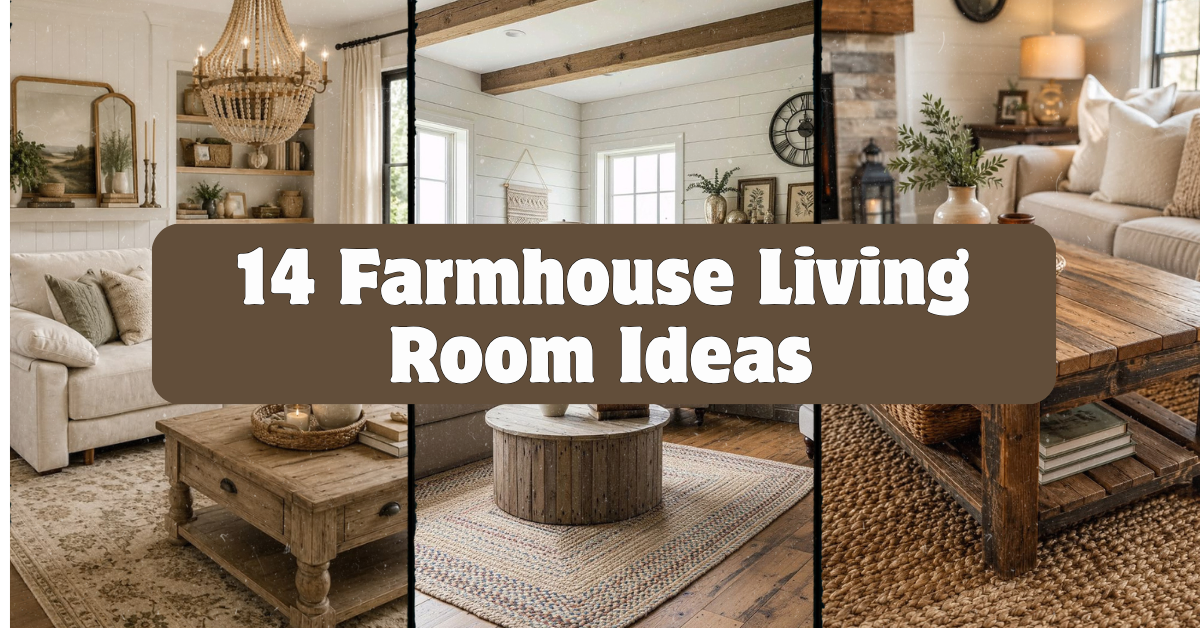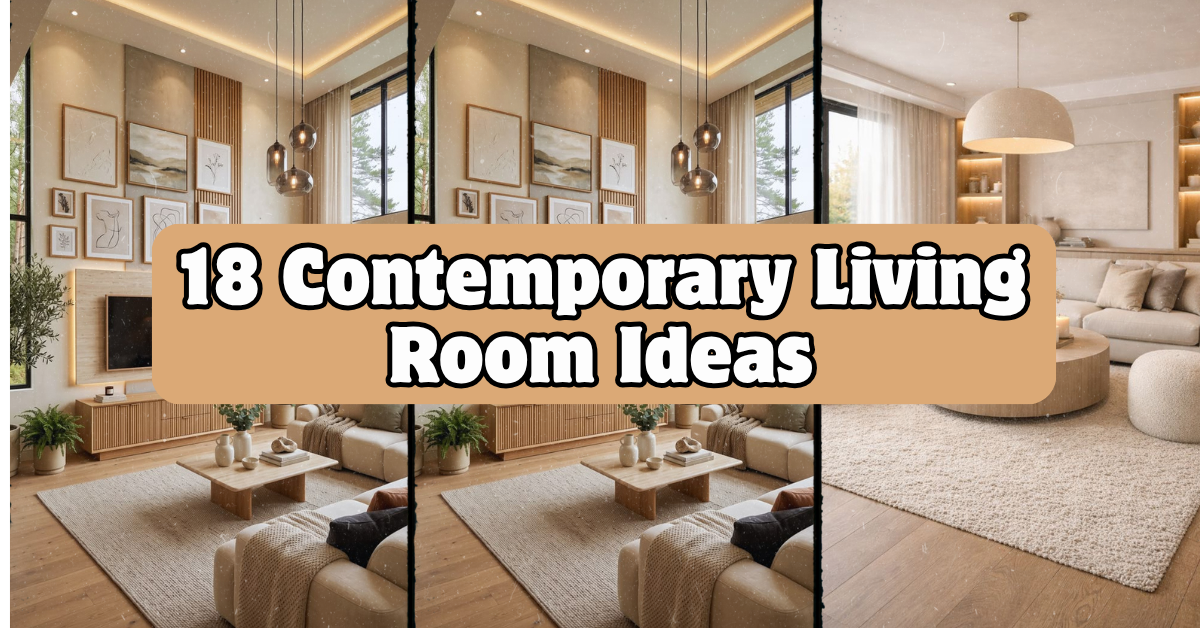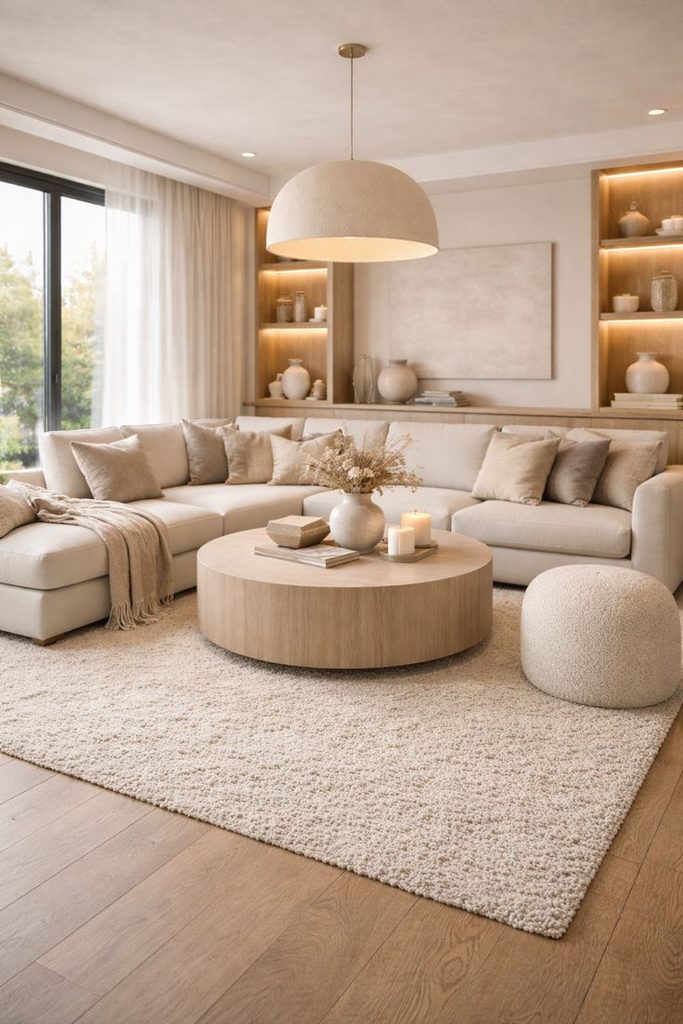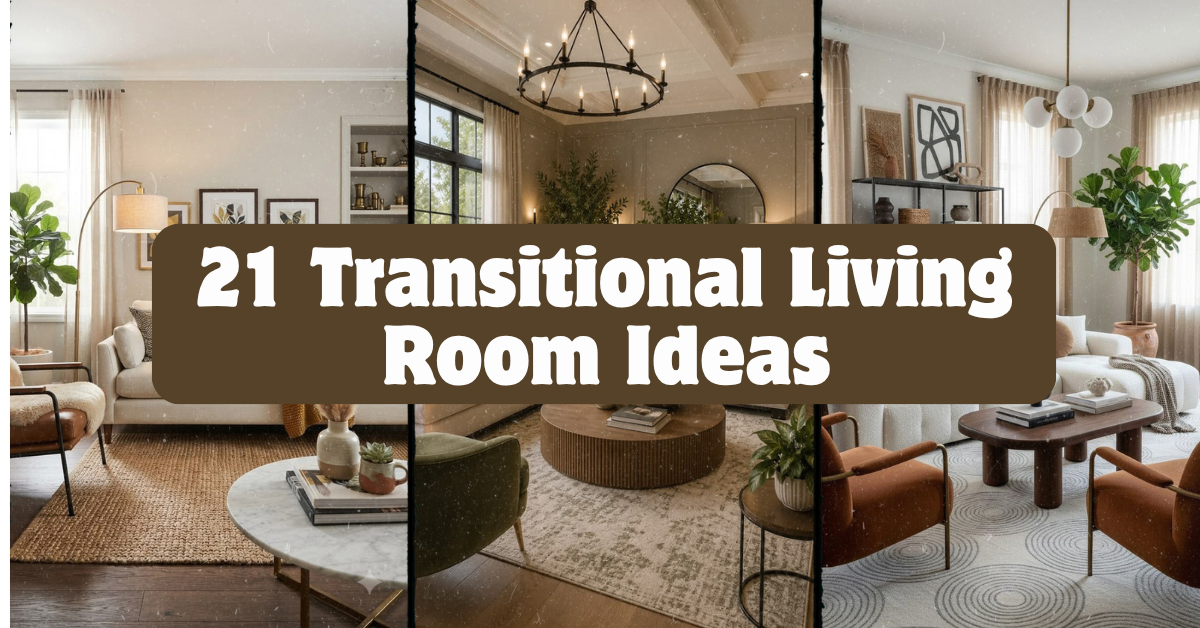
I’ve spent way too many hours scrolling through 16 minimalist living room photos, trying to figure out how people make empty-looking rooms feel so calm instead of just… bare. If you’ve ever wondered the same thing, you’re in the right place.
A minimalist living room is a space designed with fewer, more intentional items, a limited color palette, and clean lines to reduce visual clutter and create a calm, functional environment. The goal isn’t emptiness. It’s purpose.
Stick with me and I’ll walk you through 16 real, doable ideas, plus the mistakes that trip most people up when they try this style at home.
What Minimalist Living Room Design Really Means
Okay, so let’s get one thing straight. Minimalism isn’t about owning three things and sitting on the floor. That’s a myth. I used to think that too, until I actually tried it and realized my living room felt more like a waiting room than a home.
Real minimalist design is about choosing quality over quantity. You keep what you use and love. You ditch what you don’t. The color palette stays simple, usually neutrals or soft tones. Furniture has clean shapes, nothing too fussy. And every item earns its spot in the room instead of just filling space.
Once you get that mindset, the ideas below will make a lot more sense.
1. Start With a Neutral Color Foundation

Your walls and big furniture pieces should stick to a quiet color story. Think white, beige, greige, soft gray, or warm taupe. This isn’t boring, it’s smart. Neutral backgrounds let texture and light do the talking instead of loud colors competing for attention.
Paint your walls a soft off-white or warm gray, then bring in one accent color through a pillow or a piece of art. Keep everything else calm around it.
Practical tip: Test paint samples on your wall for three days before committing. Light changes color perception throughout the day.
This works in modern, Scandinavian, and even traditional homes. Traditional spaces just add warmer wood tones on top of the neutral base.
Once your color foundation is set, it’s time to think about what furniture actually goes in the room.
2. Choose Furniture With Clean, Simple Lines

Skip the carved wood details and tufted everything. Minimalist furniture has straight edges, simple legs, and no unnecessary curves. A sofa should look like a sofa, not a sculpture.
Look for pieces with exposed wood legs instead of skirted bottoms. It makes furniture feel lighter, almost like it’s floating a little above the floor. This small trick makes small rooms look bigger too.
Practical tip: Measure your room before buying. A sofa that’s too big kills the open, breathable feeling minimalism relies on.
Modern homes lean into sharp angles. Coastal minimalist spaces prefer rounded, soft edges in lighter woods like oak or ash.
Now that your furniture shapes are sorted, let’s talk about how much of it you actually need.
3. Limit Yourself to Essential Furniture Pieces Only

Here’s the hard part. You don’t need five side tables and three accent chairs. Pick the essentials: a sofa, one or two chairs, a coffee table, and maybe a media console. That’s it.
I know it feels scary leaving space empty. But empty space, called negative space, is what makes a minimalist room feel peaceful instead of packed.
Practical tip: Before buying new furniture, live with the empty space for two weeks. You might realize you don’t need as much as you thought.
This rule flexes depending on family size. Traditional family homes might need an extra ottoman for kids. Keep it simple anyway.
Speaking of furniture, let’s talk about one piece that quietly transforms the whole room.
4. Add One Statement Piece Instead of Many Small Accents

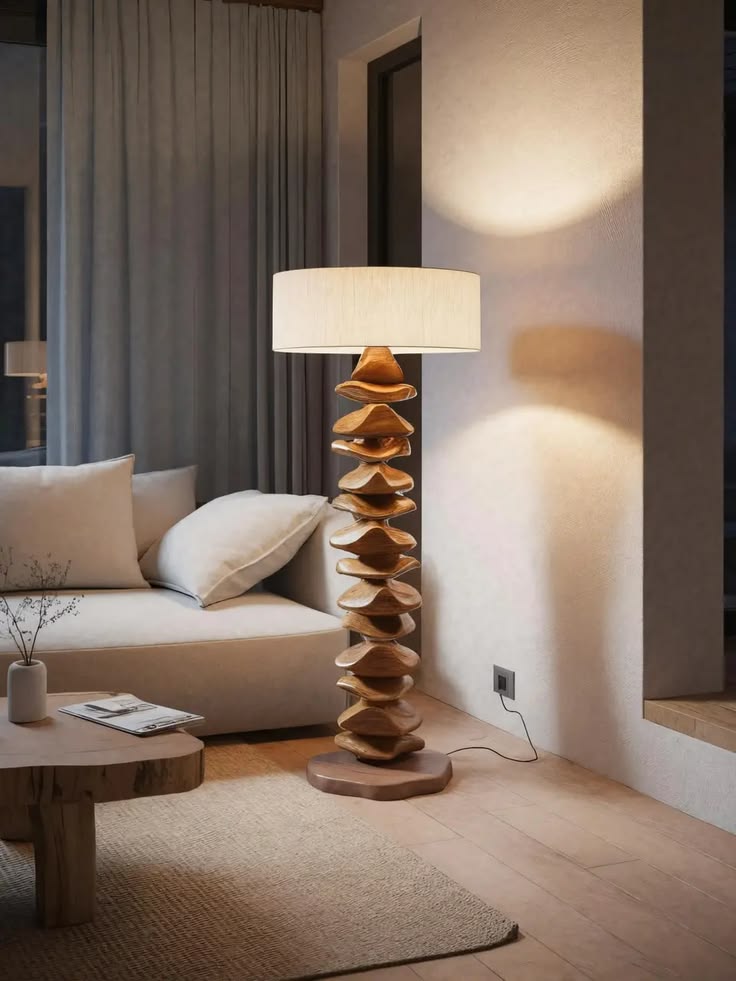
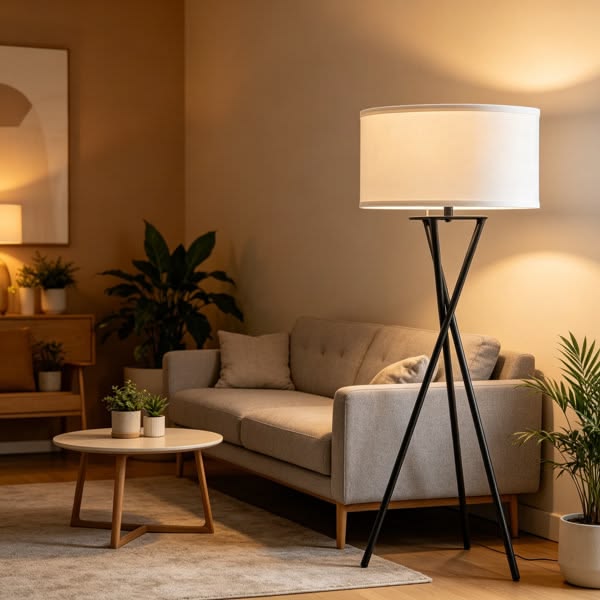
Minimalist rooms often have one hero item. Maybe it’s a bold floor lamp, a sculptural chair, or a large piece of art. One statement piece gives your eyes somewhere to land without overwhelming the space.
Skip the shelf full of tiny knickknacks. Instead, choose a single oversized vase or one great piece of wall art.
Practical tip: If you’re unsure what your statement piece should be, pick the item you’d grab first in a fire. That’s usually the thing worth showing off.
This idea works everywhere. In boho spaces, the statement piece might be a woven wall hanging. In modern homes, it could be a geometric light fixture.
Speaking of lighting, that deserves its own spotlight next.
5. Layer Lighting Instead of Relying on One Overhead Fixture

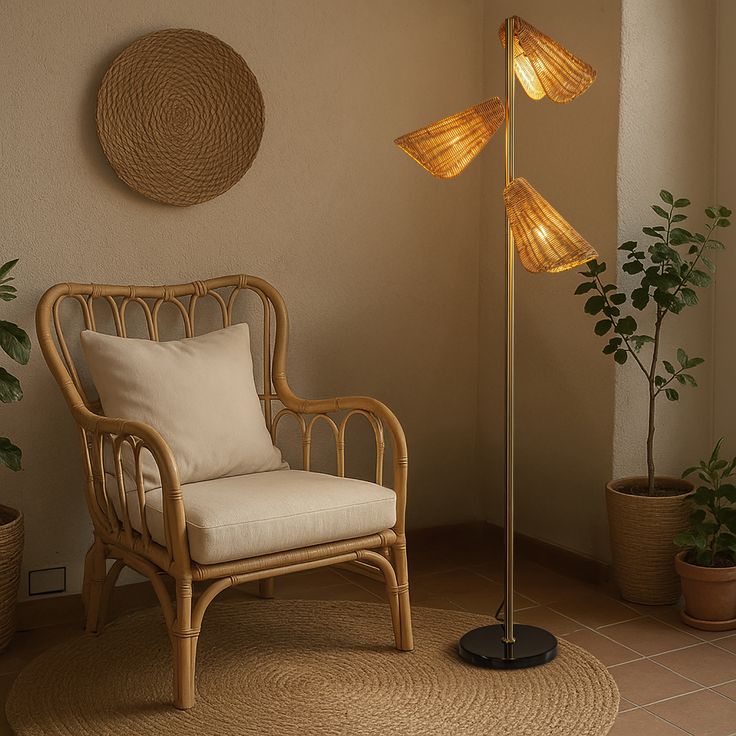
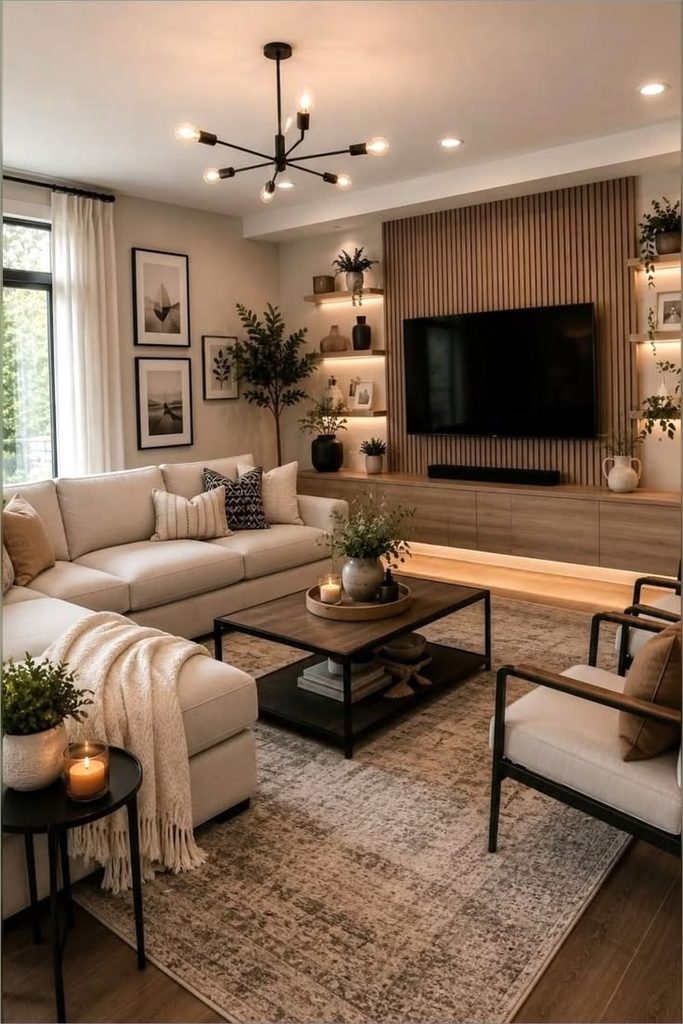
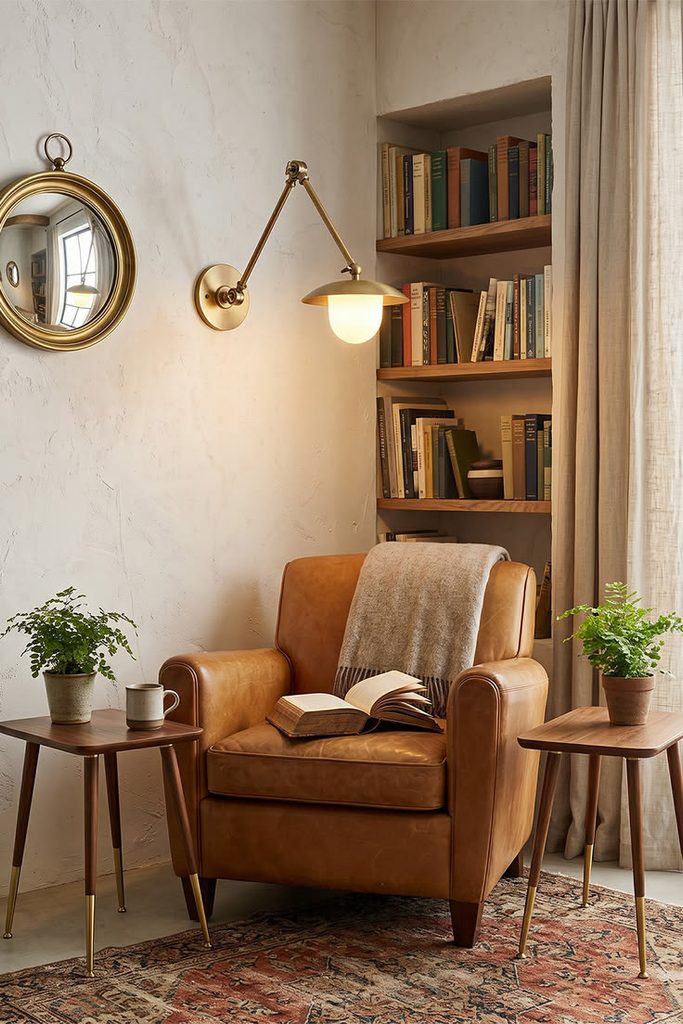
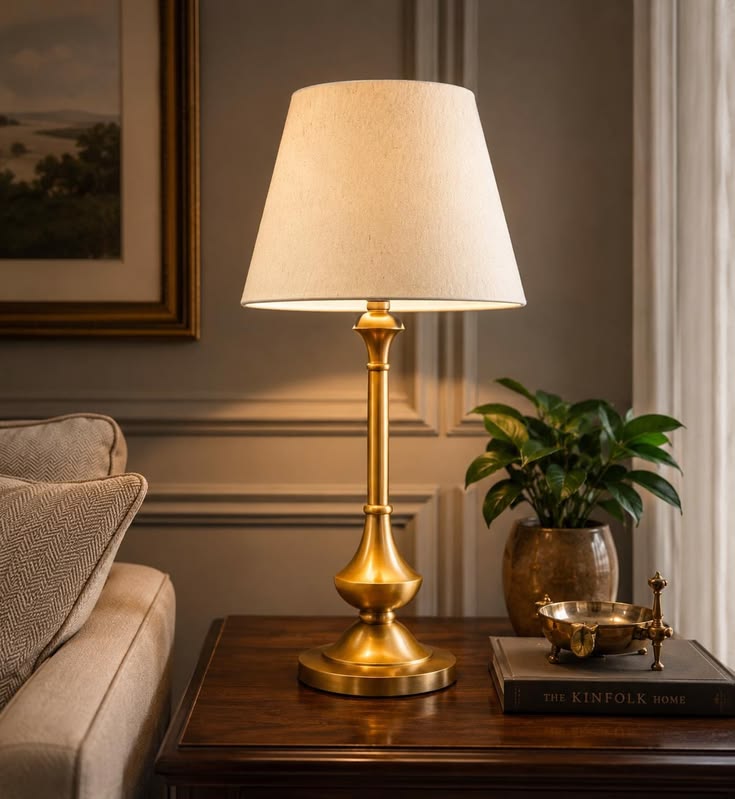
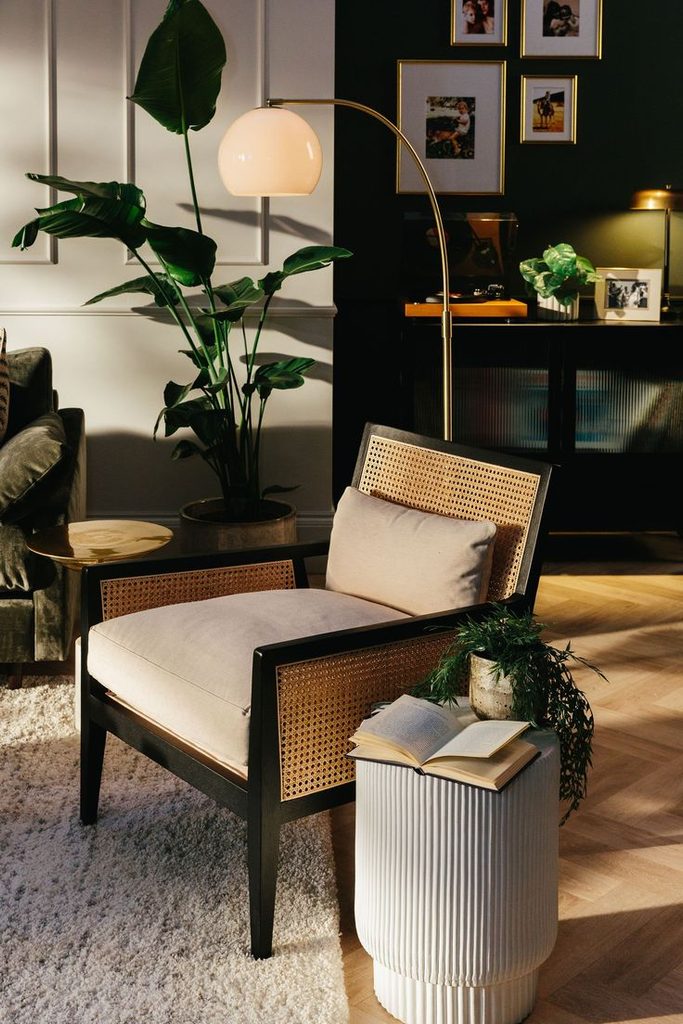
A single ceiling light makes a room feel flat and clinical. Minimalist doesn’t mean under-lit. Mix a floor lamp, a table lamp, and natural light from windows to create depth.
Practical tip: Use warm white bulbs (around 2700K to 3000K) instead of cool white. Warm light makes minimalist spaces feel cozy instead of sterile.
Coastal homes love lots of natural daylight with sheer curtains. Modern spaces often add a sculptural floor lamp as a design feature itself.
Good lighting sets the mood, but texture is what keeps a neutral room from feeling flat.
6. Bring In Texture Through Natural Materials

This is the secret most people miss. A room full of beige can look boring if everything is smooth and flat. Mix materials like linen, wool, wood, and woven jute to add depth without adding clutter or color.
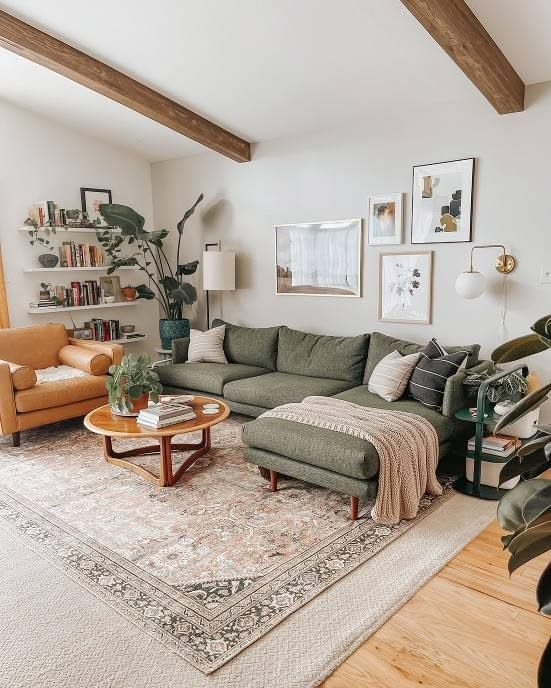
A chunky knit throw, a jute rug, and a wood coffee table together create visual interest even in an all-neutral room.
Practical tip: Aim for at least three different textures in every room. It keeps things from looking flat under photos or in person.
Scandinavian minimalist rooms lean heavily on wool and light wood. Japandi style mixes in more raw, matte textures like unfinished wood and stone.
Texture and Material Pairing Guide
| Material | Best Paired With | Feeling It Creates |
|---|---|---|
| Linen | Wood, rattan | Airy, relaxed |
| Wool | Leather, stone | Warm, grounded |
| Jute | Cotton, linen | Earthy, casual |
| Velvet | Metal, glass | Soft, elevated |
| Rattan | Ceramic, wood | Light, natural |
Once your textures are layered, the next step is choosing a rug that actually ties it all together.
7. Layer a Woven Rug for Warmth Underfoot

A bare floor can feel cold, literally and visually. A simple woven or flatweave rug adds warmth without introducing pattern chaos. Stick to neutral tones or subtle texture-based patterns instead of bold prints.
Practical tip: Your rug should be big enough that at least the front legs of your sofa sit on it. Too small, and the room looks unfinished.
Traditional homes might choose a subtle jute rug with a border. Modern spaces often go for a solid gray or ivory flatweave.
Now let’s zoom out and talk about the walls themselves.
8. Keep Wall Decor Sparse but Meaningful

You don’t need a gallery wall in a minimalist living room. One or two large pieces of art work better than ten small frames. Odd numbers and asymmetry can still feel intentional if the spacing is right.
Practical tip: Hang art so the center sits at eye level, about 57 to 60 inches from the floor. This is the standard gallery height and it just looks right.
Boho minimalist spaces might swap framed art for a woven tapestry. Modern homes often prefer abstract prints in black and white.
Walls handled, let’s talk storage, because clutter kills minimalism faster than anything else.
9. Use Hidden Storage to Keep Surfaces Clear

Minimalism isn’t about owning less stuff necessarily, it’s about not seeing all your stuff at once. Ottomans with storage, closed cabinets, and baskets under console tables hide the mess while keeping surfaces clean.
Practical tip: Do a nightly five-minute reset. Put everything back in its home before bed so mornings start clutter-free.
Traditional homes often use closed wood cabinets. Modern spaces prefer sleek built-ins with hidden compartments.
Now, let’s talk about something people forget: negative space around furniture.
10. Leave Breathing Room Around Every Piece of Furniture

Don’t push everything against the walls. Give furniture some space to breathe. A few inches between a sofa and a side table lets the eye rest and makes the whole room feel more open.
Practical tip: Leave at least 30 inches of walking space in main pathways through the room.
This principle stays true no matter the style, from mid-century modern to Japandi.
Breathing room matters, but so does what’s sitting on your coffee table.
11. Style Your Coffee Table With Just Two or Three Items

A coffee table loaded with magazines, remotes, coasters, and candles looks chaotic. Stick to a small tray, one candle, and maybe a single book or small plant. That’s plenty.
Practical tip: Group items on a tray. It visually contains them and makes cleanup faster too.
Coastal homes might add a small piece of driftwood. Modern spaces prefer a single sculptural object instead.
Now let’s move to something bigger: your window treatments.
12. Choose Simple, Light-Filtering Window Treatments

Heavy drapes with tassels and patterns don’t belong here. Simple linen curtains or clean roller shades let light in while keeping the look calm and uncluttered.
Practical tip: Hang curtain rods closer to the ceiling, not right above the window frame. It makes ceilings look taller instantly.
Scandinavian homes often skip curtains entirely for sheer white panels. Traditional spaces may keep light wood blinds instead.
Budget Guide for a Minimalist Living Room Refresh
| Budget Tier | What You Can Update | Estimated Cost |
|---|---|---|
| Low ($200-$500) | Paint, new rug, decor edit | $200-$500 |
| Mid ($1,000-$2,500) | New sofa or lighting fixtures | $1,000-$2,500 |
| High ($3,000+) | Full furniture set, custom storage | $3,000-$6,000 |
With your budget mapped out, let’s talk plants, because green life changes everything.
13. Add One or Two Plants for Life and Texture
A minimalist room can feel sterile without a little life in it. One large plant, like a fiddle leaf fig or snake plant, adds organic texture and a pop of color without cluttering the space.
Practical tip: Choose low-maintenance plants if you’re not naturally a plant person. Snake plants and ZZ plants survive almost anything.
Boho spaces might add three or four smaller plants grouped together. Modern rooms usually stick to one large statement plant.
Plants bring life, but your furniture layout brings function, so let’s talk flow next.
14. Arrange Furniture to Support Real Conversation and Flow
Minimalist doesn’t mean stiff. Arrange your sofa and chairs facing each other, not just pointed at the TV. This creates a natural conversation area and makes the room feel more welcoming.
Practical tip: Keep your TV as a secondary focus point, not the center of the layout.
Traditional homes often center furniture around a fireplace instead. Modern layouts sometimes float furniture in the middle of open rooms.
Once flow is sorted, it’s worth thinking about how you handle cords and tech clutter.
15. Hide Cords and Tech Clutter Completely

Nothing ruins a clean look faster than a tangle of cords behind the TV. Use cord clips, cable boxes, or even a simple cord cover painted to match your wall.
Practical tip: A $15 cord management box can hide your router, cable box, and power strip in one clean spot.
This matters in every style since tech clutter is universally distracting, no matter your decor theme.
Now let’s talk about something smaller but powerful: your throw pillows.
16. Keep Throw Pillows Limited to Two or Three Per Sofa

More than three pillows starts to look excessive and makes seating less comfortable too. Stick to two or three in complementary neutral tones or one subtle textured pattern.
Practical tip: Choose pillows in different textures but the same color family for a cohesive, calm look.
Coastal spaces might add a light blue linen pillow. Modern rooms often stick to solid white or gray only.
Let’s shift now to something a lot of people overlook: the ceiling.
Tips for Success
- Buy fewer, better pieces instead of filling every gap right away
- Let a room sit empty for a few weeks before deciding what it needs
- Stick to a three-color max rule for your whole room
- Clean surfaces daily, even just for two minutes, to maintain the calm look
- Invest in good lighting before worrying about decor
- Use texture to add warmth instead of adding more color
- Trust empty space, it’s doing more work than you think
Common Mistakes and How to Avoid Them
Too Cold and Sterile
: Add texture through wool, linen, or wood, and switch to warm bulb lighting instead of cool white.
Overbuying Decor at Once
: Live in the space for a few weeks first, then add pieces slowly as you notice real gaps.
Mixing Too Many Metal Finishes
: Pick one or two finishes and repeat them across all fixtures and hardware.
Ignoring Storage Needs
: Add closed storage like baskets or cabinets before things pile up on open surfaces.
Choosing Furniture That’s Too Big
: Measure your room and leave at least 30 inches of walking space around major furniture pieces.
Forgetting Personality Completely
: Keep one or two meaningful items, like a family photo or travel souvenir, even in a minimalist setup.
Similar Variations
- Japandi Living Room – blends Japanese minimalism with Scandinavian warmth using natural wood and muted tones
- Coastal Minimalist Living Room – light, airy, and beachy with whites, blues, and natural fibers
- Modern Farmhouse Minimalist – mixes clean lines with rustic wood accents and cozy textiles
- Boho Minimalist Living Room – fewer items but more texture, pattern, and warm earthy colors
- Industrial Minimalist Living Room – raw materials like concrete and metal paired with simple furniture shapes
- Warm Minimalist Living Room – focuses heavily on tan, cream, and rust tones instead of stark white and gray
Building a calm, clutter-free living room isn’t about owning nothing. It’s about choosing what actually deserves space in your home and letting the rest go. Start small, pick a few ideas from this list, and give your space room to breathe before adding more. That’s really the whole secret behind every great 16 Minimalist Living Room design out there.