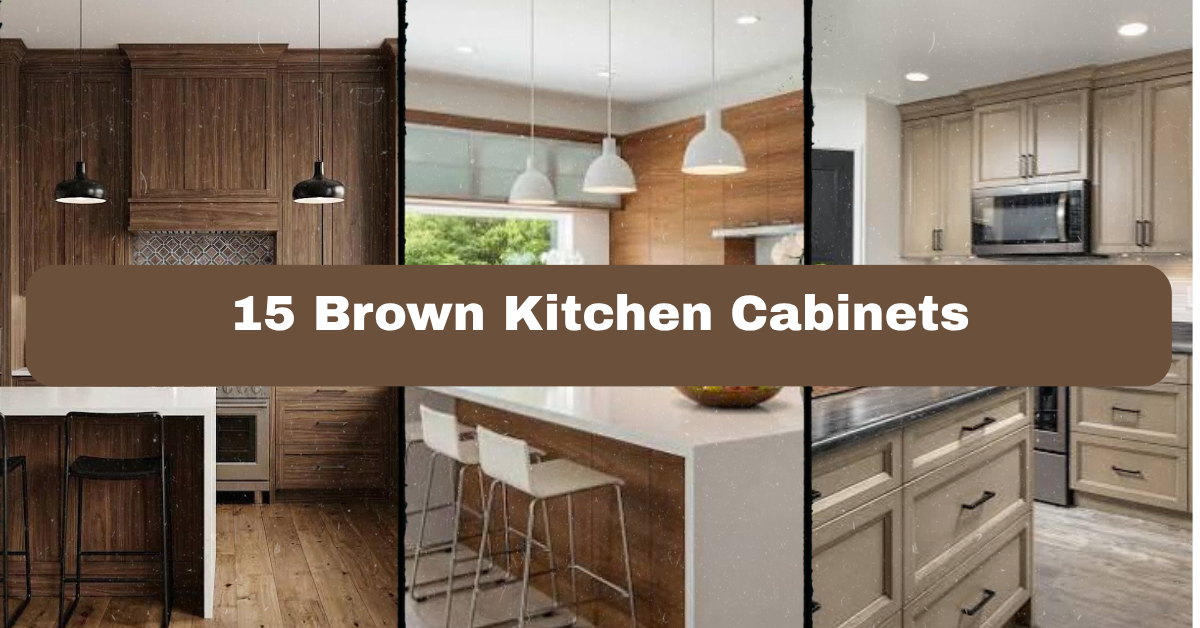
15 Brown Kitchen Cabinets can make a kitchen feel warm, grounded, and inviting without looking dark or dated. I’ll walk you through practical color pairings, materials, layouts, and decorating tricks so you can choose a look that fits your home and budget.
What are the best ways to use brown kitchen cabinets? Pair them with balanced light or muted colors, natural textures, suitable hardware, and layered lighting. Brown cabinets work in modern, traditional, farmhouse, rustic, coastal, and transitional kitchens when the surrounding finishes create enough contrast.
Keep reading for fifteen clear design ideas, plus easy planning tips, helpful comparison tables, and common mistakes to avoid. I’ll also show you how to make brown cabinetry feel lighter, richer, or more modern.
Understanding the Appeal of Brown Kitchen Cabinets
Brown kitchen cabinets bring warmth that white and gray cabinets sometimes lack. They can look soft and casual in a light oak finish, or rich and dramatic in walnut, espresso, or dark stained wood. I like brown because it feels connected to nature. It works well with stone, tile, metal, and woven textures.
The key is balance. Too much dark brown can make a small kitchen feel closed in. Too many orange or red undertones can make the room look dated. The right wall color, countertop, backsplash, and lighting will shape the final result.
Before choosing a stain, look at your floor and natural light. A brown that looks calm in a showroom may look much warmer at home. Always test a sample near your windows and under your kitchen lights.
1. Pair Walnut Cabinets With Creamy White Walls
Walnut cabinets have beautiful grain and a deep brown color. Creamy white walls help show off that natural detail without creating a harsh contrast. This pairing feels warmer than bright white and works especially well in kitchens with wood floors or brass hardware.
For the countertop, try quartz with soft beige, cream, or subtle gray veining. A simple ivory subway tile can keep the backsplash from competing with the cabinet grain. Add linen café curtains, ceramic pitchers, or a small wooden cutting board for a relaxed finish.
A practical tip: use warm white paint rather than a blue-toned white. Cool white can make walnut look muddy.
This idea adapts easily to traditional, transitional, farmhouse, and organic modern homes. Once the wall color is set, the next step is choosing hardware that gives the cabinets a clear personality.
2. Add Matte Black Hardware for a Modern Edge
Matte black pulls and knobs give brown cabinets a crisp, updated look. The dark hardware blends with deep brown cabinetry but still adds shape and contrast. It also connects nicely with black window frames, pendant lights, faucets, and appliances.
Use long bar pulls on wide drawers and shorter pulls on doors. Keeping the hardware style consistent makes the kitchen feel planned. If your cabinets are medium brown, black hardware creates stronger contrast. On espresso cabinets, it creates a quieter, more seamless look.
I recommend placing samples on several doors before ordering. Check them in morning light and at night. Hardware can look much heavier once it covers a full wall of cabinets.
This approach suits modern, industrial, Scandinavian, and transitional kitchens. After adding contrast in small doses, you can soften the room with a backsplash that brings in movement.
3. Use a Soft Stone Backsplash to Break Up Wood
A stone backsplash can keep brown cabinets from feeling visually heavy. Choose limestone, travertine-look porcelain, marble-look quartz tile, or ceramic tile in cream, taupe, warm gray, or sandy beige. These shades connect the cabinets to the rest of the room without creating a busy pattern.
A full-height backsplash behind the range makes a strong focal point. If you prefer a quieter design, install tile from the countertop to the bottom of the upper cabinets. Honed or matte finishes usually look softer than glossy tile.
For a practical choice, use porcelain if you want the look of natural stone with easier maintenance. Seal natural stone according to the manufacturer’s instructions.
This idea works in rustic, Mediterranean, traditional, and modern kitchens. Once the backsplash is chosen, compare your colors and materials side by side before making a final purchase.
Warm Color Palette Guide
| Cabinet finish | Wall color | Countertop direction | Hardware |
|---|---|---|---|
| Light oak | Warm white or pale beige | Cream quartz | Brushed brass or black |
| Medium walnut | Soft ivory or mushroom | White with warm veining | Black or aged brass |
| Espresso | Light greige | Pale quartz or marble-look porcelain | Brushed nickel or brass |
| Reddish brown | Muted sage or warm white | Beige granite or quartz | Oil-rubbed bronze |
| Dark chocolate | Sand, taupe, or light greige | Cream with subtle veining | Brass, bronze, or black |
4. Mix Brown Cabinets With Muted Green
Brown and green feel natural together because both colors appear in woodlands, gardens, and outdoor landscapes. A muted sage, olive, or eucalyptus green can make brown cabinets feel fresh without turning the kitchen bright or playful.
You can use green on the walls, island, backsplash, or lower cabinets. If the entire kitchen has brown cabinetry, a sage green island creates a gentle focal point. Keep the countertop fairly quiet so the color pairing stays calm.
Add plants, aged brass, woven baskets, or ceramic dishes in soft green and cream. For a fast update, paint the pantry door or island instead of replacing every cabinet.
Test the green next to your brown stain first. Yellow-based greens often pair best with warm brown wood.
This palette fits cottage, English country, farmhouse, and organic modern styles. If you prefer a lighter and airier mood, the next idea shows how blue can balance brown.
5. Create Contrast With Dusty Blue Accents
Dusty blue gives brown cabinetry a relaxed, collected feeling. It is softer than navy and less stark than bright blue. Use it on a kitchen island, bar stools, window shades, or a small section of wall.
Brown cabinets with dusty blue work best when you repeat the blue two or three times. For example, use blue seat cushions, a patterned runner, and a few blue ceramic bowls. This prevents the accent from looking random.
Choose a countertop with warm white, cream, or light gray tones. If the blue is very cool, add brass or natural wood accessories to bring warmth back into the room.
A practical tip: pick blue fabrics with a little gray in them. Highly saturated royal blue can fight with the brown stain.
This idea works in coastal, farmhouse, cottage, and transitional kitchens. Next, let’s look at how changing the island color can add dimension without replacing the whole room.
6. Paint the Island a Different Color
A contrasting island can give brown kitchen cabinets a custom look. Good options include warm white, charcoal, sage green, deep navy, muted blue, or a lighter wood tone. The island becomes a visual anchor while the perimeter cabinets provide warmth.
Choose the island color based on your room size. A light island can make a small kitchen feel more open. A deep color adds drama in a large kitchen with strong natural light. Use the same countertop on the island and perimeter for unity, or choose a butcher block top for a more casual effect.
Before painting, clean, sand, prime, and use a durable cabinet enamel. Ask a professional if the cabinets have a factory finish that may need special preparation.
This design adapts to farmhouse, modern, traditional, and two-tone transitional spaces. After creating a focal point, the right flooring can tie all the brown tones together.
7. Ground the Room With Light Wood Flooring
Light wood flooring can brighten brown cabinetry and make the kitchen feel connected to nature. White oak, pale maple, bamboo, and light wood-look porcelain are useful choices. The floor should not match the cabinets exactly. A little contrast helps each finish stand out.
If your cabinets are reddish brown, choose flooring with neutral or slightly golden undertones. If your cabinets are dark espresso, pale oak flooring can create a clean, balanced base.
Use a runner near the sink to add color and protect a busy work area. Pick a washable design with rust, cream, olive, or faded blue.
A practical tip: place flooring samples next to the cabinet door, countertop sample, and backsplash tile. Looking at each material alone can be misleading.
This approach suits Scandinavian, modern farmhouse, rustic, and transitional homes. With the floor in place, you can decide whether your countertops should blend in or make a statement.
Flooring and Cabinet Contrast Guide
| Cabinet color | Flooring that usually works well | Flooring to use carefully |
|---|---|---|
| Light honey oak | Neutral oak, pale maple, warm limestone-look tile | Very orange wood |
| Medium walnut | White oak, neutral brown oak, beige porcelain | Matching walnut with no contrast |
| Dark espresso | Pale oak, light gray oak, cream tile | Very dark slate in a small room |
| Reddish cherry brown | Neutral beige, soft brown, warm gray | Strong red or orange flooring |
| Deep chocolate brown | Light wood, cream tile, pale terrazzo | Black flooring without strong lighting |
8. Use Glass-Front Doors to Lighten Upper Cabinets
Glass-front cabinet doors break up a long wall of brown cabinetry. They reflect light and let you display attractive dishes, glassware, or baskets. Clear glass creates an open look, while reeded or seeded glass hides clutter and adds texture.
Use glass doors on a few upper cabinets instead of every door. Two or three sections are often enough. Keep the contents simple. Stack white plates, place mugs in a neat row, or use matching storage baskets.
Interior lighting can make the display glow at night. Install warm LED strip lights with hidden wiring and choose a color temperature around 2700K to 3000K for a cozy effect.
This idea works in traditional, European, farmhouse, and transitional kitchens. Once the upper cabinets feel lighter, bring in a natural material to soften the harder surfaces below.
9. Add a Butcher Block Section for Warmth
Brown cabinets and butcher block create a welcoming, practical combination. Use butcher block on the island, a baking station, or a small counter section rather than covering every surface. The wood adds texture and makes the kitchen feel less formal.
Choose a butcher block that contrasts with the cabinet stain. Light maple stands out against walnut or espresso. A medium oak top can blend with light brown cabinets while still showing its grain.
Wood counters need regular care. Follow the product instructions for oiling, cleaning, and protecting the surface. Do not treat butcher block like a sealed stone countertop unless it has a compatible factory finish.
This material works especially well in farmhouse, cottage, rustic, and modern organic kitchens. To keep all the wood from looking too heavy, the next idea adds reflective metal.
10. Warm the Space With Brass or Bronze Fixtures
Brass and bronze hardware pair naturally with brown wood. Brushed brass feels bright and current, while aged brass looks relaxed and traditional. Oil-rubbed bronze creates a deeper, more rustic effect.
Repeat the chosen metal across the faucet, cabinet pulls, light fixtures, and perhaps a shelf bracket. You do not need every metal in the room to match perfectly, but two main finishes usually create a cleaner look.
Use brushed or satin finishes if fingerprints bother you. Polished brass reflects more light but may need frequent wiping. For a simple update, change the pendant lights and faucet before replacing all cabinet hardware.
This approach works in traditional, art deco, modern, rustic, and transitional kitchens. After selecting metal, consider the lighting itself, since even the best finish can disappear in a dim room.
11. Layer Lighting to Prevent a Dark Kitchen
Brown cabinets need good lighting to show their color and texture. Start with ceiling lights for general brightness. Add under-cabinet lighting to illuminate counters and reduce shadows. Use pendants over an island or peninsula for task lighting and style.
Warm LEDs usually complement brown wood, but avoid bulbs that are too yellow. A color temperature between 2700K and 3000K often creates a comfortable kitchen glow. If the room has very little daylight, use lighter countertops and backsplash materials to reflect more light.
Aim under-cabinet lights toward the backsplash and work surface, not directly into your eyes. Install dimmers so you can shift from bright cooking light to a softer evening setting.
This strategy fits every home style because lighting is both practical and decorative. With the room properly lit, you can add pattern through textiles without making the space feel busy.
Kitchen Lighting Planning Guide
| Lighting layer | Best location | Main purpose | Useful planning note |
|---|---|---|---|
| Ambient lighting | Ceiling or recessed fixtures | Overall room brightness | Use multiple fixtures instead of one harsh center light |
| Task lighting | Under upper cabinets | Countertop work | Place lights near the front edge of cabinets |
| Accent lighting | Inside glass cabinets or above shelves | Display and mood | Use warm LED strips with concealed wiring |
| Island lighting | Two or three pendants | Food prep and visual focus | Center fixtures over the work zone |
| Evening lighting | Dimmable fixtures | Softer nighttime mood | Install dimmers before final switch plates |
12. Style Brown Cabinets With Open Shelves
Open shelves can make a kitchen with brown cabinetry feel less enclosed. Install one or two shelves on an empty wall, beside the range, or between upper cabinets. Use them for daily dishes, plants, cookbooks, and a few decorative objects.
Choose shelves in a finish that either matches the cabinets or provides clear contrast. Light wood shelves can brighten dark cabinetry. Thick stained shelves create a richer, more traditional appearance. Metal brackets add an industrial touch.
Do not overload the shelves. Leave some empty space so the display feels intentional. Group items by color, height, or function. Keep frequently used dishes within easy reach and decorative pieces higher up.
This idea works in industrial, farmhouse, Scandinavian, rustic, and modern kitchens. Next, we’ll use fabric and pattern to bring softness into the cabinet-heavy space.
13. Layer in a Patterned Runner and Window Fabric
Textiles make brown kitchen cabinets feel more relaxed. A runner can add color underfoot, while Roman shades, café curtains, or a fabric valance soften windows. Choose patterns that include at least one cabinet-related color, such as tan, rust, cream, olive, blue, or charcoal.
For busy kitchens, use a low-pile washable runner with a non-slip pad. Flatweave cotton and performance fabric are practical choices. Avoid thick rugs near the sink because they can hold moisture and become difficult to clean.
A simple striped runner feels coastal or farmhouse. A faded medallion pattern feels traditional. Small checks or botanical prints suit cottage spaces.
This idea adapts to nearly any style and is easy to change when you want a new look. Once the textiles are set, use decor sparingly so the room stays useful rather than cluttered.
14. Decorate With Ceramic, Stone, and Woven Details
Natural accessories bring out the earthy quality of brown cabinets. Try handmade ceramic bowls, stoneware pitchers, woven baskets, terracotta pots, wooden boards, and linen tea towels. These pieces add layers without requiring a major remodel.
Keep your color scheme focused. Cream pottery, green plants, and tan baskets can make dark cabinets feel lighter. A few black accents can sharpen the look, while brass details add warmth.
Use decor where it will not interfere with cooking. A large cutting board can lean against the backsplash, but keep the area around the sink clear. Place baskets on top of cabinets only if you can clean them easily.
This approach works in rustic, Mediterranean, organic modern, farmhouse, and boho kitchens. The final idea focuses on a detail that often gets ignored: the cabinet finish itself.
15. Choose a Cabinet Finish That Fits the Light
The same brown color can look completely different in matte, satin, semi-gloss, or distressed finishes. A matte finish feels modern and soft. Satin is easier to clean and offers a gentle glow. Semi-gloss reflects more light but can show surface flaws.
For a small or dim kitchen, consider medium brown cabinets with a satin finish instead of very dark, flat cabinetry. In a bright kitchen, dark walnut or espresso can create a handsome contrast. If you love rustic character, a wire-brushed or lightly distressed finish adds texture.
Always order a sample door if possible. View it beside the floor, countertop, backsplash, and appliances. Look at it during the day and under artificial light.
This choice works across modern, traditional, rustic, coastal, and transitional homes. With the finish selected carefully, the rest of the room becomes much easier to coordinate.
Tips for Success
- Test paint, tile, countertop, and cabinet samples together before ordering materials.
- Check brown undertones. Yellow, red, gray, and neutral brown can create very different results.
- Use at least two light sources in a kitchen with medium or dark cabinets.
- Keep one major surface quiet if another surface has strong grain or pattern.
- Choose washable rugs and easy-clean backsplash materials near busy work zones.
- Repeat accent colors at least twice so they look intentional.
- Leave room around cabinet doors, appliance handles, and island walkways for comfortable movement.
Common Mistakes and How to Avoid Them
Too many dark surfaces
: Balance dark brown cabinets with light walls, bright counters, reflective lighting, or a pale backsplash. You do not need every finish to be dark.
Ignoring undertones
: Compare samples in your actual kitchen. A red-brown cabinet may clash with a blue-gray wall, while a neutral brown may work beautifully with it.
Using only one light source
: Add under-cabinet lights, pendants, or interior cabinet lighting. One ceiling fixture often leaves work surfaces in shadow.
Matching every wood finish
: Similar wood tones can blur together. Use contrast between the floor, cabinets, shelves, and island when possible.
Overloading open shelves
: Display a few useful and attractive pieces. Leave empty space so the shelves do not become a second pantry.
Choosing style over maintenance
: Think about cooking habits before selecting porous stone, high-maintenance wood, or delicate fabric. Pretty materials still need to work hard.
Similar Variations
- Warm Modern: Brown slab cabinets, simple hardware, pale quartz, and clean lighting create a smooth contemporary look.
- Organic Modern: Walnut, stone, linen, plants, and soft neutral colors bring in natural texture without visual clutter.
- Modern Farmhouse: Brown cabinets, a light island, apron-front sink, black hardware, and a practical runner create a friendly country feel.
- Coastal Brown: Light wood cabinets, dusty blue accents, woven shades, white walls, and sandy tile keep the room breezy.
- Rustic Mediterranean: Dark wood, terracotta, aged bronze, patterned tile, and creamy plaster tones add old-world character.
- Scandinavian Brown: Light oak, warm white walls, pale counters, simple shelves, and minimal decor make the kitchen feel bright and calm.
Brown kitchen cabinets do not have to make a room feel old, heavy, or closed in. With the right lighting, contrast, hardware, and natural materials, they can look current and welcoming. Start with the cabinet undertone, then build the palette around the light in your home.
Whether you prefer walnut, oak, espresso, or a painted brown finish, these ideas can help you create a kitchen that feels personal and practical with 15 Brown Kitchen Cabinets.
Leave a Reply