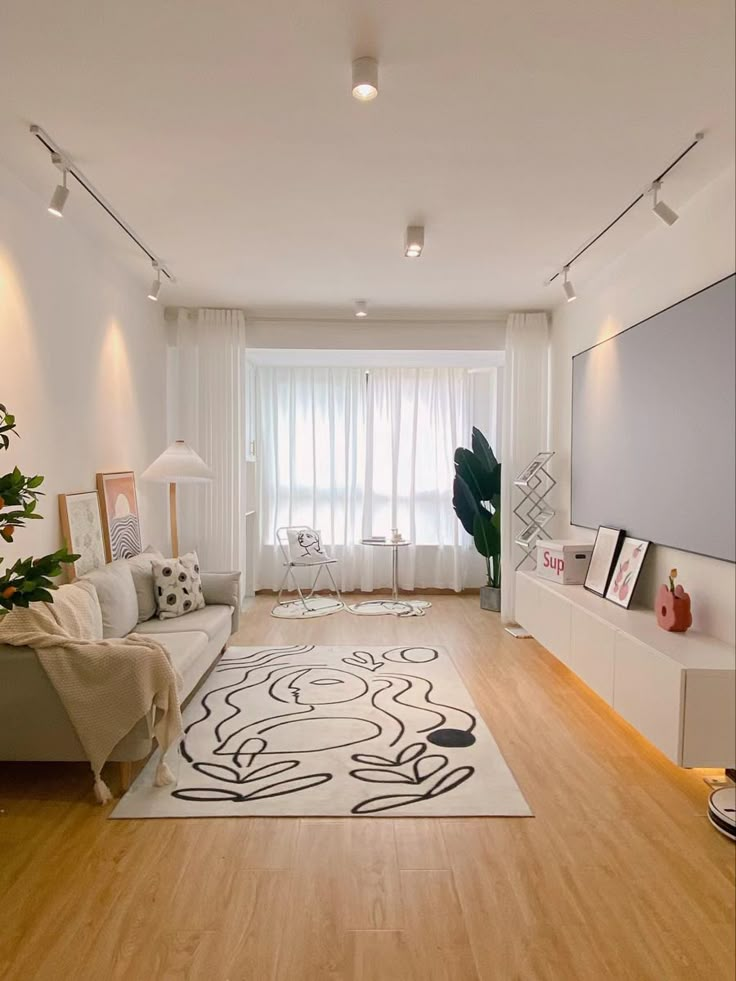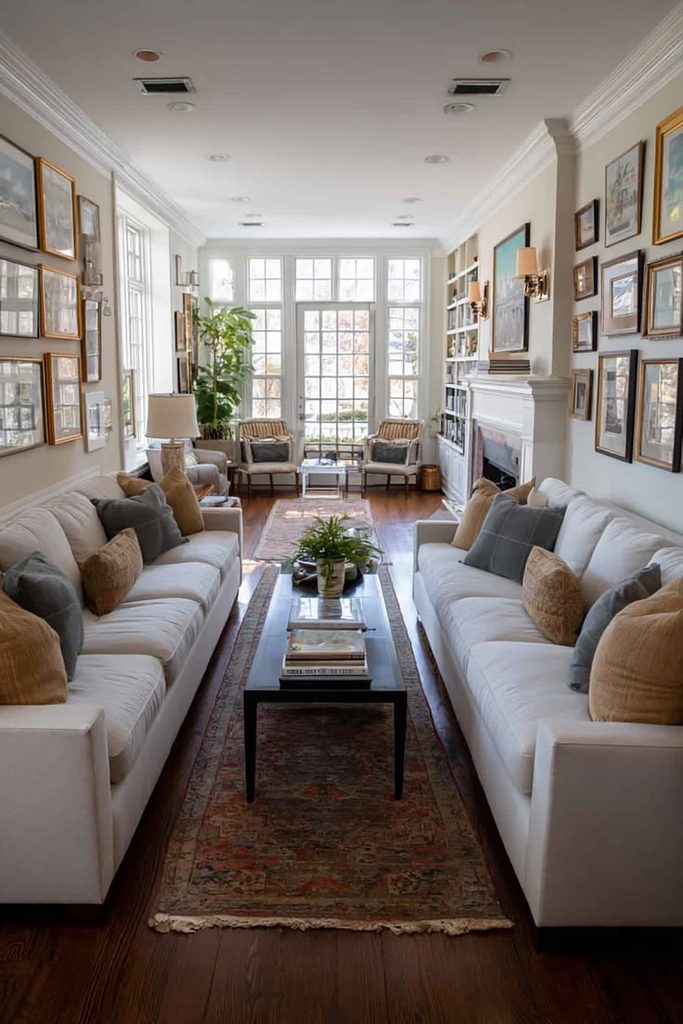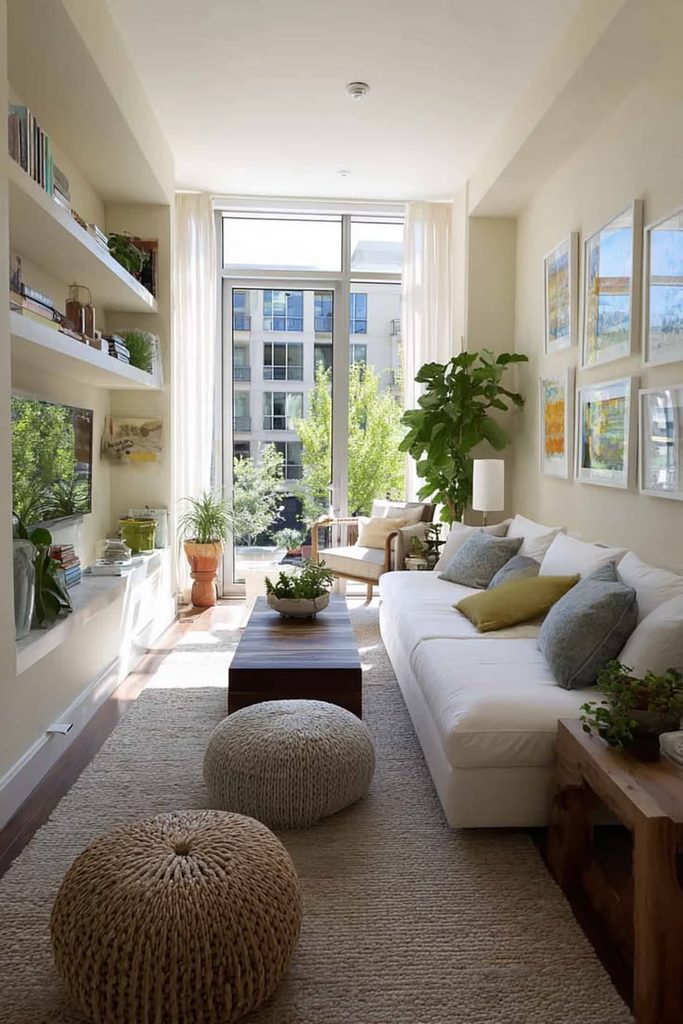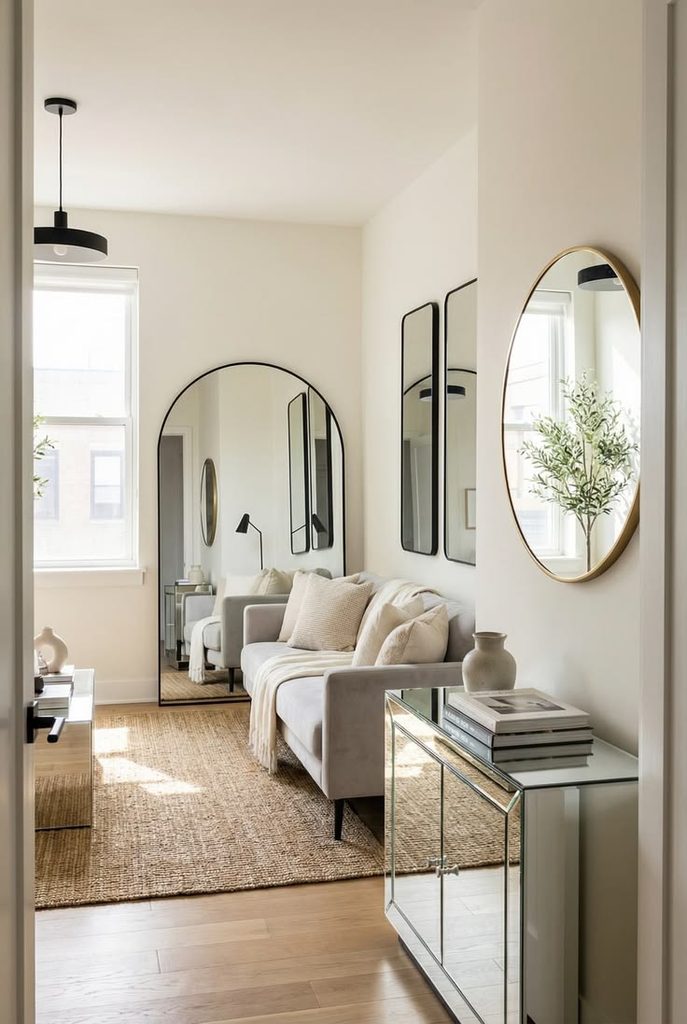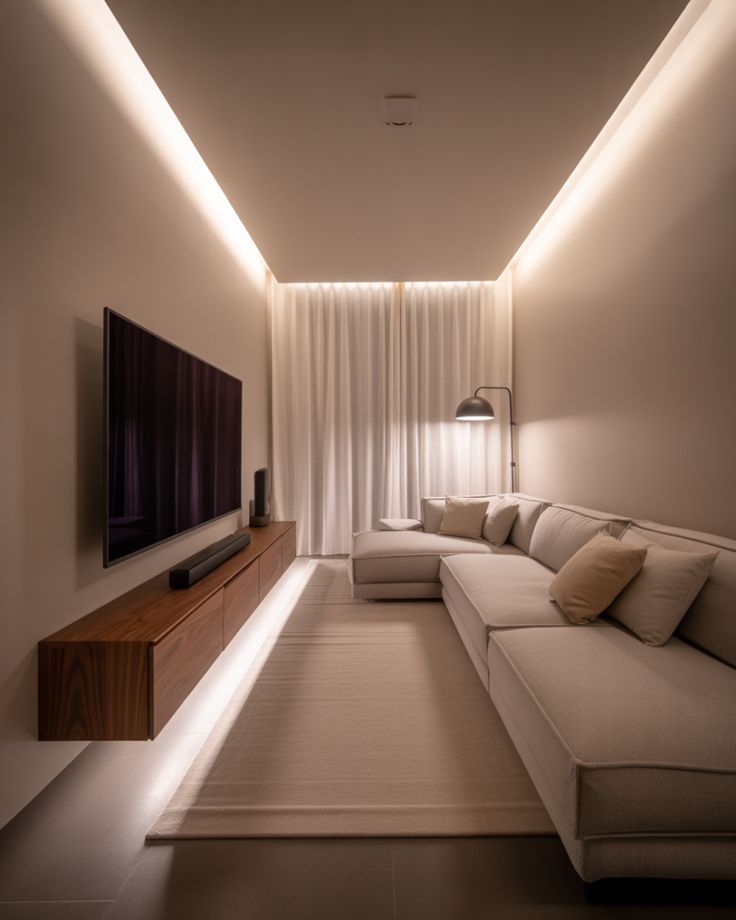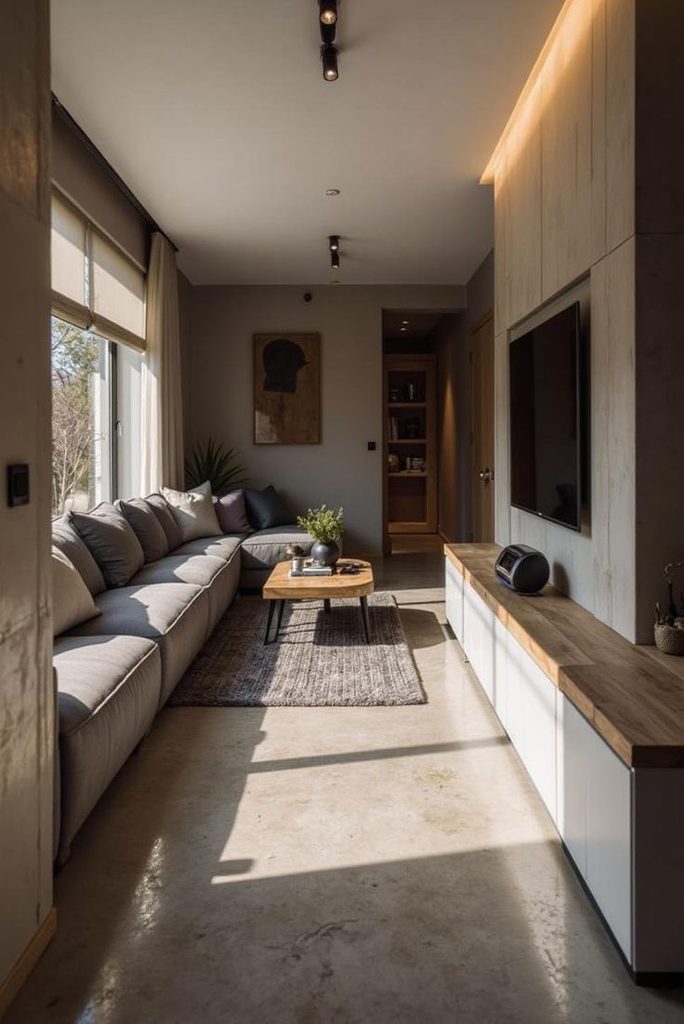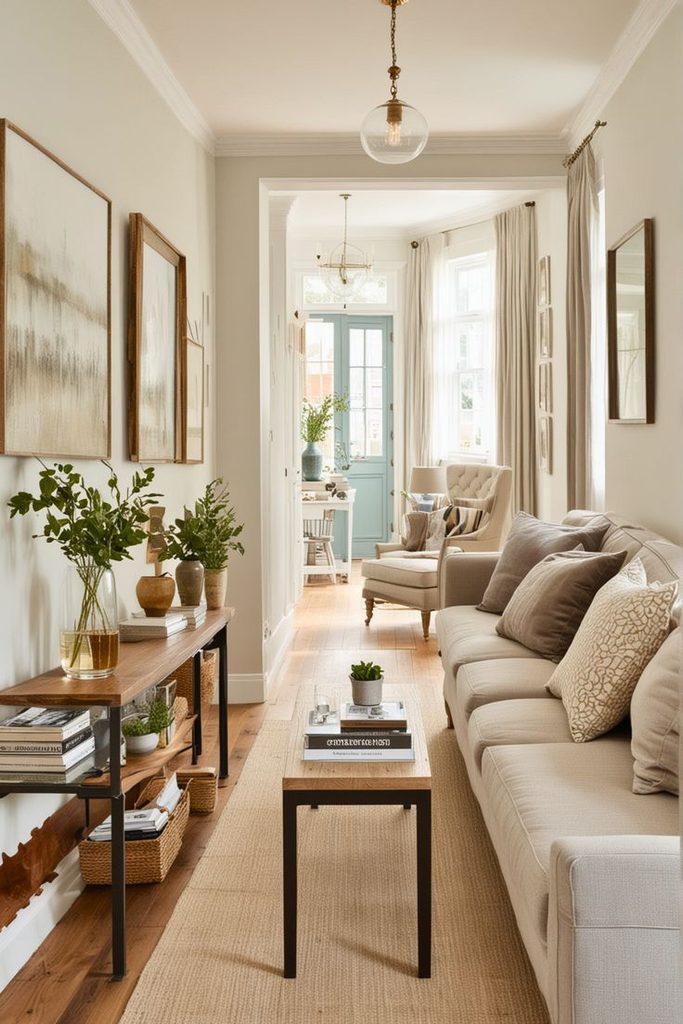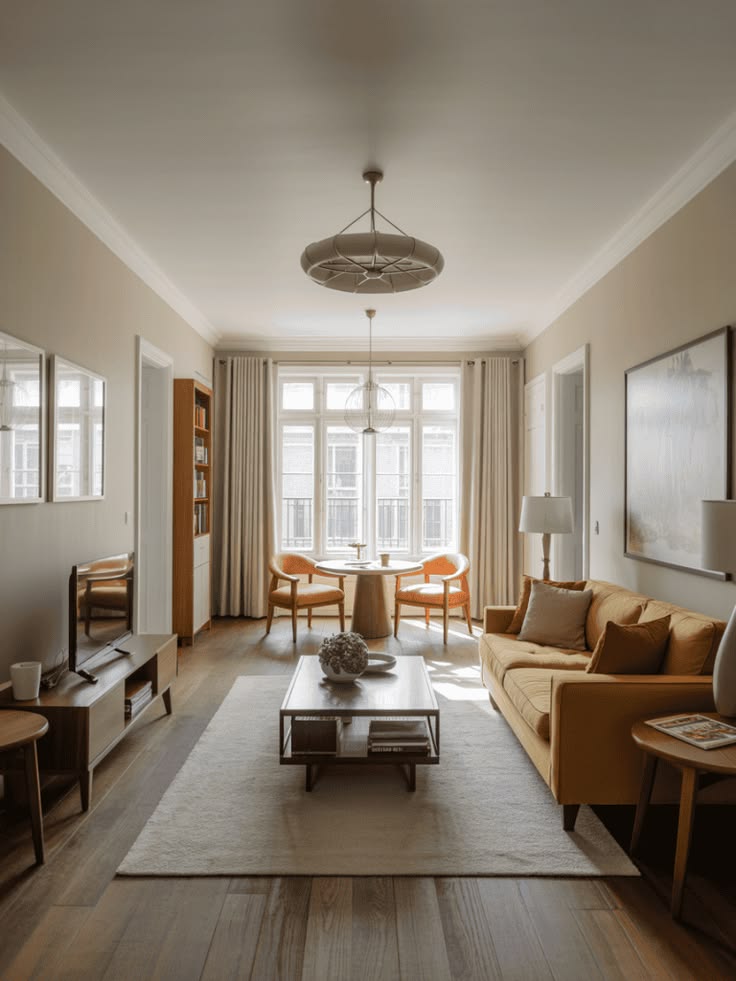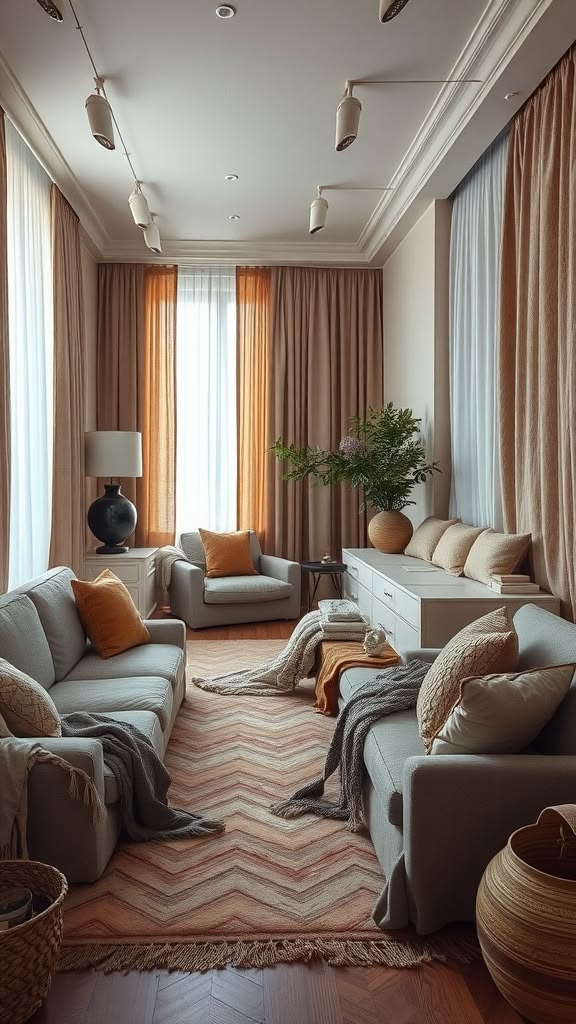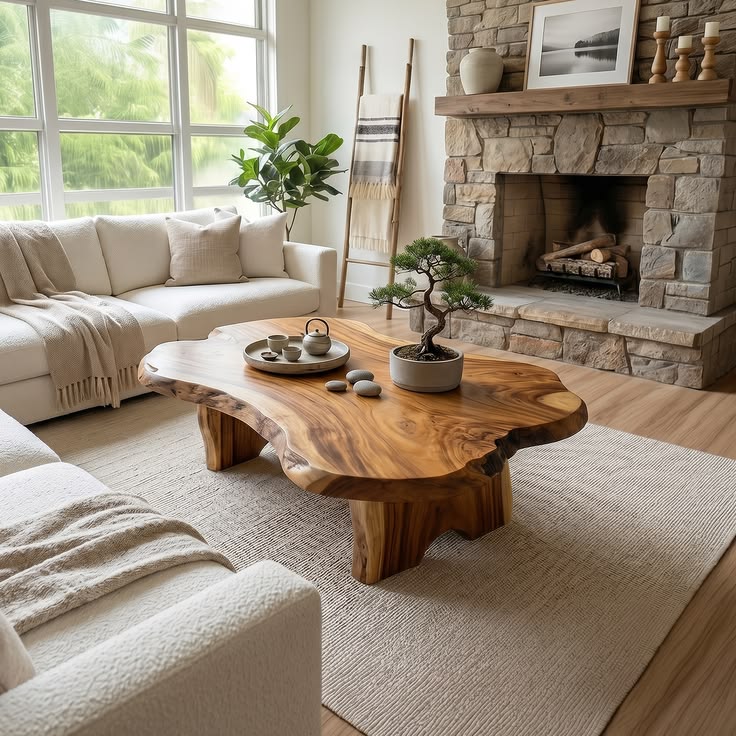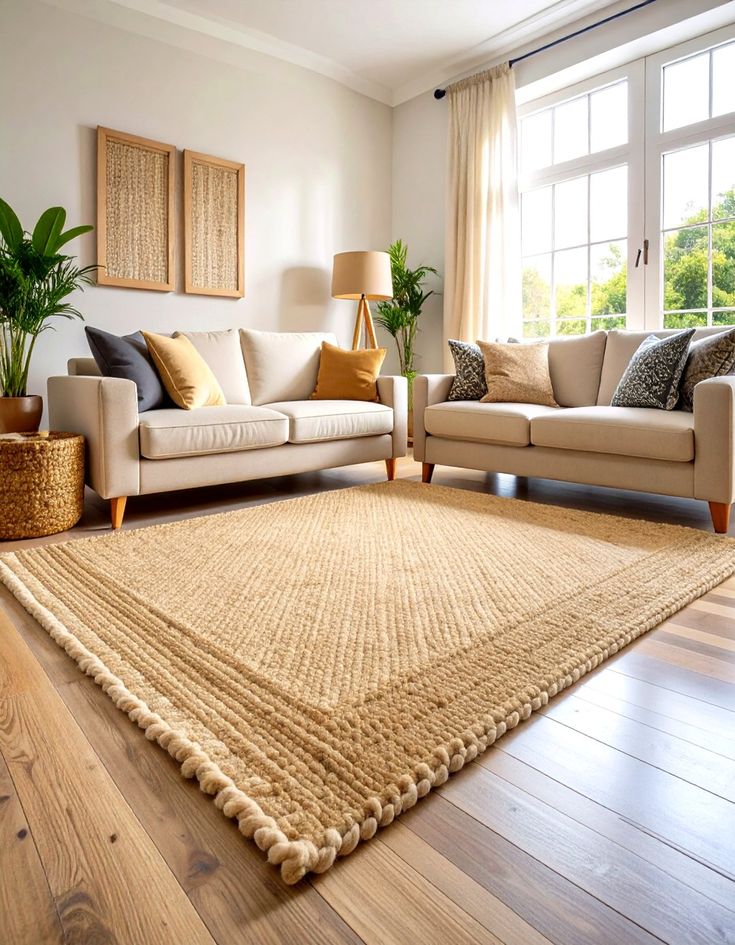
If you’ve been scrolling through home decor ideas trying to find the best 24 accent walls in living room designs, I’ve got you covered. I’ve pulled together the most useful, real-world examples so you don’t have to dig through a hundred boring lists yourself. This guide is going to save you time and give you actual answers, not just pretty pictures with no substance.
An accent wall is a single wall in a room painted, textured, or decorated differently from the others to create a focal point. In a living room, it typically uses bold color, wallpaper, wood, brick, or stone to draw the eye and add visual interest without overwhelming the whole space.
Stick around, because I’m about to walk you through 24 different ways to pull this off, plus mistakes to dodge and tips that actually work.
What Even Is An Accent Wall, Really?
Okay so here’s the deal. An accent wall is basically the “main character” of your room. Every other wall plays a supporting role. I think of it like an outfit. You’ve got your neutral jeans and tee, then one statement piece like a jacket or bold shoes that pulls the whole look together.
In a living room, this usually means picking the wall behind your couch, your TV, or your fireplace. That’s the wall people naturally look at first when they walk in. Once you pick it, you get to have fun with color, texture, or pattern without making the whole room feel loud or chaotic.
1. Go Bold With A Deep Navy Blue Wall
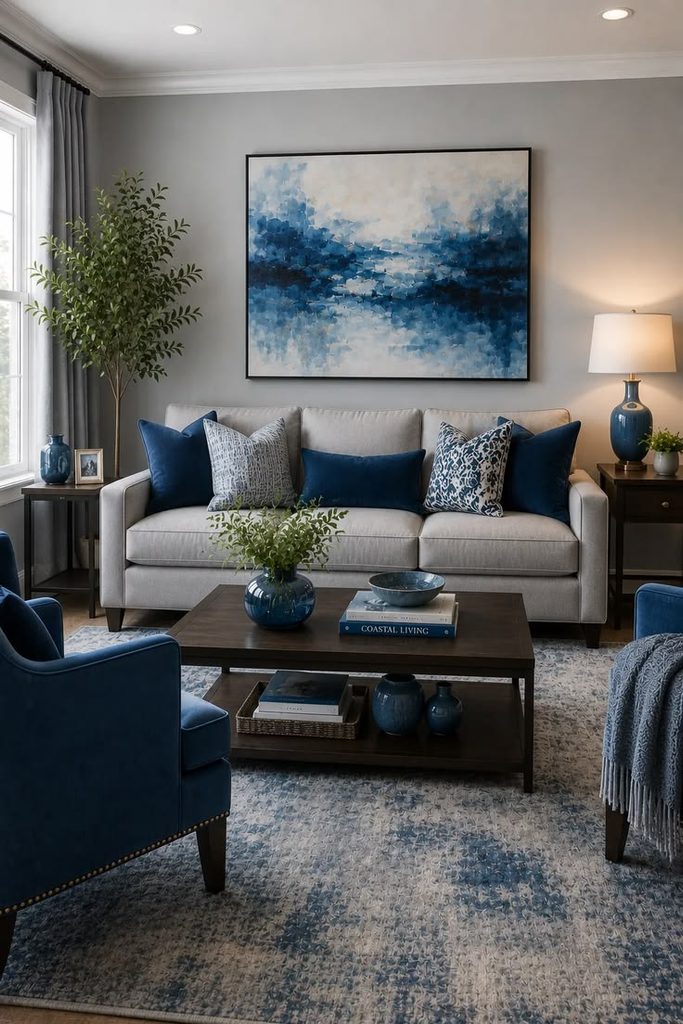
Navy is one of those colors that feels rich without being scary. It pairs well with warm wood tones, brass fixtures, and cream furniture. If your living room gets good natural light, navy will look moody and cozy in the evening and calm during the day.
Try pairing it with a light gray sofa and gold picture frames for contrast. My actual tip here: test the paint on the wall at different times of day before committing, because navy shifts a lot depending on lighting.
This works great in traditional or modern farmhouse homes. Coastal spaces can pull it off too if you add white trim. Now let’s talk about something a little softer if navy feels too intense for you.
2. Try A Soft Sage Green For A Calm Feel
Sage green has taken over home decor for a good reason. It’s relaxing, earthy, and pairs with almost every other color you already own. This shade works especially well in living rooms with lots of plants or wood furniture.
Pair sage with cream, tan, or terracotta accents to keep things warm. A quick tip: use a matte finish instead of glossy, since matte makes the green look more natural and less like a nursery color.
This idea fits boho, cottagecore, and modern minimalist homes equally well. If green isn’t calling your name, let’s look at something with more texture instead of just color.
3. Add Texture With Shiplap Paneling
Shiplap gives you that cozy, cabin-like feel without needing an actual cabin. It’s wood paneling installed horizontally with small gaps between boards, and it instantly adds texture to a flat wall.
You can paint it white for a classic farmhouse look or stain it darker for something more modern. Actionable tip: use pre-cut shiplap panels from a hardware store instead of full boards, since they install faster and cost less.
This style leans heavily farmhouse or coastal, but a dark-stained version can work in modern homes too. Speaking of textured walls, let’s go even bolder with real material instead of wood.
4. Use Exposed Brick For An Urban Industrial Look
If your home already has brick somewhere, exposing it on one wall gives you instant character. It’s rugged, textured, and pairs beautifully with metal, leather, and dark wood furniture.
If you don’t have real brick, thin brick veneer panels look shockingly realistic and are way easier to install. Tip: seal the brick with a matte sealant to keep dust from settling into the texture over time.
This screams industrial or urban loft style, but it also works surprisingly well in traditional homes with the right furniture pairing. Next, let’s slow things down with a softer, more elegant option.
5. Install Wainscoting For A Traditional Touch
Wainscoting is that classic paneled wood detail you see on the lower half of a wall, often paired with a chair rail. It brings instant elegance and structure to a living room without needing much color at all.
Paint it white or a soft gray to keep things timeless. My tip: keep the wainscoting height around one-third of the wall for the most balanced look.
This is a natural fit for traditional and coastal grandmother style homes. It can even work in modern spaces if painted a deep charcoal. Now let’s compare a few popular accent wall materials so you can see what fits your budget and style best.
H3: Accent Wall Material Comparison
| Material | Average Cost (per wall) | Best Style Match | Maintenance Level |
|---|---|---|---|
| Paint | $30–$100 | Any style | Low |
| Wallpaper | $150–$400 | Modern, Traditional | Medium |
| Shiplap | $200–$600 | Farmhouse, Coastal | Low |
| Brick Veneer | $300–$800 | Industrial, Urban | Low |
| Wainscoting | $250–$700 | Traditional, Coastal | Medium |
| Wood Slats | $200–$500 | Modern, Scandinavian | Low |
6. Layer Wood Slats For A Scandinavian Vibe
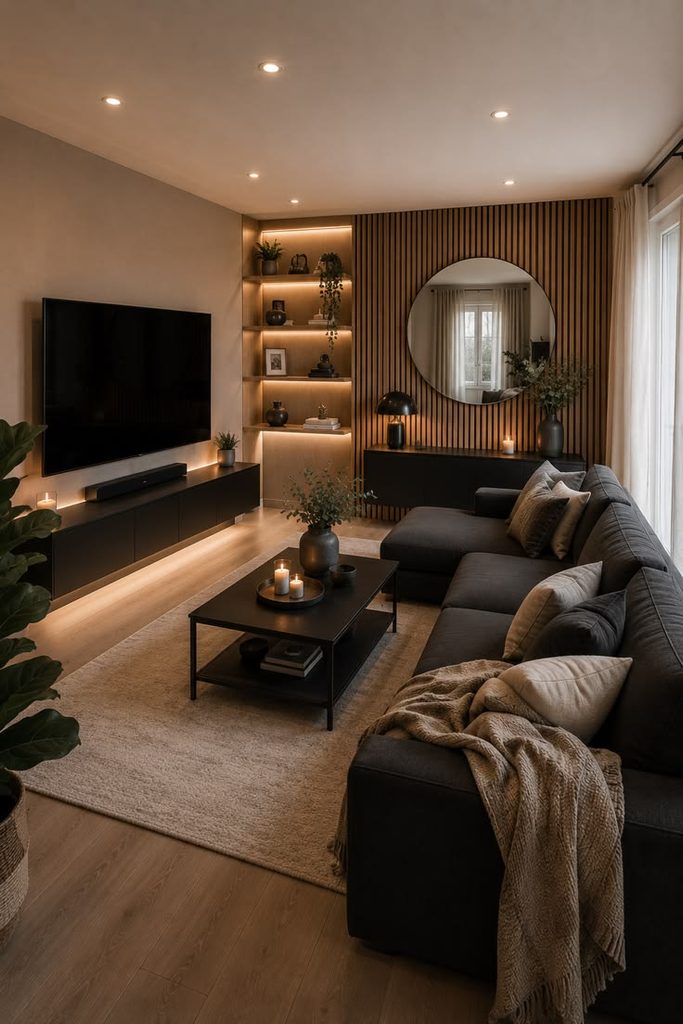
Wood slat walls are everywhere right now, and honestly, I get why. They add depth and warmth without needing any color at all. You just attach thin wood strips vertically across the wall, spaced evenly apart.
This look pairs perfectly with neutral furniture, linen curtains, and simple lighting. Tip: use a nail gun instead of screws for a cleaner, more professional finish.
Scandinavian and modern minimalist homes benefit the most from this style. Mid-century modern spaces can pull it off too with the right wood tone. Let’s move from texture to pure color drama next.
7. Make A Statement With Deep Terracotta
Terracotta walls bring warmth and earthiness into a living room, almost like you brought the desert indoors. This color works beautifully with cream, olive green, and natural fiber decor.
Pair it with rattan furniture and woven textiles for a cohesive look. Tip: use a limewash paint technique instead of flat paint for a more organic, aged texture on the wall.
This color thrives in boho and Southwestern style homes. Mediterranean-inspired spaces love it too. Next, let’s cool things down with a totally different color family.
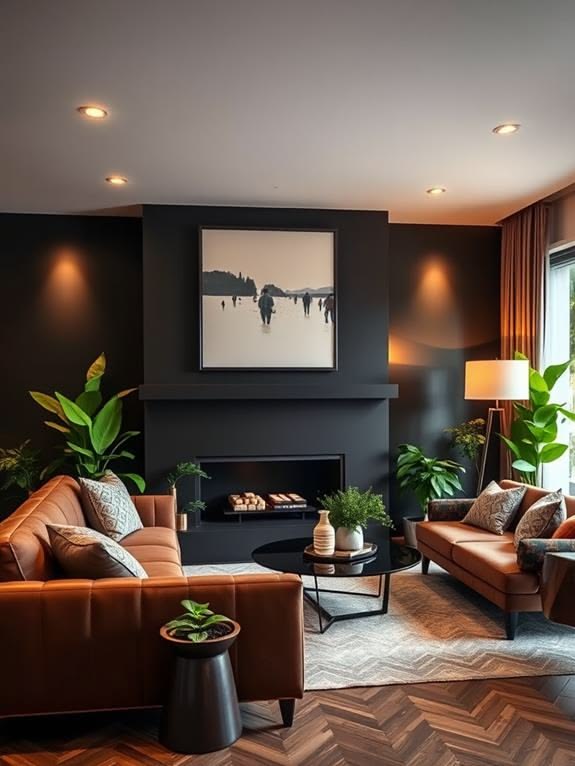
8. Choose A Moody Charcoal Gray Wall
Charcoal gray is like navy’s edgier cousin. It’s dramatic, modern, and works surprisingly well in smaller rooms because it creates depth instead of making the space feel cramped.
Pair it with brass or black metal accents and a plush textured rug. Tip: keep your ceiling white to prevent the room from feeling too dark or heavy.
This fits modern, industrial, and minimalist homes best. Traditional homes can use it too if paired with warm wood furniture. Now let’s talk about a wall idea that skips color completely.
9. Add Dimension With A Stone Veneer Fireplace Wall
If your living room has a fireplace, turning that wall into a stone feature is one of the most classic accent wall moves out there. Stone veneer panels come in tons of styles, from smooth river rock to rugged ledge stone.
This pairs well with leather furniture, wood beams, and warm lighting. Tip: choose a lighter stone if your room doesn’t get much natural sunlight, since darker stone can make small rooms feel closed in.
This idea is a staple in mountain lodge, rustic, and traditional homes. Modern homes can use a sleek gray stone version instead. Let’s shift gears now toward pattern-based accent walls.
10. Bring In Bold Geometric Wallpaper
Wallpaper has made a huge comeback, and geometric patterns are leading the charge. Think hexagons, chevrons, or abstract shapes in contrasting colors.
Pair a bold pattern with simple, solid-colored furniture so the wall stays the star of the show. Tip: order a wallpaper sample first and tape it up for a day to see how it looks in different lighting.
This style fits modern and eclectic homes especially well. Art deco spaces also thrive with geometric patterns. Now let’s try something a little more delicate.
11. Use Botanical Wallpaper For A Garden-Inspired Feel
Botanical prints bring the outdoors in without needing real plants everywhere. Think large leaves, florals, or vine patterns in green, cream, or soft pink tones.
Pair this with wicker furniture, wood tones, and linen textiles. Tip: choose a wallpaper with a matte finish so the pattern doesn’t look overly shiny or artificial under lighting.
This works beautifully in cottagecore, coastal, and traditional homes. Boho spaces can use it too with the right furniture styling. Let’s move into something with a little shine now.
12. Add A Metallic Or Textured Wallpaper Accent
Metallic wallpaper adds a subtle glow to a living room without being over the top. Think soft golds, coppers, or pewter tones in a subtle pattern.
Pair this with velvet furniture and warm ambient lighting for a cozy, upscale feel. Tip: use metallic wallpaper only on one wall, since too much shine across a whole room can feel overwhelming fast.
This fits glam, modern, and art deco homes really well. Traditional spaces can use a more muted metallic tone instead. Now let’s talk mirrors instead of paper.
13. Install A Mirrored Accent Wall To Open Up Small Spaces
Mirrored walls aren’t just for gyms. In small living rooms, a mirrored accent wall bounces light around and makes the space feel bigger instantly.
Pair it with simple furniture so the reflection doesn’t feel too busy. Tip: use antique or smoked mirror panels instead of clear ones for a softer, less “showroom” feel.
This works great in modern and glam homes. Small apartment living rooms of any style can benefit from this trick. Let’s go back to nature for the next idea.
14. Create A Living Green Wall With Real Or Faux Plants
A living wall uses vertical planters or plant panels to cover one wall in greenery. It’s a bold, unexpected choice that instantly makes a room feel fresh and alive.
Pair this with neutral furniture so the greenery stands out as the focal point. Tip: if you don’t have a green thumb, high-quality faux plants look realistic these days and need zero maintenance.
This style is perfect for boho, Scandinavian, and modern homes. Even traditional spaces can pull off a small living wall accent. Now let’s look at something with more visual movement.
15. Use Vertical Stripes To Add Height
Painting vertical stripes on one wall is a simple trick that makes ceilings feel taller. Stick with two similar tones instead of high-contrast colors for a subtle, elegant effect.
Pair this with simple furniture so the stripes don’t compete with too many patterns. Tip: use painter’s tape and a level to keep your stripes perfectly straight, since even a slight tilt will be noticeable.
This works in modern, traditional, and coastal homes depending on your color choice. Let’s compare a few color palette combinations before moving to the next batch of ideas.
H3: Popular Accent Wall Color Palettes
| Palette Name | Accent Wall Color | Complementary Colors | Best For |
|---|---|---|---|
| Coastal Calm | Soft Blue | White, Sand, Light Wood | Coastal, Cottage |
| Earth Tone | Terracotta | Cream, Olive, Rattan | Boho, Mediterranean |
| Moody Modern | Charcoal Gray | Black, Brass, White | Modern, Industrial |
| Classic Contrast | Navy Blue | Cream, Gold, Gray | Traditional, Farmhouse |
| Fresh Botanical | Sage Green | Tan, White, Wood | Scandinavian, Boho |
16. Try A Two-Tone Color Block Wall
Color blocking means splitting one wall into two colors, usually with a clean horizontal or diagonal line. It’s a modern twist on the classic accent wall idea and adds a lot of personality.
Pair bold color blocking with minimal furniture so the wall doesn’t feel too busy. Tip: use a laser level when taping off your lines to keep the edge razor sharp.
This idea fits modern and eclectic homes best. Kids’ playrooms attached to living spaces love this style too. Let’s try a completely different texture next.
17. Add Warmth With A Textured Plaster Finish
Plaster walls have this soft, cloud-like texture that adds depth without needing any color or pattern. It’s subtle but makes a huge difference in how a room feels.
Pair a plaster wall with warm lighting and natural materials like linen and wood. Tip: hire a professional for this one, since plaster application takes real skill to get an even finish.
This works beautifully in Mediterranean, modern, and minimalist homes. Now let’s look at combining two materials on one wall for extra impact.
18. Combine Wood And Stone On A Single Feature Wall
Mixing materials on your accent wall, like wood on top and stone on the bottom, creates a layered, high-end look. This is popular in mountain homes and modern rustic spaces.
Pair this combo with leather or linen furniture and warm, ambient lighting. Tip: keep the two materials in the same color family so the transition feels intentional instead of random.
This style fits rustic, modern farmhouse, and lodge-style homes best. Let’s shift to something a little more playful next.
19. Use A Bold Mural For A Custom Look
A hand-painted or printed mural turns your living room wall into art itself. Think landscapes, abstract shapes, or even a giant floral scene.
Pair a mural with simple furniture so it stays the focal point. Tip: removable mural wallpaper is a great option if you rent your home or like to switch things up often.
This works in eclectic, boho, and modern homes depending on the mural style. Now let’s talk about something a little more industrial again.
20. Add Black Steel Accents For A Modern Edge
Black steel wall panels or beams create a sleek, industrial focal point. This works especially well paired with a fireplace or built-in shelving.
Pair it with leather furniture and warm wood floors to balance the coolness of the black steel. Tip: use matte black instead of glossy for a more sophisticated, less harsh finish.
This fits modern and industrial homes perfectly. Now let’s try a softer fabric-based option.
21. Upholster A Wall Panel For A Cozy, Soft Feel
Upholstered wall panels add texture and softness, almost like a giant headboard for your living room. They’re usually done in linen, velvet, or boucle fabric.
Pair this with simple furniture so the tactile wall stands out. Tip: choose a stain-resistant fabric since living rooms see a lot of daily use.
This works beautifully in glam, modern, and transitional homes. Let’s look at one more color-based idea before wrapping up the list.
22. Try A Warm Mustard Yellow Wall
Mustard yellow feels retro and cheerful without being overwhelming. It pairs surprisingly well with navy, olive, and warm wood tones.
Pair mustard with vintage-inspired furniture for a cohesive retro feel. Tip: use this color in smaller doses first, like a small accent nook, if you’re nervous about commitment.
This works in mid-century modern and eclectic homes especially well. Now let’s finish with two more versatile options.
23. Use Board And Batten For Classic Character
Board and batten uses vertical strips of wood over flat panels, creating a grid-like texture. It’s a step up from basic shiplap and adds a lot of classic charm.
Pair it with white or soft pastel paint for a timeless look. Tip: measure your wall carefully first so your vertical battens are evenly spaced.
This fits farmhouse, coastal, and traditional homes really well. Let’s end the list with one final flexible idea.
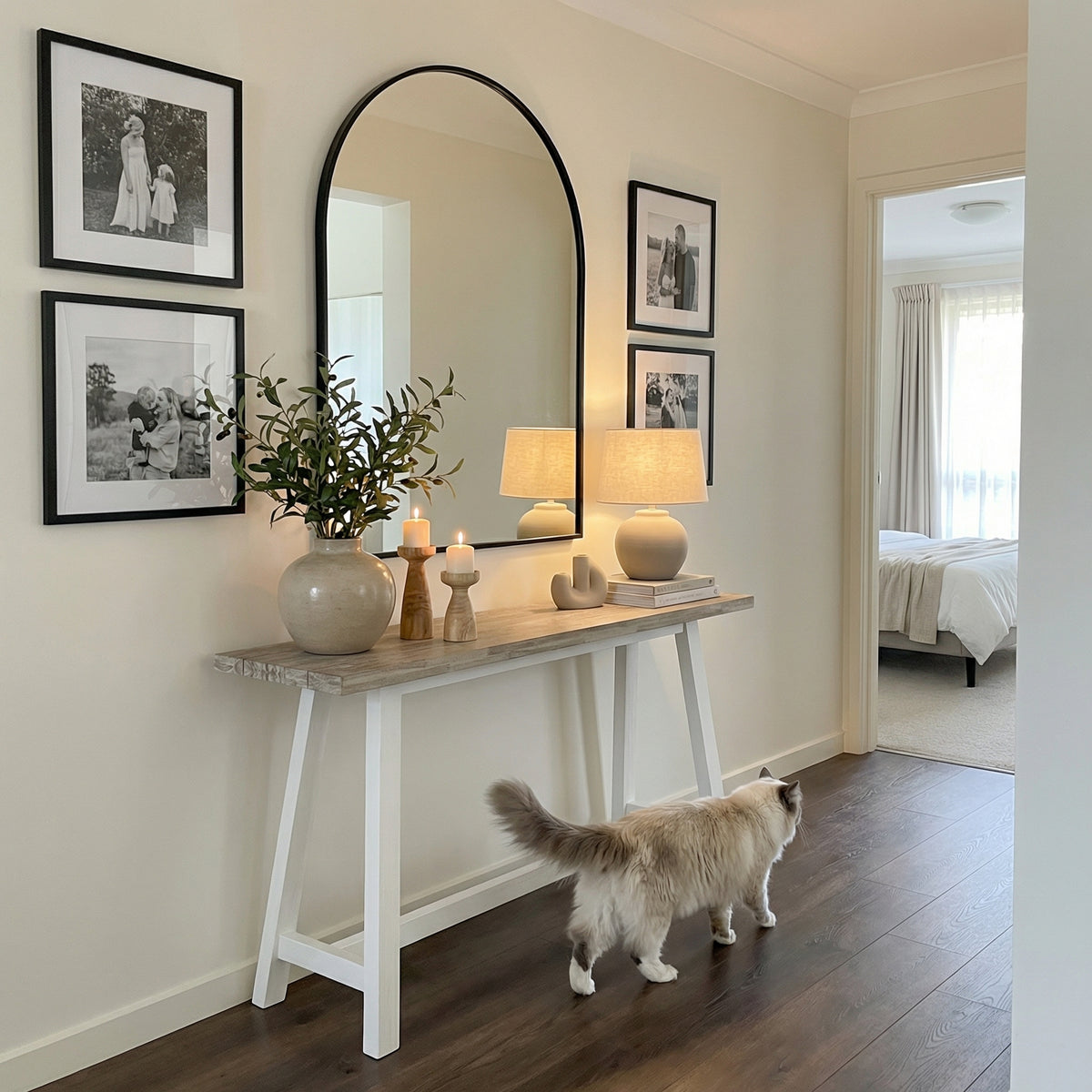
24. Create A Gallery Accent Wall With Framed Art
Sometimes the best accent wall isn’t paint or material at all, it’s a curated collection of framed art and photos. This gives you a personal, ever-changing focal point.
Pair it with neutral wall color so the frames pop. Tip: lay your frames out on the floor first to plan the layout before hammering any nails.
This idea works in literally every home style, which makes it one of the most flexible accent wall ideas on this whole list.
Tips for Success
- Always test paint colors on the actual wall before committing to a full can
- Keep the rest of your room fairly neutral so your accent wall doesn’t have to compete for attention
- Choose your accent wall based on the natural focal point of the room, like a fireplace or the wall behind your couch
- Use lighting to enhance texture-based walls like brick, stone, or plaster
- Don’t be afraid to sample small sections before doing the whole wall
- Match your accent wall style to your existing furniture instead of starting from scratch
Common Mistakes and How to Avoid Them
Choosing the wrong wall
: Pick the wall your eye naturally lands on first, usually behind the sofa or TV, not a random side wall.
Going too bold without testing
: Always paint a sample patch or hang a small wallpaper swatch before committing to the whole wall.
Ignoring lighting conditions
: Check how the color or material looks in both daylight and evening lighting before finalizing your choice.
Overdoing multiple accent walls
: Stick to one accent wall per room so it actually stands out instead of competing with itself.
Mismatching style and material
: Make sure your material choice, like shiplap or stone, actually fits the overall style of your home.
Similar Variations
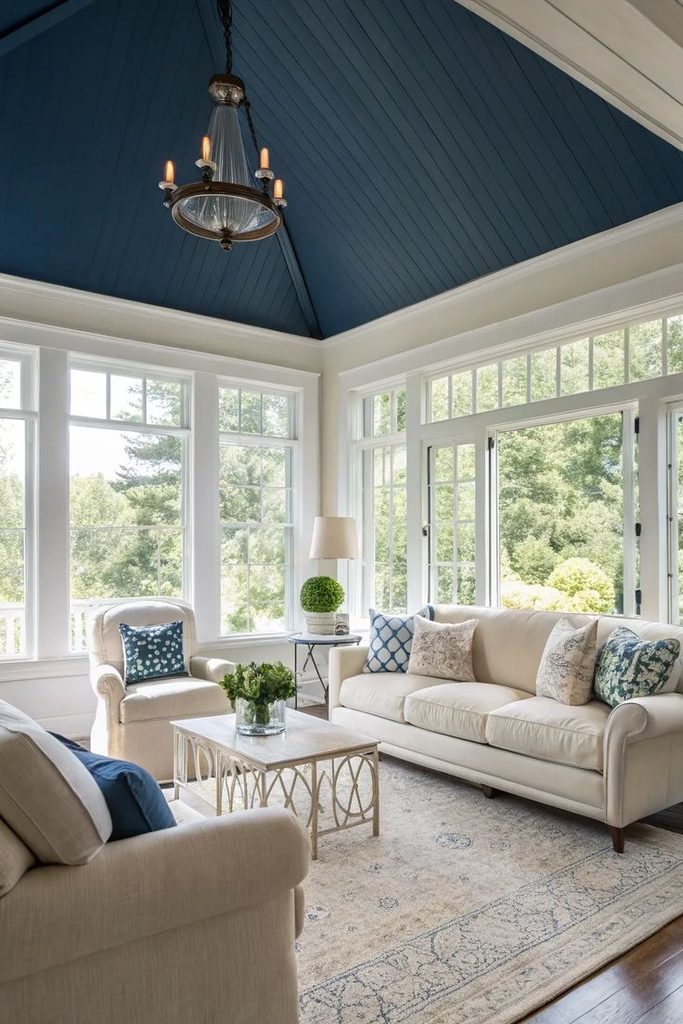
- Accent Ceiling: Instead of a wall, the ceiling becomes the bold focal point with color or wood detailing
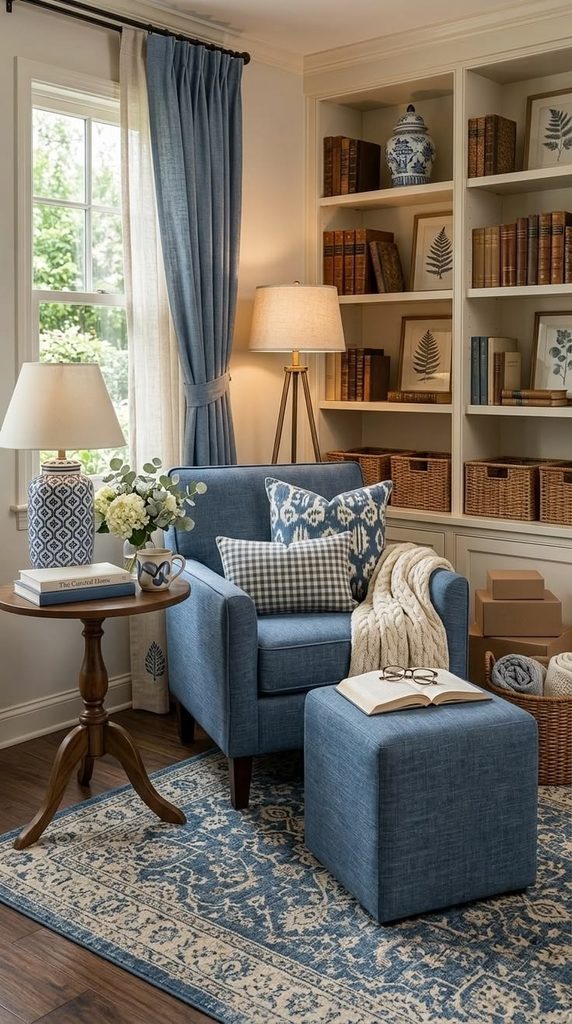
- Nook Accent Wall: A smaller featured wall inside a reading nook or window seat area
- Half-Wall Accent: Only the bottom half of the wall gets the accent treatment, often paired with wainscoting
- Hallway Accent Wall: The same concept applied to a connecting hallway instead of the main living space
- Bedroom Accent Wall: A similar approach used behind the headboard in a bedroom setting
Picking the right accent wall really just comes down to your space, your lighting, and the vibe you’re going for. There’s no single “correct” choice here, just options that fit different styles and budgets. Whether you go bold with color or subtle with texture, these 24 accent walls in living room ideas should give you more than enough inspiration to finally commit to a design you’ll actually love.