17 Olive Green Bedroom ideas can help you create a room that feels calm, warm, and personal without looking dull or overly themed. I’ll walk you through practical color choices, furniture pairings, lighting, fabrics, and layout tricks so you can build a bedroom that truly works.
An olive green bedroom uses muted green walls, furniture, textiles, or accents to create a restful space. Pair olive with warm white, cream, wood, tan, brass, terracotta, navy, or soft pink for balance. The best combination depends on room size, natural light, and personal style.
You’ll find ideas for small bedrooms, rental-friendly updates, modern spaces, cozy retreats, and more. I’ll also share the mistakes I would avoid.
Understanding the Olive Green Bedroom Style
Olive green sits between green, brown, and gray. That mix gives it a soft, earthy look. It feels richer than sage but calmer than emerald. I like it because it can change with the light. In the morning, it may look fresh and leafy. At night, it can feel deep and cozy.
You do not need to paint every wall olive green. A single accent wall, upholstered headboard, rug, or set of curtains can create the same mood. The key is balance. Add lighter colors, natural textures, and a few warm details so the room feels layered rather than heavy. Before choosing paint, look at the room’s sunlight, flooring, and existing furniture.
1. Paint One Olive Green Accent Wall Behind the Bed

An olive green accent wall is one of the easiest ways to make the bed feel like the main feature. Paint the wall behind the headboard, then keep the other walls warm white, pale beige, or light gray. This approach gives the room color without making it feel closed in.
I recommend testing two or three paint samples first. Olive shades can look yellow, gray, or brown depending on the light. Check them in the morning and evening before buying a full gallon. Pair the wall with a cream headboard, oak nightstands, and white bedding for a clean finish.
This idea suits modern, farmhouse, traditional, and Scandinavian bedrooms because the furniture controls the final look. Once the wall color is chosen, the bed linens can build the next layer.
2. Use Olive Green Bedding as a Flexible Color Layer

If you are not ready to paint, start with olive green bedding. A duvet cover, quilt, or comforter adds color while staying easy to replace. I like olive linen or washed cotton because the slight wrinkles make the shade feel relaxed and natural.
Keep the sheets in a lighter color, such as ivory, sand, or pale gray. Add one patterned pillow with cream, rust, or charcoal details. Avoid using olive on every textile, or the bed may look flat. Mixing solid and textured fabrics creates more interest.
For a modern room, choose a simple olive duvet with crisp white sheets. For a rustic space, try a quilt with visible stitching. For a coastal room, add cream, driftwood tones, and blue-gray accents. With the bedding in place, a rug can make the whole arrangement feel more finished.
3. Add a Natural Wood Bed Frame for Earthy Contrast

Wood and olive green work together because both have natural, grounded qualities. A light oak bed frame keeps the room airy, while walnut creates a deeper and more dramatic look. If you have olive walls, wood furniture can stop the room from feeling too polished or cold.
Choose a frame with a simple shape if the room is small. A low platform bed can make the ceiling feel taller. In a larger room, a four-poster or spindle bed adds character without needing extra decoration. Repeat the wood finish in at least one other place, such as a bench, mirror frame, or nightstand.
A modern room looks best with clean wood lines. A traditional bedroom can use turned legs or carved details. A boho space can mix wood with woven baskets and rattan. After choosing the bed, look at the floor because the rug should connect both colors.
4. Ground the Room with a Cream and Olive Area Rug

A rug gives an olive bedroom softness underfoot and helps connect the bed, walls, and furniture. A cream rug with olive lines feels light and simple. A vintage-style rug with faded olive, tan, and rust adds more personality.
Place the rug so it extends beyond the sides of the bed. In a queen bedroom, an 8-by-10-foot rug usually gives enough coverage under the bed and nightstands. If the room is narrow, use a runner on each side instead. I always use a rug pad because it prevents slipping and adds cushioning.
Choose a flat weave for a clean modern look. Pick a thicker wool or shag style for a cozy retreat. In a coastal bedroom, use a low-pile rug with a subtle stripe. Now that the base layers are working together, you can fine-tune the color palette.
Olive Green Bedroom Color Pairings
| Pairing | Best supporting color | Overall mood | Useful accent |
|---|---|---|---|
| Olive and warm white | Ivory or cream | Soft and airy | Natural oak |
| Olive and terracotta | Clay or rust | Earthy and welcoming | Aged brass |
| Olive and navy | Deep blue | Moody and tailored | Walnut wood |
| Olive and blush | Dusty pink | Gentle and relaxed | Brushed gold |
| Olive and charcoal | Soft black or gray | Modern and dramatic | White bedding |
| Olive and tan | Camel or beige | Warm and classic | Leather details |
5. Balance Dark Olive Walls with Light Ceiling Colors

Dark olive walls can look beautiful, but they need visual breathing room. Painting the ceiling bright white may feel too sharp. I prefer a soft white, creamy beige, or very pale greige. These shades keep the room connected while reflecting more light.
If the room has low ceilings, use the same pale shade on the ceiling and trim. This can make the edges less noticeable and help the room feel taller. Keep the floor lighter if possible. A pale rug, light wood, or beige carpet can make a big difference.
This idea works especially well in traditional, cottage, and moody modern bedrooms. In a small room, use dark olive on one or two walls instead of all four. Once the main color is balanced, lighting becomes the next important detail.
6. Layer Warm Lighting Around the Bed

Olive green looks its best under warm, soft lighting. A single bright ceiling fixture can make the walls appear harsh. Instead, use a mix of overhead, bedside, and accent lighting.
Place matching table lamps on each nightstand if you want a balanced look. Choose lamps with linen shades, ceramic bases, or aged brass details. Add a wall sconce on each side of the bed when nightstands are small. A small floor lamp can brighten a dark corner without taking up much surface space.
Use bulbs around 2700K for a cozy bedroom glow. I would avoid cool blue-white bulbs because they can make olive look muddy. Modern rooms can use black metal fixtures, while traditional rooms suit brass or bronze. With the lighting set, mirrors can help spread that warm glow.
7. Hang a Large Mirror to Reflect Light and Space

A mirror can make an olive bedroom feel brighter and larger. Place one across from a window or near a lamp so it reflects light into darker areas. A full-length mirror leaning against the wall is useful and casual. A round mirror above a dresser gives the room a more finished look.
Choose the frame carefully. Natural wood adds warmth. Thin black metal gives a modern edge. Brass works well with olive, cream, and tan. Avoid placing the mirror where it reflects clutter or a messy open closet. The reflection should show something attractive, such as a window, artwork, or a styled bed.
This works in nearly every style. Use a rattan frame for boho decor, a carved frame for traditional rooms, or a frameless design for minimalist spaces. Next, add fabric at the windows to soften the wall color.
8. Dress the Windows in Linen or Cotton Curtains

Window treatments can change how olive green feels. Sheer ivory curtains make the room brighter and more relaxed. Oatmeal linen panels create a warmer, grounded look. If you need more privacy, use lined curtains in beige, tan, or a muted olive shade.
Hang the curtain rod several inches above the window frame and extend it beyond both sides. This makes the window look wider and lets in more daylight when the curtains are open. Choose panels that reach the floor instead of stopping at the sill.
For a modern room, use plain linen panels. For a cottage bedroom, try a small botanical print. For a dramatic look, choose full-length charcoal or olive curtains with blackout lining. Once the window is softened, you can choose art that adds personality without creating clutter.
Bedroom Lighting Guide
| Lighting type | Suggested placement | Best use | Recommended color |
|---|---|---|---|
| Ceiling fixture | Center of room | General lighting | Warm white, about 2700K |
| Bedside lamp | On nightstand | Reading and soft glow | Linen or fabric shade |
| Wall sconce | 18 to 24 inches above nightstand | Small-space reading light | Brass, black, or bronze |
| Floor lamp | Dark corner or reading chair | Layered accent light | Warm metal or wood |
| LED strip | Behind headboard or dresser | Gentle evening glow | Warm white, dimmable |
| Pendant lights | Beside the bed | Decorative alternative to lamps | Opal glass or woven shade |
9. Mix Olive with Terracotta for a Warm Earthy Palette

Terracotta adds heat to olive green. The combination feels natural because it echoes leaves, clay pots, and sunbaked soil. You can bring in terracotta through pillows, a throw blanket, pottery, artwork, or a small bench.
Use the stronger color in smaller amounts. For example, an olive wall might work with cream bedding, a rust-colored lumbar pillow, and a terracotta vase. If you use too much orange, the room may feel busy. Muted clay shades are easier to live with than bright orange.
This color pairing suits Mediterranean, Southwestern, bohemian, and rustic bedrooms. For a softer version, replace terracotta with dusty rose or muted peach. Once the warm accents are in place, natural textures can make the room feel even more comfortable.
10. Bring in Rattan, Cane, and Woven Details

Woven materials give an olive bedroom texture and a relaxed feel. Try a cane headboard, rattan pendant, seagrass basket, woven bench, or jute tray. These pieces keep the green from feeling too formal.
Texture matters most when the color palette is simple. If your walls, bedding, and curtains are all solid colors, a woven light fixture or basket adds depth without adding another bold shade. I suggest choosing two or three woven items and spreading them around the room rather than grouping them in one corner.
Use pale rattan for coastal and boho styles. Choose darker woven furniture for a vintage or global look. In a modern bedroom, use one clean-lined cane piece as a single focal point. The next step is adding plants, which can echo the green while bringing in a fresh shape.
11. Style Greenery Without Overloading the Room
Plants look natural in an olive green bedroom, but you do not need a jungle. One tall plant beside the dresser and one small plant on a nightstand may be enough. Good choices include a snake plant, rubber plant, pothos, or peace lily, depending on the available light.
Use simple planters in cream, clay, black, or woven fiber. Terracotta pots strengthen the earthy color scheme. If the room has very little sunlight, choose low-light plants or high-quality faux stems. Keep plants away from areas where leaves may brush your face while sleeping.
For a modern room, select plants with clean, bold leaves. For cottage decor, use trailing greenery. For tropical style, choose broad leaves and natural baskets. With the greenery placed, wall art can add a personal story to the room.
12. Create a Gallery Wall with Nature-Inspired Art

Nature-inspired artwork pairs easily with olive green. Look for botanical prints, landscape paintings, abstract shapes, pressed plant art, or black-and-white photography. The goal is not to match every color exactly. A few related tones are enough.
For a calm arrangement, use three to five prints in cream, olive, tan, and charcoal. Keep the frames consistent if you want a neat modern look. Mix wood and brass frames for a collected traditional feel. Before hanging anything, lay the pieces on the floor and space them about two to four inches apart.
Place the gallery wall above a dresser or on the wall opposite the bed. In a small bedroom, one oversized print may work better than many small ones. After the art is chosen, check whether the furniture layout still feels open and easy to use.
Olive Green Bedroom Material Guide
| Material | Where to use it | Strength | Style match |
|---|---|---|---|
| Linen | Bedding and curtains | Breathable, relaxed texture | Coastal, modern, farmhouse |
| Velvet | Headboard or accent chair | Rich and soft appearance | Glam, traditional, moody |
| Oak | Bed and nightstands | Light, durable, warm | Scandinavian, modern, rustic |
| Walnut | Dresser or bed frame | Deep color and visual weight | Traditional, mid-century |
| Rattan | Headboard or pendant | Lightweight, textured | Boho, coastal, relaxed |
| Wool | Rug or throw | Warm and long-lasting | Classic, rustic, layered |
13. Choose Brass Hardware for a Gentle Glow

Brass hardware brings a quiet glow to olive green. You can use it on drawer pulls, cabinet knobs, picture frames, lamps, or curtain rods. Brushed or aged brass usually feels softer than highly polished gold.
If your room already has silver hardware, you do not have to replace everything. Mix metals carefully by repeating each finish at least twice. For example, use black on the bed frame and brass on the lamps and dresser pulls. This looks intentional instead of random.
In a modern room, choose slim brass handles. Traditional rooms can use cup pulls or antique-style knobs. A simple hardware update is also useful in a rental because it can be reversed later. Next, consider the seating area if your bedroom has enough floor space.
14. Add a Small Reading Corner in Olive and Neutral Tones

A chair can make an olive bedroom feel more complete. Place one near a window, in an empty corner, or beside a bookcase. Choose a cream boucle chair, tan leather chair, wooden armchair, or olive upholstered seat.
Add a small side table for books and a cup of tea. A floor lamp provides useful reading light and fills the vertical space. Keep the corner simple. One throw and one cushion are usually enough. If the room is tight, use a slim stool or a folding chair instead of a full lounge chair.
This idea works in traditional bedrooms with an armchair, modern rooms with a sculptural seat, and boho spaces with a floor cushion. Once the seating is practical, smart storage can keep the calm mood intact.
15. Use Closed Storage to Keep the Green Palette Calm

Clutter can make a peaceful color scheme feel stressful. Closed storage helps keep surfaces clear. Choose a dresser, storage bed, woven lidded basket, or narrow cabinet that fits the room’s scale.
If your walls are dark olive, lighter storage in oak, cream, or cane will stand out nicely. If the walls are pale, walnut or charcoal furniture can add contrast. Use drawer dividers for small items and baskets for extra blankets. Keep everyday items within reach, but store less-used belongings out of sight.
In a minimalist room, use smooth-front cabinets. Farmhouse bedrooms can use painted chests or vintage trunks. Small bedrooms benefit from under-bed storage and wall-mounted shelves. Now, use the last few details to make the room feel personal rather than staged.
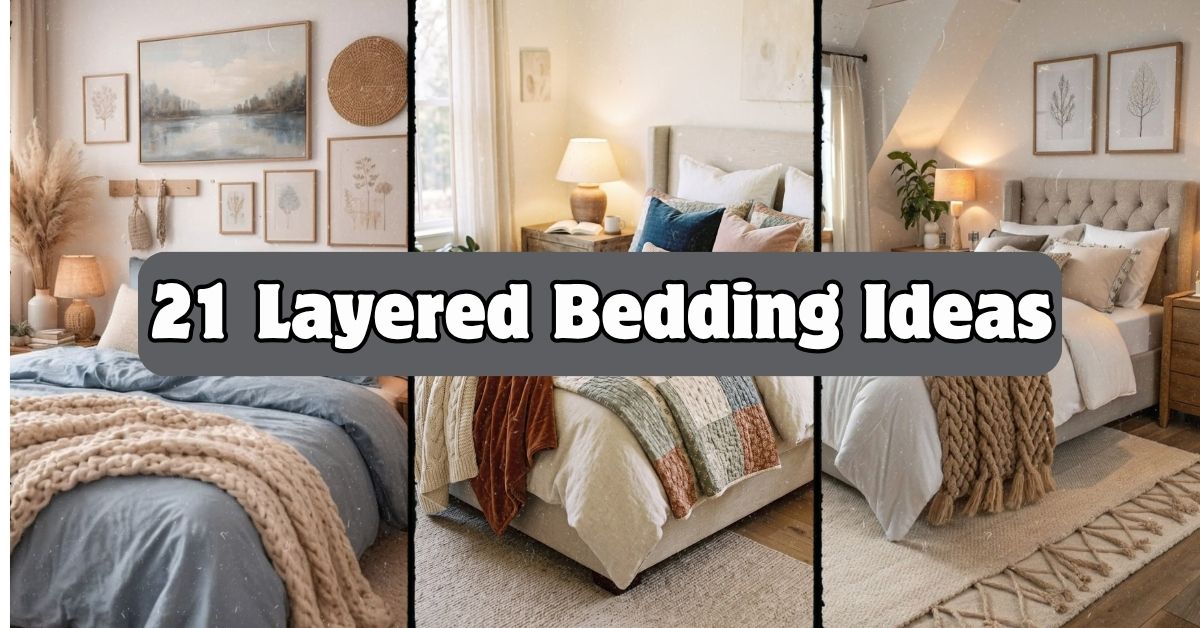
16. Layer Bedding in Three or Four Quiet Shades

A layered bed looks inviting without needing lots of decoration. Start with a neutral fitted sheet and top sheet. Add an olive quilt or duvet, then fold a cream or tan blanket across the lower third of the bed. Finish with pillows in varied sizes.
Try this palette: ivory sheets, olive coverlet, camel throw, and one rust accent pillow. Another option is olive, warm white, charcoal, and pale wood tones. Keep patterns limited to one or two pieces so the bed does not become visually noisy.
Use cotton for everyday comfort and linen for a looser, textured look. Velvet works well for one decorative cushion but may feel too warm for all the bedding. This simple layering method fits modern, rustic, cottage, and traditional bedrooms alike.
Common Bed and Rug Size Guide
| Bed size | Mattress width | Recommended rug size | Useful placement |
|---|---|---|---|
| Twin | 38 inches | 5 by 8 feet | Under lower two-thirds |
| Full | 54 inches | 6 by 9 feet | Extend beyond both sides |
| Queen | 60 inches | 8 by 10 feet | Reach near nightstands |
| King | 76 inches | 9 by 12 feet | Center under bed and tables |
| California king | 72 inches | 9 by 12 feet | Leave equal side coverage |
17. Make a Small Olive Green Bedroom Feel Larger

You can use olive green in a small room without making it feel cramped. The trick is to control contrast and keep the largest surfaces light. Try olive on the headboard wall, bedding, or lower half of the wall. Use cream curtains, a pale rug, and furniture with raised legs.
A large mirror can reflect the window. Wall-mounted sconces can free up nightstand space. Choose one or two statement pieces instead of many small decorations. Vertical artwork and tall curtains can also draw the eye upward.
For a modern style, use flat-front furniture and simple bedding. In a small cottage room, add one floral accent and light wood. In a rental, use removable wallpaper or olive textiles instead of paint. These choices create the final look while keeping the room easy to move through.
Tips for Success
- Test olive paint on more than one wall before committing.
- View samples under daylight, lamp light, and nighttime lighting.
- Pair dark olive with at least one light neutral to protect the room’s brightness.
- Repeat wood, brass, or woven textures at least twice for a connected look.
- Keep the largest furniture pieces simple when the wall color is strong.
- Choose washable bedding if the room is used every day.
- Measure the bed, rug, and walking paths before buying furniture.
- Use dimmable bulbs so the room can shift from bright morning to restful evening.
- Leave some open surface space on nightstands and dressers.
- Match the mood to your routine, not only to a style photo you like.
Common Mistakes and How to Avoid Them
Using the same olive shade everywhere
Use: Choose one main olive feature, then support it with lighter and darker variations. This creates depth instead of a flat, single-color room.
Ignoring the room’s natural light
Use: Test paint and fabric samples at different times of day. A north-facing room may need warmer cream accents, while a sunny room can handle cooler olive shades.
Choosing a rug that is too small
Use: Make sure the rug extends beyond the bed sides. If a full-size rug will not fit, use runners or place a smaller rug at the foot of the bed.
Mixing too many accent colors
Use: Select two supporting colors, such as cream and terracotta or tan and navy. Repeat them in small, useful details.
Making every item rustic
Use: Mix natural materials with one modern or polished piece. A sleek lamp, simple mirror, or clean-lined nightstand can keep the room balanced.
Blocking useful walking space
Use: Keep a clear path from the door to the bed and closet. Measure before adding a bench, chair, or storage cabinet.
Similar Variations
- Olive and Terracotta Bedroom: Uses clay, rust, pottery, and warm wood for a sunbaked, earthy mood.
- Olive Coastal Bedroom: Combines olive with cream, pale blue, woven textures, and light timber.
- Olive Modern Bedroom: Keeps the palette restrained with black details, simple furniture, and smooth fabrics.
- Olive Cottage Bedroom: Adds floral prints, painted furniture, soft quilts, and vintage-style accessories.
- Olive Boho Bedroom: Mixes olive with rattan, macramé, patterned textiles, plants, and handmade decor.
- Olive and Navy Bedroom: Creates a deeper, tailored look with dark blue bedding, brass, and walnut.
An olive green bedroom works best when the color is supported by light neutrals, natural wood, soft fabrics, and warm lighting. You can use it boldly on the walls or gently through bedding and accessories. Start with one feature, test your colors, and build the room in layers.
The most successful 17 Olive Green Bedroom feels calm, useful, and completely like you.