Blog

  • 22 Earthy Boho Bedroom Ideas

    22 Earthy Boho Bedroom Ideas

    22 Earthy Boho Bedroom ideas can help you create a calm, warm space without making it feel dull or overly styled. I’ll walk you through color, furniture, lighting, textiles, storage, and simple finishing touches so you can build a room that feels personal and comfortable.

    What makes an earthy boho bedroom? It combines natural colors, layered textiles, relaxed furniture, handmade accents, plants, and organic materials. The best rooms feel warm, slightly imperfect, restful, and collected rather than matched.

    You’ll also learn how to adapt the look to small rooms, rental spaces, modern homes, and different budgets. Let’s start with the foundation: color.

    What Is an Earthy Boho Bedroom?

    An earthy boho bedroom mixes the free-spirited feel of bohemian decor with nature-inspired colors and materials. Think clay, sand, olive, cream, cinnamon, warm brown, and muted mustard. The room should feel relaxed, not rigid.

    I like this style because it leaves room for personality. You do not need a perfect furniture set or expensive artwork. A vintage nightstand, a woven basket, a soft quilt, and a few plants can work together beautifully.

    The trick is balance. Use enough texture to make the room interesting, but keep the main colors calm. Choose natural materials where possible, then add a few bold details through pillows, rugs, art, or ceramics.

    1. Start With a Clay and Cream Color Palette

    Credit: Nest Of Dreams

    Clay and cream create an earthy base that feels warm without becoming heavy. Paint the walls a soft ivory, mushroom, beige, or pale terracotta. Then bring in clay through pillows, a quilt, a ceramic lamp, or a painted accent wall.

    Keep the largest surfaces light. This helps the bedroom feel open and gives darker wood and woven pieces room to stand out. If you love stronger color, use rust or burnt orange in small areas rather than covering every wall.

    A practical tip is to collect three paint or fabric samples and view them in morning, afternoon, and evening light. Colors can look very different throughout the day.

    This palette works in modern, traditional, Southwestern, and coastal homes because the neutral base is easy to adjust. Once the colors feel right, you can build the room with texture.

    2. Layer Bedding in Natural Fabrics

    Story pin image
    Credit: Holliehammond

    Bedding is one of the fastest ways to make a bedroom feel earthy and boho. Start with cotton or linen sheets in cream, oatmeal, white, or muted olive. Add a quilt, coverlet, or lightweight blanket with a subtle pattern.

    Layering does not mean piling on everything you own. Use one main duvet, one folded blanket at the foot, and two or three pillows with different textures. A linen duvet can sit beside a woven lumbar pillow and a soft cotton cushion.

    Choose washed fabrics when you want a relaxed look. Their gentle wrinkles make the room feel lived-in instead of formal.

    For an easy update, change only the top layer each season. Use cotton and light colors in warm months, then add wool, velvet, or heavier woven blankets in winter.

    The same bedding plan suits farmhouse, contemporary, renter-friendly, and vintage bedrooms, so next, let’s look at the bed itself.

    3. Choose a Low Wood Bed Frame

    Story pin image
    Credit: Honey | Home Decor & Cozy Living

    A low wood bed frame gives an earthy boho room a grounded feeling. Look for oak, pine, walnut, acacia, or reclaimed wood. A simple platform frame often looks better than a bulky design with many details.

    Warm wood tones pair well with cream bedding and clay accessories. If your room already has dark floors, choose a lighter frame to keep the space from feeling closed in. In a small bedroom, a frame with built-in drawers can provide useful storage without adding another large cabinet.

    Before buying, measure the full bed footprint, including side rails and headboard. Leave enough walking space to open drawers and move around comfortably.

    You can soften a plain frame with a folded throw or a woven bench at the foot. This idea also works with Scandinavian, rustic, Japanese-inspired, and modern interiors.

    The bed is the anchor, but the wall behind it can add even more character.

    4. Create a Textured Headboard Wall

    Credit: Nest Of Dreams

    A textured headboard wall adds depth without requiring a large piece of furniture. You might use limewash paint, grasscloth wallpaper, vertical wood slats, woven panels, or a large textile hung behind the bed.

    For a simple weekend project, paint the wall in a warm shade such as putty, terracotta, olive, or mushroom. If you rent, hang a large textile from a curtain rod instead of attaching it permanently.

    Keep the pattern scale in mind. A busy wall looks best with plain bedding, while a quiet wall can handle patterned pillows and art.

    Use removable hooks and check weight limits before hanging anything above the bed. Secure heavy frames with proper wall anchors.

    This wall treatment can fit boho, mid-century, rustic, and even contemporary rooms. With the backdrop in place, you can compare the colors and materials that will guide the rest of the design.

    Earthy Boho Color Pairings

    Main colorSupporting colorBest natural materialWhere to use it
    Warm creamTerracottaUnfinished woodWalls, bedding, pottery
    Soft beigeOlive greenJute or sisalRugs, pillows, curtains
    Clay pinkWalnut brownLinenBedding, artwork, cushions
    SandRust orangeRattanLamps, baskets, chairs
    Mushroom grayMustardWoven cottonThrows, rugs, wall hangings
    Deep oliveOff-whiteAged brassAccent wall, lamp, hardware

    5. Add a Woven Rug Under the Bed

    Story pin image
    Credit: Brooks 

    A woven rug brings softness and pattern to the floor while making the bed feel more complete. Jute, sisal, wool, cotton, and flatweave rugs all suit an earthy boho bedroom.

    For a queen bed, an 8-by-10-foot rug usually gives generous coverage around the sides and foot. A 6-by-9-foot rug can work when the room is tight, especially if only the lower two-thirds of the bed sits on it.

    Choose a flatweave design if you want a clean look and easy movement. Pick a thicker wool or cotton rug if you want extra warmth underfoot.

    Place the rug so it extends beyond both sides of the bed. In a small room, use two runners beside the bed instead of forcing in a large rug.

    Natural rugs also work in farmhouse, coastal, rustic, and minimalist bedrooms. Once the floor feels warm, add lighting that creates the same mood.

    6. Use Warm, Layered Bedroom Lighting

    Story pin image
    Credit: Bloom & Style

    Lighting changes the entire feeling of a bedroom. Use more than one source so the room does not depend on a single bright ceiling fixture.

    Start with soft bulbs in the warm white range. Add bedside lamps with ceramic, wood, rattan, or linen shades. A small pendant or wall sconce can provide focused light without taking up nightstand space.

    String lights can work, but keep them subtle. Drape them around a mirror or along a canopy rather than covering every wall. Battery-powered lamps are useful in rentals and rooms with few outlets.

    Install dimmers when possible. A brighter setting helps with reading and cleaning, while a lower setting makes the room restful at night.

    This lighting plan fits modern, cottage, vintage, and industrial rooms. With light handled, the next step is choosing furniture that feels collected rather than perfectly matched.

    7. Mix Wood Furniture With Rattan Pieces

    Story pin image
    Credit: Heart of home 

    An earthy boho bedroom looks more natural when furniture does not come from one matching set. Combine a wood bed, a rattan nightstand, a painted dresser, and a small woven stool.

    Try to repeat each material at least twice. For example, use wood in the bed and mirror frame, then rattan in the nightstand and light fixture. Repetition makes different pieces feel connected.

    Avoid filling every corner with furniture. Leave open space around the bed and keep the walkway clear. A room with fewer useful pieces often feels calmer.

    Check secondhand shops for solid wood nightstands and dressers. Sanding, cleaning, and replacing hardware can give them a fresh look without removing their character.

    Mixed furniture suits eclectic, farmhouse, modern, and vintage homes. Now let’s make space for small furniture that adds comfort without clutter.

    8. Add a Small Reading Chair or Floor Cushion

    Story pin image
    Credit: Redo Your House

    A chair gives the bedroom a purpose beyond sleeping. Choose a woven accent chair, curved wood chair, leather sling chair, or oversized floor cushion. Place it near a window, lamp, or small side table.

    Keep the scale modest. A large lounge chair can crowd a narrow room, while a floor cushion can provide flexible seating in a studio or guest room. Add a folded throw for comfort and a small basket nearby for books.

    If you choose a chair with a strong pattern, keep the nearby bedding simple. If the chair is plain, use a patterned cushion or textile to bring in more boho energy.

    Measure the chair depth before buying and leave enough room to pull it out comfortably. This idea works in modern, coastal, traditional, and tiny bedrooms.

    A useful seat creates a natural spot for rest, and the next table shows how to choose materials without guessing.

    Material Comparison for Earthy Boho Bedrooms

    MaterialVisual effectStrengthsCare notesBest use
    RattanLight and airyAdds texture, easy to moveDust with a soft brushNightstands, chairs
    Solid woodWarm and groundedDurable and repairableUse coasters, avoid standing waterBeds, dressers
    JuteRustic and organicStrong, natural textureVacuum gently, keep dryArea rugs
    LinenSoft and relaxedBreathable, washableWrinkles naturallyCurtains, bedding
    WoolRich and cozyWarm, long-lastingProfessional cleaning may helpRugs, throws
    CeramicHandmade and earthyAdds shape and colorWipe spills quicklyLamps, vases

    9. Bring in Plants With Different Leaf Shapes

    Story pin image
    Credit: Galiallia

    Plants add life and color to an earthy boho bedroom. Use a tall plant, a trailing plant, and one small plant to create variety. A rubber plant, snake plant, pothos, or bird’s nest fern can work well, depending on your light.

    Do not place plants where they block drawers or make the walkway narrow. A tall plant in an empty corner can fill space without adding another piece of furniture. A pothos can sit on a shelf and trail downward.

    Use clay pots, woven baskets, or simple stone-colored planters. Add a saucer beneath each pot to protect wood and flooring.

    If natural light is limited, choose low-light plants or realistic faux greenery. Avoid overcrowding the room with plants that require more care than you can provide.

    This approach fits tropical, modern, rustic, and Scandinavian styles. After greenery, we can add the handmade details that give boho rooms their soul.

    10. Display Handmade Ceramics

    Story pin image
    Credit: Majid 

    Handmade ceramics bring small variations in shape and color that make the room feel personal. Use a ceramic vase, incense holder, lamp base, catchall dish, or small planter.

    Choose pieces in chalky white, clay, tan, olive, or speckled brown. Display them in small groups rather than scattering one item on every surface. A stack of books, a low vase, and a small dish can make a nightstand feel finished.

    Keep anything scented or burning away from bedding and curtains. If you use incense or candles, place them on a heat-safe surface and never leave them unattended.

    You can find affordable pottery at local markets, thrift stores, and craft shops. Pieces with small imperfections often look more natural than factory-perfect decor.

    Ceramics fit Mediterranean, rustic, modern, and traditional rooms. Next, let’s use wall art to tell a more personal story.

    11. Build a Layered Gallery Wall

    Credit: Lynn Kutch

    A gallery wall gives an earthy boho bedroom personality without relying on one expensive artwork. Mix botanical prints, abstract shapes, woven art, small mirrors, postcards, and photographs.

    Keep the colors connected through two or three repeated shades. For example, choose cream, rust, and olive across the collection. Vary the frame materials, but repeat one finish so the display does not look random.

    Lay the pieces on the floor first. Leave roughly similar gaps between frames, then photograph the arrangement before hanging it. Use paper templates if you want to reduce wall holes.

    Avoid placing fragile or heavy pieces directly above the bed unless they are securely mounted. A side wall is often safer and easier to rearrange.

    This gallery style can shift toward vintage, maximalist, minimalist, or coastal depending on the artwork. If you prefer fewer objects, a single large textile can make an equally strong statement.

    12. Hang a Large Woven Wall Textile

    Credit: Aesthetic home & craft

    A woven wall textile adds softness and visual movement behind a dresser or beside the bed. Look for macramé, handwoven wool, tufted cotton, or a vintage rug used as wall art.

    Choose a piece with natural cream, tan, rust, or charcoal fibers. A large textile can replace several small decorations and help a blank wall feel finished.

    To hang it safely, use a sturdy rod, picture rail, or wall anchors suited to the textile’s weight. Keep it away from heaters and open flames. In a rental, a lighter piece may work with removable hooks, but always check the product limits.

    If the textile has a strong pattern, balance it with plain bedding and simple furniture. This idea works especially well in rustic, desert, eclectic, and cottage bedrooms.

    Now that the walls have texture, we can add storage that keeps the relaxed look under control.

    Rug Size Guide by Bed Type

    Bed typeRecommended rug sizePlacementSmall-room alternative
    Twin5 by 8 feetCenter beneath bed2 by 6-foot runner
    Full6 by 9 feetExtend beyond sides and footTwo bedside runners
    Queen8 by 10 feetPlace under lower two-thirds6 by 9 feet
    King9 by 12 feetExtend at least 18 inches per side8 by 10 feet
    California king9 by 12 feetAlign with long bed edgesTwo 3 by 6-foot runners

    13. Use Baskets for Soft, Hidden Storage

    Credit: Nest Of Dreams

    Baskets help hide extra blankets, laundry, books, and small items while keeping the room visually warm. Choose seagrass, rattan, palm leaf, jute, or woven cotton.

    Place a large basket at the foot of the bed or beside a dresser. Use smaller baskets on shelves for chargers, hair tools, and accessories. Matching baskets are not required, but similar colors will keep the room calm.

    Measure the storage area before buying. A basket that fits under a console may be too tall for a shelf, and soft-sided baskets may sag when overloaded.

    Add simple labels if the room is shared or used by children. This makes cleanup easier and prevents baskets from becoming mystery containers.

    Baskets fit farmhouse, coastal, modern, and boho styles. For larger storage needs, a vintage dresser adds function while keeping the room’s collected feeling.

    14. Choose a Vintage or Hand-Finished Dresser

    Story pin image
    Credit: ToolzView 

    A vintage dresser can become the room’s main character. Look for solid wood, simple drawers, curved edges, worn paint, or interesting hardware. The goal is charm, not damage.

    Check that every drawer opens smoothly and inspect the back and underside for pests, mold, or water damage. Clean the piece before bringing it inside. You can keep the original finish or update it with low-VOC paint.

    Style the top with one mirror, one lamp, a small plant, and a tray. Leave some open space so the surface remains useful.

    Anchor tall dressers to the wall, especially in homes with children or pets. This small safety step matters.

    A vintage dresser works with traditional, modern, cottage, and eclectic decor. Next, we’ll make the windows softer and more private.

    15. Use Linen or Cotton Curtains

    Story pin image
    Credit: ToolzView 

    Light curtains soften hard window lines and let an earthy boho bedroom feel airy. Choose linen, cotton gauze, muslin, or a linen-look fabric in cream, flax, tan, or muted white.

    Hang the rod several inches above the window frame and extend it beyond both sides when possible. This makes the window look wider and lets the curtains stack away from the glass.

    For better sleep, layer sheer curtains with lined panels or a blackout shade. Natural fabric alone may not block enough morning light.

    Washable cotton is a practical choice for dusty areas or bedrooms with pets. Linen wrinkles, but that relaxed finish is part of its appeal.

    This window treatment suits coastal, farmhouse, modern, and traditional rooms. After softening the windows, we can add one or two deeper colors for contrast.

    16. Add Olive, Rust, or Mustard Accents

    Credit: Renee Pigeon

    Earthy rooms need contrast so they do not look flat. Olive, rust, mustard, deep brown, and muted burgundy are useful accent colors.

    Use one dominant accent and one smaller supporting shade. For example, choose olive pillows with a rust throw, or mustard artwork with brown wood furniture. Repeat the accent color at least twice so it feels intentional.

    If you are unsure, start with removable items. Pillows, blankets, artwork, and small lamps are easier to change than paint or furniture.

    Test colors beside your bedding and flooring. Warm colors can look too orange under certain bulbs, while olive may appear gray in low light.

    These shades adapt well to desert, mid-century, rustic, and contemporary homes. The next idea keeps those accents from becoming too predictable.

    Budget Tiers for an Earthy Boho Bedroom

    Budget levelSuggested spending focusHigh-value changes
    Under $150Textiles and small decorPillow covers, thrifted baskets, warm bulbs
    $150 to $400One anchor piece plus textilesRug, curtains, used nightstand
    $400 to $900Furniture and layered lightingBed frame, dresser, lamps, bedding
    $900 to $1,800Full room refreshQuality rug, new bed, storage, art
    Over $1,800Long-term materialsSolid wood furniture, wool rug, custom shades

    17. Mix Patterns With a Simple Rule

    Story pin image
    Credit: Dreamy Home Decor

    Boho rooms often use patterns, but too many competing prints can make the bedroom feel noisy. I like using one large pattern, one medium pattern, and one small pattern.

    For example, try a large geometric rug, a medium striped blanket, and small botanical pillows. Keep the colors related even when the patterns differ.

    Use solid bedding as a calm middle layer. This gives patterned pieces room to breathe. If you love maximalist decor, add patterns slowly and step back from the room before adding more.

    A practical trick is to photograph the room in black and white. If every item looks equally strong, reduce one pattern or replace it with a solid texture.

    This rule works in maximalist, modern, cottage, and global-inspired bedrooms. Texture can now add interest without introducing another print.

    18. Layer Texture Through Wood, Wool, and Cotton

    Story pin image
    Credit: A N O M A S 

    Texture makes an earthy boho bedroom feel rich even when the colors are quiet. Combine smooth wood, nubby wool, woven jute, soft cotton, rough clay, and slightly crinkled linen.

    Think in layers. Put a flat rug beneath the bed, a woven blanket over the duvet, and a textured pillow near the headboard. Add a cane-front cabinet or wooden stool for another tactile detail.

    Avoid using one material everywhere. An all-rattan room can feel themed, while a mix of three or four materials feels more natural.

    Touch the fabric samples before buying if you can. A blanket may look soft online but feel scratchy in person.

    This material mix suits rustic, modern organic, Scandinavian, and bohemian homes. Once the room has enough texture, a mirror can help reflect light and make it feel larger.

    19. Use an Organic-Shaped Mirror

    Story pin image
    Credit: The Daily Finds

    A rounded, arched, irregular, or sun-inspired mirror breaks up straight furniture lines. Choose a wood, brass, leather, or woven frame that repeats a material already used in the room.

    Place the mirror across from a window if you want to reflect daylight. Above a dresser, leave enough space for the frame and any objects on the surface. In a small room, a tall mirror can make the space feel more open while helping with dressing.

    Use proper anchors based on the mirror’s weight. Do not rely on a small nail for a heavy framed mirror.

    Avoid placing the mirror where it reflects clutter or a harsh ceiling light. The reflection matters as much as the object itself.

    This idea works with mid-century, traditional, coastal, and modern organic decor. For the final design layers, we’ll turn attention to the ceiling and small personal details.

    20. Try a Soft Canopy or Bed Draping

    Story pin image
    Credit: Home Decor Updates

    A canopy can make a bedroom feel sheltered and dreamy without looking formal. Use a simple ceiling hoop, four-poster frame, or curtain rod with lightweight cotton or linen fabric.

    Choose cream, flax, or pale beige so the draping remains calm. Keep the fabric loose and natural rather than tightly pleated. If your ceiling is low, hang fabric only behind the headboard instead of around the entire bed.

    Secure hardware into a ceiling joist or use anchors designed for the load. Keep fabric away from lamps, candles, heaters, and ceiling fans.

    A canopy suits romantic, desert, cottage, and relaxed boho rooms. If draping feels too dramatic, a painted ceiling or a woven pendant can create interest overhead with less fabric.

    Textile Weight and Best Bedroom Use

    TextileApproximate feelBest useSeasonal comfort
    Cotton gauzeVery light and airyCanopy, summer throwWarm weather
    LinenLight to mediumCurtains, duvet coverYear-round
    Quilted cottonMediumCoverlet, bed layerSpring and fall
    WoolMedium to heavyThrow, area rugCool weather
    VelvetMedium and denseAccent pillow, benchCool weather
    BoucléSoft and texturedChair, cushionYear-round accent

    21. Add Personal Travel and Thrifted Finds

    Story pin image
    Credit: Scrap Safari 

    The best boho bedrooms usually include objects with a story. Display a carved bowl from a trip, a vintage mirror, a handmade basket, an old book, or artwork from a local maker.

    Do not turn every surface into a display shelf. Choose a few meaningful pieces and give each one room to be noticed. A small collection can sit on a dresser, shelf, or bedside table.

    When shopping secondhand, inspect items for loose joints, strong odors, stains, and damage. Clean washable textiles and wipe hard surfaces before using them.

    If you do not travel often, personal items can still come from family, local markets, or your own creative projects. Meaning matters more than origin.

    These details work in eclectic, traditional, modern, and minimalist bedrooms because they make the space feel like yours. One last idea can tie the whole room together with a scent and sound routine.

    22. Finish With Calm Scents and Natural Sound

    Credit: Myriam Davis

    A bedroom should feel good to more than your eyes. Add a subtle scent through dried lavender, cedar, unscented natural materials, or a diffuser used safely. Avoid strong fragrances if they bother you or anyone sharing the room.

    Soft sound can also support a calm routine. Try a small fan, white-noise machine, quiet speaker, or an open window when outdoor noise is low.

    Keep cords tucked behind furniture and place diffusers away from wood surfaces, pets, and children. Never use open flames near bedding or curtains.

    Finish the room with a simple nighttime ritual: dim the lamps, put away loose items, and fold the throw. These small habits help the decor stay functional.

    This sensory approach fits minimalist, coastal, rustic, and wellness-inspired bedrooms. With all 22 ideas in place, you can now edit the room so it feels balanced instead of crowded.

    Tips for Success

    • Pick a color palette before buying new decor.
    • Use warm bulbs instead of cool blue-white bulbs.
    • Mix old, new, smooth, and rough materials.
    • Leave clear walking space around the bed.
    • Repeat important colors at least twice.
    • Choose washable fabrics if you have pets or children.
    • Secure tall furniture, mirrors, and heavy wall art properly.

    Common Mistakes and How to Avoid Them

    Using too many earthy colors
    Keep the largest surfaces neutral, then choose two or three accent colors for pillows, art, and small furniture.

    Making every item woven
    Mix rattan and jute with wood, ceramic, metal, cotton, linen, and glass so the room does not feel like a themed showroom.

    Ignoring room scale
    Measure furniture, rugs, and walkways before buying. A beautiful oversized chair can still make a small bedroom difficult to use.

    Choosing style over comfort
    Test chairs, bedding, and rugs in person when possible. A bedroom should feel pleasant to touch and easy to live in.

    Overloading the walls
    Start with one main wall treatment, such as a gallery, textile, or painted accent wall. Add more only if the room still feels calm.

    Forgetting lighting layers
    Use at least ambient, task, and soft accent lighting. A single ceiling fixture rarely creates a warm evening mood.

    Similar Variations

    • Desert Boho: Uses sand, terracotta, cactus green, woven textures, and sun-washed patterns.
    • Coastal Boho: Blends cream, pale blue, driftwood tones, linen, and airy woven accessories.
    • Modern Organic: Keeps the palette simple with clean furniture, natural wood, stone, and restrained decor.
    • Vintage Boho: Adds antique furniture, faded textiles, old artwork, brass details, and collected accessories.
    • Jungalow Style: Uses stronger color, large leafy plants, playful prints, and layered global-inspired decor.
    • Scandi Boho: Combines pale wood, soft neutrals, simple shapes, cozy textiles, and a few handmade accents.

    An earthy boho bedroom does not need to look expensive or perfectly planned. Begin with a calm base, then add natural materials, layered bedding, useful storage, warm lighting, plants, and objects that mean something to you.

    The strongest room is the one that feels restful when you walk in and easy to live in every day. Use these ideas as a flexible plan for your own 22 Earthy Boho Bedroom.

  • 16 Kids Bedroom Decor Ideas That Grow With Your Child

    16 Kids Bedroom Decor Ideas That Grow With Your Child

    16 Kids Bedroom Decor ideas can help you create a bedroom that feels fun, practical, safe, and easy to update as your child grows. I’ll walk you through smart layouts, color choices, storage solutions, and personal touches that work in real homes.

    The core question is how to decorate a child’s bedroom well. The best approach combines flexible furniture, washable materials, layered lighting, useful storage, age-appropriate colors, and personal details without overcrowding the room.

    Keep reading for ideas that make bedtime easier, cleanup faster, and the room more enjoyable for both kids and parents.

    Topic Primer: What Makes a Great Kids’ Bedroom?

    When I plan a kids’ bedroom, I think beyond cute decorations. A child’s room needs to support sleep, play, reading, dressing, and growing independence. That means every item should have a job, even if it also looks adorable.

    The best kids’ bedroom decor balances three things: comfort, function, and personality. Soft bedding makes the room inviting. Smart storage keeps toys under control. A flexible color scheme means you will not need to redesign everything next year.

    I also like to divide the room into simple zones. A bed creates a sleep zone. A small table can become a homework or art area. Baskets and shelves support play. With a few thoughtful choices, even a small bedroom can feel calm and spacious.

    1. Create a Calm Two-Tone Color Scheme

    Credit: assia az

    A two-tone color scheme gives a child’s room personality without making it feel busy. Choose one main color for the walls and a second shade for bedding, curtains, storage bins, or artwork. Soft sage with warm white feels peaceful. Dusty blue with light gray feels fresh. Peach with cream adds warmth.

    I suggest using the stronger color on one wall or in small accents. This makes future updates simple. If your child later changes favorite colors, you can replace the comforter and accessories instead of repainting the entire room.

    Choose washable eggshell paint for walls, especially near desks and play areas. This idea works in modern, traditional, Scandinavian, farmhouse, and coastal homes because the color intensity can change to match the style.

    A balanced palette sets the stage for the next idea: furniture that can handle both today’s needs and tomorrow’s changes.

    2. Choose Furniture That Grows With Your Child

    Story pin image
    Credit: Kitchen to Closet

    Kids grow quickly, so fixed furniture can become expensive clutter. I prefer pieces that serve more than one stage of childhood. A bed with drawers can replace a separate dresser. An adjustable desk can work for drawing now and homework later. A sturdy bookshelf can hold picture books today and chapter books in a few years.

    Look for rounded corners, strong hardware, and finishes that can handle daily use. If the room is small, choose furniture with a slim profile and built-in storage. Leave enough walking space around the bed, ideally about 24 to 30 inches where possible.

    A neutral wood, white, or black finish makes future decorating easier. These practical pieces fit nearly any home style, from classic cottage rooms to clean modern bedrooms.

    Once the big furniture is right, color and size decisions become much easier.

    3. Build a Reading Nook With One Comfortable Seat

    Credit: Myriam Davis

    A reading nook gives your child a quiet place to slow down. It does not need to be elaborate. A floor cushion, small beanbag, or compact armchair can work beside a low bookshelf. Add a soft throw and a clip-on reading light for a cozy setup.

    Keep books within easy reach. Forward-facing shelves help younger children choose books by looking at the covers. Older children may prefer taller shelves organized by topic or series. Avoid placing heavy shelves above the bed or in areas where they could fall onto a child.

    Use a washable cushion cover and a basket for library books. In a modern room, choose simple shapes and solid colors. In a traditional or cottage room, try a small upholstered chair with a patterned pillow.

    Now that the room has a quiet corner, let’s look at practical palette and material choices.

    Color and Material Guide for a Kids’ Room

    Room ElementGood ChoiceWhy It WorksBest For
    Wall paintWashable eggshell latexEasier to wipe than flat paintBusy playrooms
    Main beddingCotton percale or jerseyBreathable and easy to launderYear-round use
    Accent fabricCanvas or cotton twillMore durable than delicate linenCurtains and cushions
    Storage binsCanvas, plastic, or rattanHolds toys without sharp edgesOpen shelving
    Floor coveringLow-pile washable rugEasier to vacuum and cleanPlay zones
    Furniture finishSealed wood or laminateResists small spills and marksDressers and desks

    4. Use Open Shelves for Favorite Things

    Credit: Tania Collins

    Open shelves can make a child’s room feel personal and organized. Use them to display a few favorite books, small framed drawings, trophies, stuffed animals, or model cars. The key is restraint. If every inch is filled, the shelves will look messy instead of intentional.

    Install shelves at a child-friendly height, but secure them firmly to wall studs or proper anchors. Place heavier items on lower shelves and lighter decorations higher up. A narrow picture ledge is useful because it takes up less depth than a traditional bookcase.

    Choose white shelves for a bright modern look, natural wood for a warm Scandinavian room, or painted shelves for a playful cottage style. This idea also works in shared bedrooms because vertical storage saves floor space.

    A few well-placed objects can add charm, and the next idea shows how to display art without damaging the walls.

    5. Hang a Rotating Art Display

    Story pin image
    Credit: curly tails

    Children create a lot of art. Instead of taping every drawing to the wall, create one organized display area. A wire with clips, a corkboard, or a row of wooden rails makes it easy to switch pieces as new artwork arrives.

    I like using one large frame with a removable backing for a cleaner look. You can place several drawings inside and change them once a month. This teaches children that their work matters while keeping the room visually calm.

    Use lightweight frames and secure mounting hardware. Keep the display away from the head of the bed if possible. For a colorful room, mix bright artwork with simple frames. In a neutral or minimalist bedroom, let the drawings provide the color.

    With the art area in place, the room can gain character without needing lots of extra accessories.

    6. Add a Theme Through Removable Details

    Story pin image
    Credit: Kara 

    A theme can be fun, but permanent themes often become outdated. Instead of painting a giant rocket ship or buying a full matching set, use removable details. Try a space-themed duvet, animal prints, peel-and-stick decals, or a colorful mobile.

    Keep the main furniture and wall color fairly flexible. This gives your child room to change interests. A dinosaur lover may later become interested in sports, music, or travel. Updating a few small items is far less costly than replacing the whole room.

    Choose removable wallpaper or decals from a reputable brand, and test a small area first. Themes work in every style. Use simple illustrations for a modern room, vintage prints for a traditional space, or ocean details for a coastal bedroom.

    A flexible theme keeps the room playful, and the next step adds comfort underfoot.

    7. Layer a Washable Rug for Softness

    Story pin image
    Credit: double_online 

    A rug makes hard flooring warmer and gives children a soft place to play. I recommend a low-pile or flat-weave rug that can handle blocks, dolls, books, and frequent vacuuming. Washable rugs are especially useful for younger children and allergy-sensitive homes.

    Choose a size that reaches beyond the bed or sits fully beneath a play table. A small 3-by-5-foot rug works near a reading chair or crib. An 8-by-10-foot rug can define a larger bedroom or shared play area.

    Use a non-slip pad underneath. Avoid loose edges that can catch little feet. Geometric patterns suit modern rooms, faded patterns suit traditional spaces, and stripes work well in coastal bedrooms.

    Once the floor feels comfortable, you can plan lighting that supports every part of the day.

    8. Layer Lighting for Sleep, Play, and Reading

    Story pin image
    Credit: Dream Home Inspirations

    One ceiling fixture rarely does enough in a child’s room. Use at least three types of lighting: general lighting, task lighting, and soft evening lighting. A flush-mount ceiling light gives overall brightness. A desk lamp supports drawing or homework. A night-light helps children feel secure after dark.

    Choose warm white bulbs around 2700K to 3000K for a cozy bedroom feel. Keep cords out of reach and use wall-mounted or rechargeable lights when possible. Avoid hot bulbs near fabric, and make sure lamps have stable bases.

    A simple linen pendant works in a relaxed room. A metal flush mount fits modern decor. A ceramic lamp suits a traditional or cottage bedroom. Good lighting makes the room more useful without taking much space.

    Next, let’s compare practical budget choices for the main decorating pieces.

    Kids’ Bedroom Budget Planning Guide

    ProjectBudget OptionMid-Range OptionHigher-Cost Option
    Wall updatePaint one accent wallPaint the whole roomRemovable wallpaper
    Bed storageUnder-bed binsBed with built-in drawersCustom platform bed
    Reading areaFloor cushionSmall beanbag chairUpholstered armchair
    RugSmall flat-weave rugWashable 5-by-7-foot rugLarge wool or premium washable rug
    Art displayBinder clips and twineWooden picture ledgeFramed gallery rail
    LightingPlug-in night-lightAdjustable table lampWall sconces with professional wiring

    9. Make Storage Easy Enough for a Child

    Credit: Tami Lehman

    Storage only works when a child can use it without help. Place everyday toys in open baskets or low drawers. Use labels with both words and pictures for younger children. Keep special items, such as craft supplies or small collectibles, in lidded containers on higher shelves.

    A cube organizer can divide toys by type. A rolling cart can hold art materials. Hooks near the door can collect jackets, bags, and dress-up clothes. Leave some empty space because storage that is packed completely becomes hard to maintain.

    Pick bins that match the bedroom palette. Woven baskets add texture to a boho room, while clear bins suit a practical modern space. Built-in drawers feel natural in traditional rooms.

    When storage is simple, cleanup becomes less of a battle. Now we can add a workspace without making the room feel crowded.

    10. Design a Small Homework and Art Station

    Story pin image
    Credit: Creative click

    A child does not need a large office. A narrow desk, wall-mounted surface, or small table can create a useful work area. Add a comfortable chair that lets the child’s feet rest on the floor. Good posture matters, even for short drawing sessions.

    Keep pencils, paper, and scissors in containers that are easy to reach. Use a pinboard or magnetic strip above the desk for schedules and artwork. Make sure the desk receives natural light when possible, but avoid placing a screen directly in front of a bright window.

    A white desk with colorful accessories looks cheerful and modern. A wood desk feels warmer in a traditional room. In a coastal bedroom, pair pale wood with blue or sand-colored organizers.

    A productive workspace needs clear boundaries, so the next idea helps separate activities.

    11. Divide the Room Into Simple Zones

    Story pin image
    Credit: Rumble Decor 

    Zoning makes a bedroom feel larger and easier to use. Place the bed in the quietest area. Put the desk near a window if glare is not a problem. Keep toy storage close to the main play area. Even a small room can benefit from this arrangement.

    You can define zones with a rug, a change in wall color, or a low bookcase. Avoid tall furniture in the center of the room because it can block sight lines and make the space feel tight. In a shared bedroom, use two matching rugs or separate storage baskets to give each child a personal area.

    For a modern home, use clean visual lines. For a traditional home, use furniture groupings and layered textiles. Zoning adds order, and the next idea brings in a personal touch.

    12. Create a Personal Name or Initial Wall

    Credit: SHEIN 

    A child’s name, initials, or meaningful word can make the room feel like their own. You could use wooden letters, framed typography, a painted sign, or a small banner. Keep the design simple so it does not compete with the rest of the decor.

    Place the name above a dresser, reading nook, or desk rather than directly above the bed. Secure letters carefully, especially if they are heavy. Use removable vinyl for renters or for children who may want a new look later.

    Natural wood letters fit Scandinavian and farmhouse rooms. Brass or black letters suit modern spaces. Painted letters work well in playful or colorful bedrooms. This is a small project, but it can have a big emotional impact.

    With personal style covered, let’s compare useful dimensions for common bedroom items.

    Kids’ Bedroom Size and Placement Guide

    ItemUseful Size or ClearancePlacement Tip
    Twin bedAbout 38 by 75 inchesLeave walking space on at least one long side
    Full bedAbout 54 by 75 inchesBest for older children or larger rooms
    Desk heightAbout 22 to 30 inches, depending on agePair with a chair that supports the feet
    Bookshelf depth8 to 12 inchesPrevents wasted floor space
    Walking clearance24 to 30 inches where possibleKeep paths clear around furniture
    Play rug5 by 7 feet or largerCenter it in the open play zone
    Wall hook heightChild shoulder heightMakes independent cleanup easier

    13. Use Curtains to Control Light and Sound

    Story pin image
    Credit: AWP CREATION

    Curtains can improve sleep, privacy, and the overall feel of a bedroom. For children who wake early, room-darkening curtains may help block morning light. If full blackout is not needed, lined cotton curtains offer softer light control.

    Choose curtain rods that extend beyond the window frame. This allows the curtains to open fully during the day. Keep cords secured and out of reach. Avoid long, loose ties in rooms used by young children.

    Solid curtains create a calm look. Small patterns add charm without overwhelming the room. Linen-look panels suit coastal and relaxed spaces, while velvet or heavier cotton can work in traditional bedrooms.

    Better window treatments make the room more restful, and the next idea focuses on the bed itself.

    14. Style the Bed With Washable Layers

    Credit: HOME DECOR

    The bed is usually the largest visual feature in a child’s bedroom. Keep it comfortable and easy to clean with a fitted sheet, washable blanket, duvet, and one or two decorative pillows. Avoid piling on too many cushions, especially for younger children.

    Use cotton or cotton blends for regular bedding. Choose a reversible duvet if your child likes change. One side can have a pattern, while the other uses a solid color. This creates two looks without buying two sets.

    Layer colors from the room palette rather than matching everything exactly. A striped blanket can add interest to a plain bed. A quilt gives a traditional room a cozy feel. A simple duvet works well in modern or minimalist spaces.

    A well-made bed anchors the whole room, and the final idea adds a touch of nature.

    15. Bring in Safe, Low-Maintenance Nature

    Credit: Home Made Graceful 

    Natural details can make a bedroom feel fresh and peaceful. Add a small wooden stool, woven basket, pressed-leaf artwork, or nature-themed bedding. If you want a plant, choose a non-toxic option and place it where a young child cannot pull it down.

    Artificial greenery can work too, especially in dark rooms. Select realistic pieces without loose small parts. A small vase of dried flowers should also stay out of reach because stems and pieces can become hazards.

    Use rattan in coastal or boho rooms, pale wood in Scandinavian spaces, and ceramic planters in traditional bedrooms. Natural textures soften rooms filled with plastic toys and bright colors.

    The final decorating idea brings all these details together in a way that can change over time.

    16. Make One Flexible Feature Wall

    Story pin image
    Credit: cisdigitaldreams 

    A flexible feature wall gives the room a strong focal point while leaving the rest of the space easy to update. You could use paint, removable wallpaper, a mural, framed art, or a painted half-wall. Keep the design on one wall so the bedroom does not feel visually crowded.

    A mountain mural can create a calm backdrop. Wide stripes can make a narrow room feel taller. A pegboard wall can hold art supplies and small decorations, but secure it well and keep tiny objects away from toddlers.

    Choose a design that connects with the existing color palette. Soft shapes suit modern rooms, floral prints fit traditional bedrooms, and wave patterns support coastal decor. A flexible feature wall completes the room without making it feel finished forever.

    Tips for Success

    • Measure the room before buying furniture, including door swings and closet access.
    • Use washable covers on pillows, beanbags, and reading chairs.
    • Anchor dressers, bookcases, and tall shelves to the wall.
    • Keep at least one clear path from the bed to the door.
    • Store small toys and craft supplies where younger children cannot reach them.
    • Choose two or three repeating colors to make different decor pieces feel connected.
    • Review the room twice a year and remove items your child no longer uses.

    Common Mistakes and How to Avoid Them

    Buying a complete matching bedroom set

    Choose individual pieces that share a finish or color instead. A fully matched set can look dated quickly and may not fit future needs.

    Using too many bright patterns

    Keep bold patterns to one or two main pieces, such as the duvet and rug. Balance them with solid curtains, walls, or furniture.

    Ignoring storage during the design stage

    Plan storage before buying decorations. If toys, books, and clothes have no home, the room will become cluttered no matter how attractive it looks.

    Placing furniture without checking safety

    Anchor tall furniture, cover outlets when needed, secure cords, and keep heavy items low. Avoid hanging fragile or heavy objects above the bed.

    Choosing furniture that is too large

    Measure every piece and mark its footprint on the floor with painter’s tape. This helps you check walking space before delivery.

    Making the theme too permanent

    Use bedding, art, baskets, and decals for themed details. Keep paint and large furniture neutral enough to work with changing interests.

    Similar Variations

    • Scandinavian Kids’ Bedroom: Uses pale wood, soft neutrals, simple storage, and clean lines for a calm look.
    • Coastal Kids’ Bedroom: Combines white, sand, pale blue, woven textures, and ocean-inspired artwork.
    • Modern Color-Block Bedroom: Uses bold blocks of paint, simple furniture, and graphic textiles.
    • Boho Kids’ Bedroom: Brings in rattan, fringe, layered rugs, warm colors, and handmade accents.
    • Cottage Kids’ Bedroom: Features floral prints, painted furniture, quilts, and soft vintage-inspired details.
    • Nature Adventure Bedroom: Uses forest colors, animal art, camping themes, and wood accessories.

    A successful child’s bedroom does not need expensive furniture or a complicated theme. Start with a safe layout, flexible storage, comfortable bedding, and a color scheme your child enjoys. Then add personality through art, books, rugs, and small details that can change over time.

    When every item supports sleep, play, learning, or independence, the room becomes more than a pretty space. It becomes a place your child can truly use and enjoy, which is the heart of smart 16 Kids Bedroom Decor.

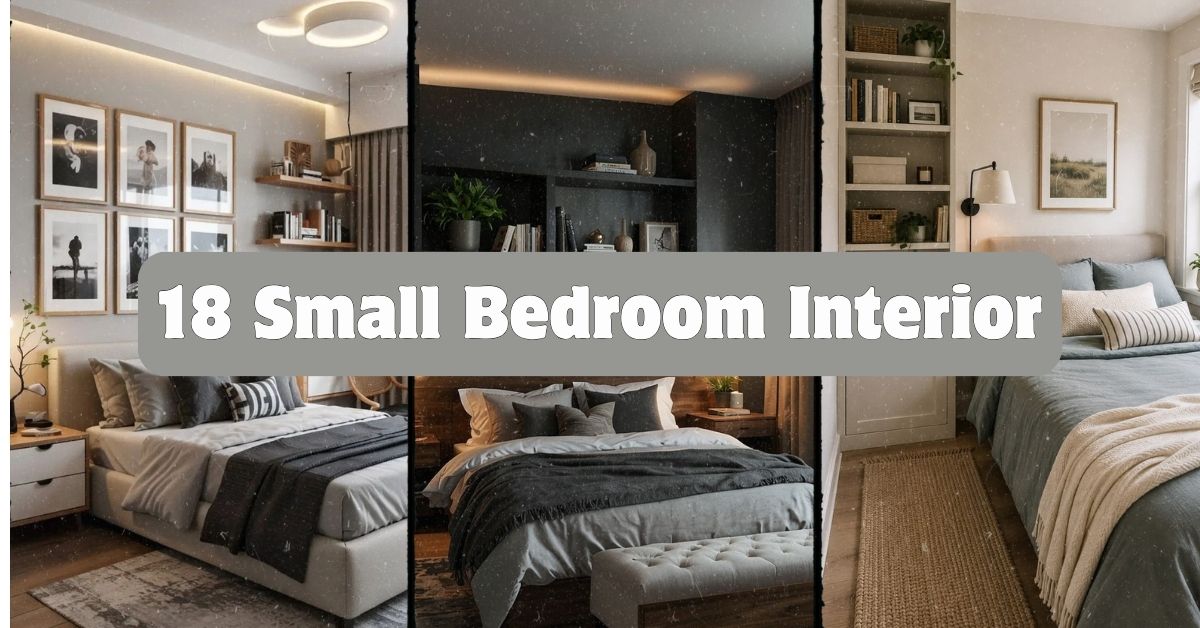
  • 18 Small Bedroom Interior Ideas That Make Every Inch Count

    18 Small Bedroom Interior Ideas That Make Every Inch Count

    18 Small Bedroom Interior ideas can help you turn a tight room into a calm, useful, and stylish place to sleep. I’ll walk you through smart layouts, storage tricks, colors, lighting, and simple decor choices that work in real homes.

    The core question is how to design a small bedroom without making it feel cramped. Use space-saving furniture, light colors, layered lighting, vertical storage, mirrors, and clear walking paths to create a comfortable and organized room.

    Keep reading for practical ideas you can use, whether your taste leans modern, cozy, traditional, coastal, or somewhere in between. I’ll also point out common mistakes that can make a small room feel even smaller.

    What Makes a Small Bedroom Feel Comfortable?

    A small bedroom works best when every item has a clear job. That does not mean the room must look plain. It means the bed, storage, lighting, and decorations need to work together instead of competing for space.

    I usually start with the walking path. Can you get from the door to the bed without bumping into a chair or dresser? Can you open drawers fully? These basic questions matter more than buying trendy decor.

    A calm color scheme helps, but layout comes first. Then I add texture through bedding, curtains, rugs, artwork, and baskets. The goal is a bedroom that feels open enough to breathe while still showing your personality.

    1. Choose a Bed With Built-In Storage

    Story pin image
    Credit: Havenora 

    The bed takes up more floor space than almost anything else, so I like to make it work harder. A platform bed with drawers underneath can replace a bulky dresser. A lift-up storage bed can hold blankets, seasonal clothing, shoes, or luggage.

    Choose a design with clean lines and a simple headboard. Heavy carved details may make the room feel crowded. If the bed has drawers, leave enough clearance on the side where you plan to use them. Storage is only helpful when you can reach it easily.

    For an immediate improvement, measure the space under your current bed before buying bins. Low rolling containers may give you useful storage without replacing the frame.

    This idea works in modern, Scandinavian, traditional, and farmhouse bedrooms by changing the bed finish and drawer style. Next, let’s look at the best bed size for the room.

    2. Select the Right Bed Size for the Layout

    Story pin image
    Credit: Ideas for Interior 

    A larger bed may sound more comfortable, but it can leave no room for movement. In a narrow bedroom, a full-size bed may be a better choice than a queen. In a guest room, a twin or daybed can free up space for a desk or reading chair.

    Before shopping, mark the bed size on the floor with painter’s tape. Include the frame, not just the mattress. Walk around the outline and test whether doors, drawers, and closets still open.

    I also suggest placing the bed against the longest wall when possible. This often creates a cleaner path through the room. Avoid pushing the bed into a corner unless the layout truly requires it.

    A low platform suits modern and minimalist rooms, while an upholstered frame fits traditional and soft contemporary styles. Once the bed is positioned, the next step is using the walls wisely.

    3. Build Up With Vertical Storage

    Story pin image
    Credit: stylishspaceglobe 

    When floor space is limited, look up. Tall bookcases, narrow cabinets, wall-mounted shelves, and peg rails can hold useful items without taking much room away from the walking area.

    A shelf above the desk can store books and baskets. A tall cabinet beside the closet can hold folded clothes. Even a slim ledge above the headboard can display small artwork, a clock, or a few favorite objects.

    Keep the upper area edited. Too many small items can create visual noise. I prefer a mix of closed storage and open shelves. Closed doors hide clutter, while open sections keep the room personal.

    Anchor tall furniture to the wall for safety, especially in homes with children or pets. Vertical storage works with industrial, coastal, boho, and classic interiors when you match the materials to the room’s style.

    Now that the walls are doing more work, let’s make the color scheme support that open feeling.

    4. Use a Light, Layered Color Palette

    Story pin image
    Credit: ELUNOR 

    Light colors can make a small bedroom feel brighter, but an all-white room may feel flat. I like using one light base color with two or three related shades. For example, warm white walls can pair with sand-colored bedding and pale green accents.

    Soft gray, light beige, muted blue, dusty rose, and gentle sage are all useful choices. Paint the ceiling the same color as the walls, or choose a slightly lighter version, to reduce sharp visual breaks.

    You do not need to avoid dark colors completely. A navy headboard, charcoal bedding, or deep green wall can add depth when balanced with light curtains and pale flooring.

    Test paint samples in morning and evening light before committing. Color changes throughout the day. This palette strategy fits modern, coastal, cottage, and traditional rooms with simple changes in accent colors.

    The right colors help, but the finish of each surface matters too, so here is a quick guide.

    Small Bedroom Color Combinations

    Main colorSupporting colorAccent colorBest mood
    Warm whiteLight oakOlive greenNatural and restful
    Pale blueSoft whiteBrassAiry and coastal
    Light beigeTerracottaDark brownWarm and earthy
    Soft grayBlush pinkMatte blackCalm and modern
    Sage greenCreamNatural rattanGentle and organic
    Dusty lavenderWarm graySilverSoft and elegant

    5. Hang Curtains Higher and Wider

    Story pin image
    Credit: RentVibe 

    Curtains can change the apparent size of a bedroom. I hang the rod several inches above the window frame and extend it past both sides when the wall allows. This makes the window look wider and gives the room a taller appearance.

    Choose curtains that reach the floor. Short panels can cut the wall into awkward sections. Linen, cotton, and lightweight blends let in some light while still offering privacy.

    For a very narrow room, use curtains close to the wall color. This creates a smooth backdrop instead of a strong visual block. If you want pattern, keep it small and repeat one color from the bedding or artwork.

    Mount the rod before buying panels so you can measure the correct length. This idea works in farmhouse, traditional, coastal, and modern rooms by changing the fabric and hardware.

    With the windows softened, the room is ready for a rug that adds comfort without stealing too much floor space.

    6. Layer a Small Rug for Warmth

    Story pin image
    Credit: Brooks 

    A rug gives a bedroom warmth, color, and softness underfoot. In a small space, placement is more important than size. You can place a medium rug under the lower two-thirds of the bed, use runners on both sides, or position a small rug at the foot.

    Avoid choosing a rug that is too tiny. A small mat floating in the center may make the room feel disconnected. Measure the open floor area and keep enough visible flooring around the edges.

    Flat-weave rugs are practical for narrow rooms because they do not add much height. Wool feels soft and durable, while washable cotton works well in rental bedrooms or homes with pets.

    I suggest using a rug with a low-contrast pattern if the bedding already has print. This works across boho, Scandinavian, coastal, and traditional styles.

    Next, let’s compare a few rug choices so you can choose based on both comfort and maintenance.

    Rug Material Comparison

    MaterialFeelCleaning needsGood for
    WoolSoft and warmVacuum regularly; spot cleanLong-term use
    CottonLight and comfortableOften machine washableRentals and casual rooms
    JuteFirm and texturedGentle vacuumingBoho and coastal styles
    PolyesterSmooth and variedUsually easy to cleanBudget-friendly rooms
    Flat-weave blendThin and practicalSimple vacuumingSmall spaces with doors nearby

    7. Replace Bedside Tables With Wall Shelves

    Story pin image
    Credit: RentVibe 

    Traditional nightstands can take up more space than you expect. A floating shelf beside the bed gives you a place for a phone, book, glass of water, and small lamp without adding bulky legs.

    Choose a shelf deep enough for the items you actually use. Around 8 to 12 inches is often practical, but check your wall space and mattress height. Add a small lip if you worry about objects slipping off.

    A narrow wall-mounted drawer is another useful option. It hides clutter while keeping the floor clear. Use one shelf on each side for a balanced look, or install one on the open side if the bed is against a wall.

    Paint the shelf to match the wall for a quiet appearance, or use wood for warmth. Floating shelves suit minimalist, industrial, coastal, and cottage bedrooms.

    Now let’s improve the lighting around those shelves and the bed.

    8. Install Wall-Mounted Bedside Lights

    Credit: PlusMood

    Table lamps need a surface. Wall-mounted sconces do not. They free up your nightstand or shelf and create a more finished bedroom layout.

    Swing-arm sconces are especially useful because you can direct the light while reading and fold them closer to the wall afterward. Plug-in versions are renter-friendly. Hardwired lights look cleaner but require professional installation.

    Choose warm white bulbs, usually around 2700K to 3000K, for a relaxing bedroom atmosphere. Put the switch where you can reach it from bed. If you share the room, separate switches let each person control their own light.

    A black metal sconce adds contrast to a modern room. Brass suits traditional decor, while woven or ceramic shades work well in coastal and earthy spaces.

    The next table shows how different lighting layers can serve different purposes.

    Bedroom Lighting Guide

    Lighting layerUseful locationSuggested light typeMain purpose
    AmbientCeiling centerFlush mount or semi-flush fixtureGeneral room lighting
    TaskBeside the bedSconce or reading lampReading and bedtime use
    AccentShelf or cabinetSmall LED stripDisplay and soft glow
    ClosetInside wardrobeMotion-sensor LEDFinding clothing
    DecorativeWall or window areaBattery lantern or pendantMood and visual interest

    9. Add a Mirror Where It Can Reflect Light

    Story pin image
    Credit: trisha style stor

    A mirror can make a small bedroom feel brighter and more open. Place it across from a window if possible so it reflects daylight. You can also position one near a lamp to spread light through the room.

    A full-length mirror on the back of a door saves floor space. A tall, narrow mirror beside the wardrobe adds height. If the room feels too plain, choose a mirror with a simple wood, brass, or black frame.

    Avoid placing a mirror where it reflects clutter, an untidy desk, or a bright ceiling bulb directly into your eyes. The reflection should improve the room, not highlight its busiest corner.

    Measure the wall before buying. A mirror that is too wide can crowd a narrow passage. This idea adapts easily to art deco, modern, farmhouse, and traditional interiors.

    Once light is bouncing around the room, we can make the ceiling work harder too.

    10. Choose a Slim, Low-Profile Ceiling Fixture

    Story pin image
    Credit: Chahat Collection

    A small bedroom does not always need a hanging chandelier. A low-profile flush mount keeps the ceiling clear and reduces the chance of visual clutter. This is especially useful in rooms with low ceilings.

    Look for a fixture with a soft diffuser rather than a bare bulb. Frosted glass, fabric, or opal acrylic spreads light more evenly. Select a dimmable model if your wiring supports it, since bright overhead light can feel harsh at night.

    The fixture should match the room’s scale. A very tiny light may look lost, while an oversized one can dominate the ceiling. Use the finish to repeat other details, such as black drawer pulls or brass curtain hardware.

    A simple flush mount suits modern and Scandinavian rooms. A fabric drum shade works with cottage and traditional decor. With the main light handled, let’s find a better way to display decor.

    11. Create One Focused Accent Wall

    Credit: mich coenen

    A small room does not need several decorated walls. One focused accent wall can provide personality without making the space feel busy. The wall behind the bed is usually the easiest choice.

    You can use paint, removable wallpaper, wood slats, limewash, or a small-scale pattern. Keep the other walls calmer so the eye knows where to rest. If the room is very narrow, choose a vertical pattern to add a sense of height.

    For a rental, removable wallpaper or large fabric panels can create a similar effect without permanent changes. I recommend ordering a sample first. Patterns can look much stronger across a full wall than they do on a small screen.

    This concept fits maximalist, modern, vintage, and coastal rooms by changing the pattern or texture. Next, we’ll make storage look more attractive.

    12. Hide Everyday Clutter in Matching Baskets

    Story pin image
    Credit: Inspiration For Home

    Open storage is helpful, but it can quickly become messy. Matching baskets create a simple visual system for blankets, handbags, laundry, and extra pillows.

    Use larger baskets on the floor beside a wardrobe or under an open shelf. Smaller boxes can sit on top of a cabinet. Choose materials that match the room. Woven seagrass feels relaxed, canvas feels casual, and smooth fabric bins suit modern spaces.

    Label baskets if you share the room or store items you do not use daily. Keep the most-used items between waist and shoulder height. Store seasonal pieces higher up.

    I like using two or three basket styles at most. Too many patterns can make the storage area look scattered. This method works with boho, farmhouse, coastal, and contemporary bedrooms.

    Here are useful storage sizes to help you plan before shopping.

    Storage Size Guide

    Storage itemTypical useful sizeBest locationGood for
    Under-bed bin30 to 36 in. long, 6 to 8 in. highBeneath bedShoes and seasonal clothing
    Small shelf basket10 to 12 in. wideOpen shelvingAccessories and cables
    Tall laundry hamper12 to 16 in. wideCloset or cornerDaily laundry
    Slim cabinet12 to 18 in. wideBeside wardrobeFolded clothing
    Over-door organizer12 to 18 in. wideBack of doorShoes and small items

    13. Use a Fold-Down Desk or Wall-Mounted Work Surface

    Story pin image
    Credit: chan

    If your bedroom also needs to serve as a study, a fold-down desk can provide a work area without staying in the way all day. When closed, it becomes a shallow cabinet or wall panel.

    Choose a desk with cable management and enough depth for your laptop. A surface around 16 to 20 inches deep can work for basic computer tasks, though you should measure your chair and legroom carefully.

    Pair it with a folding chair or a small stool that slides underneath. Add a wall shelf above it for supplies. Keep work items contained so the bedroom can still feel restful at night.

    A wood desk fits Scandinavian and rustic rooms. A white or painted version suits modern and cottage styles. After adding a work zone, let’s make sure the bed remains the main visual focus.

    14. Keep Bedding Simple but Textured

    Story pin image
    Credit: sona

    Too many pillows and layered blankets can make a small bed look crowded. I prefer one comfortable duvet, two sleeping pillows, one or two decorative pillows, and a folded throw.

    Texture creates interest without requiring loud patterns. Try cotton percale, linen, knitted fabric, velvet, or quilted cotton. Keep the base bedding in a calm color, then add one accent shade through the throw or pillow covers.

    Choose bedding that fits the room’s climate. Breathable cotton and linen work well in warm spaces, while flannel and heavier quilts add comfort in cold rooms.

    Washable covers make maintenance easier. Use the same color family as the curtains or rug to create visual connection. This approach suits minimalist, traditional, coastal, and bohemian rooms.

    Now let’s use the floor and furniture arrangement to make the walking path feel wider.

    15. Select Furniture With Exposed Legs

    Story pin image
    Credit: Little Hearth

    Furniture with visible legs shows more flooring, which can make a small bedroom feel lighter. Choose a dresser, nightstand, bench, or desk with a raised base instead of a solid block that reaches the floor.

    This does not mean every piece needs tall legs. Mixing one low bed with a raised dresser can create balance. Look for narrow furniture with clean fronts and limited hardware.

    Before buying, check both width and depth. A shallow dresser may hold less clothing, but it can leave a much better walking path. Mark the footprint with tape to test it.

    Wood legs add warmth, metal legs feel modern, and painted legs work in cottage rooms. The same strategy can suit mid-century, Scandinavian, contemporary, and traditional interiors.

    Next, we’ll add a little greenery without turning the room into a crowded plant corner.

    16. Add Small Plants in Elevated Spots

    Story pin image
    Credit: Cozy Farmhouse 

    Plants bring life and color to a bedroom, but large floor plants may take up valuable space. Use a small plant on a floating shelf, windowsill, wall bracket, or tall narrow stand.

    Choose plants based on available light and your care routine. Snake plants and pothos are often forgiving, while herbs need stronger light. Always check the plant’s needs rather than placing it in a dark corner just because it looks good there.

    Use one large pot or a small group of two. Keep water away from books, electronics, and wood surfaces. A saucer protects shelves and furniture.

    Ceramic pots suit modern and traditional rooms. Terracotta works with earthy and boho styles, while woven holders fit coastal decor. We have covered the main layout choices, so let’s finish with a few visual details that make the room feel intentional.

    Small Bedroom Feature Comparison

    FeatureSpace usedVisual effectBest use
    Floating shelfVery low floor useLight and openBooks and small decor
    Narrow mirrorLow floor useAdds height and lightBeside wardrobe
    Wall sconceNo floor useClean and finishedBedside reading
    Fold-down deskLow when closedFlexible work zoneBedroom office
    Tall cabinetSmall footprintDraws the eye upwardClothing storage
    Wall hooksMinimalPractical and casualBags, robes, hats

    17. Use Artwork in a Vertical Arrangement

    Story pin image
    Credit: Modern Home decor 

    Artwork can personalize a small room without taking up floor space. Instead of spreading several pieces across every wall, create one vertical arrangement above the bed, desk, or dresser.

    Stack two or three smaller frames to draw the eye upward. Keep the spacing even and use a shared color, frame finish, or subject so the grouping feels connected.

    Large artwork can also work, but it should be sized to the wall and furniture beneath it. Leave enough space above the headboard or desk so the arrangement does not feel cramped.

    I suggest laying the frames on the floor first. Take a photo before hanging them. This small step can prevent extra holes and uneven spacing.

    Black frames suit modern rooms, wood frames feel warm, and thin brass frames add a classic touch. Finally, let’s consider the smallest details that make daily use easier.

    18. Use Multi-Purpose Accessories

    Story pin image
    Credit: Klarraum

    In a small bedroom, accessories should be attractive and useful whenever possible. A storage ottoman can hold blankets while serving as a seat. A headboard shelf can replace a nightstand. A peg rail can hold jewelry, robes, and small baskets.

    Choose a few pieces that solve real problems. Do not add an item just to fill an empty corner. Empty space can help the room feel calm.

    A wall clock, catchall tray, and small lamp may be enough for a bedside area. A bench at the foot of the bed is useful only if it leaves a clear passage. I always measure before bringing in another piece.

    Multi-purpose items can fit any home style. Look for rattan in coastal rooms, leather in industrial rooms, painted wood in cottage spaces, and smooth lacquer in modern bedrooms.

    Tips for Success

    • Measure the room, doors, windows, and furniture before shopping.
    • Keep at least one clear walking route from the entrance to the bed.
    • Use a limited color palette with one or two accent shades.
    • Store daily items at easy-to-reach heights.
    • Choose furniture that performs two jobs whenever possible.
    • Use warm, layered lighting instead of relying on one bright ceiling fixture.
    • Leave some wall and floor space empty so the room can rest visually.

    Common Mistakes and How to Avoid Them

    Buying furniture before measuring

    Define the problem by checking width, depth, height, and door clearance first. Use painter’s tape to mark the furniture footprint on the floor.

    Using too many small decorations

    Small objects can create visual clutter when grouped everywhere. Choose one or two display areas and keep the rest of the surfaces clear.

    Choosing a rug that is too small

    A tiny rug may look disconnected from the bed. Select a size that reaches under part of the bed or use coordinated runners on both sides.

    Blocking natural light

    Tall storage or dark curtains can make the room feel closed in. Keep windows clear, use light-filtering fabric, and place reflective surfaces where they can bounce daylight.

    Ignoring storage access

    A bed drawer or cabinet is not useful if another piece blocks it. Check that doors and drawers can open fully before finalizing the layout.

    Relying on one overhead light

    A single ceiling fixture can feel harsh and create dark corners. Add bedside lighting, closet lighting, or a small accent lamp for better control.

    Similar Variations

    • Small Scandinavian Bedroom: Uses pale wood, soft neutrals, simple bedding, and clutter-free storage.
    • Small Coastal Bedroom: Combines white, sand, pale blue, woven textures, and breezy curtains.
    • Small Desert Boho Bedroom: Adds terracotta, clay tones, natural fibers, low furniture, and handmade accents.
    • Small Modern Bedroom: Focuses on clean lines, concealed storage, simple artwork, and a limited color palette.
    • Small Cottage Bedroom: Uses painted furniture, floral or checked fabrics, warm lighting, and vintage details.
    • Small Japandi Bedroom: Blends Japanese simplicity with Scandinavian warmth through natural wood, low furniture, and calm colors.

    A small bedroom does not need to feel unfinished or uncomfortable. Start with the bed and walking path, then add vertical storage, useful lighting, soft textures, and a few personal details. The best room is not the one with the most furniture. It is the one that supports your daily routine without visual stress.

    With careful measurements and a clear plan, these 18 Small Bedroom Interior ideas can make your room feel calmer, brighter, and much easier to live in.

  • 23 Dark Feminine Bedroom Ideas

    23 Dark Feminine Bedroom Ideas

    These 23 Dark Feminine Bedroom ideas will help you create a moody, elegant retreat without making the room feel cold, crowded, or overly dramatic. I’ll cover colors, furniture, lighting, fabrics, layout, and easy upgrades.

    What is a dark feminine bedroom? It is a bedroom that combines deep colors, soft textures, graceful shapes, and romantic details. Common choices include charcoal, plum, burgundy, forest green, velvet, brass, floral patterns, warm lighting, and layered bedding.

    You’ll also learn how to balance bold details with comfort, choose the right materials, and make the look work in small, modern, traditional, or rented spaces.

    What Makes a Dark Feminine Bedroom?

    A dark feminine bedroom feels rich, calm, and personal. It is not simply a room painted black. The style comes from mixing shadowy colors with soft materials and graceful accents.

    I like to think of it as a balance between strength and softness. A charcoal wall can feel bold, but a curved headboard, fluffy throw, or satin pillow keeps it inviting. Jewel tones, antique finishes, floral art, candles, and warm lamps also help create the mood.

    The best rooms use contrast. Pair a matte wall with a shiny lamp. Place dark bedding beside light curtains. Add rough wood near smooth velvet. These small differences keep the room interesting instead of flat.

    1. Paint the Walls a Soft Charcoal

    Story pin image
    Credit: trisha style stor

    Charcoal is one of the easiest ways to build a dark feminine bedroom. It feels dramatic but is usually softer than true black. Choose a warm charcoal with brown or gray undertones if you want a cozy look.

    Use the color on all four walls for a cocoon-like effect, or paint only the wall behind the bed for a lighter approach. Pair it with dusty rose, cream, mauve, or antique brass. A black metal bed frame can reinforce the mood, while pale bedding prevents the room from feeling too heavy.

    For a practical tip, test paint swatches in morning, afternoon, and evening light before buying a full gallon. Charcoal can change greatly throughout the day.

    This idea works in modern homes with simple furniture and in traditional rooms with molding and vintage accents. Next, add a richer color for depth.

    2. Add Burgundy or Wine-Colored Accents

    Story pin image
    Credit: stylishspaceglobe 

    Burgundy brings warmth and a romantic feeling to a dark bedroom. You do not need to use it everywhere. A velvet bench, lumbar pillow, curtain panel, or small area of wallpaper can be enough.

    Combine burgundy with charcoal, espresso brown, cream, and brushed gold. For a softer version, choose muted wine or cranberry instead of a bright red. Burgundy bedding looks especially stylish when layered with dusty pink and deep brown.

    Try adding one large burgundy item rather than many tiny accessories. A single quilt or upholstered chair gives the eye a clear focal point. Keep the rest of the decor quiet so the color feels intentional.

    This palette suits glamorous, traditional, gothic, and even modern farmhouse bedrooms. Once the room has color, texture will make it feel more comfortable.

    3. Choose Velvet for Touch and Drama

    Credit: Lovely Harbor 

    Velvet instantly adds softness and visual depth. It catches light differently across the fabric, which makes dark colors look less flat. A velvet headboard is a strong choice, but you can start with smaller pieces.

    Try velvet pillow covers, a footstool, curtains, or a narrow bench. Emerald, plum, navy, and black velvet all suit a dark feminine scheme. If you use a velvet bed, choose cotton or linen bedding to keep the room from looking too polished.

    Vacuum velvet with a soft brush attachment and follow the care label. Keep it away from direct sunlight when possible, since strong light may fade deep colors.

    Velvet works in art deco spaces, classic bedrooms, eclectic rooms, and simple apartments. Now, use the following color guide to keep your palette balanced.

    Dark Feminine Color Palette Guide

    Main colorSupporting colorLight accentBest mood
    Charcoal grayDusty roseWarm whiteSoft and modern
    BurgundyCreamAged brassRomantic and rich
    Forest greenBlush pinkNatural woodBotanical and calm
    PlumMushroom beigeGoldGlamorous and cozy
    NavyMauveIvoryRefined and peaceful
    Espresso brownTerracottaLinenWarm and earthy

    4. Install a Curved or Upholstered Headboard

    Credit: Shirley Robinson

    A headboard with a rounded shape can soften the strong lines found in a dark bedroom. Look for scalloped, arched, channel-tufted, or gently curved designs. Upholstery in cream, taupe, rose, or deep green creates a beautiful contrast against a dark wall.

    Choose a size that fits your bed and wall. A headboard that is too small may look lost, while one that reaches nearly to the ceiling creates a bold backdrop. If you rent, use a freestanding headboard instead of mounting panels to the wall.

    Measure the doorway, stairway, and bedroom entrance before ordering. Large furniture is difficult to return once it arrives.

    This idea fits contemporary, art deco, traditional, and Parisian interiors. With the main furniture chosen, bring in a moody light source.

    5. Use Warm Layered Lighting

    Story pin image
    Credit: Life_stylaura

    Dark walls need more than one ceiling fixture. Layered lighting creates comfort and keeps the room useful. Start with a warm ceiling light, then add bedside lamps, wall sconces, or a floor lamp.

    Choose bulbs around 2,700K to 3,000K for a warm glow. Use one light for reading and another for general mood. Lamps with fabric shades soften the light, while smoked glass or brass fixtures add character.

    Put bedside lights on separate switches if possible. A dimmer is also worth installing because it lets you shift from bright morning light to a quiet evening atmosphere.

    Warm lighting works in every home style. Modern rooms may use globe lamps, while traditional rooms can use pleated shades or antique brass bases. Next, let the ceiling become part of the design.

    6. Paint the Ceiling a Deep, Coordinating Shade

    Story pin image
    Credit: Spaces By Laura 

    A dark ceiling can make a bedroom feel wrapped in color. It is especially effective in rooms with tall ceilings, crown molding, or plenty of natural light. Use a shade that is slightly lighter or darker than the walls.

    For example, pair charcoal walls with a nearly black ceiling. Use deep green walls with a muted green ceiling. If the room is small, paint only the ceiling and one accent wall instead of every surface.

    Choose a flat or matte finish to hide small flaws and reduce glare. Before painting, cover light fixtures and remove ceiling plates for a cleaner result.

    This technique suits dramatic gothic spaces, cozy cottage bedrooms, and sleek modern rooms. Now, balance all that color with a lighter fabric layer.

    7. Layer Cream Bedding Against Dark Walls

    Story pin image
    Credit: Urban Comfort

    Cream bedding keeps a moody bedroom from becoming visually heavy. Start with crisp cotton sheets, then add a duvet, quilt, pillows, and a folded throw in different textures.

    Choose warm ivory rather than a blue-white shade. The warmer tone works well with burgundy, brown, green, and brass. Add one or two dark pillows to connect the bedding with the walls.

    I recommend using a washable quilt or coverlet as the top layer. It is easier to clean than a heavy comforter and lets you change the look by season. A linen duvet gives the room a relaxed feel, while satin adds more glamour.

    Cream bedding adapts well to coastal, Scandinavian, classic, and modern interiors. The next step is to add pattern without losing control of the palette.

    8. Bring in a Moody Floral Pattern

    Story pin image
    Credit: Abdur Rouf 

    Floral prints can make a dark bedroom feel feminine without looking childish. Choose flowers on a dark background rather than a bright, busy pattern. Look for wallpaper, curtains, pillow covers, or framed botanical art.

    Good combinations include black with dusty pink roses, navy with faded blue flowers, or forest green with cream leaves. Use one large floral feature and keep nearby fabrics mostly solid.

    If you are decorating a rental, try removable wallpaper on the wall behind the bed. Order a sample first, since the pattern may look larger once it covers a full wall.

    Moody florals work with vintage, English country, romantic, and modern styles. Use this material chart before buying larger pieces.

    Material Comparison for a Dark Feminine Bedroom

    MaterialStrengthCare levelBest use
    VelvetRich color and softnessMediumHeadboards, pillows, benches
    LinenBreathable and relaxedMediumBedding and curtains
    CottonEasy to washLowSheets, quilts, pillowcases
    SatinSmooth and glossyMediumAccent pillows and bed runners
    BoucléTactile and cozyMediumChairs and small ottomans
    RattanLight and airyLowBaskets, lamps, side furniture
    BrassWarm reflective finishLowHardware and lighting

    9. Add Antique Brass Details

    Story pin image
    Credit: Kisaf 

    Antique brass gives dark colors a warm glow. It also adds a slightly vintage feeling without requiring lots of old furniture. Use brass on drawer pulls, lamps, picture frames, curtain rods, or a mirror.

    Mixing brass with black is especially effective. Black supplies weight, while brass brings light. Choose aged or brushed brass if you want a soft finish. Polished brass feels more glamorous and formal.

    You do not need every metal to match perfectly. Keep the main metal consistent, then add a small amount of another finish if it looks intentional.

    This detail works in art deco, vintage, modern, and transitional bedrooms. After adding shine, bring in natural texture so the room still feels grounded.

    10. Use Dark Wood for Warmth

    Story pin image
    Credit: AgnesLavoré

    Dark wood furniture gives a bedroom a rich, settled feeling. Consider a walnut nightstand, espresso dresser, dark oak bed, or stained floating shelf. The wood adds warmth that painted walls alone cannot provide.

    Keep the shape simple if your walls and fabrics already have strong patterns. A straight-lined wood nightstand can balance a curved upholstered bed. If the room feels too dark, use one medium wood piece instead of matching every item.

    Protect wood with coasters and avoid placing wet items directly on the surface. For a low-cost update, replace plain drawer pulls with aged brass handles.

    Dark wood suits traditional, mid-century, bohemian, and modern homes. Next, use a mirror to reflect light and open the room visually.

    11. Hang an Ornate or Organic Mirror

    Story pin image
    Credit: Decor Orderly 

    A mirror is practical, but it can also act as wall art. An ornate gold frame gives the room a romantic, vintage look. A wavy or irregular frame feels more modern and playful.

    Place the mirror where it can reflect a lamp, window, or light-colored wall. Avoid positioning it where it reflects clutter or a television. Over a dresser, the mirror should generally be narrower than the furniture below it.

    For a small bedroom, choose one tall mirror instead of several small ones. A full-length mirror can make the room feel taller and help with daily routines.

    This idea works in glamorous, minimalist, vintage, and eclectic spaces. Once the walls have enough interest, soften the floor underfoot.

    12. Layer a Soft Rug Under the Bed

    Story pin image
    Credit: The Gothic Barn Collection

    A rug makes a dark bedroom feel warmer and more complete. Choose wool, cotton, jute, or a washable low-pile style depending on your needs. A faded Persian pattern can add romance, while a plain cream rug creates a calmer look.

    For a queen bed, an 8-by-10-foot rug usually allows the rug to extend beyond the sides and foot of the bed. A 9-by-12-foot rug gives more coverage in a larger room. In a tight space, place runners along each side.

    Use a rug pad to prevent sliding and protect the floor. Leave enough clearance for doors and drawers to open easily.

    This works in coastal rooms with natural fibers, classic rooms with Persian patterns, and modern spaces with simple wool rugs. The next guide helps you choose a practical size.

    Bedroom Rug Size Guide

    Bed sizeCommon rug sizeRecommended placement
    Twin5 by 8 feetUnder the lower two-thirds
    Full6 by 9 feetCentered beneath the bed
    Queen8 by 10 feetExtends past both sides
    King9 by 12 feetCovers bed and nearby nightstands
    Any size, tight roomTwo runnersOne along each side

    13. Create a Small Reading Corner

    Story pin image
    Credit: Decor Bloom

    A reading corner makes the bedroom feel more personal. Choose a comfortable chair with a rounded back, a small side table, and a focused floor lamp. Upholstery in plum, cream, rust, or dark green can connect with the rest of the room.

    Keep the furniture slim if space is limited. A slipper chair takes up less room than a deep lounge chair. Add one cushion and a folded throw rather than filling the seat with accessories.

    Make sure the lamp shines over your shoulder instead of directly into your eyes. Place the chair near a window if you enjoy natural light during the day.

    This corner works in classic, bohemian, cottage, and modern rooms. Now, use wall art to give the space a stronger emotional focus.

    14. Display Romantic, Botanical, or Portrait Art

    Credit: TheDearLab 

    Art gives a dark feminine bedroom its personality. Try vintage portraits, pressed flowers, botanical drawings, abstract shapes, or soft landscape paintings. Choose artwork with colors already found in your bedding or curtains.

    A large piece over the bed creates a clear focal point. A gallery wall works well on a wider wall, especially when you mix frames in black, wood, and brass.

    Hang artwork at eye level, with the center of the piece about 57 to 60 inches from the floor in a standing viewing area. Over furniture, leave roughly 6 to 10 inches between the furniture and the frame.

    This idea suits maximalist, vintage, modern, and farmhouse styles. The next detail adds a little shine without needing a major purchase.

    15. Add a Small Chandelier or Sculptural Pendant

    Story pin image
    Credit: Ruffled Mom 

    A chandelier can make the bedroom feel special, but it should still provide useful light. Choose a simple black fixture for a modern room, an aged brass design for vintage style, or a fabric-shaded pendant for a softer look.

    Check the ceiling height before buying. In a standard bedroom, a low-profile fixture may be safer than a long pendant. Keep the bottom of a hanging fixture high enough that it does not interfere with walking or opening doors.

    Use a dimmer so the fixture can work for both cleaning and relaxing. If a chandelier is not practical, try a sculptural ceiling light with frosted glass.

    This adapts to glamorous, industrial, traditional, and contemporary bedrooms. Next, make the windows part of the moody design.

    16. Dress the Windows in Full, Soft Curtains

    Story pin image
    Credit: Abdur Rouf 

    Full curtains add height, privacy, and softness. Choose velvet, linen, cotton, or a lined fabric in charcoal, cream, plum, or deep green. Hang the rod close to the ceiling and extend it past the window frame when possible.

    This placement makes the window look larger and lets more daylight enter when the curtains are open. Use blackout lining if you sleep during the day or want stronger light control.

    Measure the window width before shopping. Curtain panels usually look fuller when their combined width is about 1.5 to 2 times the window width.

    This approach fits hotel-inspired, cottage, traditional, and modern bedrooms. Use the budget guide below to plan your spending before the final decor layers.

    Budget Planning Guide

    Project levelTypical purchasesBest priority
    Under $100Pillow covers, art prints, candles, hardwareChange mood with accessories
    $100 to $300Curtains, rug, lamps, beddingImprove texture and lighting
    $300 to $700Dresser, chair, quality rug, feature wallpaperAdd a strong focal point
    $700 to $1,500Upholstered bed, chandelier, custom-style curtainsChange the room’s main structure
    Over $1,500Built-ins, premium furniture, professional workCreate a long-term full redesign

    17. Style the Nightstand With Restraint

    Story pin image
    Credit: Everyday Home Aesthetics 

    A nightstand should look pretty and remain useful. Start with a lamp, a small dish for jewelry, a book, and one personal object. That is often enough.

    Choose a nightstand with a drawer if you want to hide chargers, medicine, or reading glasses. A floating nightstand saves floor space in a small room. Dark wood, black lacquer, and painted furniture all work with this style.

    Use a tray to group small objects and prevent visual clutter. Keep the top surface easy to clear so bedtime feels simple.

    This idea adapts to minimalist, traditional, boho, and rental-friendly rooms. With the bedside area under control, bring in a soft scent.

    18. Use Scent as a Quiet Design Layer

    Credit: Rachel 

    Scent can change how a bedroom feels, but it should stay subtle. Try rose, sandalwood, vanilla, amber, lavender, or cedar. A candle, reed diffuser, or linen spray can add atmosphere without taking up much space.

    Choose one main scent family instead of mixing several strong fragrances. Keep candles on a stable, heat-safe surface and never leave a burning candle unattended.

    If you have pets, children, allergies, or breathing concerns, check product ingredients and consider unscented alternatives. Fresh air and clean bedding also do more for a room than heavy fragrance.

    Scent works with every decor style because it is nearly invisible. Next, add greenery to keep the dark palette from feeling closed in.

    19. Bring in Moody Green Plants

    Story pin image
    Credit: AgnesLavoré

    Plants add life to a dark feminine bedroom. Choose varieties that match the room’s available light, such as snake plants, pothos, ZZ plants, or cast-iron plants. A trailing plant on a shelf can soften hard wall lines.

    Use black, ceramic, brass, or woven planters to connect with the room’s materials. Avoid placing a plant where water could damage wood furniture or bedding.

    Check the care label for light and watering needs. Overwatering is one of the fastest ways to lose a houseplant, so let the soil dry as recommended for that variety.

    Plants suit tropical, bohemian, modern, and traditional rooms. Now, use small decorative objects to make the room feel collected.

    20. Mix Vintage-Looking Decorative Objects

    Story pin image
    Credit: NestTheory 

    A dark feminine bedroom benefits from objects that look gathered over time. Try a small jewelry box, ceramic vase, antique-style clock, framed keepsake, glass bottle, or decorative tray.

    Keep collections grouped in odd numbers, such as three vases or five framed photos. Vary the height so the display does not look flat. Avoid filling every open surface. Empty space gives special pieces more impact.

    Search thrift stores for brass frames, wood boxes, and unusual lamps. Clean secondhand items carefully and check electrical cords before using old lighting.

    This style of decorating fits maximalist, vintage, romantic, and eclectic homes. The next idea focuses on the bed, which is usually the room’s largest feature.

    Bedding Layering Formula

    LayerUseful materialSuggested color
    SheetsCotton or linenIvory, cream, or muted pink
    BlanketWaffle cotton or woolTaupe, gray, or dusty rose
    QuiltCotton or velvetBurgundy, forest green, or plum
    Sleeping pillowsCotton or linenNeutral base color
    Accent pillowsVelvet or satinOne dark jewel tone
    ThrowChunky knit or faux furCream, brown, or charcoal

    21. Build a Layered Bed With Mixed Textures

    Credit: Julie Quitzon

    The bed should feel inviting, not staged. Combine smooth sheets, a quilted coverlet, a textured blanket, and two or three accent pillows. Keep the base neutral, then add one deep color.

    For example, use cream sheets, a charcoal quilt, a burgundy lumbar pillow, and a knitted ivory throw. The contrast creates a dark feminine look without making the bed hard to sleep in.

    Wash bedding regularly and select fabrics that fit your climate. Linen and cotton work well in warm rooms, while wool and heavier quilts add comfort in cooler spaces.

    This formula suits hotel-inspired, cottage, modern, and traditional bedrooms. Add one bold ceiling-to-floor element next.

    22. Try Dark Wallpaper on One Feature Wall

    Credit: Lovely Harbor 

    Wallpaper can create instant atmosphere. Choose a dark botanical print, faded damask, tiny star pattern, or textured grasscloth effect. Installing it behind the bed gives the room a clear focal wall.

    If the pattern is large, use solid bedding and simple furniture. If the print is small and subtle, you can add more decorative texture elsewhere. Removable wallpaper is a useful option for renters.

    Order samples and view them beside your flooring, bedding, and paint. Wallpaper colors can look very different under warm lamps than they do in a store.

    This works in traditional, maximalist, gothic, and contemporary interiors. Finish the room with one practical piece that adds elegance.

    23. Place a Bench or Ottoman at the Foot of the Bed

    Story pin image
    Credit: Resourceful Mama

    A bench gives the room a finished look and provides a useful place to sit, fold laundry, or put on shoes. Choose a slim design so it does not block the walking path.

    Velvet, boucle, woven fabric, and dark wood are all good choices. Match the bench to the headboard for a coordinated feel, or use a contrasting material for more interest. An ottoman with hidden storage is especially helpful in a small bedroom.

    Leave at least 24 inches of walking space around major furniture when possible. Measure the bed and room before choosing a bench.

    This idea suits modern, classic, bohemian, and boutique-hotel rooms. A few final habits will help the entire design stay balanced.

    Tips for Success

    • Test dark paint in more than one type of light before committing.
    • Use warm white or cream near black, charcoal, burgundy, and green.
    • Pick one main metal finish, such as aged brass or matte black.
    • Mix at least three textures, such as linen, velvet, wood, and wool.
    • Keep pathways clear around the bed, dresser, and door.
    • Use dimmers and separate lamps so the room can shift from bright to cozy.
    • Repeat one accent color at least three times for a connected look.

    Common Mistakes and How to Avoid Them

    Using only black

    Add charcoal, brown, plum, cream, or forest green so the room has tonal depth instead of one flat shade.

    Choosing too many patterns

    Limit yourself to one large pattern and one or two smaller prints. Use solid fabrics between them.

    Ignoring the light plan

    A single ceiling light can make a dark room feel harsh. Add bedside lamps, a floor lamp, or wall sconces with warm bulbs.

    Buying furniture before measuring

    Measure walls, doorways, drawers, and walking paths first. A beautiful piece is not useful if it blocks the room.

    Making every item glamorous

    Balance velvet, brass, and shine with cotton, wood, linen, or woven materials. Soft contrast keeps the bedroom comfortable.

    Leaving the room without storage

    Use nightstands with drawers, under-bed boxes, baskets, or a storage bench to keep surfaces calm and uncluttered.

    Similar Variations

    • Gothic Romantic: Uses black, burgundy, candlelight, ornate frames, and dramatic vintage details.
    • Moody Cottage: Combines deep floral wallpaper, painted furniture, quilts, and aged wood.
    • Dark Academia: Adds leather, books, walnut furniture, forest green, and old-world study details.
    • Modern Dark Feminine: Keeps the palette deep but uses clean lines, simple art, and limited accessories.
    • Jewel-Tone Glamour: Builds around emerald, sapphire, plum, ruby, velvet, mirrors, and brass.
    • Soft Gothic: Uses charcoal and black with blush, cream, lace, curved furniture, and gentle lighting.

    A dark feminine bedroom works best when you balance depth with softness. Start with one strong choice, such as charcoal walls, a velvet headboard, or moody floral wallpaper. Then build slowly with warm lighting, useful furniture, layered bedding, and personal details.

    You do not need to copy a perfect room from a magazine. Choose the colors and textures that make you feel calm, confident, and comfortable, then make the style your own with these 23 Dark Feminine Bedroom ideas.

  • 15 80s Glam Bedroom Ideas for a Bold, Luxurious Retreat

    15 80s Glam Bedroom Ideas for a Bold, Luxurious Retreat

    A 15 80s Glam Bedroom combines bold color, glossy surfaces, plush fabrics, mirrored details, and dramatic lighting for a playful yet luxurious sleeping space. The look can be recreated with vintage furniture, modern pieces, or a mix of both.

    I’ll walk you through the colors, furniture, lighting, textiles, and small details that make this style work without making your room feel like a costume set. You’ll also find practical tips for different budgets and home styles.

    What Defines an 80s Glam Bedroom?

    When I picture an 80s glam bedroom, I see a room with confidence. It does not whisper. It uses color, shine, texture, and shape to create a strong mood.

    The classic palette often includes blush pink, black, white, mauve, teal, purple, silver, or gold. Furniture may feature curved edges, lacquered finishes, mirrored panels, or tufted upholstery. Satin bedding, velvet pillows, crystal-style lamps, and oversized art add softness and drama.

    The trick is balance. You do not need every 1980s trend in one room. Choose two or three strong features, then support them with quieter pieces. That keeps the room fun, polished, and comfortable instead of cluttered.

    1. Start With a Blush Pink and Black Color Scheme

    Story pin image
    Credit: Millennium Pink

    Blush pink and black create one of the easiest foundations for an 80s glam bedroom. Pink brings softness, while black gives the room structure. Together, they feel bold without becoming childish.

    I like using blush on the walls, bedding, or curtains, then adding black through a bed frame, nightstands, picture frames, or lamps. White or soft cream can fill the middle ground and stop the room from feeling too dark.

    For a stronger retro look, add small touches of mauve or dusty rose. For a fresher version, use pale pink with matte black instead of shiny black.

    Actionable tip: Follow a 60-30-10 color balance. Use blush or cream for about 60 percent of the room, black or mauve for 30 percent, and metallic accents for the final 10 percent.

    This palette also works in modern homes when you use clean furniture and limit decorative clutter, so now let’s bring in the shine.

    2. Choose a Glossy Lacquered Bedside Table

    Story pin image
    Credit: elia

    A glossy nightstand can make the entire room feel more glamorous. Look for white, black, blush, or cream lacquer. A mirrored drawer front can also create that unmistakable 80s mood.

    Choose a table with enough room for a lamp, book, water glass, and charging station. A narrow table works well in a small bedroom. If your bed is large, use wider nightstands so the furniture feels balanced.

    I prefer matching bedside tables for a traditional glam bedroom. In a more relaxed space, use two different pieces that share the same color or finish.

    Actionable tip: Place a felt pad under lamps and accessories. Glossy surfaces scratch easily, especially when items are moved often.

    The same idea adapts to farmhouse or coastal homes when you choose a softer white finish, and the next step adds a more luxurious focal point.

    3. Add a Tufted Headboard With Curved Lines

    Credit: Luxury Home & Interior Design Ideas

    A tufted headboard immediately gives the room a hotel-like feeling. Choose velvet, linen, or soft performance fabric in pink, cream, gray, purple, or deep teal. Button tufting creates a classic look, while channel tufting feels more updated.

    Curved edges are especially useful because they soften the hard lines of dressers and walls. A tall headboard can also make a low-ceilinged room feel more finished. If the room is narrow, avoid an extra-wide style that blocks walking space.

    Actionable tip: Measure the wall, mattress, and nearby furniture before buying. Leave at least 24 inches of clear walking space beside the bed when possible.

    For a traditional home, choose deep button tufting. For a modern home, use vertical channels and a simple frame. With the bed in place, the room needs a clear color plan.

    80s Glam Color Combinations

    Main colorSupporting colorAccent finishBest mood
    Blush pinkBlack and creamGoldSoft, dramatic glam
    MauveDusty rose and whiteBrushed brassRomantic and mature
    TealBlack and ivoryChromeBold retro energy
    LavenderGray and whiteSilverLight, playful glam
    WhiteHot pink and blackMirrored glassHigh-contrast 1980s style
    Deep plumBlush and charcoalGoldMoody luxury

    A strong color plan makes decorating easier, so next I would focus on the light that brings those colors to life.

    4. Use a Crystal-Style Chandelier or Glam Ceiling Light

    Story pin image
    Credit: Still Spaces

    Lighting changes the mood faster than almost any other bedroom feature. A crystal-style chandelier, flush mount, or pendant can give the ceiling a polished 80s glam touch.

    If your ceiling is low, choose a flush mount with glass drops or faceted details. In a larger room, a small chandelier can sit above the center of the bed. Avoid placing a heavy fixture too close to a ceiling fan or tall headboard.

    Use warm white bulbs between 2700K and 3000K for a cozy bedroom glow. Add a dimmer if possible. Bright white bulbs can make pinks and metallics look harsh.

    Actionable tip: Install bedside lamps or wall sconces too. One ceiling light rarely gives enough control for reading, relaxing, and getting dressed.

    This works in a minimalist room when the fixture is simple, while a traditional space can handle more sparkle. Once the overhead light is set, the walls can carry some of the personality.

    5. Create a Mirrored Accent Wall or Furniture Moment

    Story pin image
    Credit: elia

    Mirrors are a key part of glam design, but you do not need to cover every wall. One mirrored dresser, a large framed mirror, or a group of smaller mirrors can create the right amount of shine.

    A mirror behind a nightstand or across from a window can reflect light and make a room feel larger. Use beveled edges, gold frames, or smoked glass for a stronger retro style. If you prefer a quieter look, choose one oversized mirror with a simple frame.

    Actionable tip: Never place a mirror where it reflects a messy storage area. Position it toward a window, artwork, or attractive light fixture instead.

    Mirrored details fit contemporary, art deco, and even coastal bedrooms when paired with lighter wood and fewer metallic accents. Now let’s soften the hard surfaces with rich fabric.

    6. Layer Satin Bedding With Velvet Accent Pillows

    Credit: Shirley Robinson

    Satin bedding brings instant 80s glamour. It catches light, feels smooth, and makes the bed look styled even with simple furniture. Choose a solid color first, such as ivory, blush, mauve, black, or champagne.

    Then add velvet pillows for contrast. Velvet absorbs light, while satin reflects it. This difference gives the bed more depth. A quilted coverlet or lightweight comforter can add structure without making the bed too heavy.

    I recommend mixing no more than three main fabrics. Satin, velvet, and cotton are enough for most rooms. Too many slippery or shiny fabrics can make the bed uncomfortable.

    Actionable tip: Use cotton sheets under satin pillowcases or a satin duvet. The cotton keeps the bed breathable and easier to care for.

    Traditional rooms look beautiful with tufted pillows, while modern bedrooms can use smooth satin and square velvet cushions. The next table can help you match materials to your budget.

    Material Guide for an 80s Glam Bedroom

    MaterialLook it createsCare levelBudget range
    Polyester satinShiny and affordableLow to mediumLow
    Cotton sateenSmooth but breathableMediumLow to medium
    Velvet upholsteryRich and plushMediumMedium
    Mirrored glassBright and glamorousMediumMedium
    Lacquered woodSleek and polishedMediumMedium
    Solid brassWarm and durableLowMedium to high
    AcrylicClear, playful, modernLowMedium

    Materials set the mood, but window treatments control how the room feels during the day.

    7. Hang Full-Length Curtains in a Soft, Shiny Fabric

    Credit: Sleep Shacks 

    Floor-length curtains make a bedroom feel taller and more finished. For an 80s glam look, try satin, velvet, silk-look polyester, or a soft fabric with a subtle sheen.

    Blush, champagne, cream, mauve, and smoky gray are easy choices. If your walls are already colorful, use neutral curtains. If the walls are white, deeper curtains can add drama.

    Hang the curtain rod several inches above the window frame and extend it past both sides. This makes the window look larger and lets more light enter when the curtains are open.

    Actionable tip: Use a double rod. Place blackout panels behind decorative curtains so the room stays dark and comfortable at night.

    This idea suits traditional interiors with pleated panels and modern rooms with straight, simple curtains. Next, we can add a floor layer that makes the whole room warmer.

    8. Place a Plush Area Rug Under the Bed

    Story pin image
    Credit: Wiltonrotary

    A soft rug adds comfort and helps balance glossy furniture. Choose a shag rug for a playful 1980s feel, or select a low-pile geometric rug for a cleaner look.

    The rug should extend beyond the sides of the bed. In a larger room, place all four bed legs on it. In a smaller room, position the rug under the lower two-thirds of the bed, with enough material showing beside the nightstands.

    Cream, pale pink, gray, and geometric black-and-white patterns all work well. A rug with a subtle metallic thread can add shine, but it should not be so reflective that it looks busy.

    Actionable tip: Use a rug pad. It prevents slipping, protects the floor, and makes the rug feel thicker.

    A plush rug works in modern, traditional, and transitional homes. After the floor is comfortable, a statement dresser can anchor the opposite wall.

    9. Use a Statement Dresser With Gold or Chrome Hardware

    Credit: Women’s clothing

    The dresser is a practical place to add glam style. Look for smooth drawers, rounded corners, mirrored fronts, or metallic pulls. You can also update an existing dresser with new hardware.

    Gold creates warmth and feels slightly vintage. Chrome or polished nickel gives a cooler, sharper 80s look. Black hardware works well when the room already contains pink, blush, or cream.

    Keep the top of the dresser edited. Place one mirror, one lamp, and two or three decorative objects rather than filling every inch.

    Actionable tip: Measure the drawer depth before buying replacement pulls. Hardware hole spacing must match, or you may need to drill new holes.

    In a Scandinavian bedroom, choose pale wood with simple gold pulls. In a traditional room, use a curved dresser with decorative trim. Now let’s look at furniture sizes so the room stays balanced.

    Bedroom Furniture Size Guide

    ItemSmall bedroomMedium bedroomLarge bedroom
    Nightstand width18 to 24 in.24 to 30 in.28 to 36 in.
    Dresser width48 to 60 in.60 to 72 in.72 to 84 in.
    Rug size5 x 8 ft.8 x 10 ft.9 x 12 ft.
    Bench width36 to 48 in.48 to 60 in.60 to 72 in.
    Bedside walking space24 in. minimum30 in. preferred30 to 36 in.
    Mirror width above dresser24 to 36 in.36 to 48 in.48 to 60 in.

    Good proportions prevent glam furniture from feeling crowded, so let’s add a useful seating area without overloading the floor.

    10. Add a Curved Bench or Velvet Vanity Stool

    Story pin image
    Credit: Creative click

    A small seat gives the bedroom a finished, comfortable feeling. Place a curved bench at the foot of the bed if you have enough space. In a smaller room, use a velvet stool at a vanity or beside a dresser.

    Look for rounded legs, brass feet, channel tufting, or soft upholstery. The seat does not need to match the bed exactly. It only needs to repeat one color or finish from the room.

    A bench can hold folded blankets, but avoid turning it into a permanent clothes pile. That quickly takes away from the polished look.

    Actionable tip: Leave at least 18 to 24 inches between the bench and nearby furniture so drawers and doors can open easily.

    For coastal homes, choose a pale linen bench. For a modern home, pick a simple boucle or velvet stool. The next detail brings personality to the walls.

    11. Display Oversized Abstract or Geometric Artwork

    Credit: Brandy Moore

    Large artwork gives the room a focal point without requiring many small decorations. Search for abstract shapes, bold color blocks, arches, brush marks, or geometric patterns.

    A black, pink, purple, teal, and cream print can tie several parts of the room together. If your bedding is patterned, choose calmer art. If the bedding is solid, artwork can bring in more energy.

    Place one large piece above the bed or dresser. Keep it low enough to relate to the furniture, but high enough to avoid bumps.

    Actionable tip: Use paper templates to test artwork placement before making holes. This takes five minutes and can prevent a wall full of mistakes.

    The look adapts to traditional rooms with ornate frames and to modern rooms with frameless canvas, so now we can make the smaller surfaces feel intentional.

    12. Style the Room With Acrylic and Lucite Accessories

    Story pin image
    Credit: cozexvintage

    Clear acrylic and lucite accessories feel playful, light, and very 1980s. Try a clear lamp base, tray, chair, picture frame, or small side table.

    These pieces are useful in small bedrooms because they do not visually block the floor. Pair acrylic with brass, chrome, pink glass, or black lacquer for a classic glam mix.

    Do not use too many clear items. One or two are usually enough. Dust and fingerprints also show easily, especially near windows.

    Actionable tip: Keep a microfiber cloth in the nightstand drawer and wipe clear surfaces weekly.

    Acrylic works beautifully in modern and Hollywood Regency spaces. In a traditional home, use just one clear accent beside richer wood and fabric. Next, let’s add shine through smaller decorative objects.

    Budget Plan for a Glam Bedroom Refresh

    Budget levelBest purchasesSuggested focus
    Under $100Satin pillowcases, framed print, new hardware, small lampRefresh details
    $100 to $300Area rug, curtains, velvet stool, bedding setImprove comfort and color
    $300 to $700Tufted headboard, dresser, chandelier, large mirrorAdd one major focal point
    $700 to $1,500Coordinated furniture, custom curtains, quality lightingCreate a complete look
    Over $1,500Upholstered bed, solid furniture, layered lighting, designer textilesBuild long-term luxury

    A budget plan helps you spend on pieces that matter, and small metallic details can finish the room without a large purchase.

    13. Mix Gold, Chrome, and Silver With a Clear Rule

    Story pin image
    Credit: Ever Homey 

    Metallic finishes are central to glam style, but mixing them needs control. Choose one main metal and one supporting metal. For example, use gold as the main finish and chrome in small lamp or frame details.

    Gold feels warm and soft. Chrome feels sleek and retro. Silver works well with lavender, gray, white, and cool pink.

    Repeat each metal at least twice. A gold mirror and gold drawer pulls look connected. A single random gold object can look accidental.

    Actionable tip: Place metal samples beside your paint and fabrics in both daylight and lamplight. Metallic finishes can look very different throughout the day.

    This approach fits modern, art deco, and eclectic rooms. With the metal plan set, let’s make storage part of the visual design.

    14. Choose Decorative Storage for Beauty and Function

    Story pin image
    Credit: Velvet Aura

    A glam bedroom still needs to hold clothing, jewelry, books, and everyday items. Use storage that looks attractive enough to stay visible.

    Try lidded boxes, velvet jewelry trays, mirrored organizers, woven baskets, or a glass-front cabinet. Place a tray on the dresser for perfume, watches, or hair accessories. This keeps small items from spreading across the surface.

    For open shelving, group objects by color and leave empty space between them. Full shelves can make the room feel messy, no matter how expensive the pieces are.

    Actionable tip: Keep daily-use items in the top drawer or a tray. Store seasonal accessories in closed boxes so cleaning takes less time.

    In a minimalist home, choose closed storage with clean lines. In a maximalist room, display coordinated boxes and accessories. The final design idea adds the personal touch that keeps the room from feeling staged.

    15. Add Personal 80s-Inspired Details Without Creating Clutter

    Story pin image
    Credit: Gigi

    The best 80s glam bedroom should feel like yours. Add a framed fashion print, vintage alarm clock, perfume bottles, a cassette-inspired artwork, a sculptural vase, or a colorful telephone-style accessory.

    Choose items that connect to your interests. A few personal pieces have more impact than a shelf packed with random retro objects.

    You can also use playful shapes, such as arches, circles, zigzags, or wavy frames. These forms bring back the decade without copying every trend from the period.

    Actionable tip: Use the “three-item rule” on open surfaces. Group one tall object, one medium object, and one low object, then stop.

    This personal approach works with any home style because the room reflects your taste, not a strict decorating label.

    Tips for Success

    • Test paint colors on several walls because pinks and purples change under warm and cool lighting.
    • Pick the bed and rug sizes before buying small accessories.
    • Use blackout lining behind decorative curtains for better sleep.
    • Repeat colors in at least three places so the room feels connected.
    • Mix shiny surfaces with soft fabrics to prevent a cold, overly glossy look.
    • Keep electrical cords hidden behind furniture or inside cord covers.
    • Choose washable pillow covers and removable bedding if the room gets heavy daily use.

    Common Mistakes and How to Avoid Them

    Using every 1980s trend at once
    Choose a few signature details, such as a tufted headboard, satin bedding, and a mirrored accent. Leave out anything that competes with them.

    Making the room too pink
    Balance pink with cream, black, gray, teal, or natural wood. A neutral ceiling and floor can also calm the palette.

    Buying furniture that is too large
    Measure the room and mark furniture footprints with painter’s tape. Check walking paths before placing an order.

    Relying on one bright ceiling light
    Add bedside lamps, sconces, or a floor lamp. Layered lighting makes the bedroom more useful and relaxing.

    Mixing metals without repetition
    Select one main finish and repeat it throughout the room. Use a second metal only as a small accent.

    Leaving every surface covered with decor
    Keep some empty space. It gives the eye a place to rest and makes the selected pieces look more special.

    Similar Variations

    • Hollywood Regency Bedroom: Uses velvet, mirrored furniture, bold contrast, and dramatic lighting for a more theatrical glam effect.
    • Soft Pink Glam Bedroom: Focuses on blush, cream, champagne, and delicate textures for a lighter and more romantic look.
    • 80s Memphis Glam Bedroom: Adds bright geometric shapes, playful patterns, primary colors, and sculptural accessories.
    • Art Deco Glam Bedroom: Uses symmetry, fan shapes, rich jewel tones, brass, and strong geometric lines.
    • Modern Retro Bedroom: Blends 1980s colors and materials with simple furniture, minimal decor, and clean lighting.
    • Moody Plum Glam Bedroom: Combines plum, charcoal, mauve, velvet, and warm brass for a darker and more dramatic retreat.

    An 80s glam bedroom does not need to look loud or dated. The strongest designs use a clear palette, one or two shiny surfaces, comfortable fabrics, and furniture that fits the room. Start with the bed, lighting, and color scheme, then add mirrors, metallics, and personal details slowly.

    When each piece has a job, the finished space feels confident, cozy, and full of character, which is exactly what makes a memorable 15 80s Glam Bedroom.

  • 15 Vintage Farmhouse Bedroom Ideas

    15 Vintage Farmhouse Bedroom Ideas

    15 Vintage Farmhouse Bedroom ideas can help you create a room that feels warm, collected, and comfortable without looking old-fashioned or cluttered. I’ll walk you through color, furniture, lighting, textiles, and small details so you can build the look with confidence.

    A vintage farmhouse bedroom combines practical furniture, aged wood, soft neutral colors, natural textiles, and timeworn decorations. The result is a relaxed sleeping space with rural character, useful storage, and a cozy mix of old and new pieces.

    You’ll also learn how to avoid the common mistakes that make farmhouse rooms feel flat, busy, or overly themed.

    What Makes a Vintage Farmhouse Bedroom Feel Right?

    I think the best vintage farmhouse bedrooms feel collected over time. They are not filled with matching furniture from one showroom. Instead, they mix an old wooden dresser, a simple iron bed, cotton bedding, and a few meaningful objects.

    The color palette usually stays soft and natural. Think warm white, cream, oatmeal, faded blue, sage green, charcoal, and light brown. Materials matter just as much. Wood, linen, cotton, metal, wicker, and woven fibers bring quiet texture to the room.

    You do not need a huge space or a large budget. A thrifted mirror, a secondhand nightstand, and fresh bedding can make a strong start. The goal is comfort first, then character.

    1. Start With a Soft, Weathered Color Palette

    Credit: Nest Of Dreams

    A gentle color palette gives a vintage farmhouse bedroom its calm foundation. Begin with warm white walls instead of a stark, cool white. Add cream bedding, natural wood, and one muted accent shade such as dusty blue or sage green.

    I like using three main colors: one light base, one wood tone, and one quiet accent. This keeps the room from looking scattered. If your floors are dark, pale walls and light bedding can balance them. If the room already has white walls, add color through curtains, quilts, or a painted dresser.

    Paint a small test area before choosing a wall color. Morning and evening light can change how it looks.

    This approach also works in coastal, traditional, and modern homes because the colors remain simple and flexible. With the palette in place, the bed can become the room’s main feature.

    2. Choose a Simple Iron or Wood Bed

    Credit: Lost At E Minor 

    The bed is usually the largest object in the room, so it sets the mood quickly. A black iron bed gives the space a classic farmhouse feel. A wooden bed with a paneled, spindle, or turned-post design feels warmer and more traditional.

    Look for clean shapes rather than heavy decoration. Vintage furniture often has small signs of age, such as softened corners or visible grain. Those details add charm without taking over.

    Keep the bedding relaxed. Use a cotton quilt, a folded coverlet, and two or three pillows instead of a tall mountain of cushions. Before buying a frame, measure both the room and the mattress. Make sure doors, drawers, and walking paths still work.

    An iron bed can fit industrial or modern rooms, while a wooden frame suits cottage and traditional styles. Next, add bedding that makes the frame feel inviting.

    3. Layer Cotton Quilts and Linen Bedding

    Credit: Learn California

    Bedding brings softness to the harder surfaces in a farmhouse bedroom. Start with crisp cotton sheets, then add a quilt or matelassé coverlet. Finish with a linen or cotton blanket folded across the lower third of the bed.

    Vintage quilts are especially useful because they bring pattern and history. If the quilt is colorful, keep the sheets and curtains quiet. If your bedding is mostly white, use a striped blanket or a small floral pillow for interest.

    Choose washable fabrics whenever possible. I also recommend buying two sets of pillowcases in slightly different textures. That small change makes the bed look layered but not fussy.

    These materials work with modern, coastal, and Scandinavian interiors when you use fewer patterns and cleaner shapes. Once the bed feels soft, a table beside it can add useful character.

    H3: Simple Farmhouse Color Combinations

    Main colorSupporting colorAccent colorBest use
    Warm whiteNatural oakFaded blueBright, classic bedroom
    CreamMedium walnutSage greenCozy traditional room
    Soft grayWeathered pineCharcoalCooler farmhouse look
    OatmealBlack metalRust or terracottaRustic industrial room
    Pale beigeWhitewashed woodDusty roseSoft cottage bedroom

    4. Use Mismatched Vintage Nightstands

    Credit: Jeanne McCarter Chevillet

    Matching nightstands are not required. In fact, two different pieces can make the room feel more authentic. Try a small wooden cabinet on one side and a painted stool or narrow table on the other.

    Keep the height practical. The top should sit close to the mattress so you can reach a lamp, book, or glass of water without stretching. A drawer is useful for chargers and personal items, while an open shelf can hold a basket.

    Check secondhand furniture for loose joints, pests, and strong odors before bringing it home. Clean wood with a gentle solution and repair small problems before styling it.

    This idea adapts well to eclectic, modern rustic, and boho rooms. With the bedside pieces chosen, lighting can add both function and atmosphere.

    5. Add Warm Lighting With Metal or Ceramic Lamps

    Story pin image
    Credit: Peak Decor

    Farmhouse bedrooms need more than one ceiling light. Place a lamp on each side of the bed if space allows. Ceramic bases, aged brass, black metal, and painted wood all work well with vintage furniture.

    Choose warm white bulbs, usually in the 2700K range, for a soft evening glow. A shaded lamp reduces glare and feels more restful than an exposed bulb. If the nightstands are small, wall sconces can save surface space.

    I like mixing one practical reading lamp with one decorative light source, such as a small lantern or plug-in pendant. Hide visible cords behind furniture or use cord covers that match the wall.

    Warm lighting also suits traditional, cottage, and industrial styles. Once the room glows properly, the floor is ready for another layer of texture.

    6. Place a Woven Rug Under the Bed

    Story pin image
    Credit: Common Home

    A rug makes a bedroom feel warmer underfoot and helps define the sleeping area. For a queen bed, an 8-by-10-foot rug usually gives enough coverage to extend beyond the sides and foot. In a smaller room, two runners placed beside the bed can work better.

    Choose jute, wool, cotton, or a flatweave design. Jute adds strong texture but can feel rough, while wool is softer and warmer. A faded Oriental-style rug brings vintage color without needing more wall decoration.

    Use a rug pad to prevent slipping and protect the floor. Leave enough space for drawers and doors to open fully. If you have pets, choose a low-pile weave that is easier to clean.

    This idea shifts easily toward coastal, rustic, or contemporary style depending on the rug pattern. Next, bring in a piece that adds height and storage.

    H3: Bedroom Rug Size Guide

    Bed sizeRecommended rugPlacement
    Twin5 x 8 feetCenter under the lower two-thirds
    Full6 x 9 feetExtend beside the bed and foot
    Queen8 x 10 feetPlace across the bed, past both sides
    King9 x 12 feetCenter under the bed and nightstands
    Any sizeTwo 2 x 6-foot runnersPlace one on each side

    7. Install a Shiplap or Beadboard Accent Wall

    Credit: Cara

    A wall treatment can add farmhouse texture, but it does not need to cover the entire room. Use painted beadboard behind the bed for a cottage feel, or install simple shiplap on one wall for stronger rustic character.

    Choose a finish that supports the room’s scale. Wide boards look calmer in a large bedroom. Narrow beadboard works well in a small room. Paint the wall warm white, pale gray, or muted green instead of bright white if you want more depth.

    Always locate wall studs and follow the product instructions before installing panels. For renters, removable textured wallpaper can create a similar effect.

    Beadboard suits coastal and traditional rooms, while darker shiplap can support industrial or modern rustic designs. With the backdrop finished, artwork can make the room feel personal.

    8. Hang a Vintage Mirror Above a Dresser

    Story pin image
    Credit: Trending Amazon Home Finds | Mirrors & Lamps

    A vintage mirror adds light, shape, and practical value. Look for an aged wood frame, painted metal edge, or thin brass finish. Place it above a dresser, across from a window, or beside the bed where it can reflect light.

    The mirror should not be wider than the furniture below it. Leave a few inches of breathing room between the dresser and frame. If the mirror is heavy, use the correct wall anchors or attach it directly to a stud.

    Keep the dresser top simple. A small lamp, a ceramic bowl, and one piece of greenery are often enough. Avoid covering the reflection with too many accessories.

    This works with French country, cottage, and modern farmhouse interiors. After adding reflection, use wall art to tell more of the room’s story.

    9. Display Quiet, Meaningful Wall Art

    Story pin image
    Credit: Modern Home decor 

    Vintage farmhouse wall art should feel relaxed rather than staged. Try botanical prints, old landscape paintings, black-and-white farm photographs, hand-drawn maps, or simple textile art.

    A group of three related prints often looks more balanced than many unrelated pieces. Use frames in wood, black, or aged metal. You can mix frame styles, but repeat one color so the arrangement feels connected.

    Lay the frames on the floor first. This lets you test spacing before making holes. Hang artwork so the center sits near eye level, while keeping it safely away from areas where it may be bumped.

    This idea can become more colorful in boho rooms or more minimal in Scandinavian spaces. With the walls set, natural elements can soften the remaining hard surfaces.

    H3: Wall Art Spacing Guide

    ArrangementSuggested spacingBest location
    Three small prints2 to 4 inches apartAbove a nightstand or narrow dresser
    Large single frame6 to 10 inches above furnitureOver a dresser or bench
    Four-piece grid2 to 3 inches between framesOver a wide bed
    Textile wall hanging8 to 14 inches above headboardBehind the bed
    Small leaning artworkNo fixed spacingOn a dresser or shelf

    10. Bring in Wicker, Cane, and Woven Baskets

    Credit: Samantha 

    Woven accessories add texture without making the room feel heavy. Use a lidded basket for extra blankets, a smaller basket for laundry, or a shallow tray to organize books and lotions.

    Wicker and rattan work especially well beside painted wood and cotton bedding. If the room already has many wood tones, choose one or two woven pieces instead of adding more furniture.

    Check that baskets are sturdy and free from sharp splinters. For open shelves, use matching baskets to hide visual clutter. A basket at the foot of the bed can also act as easy storage for seasonal bedding.

    These materials fit coastal, boho, cottage, and modern farmhouse rooms. Once storage is handled, a bench or chair can finish the practical side of the space.

    11. Add a Wooden Bench or Upholstered Chair

    Credit: Five by Five Finds 

    A bench at the foot of the bed gives you a place to sit, fold laundry, or put on shoes. Choose a simple plank bench for a rustic room, or use a vintage upholstered bench for a softer look.

    If the bedroom is small, place one chair in a corner instead. A spindle-back chair, ladder-back chair, or faded armchair can fill an empty spot without crowding the bed.

    Measure the walkway before buying. Leave enough room to move around the bench, and avoid blocking drawers. If the seat fabric is old, inspect it carefully and clean or reupholster it before use.

    A bench can support traditional, industrial, and coastal design when its material changes. Now, add a small amount of life with plants and natural accents.

    12. Use Greenery and Dried Botanical Details

    Credit: Nest Of Dreams

    Plants make a vintage farmhouse bedroom feel fresh and lived in. If the room gets good light, try a pothos, snake plant, or small fern. For darker rooms, use quality faux greenery rather than a struggling live plant.

    Dried eucalyptus, wheat stems, lavender, and cotton branches add farmhouse texture in a vase. Keep dried materials away from candles, heaters, and hot lamps. Change water in fresh-cut stems often to prevent odors.

    Place greenery on a dresser, windowsill, or open shelf. Use a ceramic crock, glass bottle, or simple stoneware vase as the container.

    This idea suits nearly every style, from modern to rustic and coastal. With natural details in place, the final layers can add useful vintage charm.

    H3: Plant and Botanical Placement Guide

    LocationGood choiceCare or safety note
    Bright windowsillSmall fern or pothosCheck moisture every few days
    Low-light cornerSnake plantAllow soil to dry between watering
    Dresser topDried lavenderKeep away from heat sources
    Foot of bedFaux olive branchDust leaves regularly
    Open shelfSmall potted plantUse a saucer to protect wood

    13. Style a Dresser With Useful Vintage Objects

    Credit: Aušra K

    A dresser should look decorated, but it still needs to work. Start with one large object, such as a mirror, framed print, or tall vase. Add one medium item, like a lamp or wooden box. Finish with a small bowl for jewelry or keys.

    Useful vintage pieces include old books, stoneware, a ceramic pitcher, a brass clock, and a small framed photograph. Avoid filling every inch. Empty space helps each object stand out.

    Anchor lightweight décor with museum putty if you live in an earthquake-prone area or have young children. Keep candles away from curtains and bedding.

    This styling method works in minimalist, traditional, and eclectic homes because it balances display with function. Next, use the ceiling and windows to shape the room’s overall mood.

    14. Choose Natural Curtains and Simple Window Treatments

    Story pin image
    Credit: Nimorix

    Curtains soften the hard lines around a window and control morning light. Linen, cotton canvas, muslin, and cotton ticking stripes all suit a farmhouse bedroom.

    Hang the rod several inches above the window frame and extend it beyond both sides when possible. This makes the window look wider and lets more daylight enter when the curtains are open. Choose lined curtains if you need better privacy or light control.

    For a vintage touch, use ticking stripes, small checks, or faded floral fabric. Keep the pattern modest if the quilt already has strong color.

    Natural curtains also work in coastal, cottage, and Scandinavian rooms. Once the windows feel finished, the ceiling can provide one last memorable detail.

    15. Finish With a Vintage-Inspired Ceiling Fixture

    Story pin image
    Credit: ALLIE ANNE 

    A ceiling fixture can tie the whole bedroom together. Try a simple schoolhouse shade, a small lantern, a woven pendant, or a black metal chandelier with an aged finish.

    The fixture should suit the room’s size. A large, ornate light can overwhelm a small bedroom, while a tiny pendant may disappear in a high-ceilinged space. Check the fixture’s height so it does not interfere with doors or tall furniture.

    Use a dimmer switch when possible. Bright light helps with cleaning and dressing, while lower light makes the room feel calm at night. Have electrical work completed by a qualified professional if needed.

    This final touch adapts to modern, traditional, coastal, and industrial homes by changing the fixture shape. Together, these 15 ideas create a room with warmth, function, and an easy sense of age.

    H3: Vintage Farmhouse Budget Tiers

    BudgetBest purchasesExpected result
    Under $150Paint, thrifted frames, cotton bedding accentsFresh style with small character pieces
    $150 to $500Used nightstands, rug, lamp pair, curtain panelsNoticeable room update with useful layers
    $500 to $1,200Bed frame, quality rug, quilt, lightingStrong foundation for a complete look
    Over $1,200Solid wood furniture, wool rug, custom curtainsDurable design with long-term investment

    Tips for Success

    • Measure the room, bed, windows, and walkways before buying furniture.
    • Choose warm whites and muted colors so vintage pieces remain the focus.
    • Mix at least three textures, such as cotton, wood, metal, and woven fiber.
    • Buy secondhand furniture slowly instead of filling the room in one trip.
    • Keep electrical cords hidden and use secure wall anchors for heavy mirrors.
    • Leave some empty space on shelves, dressers, and walls.
    • Use washable bedding and removable rugs if the room receives heavy daily use.

    Common Mistakes and How to Avoid Them

    Making everything look distressed
    : Choose one or two aged pieces, then balance them with clean bedding and fresh paint. Too much distressing can make the room feel like a theme set.

    Using only cool white
    : Pick a warm white, cream, or soft beige. Cool white can make wood and metal look harsh.

    Buying furniture that is too large
    : Measure every piece and protect a clear walking path. A small room needs fewer, lighter forms.

    Overloading the bed with pillows
    : Use a practical number of pillows and one folded blanket. The bed should be easy to use every night.

    Mixing too many wood tones
    : Repeat one main wood finish and add one secondary tone. A simple palette looks more intentional.

    Ignoring light control
    : Add curtains, blinds, or a lined panel if early sun affects sleep. Style should support comfort, not fight it.

    Similar Variations

    • Modern Farmhouse: Uses cleaner furniture lines, fewer accessories, and black or charcoal accents.
    • French Farmhouse: Adds curved furniture, soft florals, pale paint, and elegant aged details.
    • Coastal Farmhouse: Combines weathered wood, linen, faded blue, and light woven materials.
    • Industrial Farmhouse: Mixes rustic wood with black metal, exposed bulbs, and simple leather accents.
    • Farmhouse Cottage: Leans into quilts, painted furniture, small floral patterns, and cozy layers.
    • Scandinavian Farmhouse: Keeps the palette pale and the furniture simple, with strong focus on natural light.

    A successful vintage farmhouse bedroom does not depend on owning rare antiques. It comes from making thoughtful choices, using comfortable materials, and mixing old-looking details with pieces that work well today.

    Start with the bed, color palette, and lighting. Then add texture, storage, artwork, and personal objects slowly. The result should feel peaceful when you wake up and welcoming when you return at night. With these ideas, you can create a warm and personal 15 Vintage Farmhouse Bedroom.

  • 16 Accent Wall Bedroom Ideas

    16 Accent Wall Bedroom Ideas

    A 16 Accent Wall Bedroom can turn a plain sleeping space into a calm, stylish retreat without a full remodel. I’ll walk you through color, materials, furniture, lighting, and layout ideas so you can choose a design that fits your room and budget.

    An accent wall bedroom uses one bedroom wall as a focal point through paint, wallpaper, wood, fabric, tile, or art. The strongest designs balance that wall with simple furniture, coordinated colors, suitable lighting, and enough empty space.

    Keep reading for practical ideas you can copy, plus tips for small rooms, rental bedrooms, modern spaces, and cozy traditional homes.

    What Makes an Accent Wall Work?

    I think of an accent wall as the bedroom’s visual anchor. It gives your eye one clear place to land, usually behind the bed. The wall can add color, texture, pattern, or architectural interest without making every surface compete for attention.

    The key is balance. A bold wall needs calmer bedding and furniture. A subtle wall can handle brighter pillows, artwork, or a dramatic light fixture. Before choosing materials, look at the room’s natural light, ceiling height, floor color, and existing furniture.

    You do not need a huge budget, either. A gallon of paint, removable wallpaper, simple trim, or a few wood slats can make a noticeable difference. Start with the feeling you want: restful, warm, playful, polished, or dramatic.

    1. Paint the Bed Wall in Deep Forest Green

    Credit: Arlette Andrea

    Forest green brings a rich, natural mood to a bedroom. It works especially well behind a light wood, white, or upholstered bed. Pair it with cream bedding, tan curtains, and black or brass accents for a grounded look.

    I would use a matte or eggshell finish because it softens the color and hides small wall flaws. Test the paint during the day and at night. Green can look warmer under yellow bulbs and cooler near a north-facing window.

    For a practical update, paint only the wall behind the headboard and keep the other walls warm white. This prevents the room from feeling closed in.

    The idea adapts easily to modern, farmhouse, traditional, and nature-inspired bedrooms, so next, let’s look at a softer color choice.

    2. Create a Soft Blue Retreat

    Story pin image
    Credit: Hetvs Home Decor 

    Soft blue makes a bedroom feel quiet and airy. Try dusty blue, pale slate, or muted blue-gray instead of a bright primary blue. These shades pair well with white furniture, natural wood, woven baskets, and light linen bedding.

    For a finished color scheme, add warm accents such as oatmeal, camel, terracotta, or brushed brass. These warmer details keep the room from feeling cold. A simple blue wall also gives patterned bedding a calm background.

    My practical tip is to paint a large sample board before committing. Blue changes quickly with daylight, lamps, and nearby floor colors.

    This accent wall suits coastal, Scandinavian, modern, and cottage styles. Once the color is calm, you can add stronger contrast with a patterned wall.

    3. Use Botanical Wallpaper Behind the Headboard

    Credit: Shauna Robinson

    Botanical wallpaper adds movement and personality without needing a large collection of wall art. Choose small leaves for a gentle look or oversized branches for a stronger statement. Place the bed in front of the pattern so the headboard acts as a visual break.

    Keep the bedding fairly simple. White, cream, sage, beige, and muted blush usually work well with leafy prints. If the wallpaper has several colors, repeat only one or two of them in pillows or a nearby bench.

    For an actionable tip, order a sample first and tape it to the wall for several days. Check how the pattern looks beside your flooring and curtains.

    Botanical wallpaper can feel tropical, English cottage, modern, or bohemian depending on the print and furniture. If wallpaper feels like too much work, paint can create a similar framed effect.

    Color Palette Guide for Accent Walls

    Accent wall colorSupporting colorsBest room moodGood furniture finishes
    Forest greenCream, tan, warm whiteCozy and naturalOak, walnut, black
    Dusty blueWhite, oatmeal, brassCalm and airyWhite, light oak
    TerracottaSand, ivory, oliveWarm and earthyCane, medium wood
    CharcoalBlush, camel, whiteDramatic and modernBlack, walnut, brass
    Sage greenLinen, clay, soft brownRelaxed and organicNatural wood, rattan

    4. Install Vertical Wood Slats for Height

    Story pin image
    Credit: Home Decor

    Vertical wood slats draw the eye upward, making the ceiling appear taller. They also add texture without relying on a busy pattern. Use natural oak for warmth, painted slats for a cleaner look, or dark-stained wood for a dramatic bedroom.

    A slat wall looks best when the bed is centered in front of it. Keep the nightstands simple so the vertical lines remain visible. You can also run the slats from floor to ceiling, or stop them at the top of the headboard for a smaller project.

    Before installing anything, mark the center of the bed and use a level. Uneven spacing becomes obvious quickly.

    This design works in modern, Japandi, Scandinavian, and mid-century rooms. If you like the texture but want less construction, fabric offers a softer alternative.

    5. Hang a Large Upholstered Panel

    Story pin image
    Credit: Szegedi Nikolett

    A tall upholstered panel creates a comfortable, hotel-like feeling. Choose linen, boucle, velvet, or cotton depending on how formal you want the room to feel. The panel can cover the entire wall or simply extend wider and taller than the bed.

    Cream and beige create a quiet look, while rust, navy, or olive makes the bed feel more dramatic. Match the panel with a low-profile bed frame and small nightstands to keep the arrangement neat.

    I recommend leaving a few inches between the panel and the ceiling unless you want a full wall treatment. Mount it securely, especially if it is heavy.

    This approach fits classic, contemporary, soft glam, and transitional bedrooms. Next, let’s use trim to create detail with ordinary paint.

    6. Frame the Wall With Painted Molding

    Credit: sunny_aisha888

    Picture-frame molding gives a bedroom a custom look without complicated architecture. Install rectangular trim panels behind the bed, then paint the entire wall and molding the same color. The result feels detailed but still calm.

    Use a level, painter’s tape, and a spacing plan before cutting trim. Leave equal gaps between the frames and keep the outer border balanced. A soft greige, muted navy, warm white, or clay color works well.

    For smaller bedrooms, use fewer and wider rectangles. Too many narrow boxes can make the wall look busy. Add a simple upholstered headboard inside the largest frame for extra comfort.

    This idea suits traditional, Parisian, transitional, and modern classic homes. With the wall structure in place, the next step is choosing a finish that catches light.

    Material Comparison for Bedroom Accent Walls

    MaterialTexture levelInstallation difficultyMaintenanceBest for
    PaintLowEasyEasy to touch upBudget refreshes
    Peel-and-stick wallpaperMedium to highEasy to moderateWipe gentlyRentals and patterns
    Wood slatsHighModerateDust regularlyWarm modern rooms
    Upholstered panelsHighModerateVacuum lightlySoft, quiet bedrooms
    MoldingMediumModerateEasy to repaintClassic detail
    Grasscloth wallpaperHighProfessional recommendedAvoid heavy moistureRefined adult rooms

    7. Try a Warm Terracotta Accent Wall

    Credit: Dream Home Decor

    Terracotta adds warmth without the heaviness of dark brown or red. Look for dusty clay, baked earth, or muted cinnamon shades. These colors work beautifully with cream bedding, walnut furniture, woven lamps, and natural fiber rugs.

    Because terracotta is warm, balance it with lighter fabrics and plenty of breathing room. A white ceiling and pale curtains keep the room fresh. Add small olive or dusty blue accents if you want more color contrast.

    Use a sample before painting. Some terracotta shades become orange under strong light, so choose a muted version if you want a softer result.

    This wall works in Mediterranean, desert, boho, southwestern, and contemporary bedrooms. If you want something even warmer, texture can bring a cozy cabin feeling.

    8. Build a Reclaimed Wood Feature Wall

    Story pin image
    Credit: Faisal Ahmed 

    Reclaimed wood gives the bedroom instant character. The boards may show knots, nail marks, or varied tones, which makes the wall feel collected over time. Use it behind the bed and pair it with white bedding to keep the space from becoming too dark.

    Choose boards with similar thickness and check that they are clean, dry, and free from pests. If real reclaimed wood is too costly, look for lightweight faux wood panels or new boards with a weathered finish.

    A practical tip is to seal the wood with a low-odor clear finish. This makes dusting easier and helps prevent loose fibers.

    The look adapts to farmhouse, rustic, lodge, industrial, and modern homes. For a cleaner surface with the same sense of depth, consider plaster-inspired paint.

    9. Add Limewash or Faux Plaster Texture

    Story pin image
    Credit: Manuja Sandeepa 

    Limewash and faux plaster finishes create soft movement across the wall. Instead of a flat block of color, you get gentle variation that resembles old plaster or sun-washed stone. This works well in bedrooms where you want depth without a sharp pattern.

    Use warm white, sand, mushroom, pale gray, or muted olive. Keep the furniture simple. Linen bedding, rounded nightstands, ceramic lamps, and woven accents complement the finish.

    Apply the product to a test area first. Brush direction and overlapping strokes affect the final appearance, so follow the manufacturer’s instructions carefully.

    This wall suits Mediterranean, organic modern, wabi-sabi, and rustic interiors. After a subtle finish, a geometric pattern can bring more energy.

    Accent Wall Budget Tiers

    Project typeTypical materials neededTime rangeBudget level
    Painted wallPrimer, paint, tape, roller1 to 2 daysLow
    Peel-and-stick wallpaperWallpaper, smoothing tool, knife3 to 8 hoursLow to medium
    Molding wallTrim, adhesive, caulk, paint1 to 3 daysMedium
    Wood slat wallBoards, adhesive, level, finish1 to 3 daysMedium
    Upholstered panelsPanels, fabric, mounting hardware1 to 2 daysMedium to high
    Custom wall treatmentProfessional materials and laborSeveral daysHigh

    10. Paint a Two-Tone Half Wall

    Credit: Lost At E Minor 

    A half-painted wall adds color while keeping the upper part of the room bright. You can place the dividing line at the top of the headboard, halfway up the wall, or slightly above the nightstands.

    Try dusty pink with warm white, navy with pale gray, or olive with cream. A narrow wood ledge at the dividing line can make the transition look intentional and give you a place for small art or books.

    Use a laser level or long spirit level before applying painter’s tape. A crooked line will stand out more than you expect.

    This idea works in children’s rooms, modern apartments, cottage bedrooms, and playful eclectic spaces. If you prefer one continuous color, a ceiling treatment can create a similar surprise.

    11. Continue the Accent Color Onto the Ceiling

    Story pin image
    Credit: Dream Home Decor Ideas

    Painting the ceiling and bed wall in the same color creates a cozy, wrapped feeling. This works especially well with muted shades such as dusty rose, soft olive, pale blue, or warm beige.

    Use a lighter color on the side walls to prevent the room from feeling too enclosed. White or light wood furniture will also brighten the space. A ceiling fixture with a fabric shade can soften the transition.

    I would use a flat ceiling paint and a washable eggshell finish on the wall. This gives each surface the right level of sheen.

    The look fits modern, romantic, cottage, and boutique hotel styles. For rooms with low ceilings, the next idea keeps the focus wide instead of tall.

    12. Create a Wide Horizontal Painted Band

    Story pin image
    Credit: Pristyx Interiors

    A wide horizontal band can make a narrow bedroom feel broader. Paint a strip behind the bed that runs across the wall, or continue it slightly onto the side walls. Keep the band around one-third to one-half of the wall height.

    Pair a dark lower band with a light upper wall, or use two close shades for a subtle effect. Place artwork, sconces, or a headboard within the band so the composition feels connected.

    Measure from the floor in several spots before taping. Do not rely on the baseboard as a guide if the floor is uneven.

    This design adapts to contemporary, mid-century, nautical, and children’s bedrooms. If paint lines feel too simple, patterned textiles can build a stronger focal point.

    Suggested Accent Wall Sizes

    Bedroom featureRecommended treatment widthRecommended height
    Full bed wallEntire wallFloor to ceiling
    Queen or king bed focal areaBed width plus 12 to 24 inches per side6 to 8 feet
    Painted horizontal bandEntire wall width24 to 48 inches
    Molding panels3 to 6 panels60 to 84 inches
    Upholstered headboard panel6 to 18 inches wider than bed48 to 72 inches
    Small bedroom featureBed width plus 12 inches per sideHeadboard height to ceiling

    13. Use a Gallery Wall as the Accent

    Story pin image
    Credit: CozyNest Bedroom Ideas

    A gallery wall can become the accent wall without changing the paint. Arrange framed art, photographs, woven pieces, small mirrors, or pressed plants behind the bed. Start with a clear theme so the collection feels planned.

    For a calm bedroom, choose frames in black, wood, or one metal finish. Keep artwork within a simple palette, such as cream, tan, charcoal, and muted green. Hang the lowest pieces at least several inches above the headboard.

    Lay everything on the floor first. Take a photo, then use paper templates on the wall to test spacing.

    This idea fits eclectic, traditional, boho, maximalist, and rental-friendly rooms. When wall art is not enough, a mirror can make the accent area feel larger.

    14. Arrange Arched Mirrors Behind the Bed

    Story pin image
    Credit: Cozy Home Decor Inspiration

    A row of arched mirrors creates shape, light, and visual interest. Use two or three matching mirrors above the headboard, or place one oversized arch in the center. Rounded forms soften rooms filled with straight furniture lines.

    Choose brass for a warm traditional look, black for modern contrast, or natural wood for a relaxed style. Keep the bedding quiet so the mirrors remain the main feature.

    Make sure the mirrors do not reflect a cluttered corner or harsh ceiling light. Mount them safely with hardware rated for their weight.

    This design suits modern, vintage, glam, Mediterranean, and transitional bedrooms. If you prefer a softer focal point, fabric can create movement without reflective surfaces.

    15. Hang a Decorative Textile or Tapestry

    Story pin image
    Credit: Your House and Garden

    A large textile adds softness and pattern to the bed wall. Try a woven tapestry, quilt, vintage rug, macramé piece, or block-printed fabric. It is a useful option for renters because the material can often be hung with removable hooks or a curtain rod.

    Choose one main color from the textile and repeat it in pillows or a throw. Leave enough wall around the piece so it looks like an intentional focal point rather than a blanket placed at random.

    Use a wooden dowel or hidden rod to distribute the weight evenly. Avoid hanging heavy textiles directly over the sleeping area without secure support.

    This idea works in boho, global, cottage, coastal, and relaxed modern rooms. One final option combines color and furniture for a built-in effect.

    Textile and Bedding Pairings

    Wall textile colorsBedding colorsAccent materials
    Rust and creamWhite, beige, sandCane, oak, bronze
    Indigo and whiteLight gray, creamDark wood, black metal
    Sage and tanIvory, oatmealRattan, brass
    Black and ivoryWhite, camelWalnut, matte black
    Blush and clayCream, soft brownLight wood, brushed gold

    16. Paint a Faux Built-In Backdrop

    Story pin image
    Credit: thehomemuse

    A painted backdrop can make a simple bed look custom. Paint a wide rectangle behind the bed, from the floor to slightly above the headboard, or create a large arch that frames the entire sleeping area.

    Use a color that contrasts gently with the main wall. For example, pair warm white with beige, pale gray with charcoal, or cream with muted olive. Add wall sconces inside the painted shape for a finished look.

    Measure carefully and mark the shape with low-tack tape. For an arch, use a pencil, string, and thumbtack to create an even curve.

    This approach works in small apartments, contemporary homes, nurseries, and minimalist bedrooms. Now let’s finish with the details that help any accent wall look intentional.

    Tips for Success

    • Sample every paint or wallpaper choice in the actual bedroom before buying enough for the project.
    • Center the accent wall design on the bed, not necessarily on the entire room.
    • Repeat one accent color in at least two smaller items, such as a pillow and lamp.
    • Keep large furniture simple when the wall has a strong pattern or texture.
    • Check lighting at morning, afternoon, and night before making a final decision.
    • Use washable paint in children’s rooms and high-touch areas.
    • Secure heavy mirrors, panels, and wall décor with hardware suited to the wall type.
    • Leave some empty wall space so the focal point can breathe.

    Common Mistakes and How to Avoid Them

    Choosing color from a tiny sample: A small card cannot show how a color will look across a large wall. Paint a larger test patch and view it in different lighting.

    Making every wall a feature: Too many bold surfaces create visual noise. Keep the remaining walls, bedding, and large furniture quieter.

    Ignoring the bed’s scale: A tiny accent treatment behind a large bed can look lost. Make the design wider than the mattress or tall enough to frame the headboard.

    Skipping wall preparation: Dust, holes, and peeling paint show through many finishes. Clean, patch, sand, and prime before starting.

    Using mismatched undertones: A cool gray wall can clash with yellow-beige bedding. Compare paint, flooring, curtains, and upholstery together before choosing.

    Hanging décor too high: Art and mirrors should relate to the bed and eye level. Lay out the arrangement on the floor first, then transfer the measurements to the wall.

    Similar Variations

    • Desert Boho: Terracotta, sand, woven textures, cactus prints, and warm wood create a sunbaked mood.
    • Coastal Calm: Soft blue, white, pale oak, linen, and simple nautical details keep the room light.
    • Modern Organic: Limewash, curved furniture, natural fibers, stone tones, and minimal decoration add quiet texture.
    • Moody Traditional: Deep navy, charcoal, molding, brass, layered bedding, and dark wood create a classic bedroom.
    • Scandinavian Minimalist: Soft gray, pale wood, clean lines, simple art, and bright textiles keep the space uncluttered.
    • Cottage Garden: Floral wallpaper, sage paint, vintage frames, painted furniture, and ruffled textiles create a welcoming look.

    An accent wall should support the bedroom, not overpower it. Choose one clear focal idea, repeat a few colors, and keep the rest of the room comfortable and easy to live in.

    Whether you paint, wallpaper, install slats, hang fabric, or arrange art, the best 16 Accent Wall Bedroom design is the one that makes your room feel like home.

  • 21 Black And White Bedroom Ideas for a Stylish, Balanced Space

    21 Black And White Bedroom Ideas for a Stylish, Balanced Space

    This 21 Black And White Bedroom guide will help you create a room that feels polished, comfortable, and personal without looking flat or overly harsh. I’ll walk you through color, furniture, lighting, textiles, storage, and finishing touches.

    A black and white bedroom uses white as the main light tone and black as an accent or grounding color. Balance comes from varied textures, warm materials, layered lighting, and carefully chosen patterns.

    Keep reading for practical ideas that work in small rooms, large primary bedrooms, guest rooms, and rental spaces. You’ll also find simple ways to make the look feel warmer and more inviting.

    What Makes a Black and White Bedroom Work?

    I love this color pairing because it is simple, flexible, and easy to update. Black adds depth. White keeps the room feeling open. The trick is not treating the colors as equal blocks everywhere. A room filled with only bright white and deep black can feel cold, so I like to add gray, cream, wood, woven fibers, and soft fabric.

    Start with one dominant color. In most bedrooms, white works best as the main shade for walls, bedding, or curtains. Then use black on the bed frame, lighting, artwork, or small accessories. I also pay close attention to texture. A linen duvet, boucle bench, ribbed lamp, and woven rug can make a simple color scheme feel rich without adding many colors.

    1. Anchor the Room With a Black Bed Frame

    Story pin image
    Credit: CozySpaceFinder

    A black bed frame gives the bedroom a strong visual center. Choose a simple metal frame for a modern look, or select a black wood headboard for something softer and more traditional. Upholstered black beds also work well, especially when the fabric has a matte finish.

    Keep the bedding lighter so the bed does not feel too heavy. White sheets, a light gray duvet, and a few patterned pillows create a clean contrast. For an immediate update, replace shiny black hardware with a matte finish. It looks calmer and hides fingerprints better.

    This idea adapts easily to modern, industrial, farmhouse, and transitional homes. Once the bed is in place, the next step is choosing wall color that supports it.

    2. Use Warm White Walls Instead of Stark White

    Story pin image
    Credit: Moonlit Home

    Bright white walls can sometimes make a black and white bedroom feel sharp. I prefer warm white, ivory, or soft off-white because these shades reflect light while adding comfort. They also pair naturally with wood floors, brass details, and beige textiles.

    Test paint samples in the morning and evening. A shade that looks creamy in daylight may look gray under a ceiling light. If your room has little natural light, choose a warm white with a gentle yellow or beige undertone.

    This approach fits Scandinavian, coastal, traditional, and cottage bedrooms. With the wall color settled, you can bring in contrast through one focused accent wall.

    3. Create a Black Accent Wall Behind the Bed

    Credit: PlusMood

    A black wall behind the bed can make the sleeping area feel intentional and dramatic. It works especially well when the other three walls remain white or light gray. Use a soft black, charcoal, or deep graphite shade if pure black feels too strong.

    I recommend painting only the headboard wall in a small or medium-sized room. Add light bedding, white artwork, or pale wood nightstands to keep the space balanced. Before painting, place a sample board against the wall and view it at different times of day.

    This idea suits modern, moody, industrial, and Art Deco interiors. After creating a bold backdrop, soften it with bedding that has visible texture.

    4. Layer White Bedding With Different Textures

    Story pin image
    Credit: Katerine

    White bedding does not have to look plain. I like combining cotton sheets, a linen duvet, a quilted coverlet, and a chunky knit throw. Each layer stays within the same color family, but the different surfaces keep the bed from looking flat.

    Try white, ivory, and pale gray together instead of searching for one perfect shade. Fold the quilt at the foot of the bed, then place the throw slightly off-center for a relaxed look. Washable fabrics are especially helpful in guest rooms and busy homes.

    This bedding formula works in coastal, farmhouse, minimalist, and classic bedrooms. Once the bed feels soft, a rug can add warmth underfoot.

    H3: Useful Black and White Bedroom Color Combinations

    Main colorSupporting colorAccent colorBest use
    Warm whiteCharcoal grayMatte blackCozy primary bedroom
    Pure whiteSoft grayBlack and chromeClean modern room
    IvoryNatural beigeBlack and brassTraditional or transitional room
    WhitePale woodBlackScandinavian bedroom
    Light grayCreamBlack and walnutMoody but comfortable bedroom
    WhiteSandBlack and woven tanCoastal bedroom

    5. Add a Patterned Black and White Rug

    Credit: Life Style Choices 

    A rug can connect the entire room and make hard flooring feel warmer. For a bold look, choose a black and white geometric rug. For a gentler design, try a faded pattern, thin stripe, or small diamond print.

    Make sure the rug is large enough to extend beyond the sides of the bed. In a queen bedroom, an 8-by-10-foot rug often gives better coverage than a small accent rug. If the budget is tight, place two runners along the bed instead.

    This idea adapts to modern, bohemian, farmhouse, and eclectic styles. After grounding the room with a rug, bring in a nightstand that supports both function and style.

    6. Choose Light Nightstands With Black Hardware

    Credit: Hailie Sipes

    White, ivory, or pale wood nightstands help balance a dark bed or accent wall. Look for drawers if you need space for chargers, books, or medicine. Black knobs and pulls create a small but useful connection to the rest of the room.

    I suggest matching the height of the nightstand to the top of your mattress. It is easier to reach a lamp, and the arrangement looks more polished. If you already own mismatched tables, paint them the same light color and change the hardware.

    This works in traditional, Scandinavian, cottage, and modern bedrooms. Once the bedside tables are chosen, lighting can add another layer of contrast.

    7. Install Black Wall Sconces for a Clean Look

    Story pin image
    Credit: Home Finds Spot 

    Black sconces provide useful reading light without taking up nightstand space. Pick a simple dome shade for a modern room, a swing-arm style for flexibility, or a globe design for a softer vintage feel.

    Mount each sconce about 18 to 24 inches above the nightstand, adjusting for the bed height and your sitting position. If wiring is not possible, use plug-in sconces with cord covers or battery-powered wall lights.

    This idea fits modern, industrial, mid-century, and traditional interiors. With practical lighting in place, you can use ceiling fixtures to add a little more personality.

    8. Make the Ceiling Fixture a Focal Point

    Story pin image
    Credit: Cozy Style Hub

    A ceiling light should do more than fill an empty spot. A black chandelier, woven pendant, or white globe fixture can become a clear design feature. In a low-ceiling room, choose a flush mount so the fixture does not crowd the space.

    Use a dimmer switch whenever possible. Bright light helps with cleaning and dressing, while low light creates a calmer mood at night. Check that the fixture is sized for the room and does not hang too low above the bed.

    This idea can suit Art Deco, farmhouse, coastal, and contemporary bedrooms. After choosing overhead lighting, use artwork to guide the eye around the rest of the room.

    H3: Lighting Choices by Bedroom Size

    Room sizeRecommended fixtureSuggested bulb colorHelpful placement
    Under 100 sq. ft.12 to 16-inch flush mount2700K warm whiteCenter of ceiling
    100 to 150 sq. ft.16 to 20-inch pendant or flush mount2700K to 3000KCentered over room
    150 to 250 sq. ft.20 to 30-inch chandelier2700K warm whiteCenter or foot of bed
    Large primary roomChandelier plus sconces2700K with dimmerLayered zones
    Low ceilingFlush mount or semi-flush light2700KKeep fixture close to ceiling

    9. Create a Gallery Wall With Simple Black Frames

    Credit: Stellar Rita Creative

    A gallery wall adds personality without breaking the two-color palette. Use black frames with white mats for photographs, line drawings, botanical prints, or abstract art. Keeping the frames consistent helps different images feel connected.

    Lay the arrangement on the floor before hanging anything. Leave about 2 to 4 inches between frames, and keep the center of the display near eye level. A smaller grouping above a dresser often works better than a crowded wall above the bed.

    This idea works in eclectic, traditional, minimalist, and rental-friendly rooms. If framed art feels too busy, a single oversized piece can make a strong statement.

    10. Hang One Oversized Black and White Artwork

    Story pin image
    Credit: CozyHomeUSA

    One large artwork piece can create a calm focal point. Consider a black-and-white photograph, abstract painting, typographic print, or charcoal drawing. Choose artwork with some open white space if the room already has a dark wall or bed.

    The art should relate to the bed width without matching it exactly. A piece that is roughly two-thirds to three-quarters of the headboard width often looks balanced. Use a simple black frame or a natural wood frame to soften the contrast.

    This approach suits minimalist, modern, coastal, and industrial bedrooms. Once the wall is finished, a mirror can reflect light and make the room feel larger.

    11. Use a Round Mirror to Soften Hard Lines

    Story pin image
    Credit: Home Decor Aesthetic Hub

    Black and white rooms often contain many straight shapes. A round mirror breaks up that pattern and adds a softer outline. Hang one above a dresser, beside the bed, or across from a window to reflect natural light.

    Choose a thin black frame for a crisp look, or use a frameless mirror for a lighter feel. Check the reflection before final installation. A mirror should reflect something attractive, not a cluttered corner or open closet.

    This idea adapts to modern, organic, farmhouse, and vintage homes. With the walls and reflective pieces handled, you can bring in natural texture through wood.

    H3: Material Guide for a Balanced Black and White Bedroom

    MaterialVisual effectBest locationCare note
    Oak or ash woodAdds warmth and light grainNightstands, bench, framesDust with a dry cloth
    WalnutCreates rich, dark warmthDresser or headboardAvoid direct sun when possible
    LinenFeels relaxed and breathableCurtains, duvet, pillowsExpect natural wrinkles
    BoucleAdds softness and visual depthAccent chair or benchVacuum gently
    Woven juteBrings earthy textureRug or basketKeep dry and rotate
    Matte metalGives crisp contrastLamps, hardware, framesWipe fingerprints quickly

    12. Add Pale Wood to Warm the Color Scheme

    Story pin image
    Credit: Katerine

    Pale wood keeps a black and white bedroom from feeling too formal. Choose oak, ash, bamboo, or a light wood-look finish for the bed, dresser, stool, or picture frames. The grain adds movement without introducing a loud color.

    You do not need to replace every piece of furniture. Even one wooden bench or a small stool can make a noticeable difference. Keep the finish similar across the room so the design feels connected.

    This works beautifully in Scandinavian, Japanese-inspired, coastal, and modern farmhouse bedrooms. Next, soft upholstery can make the room feel even more comfortable.

    13. Place a Soft Bench at the Foot of the Bed

    Story pin image
    Credit: Scrap Safari 

    A bench adds a practical landing spot for folded blankets, clothing, or shoes. For a black and white room, consider a white boucle bench, light gray upholstered seat, or black bench with a woven cushion.

    Choose a bench that is a few inches shorter than the bed width. Leave enough space to walk around it, especially in a narrow room. If storage matters, select a lift-top or basket-style bench.

    This idea fits traditional, contemporary, boutique hotel, and farmhouse rooms. After adding a useful seat, repeat the color scheme with carefully chosen pillows.

    14. Mix Pillows Without Making the Bed Look Busy

    Story pin image
    Credit: Sparkle Di Amore

    Pillows are an easy way to test pattern and texture. Combine solid white pillows with one black lumbar pillow, a striped cushion, or a small geometric print. I like using no more than two strong patterns so the bed remains restful.

    Vary the shapes instead of adding a large stack. Two sleeping pillows, two standard shams, and one accent cushion may be enough. Choose washable covers for everyday comfort.

    This approach adapts to minimalist, boho, classic, and modern bedrooms. Once the bed is styled, curtains can shape the room’s light and privacy.

    15. Frame the Windows With White or Charcoal Curtains

    Credit: Lost At E Minor 

    Curtains can make a bedroom look taller and more finished. Hang the rod several inches above the window frame and extend it beyond both sides. This lets the curtains frame the glass without blocking too much light.

    White linen curtains keep the room airy. Charcoal curtains add weight and work well against light walls. For better sleep, use a blackout liner behind decorative panels.

    This idea suits coastal, modern, traditional, and Scandinavian homes. With window treatments in place, you can use smaller accessories to add contrast in controlled amounts.

    16. Repeat Black in Small, Useful Details

    Story pin image
    Credit: CozyHomeUSA

    Black accents work best when they appear several times around the room. Try black drawer pulls, a lamp base, a picture frame, a curtain rod, and a small planter. These repeated touches guide the eye without making the space feel dark.

    Use the rule of grouping rather than scattering. For example, place a black lamp, black frame, and black vase within one area. This creates a visual connection. Avoid buying many small decorations just to repeat the color.

    This method works with nearly every style, from cottage to industrial. After adding small accents, storage can keep the room looking calm and uncluttered.

    H3: Black Accent Placement Guide

    Bedroom areaUseful black accentRecommended amount
    BedsideLamp base or sconceOne per side, if matching
    WindowCurtain rodOne continuous rod
    DresserPulls, tray, or frameTwo to four pieces
    WallsFrames or artworkOne gallery group
    FloorRug pattern or basketOne main item
    SeatingChair legs or side tableOne to two pieces

    17. Use Baskets to Hide Everyday Clutter

    Story pin image
    Credit: PinSparkle

    Open shelves and nightstands can quickly collect clutter. Woven baskets give you hidden storage while adding texture and warmth. Choose black baskets for stronger contrast, or natural baskets for a softer organic look.

    Place one near the dresser for extra linens and another under a bench for shoes. Label baskets inside closets so you can find things quickly. Avoid using too many basket shapes. Similar materials will look more organized.

    This idea fits bohemian, coastal, farmhouse, and minimalist bedrooms. Once clutter has a home, plants can add life without changing the main palette.

    18. Add Green Plants as a Natural Accent

    Story pin image
    Credit: Omni Home Ideas 

    Plants bring color into a black and white room, but they do not have to overpower the design. A snake plant, pothos, rubber plant, or olive tree can add a quiet green note. Use a black planter for a crisp look or a white ceramic pot for a softer one.

    Check the plant’s light needs before placing it. A healthy plant will always look better than a trendy plant in the wrong spot. If the room is too dark, choose a realistic faux plant and keep the leaves dust-free.

    This idea works in tropical, modern, Scandinavian, and boho interiors. With greenery added, a small black detail on the door can finish the room neatly.

    19. Upgrade the Door and Cabinet Hardware

    Credit: Omni Home Ideas 

    Small hardware changes can make an older bedroom feel refreshed. Replace basic knobs with matte black pulls, simple round knobs, or slim bar handles. Use the same finish on the closet, dresser, and bedroom door when possible.

    Measure the existing holes before ordering replacements. If the spacing does not match, choose backplates or new hardware that can cover old marks. Renters can use removable adhesive hooks and temporary knobs instead.

    This idea works in vintage, modern, farmhouse, and transitional homes. After updating hardware, consider the floor so the entire room feels connected from top to bottom.

    20. Let the Floor Add Warmth and Contrast

    Story pin image
    Credit: Anna

    Flooring affects how the black and white palette feels. Warm wood floors soften the look, while pale carpet creates a quiet and comfortable base. If your floor is dark, use a light rug to keep the room from feeling too heavy.

    Avoid matching every black item to the exact same shade. A charcoal rug, black bed, and dark walnut dresser can work together because their textures and tones differ. Use felt pads under furniture to protect floors and reduce noise.

    This idea adapts to rustic, modern, traditional, and coastal rooms. Once the main surfaces are balanced, you can finish with a personal display.

    H3: Rug Size Guide for Common Bedroom Layouts

    Bed and room setupUseful rug sizePlacement
    Twin bed in a small room5 by 7 feetCenter under lower two-thirds
    Full bed6 by 9 feetExtend beyond both sides
    Queen bed8 by 10 feetRun under bed and nightstands
    King bed9 by 12 feetCenter under bed and bedside tables
    Narrow roomTwo 2.5 by 7-foot runnersPlace on both sides
    Bed against a wall5 by 8 feetExtend along the open side

    21. Add a Personal Black and White Display

    Credit: Sourav Biswas

    The final layer should say something about you. Display family photographs, travel prints, a favorite quote, or a small collection of objects in black, white, and natural materials. Personal details keep the room from looking like a showroom.

    Try a tray on the dresser with a candle, small vase, and framed photo. Keep only items you enjoy seeing. I find that three to five meaningful pieces look better than a crowded surface.

    This idea suits every home style because the personal items can be modern, vintage, handmade, or collected. Now you can step back and check whether the full room feels balanced.

    Tips for Success

    • Choose one dominant color before buying furniture or decor. White usually works best as the main color in smaller rooms.
    • Repeat black in at least three areas, such as lighting, frames, and hardware.
    • Mix matte, woven, smooth, and soft textures so the palette does not feel flat.
    • Use warm bulbs around 2700K for a softer bedroom atmosphere.
    • Keep walkways at least 24 inches wide where possible, especially around the bed.
    • Test paint and fabric samples in both daylight and evening light.
    • Leave some surfaces empty. A calm bedroom needs visual breathing room.

    Common Mistakes and How to Avoid Them

    Using equal amounts of black and white:
    Use one color as the base and the other as an accent. Equal blocks can make the room feel visually divided.

    Choosing only glossy finishes:
    Mix matte paint, natural wood, soft fabric, and woven materials with any shiny surfaces. This creates a more relaxed look.

    Making every item match:
    Coordinate colors and finishes, but vary shapes and materials. A room with identical furniture can feel stiff.

    Ignoring the lighting temperature:
    Cold blue bulbs can make white walls feel harsh. Choose warm bulbs and add a dimmer when possible.

    Adding too many small decorations:
    Group accessories in small arrangements and remove anything that does not serve a purpose or bring you joy.

    Forgetting comfort:
    A beautiful room still needs a supportive mattress, pleasant bedding, easy storage, and enough light for reading.

    Similar Variations

    • Soft Scandi: White walls, pale wood, simple black accents, and cozy wool or linen textures.
    • Modern Farmhouse: Shiplap or warm white walls, black metal furniture, cotton bedding, and rustic wood.
    • Black and White Boho: Woven baskets, patterned rugs, plants, relaxed bedding, and handmade accessories.
    • Monochrome Industrial: Charcoal walls, black metal, concrete-inspired finishes, leather, and strong geometric shapes.
    • Coastal Monochrome: Crisp white textiles, black window frames, light wood, stripes, and breezy linen curtains.
    • Organic Modern: Soft ivory, charcoal, curved furniture, stone accents, natural fibers, and uncluttered surfaces.

    A successful black and white bedroom is not about filling the room with stark contrast. It is about creating a steady base, then adding warmth through fabric, wood, lighting, greenery, and personal objects. Start with the bed and walls, build the layers slowly, and edit anything that feels too heavy.

    With these ideas, you can create a comfortable space that looks polished today and remains easy to update later with one new throw, lamp, or piece of art. Use this guide to shape your own 21 Black And White Bedroom.

  • 17 Mid Century Modern Bedroom Ideas

    17 Mid Century Modern Bedroom Ideas

    17 Mid Century Modern Bedroom ideas can help you create a room that feels warm, simple, and stylish without looking dated. I’ll walk you through furniture, colors, lighting, storage, and finishing touches so you can build a bedroom that works in real life.

    What defines a mid-century modern bedroom, and how can you create one? It uses clean lines, warm wood, simple shapes, practical furniture, natural textures, and restrained color. The room should feel open, comfortable, uncluttered, and easy to live in.

    You’ll find 17 practical ways to bring this look home, whether your space is large, small, rented, traditional, or already modern.

    What Is a Mid-Century Modern Bedroom?

    Mid-century modern design became popular from the 1940s through the 1960s. It values useful furniture, smooth shapes, honest materials, and a close connection to nature. The style is simple, but it is not cold. Warm walnut, teak, oak, leather, wool, and woven fibers keep the room comfortable.

    When I plan a mid-century bedroom, I start with the large pieces. A low bed, slim nightstand, and wooden dresser usually create the right foundation. Then I add color through art, bedding, or one statement chair. The key is balance. Too many vintage pieces can make the room feel like a museum. Too many sharp white surfaces can make it feel sterile. A few soft textures and personal objects bring the style to life.

    1. Choose a Low-Profile Platform Bed

    Credit: Target 

    A low-profile platform bed is one of the fastest ways to establish a mid-century modern mood. Look for a frame with tapered legs, a simple headboard, or a clean wood finish. Walnut and teak are classic choices, but oak works well if you prefer a lighter room.

    Keep the bedding relaxed. White, cream, clay, olive, or muted mustard sheets all pair nicely with warm wood. Avoid a tall, ornate headboard because it can overpower the room’s simple lines. Before buying, measure the bed height and check how much clearance you need for cleaning underneath.

    This idea also works in modern, Scandinavian, and minimalist homes because the shape is simple and practical. Once the bed is in place, the nightstands help define the room’s rhythm.

    2. Add Tapered-Leg Nightstands

    Story pin image
    Credit: HomeDecorDaily

    Tapered legs are a small detail with a big visual effect. They make furniture look lighter and help the bedroom feel less crowded. Choose nightstands with one drawer and an open shelf if you need storage, or select a simple table if you want a cleaner look.

    I like to keep the top useful. Add a small ceramic lamp, a book, and one personal object. That is enough. If both nightstands match, the room feels organized. If they differ slightly, use the same color or material to keep them connected.

    For a narrow bedroom, choose nightstands no wider than the mattress area beside them. This prevents the walking path from becoming tight. Tapered-leg tables can also blend into coastal, contemporary, or traditional rooms when paired with the right finish.

    Next, bring in a dresser that adds storage without making the wall feel heavy.

    3. Use a Long Wooden Dresser as the Focal Point

    Story pin image
    Credit: Skylar Shull

    A long, low dresser captures the practical beauty of mid-century furniture. It provides valuable storage while keeping the room visually calm. Choose a piece with flat drawer fronts, slim pulls, and raised legs. Walnut gives a rich, classic feel. Light oak makes the space brighter.

    Place the dresser on the wall opposite the bed if the layout allows. Above it, hang one large print or a small group of framed artwork. Leave some surface space clear. A tray, table lamp, and small plant are usually enough.

    Before buying vintage furniture, test every drawer and inspect the back for damage or odor. For a budget version, check secondhand stores and replace old hardware with simple brass or black pulls.

    This dresser style adapts easily to farmhouse, transitional, and modern bedrooms. With storage handled, you can focus on the room’s color story.

    4. Build a Warm, Muted Color Palette

    Story pin image
    Credit: Home decor ideas

    Mid-century bedrooms often use calm neutrals with one or two earthy accent colors. Start with a base of warm white, beige, soft gray, or sand. Add rust, olive green, ochre, tobacco brown, burnt orange, or muted blue in small amounts.

    I suggest using the 60-30-10 rule as a loose guide. Let the main wall and large textile color cover most of the room. Use a second shade on furniture or bedding. Save the boldest color for pillows, art, or a chair.

    Paint samples can look different in morning and evening light, so test them on two walls before committing. Avoid using several strong colors at once. Mid-century style feels best when the palette has room to breathe.

    This color approach suits boho, desert, coastal, and contemporary interiors. The next step is choosing materials that add depth without clutter.

    Mid-Century Bedroom Color Pairings

    Main colorSupporting colorAccent colorBest material match
    Warm whiteWalnut brownOlive greenLinen, wool, wood
    Sand beigeMedium oakBurnt orangeCotton, cane, ceramic
    Soft grayTeak brownMustard yellowBouclé, leather, brass
    Pale blueNatural oakRust redLinen, jute, rattan
    Mushroom taupeDark walnutDusty roseVelvet, wool, matte metal

    5. Layer a Woven Rug for Warmth

    Story pin image
    Credit: Brooks 

    A rug softens the hard lines of a platform bed and makes the room more comfortable underfoot. Wool, jute, flatweave cotton, and low-pile synthetic rugs all work well. Choose a geometric pattern if you want a clear mid-century reference, or select a solid neutral for a quieter room.

    For a queen bed, an 8-by-10-foot rug usually lets the rug extend beyond the sides and foot of the bed. In a smaller room, place a 5-by-8-foot rug under the lower two-thirds of the bed. Always use a rug pad. It prevents slipping and helps the rug last longer.

    If your room already has bold wallpaper or art, choose a simple rug. In a coastal home, try a pale jute rug. In a traditional room, a faded geometric pattern adds a modern note without looking harsh.

    Now that the floor feels grounded, look upward and plan the lighting.

    6. Hang a Sculptural Pendant Light

    Story pin image
    Credit: Vinlighting 

    A sculptural pendant can act like jewelry for the bedroom. Look for globe shades, cone shapes, starburst forms, or smooth wood and metal combinations. Opal glass gives soft light, while a perforated metal shade creates interesting shadows.

    Hang the fixture where it will not hit your head when you sit up in bed. In many rooms, the bottom of a pendant should sit at least 30 inches above a nightstand, but always follow the fixture instructions and consider your ceiling height.

    Use warm bulbs around 2700K for a relaxed bedroom glow. A dimmer switch gives you more control and helps the light work for reading, dressing, and winding down.

    This idea fits industrial, Scandinavian, and eclectic spaces too. After the main light is chosen, add smaller sources so the room never depends on one harsh bulb.

    7. Mix Table Lamps With Soft Ambient Light

    Credit: Nava Decor 

    Mid-century bedrooms look better when the lighting comes in layers. Place matching table lamps on both nightstands, or use one lamp and a wall sconce where space is tight. Ceramic, teak, brushed brass, and white glass are reliable choices.

    Choose lamps with shades that hide the bulb from normal eye level. This reduces glare. If you read in bed, select a lamp tall enough to shine over your shoulder but not directly into your eyes.

    You can also add a dimmable floor lamp in a dark corner. Keep the light warm and spread out. I avoid cool blue bulbs because they can make wood tones look dull and the room feel less restful.

    Soft lighting works with nearly every home style. With the glow handled, a large piece of art can give the bedroom its personality.

    8. Display One Oversized Piece of Artwork

    Story pin image
    Credit: Kate Lakay 

    One large artwork piece often looks stronger than several tiny frames scattered across the wall. Choose an abstract print, botanical drawing, vintage travel poster, or bold geometric design. Look for colors already used in your bedding, rug, or curtains.

    Hang the artwork with its center close to eye level. Above a dresser, leave enough space for the dresser lamp and decor without crowding the frame. Above the bed, use secure hardware and avoid heavy glass if you live in an earthquake-prone area.

    A simple black, walnut, or brass frame can connect the artwork to other finishes in the room. If you prefer a gallery wall, keep the frame style consistent and repeat one color.

    This approach suits modern, eclectic, and traditional bedrooms. Once the walls have a focal point, the surrounding textiles can add softness.

    Bedroom Lighting and Artwork Guide

    Room featureRecommended choicePractical target
    Bedside lampFrosted or fabric shade400 to 800 lumens
    Main ceiling lightDimmable warm fixture2700K to 3000K
    Reading lightAdjustable wall sconceLight directed toward book
    Art above dresserOne large horizontal pieceAbout two-thirds of dresser width
    Art above bedWide framed print or pairKeep securely anchored

    9. Use Bedding With Simple Geometric Patterns

    Story pin image
    Credit: Jack Miller 

    Geometric bedding gives the room a clear mid-century connection without requiring vintage furniture. Try small diamonds, arches, stripes, blocks, or repeating lines. Keep the pattern scale moderate so it does not dominate the room.

    A good formula is one patterned layer, one solid layer, and one textured layer. For example, use a striped duvet, a plain linen sheet, and a quilted coverlet. Add two or three pillows in related colors rather than filling the bed with too many shapes.

    Choose breathable cotton or linen for everyday comfort. Washable coverlets are especially useful if you have pets. Patterned bedding can also hide small marks better than pure white fabric.

    This method adapts to farmhouse, coastal, and boho rooms by changing the pattern and materials. Next, add a natural texture that makes the furniture feel less formal.

    10. Bring in Cane, Rattan, or Woven Details

    Story pin image
    Credit: The Dreamy Soft Life

    Cane and rattan add warmth while keeping the room visually light. You might use a cane-front nightstand, woven bench, basket, mirror, or headboard panel. These materials pair especially well with walnut and oak.

    Do not use woven details on every piece. One or two accents are usually enough. A rattan bench at the foot of the bed can provide seating and storage. A woven basket can hold extra blankets while hiding clutter.

    Check the weave before buying. Tight, even cane tends to last longer than loose material that bends easily. Keep rattan away from damp areas and strong direct sunlight when possible.

    These details work in coastal, tropical, organic modern, and casual traditional bedrooms. With texture added, a small seating area can make the bedroom more useful.

    11. Create a Compact Reading Corner

    Story pin image
    Credit: Budget Chic Finds

    If you have an empty corner, turn it into a quiet reading spot. Choose a molded lounge chair, wooden armchair, or compact slipper chair. Add a small side table and a floor lamp with an adjustable shade.

    Keep the chair’s color connected to the room. A rust, olive, cream, or caramel seat can act as a gentle accent. If the room is small, choose a chair with open legs and a narrow profile. Avoid oversized recliners that interrupt the clean lines.

    Measure the full area before shopping. Leave a clear walking path from the door to the bed and closet. A small lumbar pillow is often more comfortable than several decorative cushions.

    This idea also fits traditional, cottage, and modern rooms. Once you have a place to sit, it becomes easier to decide where extra storage should go.

    12. Add Smart Storage That Looks Like Furniture

    Story pin image
    Credit: SisirBD44

    Mid-century design depends on a tidy appearance, so storage matters. Use a six-drawer dresser, slim wardrobe, under-bed boxes, or a floating shelf. Pick pieces with simple fronts and visible legs whenever possible.

    I like to group storage by use. Keep daily clothing in the dresser, seasonal items under the bed, and accessories in small trays or boxes. Do not make every surface a storage zone. Closed doors and drawers help the room stay peaceful.

    For a rental, use freestanding furniture instead of built-ins. In a very small bedroom, a tall cabinet can provide more storage than a wide dresser while using less floor space.

    This approach can be adjusted for minimalist, industrial, or traditional homes. With clutter controlled, you can safely introduce a little more personality through accessories.

    Bedroom Storage Choices

    Storage pieceBest useTypical footprintStyle benefit
    Six-drawer dresserFolded clothing60 to 72 inches wideStrong focal point
    Two-drawer nightstandSmall daily items20 to 28 inches wideKeeps bedside clear
    Under-bed binsSeasonal clothingBed-length storageUses hidden space
    Tall wardrobeHanging garments30 to 40 inches wideHelps small rooms
    Floating shelfBooks and small decor24 to 48 inches wideSaves floor space

    13. Add Plants With Clean, Simple Containers

    Story pin image
    Credit: CozyNest Finds

    Plants bring the natural feeling that mid-century rooms often need. Try a rubber plant, snake plant, pothos, fiddle-leaf fig, or ZZ plant. Select based on your light and how often you want to water.

    Use planters in matte ceramic, terracotta, wood, or simple metal. A plant stand with angled legs can echo the room’s furniture. Keep larger plants in corners where they soften empty space without blocking drawers or windows.

    Do not crowd the nightstand with plants if you have allergies or limited room. One healthy plant is better than several struggling ones. Check whether pets can reach the leaves before choosing a variety.

    Greenery also works in Scandinavian, rustic, and urban bedrooms. Next, use window treatments to control light while protecting the room’s calm look.

    14. Choose Linen or Woven Window Treatments

    Story pin image
    Credit: BestHomeBlinds

    Window treatments affect both mood and sleep. Linen curtains, cotton panels, woven shades, and simple roller blinds all suit a mid-century bedroom. Choose warm white, flax, oatmeal, or a muted accent color.

    For better sleep, use blackout lining behind decorative curtains. Hang the rod several inches above the window frame and extend it beyond both sides. This makes the window look larger and allows more daylight in when the curtains are open.

    Avoid heavy, ornate drapes with large fringe or formal patterns. They can fight against the furniture’s clean shape. In a coastal room, use pale woven shades. In a modern room, choose flat fabric panels with minimal hardware.

    Good window treatment sets the room’s light level. The final visual layer is the small decor that makes the bedroom feel personal.

    15. Style Surfaces With a Few Meaningful Objects

    Story pin image
    Credit: SelahHome Studio

    Decor should support the room, not fill every empty spot. On a dresser, try a low bowl, framed photograph, small lamp, and one sculptural object. On a nightstand, keep only what you use.

    Ceramics, wood carvings, smoked glass, brass objects, and vintage clocks all suit the period. Mix heights so the display does not look flat. A stack of two books can raise a small object and create a simple focal point.

    I use the three-item rule when a surface starts to feel messy. Remove everything, return the most useful item, then add one or two pieces with different heights. This creates order quickly.

    The same trick works in maximalist, traditional, and eclectic rooms. Once the decor is edited, check whether the furniture layout supports easy movement.

    16. Keep the Floor Plan Open and Functional

    Story pin image
    Credit: Studio

    A beautiful bedroom still needs to work. Place the bed where you can see the door without blocking it. Leave enough room to open dresser drawers and walk around the bed. Avoid pushing every piece against the wall if the room allows a little breathing space.

    Use a floor plan sketch before moving heavy furniture. Mark doors, windows, outlets, vents, and radiator locations. Then measure the bed, dresser, and chair. Even a few inches can determine whether the room feels relaxed or cramped.

    If your bedroom is tiny, choose a platform bed with drawers, a wall-mounted sconce, and a narrow dresser. If it is large, create zones instead of filling the room with random pieces.

    This layout-first approach works in every design style. With the floor plan settled, one final material choice can tie the whole room together.

    Furniture Clearance Guide

    AreaComfortable clearanceMinimum to consider
    Main walkway30 to 36 inches24 inches
    Space beside bed24 to 30 inches18 inches
    Dresser opening space36 inches30 inches
    Space at foot of bed30 to 36 inches24 inches
    Reading chair clearance30 inches around use area24 inches

    17. Mix Vintage Pieces With New Comforts

    Story pin image
    Credit: Skylar Shull

    The most believable mid-century bedroom rarely comes from one matching furniture set. Mix a vintage dresser with a new mattress, a modern lamp with an old mirror, or a contemporary rug with a secondhand chair.

    Before bringing home a vintage item, check its stability, joints, finish, and smell. Repair loose legs and use furniture wax or a gentle cleaner suited to the material. Avoid sanding old painted furniture unless you know how to handle possible lead paint.

    New bedding and lighting can make older pieces feel fresh. You also gain a room with more character than a full showroom set.

    This mix works beautifully in eclectic, modern farmhouse, and traditional homes. The last step is editing the room so every piece has a purpose.

    Tips for Success

    • Start with the bed, dresser, and rug before buying small decor.
    • Repeat one wood tone at least twice so the room feels connected.
    • Use warm light bulbs instead of cool white bulbs.
    • Keep bold colors to one or two accent areas.
    • Measure every wall, doorway, and furniture piece before shopping.
    • Choose washable bedding and rugs if you have children or pets.
    • Leave some empty space on shelves, dressers, and nightstands.
    • Buy fewer quality pieces instead of filling the room quickly.
    • Secure tall furniture and heavy artwork to the wall.
    • Test paint colors in both daylight and evening light.

    Common Mistakes and How to Avoid Them

    Using too much dark wood
    Balance walnut or teak with light walls, pale bedding, woven texture, and open floor space. The room should feel warm, not heavy.

    Buying a complete matching set
    Mix related pieces instead. Combine similar wood tones, leg shapes, or hardware finishes while allowing each item to have its own character.

    Choosing furniture that is too large
    Measure the room and mark the furniture footprint with painter’s tape. Keep walking paths clear before making a purchase.

    Adding too many retro decorations
    Choose a few period-inspired details, such as a starburst clock or geometric print. Too many can make the room feel staged.

    Ignoring bedside lighting
    Plan for reading and nighttime movement. Use a table lamp, wall sconce, or pendant that provides useful, warm light.

    Treating style as more important than comfort
    Use a supportive mattress, soft bedding, and a chair you can actually sit in. A bedroom should look good and feel easy to use.

    Similar Variations

    • Scandinavian Mid-Century: Uses pale wood, soft neutrals, simple textiles, and a lighter overall mood.
    • Desert Mid-Century: Adds terracotta, sand, rust, leather, and sculptural ceramics.
    • Coastal Mid-Century: Combines teak or oak with linen, woven shades, pale blue, and sandy tones.
    • Organic Modern Mid-Century: Focuses on natural wood, rounded shapes, stone, wool, and indoor plants.
    • Mid-Century Boho: Mixes classic furniture with patterned rugs, rattan, global textiles, and relaxed decor.
    • Modern Retro: Uses stronger colors, playful art, and vintage-inspired shapes with updated materials.

    A mid-century modern bedroom feels best when clean lines meet warmth. Begin with useful furniture, then add earthy color, soft textiles, natural materials, and personal objects. You do not need a perfect vintage room or an expensive designer budget. You need a thoughtful layout and a few pieces you truly enjoy.

    When every item has a job and the details feel connected, your room becomes calm, comfortable, and full of character. That is the lasting appeal of a 17 Mid Century Modern Bedroom.

  • 24 Beachy Living Room Ideas That Bring the Shore Right to Your Sofa

    24 Beachy Living Room Ideas That Bring the Shore Right to Your Sofa

    I’ve spent way too many hours scrolling through beach house photos, and I finally put together this list of 24 beachy living room ideas so you don’t have to do that same deep dive. This isn’t a quick Pinterest skim either. I actually dug through what works, what’s overrated, and what real coastal homes do differently than the magazine spreads.

    A beachy living room uses light neutral colors, natural textures like rattan and linen, and ocean-inspired accents to create a relaxed coastal feel. Common elements include weathered wood, blue and sandy tones, and airy window treatments that let in natural light.

    Stick around, because I’m going to walk you through everything from paint colors to the one furniture mistake that makes a coastal room look cheap instead of chic.

    What Makes a Living Room Feel “Beachy” Anyway?

    Okay so before we get into the list, let’s talk about what actually makes a room feel like the beach instead of just… a room with a seashell on the shelf. Beachy style isn’t about stuffing your space with starfish and anchors. It’s about the feeling. Think airy, relaxed, a little worn-in, like a house that’s seen a lot of salty air and doesn’t mind.

    The best beachy rooms lean on natural materials, soft light, and colors pulled straight from sand and water. That’s it. No costume required. Once you get that mindset, the rest of this list will make a lot more sense.

    1. Start With a Sandy Neutral Base

    35 Neutral Living Room Ideas That Are Anything But Plain
    Credit: Elle Decor

    Your walls and biggest furniture pieces should feel like sand underfoot. I’m talking warm whites, soft beiges, and light greige tones. This base keeps the room from feeling like a theme park version of the coast.

    Paint your walls in something like warm linen or oatmeal, then let your sofa match or stay a shade lighter. Skip stark white if your room doesn’t get tons of natural light, it can look cold and sterile fast.

    Practical tip: test paint samples at different times of day before committing. Coastal light shifts a lot.

    This works whether your home is modern farmhouse or traditional cottage style. The neutral base is the quiet foundation everything else builds on. Next up, let’s talk about bringing in that classic ocean blue.

    2. Layer In Ocean Blue Accents

    Blue Living Room Design Ideas | HGTV
    Credit: Hgtv

    Once your base is set, blue does the heavy lifting for that coastal mood. But go easy. One blue accent wall, a couple throw pillows, or a piece of art is plenty.

    I like muted blues over bright ones. Think faded denim or dusty teal instead of neon turquoise. Bright colors read more “tropical resort” than “quiet beach house.”

    Practical tip: use blue in odd numbers around the room, like three pillows or three small accents, so your eye moves naturally instead of stopping at one spot.

    In a modern space, keep the blue minimal and geometric. In a traditional space, blue works great on patterned fabric like a striped ottoman. Now that color’s handled, let’s get into texture, because that’s where beachy rooms really come alive.

    3. Bring In Woven Textures Everywhere

    The Texture Room: 19 Ways to Make Your Walls Do the Heavy Lifting
    Credit: Home Designing

    A beachy room without texture feels flat. Woven baskets, jute rugs, rattan chairs, seagrass poufs, these all add that lived-in coastal texture without adding more color.

    I always tell people to touch things when decorating a beach-style room. If everything feels smooth and glossy, something’s off. You want some roughness, some nubby fabric, something that feels handmade.

    Practical tip: add at least three different woven textures in one room, like a rug, a basket, and a lampshade, for a layered look that doesn’t feel matchy.

    Farmhouse homes already lean into this trend heavily. Coastal and bohemian styles use it as their backbone. Once your textures are layered, it’s time to think about what’s holding your room together on the floor.

    4. Choose a Jute or Sisal Rug

    31 Ideas How to Style Your Living Room with Jute Rug
    Credit: Dressmycrib

    Rugs make or break a beachy room. Skip anything shiny or heavily patterned. A natural fiber rug like jute or sisal grounds the space and adds that sandy, textured look underfoot.

    These rugs are also forgiving with sand, kids, and pets, which is honestly a bonus if you actually live near a beach or just want low-stress flooring.

    Practical tip: size your rug so all your front furniture legs sit on it. A too-small rug is one of the biggest reasons rooms feel disconnected.

    Rug Material Comparison for Beachy Living Rooms

    MaterialTexture FeelDurabilityBest ForPrice Range
    JuteSoft, nubbyModerateLow-traffic living rooms$$
    SisalRough, coarseHighHigh-traffic areas$$$
    SeagrassSmooth, coolModerateHumid climates$$
    CottonSoft, flatLow-ModerateLayering over jute$
    Wool blendSoft, denseHighColder regions$$$

    Once your rug is in place, your furniture choices will either support that relaxed vibe or fight against it. Let’s talk furniture next.

    5. Pick Furniture With Relaxed, Slouchy Shapes

    15 Cosy Living Room Ideas | Furniture & Choice
    credit: Furniture and Choice

    Stiff, boxy furniture doesn’t feel like a beach house. You want deep sofas, slipcovered chairs, and pieces that look like you could sink into them after a long day outside.

    Linen slipcovers are a beach house classic for a reason. They’re casual, they wash easily, and they get that slightly rumpled look that reads relaxed instead of messy.

    Practical tip: choose performance fabric if you have kids or pets. It gives you that linen look without the stress of every spill becoming a crisis.

    Modern coastal homes might choose cleaner lines with the same soft fabrics. Traditional homes lean into skirted sofas and rolled arms. Either way, comfort has to come first. Speaking of comfort, let’s talk about wood tones next.

    6. Use Weathered, Whitewashed Wood

    10 White Living Room Ideas for a Bright, Inviting Space
    Credit: Decorilla

    Dark, glossy wood furniture fights against a beachy feel. Swap it for whitewashed, driftwood-style, or light oak pieces instead. This one swap alone can transform a room.

    Coffee tables, console tables, and shelving units are the easiest places to start. You don’t need to replace everything, just the biggest visible wood pieces.

    Practical tip: if you can’t afford new furniture, a whitewash stain kit can update an existing dark wood piece in an afternoon.

    This idea works beautifully in farmhouse coastal homes and also fits minimalist Scandinavian coastal spaces since both love pale, natural wood tones. Now let’s bring some life into the room with plants.

    7. Add Coastal-Friendly Greenery

    40 Coastal Living Rooms That Feel Like a Day at the Beach
    Credit: The Spruce

    Beach houses aren’t just blue and white, they’ve got green too. Palms, ferns, and even simple potted grasses bring life into the room without breaking the theme.

    I like using tall floor plants in corners and smaller potted plants on side tables. It breaks up all that neutral color with something organic and alive.

    Practical tip: choose low-maintenance plants like snake plants or pothos if your living room doesn’t get a ton of sunlight.

    In a more traditional coastal home, go with a classic palm in a woven basket planter. In modern spaces, a single sculptural plant in a simple ceramic pot works better. With your greenery sorted, let’s talk about what goes on your walls.

    8. Hang Ocean-Inspired Art (Without Being Cliché)

    Abstract Ocean Art Wall Decor Canvas Prints, Vibrant Blue Sea & Wave Canvas Prints For Bedroom, Bathroom & Living Room, Expressive Coastal Ocean Art Wall Decor For Beach Inspired & Soulful Interiors –
    Credit: Kate

    Skip the giant anchor sign. Instead, go for abstract wave art, black and white beach photography, or even just framed textured paper in ocean tones. Subtlety wins here every time.

    A gallery wall of mismatched frames with beach photography feels way more authentic than one big literal beach painting.

    Practical tip: hang art at eye level, about 57 inches from the floor to the center of the piece, for the most natural look.

    Modern homes do well with abstract minimalist wave prints. Traditional coastal homes can use vintage nautical maps or botanical prints instead. Once your walls are dressed, it’s time to think about lighting.

    9. Choose Warm, Natural Lighting Fixtures

    How to Pick the Best Lighting for Warm and Cozy Living Room Designs – The Light Factory
    Credit: The Light Factory

    Nothing kills a beachy vibe faster than harsh white overhead lighting. You want warm bulbs, rattan pendant shades, and lamps that look like they’re made from driftwood or woven fibers.

    Floor lamps with linen shades and table lamps with ceramic or wood bases both fit this style well. Layer your lighting instead of relying on one overhead fixture.

    Practical tip: use bulbs around 2700K for that warm, sunset-like glow instead of cool white light.

    Modern coastal spaces might choose sleek woven pendants, while traditional spaces lean into brass and rattan combos. With lighting handled, let’s talk window treatments next.

    10. Use Light, Airy Window Treatments

    15 Modern Window Treatment Ideas for Every Room
    Credit: Decorilla

    Heavy drapes have no place in a beachy living room. Go for sheer linen curtains, bamboo shades, or simple woven wood blinds instead. You want light to move through the room easily.

    If privacy is a concern, layer sheer curtains with a simple roller shade underneath instead of switching to heavy fabric.

    Practical tip: hang curtain rods a few inches above your window frame to make ceilings feel taller and let in more visible light.

    Coastal and Scandinavian styles both favor this airy look. Traditional coastal homes sometimes add a subtle stripe pattern to the linen for extra texture. Now let’s move into smaller details that tie everything together.

    11. Style Your Coffee Table With Natural Objects

    41 Best Coffee Table Decor Ideas - How To Decorate a Coffee Table
    credit: Elle Decor

    A coffee table is prime real estate for that beachy feel. Skip generic decor and use things like a wooden bowl of pinecones, a small piece of driftwood, or a stack of linen-covered books.

    I always suggest grouping items in odd numbers, usually three, at different heights. It creates visual interest without looking cluttered.

    Practical tip: keep one tray under smaller objects to make cleanup easy and the table look intentional instead of random.

    Modern homes might use a single sculptural object instead of a grouped vignette. Traditional coastal homes can add a small ceramic bowl of shells collected from real trips. Speaking of shells, let’s talk about how to use them the right way.

    12. Use Shells and Coastal Objects Sparingly

    25 Coastal Living Room Ideas for a Laidback Vibe
    Credit: Bhg

    Shells are fine. A whole shelf of them is not. The trick with any literal beach object, shells, coral, sea glass, is to use just a little. Think of it as a seasoning, not the main dish.

    A small bowl of shells or one framed piece of sea glass art goes further than a room packed with beach souvenirs.

    Practical tip: limit yourself to two or three literal beach objects per room to avoid tipping into theme-park territory.

    This restraint matters most in modern coastal homes, where minimalism is key. Traditional coastal spaces can get away with slightly more. Now let’s zoom out and talk about how color palettes come together as a whole.

    Beachy Color Palette Combinations

    Palette NamePrimary ColorAccent ColorNeutralBest Mood
    Classic CoastalSoft whiteOcean blueDriftwood tanAiry, calm
    Sandy ShoreWarm beigeSeafoam greenIvoryCozy, warm
    Weathered DockLight grayNavyBleached woodMoody, grounded
    Sun-BleachedCreamCoralPale oakBright, cheerful
    Misty MorningPale blue-grayWhiteLight taupeSoft, quiet

    13. Mix Metal Finishes That Feel Coastal

    Our 5 Best Tips For Mixing Metals | Layla Grayce
    Credit: Layla

    Skip shiny gold or heavy bronze. Beachy rooms lean toward brushed nickel, matte black, or aged brass. These finishes feel more like hardware you’d find on an old boat than something from a formal dining room.

    Use these finishes on lamp bases, curtain rods, and picture frames for small, consistent touches throughout the room.

    Practical tip: stick to one or two metal finishes max in a single room to avoid a mismatched, cluttered feel.

    Modern coastal homes often go all matte black for a clean look. Traditional spaces mix aged brass with driftwood tones for warmth. Let’s talk next about how to use mirrors to bring in more light.

    14. Add a Statement Mirror to Bounce Light

    21 Stunning Living Room Mirror Decorating Ideas – Mirror Space Australia
    Credit: Mirror Space Australia

    Mirrors do double duty in a beachy living room. They bounce natural light around, and a driftwood or rattan-framed mirror adds texture at the same time.

    Hang one above your sofa or console table as a focal point. It also makes smaller living rooms feel bigger, which is a nice bonus if you’re working with limited square footage.

    Practical tip: position mirrors across from windows, not next to them, to reflect the most natural light into the room.

    Traditional coastal homes often use an oval rattan mirror. Modern spaces might choose a simple round mirror with a slim wood frame instead. Now let’s cover the ceiling, because beachy rooms shouldn’t stop at eye level.

    15. Add Texture to the Ceiling With Wood Beams or Shiplap

    20 Shiplap Ceiling Ideas You Need for Your Next Renovation
    Credit: The Spruce

    Shiplap gets a bad reputation for being overdone, but used right, it still works beautifully in a beachy living room. Add it to one wall or even the ceiling for texture without overwhelming the space.

    Exposed wood beams do something similar. They add that lived-in, cottage-by-the-sea feel without adding any extra color.

    Practical tip: keep shiplap paint light, like warm white or pale gray, so it enhances rather than competes with your other design elements.

    This works especially well in farmhouse coastal and traditional cottage spaces. Modern homes might skip shiplap for cleaner wood beam accents instead. Now, let’s talk about how books and shelving styling round out the room.

    16. Style Open Shelving With Purpose

    28 Genius Living Room Shelves Ideas That Instantly Deliver Calm, Style, and Wow Factor
    Credit: The Coolist

    Open shelves are a great spot to show off your beachy details without cluttering your whole room. Mix books, small plants, and one or two coastal objects for a curated, not cramped, look.

    I like grouping items by color and height rather than by “theme.” That keeps the shelf looking styled instead of like a garage sale display.

    Practical tip: leave at least 20 percent of your shelf space empty. Breathing room makes everything else look more intentional.

    Modern homes can keep shelves sparse with just a few sculptural pieces. Traditional coastal spaces can fill shelves a bit more with books and collected treasures. Let’s finish up with a few final smaller touches that tie the whole room together.

    17. Add a Slipcovered Ottoman for Flexible Seating

    32 Best Small Living Room Ideas - How to Decorate a Small Living Room
    Credit: Elle Decor

    An ottoman does more work than people give it credit for. It’s extra seating, a footrest, and sometimes even a coffee table substitute. In linen or a woven texture, it fits right into the beachy theme.

    Practical tip: choose a round ottoman if your room already has a lot of straight lines from your sofa and coffee table. It softens the whole layout.

    This piece works in almost every style, from modern coastal to traditional cottage, since ottomans are so flexible in shape and fabric choice. Let’s move on to something people often forget, ceiling fans.

    18. Choose a Ceiling Fan With Natural Blades

    How to match your Ceiling Fans and Interior Design styles - Fanco
    Credit: Fanco Australia

    If your living room has a ceiling fan, swap out plain white or dark wood blades for woven rattan or bamboo ones. It’s a small detail, but it ties the whole ceiling into your coastal theme instead of looking out of place.

    Practical tip: look for fans specifically marketed as “coastal” or “tropical” style, since they usually already have the right blade material and finish.

    This upgrade works in almost any coastal-adjacent style, from beach cottage to tropical modern. Now let’s talk about how curtains and hardware finish out your window area.

    19. Layer Throw Blankets in Textured Neutrals

    Decorating With Throw Blankets to Make Your Space Extra Cozy | HGTV
    Credit: Hgtv

    A chunky knit throw or a waffle-weave blanket in cream or soft gray adds coziness without adding more color. Drape it over the arm of your sofa or fold it at the end for a lived-in touch.

    Practical tip: choose blankets in a slightly different neutral shade than your sofa so it stands out just enough to notice.

    This idea fits basically every version of beachy style, from minimalist modern to cozy traditional cottage. Next, let’s talk about scent, because a beachy room should smell like one too.

    20. Use Coastal-Scented Candles or Diffusers

    5 Fall Living Room Decor Ideas to Cozy Up Your Coastal Home - Living Buy Coastal
    Credit: Living Buy Coastal

    This one’s small but it matters. A candle with notes like sea salt, driftwood, or coconut can make the whole room feel more immersive. It’s a sensory detail most people skip.

    Practical tip: stick to one signature scent for the room instead of mixing multiple candles, which can clash and feel overwhelming.

    Works in any home style since it’s purely sensory, not visual. Let’s wrap up the smaller details with something people always forget: sound and ambiance.

    21. Add a Ceiling or Table Fan for That Breezy Feel

    Do Fans Actually Cool a Room? Here's the Verdict
    Credit: Bhg

    Beyond looks, actual airflow adds to that beachy feeling. A gentle breeze from a fan mimics that open window, ocean air feeling even if you’re nowhere near the coast.

    Practical tip: place a small oscillating fan near a window to create natural-feeling airflow through the room.

    This is more about function than style, so it fits any home type without clashing.

    22. Incorporate a Woven Pouf as a Side Table

    Ottoman Coffee Table Designs | DesignCafe
    Credit: Design Cafe

    A woven pouf can double as extra seating or a casual side table next to your sofa. It’s low-cost, lightweight, and easy to move around depending on how you’re using the room that day.

    Practical tip: top it with a small wood tray so you can set drinks or books on it without worry.

    This flexible piece fits boho coastal, farmhouse, and traditional cottage styles equally well.

    23. Choose Curtain Rods and Hardware in Matte Finishes

    How to Choose Living Room Curtains: Style and Size – Joydeco
    Credit: Joydeco

    Small hardware details add up. Matte black or brushed wood curtain rods look more relaxed than shiny brass ones. This keeps your whole window area feeling casual instead of formal.

    Practical tip: match your curtain rod finish to your lighting fixture finishes for a pulled-together look without much effort.

    Works across modern, traditional, and coastal farmhouse styles since matte finishes are so versatile.

    24. Bring in a Vintage or Reclaimed Wood Piece

    27 Farmhouse Living Rooms That Are Cozy, Rustic, and Modern
    Credit: Country Living Magazine

    One reclaimed wood item, like an old trunk used as a coffee table or a weathered bench along a wall, adds instant character. These pieces already have that worn, salty air look built in.

    Practical tip: check local salvage shops or flea markets for authentic reclaimed pieces instead of buying “distressed” new furniture at full price.

    This idea shines especially in farmhouse coastal and traditional cottage homes, though even modern spaces can use one weathered piece as a grounding contrast.

    Tips for Success

    • Start with your base neutral and rug before buying any decor, since those two things anchor the whole room
    • Limit yourself to one or two “loud” pattern pieces, like a striped pillow or patterned ottoman, so the room doesn’t feel busy
    • Bring in real plants instead of fake ones whenever possible, since they add life and better texture
    • Shop secondhand for wood furniture pieces, since natural wear actually helps the beachy look
    • Test paint colors at different times of day before committing to a full wall
    • Group decor items in odd numbers for a more natural, less staged appearance
    • Don’t forget scent and airflow, since beachy isn’t just a visual style

    Common Mistakes and How to Avoid Them

    Too many literal beach objects
    : Limit yourself to two or three actual shells, anchors, or nautical items per room. Let texture and color do the rest of the work.

    Choosing bright, saturated blues
    : Stick to muted, faded blue tones instead of bold turquoise, which reads more tropical resort than relaxed coastline.

    Skipping texture altogether
    : A room with only paint color and no woven materials feels flat. Add at least three different textures through rugs, baskets, or lampshades.

    Using a rug that’s too small
    : Make sure your front furniture legs all sit on the rug so the room feels connected instead of floating in pieces.

    Overdoing shiplap or wood paneling
    : Use it on one wall or the ceiling only. Covering every wall can feel heavy instead of airy.

    Ignoring lighting temperature
    : Cool white bulbs kill the warm, sunset glow beachy rooms need. Stick to warm bulbs around 2700K.

    Similar Variations

    • Coastal Grandmother: A softer, more vintage take on beachy style with lots of linen, wicker, and faded florals
    • Nautical Traditional: Leans harder into navy, white stripes, and classic sailing motifs
    • Boho Coastal: Mixes beachy neutrals with global textiles, macrame, and layered rugs
    • Modern Minimalist Coastal: Strips the style down to clean lines, pale wood, and almost no literal beach objects
    • Tropical Coastal: Adds bolder greens, rattan furniture, and a slightly more vibrant color palette
    • Cottage Coastal: Combines cozy farmhouse elements with lighter coastal colors and textures

    Putting together a beachy living room really comes down to layering the right textures, keeping your color palette calm, and resisting the urge to overdo the literal ocean references. Small changes, like swapping a rug or adding warm lighting, make a bigger difference than people expect. If you take just a few ideas from this list and apply them thoughtfully, you’ll end up with a space that feels like a genuine coastal retreat. That’s really the whole goal behind these 24 Beachy Living Room ideas, giving you a real, livable way to bring that relaxed shoreline feeling home.